Are you curious about how DDP shipping can simplify your international logistics and ensure a smoother delivery process? In this comprehensive guide, we’ll break down everything you need to know about Delivered Duty Paid (DDP) shipping, including its meaning in shipping terms, key responsibilities, included costs, and the step-by-step process. Discover the differences between DDP, DAP, and DDU and learn when DDP shipping is the right choice for your business.
What Is DDP Shipping?
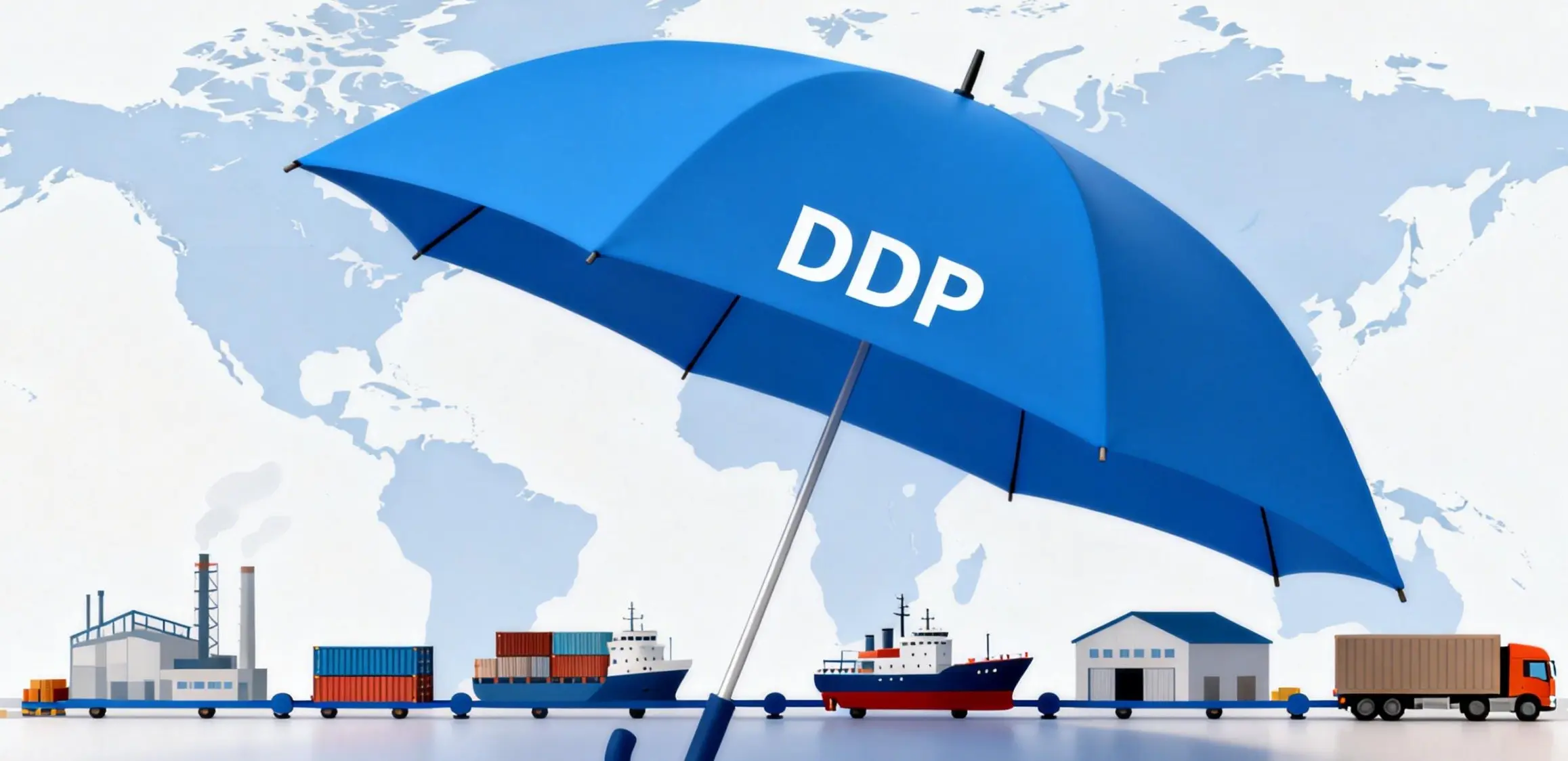
DDP shipping stands for Delivered Duty Paid, an international trade term under the Incoterms® rules published by the International Chamber of Commerce (ICC). In simple terms, DDP shipping means the seller takes on the maximum responsibility. The seller arranges all transportation, pays for shipping, handles customs clearance, and covers all duties and taxes in the destination country until the goods are delivered to the agreed location. This makes the process hassle-free for the buyer, as they only need to receive the cargo.
For importers sourcing goods from China, DDP shipping is especially attractive. It provides certainty about costs, reduces administrative work, and minimizes the risk of customs complications. However, it also requires the seller to have in-depth logistics knowledge or work with an experienced freight forwarder—such as Efanda Logistics—to avoid delays or unexpected fees. If you are considering routes to Africa, see our guide on shipping from china to kenya for more region-specific details.
What Does DDP Mean in Shipping Terms?
In shipping, DDP (Delivered Duty Paid) is one of the most comprehensive and buyer-friendly Incoterms. It specifies that the seller is responsible for all costs and risks associated with transporting the goods to the destination, including:
- Export and import customs clearance
- Payment of all duties, taxes, and customs charges
- Main carriage (ocean, air, rail, or multimodal transport)
- Delivery to the buyer’s named place (could be a port, warehouse, or even the buyer’s door)
Here is a quick comparison of DDP versus other common Incoterms:
| Term | Export Customs | Main Carriage | Import Customs | Duties & Taxes | Delivery to Final Place |
|---|---|---|---|---|---|
| EXW | Buyer | Buyer | Buyer | Buyer | Buyer |
| FOB | Seller | Buyer | Buyer | Buyer | Buyer |
| CIF | Seller | Seller | Buyer | Buyer | Buyer |
| DAP | Seller | Seller | Seller | Buyer | Seller |
| DDP | Seller | Seller | Seller | Seller | Seller |
With DDP shipping, buyers can focus on their business without worrying about customs, taxes, or hidden costs. For those new to international trade or importing from China, choosing DDP through a reputable partner can greatly simplify the process and reduce risk. If your business involves importing to East Africa, you may also want to explore shipping from china to tanzania for step-by-step guidance.
DDP shipping is ideal for importers seeking a hassle-free logistics solution. The seller assumes all responsibility, ensuring the goods arrive at the buyer’s location with all duties and taxes paid. This approach is particularly beneficial for those importing from China, as it minimizes both risk and administrative burden.
DDP Shipping Responsibilities (Seller vs Buyer)
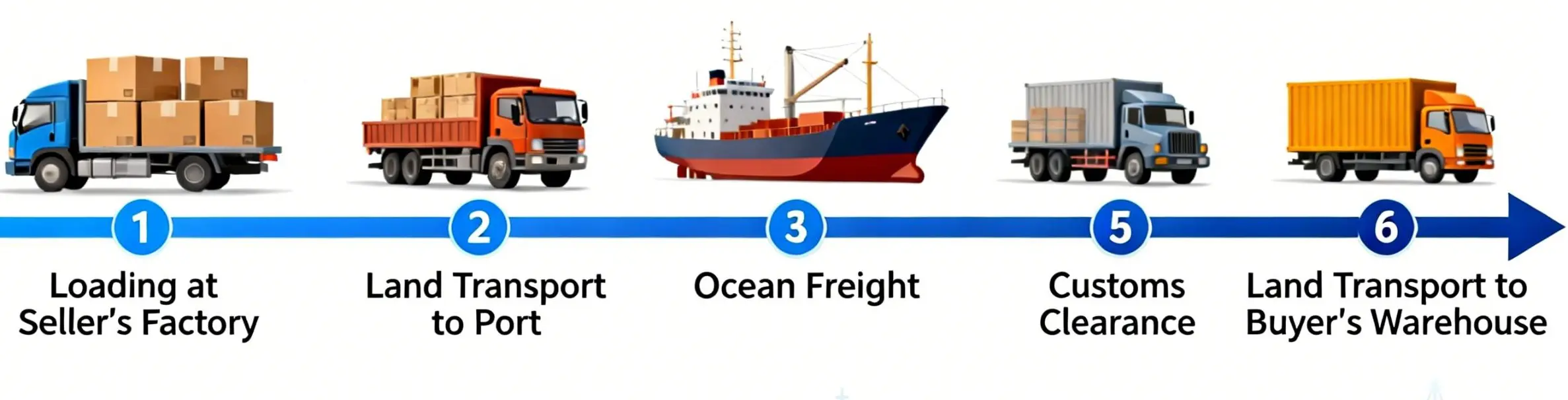
Delivered Duty Paid (DDP) shipping places the majority of risk, responsibility, and cost on the seller, making it a buyer-friendly international trade term under Incoterms 2020. Understanding the division of responsibilities between sellers and buyers is essential to ensure a smooth transaction and avoid unexpected issues or costs.
| Responsibility | Seller (Exporter) | Buyer (Importer) |
|---|---|---|
| Export Customs Clearance | Responsible for obtaining all documentation and paying export duties/taxes in the country of origin. | Not responsible. |
| Inland Transport (Origin) | Arranges and pays for transportation from factory/warehouse to port of departure. | Not responsible. |
| Main Freight | Pays and manages the international freight to the named destination (airport, port, or address). | Not responsible. |
| Import Customs Clearance | Handles and pays for all import duties, VAT/GST, customs clearance, and associated fees in the destination country. | Not responsible. |
| Inland Transport (Destination) | Arranges and pays for delivery from arrival port to final destination (often buyer’s door). | Not responsible, unless agreed otherwise. |
| Risks and Insurance | Bears all risks up to delivery at the agreed destination. | Risks transfer only after full delivery. |
| Documentation | Prepares all shipping, customs, and compliance documents. | May assist with information if needed. |
| Unloading at Destination | Unless specified, the buyer is usually responsible for unloading the cargo at their premises. | Responsible for unloading at final destination. |
In summary, under DDP shipping, the seller manages almost all logistics and compliance up to the buyer’s premises. The buyer’s main obligation is only to receive and unload the goods unless otherwise specified in the sales contract.
What Costs Are Included in DDP Shipping?
DDP shipping is designed to provide a turnkey solution for buyers, with virtually all costs pre-paid by the seller. This clarity helps importers from China budget effectively and avoid surprise expenses. Below is a detailed breakdown of costs typically included in a DDP shipment:
| Cost Component | Included in DDP? | Who Pays? | Notes |
|---|---|---|---|
| Manufacturing/Production Cost | Yes | Seller | The initial product cost. |
| Export Customs Clearance Fees | Yes | Seller | Costs for export documentation and clearance procedures. |
| Export Duties & Taxes (Origin) | Yes | Seller | Any government fees at origin. |
| Inland Transportation (Origin) | Yes | Seller | Trucking/rail to the port or airport in China. |
| Main International Freight | Yes | Seller | Sea, air, rail, or multimodal freight to destination country. |
| Insurance (Optional, Often Included) | Sometimes | Seller | Seller may include transport insurance; clarify in contract. |
| Destination Port/Terminal Charges | Yes | Seller | Terminal handling, unloading, and related fees at destination port. |
| Import Customs Clearance Fees | Yes | Seller | Broker fees and clearance documentation at import destination. |
| Import Duties and Taxes (Destination) | Yes | Seller | VAT, GST, import duties—all paid by seller on buyer’s behalf. |
| Inland Transportation (Destination) | Yes | Seller | Delivery to buyer’s door or specified location. |
| Delivery Order/Release Fee | Yes | Seller | Fees for obtaining cargo release from carriers/terminals. |
| Unloading at Buyer’s Premises | No (Unless Agreed) | Buyer | Buyer usually pays for unloading at their own premises. |
| Additional Charges (e.g., Storage, Demurrage) | No (Unless Agreed) | Buyer or Seller (Depending on terms) | Not included unless specified due to delays or special requirements. |
Key Points:
- DDP shipping provides maximum transparency for buyers. All major logistics, compliance, and import-related costs are pre-arranged by the seller.
- The buyer should always confirm if insurance, unloading, or any potential penalty charges are included, as these can vary by agreement.
- Working with an experienced freight forwarder ensures compliance with local regulations, accurate cost calculation, and on-time delivery.
For buyers importing goods from China, opting for DDP shipping minimizes hassle and provides cost certainty, making cross-border trade more accessible and predictable. If your shipments require specialized handling, services like door to door shipping can add further convenience.
DDP Shipping Process (Step by Step)
Conclusion first: The DDP shipping process (Delivered Duty Paid) offers importers the most hassle-free logistics solution, as the seller handles almost every responsibility until the goods are safely delivered to the buyer’s designated location. This makes it especially attractive for those less familiar with international shipping procedures or seeking to reduce administrative complexity.
Below is a clear, step-by-step breakdown of how the DDP shipping workflow typically operates for shipments from China to global destinations:
| Step | Action | Responsible Party | Key Documents/Notes |
|---|---|---|---|
| 1 | Quotation & Agreement | Seller & Buyer | Sales contract, incoterms selection |
| 2 | Export Customs Clearance in China | Seller | Export declaration, commercial invoice, packing list |
| 3 | Inland Transportation to Chinese Port | Seller | Domestic waybill |
| 4 | International Freight Booking & Payment | Seller | Bill of Lading (B/L), air waybill, rail documents |
| 5 | Main Carriage (Sea/Air/Rail) | Seller | Tracking info provided |
| 6 | Import Customs Clearance at Destination | Seller | Import declaration, customs duties, taxes paid by seller |
| 7 | Payment of Duties, Taxes & Fees | Seller | Proof of payment to authorities |
| 8 | Last-mile Delivery to Buyer’s Address | Seller | POD (Proof of Delivery), delivery receipt |
| 9 | Handover of Goods | Seller & Buyer | Final inspection, acceptance by buyer |
Key Points:
- The seller manages every step, including arranging transportation, paying for freight, handling all customs formalities (both export and import), and covering duties and taxes at the destination.
- The buyer is only responsible for receiving the goods and confirming condition upon delivery.
- DDP shipping is ideal for buyers seeking a fully-managed import solution with minimal risk and administrative burden.
Efanda Logistics specializes in DDP shipping from China, providing professional handling and transparent support at every stage. For a seamless experience and expert guidance, contact Efanda Logistics.
DDP vs DAP vs DDU: What’s the Difference?
Conclusion first: Understanding the difference between DDP (Delivered Duty Paid), DAP (Delivered at Place), and DDU (Delivered Duty Unpaid) is critical for choosing the right shipping term. Each option assigns different responsibilities and costs to the shipper and consignee.
The table below compares the key aspects of these three Incoterms:
| Aspect | DDP (Delivered Duty Paid) | DAP (Delivered at Place) | DDU (Delivered Duty Unpaid)* |
|---|---|---|---|
| Main Responsibility | Seller | Seller | Seller |
| Delivery Location | Buyer’s address (cleared) | Buyer’s address (not cleared) | Buyer’s address (not cleared) |
| Import Customs Clearance | Seller | Buyer | Buyer |
| Payment of Import Duties/Taxes | Seller | Buyer | Buyer |
| Risk Transfer Point | On delivery to buyer | On delivery to buyer | On delivery to buyer |
| Who Handles Last-mile Delivery | Seller | Seller | Seller |
| Used in Modern Incoterms | Yes | Yes | No (replaced by DAP) |
* DDU is no longer an official Incoterm as of Incoterms 2010, replaced by DAP.
Summary of Differences:
- DDP: The seller bears maximum responsibility, including local import duties/taxes. Easiest for buyers.
- DAP: Seller delivers goods but the buyer handles import clearance and pays duties/taxes.
- DDU: Similar to DAP, but the term is obsolete and replaced by DAP in official Incoterms.
Choosing the right Incoterm depends on your experience, resources, and risk appetite. For importers new to Chinese trade, DDP shipping offers the most convenience, while DAP may be more cost-effective for those with established local logistics capabilities. If you are targeting major markets like North America, you may also want to read about Shipping From China to USA for market-specific best practices.
Advantages and Disadvantages of DDP Shipping
Delivered Duty Paid (DDP) shipping is a popular international trade term, especially for importers sourcing goods from China. Understanding the pros and cons of this method is essential for making informed logistics decisions. Below is a clear comparison to help you evaluate whether DDP shipping aligns with your business needs.
| Aspect | Advantages | Disadvantages |
|---|---|---|
| Responsibility | Seller assumes all risks and responsibilities until goods are delivered at the final destination. | Buyer has limited control over shipping, customs, and last-mile delivery process. |
| Customs Clearance | The seller manages all import customs clearance and pays all duties and taxes, reducing the buyer’s administrative burden. | Limited transparency for the buyer; buyers may not learn about customs procedures or compliance requirements. |
| Cost Predictability | Total landed cost is provided upfront, making budgeting simple for buyers. | There may be hidden costs included in seller’s quote, making it difficult to assess cost-effectiveness. |
| Convenience | One-stop service: seller arranges everything, simplifying logistics for the buyer. | Buyers may pay a premium for the convenience; lack of flexibility to choose service providers. |
| Risk Management | Seller bears risks for transportation, insurance, and legal compliance up to delivery point. | If the seller is inexperienced or chooses unreliable logistics partners, there can be delays or compliance issues. |
| Regulatory Compliance | Sellers with expertise (like Efanda Logistics) ensure full compliance with complex international regulations. | If the seller lacks local expertise, goods might be seized, delayed, or incur unexpected costs. |
| Time Efficiency | Faster customs processing since the seller handles formalities directly. | Delays may occur if documentation is incomplete or inaccurate, and the buyer may have limited recourse. |
For importers from China, DDP shipping offers maximum convenience and predictable costs. However, it requires total trust in the seller’s logistics capabilities and their understanding of the destination country’s regulations. It is crucial to work with reputable freight forwarders to mitigate risks and ensure a smooth process.
When Should You Use DDP Shipping?
DDP shipping is not always the best fit for every transaction. Below are scenarios where DDP is particularly advantageous, as well as situations where other Incoterms might be preferable:
Ideal Scenarios for DDP Shipping
- New Importers: If you are inexperienced in international trade or lack a local team to handle customs, DDP simplifies the process.
- Destination Country with Complex Regulation: When importing into countries with strict or complicated customs procedures, relying on the seller’s expertise can help avoid compliance errors.
- Small Shipments: For e-commerce orders, samples, or small batches where cost efficiency and simplicity are desired, DDP can streamline the process.
- Limited Local Resources: If you do not have a local office, customs broker, or logistics partner in the destination country, DDP relieves you from handling on-ground operations.
- Budgeting Certainty Needed: When you need to know the total landed cost upfront for accurate pricing and financial planning.
When DDP May Not Be Suitable
- Large Shipments or Project Cargo: For high-value or bulky shipments, buyers may achieve better cost control and risk management by using other terms like DAP or FOB.
- Buyers With Strong Local Networks: If you have established relationships with customs brokers or local carriers, you might save costs by managing import procedures yourself.
- Restricted or Sanctioned Destinations: Some countries restrict DDP due to regulations, or require the importer to act as the Importer of Record (IOR).
- Buyer Needs Transparency: If you need detailed visibility over shipping, customs handling, and last-mile delivery, direct involvement may be preferable.
Quick Reference Table: When to Use DDP Shipping
| Scenario | DDP Recommended? | Notes |
|---|---|---|
| New importer, no logistics experience | ✅ Yes | Minimizes admin burden and risks |
| Importing to highly regulated country | ✅ Yes | Seller expertise reduces compliance mistakes |
| Large, high-value shipments | ❌ No | More cost-effective to negotiate logistics separately |
| Buyer has local logistics team | ❌ No | Consider DAP, DDU, or FOB for more control |
| Importing small e-commerce parcels | ✅ Yes | Simplicity and cost transparency advantageous |
| Destination restricts DDP or IOR required | ❌ No | Legal compliance may require buyer involvement |
DDP shipping is best used when simplicity, convenience, and risk mitigation are your top priorities, and you are working with a trustworthy and experienced seller or freight forwarder. Always assess your shipment characteristics, business resources, and regulatory environment before choosing the right Incoterm. For tailored advice, consulting a professional forwarder can ensure you select the optimal solution for your import needs.

Common DDP Shipping Risks and Mistakes
Delivered Duty Paid (DDP) Shipping offers importers convenience by shifting responsibility for nearly all logistics and costs to the seller. However, both buyers and sellers can face significant risks and common pitfalls when using this incoterm.
Key Risks in DDP Shipping
| Risk Area | Description | Potential Impact |
|---|---|---|
| Customs Clearance Delays | The seller is responsible for clearing customs in the buyer’s country. Incomplete or incorrect documentation may result in long delays, fines, or seizure of goods. | Increased lead time, extra storage fees, lost sales. |
| Underestimated Local Taxes & Duties | Misjudging the amount of import duties, VAT, or other local charges can lead to unexpected costs. | Reduced profit margins or disputes with buyers. |
| Non-Compliance with Local Regulations | Sellers may not be fully informed about the buyer’s import requirements, including licenses, labeling, or restricted goods. | Goods could be rejected or destroyed, compliance penalties. |
| Unfamiliar Local Processes | Sellers lacking local representation or expertise may struggle with final delivery, local taxes, or last-mile logistics. | Delivery failures, customer dissatisfaction. |
| Exchange Rate Fluctuations | Quoting DDP prices in foreign currencies exposes sellers to exchange rate risk between quote and payment. | Financial losses for the seller. |
| Hidden Carrier or Handling Fees | Unexpected terminal handling charges, warehouse fees, or delivery surcharges may arise at the destination. | Disputes over responsibility, extra costs for the seller. |
| Lack of Insurance | The seller bears the risk until delivery; insufficient insurance coverage can lead to major losses if cargo is damaged or lost in transit. | Potential total loss of shipment value. |
Common Mistakes in DDP Shipping
- Inadequate Research: Sellers often underestimate the complexity of local regulations, taxes, or documentation requirements in the destination country.
- Incorrect Documentation: Errors in commercial invoices, packing lists, or certificates can delay customs clearance.
- Ignoring Restricted or Prohibited Goods: Shipping items that are restricted or banned in the destination country can result in confiscation and penalties.
- Poor Communication: Lack of clear agreement about responsibilities, timelines, and included costs between buyer and seller can result in disputes.
- Choosing Inexperienced Freight Forwarders: Working with partners who lack DDP experience—especially in the destination country—can result in costly mistakes.
For importers, partnering with a reputable freight forwarder like Efanda Logistics is critical. Experienced professionals understand local regulations, manage documentation, and can prevent costly errors throughout the DDP shipping process. For further understanding of import procedures, especially in African markets, check out our expertise on shipping from china to ghana.
Conclusion
DDP shipping is an attractive option for importers who want a seamless, all-inclusive delivery experience, where the seller assumes nearly all risks and costs. However, both buyers and sellers must understand the complexities and potential pitfalls associated with Delivered Duty Paid arrangements.
Sellers face significant responsibility in understanding and complying with the customs and tax landscape of the buyer’s country. Buyers should carefully consider whether their suppliers have the expertise and local partnerships needed for successful DDP delivery.
Choosing experienced partners—like Efanda Logistics—and maintaining open, detailed communication can significantly reduce risks and ensure smooth, cost-effective shipping from China to your destination. Always clarify all duties, taxes, insurance coverage, and compliance requirements before agreeing to a DDP shipment.
DDP Shipping FAQ
Q1: Who is responsible for customs clearance and import taxes under DDP?
A: Under DDP shipping, the seller is fully responsible for customs clearance, payment of all import duties, taxes, and ensuring compliance with local regulations in the buyer’s country.
Q2: What is the difference between DDP and DAP shipping?
A: With DAP (Delivered At Place), the seller delivers the goods to the named place, but the buyer is responsible for import duties and taxes. With DDP, the seller is responsible for all costs and risks until the goods are delivered, including customs clearance and taxes.
Q3: Are there goods that cannot be shipped using DDP?
A: Yes. Items that are prohibited or heavily restricted in the destination country cannot be shipped under DDP terms, as the seller is responsible for ensuring compliance with all local import laws.
Q4: What happens if customs clearance is delayed under DDP?
A: Any delays or penalties caused by documentation errors, non-compliance, or other customs issues are the seller’s responsibility under DDP terms.
Q5: Should importers always choose DDP shipping from China?
A: Not always. While DDP offers convenience, it can be more expensive, and only experienced sellers with deep knowledge of the destination country’s regulations should offer it. Importers should assess the seller’s expertise and transparency before selecting DDP.
Q6: How can I minimize risks with DDP shipments?
A: Choose experienced, reputable logistics providers (such as Efanda Logistics), confirm all local regulations and costs, and ensure clear contractual agreements outlining each party’s responsibilities.