On January 26, 2026, the European Union and India officially signed a historic Free Trade Agreement (FTA), eliminating tariffs on over 90% of traded goods.
The Impact: Importers of textiles, leather, and furniture from India now enjoy 0% duty into the EU, creating a 10-15% price gap compared to goods from China.
The Reality Check: While tariffs are lower, India’s logistics infrastructure still lags. Transit times from Mumbai to Hamburg are currently 10-12 days longer than from Shenzhen due to port congestion and Red Sea diversions.
Efanda’s Solution: Don’t rush to switch suppliers. Optimize your China logistics with rail freight (18 days to Duisburg) and smart customs clearance strategies to maintain your competitive edge.
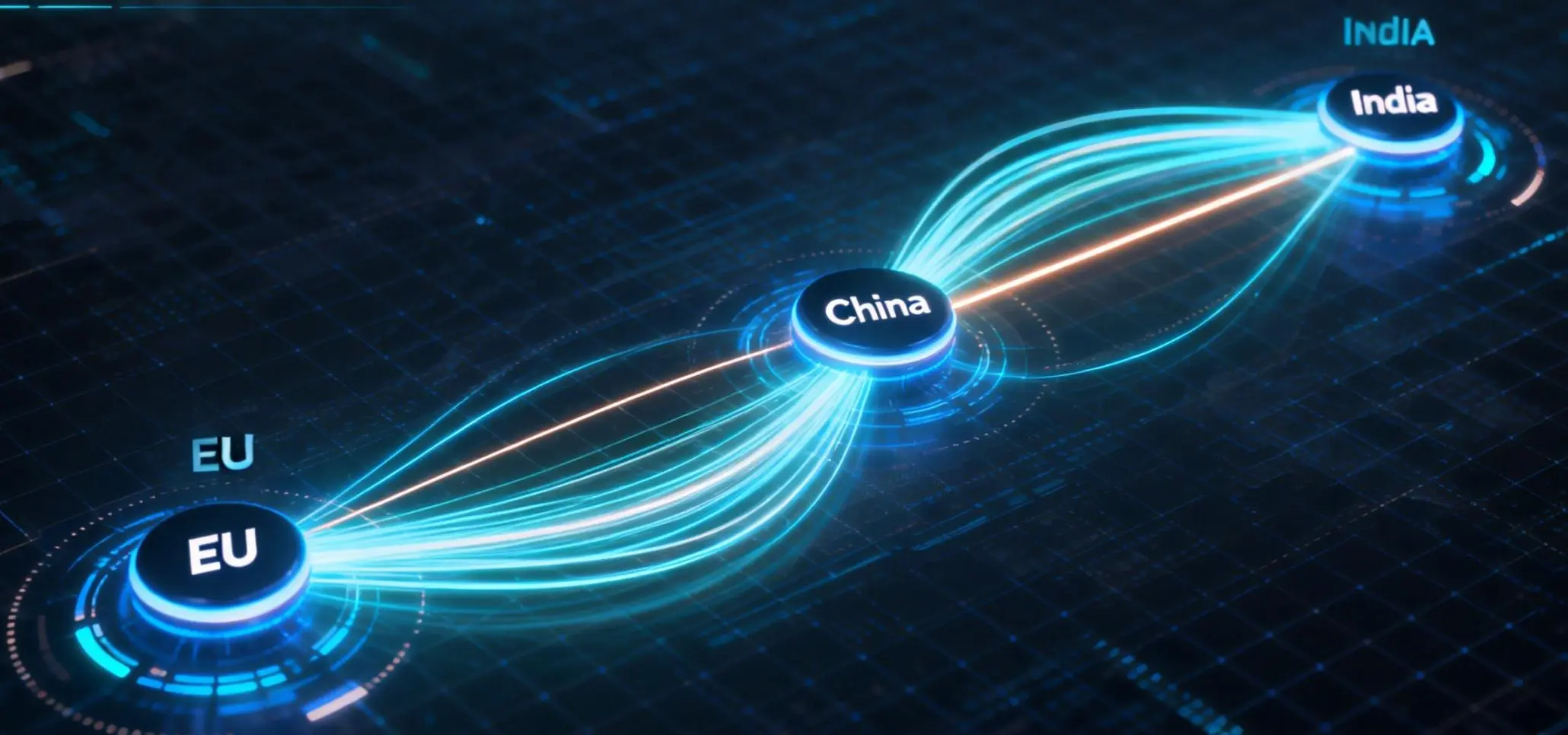
The global trade map was redrawn on January 26, 2026, when Brussels and New Delhi finally put pen to paper on the EU-India Free Trade Agreement (FTA). The ink was barely dry before our inbox at Efanda Logistics was flooded with emails from anxious clients in Germany, France, and Italy (especially those utilizing shipping from china to italy). The recurring question: “If my competitor buying from India suddenly pays zero duty while I pay 12% on Chinese goods, is my business dead?”
It is a valid fear. On paper, a 12% duty advantage is a market-killer. But trade doesn’t happen on paper; it happens in ports, on ships, and through complex supply chains.
At Efanda Logistics, we have spent the last week analyzing the fine print of the agreement and crunching real-time logistics data. The conclusion? Tariffs are not the only cost. When you factor in speed, reliability, raw material depth, and the hidden costs of compliance, China remains the heavyweight champion—if you manage your logistics correctly.
1. What Just Happened? The Jan 26 Deal Explained
After 20 years of stop-start negotiations, the deal is finally done. This is not a “light” agreement; it is a comprehensive economic partnership.
The “Zero-for-Zero” Principle
According to the official text released by the European Commission Directorate-General for Trade, the core of the agreement is the “Zero-for-Zero” principle:
- Effective Date: The agreement enters into force provisionally on April 1, 2026.
- EU Exports: Tariffs on 96.6% of EU exports to India will be eliminated.
- Indian Exports: Tariffs on over 90% of Indian exports to the EU will drop to 0%.
Key Sectors Affected
The biggest winners are India’s labor-intensive industries, which directly compete with China’s traditional export base:
- Textiles & Apparel: 0% Duty (previously 9-12%). This is the biggest threat to Chinese garment manufacturers.
- Leather Goods: 0% Duty (previously ~4-8%).
- Furniture: 0% Duty on wood/metal furniture.
- Gems & Jewelry: Immediate duty-free access.
Why This Matters: China lost its GSP (Generalised Scheme of Preferences) status years ago, meaning Chinese goods face standard “Most Favored Nation” (MFN) tariffs. India has now leapfrogged China, moving from GSP to full FTA status.
2. The “Rules of Origin” Trap: The Fine Print You Missed
Before you rush to find an Indian factory, you must understand Rules of Origin (RoO). This is where many importers get burned.
The “Double Transformation” Requirement
To qualify for the 0% FTA duty, a product cannot just be shipped from India; it must be made in India. The agreement typically requires:
- Change of Tariff Heading (CTH): The raw materials must have a different HS code than the finished product.
- Value Added Criteria: Usually, 40-50% of the value must be added within India.
The “China Component” Risk
Here is the irony: India manufactures the shoe, but they often import the leather chemicals, soles, buckles, and even the thread from China.
- Scenario: You buy a leather shoe from India. The leather is Indian, but the sole (30% of cost) and the buckle (5% of cost) are imported from Wenzhou, China.
- The Trap: If the “non-originating material” (Chinese parts) exceeds the threshold, the shoe does not qualify for the FTA. You will pay the standard MFN duty upon arrival in Hamburg, plus potential penalties for misdeclaration.
- Audit Risk: The European Anti-Fraud Office (OLAF) aggressively audits new FTAs. If they find your Indian supplier used too many Chinese parts, you are liable for back-duties for up to 3 years.
Efanda Expertise: We strongly advise our clients to request a “Cost Break-Down Statement” from Indian suppliers to verify the origin of every component before booking the first shipment.
3. The Hidden Costs: Why India Isn’t China (Yet)
Logistics is the circulatory system of trade. If the flow stops, the patient dies. We operate networks in both regions, and the operational difference is stark.
A. Infrastructure & Port Efficiency: The “Last Mile” Problem
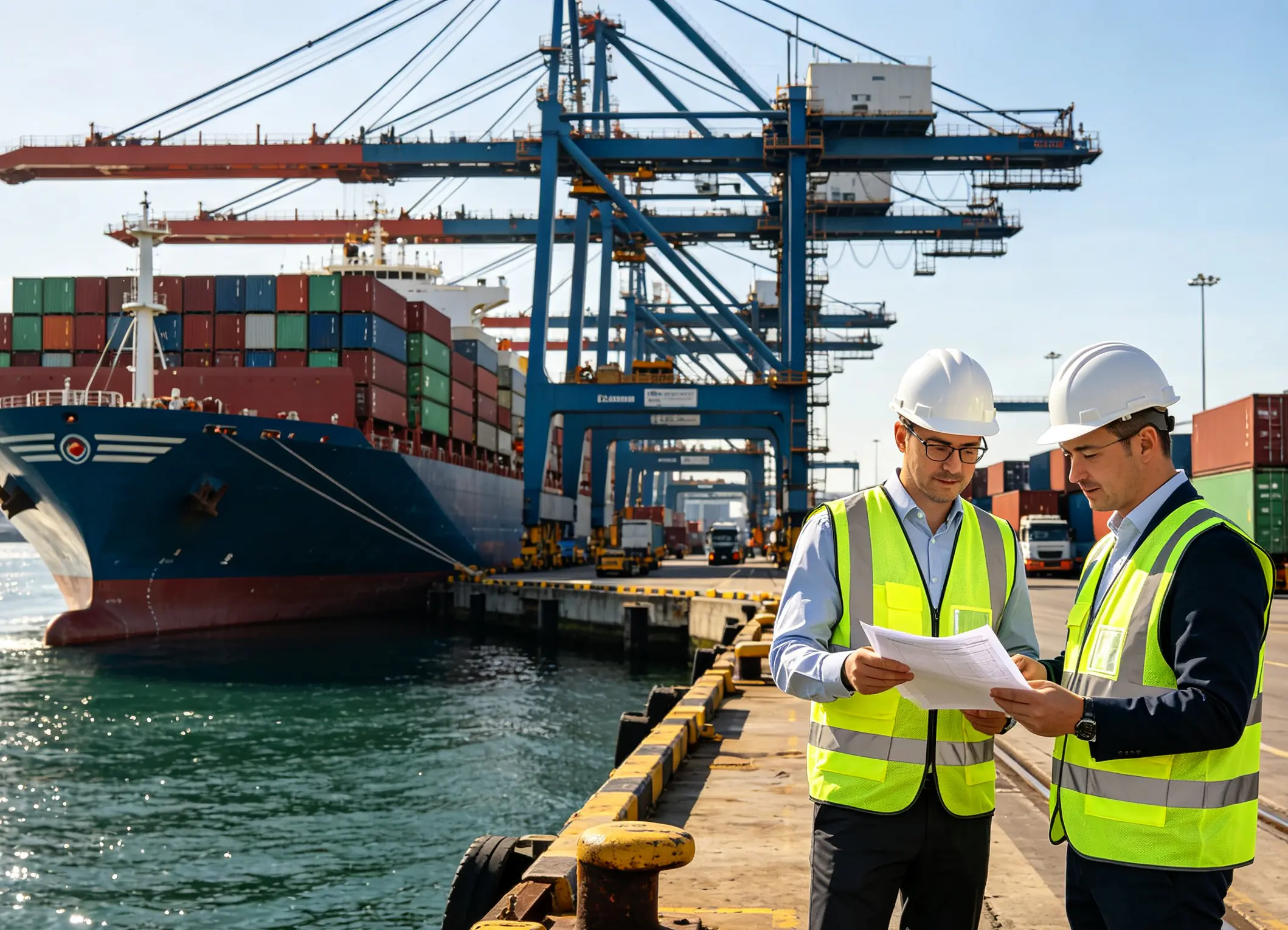
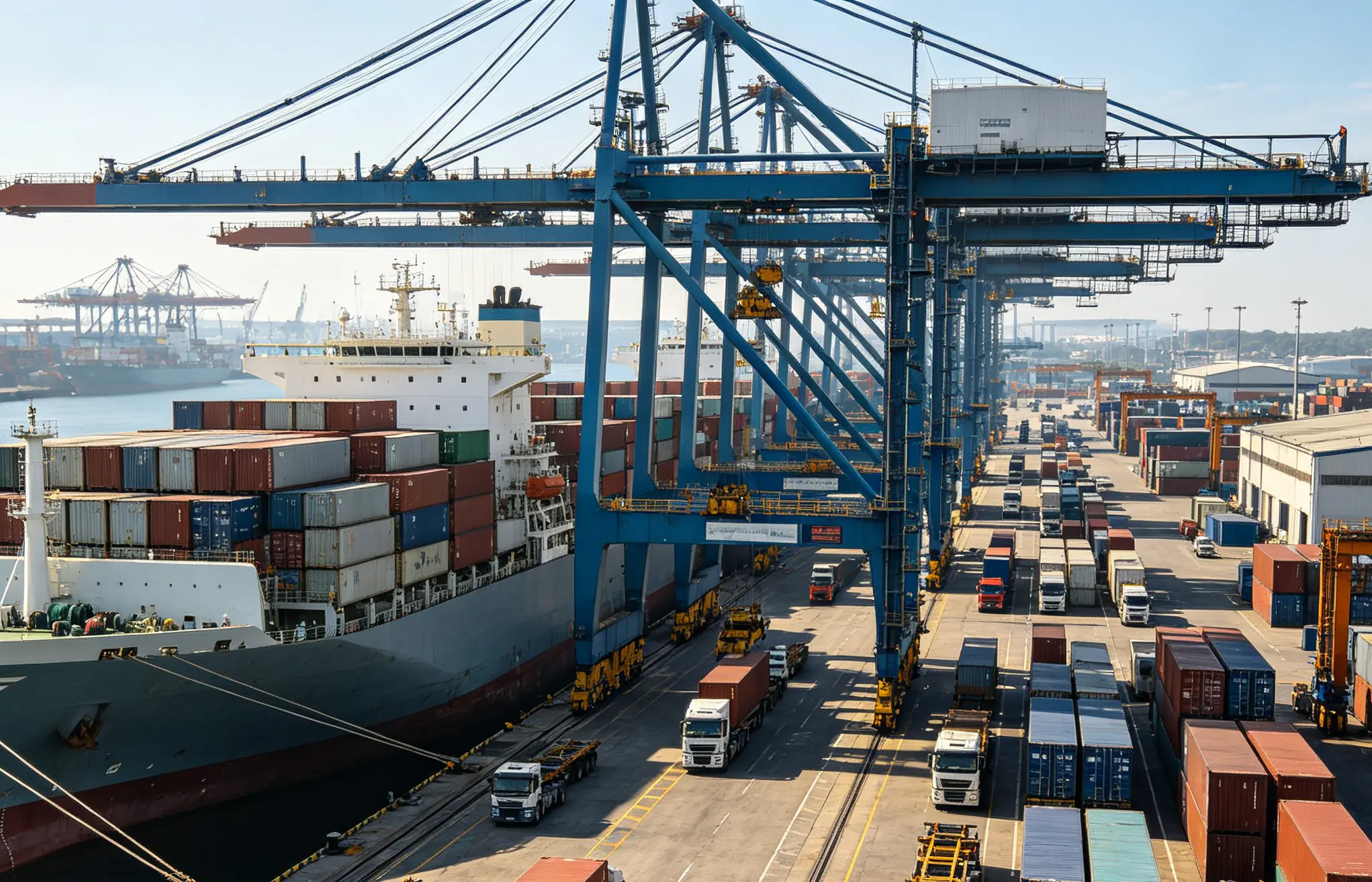
- China (The Gold Standard): Ports like Shanghai, Ningbo, and Shenzhen are fully automated.
- Crane Moves: Average 40-45 moves per hour (mph).
- Gate-In: A truck enters the gate and drops a container in under 45 minutes.
- India (The Bottleneck): Despite infrastructure upgrades, ports like Nhava Sheva (Mumbai) and Chennai struggle with congestion.
- Crane Moves: Average 20-25 moves per hour.
- Gate-In: During peak season (pre-Diwali or pre-Christmas), queues can stretch for miles, with wait times of 12-24 hours.
- Efanda Experience: In Jan 2026, we saw “rollovers” (containers missing their booked ship) reach 15% in Indian ports due to draft restrictions and equipment shortages. In China, it was under 2%.
B. The Red Sea Factor & Transit Time
Geography is destiny.
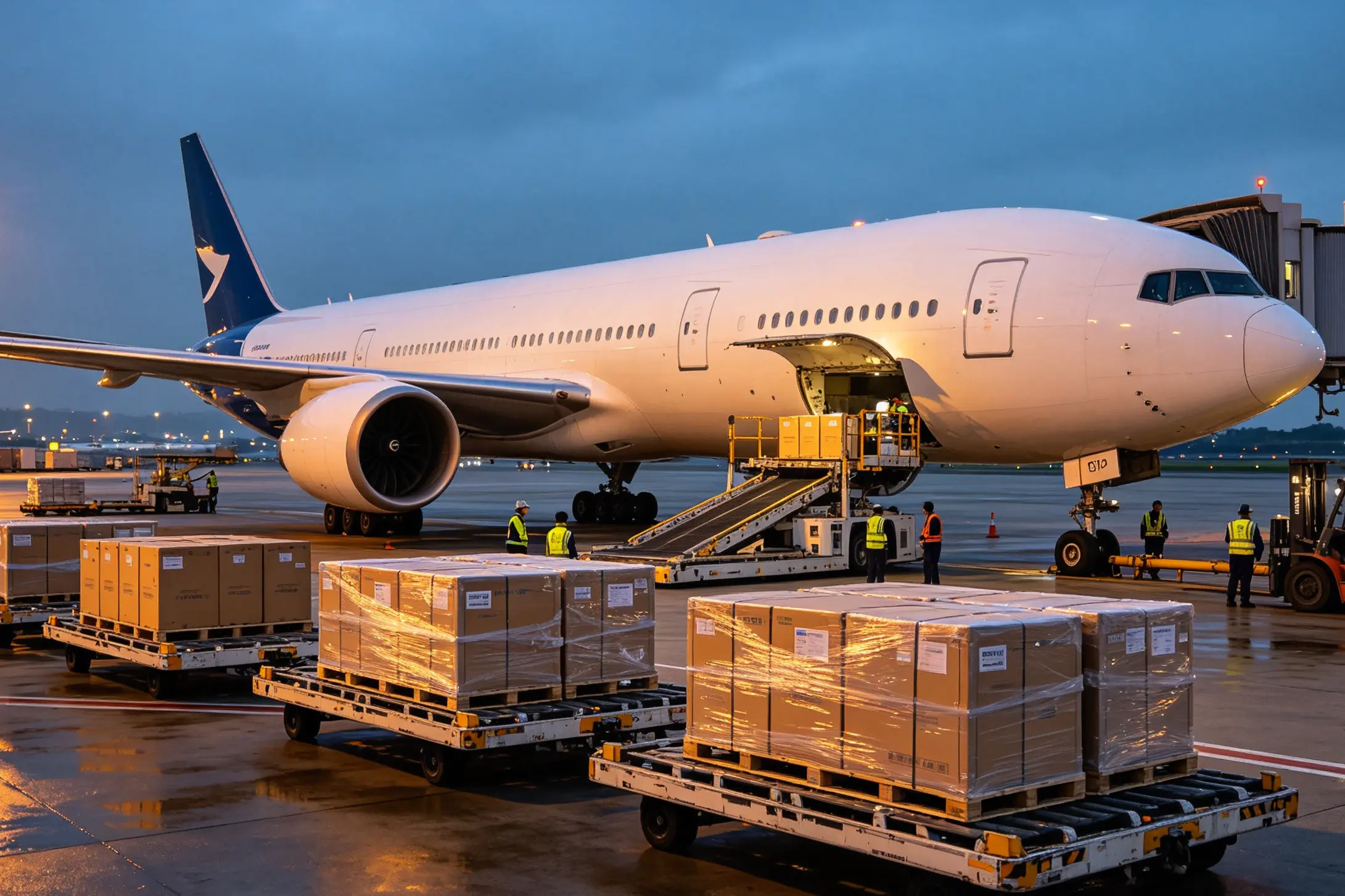
- China to EU: We have alternatives. The China-Europe Railway Express takes 18-22 days from Chengdu to Poland/Germany. It completely bypasses the Red Sea trouble spots.
- India to EU: Almost entirely dependent on the Suez Canal route. With the ongoing instability in the Red Sea (continuing into 2026), ships are diverting around the Cape of Good Hope.
- Impact: This adds 10-14 days to the voyage and increases fuel consumption.
- Result: shipping from china to france via rail is now faster than shipping from India via sea.
4. Efanda Case Logs: Real World Stories
To demonstrate the “Total Landed Cost” concept, let’s look at two recent cases from our files.
Case Study 1: The Furniture Dilemma
Date: February 2, 2026
Client: A French furniture retailer (Sofas & Chairs).
Scenario: The client considered moving 30% of production from Foshan (China) to Jodhpur (India) to save the 5.6% EU import duty.
| Cost Component | China (Foshan) | India (Jodhpur) | Notes |
|---|---|---|---|
| Ex-Works Price | $10,000 | $9,500 | India labor is cheaper. |
| Duty (EU) | $560 (5.6%) | $0 (FTA) | The FTA advantage. |
| Freight (40HQ) | $2,800 | $3,600 | India freight higher due to imbalances. |
| Inland Transport | $300 | $800 | Jodhpur is far inland; poor roads. |
| Transit Time | 35 Days | 48 Days | Cape diversion + port congestion. |
| Total Cost | $13,660 | $13,900 | China is actually cheaper. |
The Verdict: The extra freight cost ($800) and inland transport ($500) erased the duty saving. Plus, the extra 13 days of transit meant higher inventory holding costs. The client stayed in China.
Case Study 2: The Fast Fashion Fail
Date: January 15, 2026
Client: A German apparel brand.
Scenario: Moved hoodie production to Tirupur, India, to get 0% duty.
The Issue: The specific zipper and high-GSM fleece fabric were not available in India. They had to be imported from China to India first.
The Crisis: The fabric container was delayed in Chennai port for 7 days. The factory missed the production slot. To hit the Spring launch in Berlin, the client had to air freight the finished goods.
Cost Impact: The air freight bill was €12,000, wiping out the entire profit margin for the season.
Lesson: A supply chain is only as strong as its weakest link. China’s raw material ecosystem provides a safety net that India lacks.
5. Efanda’s “Total Landed Cost” Formula
Don’t be seduced by the “0% Duty” headline. Use this formula to calculate the real cost of sourcing:
- Risk Premium: Calculate your “Daily Burn Rate” (cost of being out of stock). If India takes 15 days longer, multiply 15 by your burn rate.
- Quality Control: In China, you might visit the factory once a year. In India, due to newer factories and less automation, you may need 3rd party QC inspections for every shipment ($300 per man-day).
6. Strategic Response: How to Win with China Sourcing in 2026
If you are sticking with China (which 90% of our clients are), here is how to blunt the edge of the India FTA:
1. Master the HS Codes (Engineering)
Work with our customs clearance team. Sometimes, a slight change in a product can shift the classification.
- Example: Adding a textile component to a leather shoe might shift it from HS 6403 (Leather) to HS 6404 (Textile), which might have a lower anti-dumping rate.
2. Use Speed as a Weapon
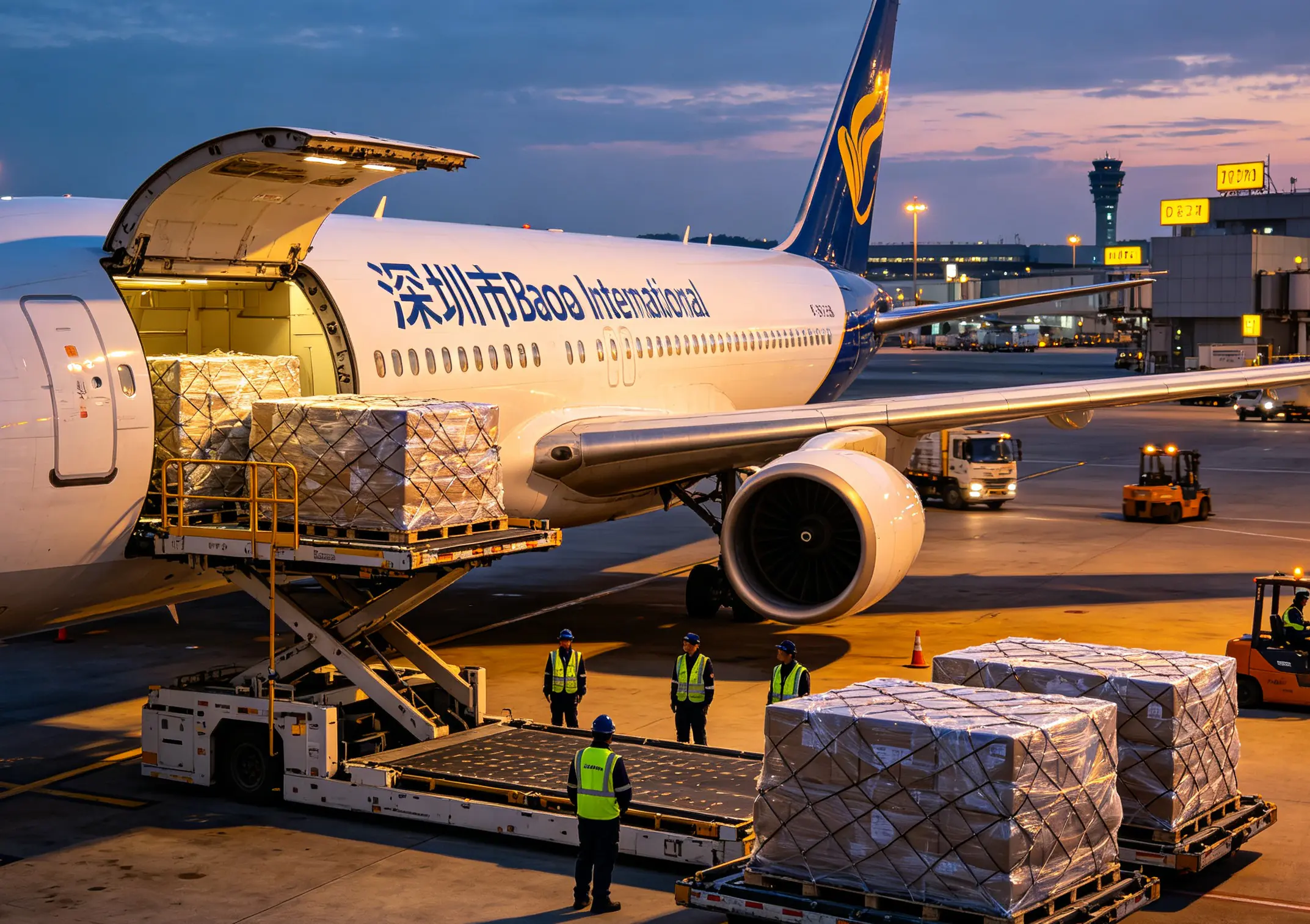
Your competitors buying from India are facing 45-day transit times. Use Efanda’s air freight or rail freight options to restock faster. Being in stock when competitors are sold out is worth more than a 5% duty saving.
- The Rail Advantage: The China-Europe train is the “Iron Silk Road.” It is reliable, eco-friendly, and twice as fast as sea freight.
3. Leverage Warehouse Services
If you import into Europe (via hubs like shipping from china to netherlands), use bonded warehouses to delay duty payments until the goods are sold. This improves your cash flow, allowing you to compete on price more aggressively.
4. Insure Against Complexity
With longer supply chains comes higher risk. We strongly recommend cargo insurance services. If a ship diverts or a container is dropped, the insurance payout can save your business.
Final Thought: The EU-India FTA is a wake-up call, but it is not a death sentence for China sourcing. It forces you to be smarter. By focusing on total landed cost, optimizing your logistics mix, and leveraging China’s speed, you can maintain your competitive edge.
7. FAQ: EU-India FTA vs. China Trade
Can I ship Chinese goods to India, re-label them, and ship to EU duty-free?
Absolutely not. This is called “Transshipment Fraud.” The EU-India FTA has strict Rules of Origin. You must prove that significant value (usually 40-50%) was added in India. Customs authorities track this aggressively using digital audits. Getting caught means massive fines, blacklisting, and potential criminal charges.
Does this FTA affect shipping from China to the UK?
No. The UK is no longer in the EU. The UK is negotiating its own deal with India, but for now, this specific Jan 26 agreement applies only to the EU 27 member states. UK importers still pay UK Global Tariff rates for both origins.
Will shipping rates from China drop because of this?
Possibly. If demand shifts significantly to India, carriers might lower rates from China to fill ships. However, in Q1 2026, we are actually seeing China rates hold steady due to strong demand from the US and Latin America. Don’t bank on a rate crash.
Which products are safe from this threat?
Electronics, high-tech machinery, complex molded plastics, and anything requiring precision engineering. China’s supply chain depth in these sectors is unmatched. India is catching up in assembly (like iPhones), but the component ecosystem is still in China.
What about the currency exchange rate?
This is a hidden factor. The Indian Rupee (INR) can be more volatile than the Chinese Yuan (CNY). A 5% swing in currency can wipe out your duty saving. Always hedge your FX exposure.
Disclaimer: This article provides general analysis of the EU-India FTA as of February 2026. Trade regulations are complex. Always consult with a qualified customs broker or legal advisor before making sourcing decisions. Efanda Logistics is not a law firm.