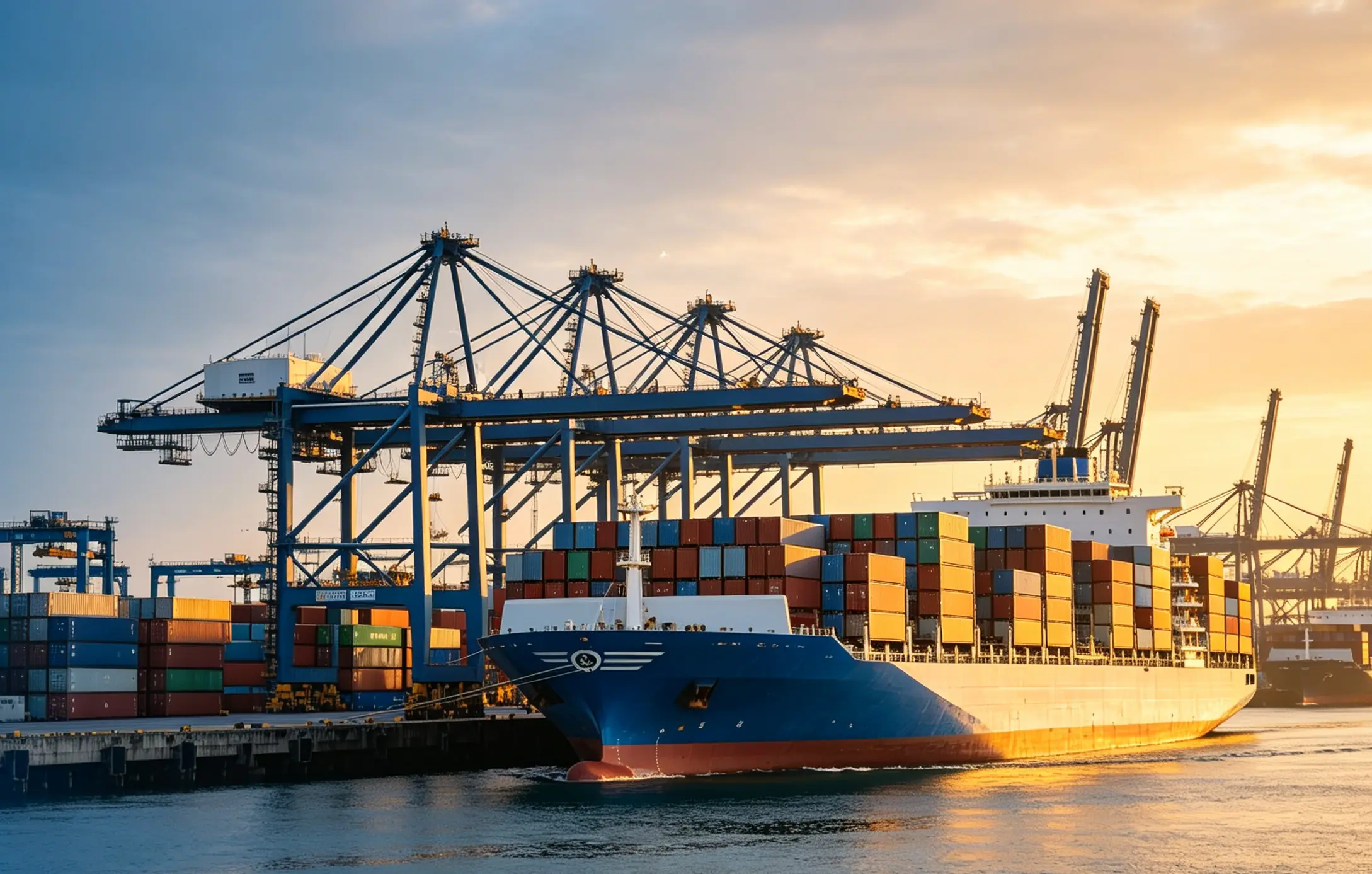
Are you struggling with complex customs regulations in Saudi Arabia, unexpected fines at Jebel Ali, or hidden port fees when shipping to Dubai? You are not alone. In our experience managing hundreds of shipments to the Gulf, the Middle East represents a booming market but a logistical minefield for the unprepared.
As a professional door to door shipping agent from china to Middle East, Efanda Logistics simplifies your supply chain by turning these challenges into a streamlined, predictable process. The Middle East customs landscape—especially the strict SABER certification in Saudi Arabia—can be a nightmare for uninitiated importers. One missing document can lead to weeks of delays and thousands of dollars in demurrage charges.
Our DDP (Delivered Duty Paid) service offers a “hands-off” experience. We handle everything from pickup at your supplier’s factory in China to final delivery at your warehouse in Riyadh, Dubai, Doha, or anywhere in the GCC. In this comprehensive guide, updated for 2026, we will walk you through everything you need to know about shipping to the Middle East without the headaches, backed by our veteran insights.
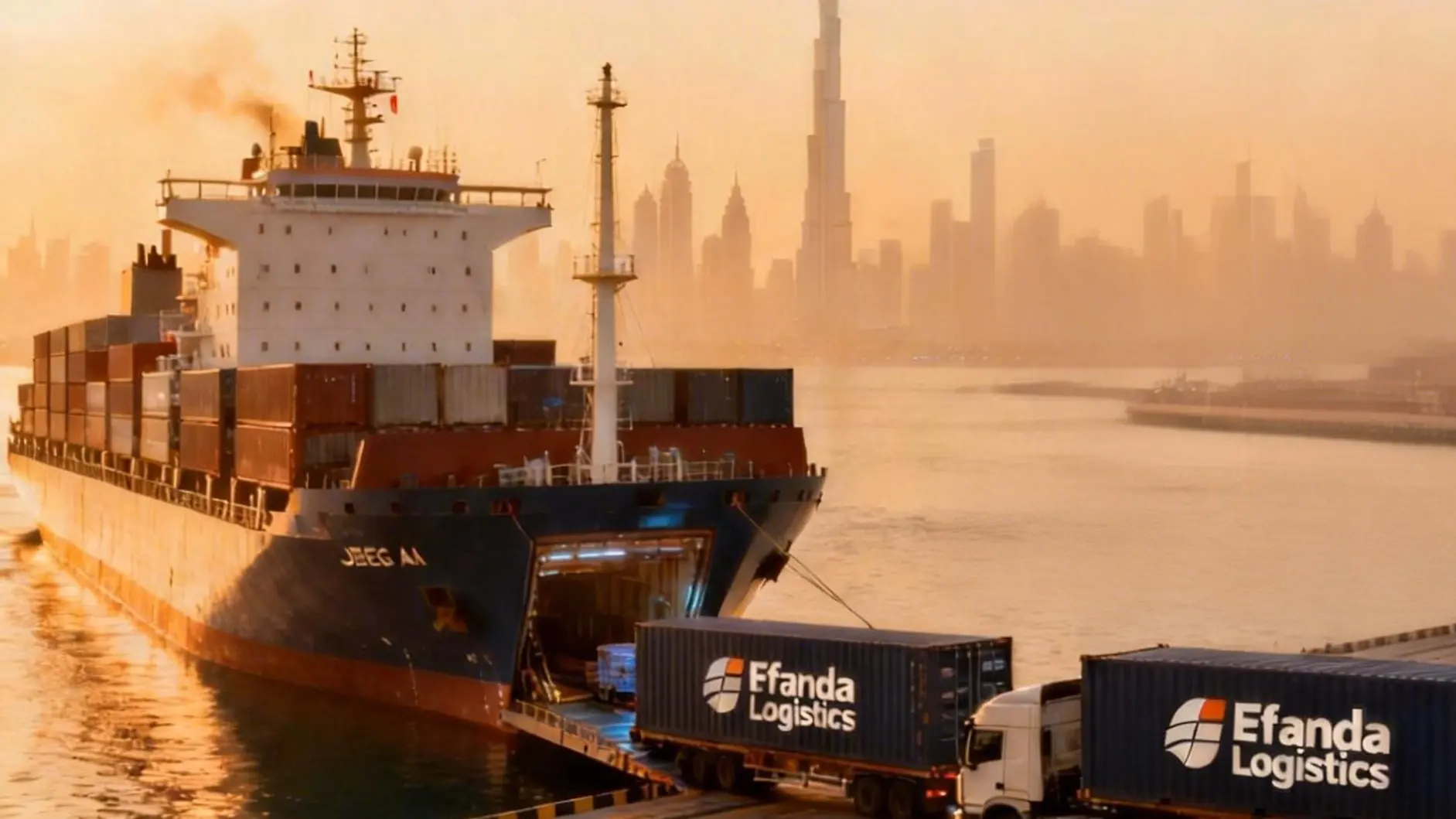
1. Why Choose DDP Shipping from China to Middle East?
When shipping internationally, the Incoterm you choose determines your risk and responsibility. While many suppliers offer CIF (Cost, Insurance, and Freight) to the destination port, this often leaves the buyer stranded with complex customs clearance procedures and unpredictable local charges.
What is DDP in the Middle East Context?
DDP (Delivered Duty Paid) means the seller (or in this case, your shipping agent, Efanda Logistics) takes maximum responsibility. According to the International Chamber of Commerce (ICC), DDP places the maximum obligation on the seller. We cover:
- Pick-up & Export: Collecting goods from the factory in Shenzhen, Guangzhou, Yiwu, or Shanghai and handling Chinese export declarations.
- International Transit: Air or Sea freight to the destination country (e.g., UAE, KSA).
- Import Clearance: Managing all local customs procedures, including duty payments and VAT.
- Final Delivery: Trucking the goods directly to your specified address (warehouse, office, or Amazon FBA center).
DDP vs. CIF/FOB: The SME Advantage
For small to medium-sized enterprises (SMEs) and e-commerce sellers, DDP is often the superior choice compared to CIF or FOB.
| Feature | CIF (Cost, Insurance, Freight) | FOB (Free On Board) | DDP (Delivered Duty Paid) |
|---|---|---|---|
| Customs Clearance | Buyer’s Responsibility | Buyer’s Responsibility | Agent’s Responsibility |
| Import Duties/VAT | Buyer Pays on Arrival | Buyer Pays on Arrival | Included in Quote |
| Hidden Port Fees | High Risk (Destination Charges) | Moderate Risk | Zero Risk (All-in) |
| Convenience | Low | Medium | High (Door-to-Door) |
Key Benefits of DDP
- Cost Certainty: You receive a single, all-inclusive quote per kilogram or CBM. There are no surprise bills for “handling fees” or “exchange rate adjustments” upon arrival.
- Risk Mitigation: We handle the complex compliance landscape. If a shipment is flagged for inspection, our local team resolves it. You don’t need to hire a separate customs broker. Consider adding cargo insurance services for extra peace of mind.
- Convenience: You deal with one invoice and one point of contact. This frees you to focus on sales and marketing rather than logistics troubleshooting.
2. Key Destinations: Shipping to Saudi Arabia, UAE, and GCC
The Gulf Cooperation Council (GCC) countries share some regulations but have distinct logistical characteristics.
United Arab Emirates (The Hub)
The UAE is the logistics gateway to the entire region.
- Key Ports: Jebel Ali (Sea) is the largest port in the Middle East; DXB and DWC (Air) are major global cargo hubs.
- Logistics Insight: Dubai serves as a transshipment hub. Many goods are shipped to Dubai and then trucked to Oman, Bahrain, or even Saudi Arabia. For detailed routes, see our guide on shipping from China to UAE.
- VAT: The UAE applies a standard 5% VAT and 5% Import Duty on most general cargo. Verify current rates with the UAE Federal Tax Authority.
Saudi Arabia (The Growth Engine)
Saudi Arabia is the largest market but also the most challenging regulatory environment.
- Key Ports: Jeddah Islamic Port (Red Sea), King Abdulaziz Port in Dammam (Persian Gulf), and Riyadh Dry Port.
- The Challenge: The SABER electronic certification system is mandatory. Failure to comply leads to immediate rejection of cargo. Learn more about our shipping from China to Saudi Arabia services.
- Taxes: Saudi Arabia has a higher VAT rate of 15%, significantly impacting landed costs compared to the UAE. Always check with ZATCA (Zakat, Tax and Customs Authority) for the latest updates.
Broader Middle East Coverage
Beyond the GCC, Efanda provides specialized routes for shipping from China to Iraq, shipping from China to Iran, and shipping from China to Egypt.
3. Shipping Modes: Air vs Sea Freight from China to Middle East
Choosing the right mode depends on your budget, timeline, and cargo volume.
Air Freight DDP
- Transit Time: 5-8 days (Door to Door).
- Best For: High-value electronics, fashion items, urgent samples, and e-commerce replenishment.
- Routes: Direct flights from major Chinese hubs (CAN, HKG, PVG) to Dubai (DXB) or Riyadh (RUH).
- Cost Structure: Charged per kilogram. Ideal for shipments between 100kg and 1000kg.
Sea Freight DDP (LCL/FCL)
- Transit Time: 25-35 days (Door to Door).
- Best For: Bulk furniture, heavy machinery, construction materials, and large stock orders.
- Routes: Shenzhen/Ningbo/Shanghai to Jebel Ali or Jeddah.
- LCL (Less than Container Load): We consolidate your cargo with others in a container. You pay only for the CBM (Cubic Meters) you use.
- FCL (Full Container Load): You rent the entire container (20ft or 40ft). Most cost-effective for volumes over 15 CBM.
Sea-Air Hybrid (The Middle Ground)
- How it Works: Goods move by sea from China to Dubai (approx. 15 days), then transfer to air freight for the final leg to Europe or Africa, or regional trucking to other GCC states.
- Benefit: It is significantly faster than pure sea freight and 30-50% cheaper than pure air freight.

4. Customs Clearance Guide: SABER, VAT, and DDP Solutions
This is where Efanda’s expertise as a door to door shipping agent truly shines. The “hard part” of shipping to the Middle East is almost always customs compliance.
Saudi Arabia: The SABER System
The SABER platform is integrated with Saudi Customs (ZATCA) to verify product safety. It involves a two-stage process:
- Product Certificate of Conformity (PCoC): Valid for one year. Requires testing reports (from labs like Intertek/SGS) to prove the product meets SASO standards.
- Shipment Certificate of Conformity (SCoC): Required for every specific shipment. It links the valid PCoC to the commercial invoice.
Efanda Advantage: For our DDP clients, we often utilize our own importer records or assist you in navigating the SABER registration process to ensure your PCoC is ready before the goods leave China. You can verify requirements directly on the SABER Official Platform.
Standard Documentation
Even for DDP, accuracy is key. We ensure the following are perfect:
- Commercial Invoice: Must show HS Codes and true values. accurate HS Codes are crucial; verify them with the World Customs Organization (WCO).
- Packing List: Detailed breakdown of packages, weights, and dimensions.
- Certificate of Origin (CO): Often required to prove Chinese origin, sometimes needing Chamber of Commerce attestation.
Duties & Taxes Breakdown
- GCC Common Tariff: Generally 5% for most goods.
- VAT Differences:
- UAE: 5%
- Saudi Arabia: 15%
- Bahrain: 10%
- Oman/Qatar/Kuwait: 5% (subject to change, always verify).
- Anti-Dumping Duties: Be aware that certain goods (like ceramics or car tires from China) may face extra anti-dumping duties. Efanda checks this prior to shipment.
5. 2026 Cost Guide: Shipping Rates from China to Middle East
Shipping rates fluctuate based on fuel prices, capacity, and season. Below is an estimated range for General Cargo in 2026.
| Mode | Destination | Est. Transit Time | Est. Cost Range (DDP) |
|---|---|---|---|
| Air Freight | UAE (Dubai) | 5-7 Days | $4.50 – $6.50 / kg |
| Air Freight | Saudi Arabia (Riyadh) | 6-9 Days | $5.50 – $7.50 / kg |
| Sea Freight (LCL) | UAE (Jebel Ali) | 25-30 Days | $180 – $250 / CBM |
| Sea Freight (LCL) | Saudi Arabia (Jeddah) | 30-40 Days | $250 – $350 / CBM |
| Express (Courier) | GCC Wide | 3-5 Days | $8.00 – $12.00 / kg |
> Note: Rates are estimates for reference only. Hazardous goods (batteries, liquids) or oversized cargo will incur surcharges.
Factors Influencing Cost
- Chargeable Weight: For air freight, 1 CBM = 167 KG. If your goods are voluminous (e.g., cotton pillows), you pay for the volume weight, not the actual weight.
- Commodity Type: Electronics require less scrutiny than cosmetics or food items. Dangerous goods (DG) require special packing and handling.
- Seasonality: The Ramadan Rush (usually 1-2 months before Ramadan) sees a spike in demand and rates. Plan ahead!
6. How Our Door to Door Shipping Agent Process Works
We have refined our process to be as simple as possible for you.
- Quote & Booking: You provide the packing list and destination. We provide a guaranteed DDP quote.
- Pickup & Consolidation: We pick up goods from your suppliers. If you have multiple suppliers, we consolidate them at our Shenzhen warehouse services to save costs.
- Export Clearance: We handle the Chinese export license and documentation.
- International Transit: Goods depart via Air or Sea. You receive a tracking number.
- Import Clearance: Upon arrival in Dubai or Riyadh, our local agent handles the customs entry, pays the duties, and clears the cargo.
- Final Delivery: We arrange a local truck to deliver the goods to your doorstep, warehouse, or Amazon FBA center.

7. FAQ: Shipping from China to Middle East
Q1: Do I need an import license for DDP shipping to Saudi Arabia?
A: No. With our DDP service, Efanda or our partners act as the importer of record for customs purposes. You do not need your own import license or commercial registration in the destination country for most general goods.
Q2: What is the cheapest way to ship to Saudi Arabia?
A: Sea Freight LCL (Less than Container Load) is the most economical method for shipments over 1 CBM that are not time-critical. For smaller shipments (under 100kg), Air Freight might be surprisingly competitive due to minimum sea freight charges.
Q3: Can you handle SABER certification for me?
A: Yes. We can guide you through the process or connect you with accredited bodies to obtain the PCoC. For some product categories, we may have existing solutions to facilitate clearance.
Q4: How long does shipping to Dubai take?
A: Air freight typically takes 5-7 days door-to-door. Sea freight takes approximately 25-30 days door-to-door, depending on the consolidation schedule and customs speed.
Q5: Can you ship brand-name goods (Nike, Apple, etc.)?
A: Shipping branded goods requires an official Letter of Authorization from the brand owner. Without this, goods are at high risk of confiscation by customs. We strictly adhere to IP laws.
8. Conclusion: Your Reliable Shipping Partner
Navigating the logistics of the Middle East doesn’t have to be a gamble. As your dedicated door to door shipping agent from china to Middle East, Efanda Logistics provides the expertise, local presence, and transparent pricing you need to scale your business in the GCC.
Whether you are shipping a small sample to Dubai or a full container to Dammam, our DDP solutions ensure your goods arrive safely, on time, and without hidden costs.
Ready to simplify your shipping?
Contact Efanda Logistics today for a free, no-obligation quote and let us handle the heavy lifting for you.