1. Introduction: The Fast Track to Europe via Schiphol
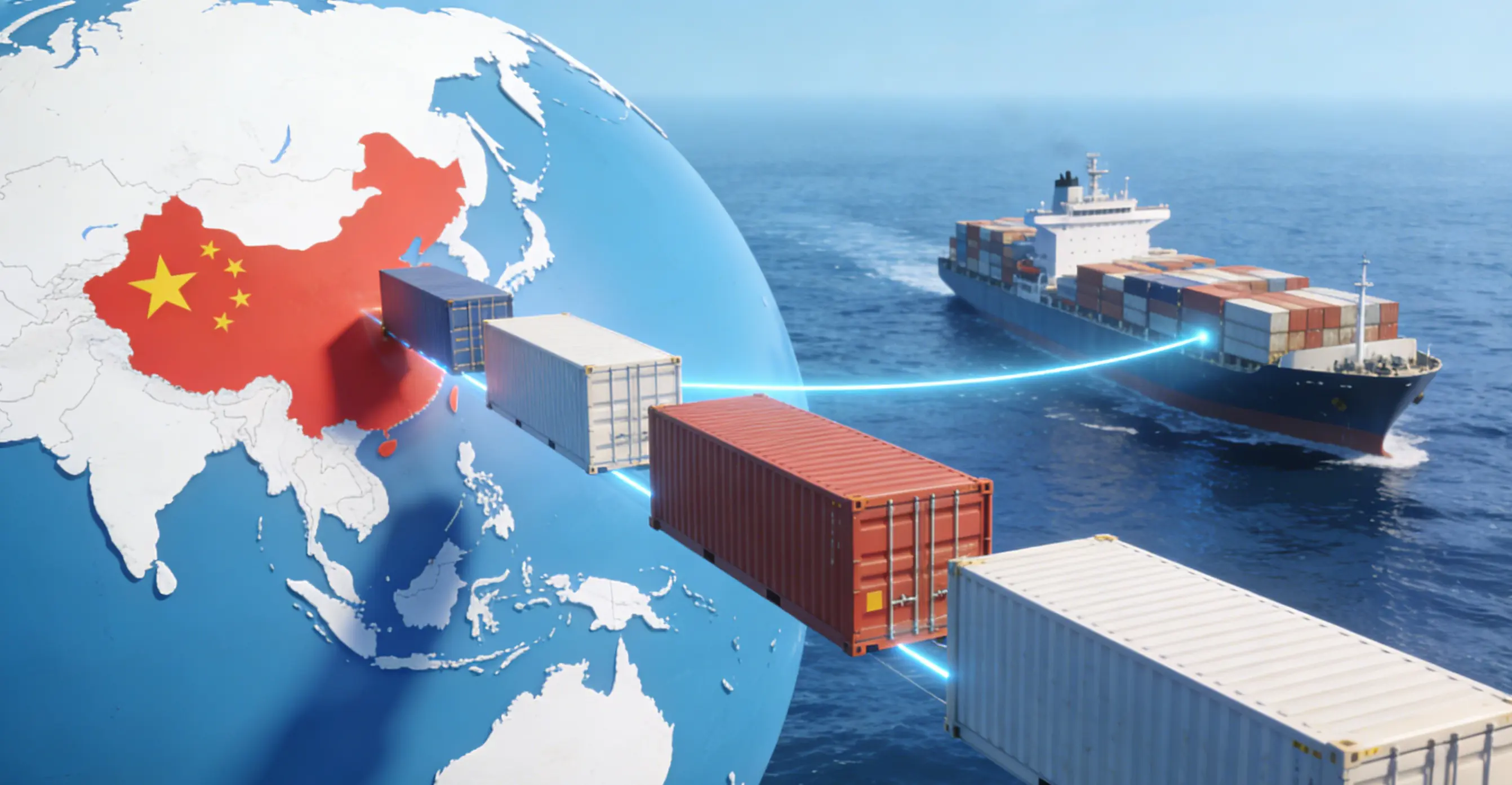
Speed is the currency of modern trade. For Dutch importers and e-commerce sellers, getting goods from Shenzhen to Amsterdam in days, not weeks, is a competitive advantage that can make or break a business. When your inventory is low or a new product trend hits the market, waiting 35 days for a sea container is simply not an option.
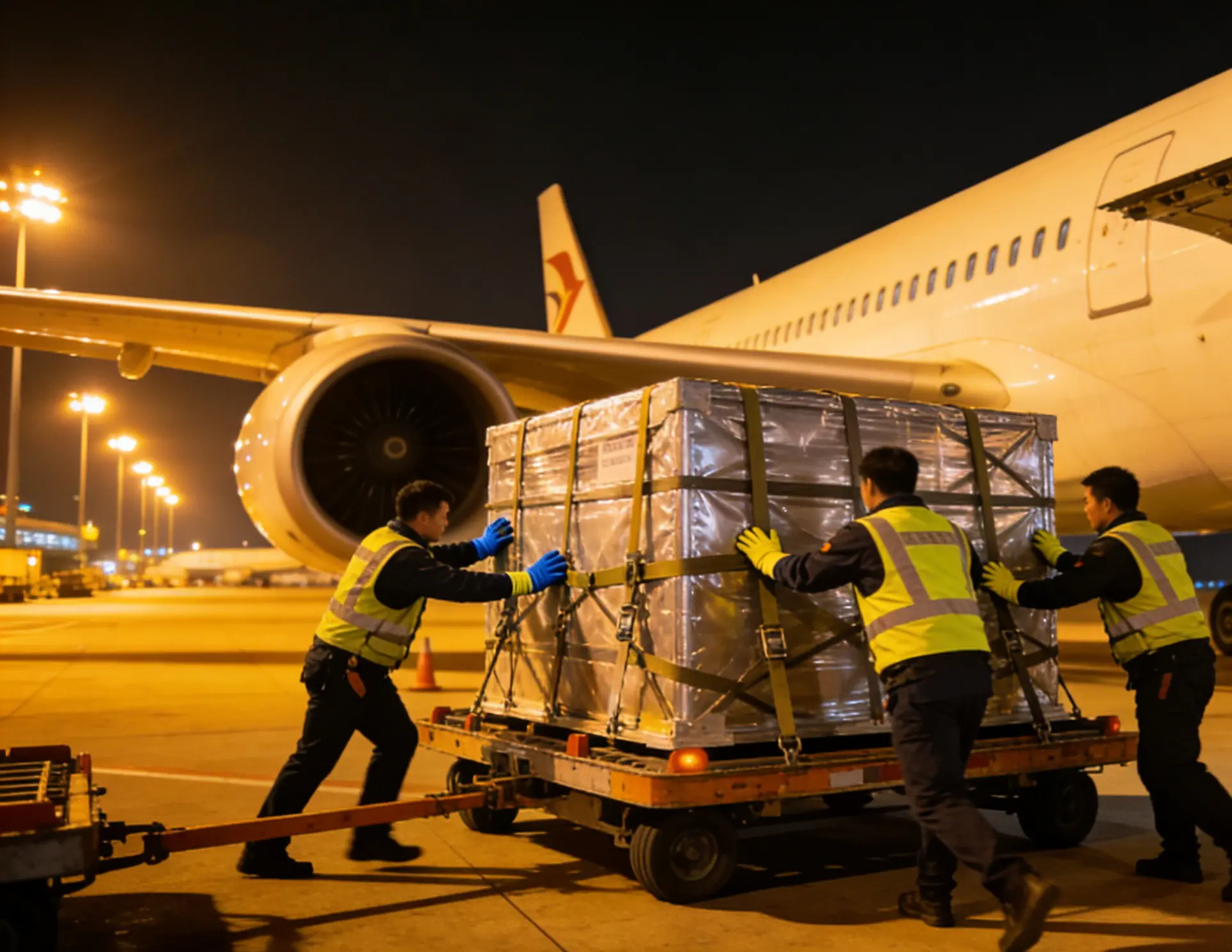
In our experience managing urgent shipments during the recent Red Sea crisis, we saw transit times for sea freight balloon to 45+ days. Meanwhile, our air freight clients continued to receive goods in under a week. This is where Air Shipping from China to Netherlands comes into play. It is not just about moving boxes; it is about agility.
The Netherlands, with its world-class infrastructure at Amsterdam Airport Schiphol (AMS), serves as the premier logistics gateway to Europe. Whether you are shipping high-value electronics, urgent fashion samples, or critical spare parts, air freight offers the reliability and speed that sea freight cannot match.
In this comprehensive 2026 guide, we will dive deep into everything you need to know: from calculating chargeable weight and navigating Dutch customs (including the famous Article 23 license) to choosing the right Incoterms. Our goal is to empower you to make smarter logistics decisions that save both time and money.
2. Air Freight vs. Other Modes: Making the Right Choice
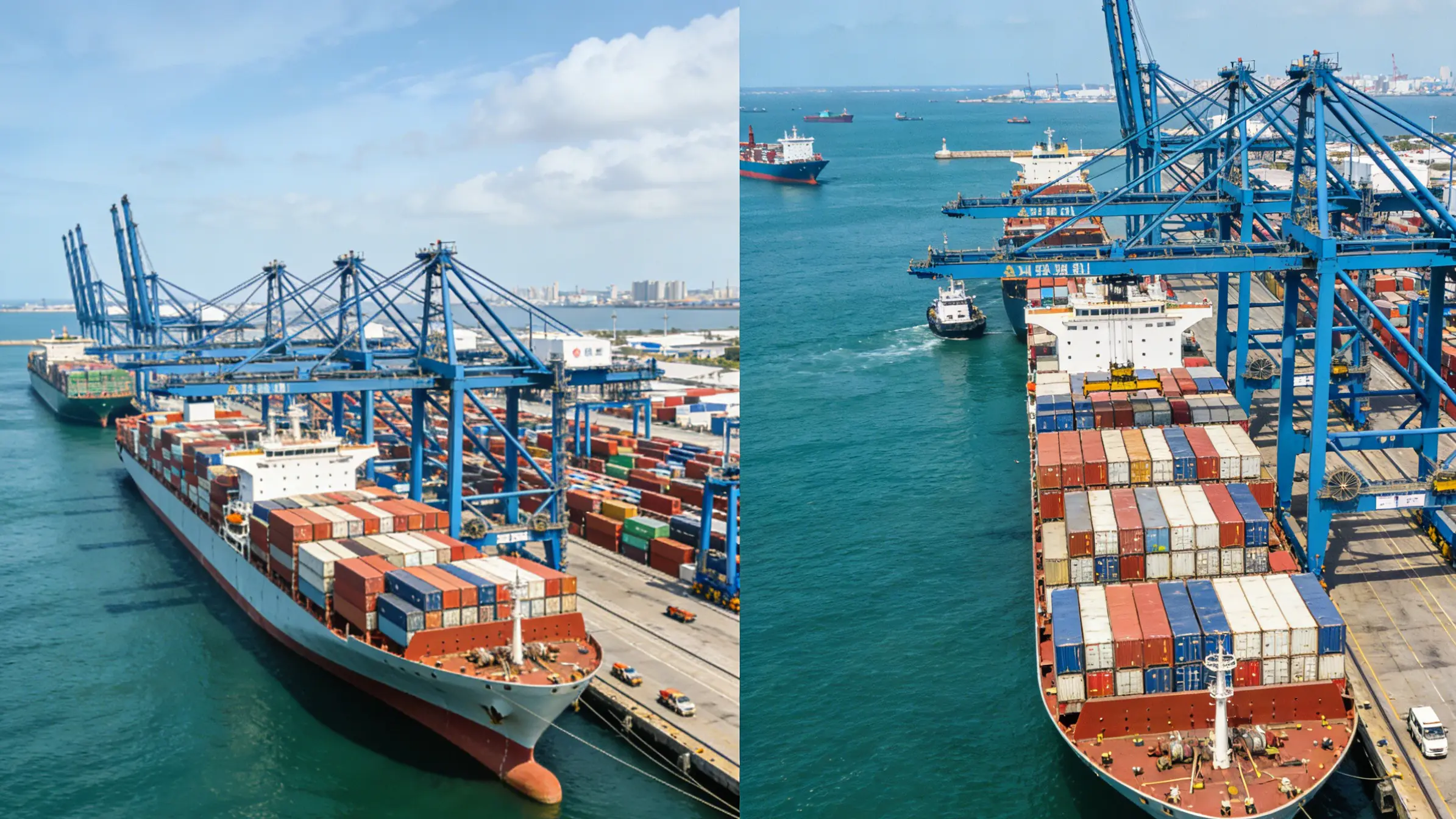
Choosing the right shipping mode is a balancing act between cost, speed, and volume. Before you book a flight, it is crucial to understand how air freight compares to its alternatives: Sea Freight and the China-Europe Railway Express.

Comparison Matrix: China to Netherlands
| Feature | Air Freight | Rail Freight | Sea Freight (LCL/FCL) |
|---|---|---|---|
| Transit Time | 3 – 7 Days | 18 – 24 Days | 30 – 40 Days |
| Cost | High ($$$$) | Medium ($$) | Low ($) |
| Reliability | Very High | High | Medium (Weather/Port delays) |
| Carbon Footprint | High | Low | Lowest |
| Best For | Urgency, High Value, < 500kg | “Middle Way”, 500kg – 3000kg | Bulk, Low Value, > 2 CBM |
When to Choose Air Freight?
- High Value/Low Volume Goods: For products like electronics, jewelry, or precision instruments, the cost of air freight is a small percentage of the product value. The lower risk of damage and theft in air freight makes it the safer choice.
- Urgency: If you are facing a stockout situation or launching a new product line, air freight is the only way to meet tight deadlines.
- Perishables: Flowers, fresh food, and pharmaceuticals require the speed and temperature control that only air transport can provide.
3. Shipping Options: Courier, Air Cargo, or DDP?
Not all “air shipping” is the same. Depending on your shipment size and needs, you have three distinct options.
1. Express Courier (Door-to-Door)
Dominated by the “Big Three”: DHL, FedEx, and UPS.
- Best for: Shipments under 45kg, documents, and samples.
- Pros: Extremely fast (1-3 days), fully trackable, and the courier handles customs.
- Cons: Very expensive for heavy shipments.
2. Standard Air Freight (Airport-to-Airport)
You book space on a commercial or cargo plane (e.g., KLM, China Southern).
- Best for: Commercial shipments over 100kg.
- Pros: Much cheaper than courier services for heavier loads.
- Cons: Complex. You need to arrange pickup in China and customs clearance/delivery in the Netherlands separately (or hire a freight forwarder like Efanda to manage it).
3. Efanda DDP Air Shipping (The “Hands-Off” Solution)
This is the favorite choice for Amazon FBA sellers and SMEs. DDP (Delivered Duty Paid) means the forwarder handles everything.
- Process: Efanda picks up goods -> Air Freight -> Efanda clears customs & pays Duty/VAT -> Final Delivery to your door.
- Best for: Sellers who want a hassle-free experience and don’t want to deal with customs brokers or tax authorities directly.
4. Key Airports & Routes (The China-NL Connection)
Understanding the geography of logistics can help you optimize your supply chain.
Origin Airports in China
- PVG (Shanghai Pudong): The primary hub for East China. It has the highest capacity and most frequent flights to Europe. Ideal for general cargo.
- SZX (Shenzhen) / CAN (Guangzhou): The powerhouses of South China. If you are sourcing electronics from Shenzhen, flying directly from SZX or HKG saves trucking time to Shanghai.
- HKG (Hong Kong): Crucial for Batteries. Mainland China has strict restrictions on exporting batteries. Hong Kong allows lithium batteries (power banks, laptops) with proper MSDS and UN38.3 documentation, in compliance with IATA Lithium Battery Guidance.
- CGO (Zhengzhou) / PEK (Beijing): Good alternatives for suppliers in Central or North China.
Destination Airports in Netherlands
- AMS (Amsterdam Schiphol): Europe’s #3 busiest cargo airport. It offers unmatched connectivity to the UK, Germany, and France. AMS is known for its efficiency, but it can get congested during peak seasons.
- MST (Maastricht Aachen): A specialized cargo airport. It is less congested than AMS and often allows for faster clearance and truck turnaround times. It is a “speed” secret for many logistics pros.
5. Transit Times: Real-World Expectations
“How long does it take?” is the most common question. Here is a realistic breakdown for 2026:
- Direct Flights (Priority): 1 – 3 Days. Airlines like KLM (Royal Dutch Airlines) and China Southern offer direct connections. Your goods fly straight to AMS.
- Indirect/Transshipment (Standard): 4 – 6 Days. Flights with a layover (e.g., via Dubai or Doha). Cheaper but slower.
- DDP Door-to-Door: 8 – 12 Days. This includes the time for pickup, export declaration, flight, import clearance, and final truck delivery.
- Factors Affecting Speed:
- Peak Season (Q4): From October to December, capacity tightens, and transit times can increase.
- Customs Inspections: A random check can add 1-3 days.
- Weather: Typhoons in Asia or storms in Europe can ground flights.
6. Cost Guide: How to Calculate Air Freight
Air freight pricing is based on the “Chargeable Weight” concept. Airlines want to maximize revenue for both weight and space.
The “Chargeable Weight” Rule
You will be charged based on the greater of Gross Weight (actual scale weight) or Volumetric Weight.
- Formula:
Length (cm) x Width (cm) x Height (cm) / 6000 - The 1:167 Ratio: 1 CBM (Cubic Meter) is equivalent to 167 KG.
Example:
You are shipping a pallet of foam pillows.
- Dimensions: 100cm x 100cm x 100cm (1 CBM).
- Gross Weight: 50 KG.
- Volumetric Weight:
1,000,000 / 6000= 167 KG. - Result: You pay for 167 KG, not 50 KG.
Cost Components
- Base Air Rate: Quoted per KG (e.g., $3.50/kg). Rates fluctuate weekly.
- Fuel Surcharge (FSC) & Security Surcharge (SSC): Dynamic fees added by airlines.
- Terminal Handling Charges (THC): Fees for loading/unloading at airports.
- Screening Fees: Cost for X-ray security scanning.
Tip: Rates often have “break points” at +45kg, +100kg, +300kg, +500kg, and +1000kg. The more you ship, the lower the per-kg rate.
7. Customs & The “Dutch Fiscal Advantage” (Article 23)
The Netherlands is famous for its pro-business customs environment. The crown jewel of this system is the Article 23 License.
The Secret Weapon: Article 23 (VAT Deferment)
In most EU countries (like Germany or France), you must pay 20-22% Import VAT immediately when goods arrive. This locks up your cash flow until you can claim it back months later.
In the Netherlands, with an Article 23 license:
- You DO NOT pay Import VAT at the border.
- Instead, you “declare” it on your periodic VAT return. It’s a paper transaction.
- Benefit: Huge cash flow advantage. You keep your capital working for your business, not sitting in the tax office’s bank account.
For official details, refer to the Dutch Tax and Customs Administration (Belastingdienst).
Fiscal Representation
“But I don’t have a Dutch company!” No problem.
Non-Dutch companies can use Efanda’s Fiscal Representation service. We act as your local representative for VAT purposes, allowing you to benefit from the Article 23 deferment without establishing a local entity.
Standard Compliance
- Import Duty: Calculated based on the CIF value and the HS Code of your goods. You can check duty rates on the EU Access2Markets portal.
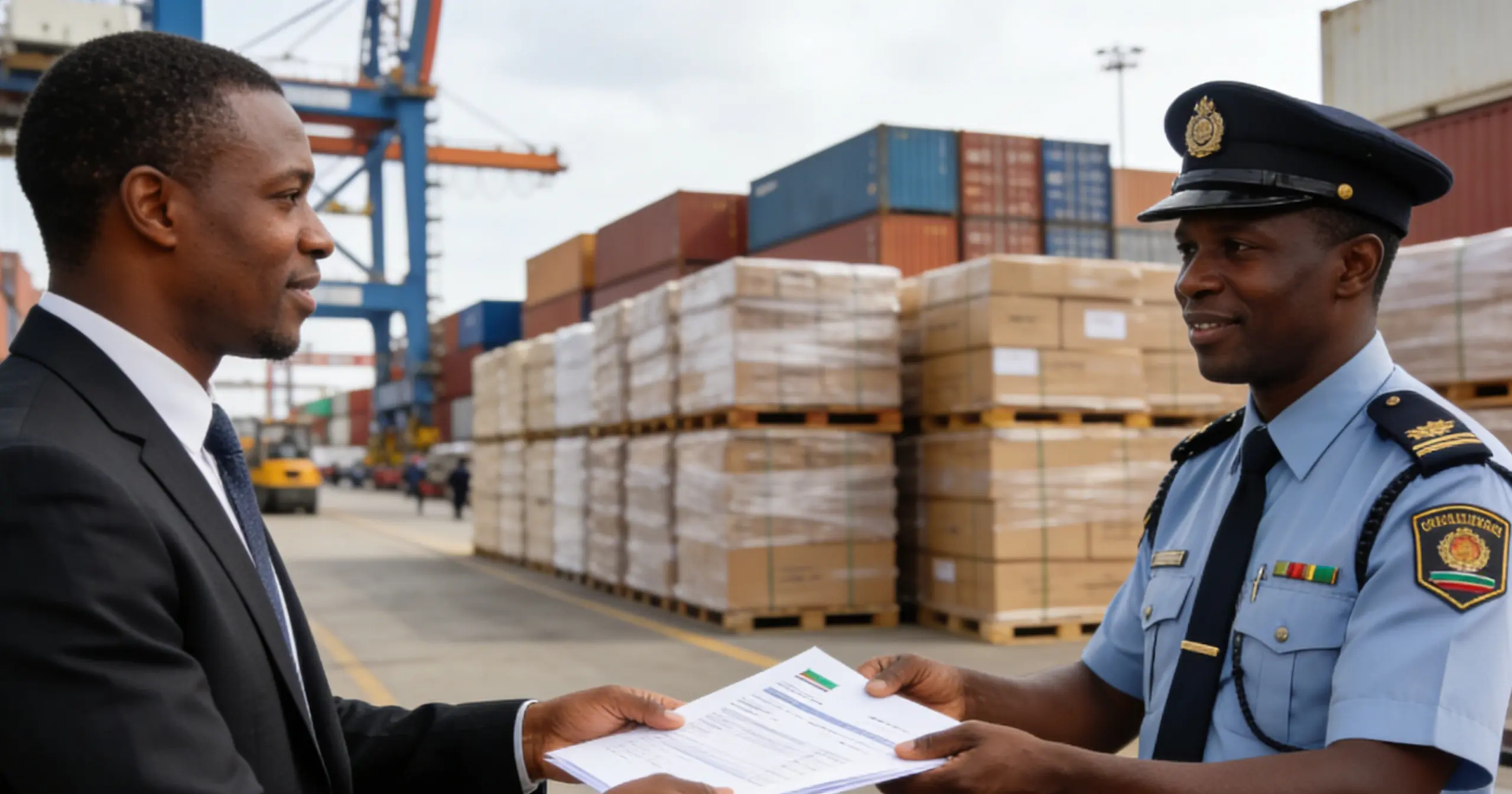
- EORI Number: You must have an Economic Operators Registration and Identification (EORI) number to import into the EU.
- Clearance Documents: Commercial Invoice, Packing List, and Air Waybill (AWB).
8. Incoterms for Air Freight
Understanding Incoterms protects you from unexpected costs. Always refer to the official ICC Incoterms 2020 for legal definitions.
- EXW (Ex Works): You are responsible for everything from the supplier’s factory door. You pay for pickup, Chinese export clearance, and freight. Maximum control, but maximum hassle.
- FOB (Free on Board): The supplier pays for delivery to the airport and export clearance. You take over once goods are on the plane. This is the industry standard and allows you to control the freight cost.
- DDP (Delivered Duty Paid): The supplier (or Efanda) handles everything right to your door, including taxes. Easiest for buyers, but ensure the price is competitive.
9. Essential Tips for Safe & Cheap Shipping
- Optimize Packaging: Air freight is expensive. Don’t ship “air”. Compress soft goods (clothes, plush toys) and minimize empty space in boxes to reduce volumetric weight.
- Consolidation: Buying from 3 different suppliers? Don’t ship 3 small boxes separately. Let Efanda consolidate them into one shipment. You save on minimum handling fees and get a better bulk rate.
- Battery Compliance: If shipping electronics, ensure your supplier provides the MSDS and UN38.3 test reports. Improperly labeled batteries are the #1 cause of customs delays.
- Insurance: Air cargo is generally safer than sea, but turbulence and handling can cause damage. For high-value electronics, cargo insurance is a small price (usually ~0.3% of value) for peace of mind.
10. Why Choose Efanda Logistics?
Shipping to the Netherlands requires more than just booking a flight; it requires local expertise.
- The Dutch Specialist: We have deep expertise in Article 23 and Fiscal Representation, helping you optimize your cash flow legally.
- Battery Solutions: We have established safe, compliant channels for shipping electronics via Hong Kong to Amsterdam.
- Competitive Rates: Our direct contracts with CZ (China Southern), CX (Cathay Pacific), and KL (KLM) ensure you get the best rates even during peak season.
- End-to-End Visibility: From the moment we pick up in Shenzhen to the final delivery in Rotterdam, you have real-time tracking visibility.
Ready to ship? Contact Efanda Logistics today for a quote that balances speed, cost, and compliance.
FAQ
Q: What is the cheapest way to ship 50kg to the Netherlands?
A: For 50kg, standard air freight might be expensive due to minimum fees. If speed is not critical, consider LCL Sea Freight. If speed is needed, ask for a “courier spot rate” – sometimes DHL/UPS have discounts for heavy spots.
Q: How does the Article 23 VAT license work for foreign companies?
A: Foreign companies cannot apply for Article 23 directly easily. Instead, you appoint a Fiscal Representative (like Efanda) in the Netherlands. We use our license to clear goods on your behalf, deferring the VAT.
Q: Can I ship liquids or batteries via air?
A: Yes, but they are “Restricted Cargo”. Batteries need UN38.3 reports and must often fly via Hong Kong. Liquids need special packaging and airline approval. Always declare these upfront.
Q: How long does customs clearance take at AMS?
A: With proper documentation and digital pre-clearance, it can be as fast as 2-4 hours. If physical inspection is required, it may take 24-48 hours.
Disclaimer: Logistics regulations and rates are subject to change. While we strive to keep this information up-to-date (as of 2026), always consult with a professional freight forwarder or legal advisor before making significant shipping decisions.