Shipping from China to Saudi Arabia is a route paved with gold for savvy importers, but it is also lined with some of the world’s most stringent customs regulations. If you are reading this, you likely already know that the Saudi market is booming—driven by Saudi Vision 2030 and a rapidly growing e-commerce sector. However, you may also have heard horror stories of shipments stuck in Jeddah Islamic Port for weeks due to missing SABER certificates or incorrect “Made in China” labeling.
In our decade of experience managing logistics between China and the Middle East, we have seen firsthand how a single missing document can turn a profitable shipment into a financial disaster. For instance, in Q4 2025, we helped a new importer recover a container of electronics that had been held for 20 days simply because the “Made in China” label was on a sticker, not engraved.
Finding the best way to ship from China to Saudi Arabia isn’t just about comparing sea freight rates vs. air freight rates. It is about balancing speed, cost, and—most critically—compliance. A cheap container rate means nothing if your goods are rejected by Saudi Customs (ZATCA) because you failed to register them on the SABER platform.
In this comprehensive 2026 guide, we will break down the logistics landscape, compare shipping modes, and provide a step-by-step roadmap to navigating the complex Saudi customs clearance process. Whether you are an Amazon FBA seller, a construction contractor, or a furniture retailer, this guide will help you ship with confidence.
1. Introduction: Defining the “Best” Way for Your Business
There is no single “best” way to ship for everyone. The optimal method depends entirely on your specific business model, budget, and timeline. In 2026, the logistics infrastructure between China and Saudi Arabia has matured, offering more distinct options than ever before.
To determine the right path for your cargo, you must first define your priority:
- Priority: Lowest Cost -> Sea Freight (FCL). If you are shipping furniture, machinery, or building materials, this is the backbone of your supply chain.
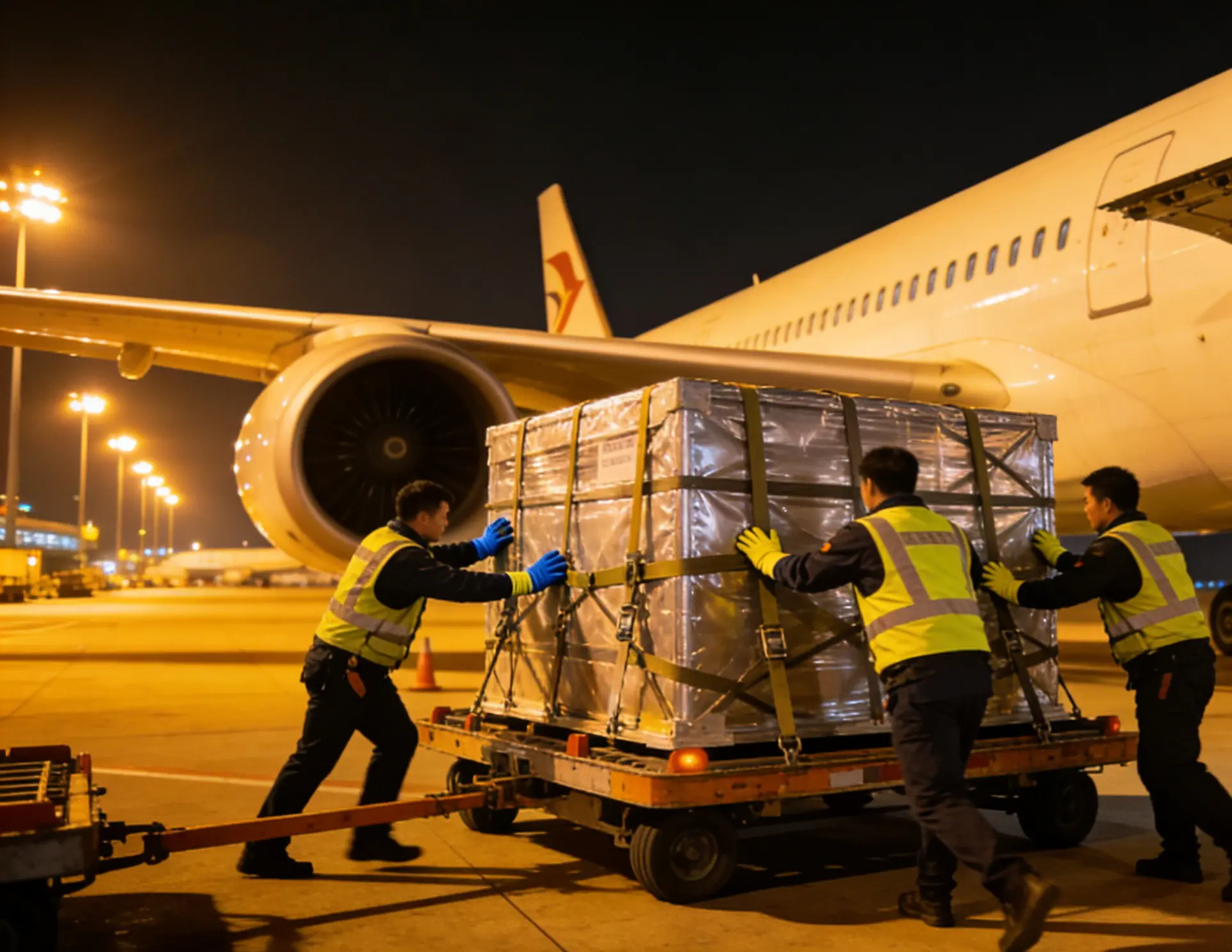
- Priority: Maximum Speed -> Air Freight. For high-value electronics, urgent samples, or fashion items that need to hit the market immediately.
- Priority: Zero Headache -> Door to Door Shipping (DDP). This is the “Hands-Off” service where Efanda Logistics handles everything—shipping, customs, duty payment, and final delivery. This is the gold standard for e-commerce sellers and those without a Saudi Commercial Registration (CR).
Efanda Logistics Value: We don’t just move boxes; we navigate the “Compliance Gauntlet.” Our team specializes in the China-Saudi trade lane, meaning we check your SABER compliance before the ship sails, saving you from costly fines and delays.
2. Scenario Analysis: Which Method Fits You?
Let’s look at three common importer scenarios to see which shipping method wins in the real world.
Scenario A: The E-commerce Seller (Amazon FBA / Noon)
Profile: You sell consumer electronics or home goods on Amazon SA or Noon. You need stock in the Riyadh fulfillment center quickly, but you don’t want to deal with clearing agents or paying duties upfront.
- The Problem: You might not have a physical office in Saudi Arabia or a Commercial Registration (CR) to act as the Importer of Record.
- Real-World Example: We recently assisted a Shenzhen-based accessories brand launching on Noon. They lacked a Saudi entity. By using our DDP service, we acted as the importer, handled the 15% VAT payment, and delivered directly to the Noon warehouse in Riyadh within 8 days via air.
- The Recommendation: DDP Air or DDP Sea.
- Why: With DDP (Delivered Duty Paid), the freight forwarder (Efanda) acts as the importer. We pay the customs duties and VAT (15%) on your behalf and deliver directly to the Amazon FBA warehouse. You get a single all-inclusive price per kg or CBM.
Scenario B: The Bulk Importer (Furniture, Construction, Raw Materials)
Profile: You are outfitting a hotel in Jeddah or importing steel for a project in Neom. Your shipment volume is high (5+ containers).
- The Problem: Air freight would bankrupt the project. You need the absolute lowest cost per unit.
- Real-World Example: For a construction client in Dammam, we consolidated building materials from three different suppliers in Foshan into two 40HQ containers. By using FCL instead of LCL, they saved roughly 30% on shipping costs per CBM.
- The Recommendation: Sea Freight (FCL).
- Why: A 40ft High Cube container can hold ~68 CBM of cargo. At current rates, the cost per unit becomes negligible. Time is less critical than margin.
- Specialized Needs: For massive industrial equipment or machinery that won’t fit in a standard container, we provide specialized project cargo and oversized cargo solutions.
Scenario C: The Urgent Sample / High-Value Tech
Profile: You need to get a prototype to a client in Dammam for a presentation on Thursday.
- The Problem: Missing the deadline means losing the contract.
- The Recommendation: Express Air (DHL/FedEx), Direct Air Freight, or even Air Charter Service.
- Why: Speed is the only metric that matters. While expensive, the ROI on securing the contract outweighs the shipping cost.
3. Shipping Modes Breakdown (2026 Update)

Sea Freight: The Economy Option
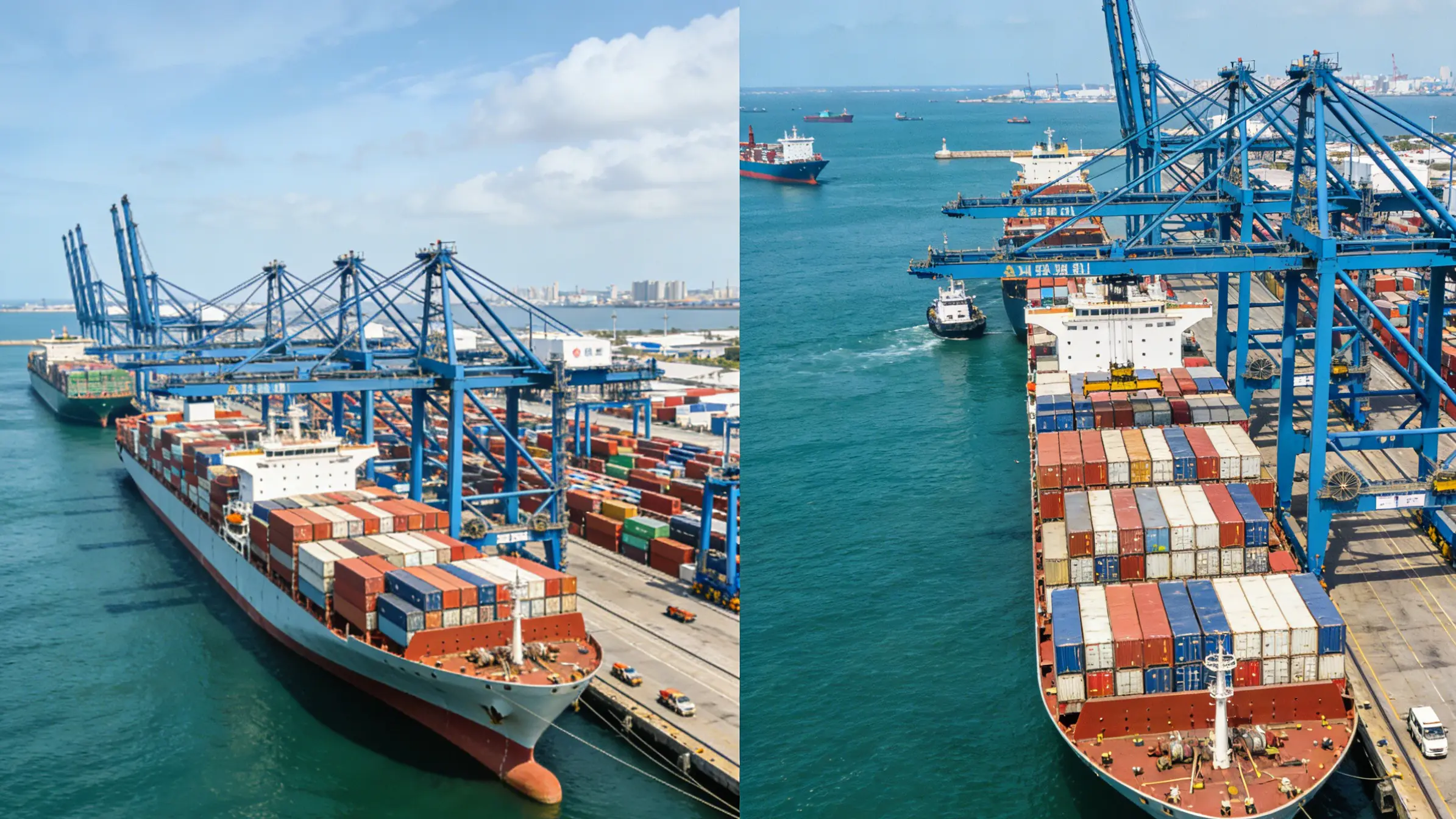
Sea freight accounts for over 90% of cargo volume entering Saudi Arabia. It is reliable, cost-effective, and capable of moving massive volumes.
- FCL (Full Container Load): You rent the entire container.
- 20ft Container: Ideal for heavy goods (minerals, metals). Holds ~28-30 CBM.
- 40ft HQ Container: Ideal for voluminous goods (furniture, textiles). Holds ~68-75 CBM.
- Advantage: You seal the container at your factory in China, and it isn’t opened until it reaches your warehouse in Saudi Arabia. Lower risk of damage.
- LCL (Less than Container Load): You share a container with other importers.
- Best for: Shipments between 1 CBM and 15 CBM.
- The Math: Once your shipment exceeds ~15 CBM, it is often cheaper and safer to book a full 20ft container (FCL), even if you don’t fill it completely.
Air Freight: The Speed Option
When time is money, air freight is the answer.
- Standard Air Freight: Suitable for cargo > 100kg. Airlines like Saudia Cargo, Emirates, or Cathay Pacific transport your goods from airport to airport (e.g., PVG to RUH). You still need a clearing agent at the destination.
- Express Courier: For parcels < 45kg. Companies like DHL, FedEx, and Aramex handle the entire door-to-door process.
DDP Shipping: The “Hands-Off” Solution
DDP is rapidly becoming the favorite mode for small-to-medium enterprises (SMEs).
- How it works: You pay Efanda a flat rate (e.g., $X per kg for Air, $Y per CBM for Sea). This rate includes:
- Pickup from China factory.
- Export clearance in China.
- Freight cost.
- Saudi Customs Duty & VAT (15%).
- Final delivery to your door in KSA.
- Ideal for: Companies that want fixed costs and zero administrative burden.
4. The Compliance Gauntlet: SABER, FASAH, and Regulations
This is the most important section of this guide. You can choose the best shipping mode, but if you fail customs clearance, your goods will never enter the country. Saudi Arabia has the “Golden Rule”: No SABER, No Entry.
What is SABER?
SABER is the electronic platform mandated by SASO (Saudi Standards, Metrology and Quality Organization) to verify that imported products meet Saudi standards. It is a two-stage process:

- Stage 1: PCoC (Product Certificate of Conformity)
- What is it?: A certificate proving your specific product model complies with safety standards.
- Validity: 1 year.
- Process: You must submit test reports (from an accredited lab like Intertek, SGS, or TUV) to a Certification Body (CB) via the SABER system.
- Efanda Tip: Always check the HS Code validity on the SABER portal before production. We have seen cases where slight product variations required different test reports.
- Stage 2: SCoC (Shipment Certificate of Conformity)
- What is it?: A certificate for a specific shipment of PCoC-registered goods.
- Validity: Valid for one shipment only.
- Requirement: You cannot get an SCoC without a valid PCoC.
- Timing: Must be issued before the shipment arrives at the Saudi port.
FASAH: The Clearing Window
FASAH is the Saudi Customs electronic window where clearing agents submit the customs declaration. Your Commercial Registration (CR) and Import License must be linked here.
The “Made in China” Labeling Rule
This is a common trap. Saudi Customs is extremely strict about Country of Origin labeling.
- Requirement: “Made in China” must be permanently marked on the product itself and the packaging.
- The Trap: A removable sticker is NOT accepted. It must be engraved, stitched, printed, or molded.
- Consequence: If customs finds a sticker that can be peeled off, they may deem it “fraudulent” and order the re-export of the entire shipment.
Prohibited Items
Saudi Arabia strictly bans:
- Alcohol and alcohol-related products.
- Pork products.
- Gambling devices.
- Goods inconsistent with Islamic Sharia law.
- Drones (require special permits from GACA).
Restricted Goods: Batteries and Chemicals
Shipping lithium batteries, chemicals, or other hazardous materials requires strict adherence to safety protocols. These are classified as dangerous goods and need specialized packaging and documentation to pass Saudi Customs. Furthermore, for perishable items like food or pharmaceuticals, our temperature controlled logistics ensure your cargo remains fresh.
5. Step-by-Step Shipping Process
Follow this roadmap to ensure a smooth operation:
- Sourcing & Incoterms: Negotiate with your supplier. We recommend FOB (Free on Board) over CIF. With FOB, you control the freight and the choice of forwarder (Efanda), ensuring you aren’t overcharged on destination fees.
- SABER Registration: STOP! Do not ship yet. Contact Efanda to check if your HS Code requires a SABER certificate. If yes, start the PCoC process immediately.
- Booking & Pickup: Once goods are ready, we arrange pickup from the factory to our warehouse services in Shenzhen/Ningbo/Shanghai for consolidation or loading.
- Export Customs (China): We handle the export declaration.
- International Transit: Your cargo moves via Sea or Air.
- Import Clearance (Saudi):
- Your clearing agent (or Efanda) uploads the documents (Invoice, PL, CO, SCoC) to FASAH.
- You pay the Customs Duty and VAT (15%) via the SADAD payment system.
- Final Delivery: Once released, trucks haul the containers to your warehouse in Riyadh, Jeddah, or Dammam.
6. Cost & Time Analysis (2026 Estimates)

Shipping rates fluctuate weekly, but here are the benchmarks for 2026 to help you budget.
Comparative Table: Sea vs. Air vs. DDP
| Feature | Sea Freight (FCL) | Air Freight (Standard) | DDP (Air) | DDP (Sea) |
|---|---|---|---|---|
| Transit Time | 20-35 Days | 3-7 Days | 8-12 Days | 30-45 Days |
| Cost | Low ($3000-$4500/20ft) | High ($3.50-$6.00/kg) | Medium-High (All-in) | Medium-Low (All-in) |
| Customs Handling | Importer handles | Importer handles | Included | Included |
| Duty & VAT | Importer pays extra | Importer pays extra | Included | Included |
| Best For | Bulk / Heavy Goods | Urgent / High Value | E-commerce / Samples | E-commerce / SMEs |
(Note: Rates are estimates based on Q1 2026 data. Contact Efanda for a live quote.)
Hidden Costs to Watch
- Customs Duty: Ranges from 5% to 20% depending on the HS Code.
- VAT: A flat 15% is calculated on the CIF Value + Duty. This often surprises importers.
- Example: Goods Value $10,000 + Shipping $1,000 + Duty $500 = Taxable Base $11,500. VAT = $1,725.
- Cargo Insurance: Always protect your investment. We recommend adding cargo insurance services to cover potential damage or loss during transit.
- Demurrage & Detention: Saudi ports (especially Jeddah) are busy. You typically get 7-14 days of free time. After that, storage fees skyrocket.
- SASO/SABER Fees: Budget roughly $500-$1000 per year for product registration.
7. Major Ports and Logistics Hubs
Knowing your destination port can save you inland trucking costs. For shipments transiting through neighboring hubs, check our guide on shipping from China to UAE, as Jebel Ali often serves as a relay point.
Saudi Gateways
- Jeddah Islamic Port (JIP): The busiest port, handling 70% of imports. Located on the Red Sea. Managed by Mawani (Saudi Ports Authority).
- Best for: Cargo destined for Jeddah, Mecca, Medina, and the Western Region.
- King Abdulaziz Port (Dammam): The gateway to the Persian Gulf.
- Best for: Cargo destined for the Eastern Province and Riyadh. Why? There is a direct rail freight link from Dammam to the Riyadh Dry Port, making it cheaper to ship to Riyadh via Dammam than via Jeddah.
- King Khalid International Airport (RUH): The primary air hub in Riyadh.
- King Abdulaziz International Airport (JED): The primary air hub in Jeddah.
China Origins
Efanda operates out of all major hubs:
- Shenzhen/Guangzhou: The center for electronics, fashion, and consumer goods.
- Shanghai/Ningbo: The hub for heavy machinery, automotive parts, and solar panels.
- Qingdao/Tianjin: Key for industrial goods and tires.
8. Why Partner with Efanda Logistics?
Shipping to Saudi Arabia is not for amateurs. One missing document can lead to your container being held for months or auctioned off by customs.
Efanda Logistics stands out because we are Saudi Specialists:
- SABER Expertise: We don’t just ship; we guide you through the SABER registration process to ensure your products are compliant before they leave China.
- DDP Mastery: We offer true DDP services where you pay one price, and we handle the duty, VAT, and clearance. No hidden fees.
- Local Network: With strong partnerships in Jeddah and Riyadh, we ensure your final mile delivery is smooth and on time.
Ready to ship? Get a free quote today and let us handle the complexity of Saudi Customs for you.
9. FAQ: Solving Importer Doubts
Q: What is the cheapest way to ship from China to Saudi Arabia?
A: Sea freight (FCL) is the cheapest option for large volumes. For small shipments under 100kg, Sea DDP LCL is often the most economical choice.
Q: Do I need a Commercial Registration (CR) in Saudi Arabia to import?
A: To import formally under your own name, yes, you need a CR and an Import License. However, if you use Efanda’s DDP Service, you do not need a CR, as we act as the importer of record.
Q: How strictly is the “Made in China” label enforced?
A: Extremely strictly. It is the #1 reason for customs rejections. Ensure the country of origin is permanently marked on the product.
Q: What is the difference between SASO and SABER?
A: SASO is the organization (the regulator) that sets the standards. SABER is the electronic platform (the tool) used to register certificates and prove compliance with SASO standards.
Q: How long does sea freight take from Shanghai to Dammam?
A: It typically takes 25-30 days, depending on the shipping line and route.
Disclaimer: Shipping rates, transit times, and regulations are subject to change. The information in this guide is current as of February 2026. For the most accurate and up-to-date advice, please consult with Efanda Logistics directly.