Are you struggling to choose between the speed of air freight and the affordability of sea freight for your imports to Spain? Finding the right balance is crucial for maintaining your profit margins in a competitive market. The best way to ship from China to Spain depends entirely on your specific needs—budget, timeline, and cargo volume.
In this comprehensive guide, we compare Sea Freight, Air Freight, and the unique Yixinou Railway option to help you make the smartest logistics decision for your business in 2026. Whether you are shipping electronics to Madrid, textiles to Barcelona, or machinery to Valencia, this guide covers everything you need to know.
1. Quick Comparison: What is the Best Way to Ship from China to Spain?
Before diving into the details, here is a quick overview to help you decide.

| Shipping Mode | Transit Time | Cost Level | Best For |
|---|---|---|---|
| Air Freight | 3-7 Days | High | Urgent, High-value goods, Sample shipments (< 300kg) |
| Sea Freight (LCL/FCL) | 30-45 Days | Low | Large volume, Heavy cargo, Planned inventory (> 1 CBM) |
| Rail Freight (Yixinou) | 18-24 Days | Medium | Medium urgency, Cost-sensitive but faster than sea |
| Express (DHL/UPS) | 2-5 Days | Very High | Documents, Very small parcels (< 100kg) |
Summary:
- Fastest: Air Freight (3-7 days).
- Cheapest: Sea Freight (30-45 days).
- Best Value: Rail Freight (18-24 days via Yiwu-Madrid Railway).
2. Sea Freight: The Cheapest Way to Ship from China to Spain
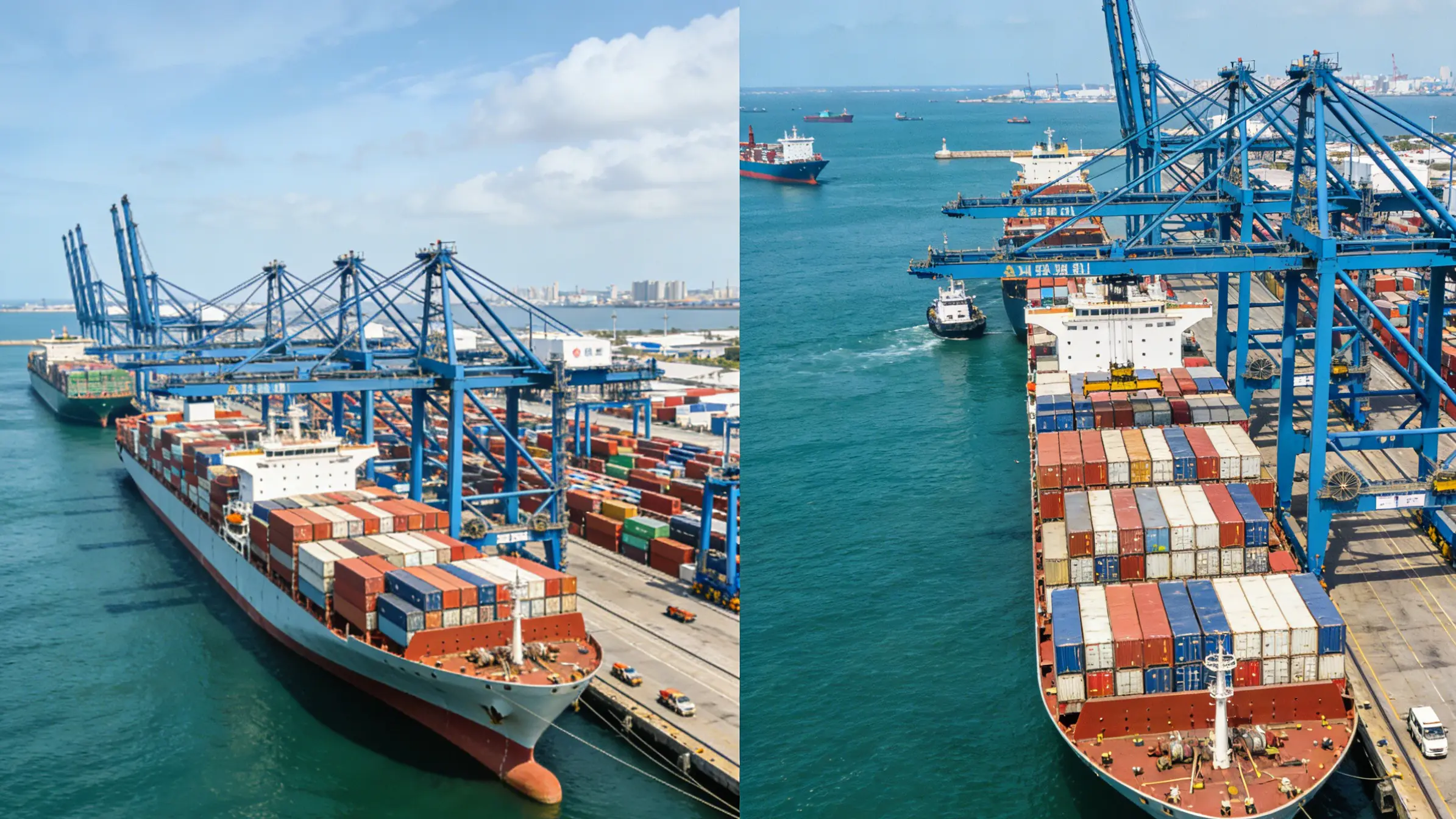
If your priority is minimizing costs and you have a flexible schedule, sea freight is the cheapest way to ship from China to Spain. It accounts for over 90% of global trade volume for a reason. According to the World Shipping Council, liner shipping is the most efficient mode of transport for goods.
FCL vs. LCL: Which Should You Choose?
- FCL (Full Container Load): You rent the entire container (20ft or 40ft). This is the most economical option if you have enough cargo to fill it (usually > 15 CBM). It also offers better security as the container is sealed from origin to destination.
- 20ft Container: Holds ~33 CBM. Best for heavy goods like machinery or raw materials.
- 40ft Container: Holds ~67 CBM. Best for voluminous goods (furniture, textiles).
- 40ft HQ: Ideal for light but bulky cargo.
- LCL (Less than Container Load): You share container space with other shippers. This is perfect for smaller shipments (1-15 CBM). You only pay for the volume you use.
- Note: While the base freight rate is low, destination port charges can be higher per CBM than FCL.
Major Ports in Spain
Spain has a strategic coastline with several key ports handling Chinese imports:
- Valencia: The busiest port in Spain and the Mediterranean, ideal for distributing goods to Madrid and central Spain. It handles the majority of container traffic from Asia.
- Insight: Valencia often experiences congestion during peak seasons; booking 3 weeks ahead is mandatory.
- Barcelona: Key gateway for Catalonia and Southern France. Excellent rail and road connections to the rest of Europe.
- Algeciras: A major transshipment hub in the south, serving Andalusia and North Africa.
- Bilbao: Serves the northern regions and industrial areas (Basque Country).
Transit Time Analysis
- Port-to-Port: 28-35 days (e.g., Shanghai to Valencia).
- Door-to-Door: 40-50 days (including pickup, customs, and final delivery).
Pro Tip: In our experience at Efanda, handling shipments during the ongoing Red Sea crisis has shown transit times increasing by 10-15 days due to vessels rerouting around the Cape of Good Hope. We strongly advise our clients to factor in a “buffer week” for all sea shipments in 2026 to avoid stockouts.
3. Rail Freight: The “Yixinou” Railway Connection
Spain holds a unique advantage in logistics: it is the terminus of the Yixinou (Yiwu-Madrid) Railway, the world’s longest railway line (13,052 km). Launched in 2014, this route has revolutionized trade between China and Europe.
Why Choose Rail Freight?
- Faster than Sea: It cuts transit time by nearly 50% compared to sea freight.
- Cheaper than Air: It costs about 60-70% less than air cargo.
- Eco-Friendly: Rail transport emits significantly less CO2 than air freight, aligning with modern sustainability goals.
- Stability: Rail schedules are often more stable than sea freight, which can be affected by port congestion or blank sailings.

Route Details
The train departs from Yiwu (China’s wholesale hub) and passes through Kazakhstan, Russia, Belarus, Poland, Germany, and France before arriving in Madrid.
- Transit Time: Approx. 18-24 days station-to-station.
- Best Candidates: Electronics, fashion, automotive parts, and high-value machinery that cannot afford the 40-day sea voyage but cannot justify air freight costs.
Expert Insight: Since the railway passes through extremely cold regions (Russia/Kazakhstan) in winter, temperature-sensitive goods (like liquids or certain cosmetics) require insulated thermal liners to prevent freezing. Efanda provides this specialized packaging for winter rail shipments to ensure your products arrive in perfect condition.
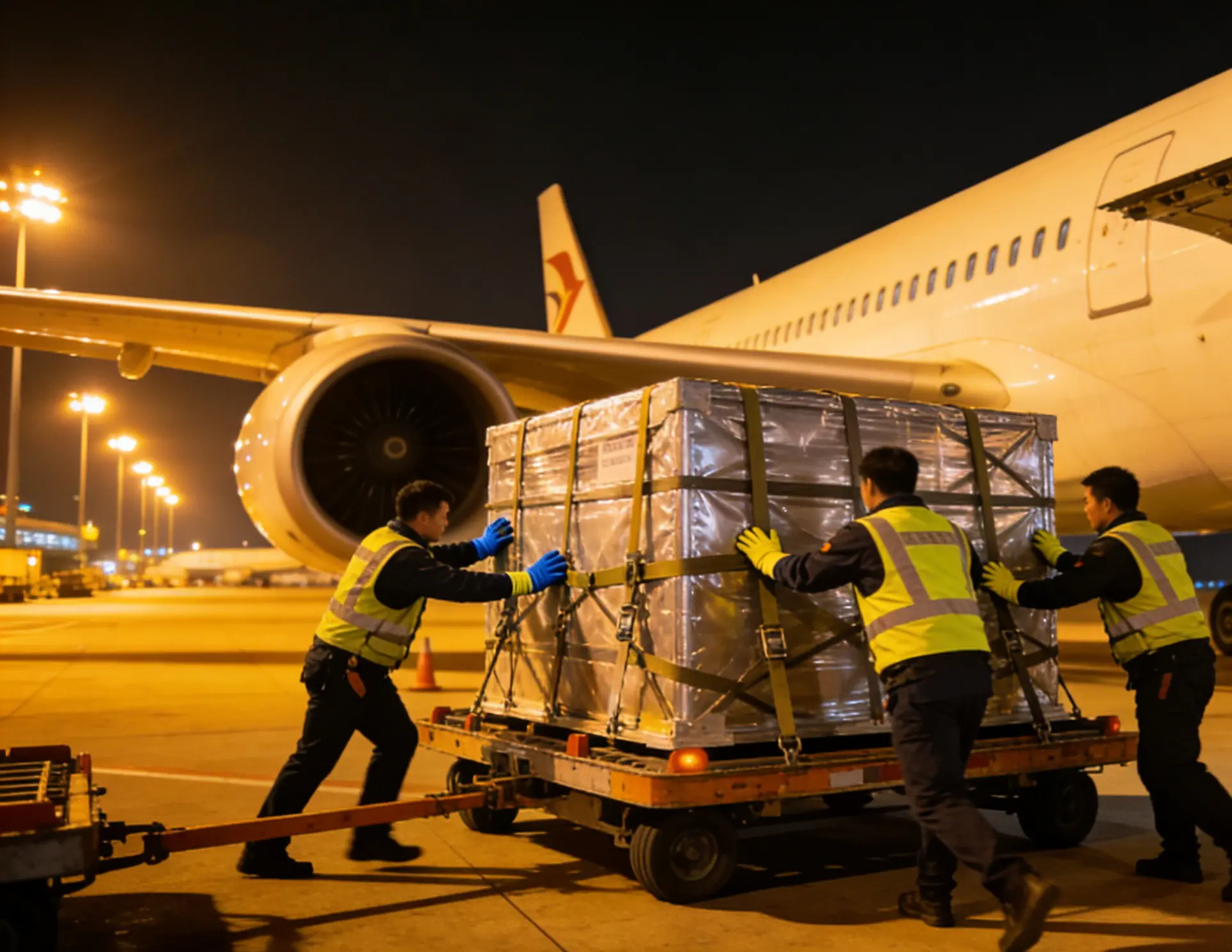
4. Air Freight: The Fastest Way to Ship from China to Spain
When time is money, air freight is the solution. It is the fastest way to ship from China to Spain, ensuring your goods arrive in days, not weeks. The International Air Transport Association (IATA) sets the standards for dangerous goods and handling, which we strictly follow.
Express vs. Standard Air Cargo
- Express (DHL/UPS/FedEx):
- Best for: Shipments under 100kg or documents.
- Service: Door-to-Door courier service. Customs clearance is usually automated and faster.
- Tracking: Full visibility from pickup to delivery.
- Standard Air Freight:
- Best for: Cargo > 100kg or pallets.
- Service: Airport-to-Airport. You will need a freight forwarder like Efanda to handle the local delivery in Spain.
- Airlines: Major carriers like Air China (CA), Iberia (IB), Lufthansa (LH), and Emirates (EK) offer daily flights. Some flights may transit through hubs like Dubai (UAE) before reaching Europe.
Major Airports
- Madrid-Barajas (MAD): The main cargo hub, handling over 50% of Spain’s air freight.
- Barcelona-El Prat (BCN): Second largest, serving the northeast industrial zones.
- Zaragoza (ZAZ): A growing hub for textile logistics ( Inditex/Zara base).
Cost vs. Speed Trade-off
While air freight is fast, it can be 5-10 times more expensive than sea freight. We recommend it for:
- Urgent inventory replenishment.
- High-margin electronics (smartphones, laptops).
- Seasonal fashion items.
- Perishable goods.
5. DDP Shipping: The Easiest Way to Ship from China to Spain (Door-to-Door)
For many small and medium-sized businesses, handling customs and logistics jargon is a headache. That’s where Door to Door Shipping (DDP) comes in.
What is DDP?
DDP (Delivered Duty Paid) means the seller (or your freight forwarder) takes full responsibility for shipping the goods from the factory in China to your door in Spain, including paying all import duties and taxes (IVA).
The Efanda DDP Process
- Pickup: We collect goods from your supplier in China.
- Export Clearance: We handle Chinese customs.
- Transport: Via Sea, Air, or Rail.
- Import Clearance: We clear customs in Spain.
- Duty Payment: We pay the Import Duty and VAT (IVA).
- Final Delivery: Truck delivery to your warehouse or Amazon FBA center.
Benefits
- No EORI Required: In some DDP services, we can use our own trading account (though having your own is recommended for tax reclamation).
- Predictable Costs: You get an all-inclusive price per kg or CBM.
- Hassle-Free: You don’t need to deal with Spanish Customs officers.
6. Understanding Incoterms: EXW, FOB, CIF, DDP
Choosing the right Incoterm is critical for defining responsibility and cost. Refer to the ICC Incoterms® 2020 for official definitions.
- EXW (Ex Works): You are responsible for everything from the factory door in China. Maximum control, maximum risk.
- FOB (Free On Board): The supplier handles transport to the Chinese port. You take over from there. This is the most common term for B2B importers.
- CIF (Cost, Insurance, and Freight): The supplier pays for freight to the Spanish port.
- Warning: Be careful with CISF (China Import Service Fee). Some suppliers offer “free shipping” (CIF) but the destination agent in Spain will charge you exorbitant handing fees to release the cargo. Always check destination costs before agreeing to CIF.
- DDP (Delivered Duty Paid): As explained above, the most convenient option for buyers who want a “hands-off” experience.
7. Customs Duties & Taxes in Spain
Importing into Spain (an EU member) requires compliance with strict regulations. Information is cross-referenced with the Agencia Tributaria (Spanish Tax Agency).
- Import Duties: Rates vary from 0% to 17% depending on the HS Code of your product. You can check the European Commission TARIC Database for specific rates.
- Example: Electronics might be 0%, while textiles could be 12%.
- VAT (IVA): The standard VAT rate in Spain is 21%. This is calculated on the (CIF Value + Import Duty).
- Calculation: (Product Value + Shipping Cost + Insurance + Duty) x 21%.
- Cash Flow Impact: You must pay this 21% upfront before goods are released, unless you have a Deferred Import VAT license.
- EORI Number: An Economic Operator Registration and Identification number is mandatory for any business importing into the EU. Ensure you have a valid Spanish or EU EORI number before shipping.
- Cross-Border Note: If you also ship to the UK, remember that since Brexit, you need a separate UK EORI number.
- Documentation:
- Commercial Invoice: Must show the correct value and HS codes.
- Packing List: Details of the cargo (weight, dimensions).
- Bill of Lading (B/L): Proof of ownership.
- Certificate of Origin: May be required for preferential duty rates.
Expert Advice: Incorrect documentation is the #1 cause of customs delays. Customs Clearance experts at Efanda review your docs before shipping to ensure smooth entry.
8. Why Choose Efanda Logistics?
At Efanda Logistics, we don’t just move boxes; we optimize your supply chain.
- Expertise: With over 10 years of experience in the China-Europe trade lane, we know the ins and outs of Spanish customs. We also support neighboring markets like Italy, Belgium, and the Netherlands.
- Services: We offer comprehensive Warehouse Services, consolidation, and Cargo Insurance Services to protect your investment.
- Reliability: Real-time tracking and a dedicated support team ensure you are never left in the dark.
- Flexibility: Whether you need a single pallet or 50 containers, we have the capacity to handle it.
9. FAQ: Shipping from China to Spain
Q1: How long does shipping from China to Spain take?
It depends on the mode: Air freight takes 3-7 days, Rail freight takes 18-24 days, and Sea freight takes 30-45 days. Door-to-Door services add 5-10 days for pickup and delivery.
Q2: What is the cheapest shipping method?
Sea freight (LCL) is the cheapest option for shipments over 1 CBM. For very small parcels (< 20kg), express couriers (DHL/FedEx) might be cheaper than LCL due to minimum charges.
Q3: Do I need to pay import taxes in Spain?
Yes, all imports from outside the EU are subject to VAT (21%) and applicable Import Duties. Unless you use a DDP service where taxes are prepaid.
Q4: Can you ship directly to Amazon FBA warehouses in Spain?
Yes, Efanda offers specialized FBA shipping services, including labeling and appointment booking with Amazon centers in Spain (e.g., MAD4, BCN1).
Q5: Is rail freight reliable for sensitive goods?
Yes, modern rail containers are secure and GPS-tracked. However, for temperature-sensitive goods, we recommend air or reefer sea containers. Rail freight can be exposed to extreme temperature variations across Russia and Kazakhstan in winter.
Q6: What items are restricted or prohibited?
Common restrictions include batteries (require MSDS), liquids, powders, brand copies (counterfeit goods), and certain food items. Always declare your cargo correctly to avoid fines.
Ready to ship? Contact Efanda Logistics today for a free quote! Let us simplify your supply chain from China to Spain.