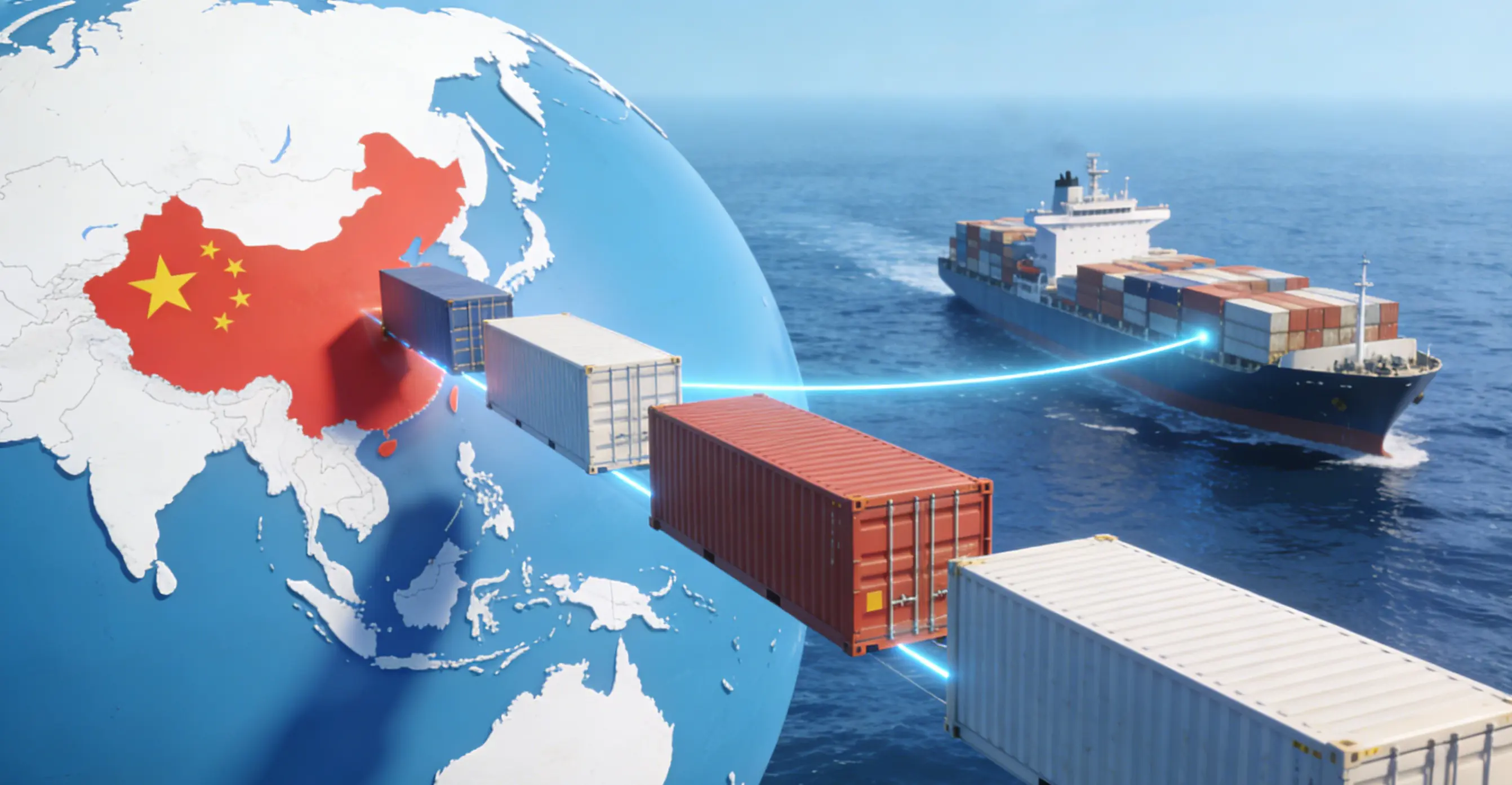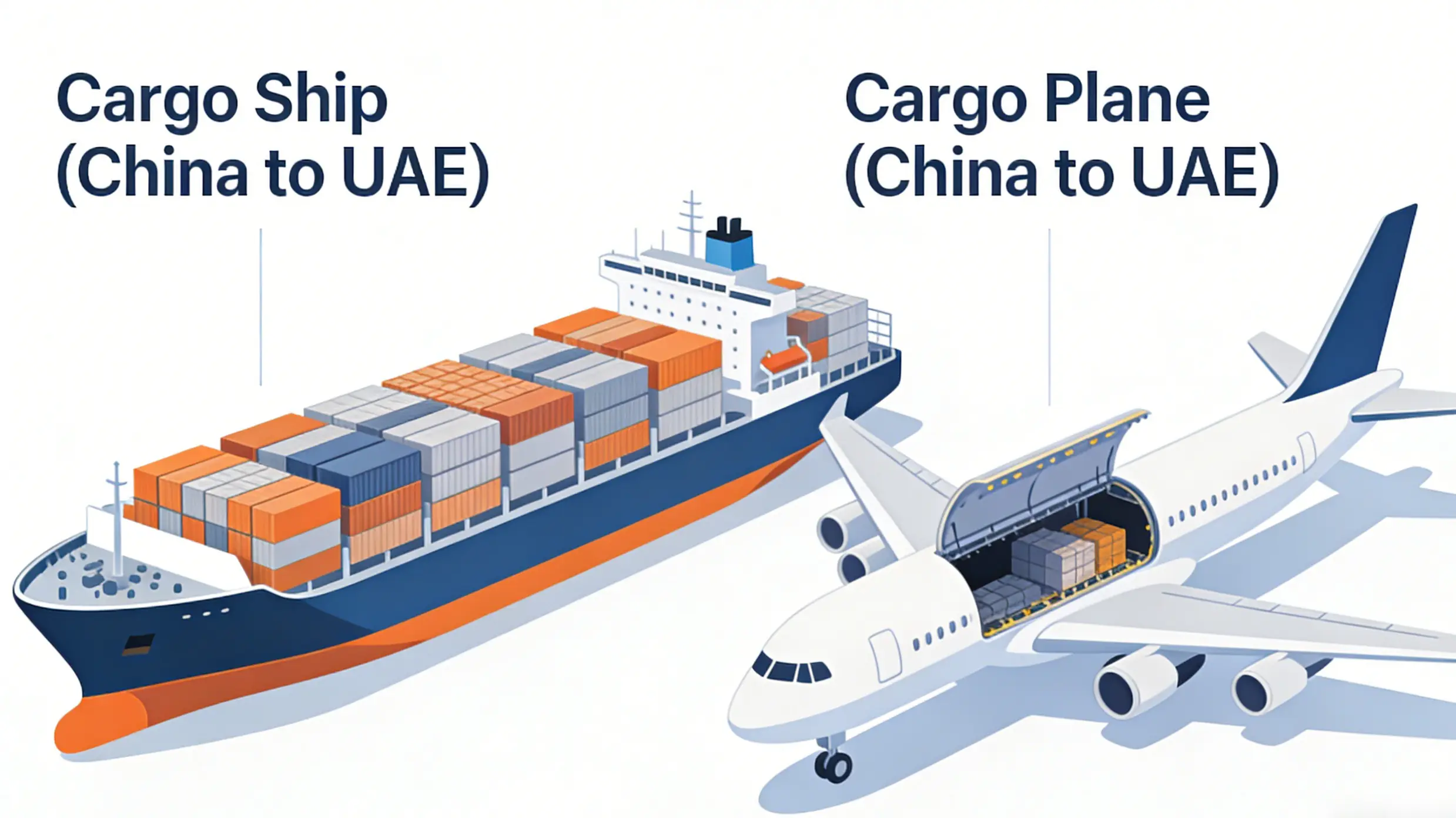
Are you watching your profit margins shrink due to unpredictable freight costs and hidden fees when shipping from China to the USA?
With the ongoing Red Sea crisis forcing vessel reroutes and new 2026 peak season surcharges hitting the market, finding the absolute “cheapest” shipping method isn’t just about the base rate. In our decade of managing trans-Pacific logistics, we’ve seen that true cost reduction is about avoiding volumetric weight traps, demurrage fees, and middleman markups that can inflate your final invoice by up to 40%.
This comprehensive 2026 guide reveals the insider strategies to secure the lowest possible freight rates. We will compare exact costs across Sea, Air, and Express freight, and provide actionable tactics to slash your Total Landed Cost so you can protect your bottom line.
Key Takeaways for the Cheapest Shipping from China to USA in 2026
- Sea Freight is King: Ocean freight remains the cheapest option, with early 2026 rates stabilizing around $2,400-$3,800 for a 40ft container to the US West Coast.
- The DDP Advantage: For Amazon FBA sellers, Delivered Duty Paid (DDP) shipping often saves 15-25% compared to DAP by eliminating unexpected destination fees and customs brokerage delays.
- Timing is Everything: Shipping during off-peak windows (March-May or November-early December) avoids heavy Peak Season Surcharges (PSS) and port congestion.
- Volumetric Traps: Miscalculating dimensional weight can double your air freight bill. Optimizing packaging to eliminate “dead space” is the easiest way to save money immediately.
Core Factors Driving the Cheapest Shipping from China to USA
The final cost of shipping from China to the USA is driven by four main factors: the transport mode (Sea vs. Air), your cargo’s chargeable weight, seasonal demand spikes, and your choice of Incoterms. Mastering these variables is key to unlocking the lowest rates.
Shipping Method (Sea, Air, or Express)
Sea freight is the most economical for shipments over 200kg, while air freight (averaging $4.50-$8.50/kg) is reserved for urgent restocks. Express couriers are fastest but most expensive, ideal only for small parcels under 100kg.
Choosing the right mode dictates your base cost. If you have the luxury of time (25-40 days), ocean freight will always be your cheapest avenue. For real-time global freight market trends and benchmark rates, platforms like the Freightos Baltic Index (FBX) offer valuable industry-standard insights.
Actual Weight vs. Volumetric (Dimensional) Weight
Carriers charge based on whichever is greater: the physical actual weight or the volumetric weight (calculated as L×W×H/6000 for standard freight). Shipping “air” in oversized boxes is the number one reason importers overpay.
If your product is light but bulky (like pillows or plastic toys), you will be charged based on the space it takes up in the container or plane, not its actual weight on the scale.
Seasonal Demand and the 2026 Market Landscape
In 2026, avoiding the pre-Chinese New Year rush (January to February) and the Q3/Q4 holiday peaks can save you hundreds of dollars in peak season surcharges. New vessel capacity has stabilized base ocean rates.
By planning your inventory cycles to ship during the “slack seasons” (March to May), you bypass premium space guarantees and secure baseline pricing.
How Can You Secure the Cheapest Shipping from China to the USA?
Lowering your shipping costs requires moving beyond standard quotes. By consolidating shipments, optimizing container loads, and cutting out US-based broker markups, you can reduce your total logistics spend by 20% to 30%.
Consolidate Shipments with a China Forwarder
Instead of shipping multiple LCL (Less than Container Load) orders from different suppliers, use a China-based freight forwarder to consolidate goods into a single FCL (Full Container Load) container, drastically reducing origin handling and customs clearance fees.
When you ship five different LCL shipments, you pay destination handling charges five times. Consolidating them in a warehouse in Shenzhen or Yiwu means you only pay those fixed fees once.
Master the LCL vs. FCL “Dead Zone”
While LCL is for small loads, once your cargo hits 13-15 CBM, booking a dedicated 20ft FCL container is often cheaper and faster than paying high LCL destination handling charges.

Many importers mistakenly stick to LCL because their cargo doesn’t “fill” a 20ft container (which holds up to 28 CBM). However, the per-CBM destination fees on LCL shipments in US ports (like Los Angeles or Long Beach) are so high that paying for the “empty space” in a 20ft container actually yields a lower total bill.
Optimize Packaging to Beat Volumetric Charges
Work with your supplier to redesign packaging and eliminate dead space. Compressing items like apparel or using custom-fit boxes can slash your chargeable weight by up to 15%.

Ask your supplier to use vacuum-sealed bags for textiles or flat-pack boxes for furniture. Every cubic centimeter saved directly translates to cheaper shipping costs, especially for air freight and express courier services.
2026 Shipping Cost Breakdown: China to USA
Below is a realistic look at 2026 freight rates. While ocean freight to the West Coast offers the lowest baseline (around $2,400 for a 20ft container), DDP services provide the most predictable all-in pricing for e-commerce sellers.
Sea Freight Rates (FCL & LCL)
In early 2026, shipping a 40ft container to Los Angeles (West Coast) costs roughly $3,800, while East Coast routings via the Panama Canal command a premium at around $4,500 due to transit times and surcharges. LCL rates generally hover around $120-$180 per CBM depending on the routing.
Air Freight and Express Rates
Standard air freight averages $4.50 to $8.50 per kg for loads over 100kg. Express couriers like DHL, UPS, or FedEx charge around $10.00 to $15.00 per kg but offer unmatched 3-5 day door-to-door speed.
Why DDP is the Cheapest for Amazon FBA
DDP (Delivered Duty Paid) rolls freight, customs, duties, and final delivery into one flat rate (approx. $1.80–$3.20/kg for Ocean DDP). It protects margins by preventing surprise destination fees.
When you use DDP, the freight forwarder handles US Customs and Border Protection (CBP) clearance and all associated tariffs (including Section 301 duties). This eliminates the need for you to hire an expensive third-party US customs broker and shields you from compliance-related detention penalties. Disclaimer: While DDP provides predictable pricing, importers should always verify their specific product’s compliance requirements with CBP guidelines.
| Shipping Method | Ideal Cargo Size | Estimated 2026 Cost | Transit Time | Best Use Case |
|---|---|---|---|---|
| Ocean FCL | > 15 CBM | $2,400 – $4,500 / Container | 20 – 40 Days | Large volume, lowest per-unit cost. |
| Ocean LCL | 2 – 15 CBM | $120 – $180 / CBM | 25 – 40 Days | Medium volume, cost-effective. |
| Ocean DDP | 100kg+ | $1.80 – $3.20 / kg | 25 – 35 Days | Amazon FBA, all-in transparent pricing. |
| Air Freight | 100kg – 500kg | $4.50 – $8.50 / kg | 5 – 10 Days | High-value goods, urgent restocks. |
| Express Courier | < 100kg | $10.00 – $15.00+ / kg | 3 – 5 Days | Samples, extremely urgent small parcels. |

Why Choose Efanda Logistics for US Shipments?
Efanda Logistics eliminates middleman markups by providing direct-to-carrier rates and in-house customs expertise, ensuring your shipments from China to the US are both affordable and compliant.
Direct Carrier Contracts & Consolidation Hubs
We leverage direct contracts with major ocean carriers (like COSCO, CMA, and Maersk) and operate our own warehouses in Shenzhen and Yiwu, allowing us to offer aggressive FCL rates and free consolidation services. By avoiding co-loaders, we pass the savings directly to you.
Amazon FBA & DDP Expertise
Our team specializes in DDP shipping for Amazon FBA, ensuring strict compliance with US Customs (CBP) and accurate HS code classification to prevent costly tariff penalties. We handle the entire supply chain—from your supplier’s factory in China straight to the Amazon fulfillment center.
Frequently Asked Questions (FAQ)
1. What is the absolute cheapest way to ship from China to the USA?
Sea freight (specifically FCL if you have the volume) is the cheapest method. For smaller shipments between 2 and 15 CBM, LCL sea freight is the most cost-effective, though it requires a longer transit time of 25-40 days.
2. How much does it cost to ship a 40ft container from China to the US in 2026?
As of early 2026, a 40ft container (FCL) to the US West Coast (e.g., Los Angeles) costs approximately $3,800. Shipping to the East Coast (e.g., New York) is around $4,500, though this fluctuates based on seasonal demand and carrier capacity.
3. When is the cheapest time of year to ship?
The lowest rates are typically found during the post-holiday slump from March to May, and again from November to early December before the Chinese New Year manufacturing rush begins.
4. How can I avoid high customs duties when importing from China?
While you cannot legally evade US customs duties, you can minimize them by working with a professional forwarder to ensure your products are classified under the correct, most favorable HS codes. Additionally, sourcing products not subject to Section 301 tariffs can drastically reduce your import tax burden.
5. Is DDP cheaper than FOB for small businesses?
Yes, for small businesses and Amazon FBA sellers, DDP is generally cheaper overall. It eliminates the risk of unexpected destination handling charges, complex customs brokerage fees, and demurrage penalties that often plague traditional FOB shipments managed by inexperienced importers.