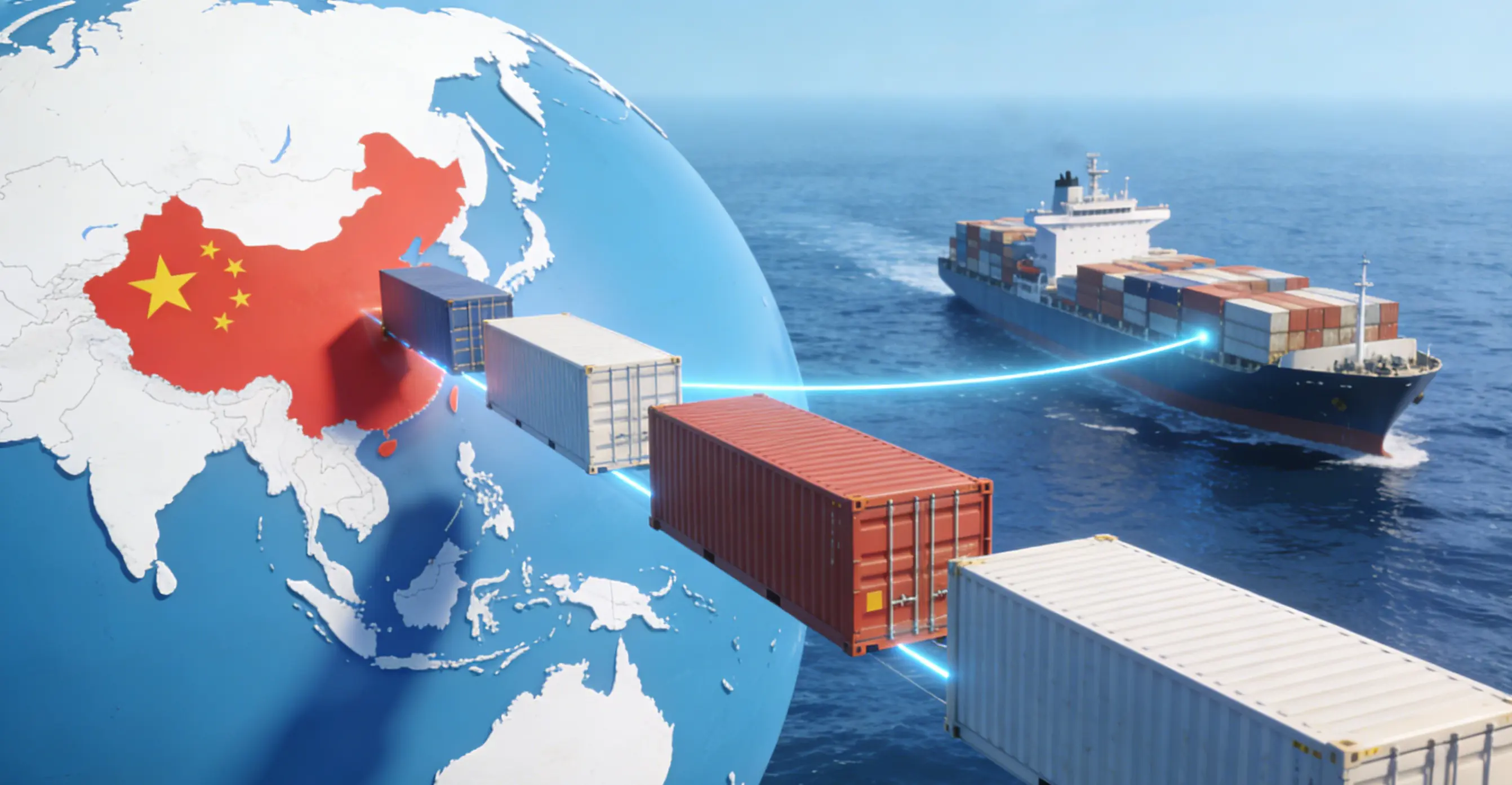
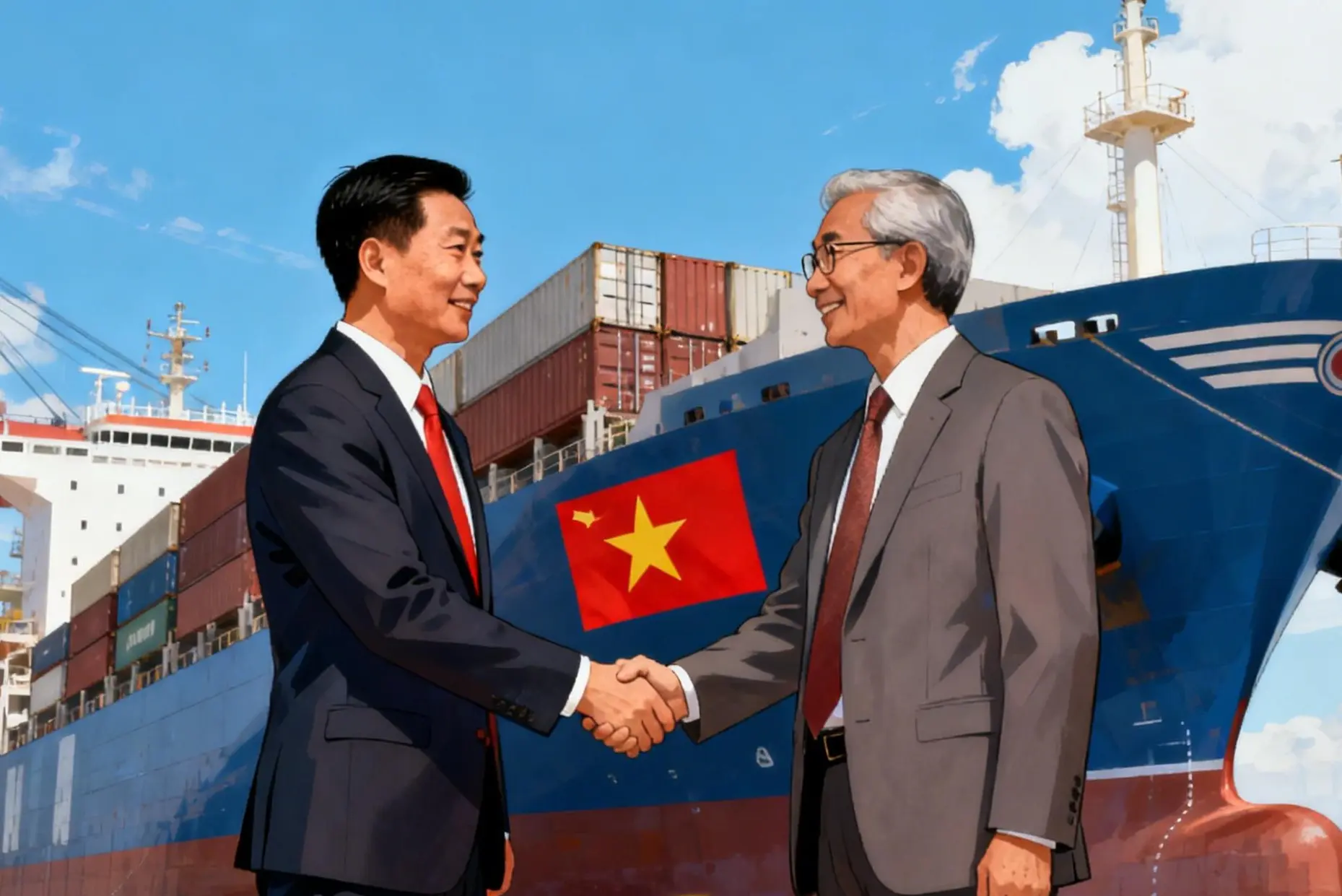
On January 26, 2026, a pivotal call between Chinese President Xi Jinping and Vietnam’s leadership sent a clear signal to the global market: The China-Vietnam trade corridor is secure. For foreign merchants importing goods—whether directly from China or via Vietnam—this political stability is more than just news; it is a direct operational advantage.
In this in-depth analysis, Efanda Logistics breaks down exactly how this event impacts your transit times, shipping costs, and product sourcing strategy, and offers actionable solutions to optimize your supply chain in 2026.
1. Impact on Transit Time: Predictability is the New Speed
For importers in the USA, Europe, and Africa, the biggest enemy is uncertainty. The January 26 commitment to “open borders” directly translates to faster, more reliable lead times.
A. The “12-Hour” Cross-Border Standard
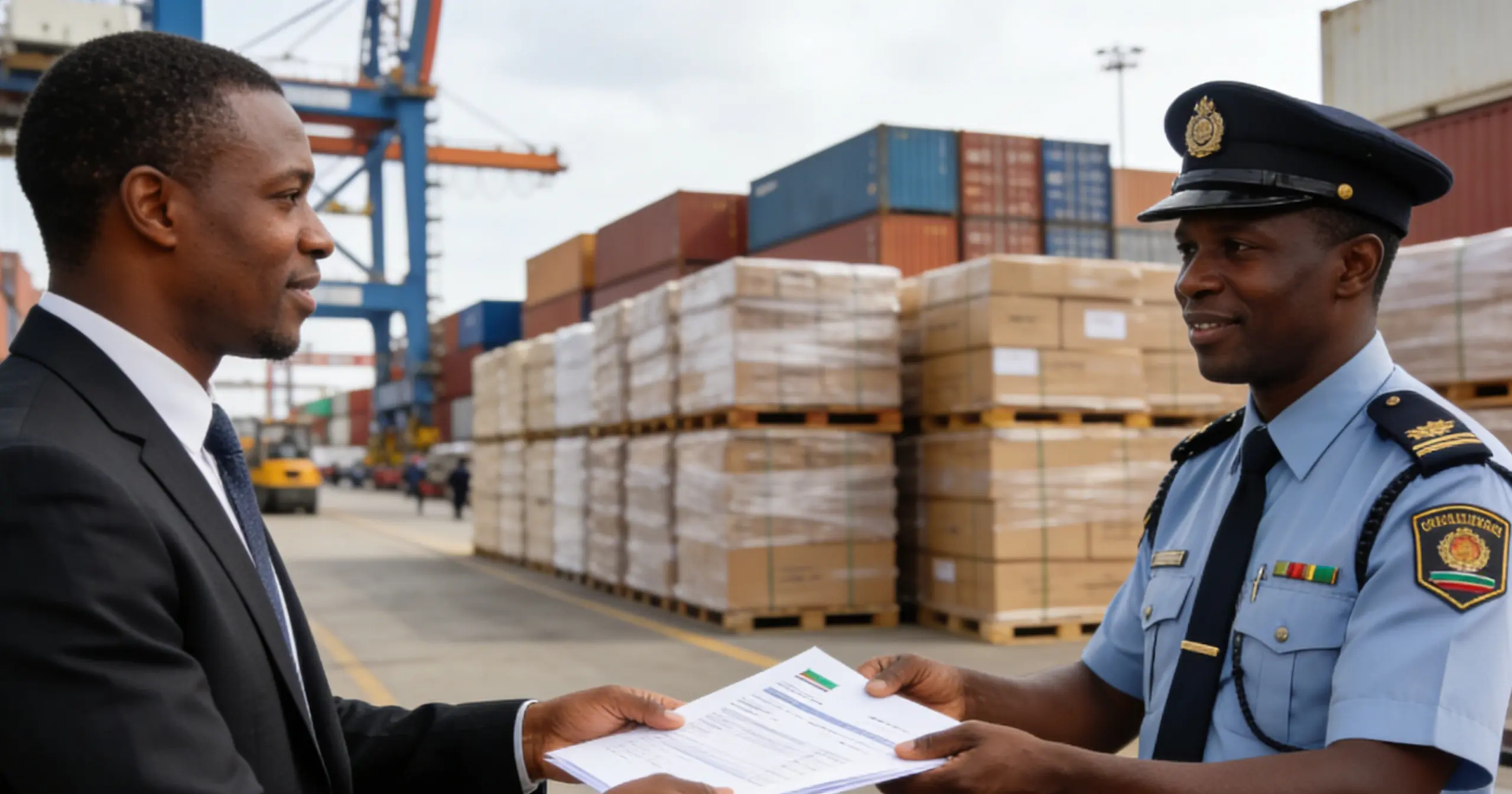
With political risks minimized, customs procedures at key gateways like Pingxiang and Youyi Guan have been streamlined.
- Before Stability: Random border checks could delay trucks for 2-3 days.
- Now (2026): Efanda’s trucks are clearing customs in under 2 hours using the “Green Channel”.
- Result: Raw materials from Shenzhen reach Hanoi factories in 12-14 hours. This allows your Vietnamese assembly lines to operate on a “Just-in-Time” (JIT) basis, reducing your total lead time by 3-5 days compared to sea feeder services.
Efanda Operational Insight:
To qualify for the “Green Channel” mentioned above, we now pre-declare cargo manifests 24 hours in advance via the “Single Window” system. Importers must ensure their commercial invoices match the packing list exactly (down to the net weight per carton) to avoid being kicked out of this express lane.
B. Reduced “Buffer Time”
Importers often add 1-2 weeks of “buffer” to their production schedules to account for border delays. With the stabilized relationship, you can safely reduce this buffer, allowing you to bring products to market faster—crucial for seasonal goods like fashion or consumer electronics.
2. Impact on Shipping Costs: Stability Caps Volatility
Political tension often leads to “risk premiums” in logistics pricing. The reaffirmed cooperation helps keep costs manageable for foreign buyers.
A. Avoiding the “Air Freight Panic”
When borders close, desperate manufacturers switch to Air Freight to keep lines running. This spikes rates instantly.
- Cost Comparison:
- Air Freight (CN -> VN): ~$2.50 – $4.00 per kg.
- Efanda Cross-Border Trucking: ~$0.15 – $0.30 per kg.
- Impact: Stability ensures you can stick to cost-effective trucking, saving up to 90% on transport costs for raw materials.
B. Duty Optimization (The 0% Advantage)
The call reinforced adherence to RCEP (Regional Comprehensive Economic Partnership) and ACFTA trade pacts.
- For Importers: If your Chinese supplier provides a Form E (Certificate of Origin), the import duty into Vietnam drops to 0%.
- Efanda Solution: We audit these documents before shipment. Without this, you could be paying 10-15% duty, directly eating into your profit margin.
- Learn more about RCEP rules on the official ASEAN website.
3. Impact on Key Product Categories
The stability of the China-Vietnam corridor affects different industries in unique ways. Here is what foreign merchants need to know based on their product type:
Electronics & High-Tech (Batteries, PCBs)
- Challenge: Lithium batteries and magnetic components are difficult to ship via air due to strict regulations (IATA DGR).
- Impact: The open land border allows these “sensitive goods” to move via Road Freight with fewer restrictions than air cargo.
- Efanda Solution: Our fleet is equipped to handle DG (Dangerous Goods) Class 9, ensuring your battery components reach the assembly line without airline rejections.
Textiles & Fast Fashion
- Challenge: Speed is everything. A 3-day delay means missing a seasonal launch in New York or London.
- Impact: The “Green Channel” for textiles ensures fabric rolls from Zhejiang reach Vietnamese garment factories overnight.
- Efanda Solution: We offer a “Fabric-to-Fashion” express service, consolidating fabric in China and shipping finished garments from Haiphong via Sea Freight to the US West Coast.
Furniture & Heavy Goods
- Challenge: Bulky raw materials (wood, metal fittings) are too expensive for air and too slow for sea feeders.
- Impact: The call promised investment in the China-Vietnam Railway.
- Efanda Solution: We are now booking block train space for heavy materials. This is 50% faster than sea freight and 70% cheaper than trucking, ideal for high-volume, low-value goods.
4. Strategic Solutions for Global Importers
How can you leverage this stability? Here are three strategies Efanda recommends for 2026:
Solution #1: The “Dual-Country” Consolidation
Don’t ship two separate LCL (Less than Container Load) shipments from China and Vietnam.
- The Fix: Use Efanda’s Warehouse Services in Shenzhen. We can combine your “Made in China” goods with “Made in Vietnam” goods (trucked back to Shenzhen or consolidated in Haiphong) into a single FCL (Full Container Load).
- Benefit: You pay for one customs clearance and one delivery at destination, saving $500-$1000 per shipment.
Solution #2: Diversified Port Exit Strategy
If the Port of Cat Lai (HCMC) gets congested—common in Q3—use the stability to your advantage.
- The Fix: Truck finished goods north to Haiphong or even back to Shenzhen/Yantian for export.
- Benefit: Shenzhen often has more direct vessels to the USA/EU and lower ocean freight rates than Vietnam.
Solution #3: Door-to-Door Visibility
Manage the chaos with a single partner.
- The Fix: Use Efanda’s Door to Door Shipping service. We manage the pickup in China, the border crossing, the Vietnam assembly delivery, and the final export to your warehouse.
- Benefit: One invoice, one tracking number, zero finger-pointing between vendors.
5. Risks to Watch in 2026 (Trustworthiness Check)
While the political situation is stable, responsible logistics planning requires acknowledging potential risks. Efanda advises clients to monitor:
- Fuel Price Volatility: Global energy shifts could impact trucking surcharges. We update our fuel surcharge (FSC) weekly to maintain transparency.
- Typhoon Season (July-Sept): Cross-border trucking can be delayed by landslides in the Guangxi/Lang Son region. During these months, we recommend adding a 24-hour buffer.
- Port Congestion: As Vietnam exports boom, Haiphong port infrastructure is under strain. Book containers at least 14 days in advance.
6. Why Choose Efanda Logistics?
In a market defined by rapid changes, you need a partner who understands both sides of the border.
1. We Own the Fleet
Unlike many digital forwarders who broker trucks, Efanda operates its own fleet of cross-border trucks. This gives us control over pricing and reliability.
2. Dual Customs Licenses
We hold customs broker licenses in both Pingxiang (China) and Lang Son (Vietnam). We don’t wait for third parties; we clear goods ourselves.
- See our Customs Clearance capabilities.
3. Global Network
We don’t just stop at the border. We are experts in:
- Shipping from China to USA
- Shipping from China to Saudi Arabia
- Shipping from China to Kenya
- Amazon FBA Logistics
Ready to optimize your China-Vietnam supply chain?
Trust the experts who are on the ground.
👉 Get Your Free Logistics Analysis & Quote
7. Frequently Asked Questions (FAQ)
Q1: How does the China-Vietnam border stability affect my shipping costs?
A: Stability keeps costs low by preventing the need for expensive emergency air freight. It also ensures consistent trucking rates (~$0.20/kg) and allows you to utilize duty-free benefits under RCEP (0% duty) with proper documentation.
Q2: Can I ship dangerous goods (like batteries) across the border by truck?
A: Yes. Unlike air freight, which has strict restrictions on lithium batteries, our cross-border trucking service can handle DG Class 9 goods. We ensure full compliance with ADR and local regulations for safe transport.
Q3: What happens if there is congestion at Vietnamese ports?
A: With the border open and stable, Efanda offers a “Land-Sea” alternative. We can truck your goods from Vietnam back to Shenzhen or Yantian ports in China, where vessel availability is higher and ocean freight rates to the US/EU are often lower.
Q4: Do I need to pay duty twice if I ship raw materials from China to Vietnam for assembly?
A: Not if you use the right trade pacts. Under ACFTA or RCEP, most raw materials can enter Vietnam duty-free if accompanied by a valid Form E. Furthermore, if the finished goods are exported to the US/EU, you may be eligible for duty drawbacks in Vietnam. Efanda’s trade experts can guide you through this process.
Disclaimer
This article is for informational purposes only. Shipping rates, transit times, and customs regulations are subject to change without notice. Efanda Logistics recommends consulting with our trade experts for real-time advice tailored to your specific cargo.