Are you struggling to calculate the exact shipping cost from China to Uganda for your next import? Whether you are a seasoned wholesale importer or a first-time buyer, understanding the breakdown of freight rates, transit times, and hidden customs fees is crucial to maintaining your profit margins. In this 2026 guide, we break down the latest air and sea freight costs, explain the transit routes, and provide actionable tips to help you reduce your total landed cost to Kampala.
What is the Average Shipping Cost from China to Uganda?
The average shipping cost from China to Uganda ranges from $5 to $10 per kg for air freight, and $3,500 to $5,500 for a 40ft container by sea, depending on the season and fuel surcharges. In our experience managing East African supply chains, we frequently see these rates fluctuate based on global events like the Red Sea disruptions and peak season capacity crunches. Having a realistic baseline helps you budget effectively and protect your profit margins.
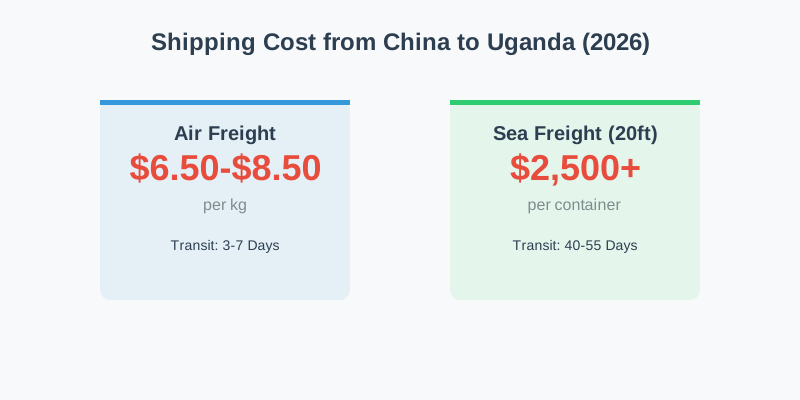
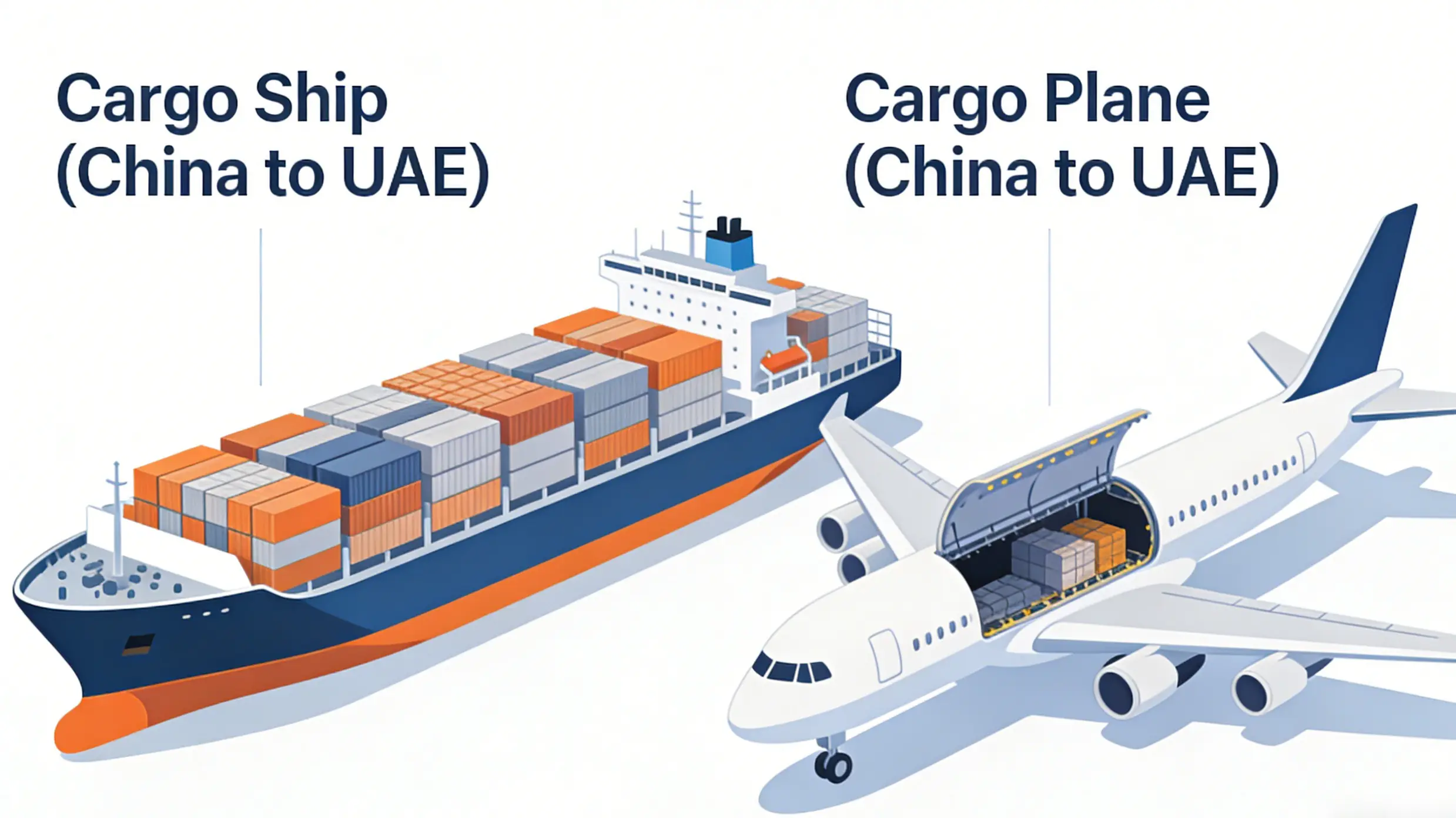
Here is a detailed comparison of the primary shipping methods to Uganda:
| Shipping Method | Average Cost (2026 Est.) | Transit Time to Kampala | Best For | Key Risk Factors |
|---|---|---|---|---|
| Air Freight (Standard) | $6.50 – $8.50 / kg | 3 – 7 Days | Electronics, Urgent spares | High cost, Volumetric weight penalties |
| Sea Freight (LCL) | $150 – $250 / CBM | 40 – 55 Days | Small to medium shipments | Consolidation delays, Damage risks |
| Sea Freight (20ft FCL) | $2,500 – $3,500 | 40 – 55 Days | Large wholesale orders | Port congestion at Mombasa/Dar es Salaam |
| Sea Freight (40ft FCL) | $3,500 – $5,500 | 40 – 55 Days | Bulky cargo, Vehicles | Inland haulage delays, Demurrage |
| Groupage (DDP) | $300 – $450 / CBM | 45 – 60 Days | SMEs, Hassle-free delivery | Fixed schedules, Limited flexibility |
(Note: Rates are estimates as of Q1 2026 and are subject to General Rate Increases (GRI) and Bunker Adjustment Factors (BAF). Always verify current rates with your forwarder before finalizing your landed cost calculations.)
Air Freight Rates from China to Entebbe (EBB)
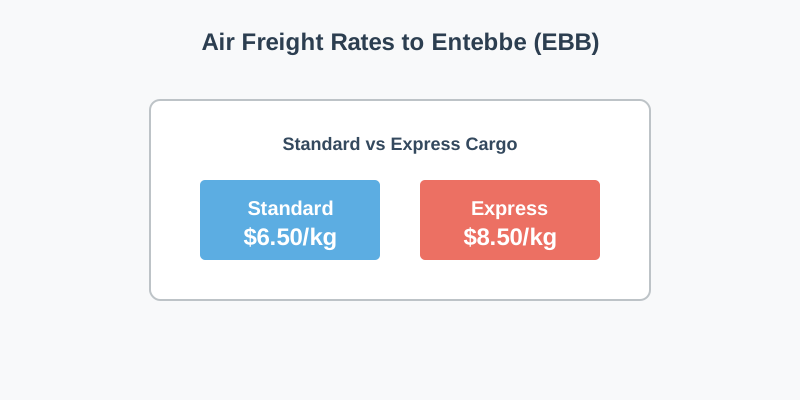
Air freight rates to Entebbe currently average $6.50/kg for standard cargo and $8.50/kg for express, making it ideal for high-value or urgent goods. If your supply chain demands speed, flying your cargo directly into Entebbe International Airport (EBB) is the most reliable option.
When booking air freight, airlines charge based on either the actual gross weight or the volumetric weight (dimensional weight)—whichever is higher. The standard formula is Length(cm) x Width(cm) x Height(cm) / 6000. If you are shipping lightweight but bulky items like plastic containers, you will be billed on the volumetric weight, significantly increasing your costs. Typical transit times from major Chinese hubs (like Guangzhou, Shenzhen, or Shanghai) to Entebbe range from 3 to 7 days, including customs clearance.
Sea Freight Costs: LCL and FCL to Mombasa/Dar es Salaam
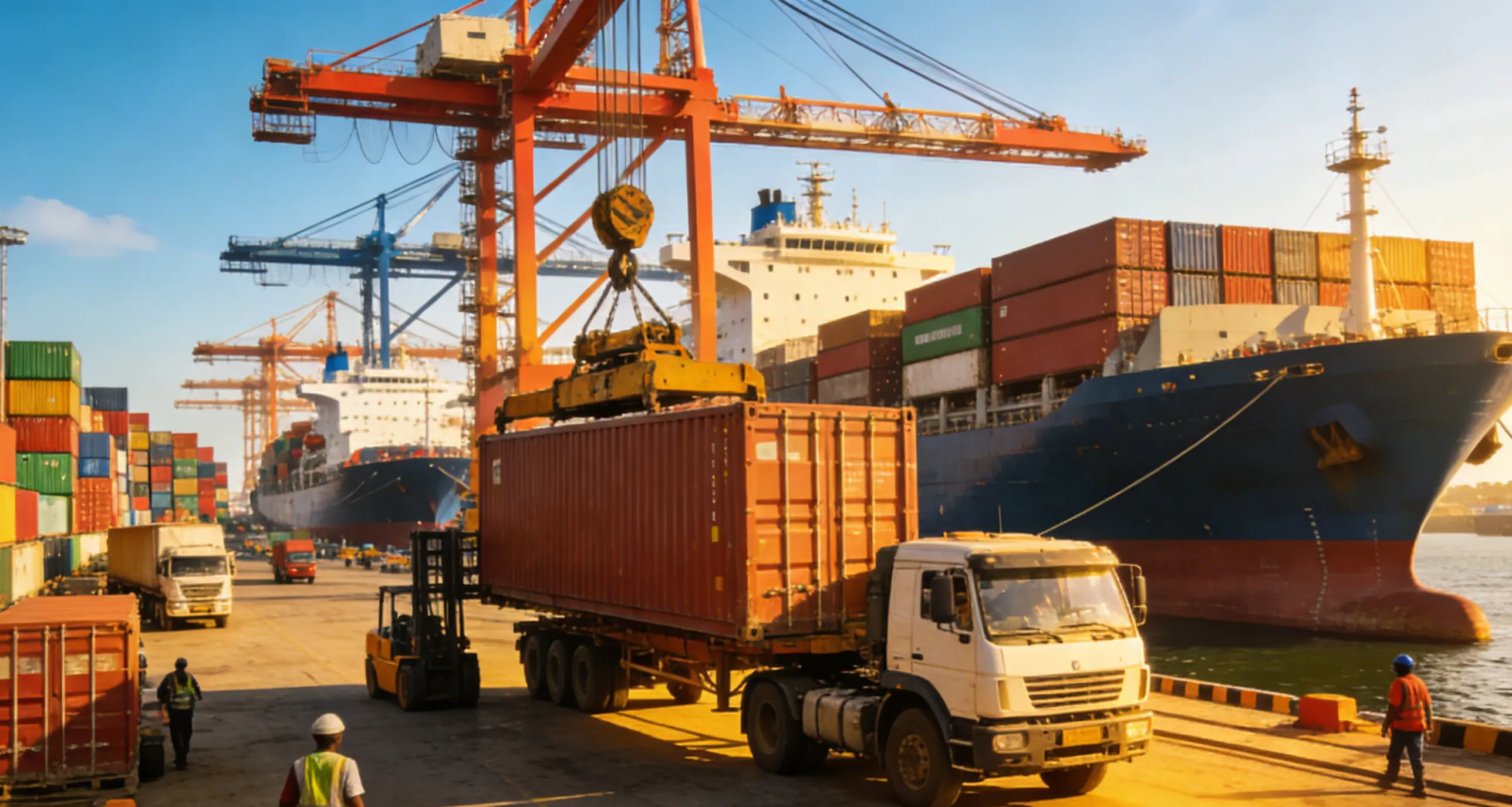
Sea freight is the most cost-effective option, with a 20ft container (FCL) costing around $2,500 – $3,500 and LCL rates starting at $150 per CBM to the transit ports. Because Uganda is a landlocked country, sea freight from China must first arrive at a gateway port. This often involves shipping from China to Kenya (via Mombasa) or shipping from China to Tanzania (via Dar es Salaam) before being transported inland to Kampala via the Northern or Central Corridors.
For large volumes, Full Container Load (FCL) offers better security and lower per-unit costs. For smaller shipments, Less than Container Load (LCL) allows you to share container space. However, the inland haulage leg from Mombasa or Dar es Salaam to Kampala can add $1,000 to $2,000 to your total bill. Furthermore, importers must strictly monitor Demurrage and Detention free days. Congestion at East African ports or delays at border crossings like Malaba can quickly lead to hefty penalty fees if containers are not returned on time.
3 Actionable Tips to Reduce Your Shipping Cost to Uganda
To lower your shipping cost from China to Uganda, importers should consolidate shipments, optimize packaging, and negotiate favorable Incoterms like FOB. Relying on default supplier shipping quotes often leads to inflated costs. Here are three practical strategies:
- Groupage and Consolidation in China: Instead of shipping multiple LCL orders from different suppliers, utilize consolidation and warehouse services in China (e.g., in Guangzhou or Yiwu). Combining your goods into a single shipment reduces documentation fees and optimizes CBM rates.
- Packaging Optimization: Since both air and sea freight factor in volume, instruct your Chinese suppliers to pack goods tightly and minimize dead space. Removing unnecessary retail boxes or using custom-fit cartons can prevent you from paying for “shipping air.”
- Partner with a Specialized Forwarder: Work with a freight forwarder that has an established East African network. Forwarders handling large volumes on the China-Africa route can secure better contract rates with carriers and offer end-to-end solutions, reducing third-party markups.
Hidden Fees and Uganda Customs Clearance Costs
Beyond basic freight, importers must budget for PVoC (Pre-Export Verification of Conformity) fees, UNBS testing, import duties, and VAT which significantly impact total landed costs. The freight rate is only one part of the equation; clearing customs in Uganda requires careful financial planning.
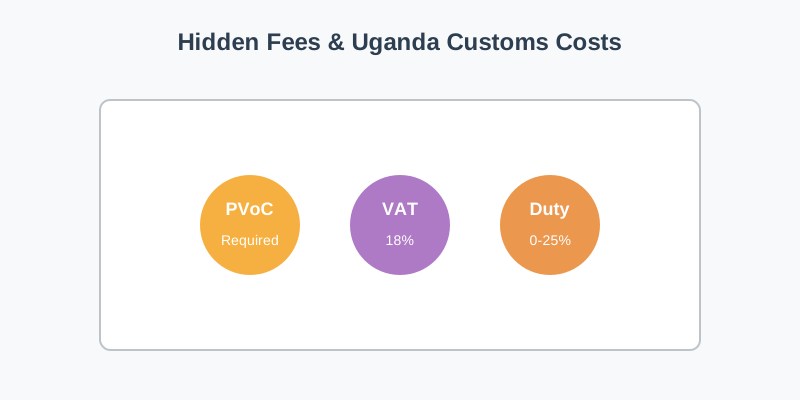
Before your goods leave China, many regulated products require a Certificate of Conformity (CoC) under the Uganda National Bureau of Standards (UNBS) PVoC program. Failing to obtain this will result in a 15% penalty CIF value upon arrival. Once in Kampala, goods are subject to:
- Import Duty: Typically ranges from 0% (raw materials) to 25% (finished consumer goods) based on the East African Community (EAC) Common External Tariff.
- Value Added Tax (VAT): Standard rate of 18%.
- Withholding Tax: 6% for non-exempt importers.
- Infrastructure Levy: 1.5%.
Accurate HS Code classification is vital. A minor misclassification can lead to severe fines or delays at the Internal Container Depot (ICD).
Why Choose Efanda Logistics for China to Uganda Shipping?
Efanda Logistics offers transparent pricing, reliable DDP services, and dedicated consolidation warehouses in Guangzhou and Yiwu to ensure your goods reach Kampala safely. We understand that importing into East Africa involves navigating complex cross-border logistics and customs hurdles.
Our specialized China-to-Uganda routes provide importers with:
- Predictable Costs: Our DDP (Delivered Duty Paid) groupage services mean the price you are quoted is the price you pay—no surprise customs fees in Kampala.
- Infrastructure: With our own consolidation hubs in China, we safely gather your goods from multiple suppliers, reducing your LCL costs.
- Risk Management: We handle the intricacies of inland haulage from Mombasa, managing port delays and border crossings so you don’t have to.
If you want a hassle-free shipping experience, let our experts manage your supply chain. Contact Efanda Logistics today for a competitive quote.
Frequently Asked Questions (FAQ)
How long does it take to ship from China to Uganda?
Air freight takes about 3 to 7 days from China to Entebbe. Sea freight takes approximately 40 to 55 days, which includes the ocean transit to Mombasa or Dar es Salaam and the inland trucking to Kampala.
What is the cheapest way to ship to Kampala?
Sea freight is the cheapest method. For small shipments, LCL (Less than Container Load) or specialized groupage services offer the best value. For large volumes, a 20ft or 40ft FCL (Full Container Load) provides the lowest cost per unit.
Is DDP shipping available for Uganda importers?
Yes. DDP (Delivered Duty Paid) is a highly popular option for SMEs in Uganda. With DDP, your freight forwarder handles all shipping, customs clearance, and local taxes, providing seamless door to door shipping directly to your warehouse in Kampala for a flat fee.
Do I need PVoC for all shipments to Uganda?
Not all, but most regulated consumer goods, electronics, and construction materials require Pre-Export Verification of Conformity (PVoC) certification before leaving China. Always check the UNBS regulated product list with your forwarder to avoid the 15% destination penalty.