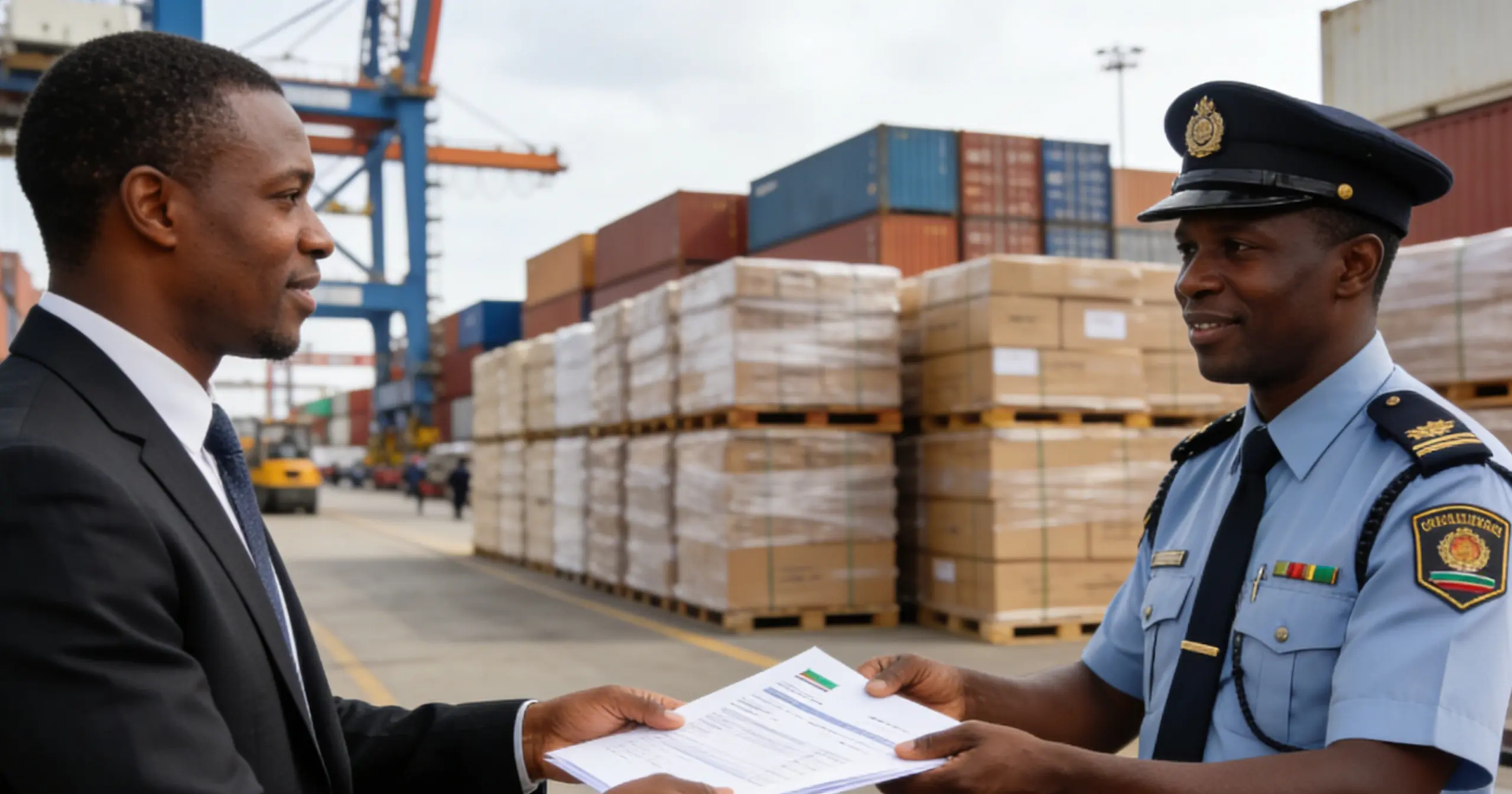
1. Introduction: The Rise of DDP Air Shipping to Iraq
In 2026, Iraq has emerged as one of the most dynamic yet challenging markets for Chinese exporters. With a rapidly growing middle class in Baghdad and a booming construction sector in Erbil, the demand for electronics, machinery parts, and consumer goods is at an all-time high. However, for many businesses, the logistics of getting goods from Shenzhen or Yiwu to the Iraqi market remains a nightmare. The traditional shipping model—where the importer handles customs clearance—is fraught with risks: unpredictable duty rates, complex bureaucracy, and the infamous “grey channel” delays that can leave cargo stranded at airports for weeks.
In our decade of experience managing logistics between China and the Middle East, we have seen firsthand how these delays cripple businesses. We recall a specific case in early 2025 where a client shipping auto parts to Baghdad via traditional air freight faced a 3-week delay due to a minor documentation error regarding the certificate of origin. The storage fees alone wiped out their profit margin.
This is where DDP (Delivered Duty Paid) Air Shipping from China to Iraq has become the game-changer. By shifting the entire burden of logistics, customs clearance, and duty payment from the buyer to the freight forwarder, DDP transforms a complex international trade transaction into a simple “pay and wait” service. Whether you are an e-commerce seller restocking for the holiday season or a contractor needing urgent spare parts for an oil rig in Basra, understanding how DDP works is no longer optional—it is essential for survival in the Iraqi market.
This comprehensive guide will walk you through every aspect of DDP air shipping in 2026, from the nuances of customs clearance in different Iraqi regions to a transparent breakdown of costs and transit times.
2. What is DDP Air Shipping from China to Iraq?
The Definition
DDP (Delivered Duty Paid) is an Incoterm where the seller (or in this case, the freight forwarder like Efanda) assumes all responsibilities and costs until the goods are delivered to the buyer’s doorstep. In the context of Shipping from China to Iraq, this service is particularly valuable because it bypasses the need for the importer to have their own import license or deal directly with Iraqi customs officials. This aligns with the broader trade facilitation goals often discussed by the China Ministry of Commerce (MOFCOM), aiming to streamline the flow of goods along the Belt and Road initiative.
Visualizing the Process
To understand how we simplify this complex chain, consider the workflow below. Unlike traditional shipping where you manage multiple handovers, DDP offers a seamless flow.

What is Included in the Service?
When you book a Door to Door Shipping service with Efanda, the “all-in” price typically covers the following five stages:
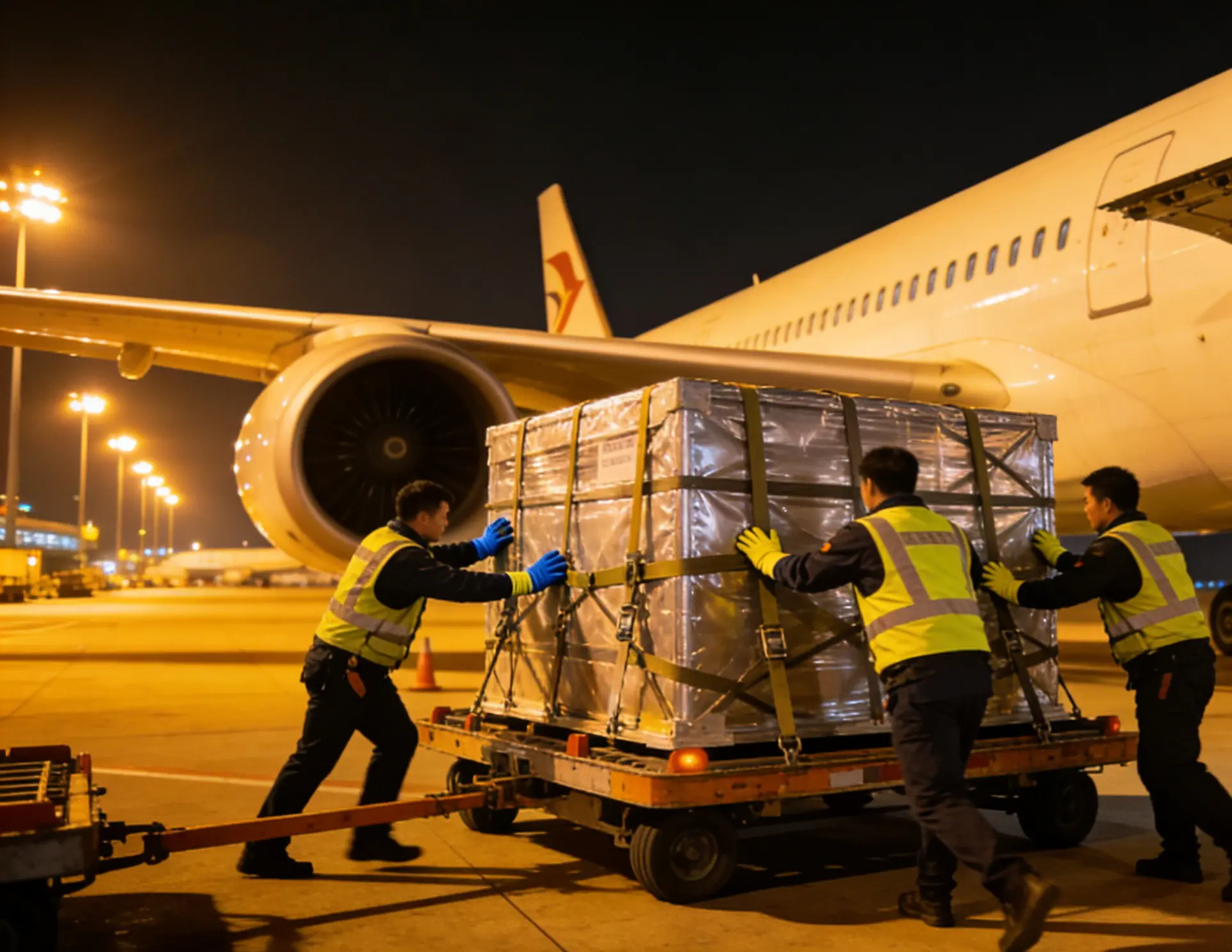
- Pickup & Consolidation: We collect goods from your suppliers across China—whether it’s electronics from Shenzhen, textiles from Guangzhou, or small commodities from Yiwu. These are consolidated in our warehouse services center to optimize weight and reduce costs.
- Export Procedures: We handle all Chinese export compliance, including export licenses, commodity inspections, and special declarations for sensitive items like batteries (often required for air freight).
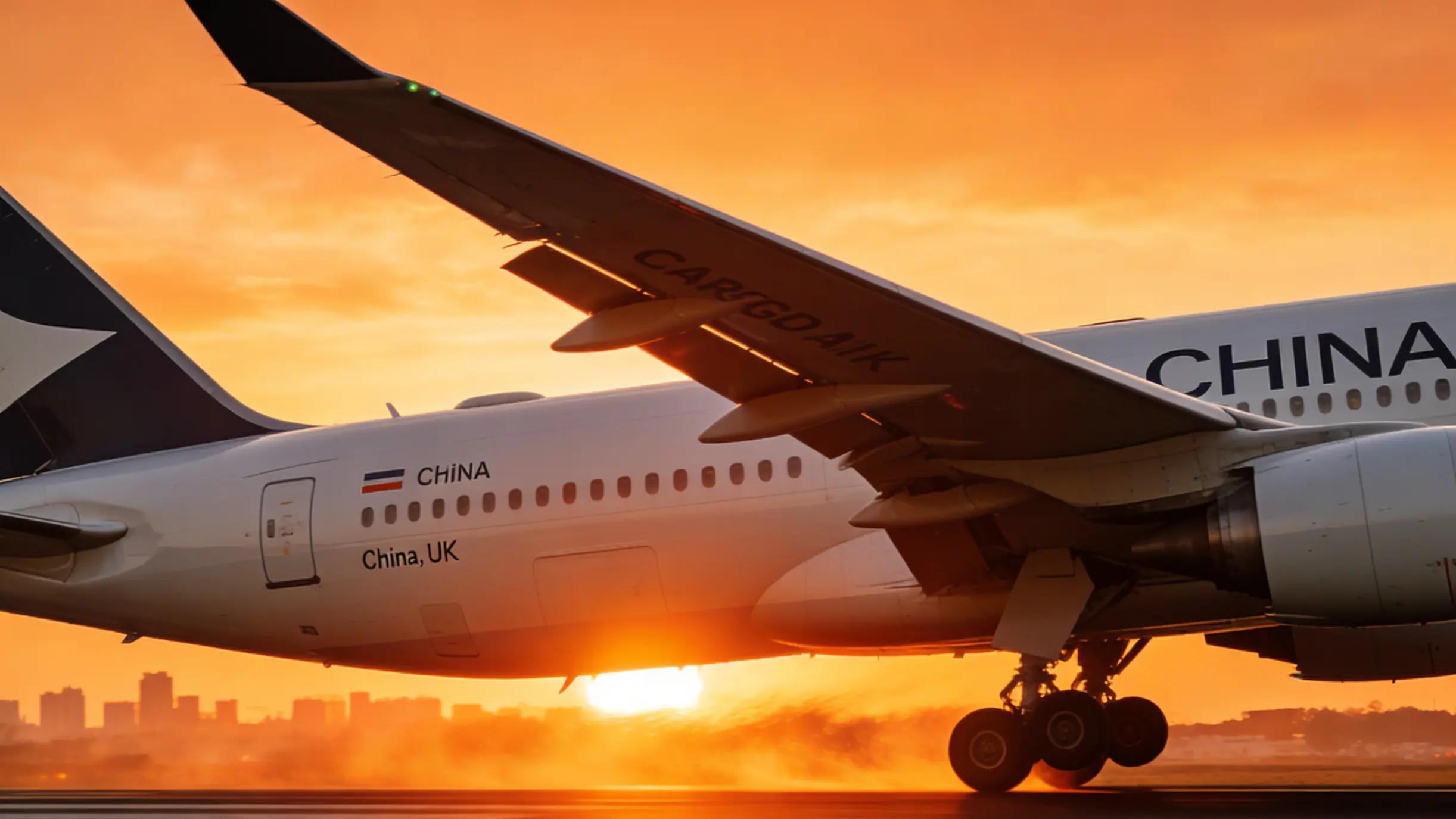
- Air Freight: Your cargo is flown from major Chinese hubs (CAN, SZX, HKG) to Iraq. Depending on the urgency and budget, this can be a direct flight or a transshipment via hubs like Dubai (DXB) (a key hub for shipping from China to UAE) or Doha (DOH).
- Import Clearance & Duty Payment: This is the core value of the service. Upon arrival at airports like Baghdad International Airport (BGW) or Erbil International Airport (EBL), our local team clears the goods using our own commercial import license. We pay all applicable Iraqi Duties, taxes, and handling fees.
- Final Delivery: Once cleared, the goods are loaded onto secure trucks and delivered directly to your warehouse, shop, or home address in Iraq.
3. Air Freight vs. Sea Freight to Iraq: Why Choose DDP Air?
While sea freight remains the dominant mode for bulk commodities, Air Freight offers specific advantages that are crucial for high-value or time-sensitive shipments. According to the World Bank’s Logistics Performance Index (LPI), Iraq’s infrastructure challenges often create bottlenecks at sea ports, making air freight a more reliable option for time-critical cargo.
Speed vs. Cost Analysis
The choice between air and sea often comes down to a trade-off between speed and cost.

Speed: The Critical Differentiator
- Air DDP: The typical transit time is 5 to 10 days door-to-door. This speed is vital for fashion items, latest electronics, or replacement parts where every day of delay equals lost revenue.
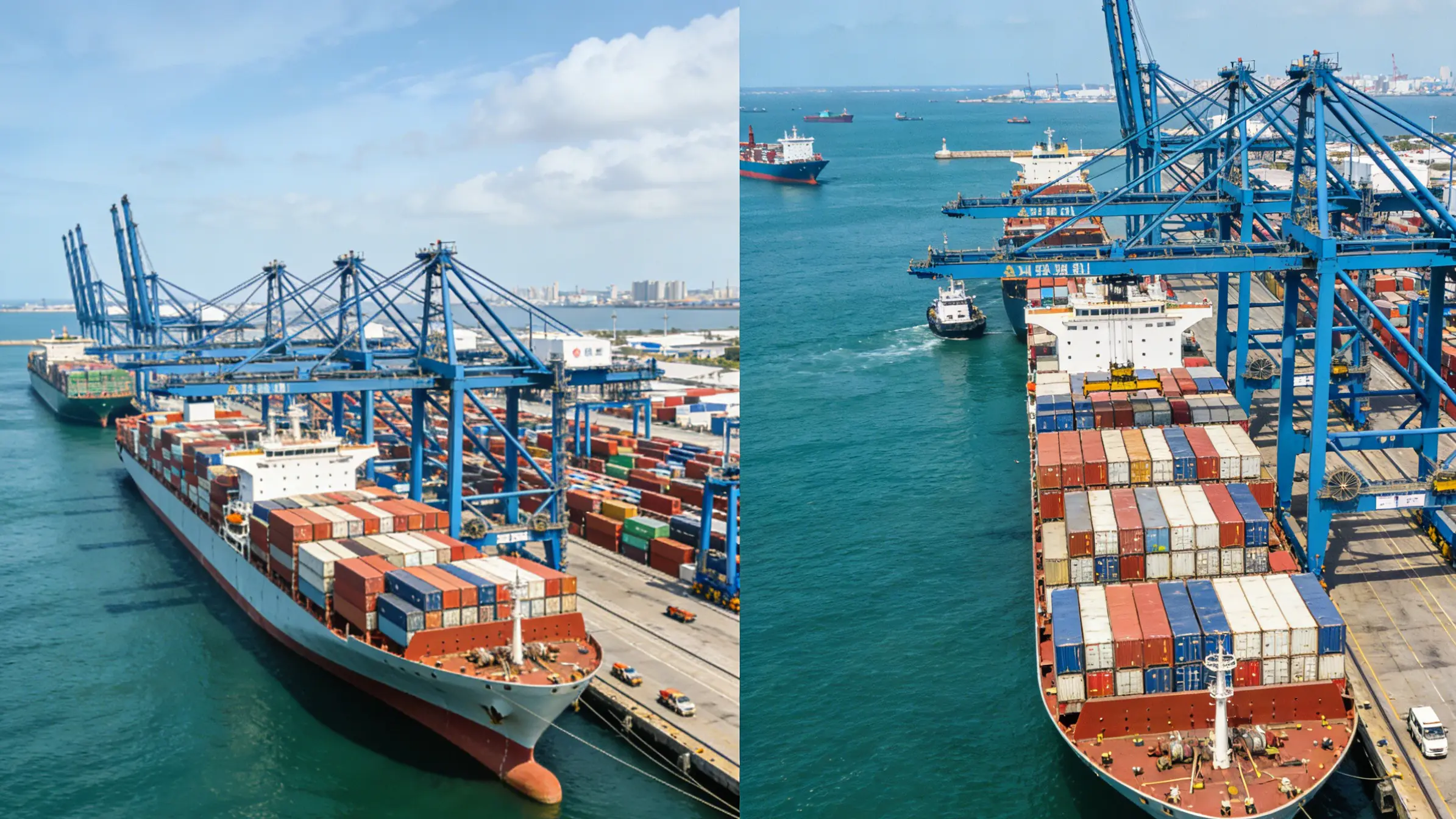
- Sea Freight: Shipping a container from Shanghai to Umm Qasr Port takes significantly longer—often 35 to 55 days. The voyage itself is long, but the real bottleneck is often at the port of discharge. Umm Qasr is notorious for congestion, and customs clearance for sea freight can take anywhere from 5 to 15 days, compared to 1-2 days for air cargo.
Cost vs. Value Analysis
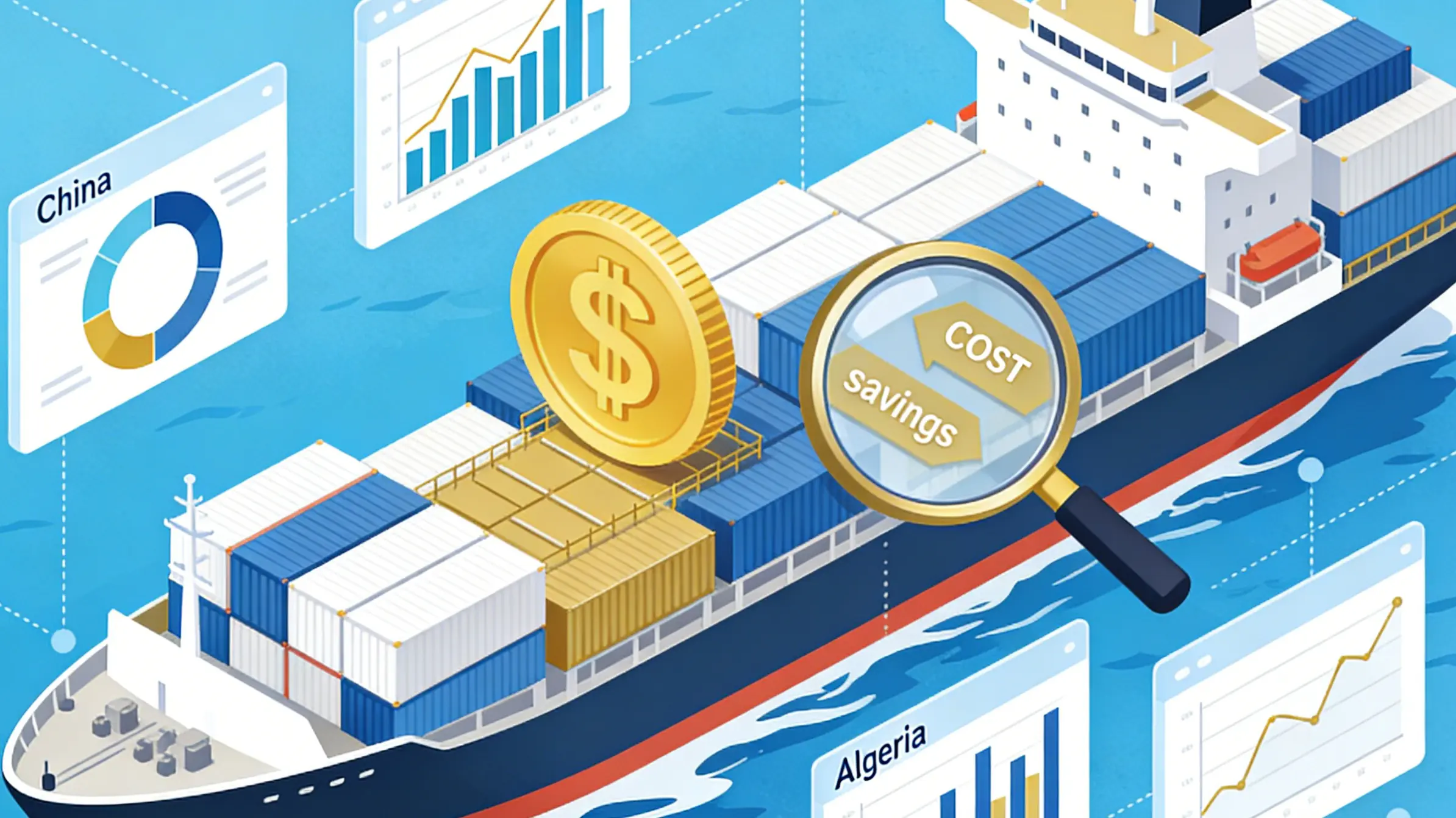
Air Freight Rates are naturally higher than sea freight. In 2026, you might pay between $6.5 and $9.5 per kg for air DDP, whereas sea freight might cost less than $1 per kg equivalent. However, the “sticker price” is not the only factor.
- Inventory Turnover: Faster delivery means you can turn over your capital quicker. Instead of tying up cash in inventory floating on the ocean for two months, you can sell and restock multiple times.
- Risk Mitigation: While DDP minimizes customs risks, air transport significantly lowers the risk of damage compared to long sea voyages. For high-value goods, we also recommend considering Cargo Insurance Services to protect against unforeseen events during transit.
4. Key Destinations: Shipping to Baghdad, Erbil, and Basra
Iraq is not a monolith; it is a federation with distinct administrative regions that affect logistics. Our local teams operate differently depending on the region.

Baghdad (Central Iraq)
As the capital and largest commercial center, Baghdad (BGW) is the primary destination for most consumer goods.
- Customs Environment: Controlled by the Central Government, customs enforcement here is strict. The COC (Certificate of Conformity) is mandatory for almost all regulated products.
- Logistics: Security checkpoints within the city can sometimes delay final delivery by a few hours, but our local drivers are experienced in navigating these routes.
Erbil & Sulaymaniyah (Kurdistan Region)
The Kurdistan Regional Government (KRG) operates its own customs administration, which is often distinct from Baghdad.
- The “Erbil Route”: Shipping to Erbil (EBL) is often favored for its efficiency. Customs procedures in Kurdistan are generally perceived as faster and more business-friendly.
- Transshipment: Historically, some traders used Erbil as a gateway to enter Iraq and then truck goods to Baghdad. However, in 2026, internal customs checkpoints between Kurdistan and Federal Iraq have tightened, making this route riskier for avoiding central duties. We recommend shipping directly to the region of final consumption unless you have specific arrangements.
Basra (Southern Iraq)
Basra (BSR) is the oil and gas capital. According to OPEC data, Basra is the economic engine of the country.
- Industrial Focus: Shipments here are often industrial equipment, tools, and safety gear.
- Logistics: While Basra has an international airport, it is heavily utilized by oil companies. DDP services to Basra must be robust enough to handle industrial clearance protocols. Note that logistics in Basra are distinct from the cross-border routes used for shipping from China to Iran, despite the geographic proximity.
5. Step-by-Step Process for Door to Door Shipping to Iraq
Understanding the workflow helps you plan your supply chain better. Here is how we execute a shipment, step by step.
Step 1: Consolidation and Inspection
Your suppliers send goods to Efanda’s warehouse. Here, we don’t just store them; we inspect them. We check for damaged packaging and, crucially, for Prohibited Items. Finding a hidden lithium battery in a “general cargo” shipment at the airport can cause the entire pallet to be rejected. We follow IATA Dangerous Goods Regulations (DGR) strictly to ensure safety.
Step 2: Document Verification
We verify the Commercial Invoice and Packing List. For Iraqi Customs, descriptions must be precise. “Clothes” is not enough; we need “Men’s Cotton T-Shirts.” We also ensure the declared value is realistic to avoid accusations of undervaluation by customs. Inaccurate declarations are the #1 cause of delays.
Step 3: Flight Booking and Departure
We book space on reliable carriers. Options include direct freighters or passenger aircraft bellies via hubs like Dubai. The choice of airline impacts the cost and speed.
Step 4: Clearance & Duty Payment
Upon arrival, our clearing agent takes over. This is the “black box” for most importers, but for us, it’s a standard procedure. We present the manifest, pay the assessed duties (which are included in your DDP rate), and secure the Release Order.
Step 5: Last-Mile Delivery
Once released, the cargo is sorted at our local distribution center and dispatched. You receive a call from our driver to coordinate the drop-off.
6. 2026 Air Freight Rates and Shipping Time from China to Iraq
Estimated Transit Times
- China to Erbil: 5-7 Days. The streamlined customs in KRG allows for this rapid turnaround.
- China to Baghdad: 7-10 Days. Slightly longer due to stricter central customs procedures and security checks upon exit from the airport.
- China to Basra: 8-12 Days. Flight connections are fewer than to Baghdad or Erbil.
Cost Structure Breakdown
Importers often ask, “What is the rate per kg?” In 2026, the indicative DDP rates are:
- General Cargo: $6.5 – $8.5 USD/kg.
- Sensitive Cargo (Batteries/Liquids): $7.5 – $9.5 USD/kg.
Note: These rates are subject to weekly market fluctuations. We advise checking with us before booking.
Understanding Chargeable Weight
Air freight is charged on the higher of Actual Weight or Volumetric Weight.
- Volumetric Weight Formula: (Length x Width x Height in cm) / 6000.
- If you ship a large box of pillows (light but bulky), you pay for the volume, not the weight. DDP rates are all-inclusive, meaning they cover the air freight, fuel surcharge, security fees, clearance, duty, and delivery. This transparency allows you to calculate your cost per unit instantly.
7. Customs Clearance in Iraq: COC, Duties, and Prohibited Items
The COC Challenge
The Certificate of Conformity (COC) is the single biggest hurdle for shipping to Iraq. Similar to the SABER system used when shipping from China to Saudi Arabia, Iraq’s COC requirement is mandatory and strictly enforced by agencies like Intertek and BV, under the authority of the General Commission for Customs.
- The Traditional Way: You pay hundreds of dollars for inspection and testing per shipment.
- The DDP Way: Efanda consolidates shipments. Because we handle the clearance under our aggregate license or via specific “Green Channels,” we often manage the compliance burden on your behalf. This saves you the time and cost of applying for a COC for every small shipment.
Prohibited and Restricted Items
Iraqi customs have a strict list of banned items. Attempting to ship these can lead to confiscation and heavy fines.
- Strictly Prohibited: Drugs, alcohol, gambling devices, adult content, drones (without Ministry of Interior approval), and Israeli-origin goods.
- Restricted (Requires Special Handling):
- Lithium Batteries: Power banks, Bluetooth speakers. These must be declared as DG (Dangerous Goods) and often routed via Hong Kong.
- Liquids/Powders: Cosmetics and chemicals require MSDS (Material Safety Data Sheet) and special airline approval.
- Communication Equipment: Walkie-talkies and advanced radio gear require approval from the CMC (Communications and Media Commission).
8. Why Choose Efanda for Your China to Iraq Shipping?
In a market as volatile as Iraq, trust is the most valuable currency.
- Local Expertise: We don’t just have an office in Shenzhen; we have teams on the ground in Baghdad (Al-Karrada) and Erbil. When a problem arises at customs, we are there in person to solve it. We have successfully cleared over 5,000 shipments to Iraq in the last two years alone.
- No Hidden Fees: The price we quote is the price you pay. We do not hold your cargo hostage for “unforeseen” customs penalties or storage fees.
- Flexible Payment: We understand the liquidity constraints of Iraqi businesses. We offer payment options in USD, RMB, and in some cases, cash on delivery in Baghdad.
- Risk-Free Clearance: If goods are seized due to our error in clearance, we offer compensation policies (terms apply), giving you peace of mind.
9. FAQ: Common Questions About Shipping to Iraq
Q: Do I need an import license for DDP Shipping to Iraq?
A: No. Efanda uses its own commercial import license to clear the goods. You just need to provide the packing list and invoice.
Q: What is the difference in Shipping Cost between Baghdad and Erbil?
A: Typically, rates to Erbil are slightly lower (approx. $0.5/kg less) than to Baghdad due to lower airport handling fees and more efficient customs processes.
Q: Can you ship sensitive items like cosmetics or batteries?
A: Yes, but these are classified as “Sensitive Goods.” They require special routing (usually via Hong Kong) and incur a slightly higher rate. Please declare these upfront.
Q: How do I track my shipment from China to Iraq?
A: Efanda provides a tracking number once the cargo is received. You can track the status from “Warehouse In” to “Flight Departed” to “Customs Cleared” and finally “Out for Delivery.”
For a custom quote on your next shipment to Iraq, contact Efanda Logistics today. Let us handle the complexities of logistics so you can focus on growing your business in 2026.