Updated for March 2026 | By Efanda Logistics Team
DDP Air Shipping from China to Yemen has become the critical lifeline for businesses navigating one of the world’s most complex logistical landscapes. With Yemen importing over 90% of its consumer goods, the demand for reliable, secure, and efficient trade routes from China—its largest trading partner—is non-negotiable. However, for many importers in Sanaa, Aden, and Taiz, the fear of customs seizures, indefinite port delays, and fluctuating duties can be paralyzing.
In this comprehensive guide, we strip away the complexity of shipping to Yemen. We explain how the Door to Door (DDP) model works, why it is the safest bet for your cargo in 2026, and how to navigate the specific challenges of this “high-risk” region with confidence.
1. Introduction: The 2026 Logistics Landscape in Yemen
Quick Answer: DDP Air Shipping to Yemen is a specialized logistics service where the forwarder takes full responsibility for the cargo from the supplier’s warehouse in China to the final destination in Yemen. This includes handling all export/import documentation, paying duties, and managing the risk of transit through conflict zones.
For traders dealing in electronics, spare parts, and textiles, the traditional “Port-to-Port” model is fraught with risks in Yemen. The fragmented political landscape means that customs regulations in Aden (South) can differ vastly from those in Sanaa (North). Customs clearance is not just about paperwork; it’s about knowing which checkpoints are open and which routes are safe.
According to the World Bank’s Yemen Overview, the country’s economic stability relies heavily on these import channels remaining open. Disruptions don’t just affect profit margins; they affect the availability of essential goods in local markets.
The Solution: DDP (Delivered Duty Paid) removes this burden from you. You pay a single, all-inclusive rate per kilogram, and the forwarder handles the rest. This model has revolutionized trade, allowing small and medium enterprises (SMEs) to import without needing their own import licenses or clearing agents.
2. Why Choose DDP Air Shipping from China to Yemen?
Quick Answer: It simplifies a chaotic process. You get Cost Certainty (no hidden fees), Speed (10-15 days vs. months for sea freight), and Risk Mitigation (the forwarder assumes liability for customs clearance).
Simplified Customs Procedures
In a standard import scenario, you would need to provide a Commercial Registration, Tax Card, and Import License. With DDP, the forwarder acts as the “Importer of Record.” We use our established licenses and network to clear goods, meaning you don’t need to file complex paperwork with the Yemen Customs Authority.
Cost Transparency
Hidden costs are the enemy of profit. In Yemen, “informal” fees at checkpoints can quickly erode margins.
- Traditional Shipping: Freight + Duty + Tax + Handling + Checkpoint Fees (Unpredictable).
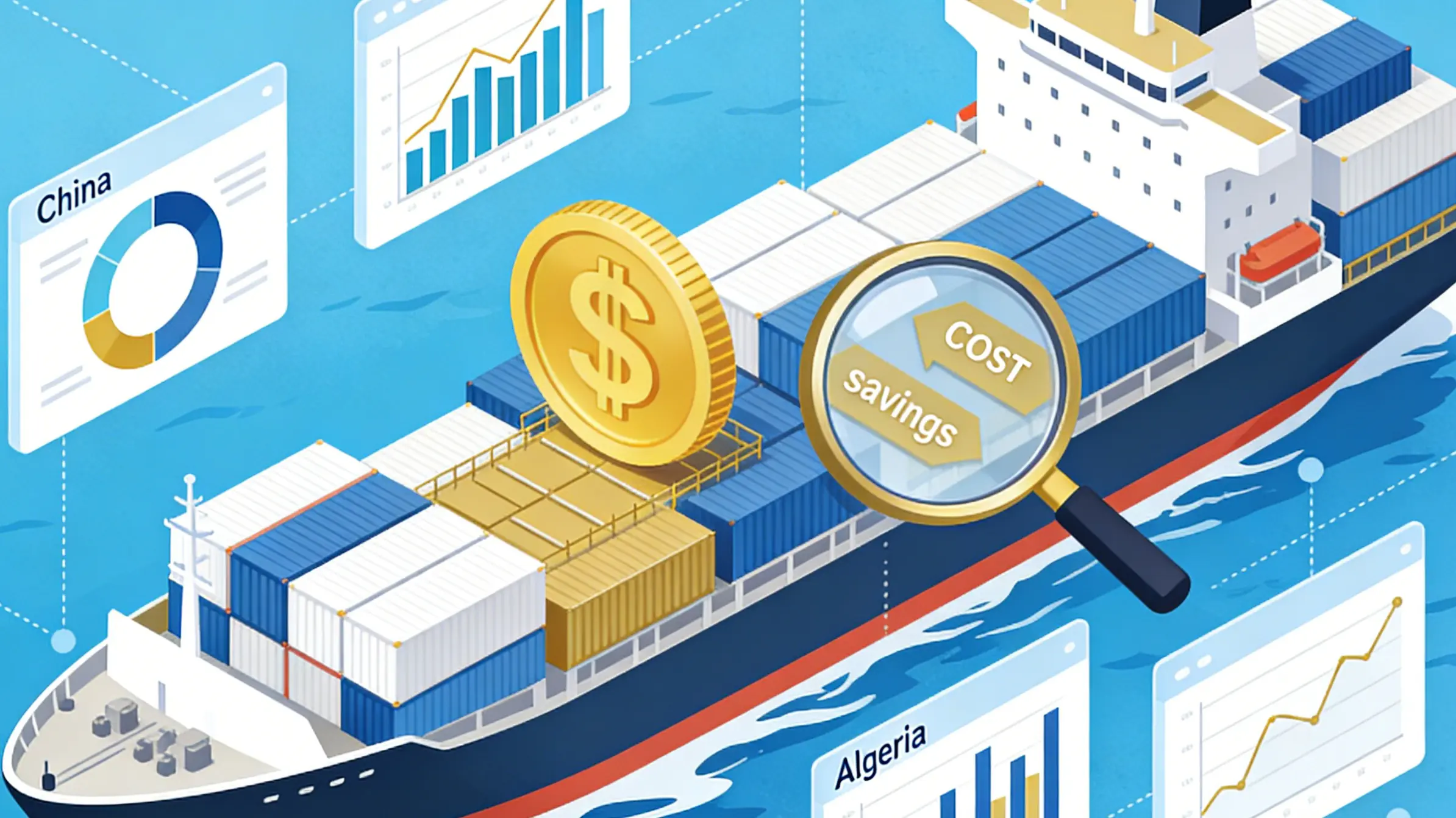
- DDP Shipping: One flat rate per KG (e.g., $X.XX/KG).
This transparency allows you to calculate your selling price in Yemen with 100% accuracy before the goods even leave China.
Speed & Reliability: Air vs. Sea Comparison
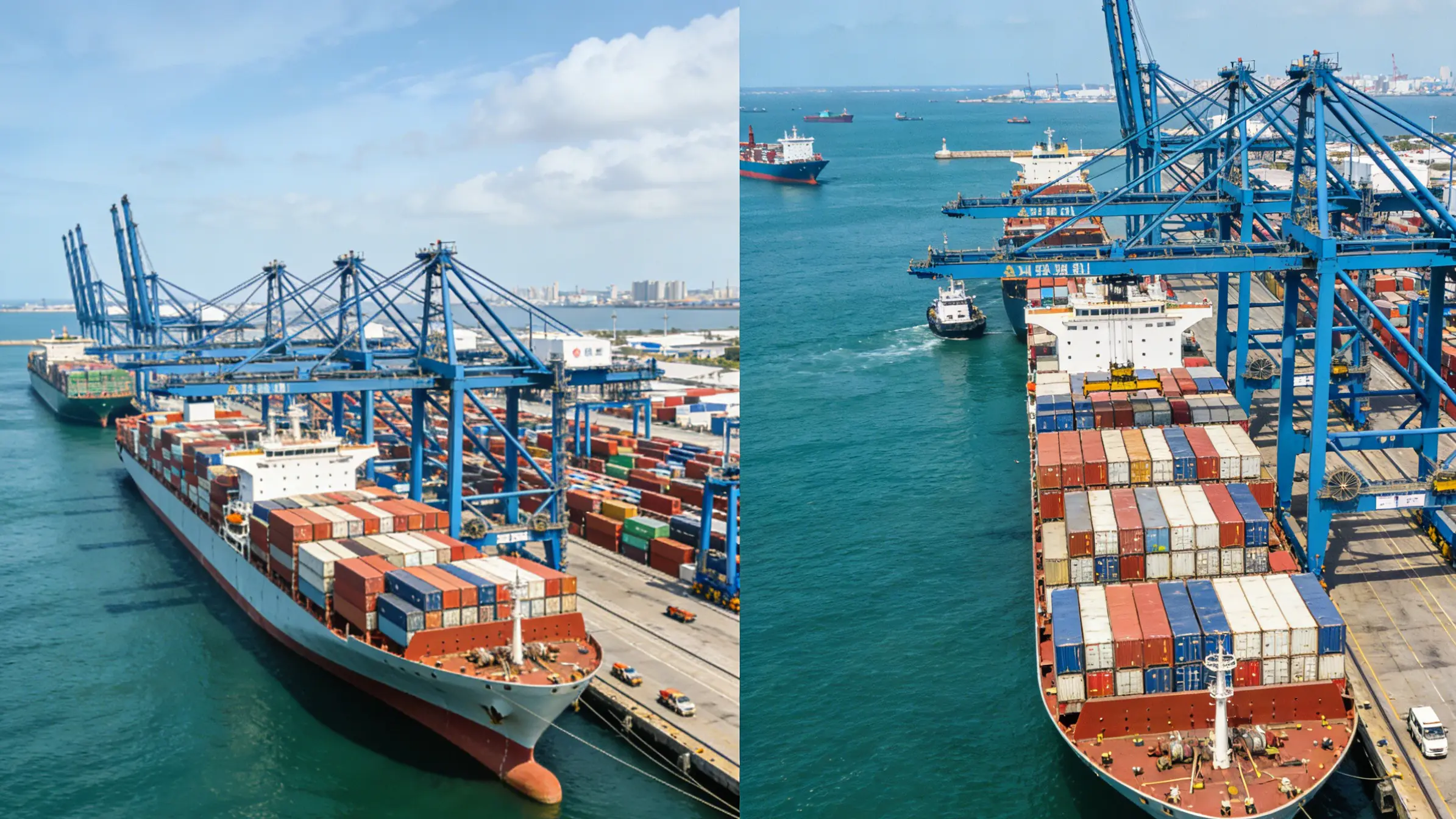
Air Freight is the only viable option for high-value or urgent goods. While sea freight to Hodeidah or Aden can take 45-60 days due to Red Sea security inspections (UNVIM)—similar to delays impacting Shipping from China to Djibouti and Shipping from China to Egypt—air cargo transiting via Dubai or Oman typically arrives in 10-15 days.
The United Nations Verification and Inspection Mechanism for Yemen (UNVIM) mandates rigorous checks for vessels entering Red Sea ports, often resulting in weeks of delay at anchorage. Air freight bypasses these maritime choke points entirely.
| Feature | DDP Air Freight | Traditional Sea Freight |
|---|---|---|
| Transit Time | 10 – 15 Days | 45 – 60+ Days |
| Customs Clearance | Included (Hassle-free) | Importer’s Responsibility (Complex) |
| Risk of Delay | Low (Bypasses sea blockades) | High (Red Sea security checks) |
| Best For | Electronics, Fashion, Spare Parts | Bulk Commodities (Rice, Cement) |
| Cost Structure | All-in per KG | Freight + Port Fees + Demurrage |

3. How the Process Works (Step-by-Step)
Quick Answer: The process is streamlined into five steps: Collection -> Consolidation -> Transit (via UAE/Oman) -> Clearance -> Delivery. The key differentiator is the consolidation hub in China and the transit hub in Dubai.
Step 1: Cargo Collection & Consolidation
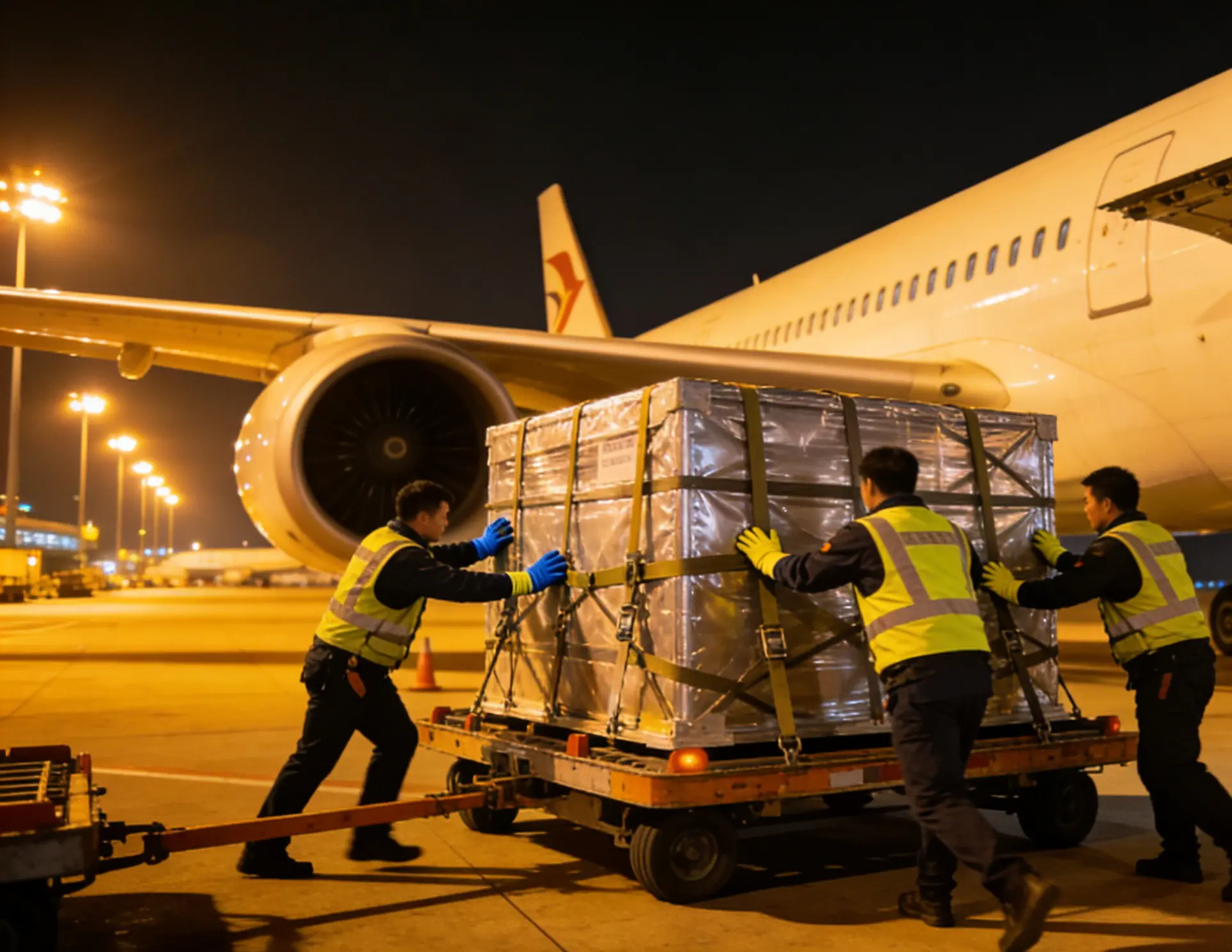
Your suppliers in Guangzhou, Shenzhen, or Yiwu send goods to our warehouse. We offer free Warehouse Services to consolidate shipments from multiple suppliers.
- Efanda Tip: We inspect goods upon arrival to ensure packaging is robust enough for the journey. “Standard” packaging often fails in the rough terrain of Yemen; we reinforce it.
Step 2: Export Clearance
We handle all Chinese export compliance. For sensitive items like batteries or branded electronics, we prepare the necessary MSDS and export licenses to prevent delays at Chinese customs.
Step 3: Air Transit (The Dubai/Oman Connection)
Direct flights from China to Yemen are non-existent due to the conflict. Therefore, goods are flown to a transit hub, typically Shipping from China to UAE (Dubai) or Shipping from China to Oman (Salalah).
- Why this matters: These hubs act as the gateway. Goods are often cross-loaded onto smaller cargo planes or specialized trucking fleets for the final leg into Yemen. The Port of Salalah and its associated airport free zone have become critical logistics nodes for Yemen-bound cargo, offering a stable alternative to Aden.
Step 4: Customs Clearance in Yemen
This is where expertise counts. Whether the goods enter via Aden Airport or overland from Oman, our local team handles the clearance. We navigate the dual regulatory systems (North vs. South) to ensure your goods are not seized.
Step 5: Final Delivery
Once cleared, goods are transported to our warehouses in Sanaa, Aden, or Taiz for you to pick up, or delivered directly to your shop.
4. The Strategic “Oman Corridor” Route
One of the most reliable routes involves flying cargo to Salalah (Oman) and then trucking it across the border at Al-Mahra. This route avoids the volatility of Red Sea ports and provides a stable entry point for goods destined for both North and South Yemen.

Why the Oman Corridor?
- Political Neutrality: Oman maintains neutral relations, keeping the border relatively open for trade.
- Infrastructure: The road from Al-Mahra to Sanaa, while long, is less prone to the strict blockades seen around Hodeidah.
- Speed: Trucking from Salalah to the border takes less than 24 hours, significantly faster than waiting for a berth at Aden port.
Comparison: This is significantly faster than Shipping from China to Saudi Arabia or Shipping from China to Jordan, which have different regulatory hurdles, though the geography is similar.
5. Shipping Rates and Cost Factors
Quick Answer: Rates are charged per Kilogram (KG) based on the higher of Actual Weight or Volumetric Weight. Rates vary for General vs. Sensitive goods.
Understanding Chargeable Weight
Air freight space is precious. Airlines charge based on density.
- Actual Weight: The weight on the scale.
- Volumetric Weight: (Length×Width×Height)/6000 (in cm).
- Rule: You pay for whichever is higher.

Product Categories affecting Rates
- General Goods: Clothes, Shoes, Textiles, Plasticware. (Lowest Rate)
- Sensitive Goods: Electronics with batteries (phones, laptops), Liquids, Cosmetics. (Higher Rate due to hazardous handling fees).
- High-Risk Goods: Branded copies (requires special “sensitive” lines).
6. Specialized Cargo: Solar & Batteries
With Yemen facing chronic power shortages, solar energy systems are in high demand. Shipping lithium batteries (for solar storage) requires strict adherence to IATA Dangerous Goods Regulations.
- Compliance: Batteries must be packed to prevent short circuits and thermal runaway. They are classified as Class 9 Dangerous Goods.
- Documentation: A UN38.3 Test Report and MSDS are mandatory.
- Efanda’s Role: We verify all battery documentation before shipping to prevent your cargo from being rejected by the airline or seized at the transit hub.
7. Prohibited and Restricted Items
Quick Answer: Strict bans apply to military gear, drones, and alcohol. Airlines also restrict loose lithium batteries and explosives.
Airline Restrictions
- Power Banks: Must be packed according to IATA regulations.
- Liquids/Powders: Require MSDS (Material Safety Data Sheet).
- Magnets: Strong magnets interfere with avionics and are restricted.
Yemen Customs Restrictions
The political situation means “dual-use” items are strictly scrutinized. Refer to the International Trade Administration’s Yemen Guide for broader context on import restrictions.
- Strictly Prohibited: Military uniforms, tactical vests, night-vision goggles, drones (UAVs), walkie-talkies, alcohol, pork products, and anti-Islamic literature.
- Restricted: Pharmaceuticals (require Ministry of Health approval), Communications equipment.
- Warning: Attempting to ship prohibited military-grade items can lead to the confiscation of the entire shipment and legal action.
8. Why Choose Efanda for Yemen Shipping?
Quick Answer: We specialize in “difficult” markets. Our experience in war-zone logistics, combined with flexible payment options and robust warehousing, makes us the safest choice.
Expertise in Complex Logistics
Shipping to Yemen is not for amateurs. We understand the nuances of the Sanaa vs. Aden administrations. We know which roads are safe and which checkpoints to avoid. This “on-the-ground” intelligence is our biggest asset. Our network extends beyond Yemen to challenging destinations like Shipping from China to Iraq and Shipping from China to Libya, giving us a unique edge in crisis logistics.
Case Study: Electronics Retailer in Sanaa
The Challenge: A client in Sanaa needed 500kg of mobile phone accessories urgently for the Eid season. Sea freight was too slow, and their previous agent got the goods stuck at the Aden border for weeks due to incorrect paperwork.
The Efanda Solution: We routed the shipment via air to Dubai, then utilized our dedicated trucking line through Al-Mahra. We pre-cleared the customs duties using our DDP service.
The Result: The goods arrived in Sanaa in 12 days. The client saved 20% compared to local sourcing and avoided all border delays.
Financial Flexibility
We understand the forex challenges in Yemen. We accept payments in USD, RMB, and sometimes local currencies, facilitating smoother transactions for our clients.
Safety First
- Packaging: We don’t just ship boxes; we protect them. We use waterproof wrapping and wooden crating for fragile items to withstand the rough overland journey.
- Insurance: We offer optional Cargo Insurance Services to cover “All Risks,” providing peace of mind against theft or damage.
9. FAQ
How do I calculate the volumetric weight for my shipment?
Measure the Length, Width, and Height of the carton in centimeters. Multiply them and divide by 6000. For example, a box 50cm×40cm×30cm=60,000/6000=10kg. If the actual weight is 8kg, you pay for 10kg.
Is insurance included in the shipping rate?
Standard rates cover basic liability (total loss due to carrier negligence), but we strongly recommend additional comprehensive insurance for high-value electronics.
Can you ship brand copies (replicas)?
Yes, but they must be declared as “Sensitive/Special Cargo.” Shipping them as general goods can lead to customs seizure. We have specific channels for these goods.
Do I need to pay anything when the goods arrive in Yemen?
No. With our DDP service, the rate you pay in China covers all customs duties and clearing fees in Yemen. You simply receive your goods.
Do you deliver to all cities in Yemen?
We primarily service major hubs like Sanaa, Aden, Taiz, and Ibb. Delivery to remote or active conflict zones may be restricted or require special arrangements. Please consult us before shipping.