Shipping from China to Nigeria has evolved significantly in recent years. With Nigeria standing as China’s largest trading partner in Africa, boasting a bilateral trade volume exceeding $26 billion annually, the demand for efficient, reliable, and hassle-free logistics solutions is at an all-time high. For many importers, the administrative complexities of customs documentation—specifically Form M, SONCAP, and PAAR—can be a major barrier to entry. This is where Door to Door Shipping (DDP) becomes a game-changer.
In this comprehensive guide, we will explore everything you need to know about Door to Door Shipping from China to Nigeria in 2026. From understanding the process and cost structures to navigating the latest customs regulations, we provide the expert insights you need to streamline your supply chain. Whether you are a seasoned importer in Alaba International Market or a new e-commerce entrepreneur in Lagos, this guide is tailored for you.
1. Introduction to Door to Door Shipping from China to Nigeria
Quick Answer: Door to Door (DDP) Shipping from China to Nigeria is an all-inclusive logistics service where the freight forwarder handles the entire process—from pickup in China to customs clearance in Lagos and final delivery. It is the preferred method for SMEs because it bypasses the need for the importer to process Form M or SONCAP personally.
The trade relationship between China and Nigeria is robust, with goods ranging from electronics and textiles to heavy machinery crossing the ocean daily. However, the traditional logistics model (Port-to-Port) places a heavy burden on the importer to navigate the intricate Nigerian Customs Service (NCS) regulations.
Why Importers Choose Door to Door:
- Simplicity: You don’t need to be a licensed importer with a valid Tax Identification Number (TIN) or process a Form M. The forwarder acts as the “Importer of Record” for the consolidated container.
- Cost-Certainty: The rate you are quoted (e.g., per CBM or per kg) includes duty, clearing, and transport. There are no hidden “intervention” fees at the port or unexpected demurrage charges.
- Speed: Experienced forwarders like Efanda have established clearing channels at Apapa and Tincan Island ports, minimizing delays. We understand the local terrain and how to navigate the “gridlock” that often plagues Lagos ports.
2. How DDP Shipping from China to Nigeria Works (Step-by-Step)
Quick Answer: The DDP process involves six key steps: Cargo Collection -> Consolidation -> Export Customs -> International Transit -> Nigeria Customs Clearance -> Final Delivery.
Understanding the workflow helps you manage expectations and plan your inventory.
Step 1: Cargo Collection
Your suppliers in China send goods to the forwarder’s warehouse. Efanda operates major consolidation hubs in Guangzhou (for electronics, fashion) and Yiwu (for small commodities).
- Tip: Always mark your cartons with a unique “Shipping Mark” provided by your forwarder to prevent loss. A good shipping mark includes your Name, Phone Number, and Destination City (e.g., “CHUKA-LAGOS-0803XXX”).
Step 2: Consolidation for Shipping to Nigeria
Most Door to Door Shipping shipments are LCL (Less than Container Load). The forwarder combines your goods with those of other importers into a single container. This allows you to pay only for the space you use (per CBM).
- Process Insight: We carefully stack goods to maximize space. Heavy items (like machinery) go on the bottom, while fragile items (like lighting) go on top. This “Tetris-like” planning ensures your goods arrive safely.
Step 3: Export Customs
The forwarder handles all Chinese export declarations. This is seamless for you, but crucial for compliance with Chinese regulations. We ensure that items with batteries or specific brand names are declared correctly to avoid delays at the Chinese border.
Step 4: International Transit
Depending on your urgency and budget, your goods move via Air Freight or Sea Freight.
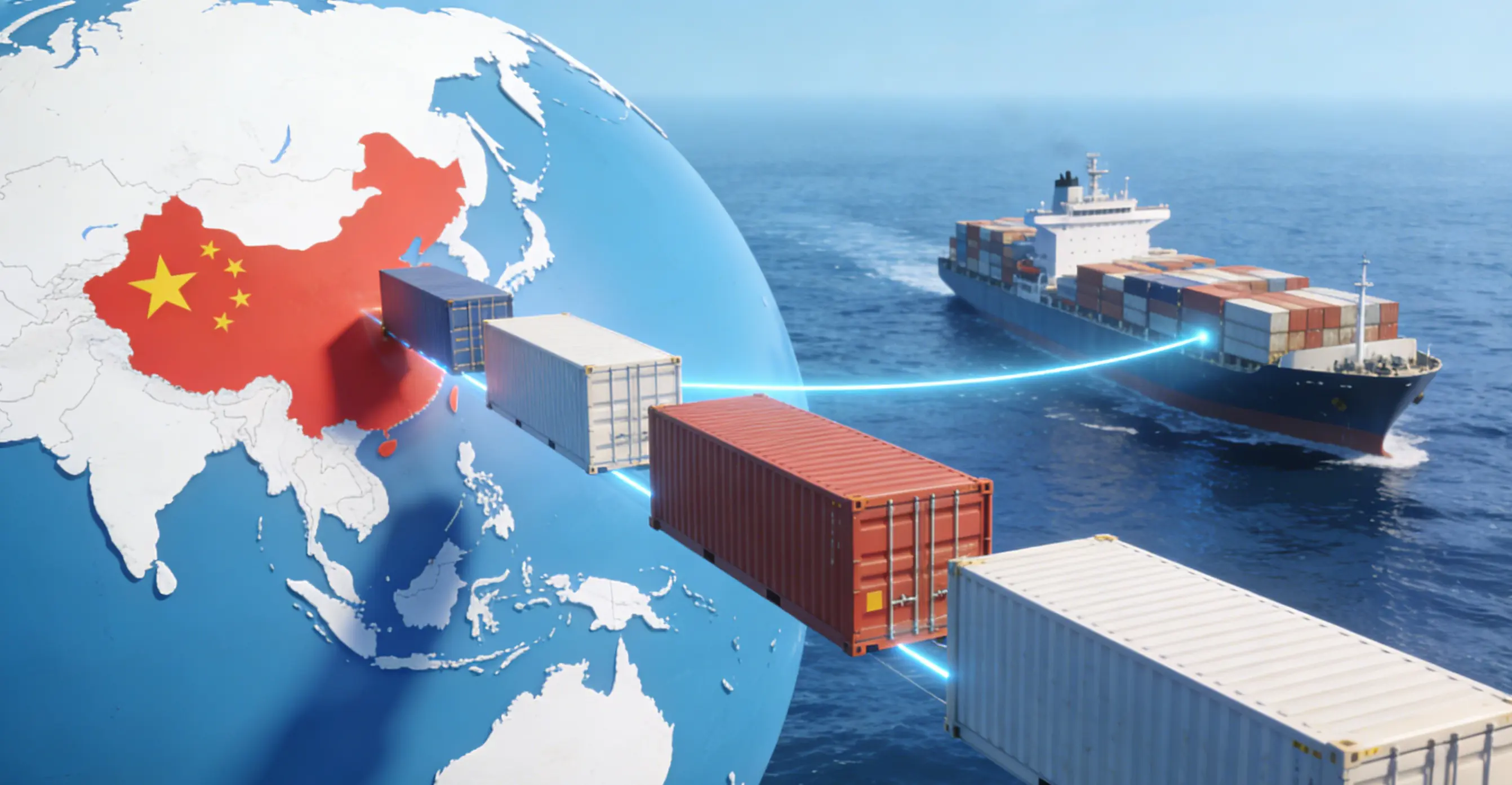
- Route Note: Sea freight vessels typically sail from Nansha or Shekou ports in China, transit through Singapore or Tanjung Pelepas, and arrive at Apapa or Tincan Island in Lagos.

Step 5: Nigeria Customs Clearance
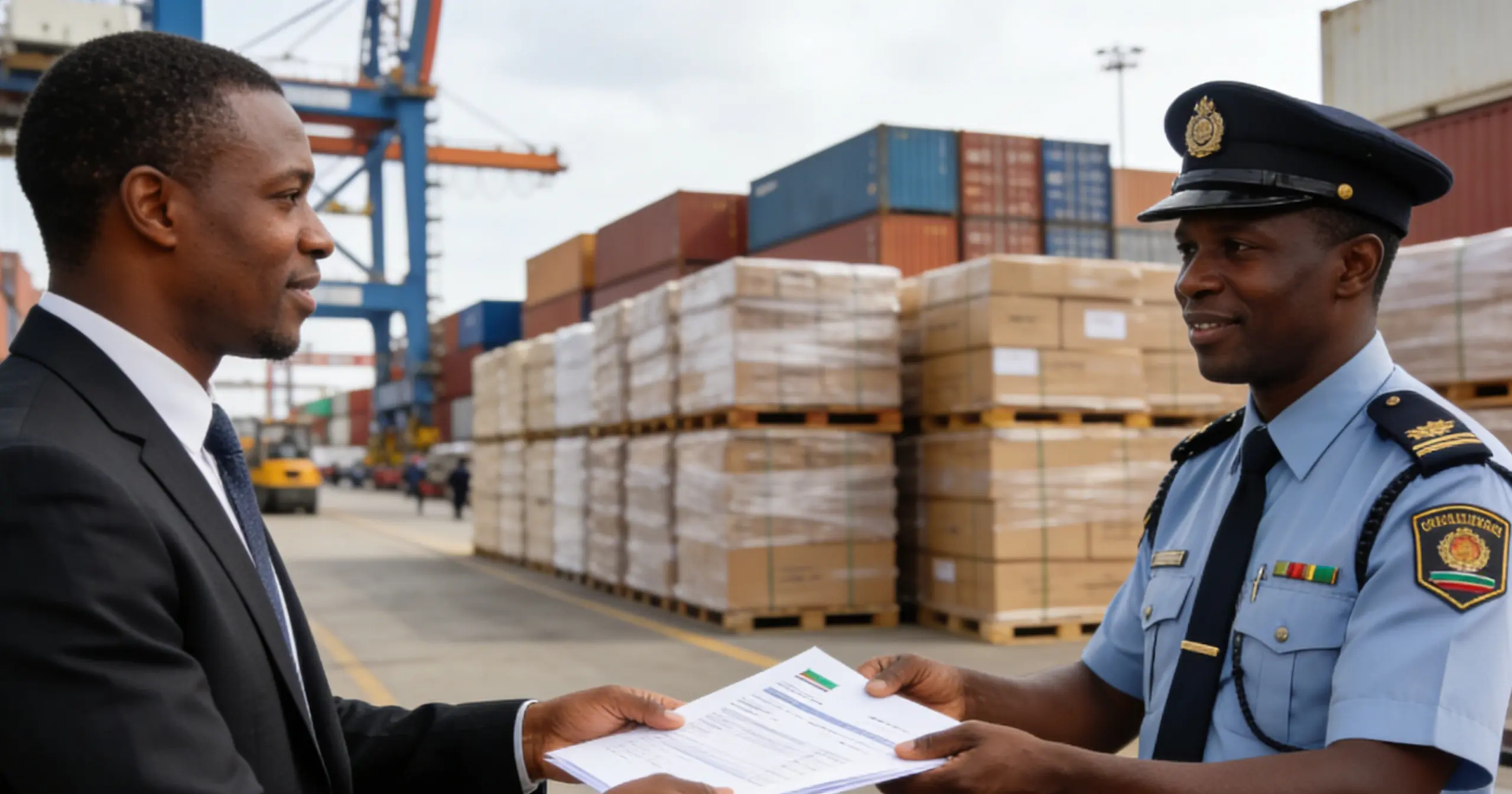
This is the “magic” of DDP. Upon arrival at Lagos (either MMIA Airport or Apapa/Tincan Seaport), the forwarder uses their bulk import permits and clearing agency license to clear the container.
- Efanda Expert Insight: “In 2026, customs valuation at Lagos ports has become stricter with the full implementation of the e-Vin (Electronic Valuation) system by the Nigerian Customs Service. This system automatically generates duty payable based on the VIN of vehicles or the HS Code of general goods, reducing human intervention. We ensure all goods are correctly classified under the latest CET (Common External Tariff) to avoid ‘Debit Notes’ (DN) or seizures. Our team is physically present at the port to resolve any examination issues immediately.”
The “Form M” vs. DDP Dilemma
Traditionally, an importer would need to process a Form M (Form for Import) through an authorized dealer bank, as mandated by the Central Bank of Nigeria (CBN). This requires:
- Valid Tax Identification Number (TIN).
- Proforma Invoice (PI) with insurance certificate.
- Regulatory certificates (SONCAP/NAFDAC).
DDP bypasses this because the forwarder acts as the “Consignee” on the Master Bill of Lading (MBL), while you are the “Notify Party” or beneficial owner. This legal structure allows us to clear hundreds of small consignments in one go, passing the economies of scale (and speed) to you.
Step 6: Final Delivery
Once cleared, the container is moved to a Lagos distribution warehouse (often in Amuwo Odofin or Oshodi). From there, goods are either picked up by the client or waybilled to other cities like Onitsha, Kano, Abuja, or Port Harcourt. We use reliable local haulage partners to ensure your goods reach your doorstep intact.

3. Understanding the Cost Breakdown: Where Does Your Money Go?
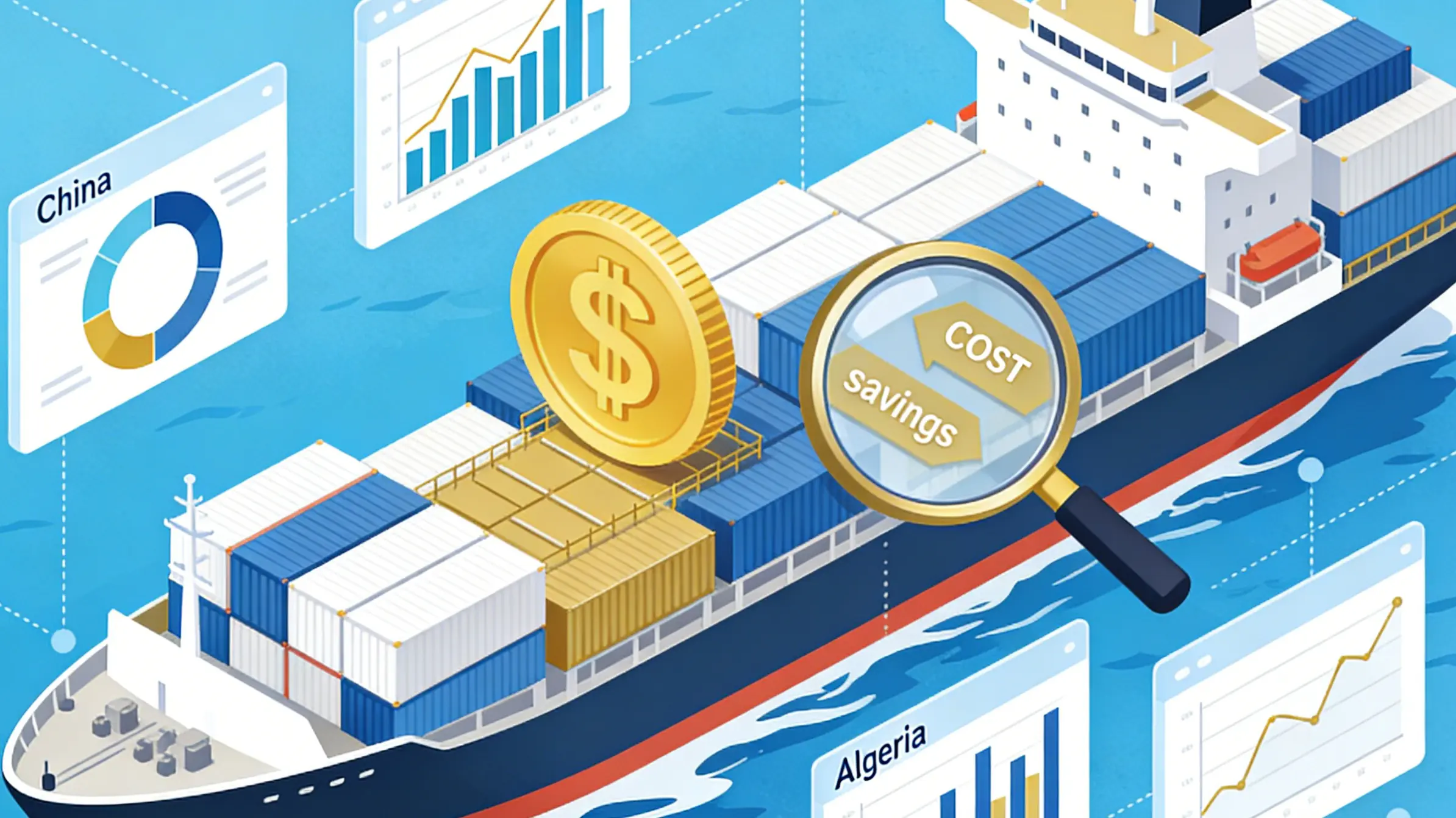
One of the most common questions we receive is, “Why is the rate $X per CBM?” To build trust and transparency, it is important to understand the components of your shipping rate. Unlike traditional shipping where you pay freight to the shipping line and duty to customs separately, DDP bundles everything.
The chart below illustrates the typical cost distribution for a standard general cargo shipment from China to Lagos in 2026.

- Sea Freight (40%): The cost paid to the shipping line (e.g., Maersk, COSCO, CMA CGM) for the slot on the vessel. This fluctuates based on global oil prices and demand.
- Customs Duty & Taxes (35%): This is the largest variable. It includes Import Duty (5-35%), VAT (7.5%), ECOWAS Levy (0.5%), and CISS (1%).
- Terminal Handling (10%): Fees paid to port operators (like APM Terminals) for crane lifts and container movements.
- Local Haulage (10%): The cost of trucking the container from the port to the warehouse, which has risen due to fuel costs in Nigeria.
- Documentation (5%): Administrative costs for processing the Bill of Lading and manifest.
4. Shipping Modes: Air Cargo vs. Sea Freight from China to Nigeria
Quick Answer: Choose Air Cargo for speed (3-14 days) and high-value, low-weight items like phones or wigs. Choose Sea Freight for cost-effectiveness (50-65 days) and bulky items like machinery, furniture, or large stock replenishments.
Air Cargo to Nigeria (Express & Economy)
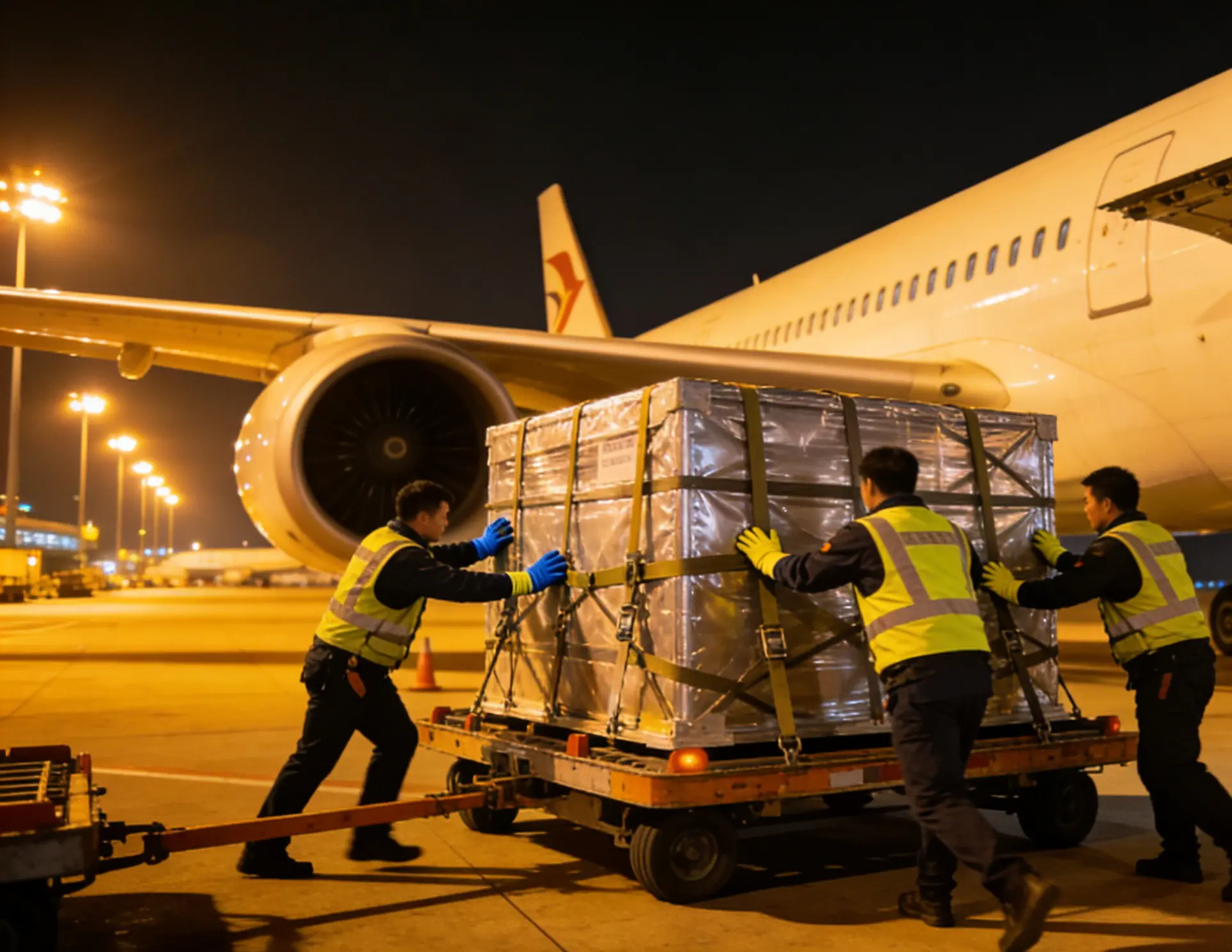
Air Cargo is the lifeline for fashion boutiques and electronics dealers in Ikeja and Alaba International Market.
- Express Air: 3-5 days. Best for urgent samples, latest fashion trends, or high-margin items like smartphones.
- Economy Air: 10-14 days. A middle ground, often routed through other hubs (like Ethiopia or Dubai) to save costs.
- Cost Model: Rates are charged per kg. Note that airlines use “Volumetric Weight” (Length x Width x Height / 6000). If your goods are bulky but light (like foam), you pay for volume.
- Scenario: You need 50kg of urgent spare parts for a factory machine. Air cargo is the only viable option to prevent downtime.
Sea Freight from China to Nigeria (Groupage/LCL)
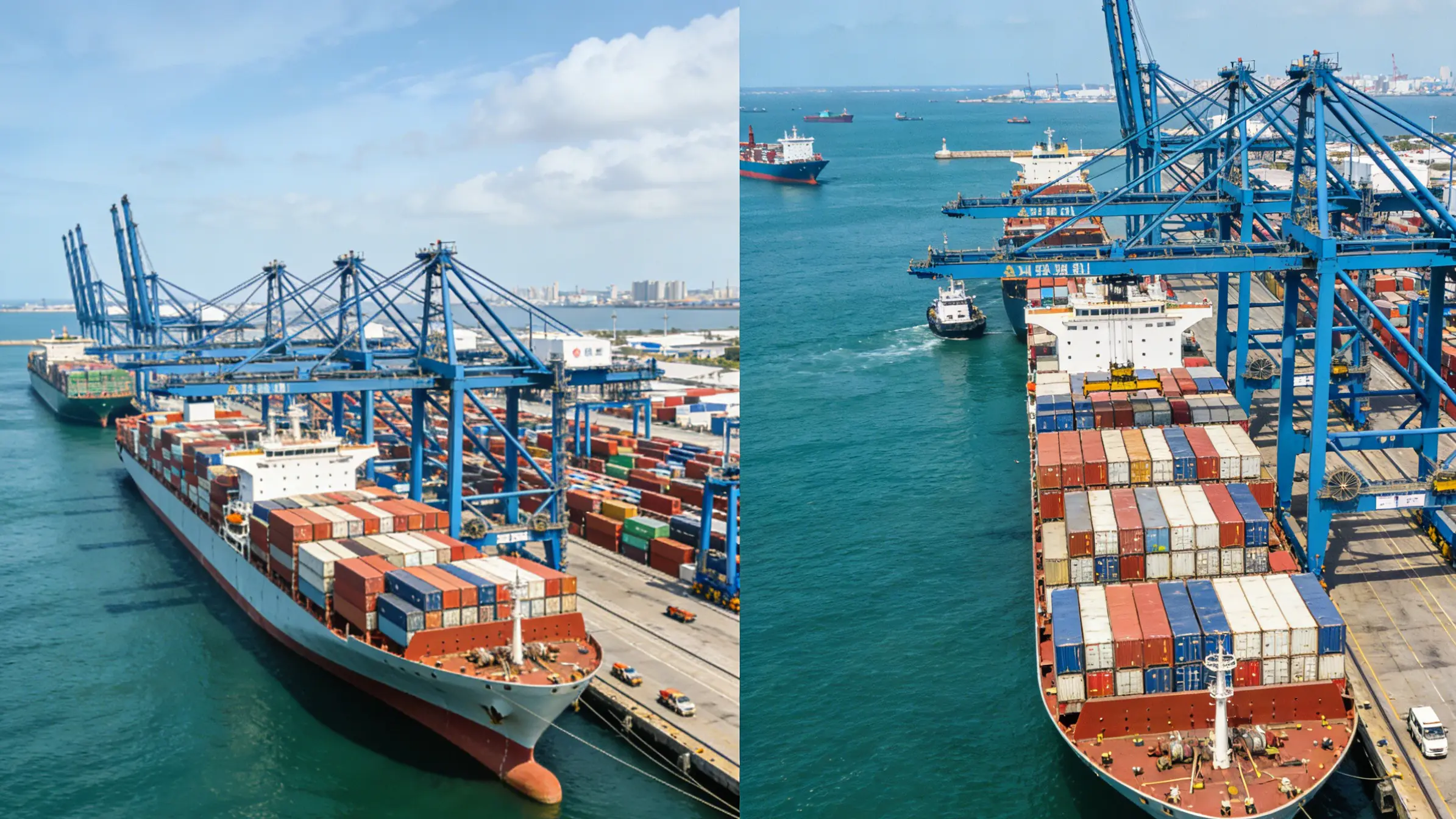
Sea Freight is the backbone of Nigerian commerce.
- Transit Time (2026 Update): Due to ongoing global shipping route adjustments and potential disruptions in the Red Sea, the transit time from China to Lagos is currently 50-65 days. Vessels are often routed via the Cape of Good Hope to ensure safety, as monitored by the World Shipping Council.
- Cost Model: Charged per CBM (Cubic Meter).
- Current Shipping Rates: While rates fluctuate weekly, the 2026 average for DDP Sea Freight is between $220 – $350 per CBM, depending on the cargo type (General vs. Sensitive).
- Scenario: You are importing 500 cartons of solar panels. Sea freight allows you to bring this in at a fraction of the cost of air freight, maximizing your profit margin.
| Feature | Air Cargo (DDP) | Sea Freight (DDP) |
|---|---|---|
| Transit Time | 3 – 14 Days | 50 – 65 Days |
| Billing Unit | Per KG | Per CBM |
| Best For | Phones, Wigs, Jewelry, Spare Parts | Furniture, Machinery, Fabrics, Auto Parts |
| Min. Weight/Vol | Usually 1kg – 10kg | Usually 0.1 CBM |
| Documentation | Minimal | Minimal |

5. Why Choose DDP Service for Shipping from China to Nigeria?
Quick Answer: The primary reason is to bypass bureaucratic hurdles. DDP eliminates the need for Form M, SONCAP, and PAAR, which can take months to process for individual importers.
No Form M / SONCAP Required
For a standard “General Cargo” import, a Nigerian importer typically needs a SONCAP certificate, which verifies product quality standards as set by the Standard Organization of Nigeria (SON). Obtaining this requires factory inspections in China and rigorous testing.
Door to Door Shipping providers consolidate goods under their own corporate licenses, effectively shielding small-to-medium importers from this paperwork. This allows you to focus on selling, not filing forms.
Transparent Shipping Rates
One of the biggest fears for importers is “hidden charges” at the port. With DDP, the price you are quoted in China is the final price you pay in Nigeria. It covers:
- Sea/Air Freight costs.
- Customs Duty and Levies.
- Terminal Handling Charges.
- Clearing Agency Fees.
- Local transport to the Lagos warehouse.
Risk Mitigation
The forwarder assumes the risk. If a container is delayed by customs for general inspection, the forwarder handles the resolution. You are not personally liable for demurrage or detention charges in the same way a direct consignee would be. Efanda takes full responsibility for the cargo from the moment it enters our warehouse until it is released to you.
6. Efanda: Your Reliable Freight Forwarder in China for Nigeria
Quick Answer: Efanda offers end-to-end logistics with warehouses in Guangzhou and Yiwu, ensuring your goods are inspected, consolidated, and shipped securely to Lagos.
Strategic Warehouse Locations
- Guangzhou Warehouse: Located near the major wholesale markets for electronics (Nanfang Building) and fashion (Zhanxi). Perfect for consolidating orders from Alibaba or local markets.
- Yiwu Warehouse: Ideal for small commodities, hardware, and jewelry sourced from the Yiwu International Trade City.
Value-Added Services
- Inspection & Repackaging: We check your goods for damage and repackage them to minimize volume (saving you shipping costs) and ensure safety. For example, we can remove unnecessary shoe boxes to reduce CBM.
- Free Warehouse Services: We offer up to 30 days of free storage, allowing you to buy from multiple suppliers and ship everything together. This “consolidation” is the key to profitability.
- Supplier Payment Assistance: We can help you pay your Chinese suppliers in RMB (AliPay/WeChat Pay/Bank Transfer), solving the currency exchange problem.
Case Study: How a Lagos Electronics Importer Saved 20%
Client Profile: Mr. Okafor, a phone accessories dealer in Computer Village, Ikeja.
Challenge: He was shipping small parcels via express courier (DHL/FedEx) weekly, paying exorbitant rates ($8/kg) and facing random customs charges in Lagos.
Solution:
- Consolidation: We instructed his 5 different suppliers to send goods to our Guangzhou warehouse.
- Repackaging: We removed bulky retail packaging (at his request) and combined shipments into fewer, denser cartons.
- Mode Switch: Instead of Express, we used Efanda’s Air Cargo DDP Service.
Result:
- His shipping cost dropped to $5.5/kg (inclusive of clearing).
- He stopped paying random customs duties.
- Total Savings: $1,200 per month.
- Transit Time: Increased by only 2 days (from 4 days to 6 days), which was acceptable for his stock cycle.
Essential Packaging Tips for Nigeria
Shipping to Nigeria requires robust packaging due to rough handling and weather conditions.
- Waterproofing: Lagos rains can be torrential. We wrap all cartons in thick nylon/shrink wrap and secure them with “sack bags” (goni bags) to prevent water damage and pilferage.
- Wooden Crates: For fragile items like TV screens or ceramics, we build custom wooden crates (non-fumigated plywood) to withstand stacking pressure in the container.
- Labeling: Clear labeling is non-negotiable. Every carton must have the “Mark” clearly written on at least two sides.
7. Prohibited Items and Customs Regulations in Nigeria
Quick Answer: Strictly avoid shipping contraband like narcotics, arms, and certain pharmaceuticals. Also, be aware of “Import Prohibition Lists” which may ban specific items like certain textiles or juices to protect local industries.
Nigerian Customs Ban List (Key Items):
- Live or Dead Birds: Including frozen poultry.
- Spaghetti/Noodles: Strictly prohibited to protect local production.
- Bagged Cement.
- Certain Pharmaceuticals: e.g., Paracetamol tablets, Tramadol, Codeine-containing syrups.
- Second-hand Clothes: While common in markets, they are technically on the prohibition list and carry high seizure risk if not declared correctly.
Airline Restrictions:
- Lithium Batteries: Must be declared. Undeclared batteries can lead to shipment rejection or heavy fines.
- Liquids/Powders: Require MSDS and must fly on cargo-only aircraft, not passenger planes.
- Magnets: Strong magnets (like in speakers) can interfere with aircraft navigation and require magnetic shielding.
8. FAQ: Door to Door Shipping to Nigeria
How do I calculate CBM for my shipment to Nigeria?
CBM stands for Cubic Meter. Measure the Length, Width, and Height of your carton in meters and multiply them.
- Formula: L(m)×W(m)×H(m)=CBM.
- Example: A carton is 60cm x 50cm x 40cm. 0.6×0.5×0.4=0.12 CBM.
- Total CBM: If you have 10 such cartons, your total is 1.2 CBM.
Do you deliver outside of Lagos (e.g., Abuja, Port Harcourt)?
Yes. While the main clearance hubs are in Lagos, Efanda arranges waybill services to forward goods to Abuja, Kano, Onitsha, Port Harcourt, and Ibadan. We use reputable transport companies like GIG Logistics or specialized truckers for bulk cargo. The cost for this “inter-state” leg is usually extra and paid upon delivery.
Is insurance included in the DDP shipping rate?
Standard DDP rates usually cover “Total Loss” (if the container sinks or is stolen). However, for fragile or high-value items, we recommend purchasing comprehensive Cargo Insurance Services to cover partial damage or breakage. For a small premium (usually 1-3% of value), you can have peace of mind. As defined by the International Chamber of Commerce (ICC), understanding your Incoterms is crucial for liability.
Can I ship brand name goods (Nike, Adidas, etc.) from China?
Shipping “copy” or branded goods requires special declaration. They are classified as “Sensitive Cargo” or “Special Cargo” and attract a higher clearing rate. Failure to declare them can lead to seizure by customs. Always consult with us before shipping branded items so we can route them through the appropriate channels.
What is the difference between General and Sensitive goods?
- General: Normal goods (Shoes, Bags, Furniture, Auto Parts). These attract the standard rate.
- Sensitive: Battery goods, Liquids, Pastes, Cosmetics, Power banks, Bluetooth speakers. These require special handling and customs channels, thus costing slightly more.
How can I track my shipment?
Once your goods are loaded, Efanda provides a tracking number. You can monitor the vessel’s status for sea freight or flight status for air freight. We also provide weekly updates via WhatsApp or email, keeping you informed of the ETA in Lagos.
9. Conclusion
Shipping from China to Nigeria doesn’t have to be a gamble. By choosing a reliable Door to Door (DDP) service, you eliminate the headaches of customs documentation, hidden fees, and port delays. Whether you are shipping a single carton of wigs via air or a full container of machinery via sea, the key is planning and partnership.
At Efanda, we don’t just move boxes; we move businesses forward. Our deep understanding of the Nigerian market, combined with our strong presence in China, makes us the ideal partner for your growth. We also support pan-African trade, offering solutions for Shipping from China to Ghana and Shipping from China to Kenya for businesses expanding across the continent.
Ready to ship? Contact us today for a free quote and let us handle the logistics while you focus on growing your business in Nigeria.