Freight costs from China to Ghana are a critical concern for importers looking to tap into the booming trade relationship between the world’s manufacturing powerhouse and West Africa’s economic hub. Whether you are shipping heavy machinery, consumer electronics, or textiles, understanding the fluctuating rates, complex customs regulations, and logistics strategies is essential for your bottom line.
In 2026, the logistics landscape has shifted. With fuel volatility and stricter enforcement of the CTN (Cargo Tracking Note) at Tema Port, mistakes are more expensive than ever. In this comprehensive guide, we reveal the transparent 2026 shipping rates for both sea freight and air freight, analyze the best shipping modes for your cargo, and provide expert strategies to reduce your logistics spend.

1. Introduction: Navigating the China-Ghana Trade Corridor
The trade volume between China and Ghana has surged in recent years, driven by Ghana’s demand for affordable machinery, electronics, and construction materials. However, for many importers, the logistics process remains a black box. Freight costs from China to Ghana can vary significantly based on fuel prices, seasonality, and carrier availability.
At Efanda Logistics, we have handled thousands of shipments along this corridor. We’ve seen firsthand how a lack of preparation can turn a profitable deal into a loss. For instance, a client recently approached us after their container was held at Tema for three weeks because they missed the CCVR deadline. By understanding these pitfalls in advance, you can avoid them.
This guide cuts through the noise to provide you with actionable data and expert insights. Our goal is to empower you to make informed decisions, optimize your supply chain, and ensure your goods arrive safely and on budget.
2. Detailed Breakdown of Freight Costs from China to Ghana (2026 Rates)
Disclaimer: The rates below are estimates based on early 2026 market data. Actual costs may vary due to weekly GRI (General Rate Increases) and fuel surcharges. For real-time quotes, contact us.
Sea Freight Rates (Port-to-Port)
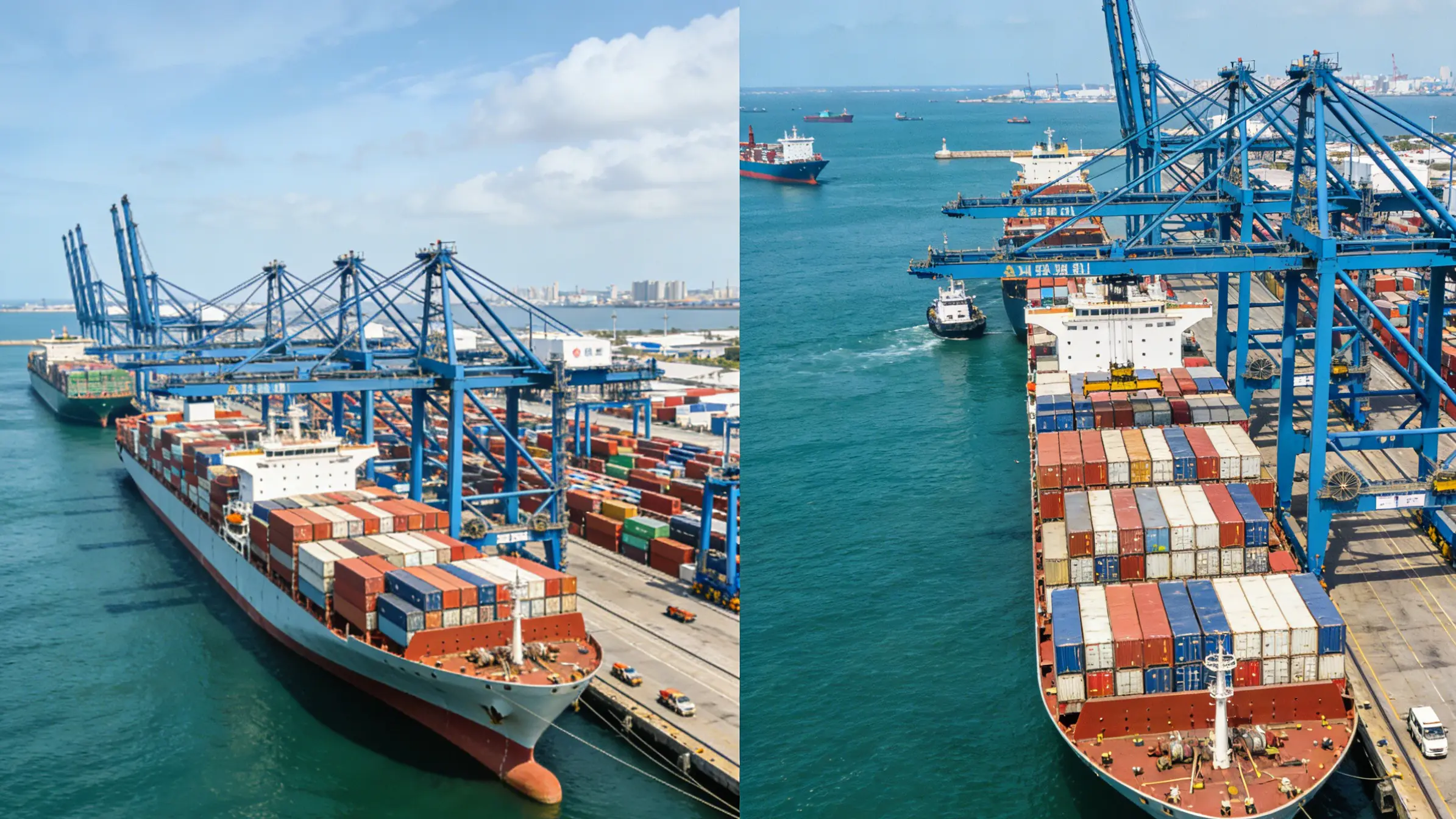
Sea freight is the backbone of international trade, offering the most economical solution for large volumes. The primary route connects major Chinese ports like Shanghai, Ningbo, and Shenzhen to Ghana’s main port, Tema.
FCL (Full Container Load)
For shipments large enough to fill a container (typically over 15-20 CBM), FCL is the most cost-effective option.
| Container Type | Estimated Cost (USD) | Route | Notes |
|---|---|---|---|
| 20ft Container (20GP) | $2,300 – $2,900 | Shanghai/Ningbo to Tema | Ideal for heavy, dense cargo like machinery parts, tiles, or metals. Max weight ~28 tons. |
| 40ft Container (40GP/HC) | $3,600 – $4,400 | Shanghai/Ningbo to Tema | 2026 Trend: A global surplus of 40ft containers has occasionally made 40GP rates very competitive, sometimes even cheaper per CBM than 20ft units. Best for furniture and textiles. |
According to the World Shipping Council, global container availability has stabilized, but regional congestion in West Africa can still cause spot rate spikes.
LCL (Less than Container Load)
If you don’t have enough cargo to fill a container, LCL allows you to share space with other shippers. You pay only for the volume you use.
- Cost per CBM: $100 – $160
- Minimum Charge: Usually 1 CBM.
- Formula: Rate x CBM (Cubic Meters).
- Warning: Destination charges for LCL in Tema can be higher per unit than FCL. Always ask for a “Landed Cost” estimate that includes local deconsolidation fees.
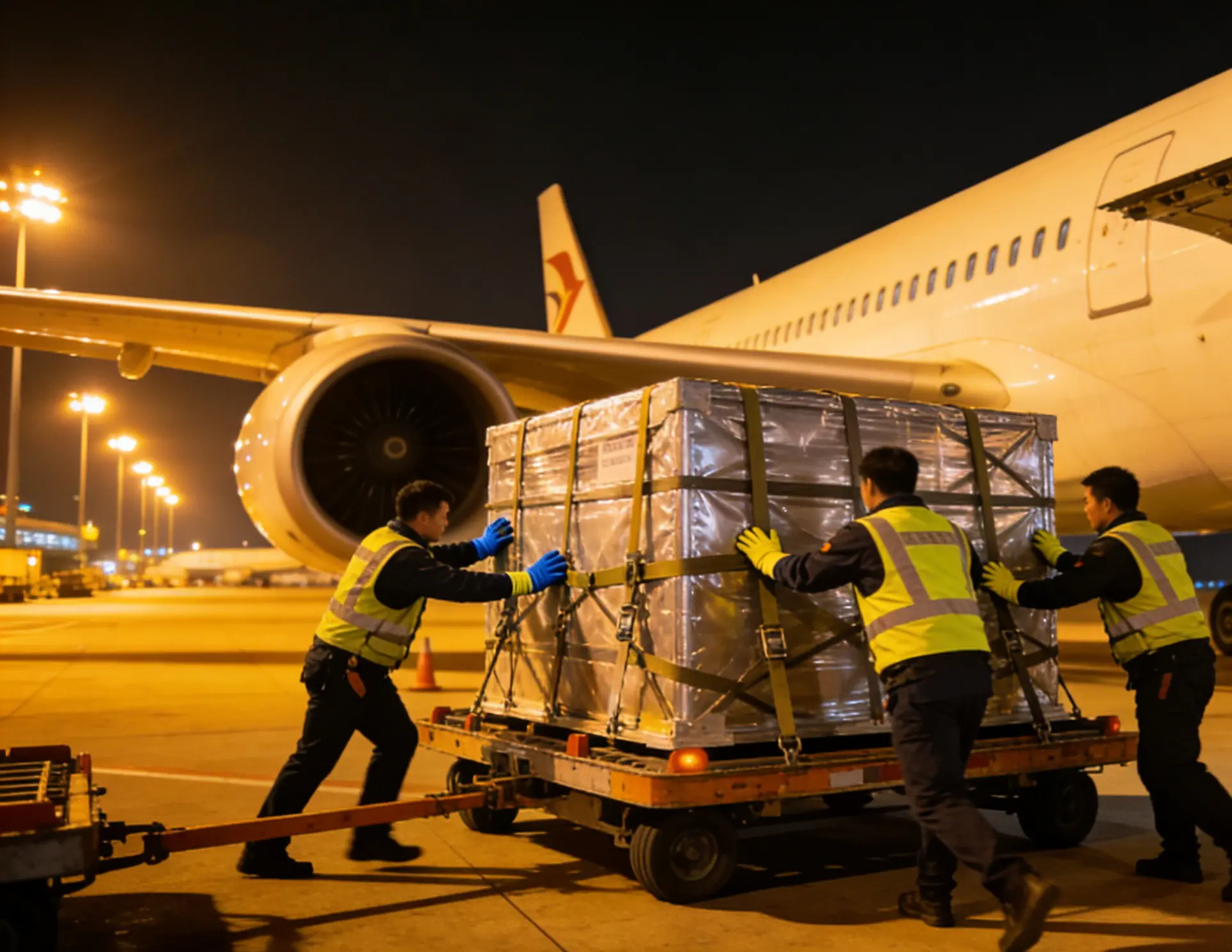
Air Freight Rates (Airport-to-Airport)
When speed is paramount, air freight is the answer. Rates are calculated based on the “chargeable weight,” which is the higher of the actual gross weight or the volumetric weight.
- General Cargo (>1000kg): $6.50 – $8.50 per kg
- Best for: High-value electronics, urgent fashion inventory, or critical spare parts.
- Express Courier (DHL/FedEx/UPS): $10 – $15 per kg
- Best for: Samples, documents, or small parcels under 100kg.
Expert Note: Always calculate the Volumetric Weight (Length x Width x Height in cm / 6000). If your cargo is light but bulky (e.g., cotton wool or plastic toys), you will be charged based on volume, not actual weight. We recently saved a client 30% on shipping costs by repackaging their goods to reduce volume.
3. Shipping Modes: Impact on Freight Costs from China to Ghana
Choosing the right mode of transport is the first step in optimizing your freight costs from China to Ghana.
Sea Freight (FCL vs. LCL)
- When to choose FCL: If your shipment volume is over 15 CBM, FCL is almost always cheaper and safer. The cargo is sealed at the origin and only opened at the destination, reducing the risk of damage or pilferage.
- When to choose LCL: For smaller shipments (1-10 CBM). While the ocean freight is low, be aware of “de-consolidation” fees at the destination port.
- Port Focus:
- Tema Port: The main commercial gateway, handling 70% of Ghana’s trade. Best for general consumer goods and distribution to Accra. See Ghana Ports and Harbours Authority for latest port updates.
- Takoradi Port: The industrial hub, closer to the oil and gas fields and mining areas. Choose this if your final destination is in the Western Region.
Air Freight
- Airport Focus: Kotoka International Airport (ACC) in Accra is the primary hub.
- Strategy: Use air freight for high-margin goods where speed to market justifies the cost. For example, a 3-day transit for trendy fashion items can be more profitable than waiting 45 days for sea freight, even with higher shipping costs.
Door-to-Door (DDP) Shipping
For many small to medium-sized businesses, door to door shipping (DDP) is a game-changer.
- How it works: You pay a single “all-in” price per CBM or kg. The freight forwarder handles pick-up, ocean/air freight, customs clearance in Ghana, duty payment, and final delivery to your warehouse.
- Why it’s popular: It eliminates the hassle of dealing with the Ghana Revenue Authority (GRA) and unpredictable hidden fees. You know your exact cost upfront.
4. Transit Times: Planning Your Logistics Timeline
Time is money. Understanding transit times helps you manage inventory and cash flow.
- Sea Freight: 30 – 45 Days
- Direct Service: ~30-35 days (e.g., from Shenzhen).
- Transshipment: ~40-45 days (via hubs like Singapore or Colombo).
- Delays: Congestion at Tema Port or pre-shipment inspection issues can add 5-10 days.
- Air Freight: 3 – 7 Days
- Standard Air: 5-7 days (indirect flights).
- Express: 3-5 days (direct or priority service).
5. Hidden Fees: Customs Duties & Taxes Impacting Total Costs
The “freight cost” is only part of the equation. To calculate your total landed cost, you must account for customs duties and taxes. This is often where importers get “sticker shock.”

Import Duties
Ghana follows the ECOWAS Common External Tariff (CET). Duties are categorized into four bands:
- 0%: Essential social goods (e.g., books, medicines).
- 5%: Basic raw materials and capital goods.
- 10%: Intermediate goods.
- 20%: Finished goods (e.g., consumer electronics, clothing).
- 35%: Specific goods for economic development (e.g., processed meat).
You can verify specific duty rates on the ECOWAS Official Website.
Tax Breakdown
On top of import duty, you will pay a stack of other levies. It is not just “Duty + VAT”.
- VAT (Value Added Tax): Standard rate of 15% (calculated on CIF value + Duty).
- NHIL (National Health Insurance Levy): 2.5%.
- GETFund Levy: 2.5%.
- COVID-19 Health Recovery Levy: 1%.
- ECOWAS Levy: 0.5%.
- AU (African Union) Levy: 0.2%.
- Special Import Levy: 2% (on some goods).
Refer to the Ghana Revenue Authority (GRA) for the most current tax schedules.
Mandatory Compliance Costs
This is where many importers get burned.
- CTN / ECTN (Cargo Tracking Note): Mandatory for ALL sea shipments to Ghana. You must obtain this certificate at the port of loading (China).
- Warning: If your shipment arrives in Tema without a valid CTN, you will face heavy fines (often double the freight cost) and significant clearance delays.
- CCVR (Customs Classification and Valuation Report): Required for customs valuation. Ensure your commercial invoice values are accurate to avoid penalties.
6. Key Factors Influencing Freight Costs from China to Ghana
Why do rates change every week?
- Fuel Prices (BAF): Ocean carriers adjust the Bunker Adjustment Factor (BAF) monthly based on global oil prices. A spike in oil directly increases your container cost.
- Seasonality:
- Chinese New Year (CNY): In January/February, factories close, and rush shipments cause rates to spike.
- Peak Season (Q4): From October to December, retailers stock up for Christmas, tightening capacity and driving up prices.
- Exchange Rates: The fluctuation between the USD and the Ghanaian Cedi (GHS) impacts local clearing costs. A weaker Cedi makes import duties more expensive in local currency terms.
7. How to Reduce Freight Costs from China to Ghana
Smart logistics can save you thousands of dollars. Here are expert strategies for 2026 based on our operational experience:
- Consolidation Strategy (Buyer’s Consolidation): If you buy from multiple suppliers in China, don’t ship LCL separately. Have Efanda Logistics collect all goods into one warehouse and ship them as a single FCL container. This saves on destination charges and clearance fees.
- Book in Advance: Spot rates are volatile. Booking your space 2-3 weeks in advance locks in a better rate and guarantees space on the vessel.
- Optimize Packaging: For air freight, reduce “dead air” in your packages. Compressing soft goods or redesigning boxes to fit pallets better can significantly lower the chargeable weight.
- Incoterms Selection: We recommend FOB (Free On Board) over CIF.
- Why? With CIF, your supplier controls the shipping and often chooses the cheapest, slowest carrier while marking up the cost. With FOB, you control the freight forwarder (like Efanda), ensuring transparent rates and better service. See ICC Incoterms for legal definitions.
- Value-Added Services: Consider using warehouse services in China for consolidation or cargo insurance services to protect your high-value goods during transit.
8. Why Choose Efanda for Shipping to Ghana?
At Efanda Logistics, we are not just a forwarder; we are your strategic partner for West Africa.
- West Africa Expertise: We specialize in shipping from China to Ghana and understand the unique challenges of Tema and Takoradi ports. We know how to navigate the local customs landscape to avoid delays.
- DDP Solutions: Our “Door-to-Door” service to Accra takes the headache out of shipping. We handle the documentation, clearance, and delivery—you just receive the goods.
- Compliance Guarantee: We assist with all mandatory documentation, including the CTN/ECTN, ensuring your cargo is 100% compliant before it leaves China.
- Competitive Rates: Thanks to our high volumes, we have negotiated contract rates with major carriers like Maersk, MSC, and COSCO, passing the savings directly to you.
- Regional Coverage: Beyond Ghana, we also provide reliable services for shipping from China to Nigeria, shipping from China to Kenya, and shipping from China to South Africa, making us your ideal partner for pan-African expansion.
9. FAQ: Freight Costs from China to Ghana
Q: What is the cheapest way to ship from China to Ghana?
A: Sea Freight (FCL) is the cheapest method for large volumes. For smaller shipments (under 1-2 CBM), LCL is cost-effective, but always compare it with DDP air options for high-density goods.
Q: Is the CTN certificate mandatory for every shipment to Ghana?
A: Yes. The Cargo Tracking Note (CTN/ECTN) is mandatory for all sea shipments. It must be validated at the origin port. Missing this document will result in severe penalties at Tema Port.
Q: How are customs duties calculated for electronics in Ghana?
A: Electronics typically attract a 20% import duty plus the standard taxes (15% VAT, 2.5% NHIL, etc.). The total tax burden is usually around 40-45% of the CIF value.
Q: Can Efanda provide door-to-door delivery services to Accra?
A: Yes. We offer comprehensive door to door shipping services from any city in China (Shenzhen, Guangzhou, Yiwu) directly to your warehouse in Accra or Kumasi, covering all customs and duties.
Q: How long does shipping take from China to Ghana?
A: Sea freight typically takes 35-45 days from port to port. Air freight ranges from 3-7 days. Delays can occur during peak seasons or due to customs congestion.
Ready to ship? Contact Efanda Logistics today for a free, transparent quote tailored to your cargo needs. Let us handle the complexities of freight costs from China to Ghana so you can focus on growing your business.