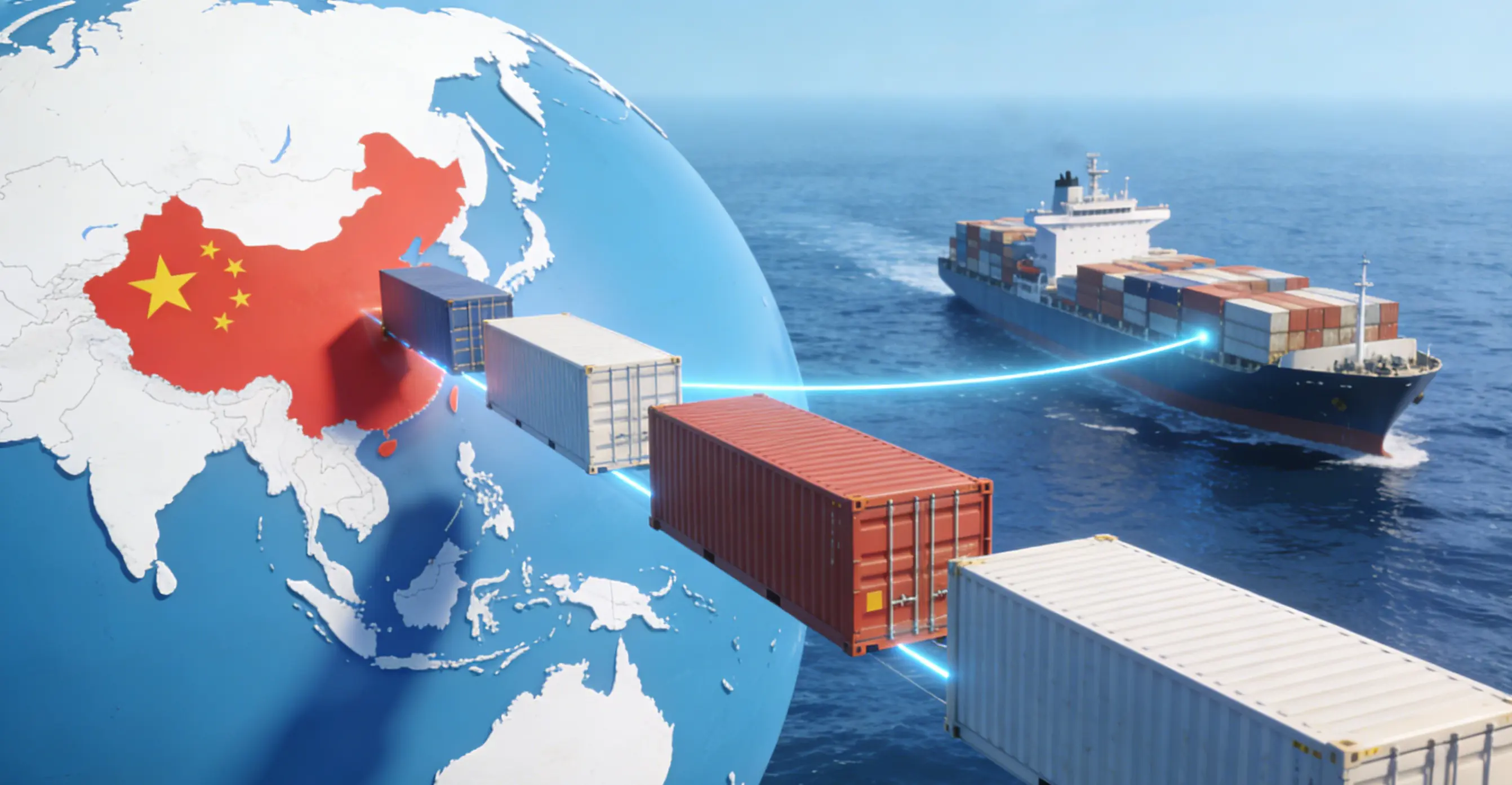
1. Introduction: Understanding Shipping from Shenzhen to Manzanillo
For businesses importing electronics, machinery, and consumer goods into Mexico, the logistics route from Shenzhen—China’s technology capital—to Manzanillo—Mexico’s busiest Pacific port—is the lifeblood of their supply chain. In 2026, as the “nearshoring” trend continues to accelerate manufacturing in Mexico, the efficiency of this trade lane has never been more critical. Yet, a simple question often haunts importers: “How long does shipping from Shenzhen to Manzanillo take?”
The short answer is typically 20 to 30 days for direct sea freight. However, based on our team’s experience managing hundreds of TEUs on this lane during the 2025 peak season, this window can fluctuate wildly. Factors like transshipment hubs (Busan vs. Long Beach), port congestion at Manzanillo (often 3-7 days delay), and the efficiency of your customs broker all play a role. Understanding these variables is the difference between a seamless supply chain and a warehouse empty of stock.
This comprehensive guide breaks down every aspect of shipping from China to Mexico, specifically focusing on the transit time from Shenzhen to Manzanillo. We will explore the nuances of sea and air freight, the hidden delays caused by customs, and how to optimize your shipping cost and speed in 2026.
2. Sea Freight from Shenzhen to Manzanillo: Transit Times & Routes
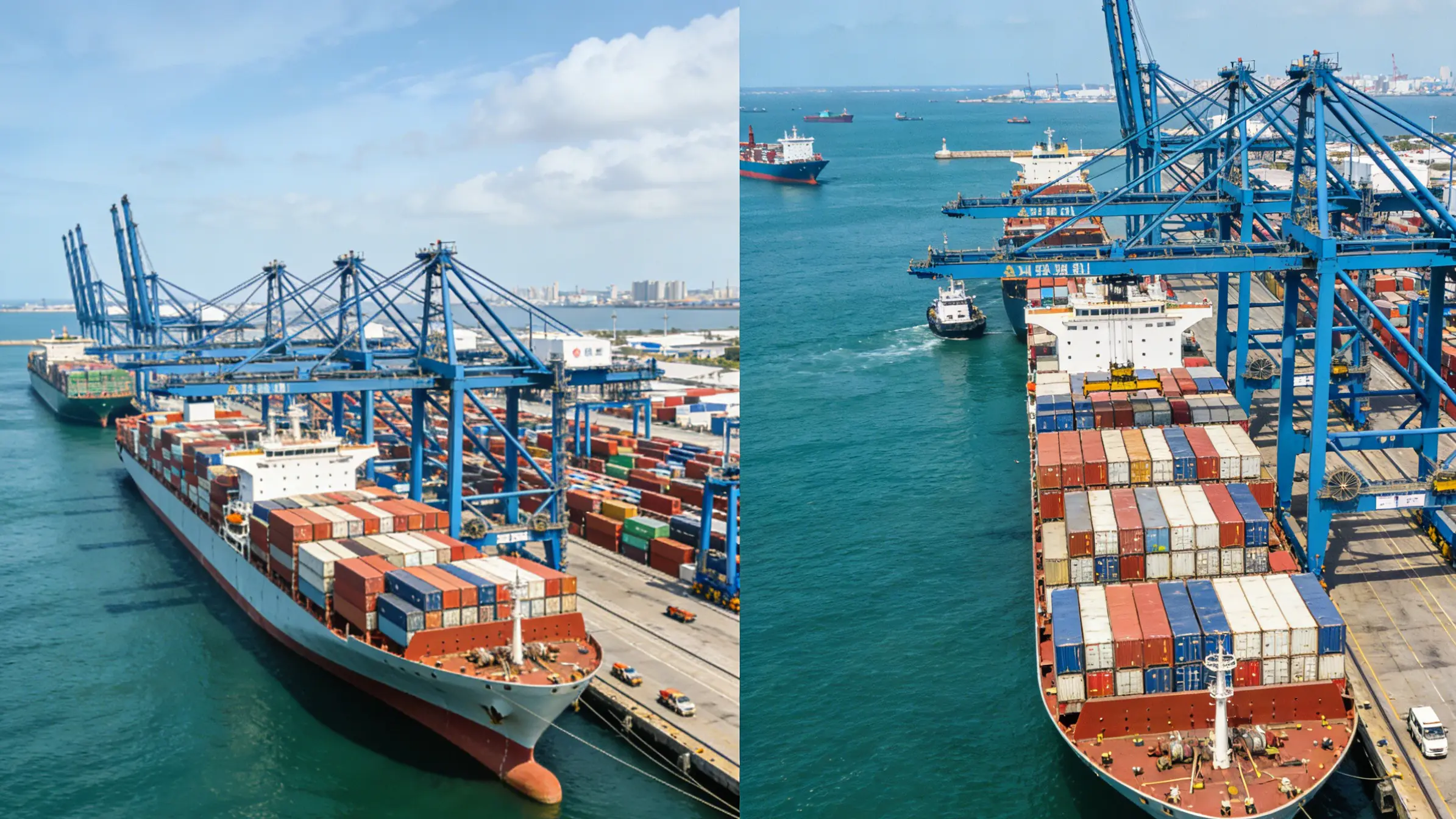
When shipping bulk cargo, sea freight is the undisputed king of cost-efficiency. The route from Shenzhen (typically departing from Yantian or Shekou ports) to Manzanillo traverses the Pacific Ocean, a direct shot that should, in theory, be swift. However, the reality of global shipping alliances and vessel schedules adds complexity.
Direct Service vs. Transshipment
The most significant factor influencing your transit time is the choice between a direct vessel and a transshipment service.

- Direct Service (The Express Lane): Major carriers like COSCO Shipping, CMA CGM, and Evergreen offer direct services that connect South China to Mexico’s Pacific coast. On these routes, the vessel departs Shenzhen and arrives in Manzanillo without unloading cargo at an intermediate port.
- Transit Time: 20–22 Days.
- Pros: Fastest option, lower risk of cargo damage (less handling).
- Cons: Often comes at a premium freight rate.
- Transshipment Service (The Scenic Route): Some carriers route cargo through major hubs like Busan (South Korea), Kaohsiung (Taiwan), or even Long Beach (USA) before heading south to Mexico.
- Transit Time: 30–45 Days.
- Pros: Often cheaper; offers more sailing schedule options if direct vessels are fully booked.
- Cons: High risk of delays at the transshipment hub, especially if connecting vessels are overbooked (rolled cargo).
FCL vs. LCL: How Load Type Affects Speed
The volume of your shipment dictates whether you use FCL (Full Container Load) or LCL (Less than Container Load), and this choice directly impacts your total lead time.
FCL (Full Container Load)
If you have enough cargo to fill a 20ft or 40ft container, FCL is the fastest sea freight option. The container is sealed at your supplier’s factory in Shenzhen and not opened until it reaches your warehouse in Mexico (unless inspected by customs).
- Port-to-Port Time: 22–28 Days.
- Total Lead Time: Approx. 35 Days (including inland trucking and clearance).
LCL (Less than Container Load)
For smaller shipments (e.g., 2-5 CBM), LCL allows you to share container space with other importers. While cost-effective, it adds significant time due to the consolidation process.
- Consolidation in Shenzhen: Cargo must be delivered to a warehouse 3-5 days before departure to be packed.
- Deconsolidation in Manzanillo: Upon arrival, the container must be moved to a bonded warehouse (CFS) and unpacked to separate your goods. This adds 5–7 days to the timeline.
- Total Transit Time: 30–40 Days.
2026 Estimated Transit Times Table
| Mode of Transport | Route Type | Typical Transit Time | Best For |
|---|---|---|---|
| Sea Freight (FCL) | Direct (COSCO/CMA) | 20 – 24 Days | Standard bulk shipments |
| Sea Freight (FCL) | Transshipment | 30 – 45 Days | Cost-sensitive, non-urgent cargo |
| Sea Freight (LCL) | Direct | 30 – 35 Days | Small shipments (< 15 CBM) |
| Sea Freight (LCL) | Transshipment | 40 – 50 Days | Budget LCL shipments |

3. Air Freight Alternatives: When You Can’t Wait for Sea Shipping
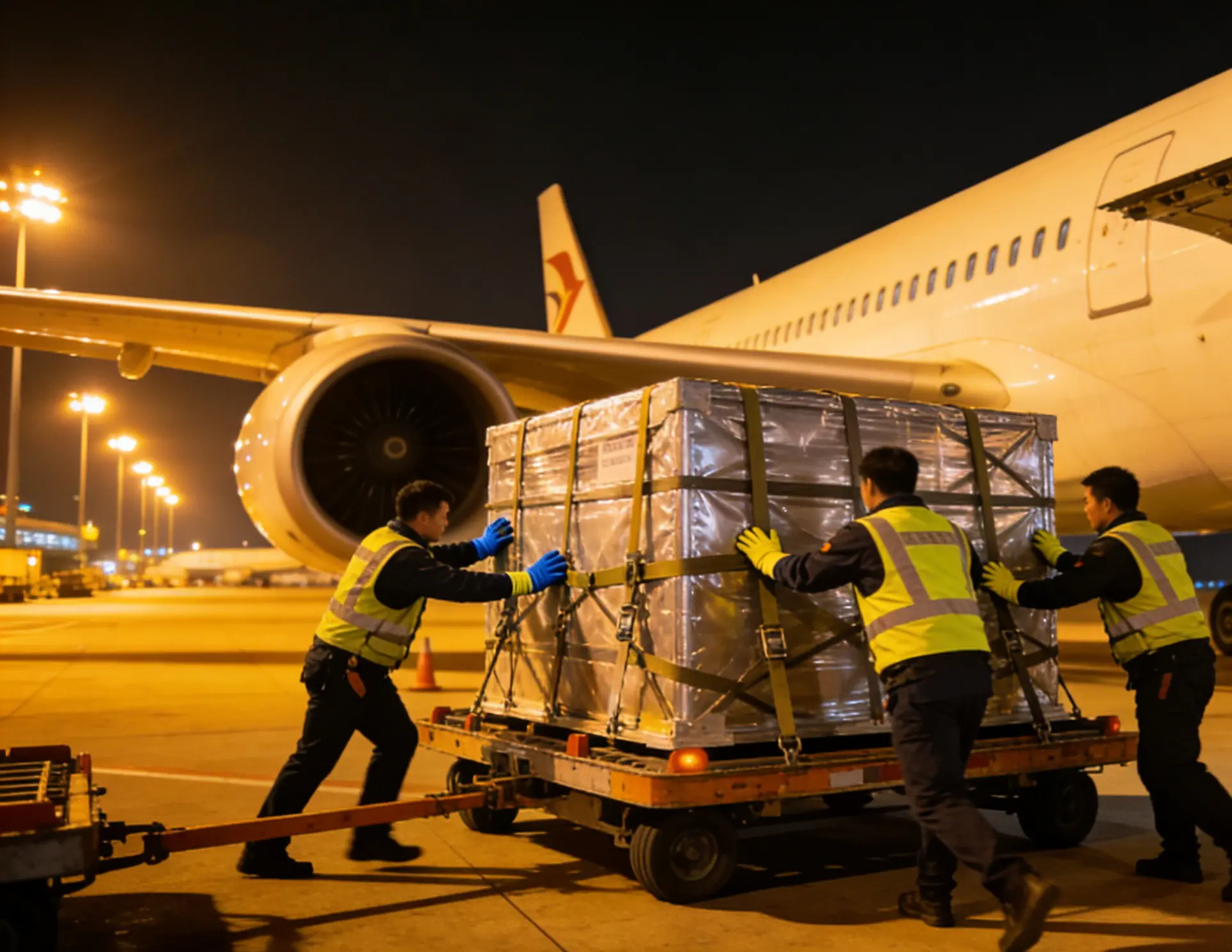
Manzanillo is primarily a maritime gateway. If your shipment is urgent—perhaps a production line is down waiting for a part, or you need to launch a product before a competitor—Air Freight is the alternative. However, air cargo rarely flies into Manzanillo directly. Instead, it is routed to major airports like Mexico City (MEX) or Guadalajara (GDL), and then trucked to the final destination.
Airport to Airport Routes
The most common air routes from Shenzhen involve departing from Shenzhen Bao’an International Airport (SZX) or trucking the goods to Hong Kong International Airport (HKG), which offers more international connections.
- Standard Air Freight: Uses commercial passenger airlines or indirect freighter routes.
- Transit Time: 7–10 Days (Airport to Door).
- Route: HKG -> LAX/DFW -> MEX -> Truck to Manzanillo area.
- Express Air Freight: Uses dedicated courier services (DHL, FedEx, UPS) or direct freighter flights.
- Transit Time: 3–5 Days (Door to Door).
- Route: Direct flights where available, prioritized handling.
Cost vs. Time Trade-off
The speed of air freight comes at a steep price. While sea freight might cost $100-$200 per CBM, air freight can range from $5 to $10 per kg.
- Rule of Thumb: Choose air freight only if the profit margin of the goods justifies the cost, or if the cost of delay (e.g., factory stoppage) exceeds the shipping fee.
4. Key Factors Affecting Shipping Time from China to Manzanillo
In 2026, the logistics landscape remains volatile. Even if a vessel is scheduled for a 22-day transit, several external factors can extend Shipping Time from China to Manzanillo by weeks.
1. Port Congestion at Manzanillo
Manzanillo is Mexico’s busiest port, handling over 40% of the country’s containerized cargo. According to the Manzanillo Port Authority (ASIPONA), cargo volumes have increased significantly due to nearshoring.
- The Bottleneck: During peak seasons, vessels may wait at anchor for 3-7 days before they can dock. Furthermore, the terminal operators often struggle with the sheer volume of containers, leading to delays in unloading and transferring containers to the customs area.
- 2026 Outlook: Infrastructure upgrades are ongoing, but volume growth continues to strain capacity.
2. Seasonality and Peak Seasons
Shipping is a cyclical industry. Knowing the calendar can save you from unexpected delays.
- Chinese New Year (CNY): Factories in China close for 2-3 weeks in Jan/Feb. The “pre-CNY rush” causes space shortages and rolled cargo. Add 7-10 days to your lead time if booking late.
- Peak Season (Aug-Oct): Retailers stocking up for Black Friday and Christmas (El Buen Fin in Mexico) flood the market. Space is tight, and premiums are high.
- Golden Week (Oct 1st): Another major Chinese holiday that disrupts schedules.
3. Weather Conditions
The trans-Pacific route is susceptible to weather disruptions.
- Typhoon Season (July-Sept): Typhoons in the South China Sea can close Yantian or Shekou ports for days, delaying departures.
- Pacific Storms: Rough seas can force vessels to slow steam, adding 1-2 days to the voyage.
5. Manzanillo Customs Clearance: The Hidden Time Cost
For many importers, the ship arriving at the port is only half the battle. The most unpredictable phase is Manzanillo Customs Clearance. Mexico has one of the strictest customs regimes in the world.

Pre-Arrival Preparation: The Pedimento
Unlike some countries where you can file entry after arrival, Mexico requires meticulous preparation.
- The Pedimento: This is the official customs declaration submitted to the Service Tax Administration (SAT). It must be error-free. A single digit wrong in the HS Code or a discrepancy in the declared value can lead to massive fines and the detention of your cargo.
- NOMS (Official Mexican Standards): Many products (electronics, textiles, toys) must comply with safety and labeling standards (NOMs) before entering the country. Information on specific NOMs can be found via the Mexican Secretariat of Economy. If your goods lack the correct Spanish labeling (Etiquetado), they will be held at the port for labeling, which is expensive and time-consuming.
Expert Tip: We always recommend “Previo en Origen” (Pre-inspection at origin) for first-time shippers to verify goods match documents before they leave China, avoiding costly “Red Light” delays in Mexico.
The “Traffic Light” System (Semaforo Fiscal)
Upon presenting the Pedimento, the automated system assigns a status:
- Green Light (Desaduanamiento Libre): Goods are released immediately. (approx. 24-48 hours after arrival).
- Red Light (Reconocimiento Aduanero): Physical inspection is required. Customs officers will open the container to verify the goods against the documentation.
- Delay: 3–7 Days depending on inspector availability.
- Risk: If they find undeclared items or undervaluation, the cargo can be seized.
Documentation Checklist
To ensure speed, ensure your supplier provides:
- Bill of Lading (B/L): Original or Telex Release.
- Commercial Invoice: Must be detailed, with Incoterms and clear descriptions.
- Packing List: Must match the physical count exactly.
- Certificate of Origin: If claiming preferential duty rates (though less relevant for China-Mexico trade unless specific agreements apply).
6. Why Choose Efanda for Shipping from Shenzhen to Manzanillo?
Navigating the route from Shenzhen to Manzanillo requires more than just booking a slot on a ship; it requires a strategic partner who understands both Chinese exports and Mexican imports. Here is how Efanda Logistics optimizes your supply chain:
- Route Optimization: We don’t just book the cheapest vessel; we book the most reliable one. We prioritize direct services from carriers like COSCO and CMA CGM to ensure your transit time stays within the 20-25 day range.
- Customs Expertise: Our local partners in Manzanillo are experts in Mexican customs regulations. We review your documents before the ship departs Shenzhen to ensure compliance with NOMs and HS Codes, minimizing the risk of a “Red Light” inspection.
- Real-Time Tracking: We provide end-to-end visibility. You will know exactly when your container leaves Yantian, when it arrives in Manzanillo, and when it clears customs.
- DDP Services: For clients who want a hassle-free experience, our DDP (Delivered Duty Paid) service handles everything—freight, duties, and delivery—for a single all-inclusive price.
7. FAQ: Common Questions About Shipping to Manzanillo
Q: What is the fastest shipping line from Shenzhen to Manzanillo?
A: Currently, carriers like CMA CGM (ACSA service) and COSCO (WSA service) offer some of the fastest direct connections, often clocking in at around 20-22 days port-to-port.
Q: How much does shipping from Shenzhen to Manzanillo cost per container in 2026?
A: Rates fluctuate weekly. In early 2026, a 40ft HQ container typically ranges from $3,500 to $5,500 depending on the season and carrier. LCL rates are around $50-$80 per CBM. Contact Efanda for a spot quote.
Q: Can I track my shipment in real-time?
A: Yes. When you ship with Efanda, we provide a tracking number that allows you to monitor the vessel’s location and the status of your cargo milestones (Departure, Arrival, Customs Release).
Q: What happens if my goods get stuck in customs at Manzanillo?
A: If goods are detained, storage fees (demurrage and detention) start accruing after the free period (usually 7 days). It is crucial to have a capable customs broker to resolve the issue immediately, whether it’s paying a fine or correcting documentation.
Q: Is insurance necessary for shipping to Manzanillo?
A: Absolutely. The trans-Pacific route can be rough, and cargo theft is a risk during inland trucking in Mexico. We strongly recommend Cargo Insurance for full value protection.
For broader logistics performance benchmarks, you can refer to the World Bank Logistics Performance Index to understand how Mexico’s infrastructure compares globally.
Ready to streamline your logistics? Contact Efanda Logistics today for a quote on your next shipment from Shenzhen to Manzanillo.