As of January 1, 2026, the EU Carbon Border Adjustment Mechanism (CBAM) has officially entered its definitive phase. This marks the end of the transitional “reporting-only” period.
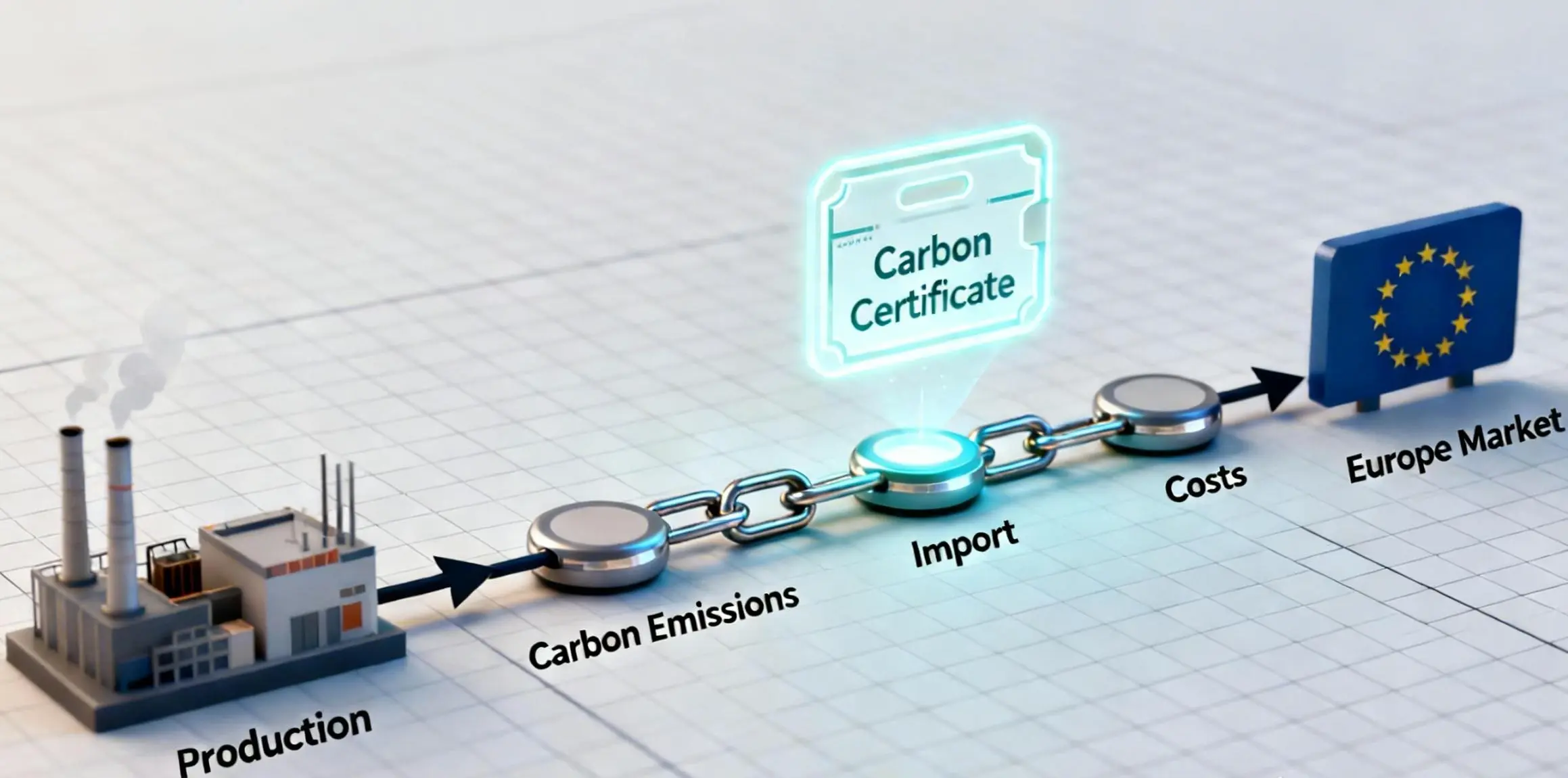
The New Reality: Importers of steel, aluminum, cement, fertilizers, hydrogen, and electricity must now purchase CBAM certificates to cover the embedded emissions of their imports.
Critical Requirement: Only importers with “Authorized CBAM Declarant” status can clear goods through EU customs.
Efanda’s Solution: We assist clients in verifying HS codes, collecting validated emission data from Chinese suppliers, and ensuring seamless customs clearance at major ports like Rotterdam and Hamburg.
The calendar has turned to 2026, and for global trade, the landscape has fundamentally shifted. On January 1, 2026, the European Union’s Carbon Border Adjustment Mechanism (CBAM) moved from a bureaucratic reporting exercise to a financial reality. For businesses importing goods from China to Europe, this is arguably the most significant regulatory change since the VAT reforms.
At Efanda Logistics, we have spent the last month helping dozens of clients navigate this transition. We have seen firsthand the confusion at ports and the panic among importers who were not prepared for the “hard stop” enforcement. This guide explains exactly what happened, how it affects your bottom line, and how to keep your supply chain moving.
1. The Event: CBAM Definitive Phase Goes Live
What Actually Happened?
On New Year’s Day 2026, the EU activated the financial obligations of the CBAM regulation. The “grace period” (October 2023 – December 2025) is over.
- Before Jan 1, 2026: Importers only had to report emissions. There was no financial penalty for carbon intensity (other than potential fines for non-reporting).
- After Jan 1, 2026: Importers must surrender CBAM certificates corresponding to the embedded emissions in their goods.
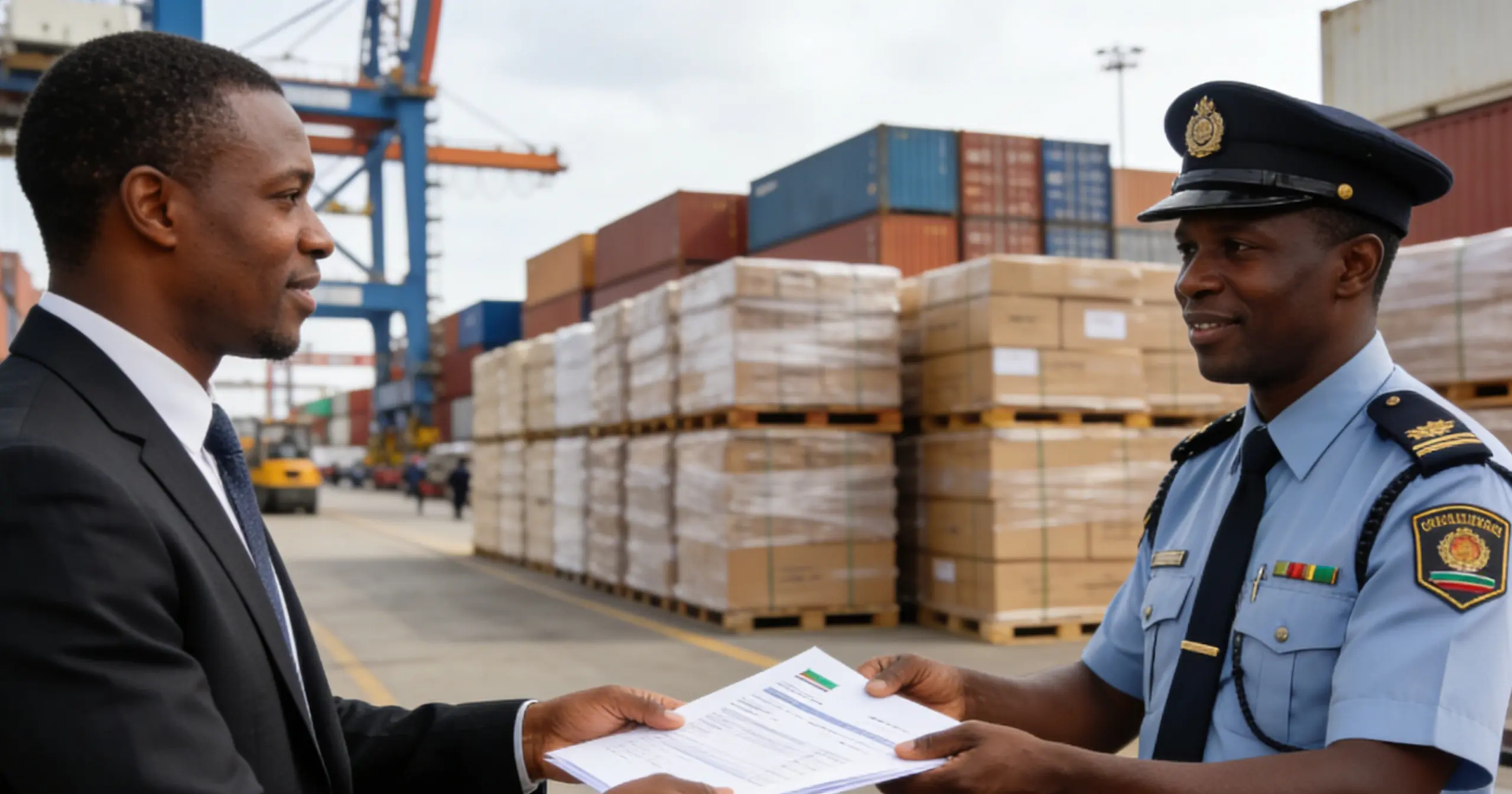
- The Gatekeeper: EU Customs authorities (e.g., in the Netherlands, Germany, and France) now check the CBAM registry before releasing goods. If you are not an authorized declarant, your cargo will be held.
Official Context
According to the European Commission’s Taxation and Customs Union and the definitive text of Regulation (EU) 2023/956, the definitive period aims to prevent “carbon leakage” by ensuring that imported goods pay the same carbon price as goods produced within the EU under the ETS (Emissions Trading System).
Efanda Note: We have observed that customs officers in shipping from china to spain and shipping from china to italy are particularly strict regarding the “Authorized Declarant” status for steel fasteners (HS 7318) and aluminum structures (HS 7610). Our team recently saw a shipment held in Valencia for 72 hours simply because the Mill Test Certificate (MTC) lacked a clear carbon footprint declaration.
2. Impact Analysis: From Policy to Your Wallet
The “Authorized Declarant” Bottleneck
The most immediate impact we are seeing in Q1 2026 is administrative. You cannot simply “pay at the border.” You must be approved before the goods arrive.
- The Rule: Any importer bringing in CBAM goods worth more than €150 must apply for “Authorized CBAM Declarant” status via the CBAM Registry.
- The Consequence: If you ship without this status, you face immediate delays. We recently helped a client shipping aluminum profiles to shipping from china to belgium who was stuck for 5 days because their status was “pending.”
Financial Impact: The Cost of Carbon
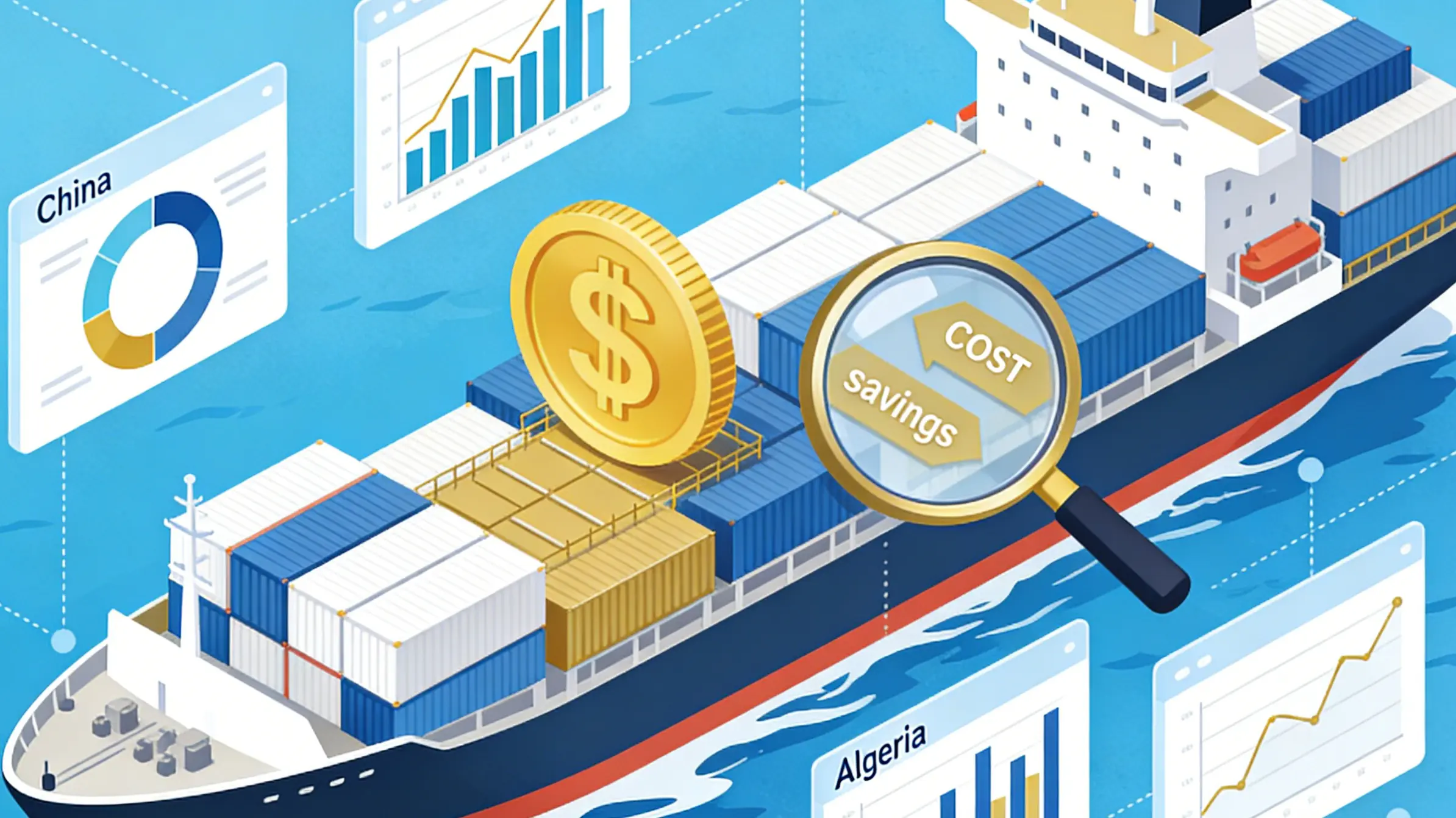
The price of importing has gone up. The cost of a CBAM certificate is calculated based on the weekly average auction price of EU ETS allowances.
- 2026 Pricing: For 2026, the price is set weekly. If the EU carbon price is €85/tonne, and your steel shipment has 200 tonnes of embedded CO2, that is an extra €17,000 in cost.
- No Free Lunch: The EU is phasing out free allowances for its own industries, and CBAM is phasing in to match.
Product Scope: It’s Not Just Raw Materials
Many importers mistakenly believe this only applies to raw steel coils or cement. The scope includes “downstream” products:
- Fasteners: Screws, bolts, nuts, washers (Iron/Steel).
- Structures: Aluminum window frames, prefabricated buildings.
- Pipes & Tubes: Seamless or welded steel pipes.
- Hydrogen & Fertilizers: Key for chemical imports.
3. Logistics Impact: Time, Cost, and Complexity
For foreign buyers importing from China, the logistics equation has changed.
Transport Time (Delays)
- Pre-Shipment: You now need 2-3 extra days to verify supplier emission data. If the Chinese factory cannot provide verified Scope 1 & 2 data, you risk using “default values” which are punitively high.
- At Destination: Customs clearance is no longer a 24-hour process for these goods. It involves a cross-check with the CBAM registry.
- Solution: Use sea freight with a longer lead time buffer, or ensure your forwarder (like Efanda) pre-clears documents while the vessel is on the water.
Transport Cost (Hidden Fees)
- Verification Fees: You must pay an accredited verifier to audit your annual emission declaration.
- Cash Flow: You typically need to buy certificates quarterly (to cover at least 80% of emissions), tying up working capital.
- Demurrage Risk: If your cargo is held due to CBAM errors, warehouse services and port storage fees will accumulate rapidly.
Comparison: Transitional vs. Definitive Phase
| Feature | Transitional Phase (2023-2025) | Definitive Phase (2026 Onwards) |
|---|---|---|
| Financial Cost | None (Reporting only) | Mandatory (Buy Certificates) |
| Data Source | Default values allowed | Actual Data required (mostly) |
| Verification | Not required | Accredited Verifier required |
| Customs Role | Passive monitoring | Active blocking of unauthorized imports |
| Penalty | Low (for reporting errors) | High (for non-surrender + missing certificates) |
4. Efanda Case Log: Saving a Steel Shipment in Rotterdam
Date: January 15, 2026
Route: shipping from china to netherlands (Shanghai to Rotterdam)
Commodity: 5 Containers of Stainless Steel Fasteners (HS 7318)
The Scenario: A UK-based client (shipping DDP to their Dutch warehouse) assumed their Chinese supplier handled “everything.” The supplier provided a standard Commercial Invoice but no emission data. The client was not registered as an Authorized Declarant in the EU system.
The Problem: The vessel arrived, and the entry was flagged. The goods could not be released for free circulation. Demurrage charges of €150/container/day started ticking.
Efanda’s Intervention:
- Emergency Registration: We guided the client to apply for authorized status immediately through the Dutch customs portal (Mijn Douane).
- Data Reconstruction: Our team in Shenzhen contacted the factory. We realized the supplier provided a generic report. We had to manually cross-reference their Mill Test Certificates (MTC) with ISO 14064 standards to extract the specific electricity consumption data (Scope 2) and direct emissions (Scope 1) required.
- Bonded Warehouse: To stop the demurrage bleeding, we moved the containers to a bonded warehouse under T1 status, pausing the tax liability while the registration was processed.
Result: The client was approved within 5 days. We cleared the goods. Total extra cost was minimized to €800 (transport & storage), saving them from potential penalties of over €5,000 and lost sales.
5. Strategic Solutions for 2026
1. Audit Your HS Codes
Do not guess. If your product falls under CN Chapters 72, 73, 76, you are likely affected.
- Tip: Use Efanda’s customs clearance team to classify your goods precisely. A “steel bracket” might be CBAM-liable, but a complex “machine part” containing steel might be exempt (for now).
2. Switch to “Low Carbon” Logistics
While CBAM currently focuses on production emissions, reducing your overall supply chain footprint is good business.
- Consider rail freight (China-Europe Railway Express) as a middle ground between air and sea.
- Optimize container loads (FCL) to reduce per-unit shipping emissions, preparing for future Scope 3 inclusions.
Efanda Pro Tip: Talking to Suppliers
Many Chinese factories are still unaware of the specific data requirements. Do not just ask for “CBAM data.” Ask for:
- Installation coordinates (Latitude/Longitude).
- Production process route (e.g., Blast Furnace vs. Electric Arc Furnace).
- Electricity source documents (Power Purchase Agreements).
We provide a bilingual “Supplier CBAM Data Request Form” to all our clients to bridge this communication gap.
3. Negotiate DDP Terms Carefully
If you are buying DDP (Delivered Duty Paid), clarify who is the “importer of record.”
- If the Chinese supplier is the importer, they must be the Authorized Declarant (which is difficult for non-EU entities).
- It is often safer to buy FOB or CIF and handle the import yourself (or via a fiscal representative) to maintain control over CBAM compliance.
6. Why Choose Efanda Logistics?
Navigating the 2026 trade environment requires more than just booking a container. It requires regulatory intelligence.
- Proactive Screening: We check every commercial invoice against the CBAM list before booking.
- Supplier Communication: Our local team speaks the factory’s language. We chase the emission data so you don’t have to.
- Global Network: Whether you are shipping from china to uk (which has its own UK CBAM coming in 2027) or the EU, we know the local rules.
- Risk Management: We offer cargo insurance services that cover delays caused by regulatory shifts (subject to policy terms).
Ready to ship without the stress? Contact Efanda today for a CBAM-compliant freight quote.
7. FAQ: CBAM in 2026
Q: What happens if I import without a CBAM certificate?
A: You cannot legally import. If you manage to smuggle it through (unlikely with digital customs), you face a penalty of €10 to €50 per tonne of unreported emissions, plus you must still surrender the certificates later.
Q: I am shipping small samples. Do I need to pay?
A: Consignments with a total intrinsic value of less than €150 are exempt from CBAM. This is the “de minimis” rule.
Q: Can I use default values for emissions in 2026?
A: Generally, no. The use of default values (which was allowed in the transitional phase) is now severely restricted to less than 20% of the total embedded emissions for complex goods. You need actual data.
Q: Does this affect shipping from China to the UK?
A: Not directly for the EU CBAM. However, the UK has its own CBAM planned for 2027. If you are shipping from china to uk and then re-exporting to the EU (e.g., to Ireland or France), CBAM will apply at the EU border.
Q: How do I become an Authorized CBAM Declarant?
A: You must apply through the CBAM Registry, accessible via the customs portal of the EU Member State where you are established. Efanda can guide you to the right portal.
Disclaimer: This article provides general information about the EU CBAM regulation as of January 2026. It does not constitute legal or tax advice. Regulations are subject to change. Always consult with a qualified customs broker or legal advisor for your specific situation.