Are you trying to control landed cost while delivery dates keep shifting on shipping from china to UK routes? Most UK importers in 2026 are not losing margin on one big mistake; they are losing margin through small compounding issues such as late booking, weak Incoterms alignment, and underestimating port and customs friction. Updated for March 2026, this guide gives a practical, decision-first framework to help you plan rates, timelines, and compliance with fewer surprises.
Key Takeaways for Sea Shipping from China to UK
In 2026, sea freight from China to the UK is manageable and still cost-efficient, but only when importers plan with realistic transit windows, flexible inventory buffers, and full charge visibility beyond base ocean rates.
- FCL is usually more economical per unit when cargo reaches stable volume.
- LCL is flexible for smaller shipments but often has higher total cost per CBM.
- Typical port-to-port transit is now around 35-55 days due to route disruptions.
- Extra charges (BAF, THC, ENS, local handling) can materially change total landed cost.
- Booking 3-4 weeks in advance is now standard for better vessel options.
- Correct HS Code classification and EORI preparation reduce clearance risk at destination.
Understanding Sea Shipping from China to UK Options
The right shipping mode depends on cargo volume, replenishment urgency, and your tolerance for handling complexity at both origin and destination.
FCL (Full Container Load): 20ft vs. 40ft Containers
FCL is generally best for consistent import programs because it offers better cargo control, fewer touchpoints, and stronger cost efficiency at scale.
For most importers, a 20GP works for heavier products, while a 40HQ fits larger cubic loads and mixed SKUs. In practice, FCL often reduces damage risk because goods are loaded once at origin and unloaded once at destination.
LCL (Less than Container Load) and CBM Calculation
LCL is suitable when your shipment is too small for a full container and you need inventory movement without waiting to fill FCL capacity.
LCL pricing is calculated by chargeable volume (CBM), but final cost also includes origin and destination local fees. A low ocean quote per CBM can be offset by handling and deconsolidation charges. Many importers compare LCL and 20GP again when volume reaches about 12-18 CBM.
2026 Cost Breakdown for Sea Shipping from China to UK
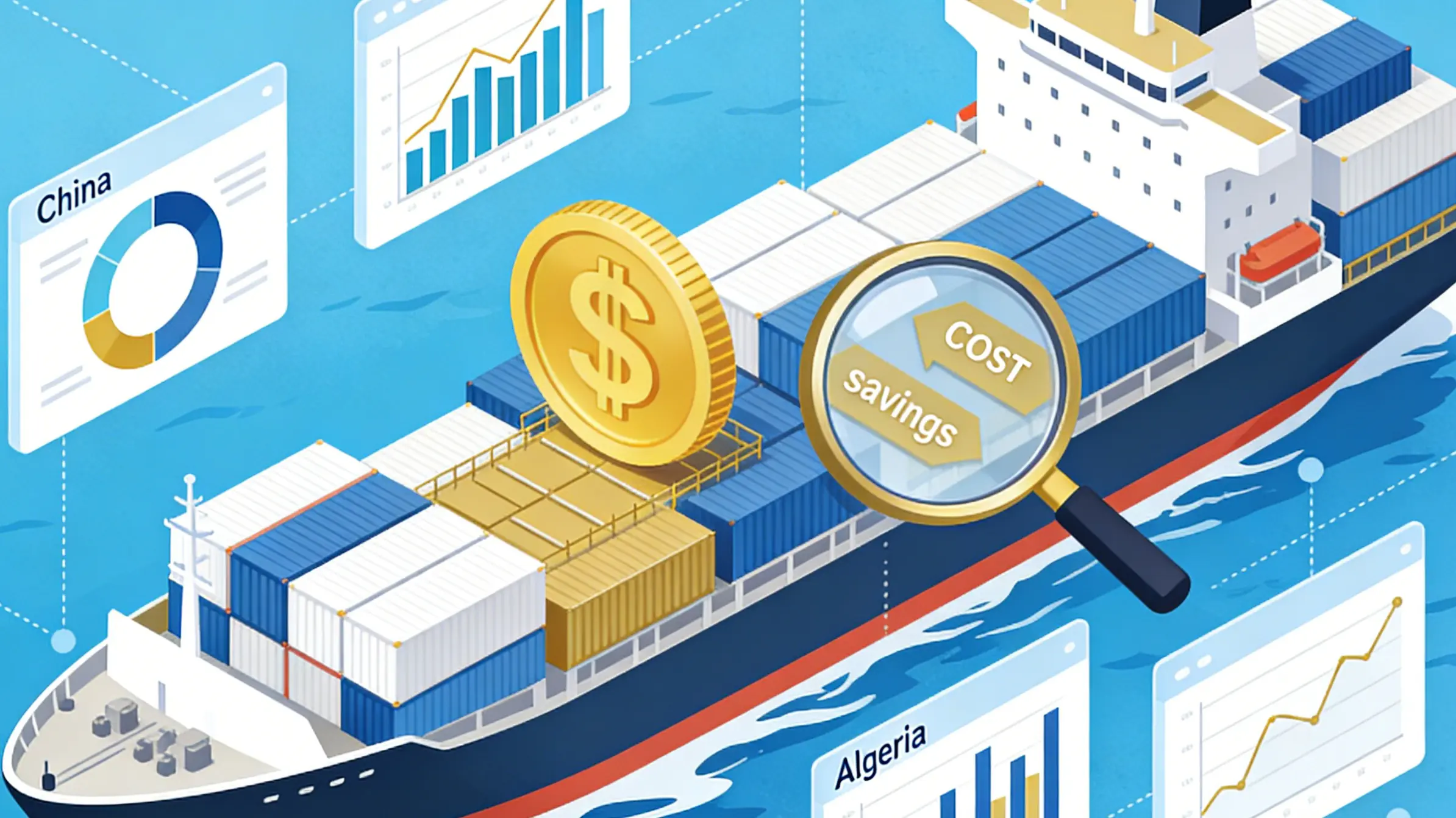
For Q1-Q2 2026, importers should budget by total landed cost, not freight headline price, because surcharges and local charges can account for a significant share of total spend.
Below is a practical comparison range for planning decisions. Actual prices vary by carrier, routing, commodity, Incoterms 2020, and booking window.

| Shipping Mode | Typical 2026 Market Range | Best For | Main Cost Risks |
|---|---|---|---|
| FCL 20GP | USD 1,800-3,200 / container | Stable medium-volume importers | BAF swings, peak season space premiums |
| FCL 40HQ | USD 2,500-4,500 / container | High-volume or bulky cargo | Equipment imbalance, terminal surcharges |
| LCL | USD 80-150 / CBM | Small and flexible replenishment | Destination fees, deconsolidation delays |
These ranges are planning references, not fixed offers, so request all-in breakdowns before booking. Rates, vessel schedules, and port charges can change quickly, so always confirm final booking terms in writing. These figures are operational estimates, not legal quotations or tax advice.
Breakdown of Ocean Freight Surcharges (BAF, THC, ENS)
The base ocean rate is only one line item; BAF, THC, documentation, and UK entry-related charges often determine whether a shipment remains profitable.
- BAF (Bunker Adjustment Factor): Fuel-related surcharge that changes with market fuel conditions.
- THC (Terminal Handling Charges): Charged at both origin and destination terminals.
- ENS/Entry Filing Costs: Required pre-arrival filings and administrative processing.
- Security/Documentation Fees: Carrier and forwarder document workflows can add fixed charges.
- Detention/Demurrage Exposure: Cost risk if container return or pickup is delayed.
In our experience, importers protect margin by auditing quotes line-by-line and confirming free-time terms in writing.
The Impact of Peak Seasons and Holidays
Peak windows can raise shipping costs by 20%-40% and also reduce schedule reliability, so booking lead time directly affects both cost and service quality.
The biggest pressure points are pre-Chinese New Year, post-holiday restart imbalance, and Q3 inventory build.
Transit Times: How Long Does Sea Shipping from China to UK Take?
In 2026, realistic port-to-port transit on many China-UK services is around 35-55 days, with door-to-door time often extending further based on inland legs and customs timing.
The largest timeline driver remains route deviation and network recovery after geopolitical disruptions. Historical “30-day assumptions” are often too optimistic for current planning.
Major Origin Ports to UK Ports
Transit speed varies by origin port, vessel string, and UK destination terminal.
Common origin hubs include Shanghai, Ningbo, and Shenzhen (Yantian). UK gateways include Felixstowe, Southampton, and London Gateway. Compare schedule reliability by service string, not only quoted transit days. If you also distribute in Europe, lane planning should be benchmarked against nearby routes such as shipping from china to germany, shipping from china to france, and shipping from china to italy.

Port Congestion and Blank Sailings in 2026
Blank sailings and terminal congestion can add 7-14 days, so timeline risk management should be built into purchasing cycles.
Carriers continue to adjust vessel deployment, while terminals face weather, labor, and yard-density pressure. To reduce disruption, track cargo ready date, CY cutoff, ETD, arrival notice, customs release, and delivery booking.
UK Customs Clearance Guide for Sea Shipping from China to UK
Successful UK customs clearance requires accurate HS classification, valid EORI setup, and complete document consistency across invoice, packing list, and transport records, aligned with official UK import process guidance from GOV.UK.
Most clearance delays are preventable and come from data inconsistency rather than policy complexity.
Essential Documents (Bill of Lading, Packing List, Commercial Invoice)
The B/L, packing list, and commercial invoice form the core document set, and any mismatch across quantity, value, or consignee details can trigger inspections or release delays.
- Bill of Lading (B/L): Transport contract and cargo title instrument.
- Commercial Invoice: Declared transaction value and product details for duty/VAT processing.
- Packing List: Operational detail for cartons, dimensions, net/gross weights, and handling.
- Commodity Data: HS Code, origin, and product description alignment is critical.
Before departure, run a pre-clearance data check with broker teams to avoid costly amendments.
Duties, UK VAT (20%), and Postponed VAT Accounting (PVA)
Most imports into the UK face applicable customs duty plus standard VAT, and PVA is commonly used to improve cash-flow by accounting for import VAT through VAT returns.
Duty rate depends on HS classification and applicable trade measures. VAT is typically 20% for standard-rated goods, and PVA can reduce immediate cash strain by shifting VAT accounting to periodic returns under UK Postponed VAT Accounting guidance. For tariff coding discipline, we recommend cross-checking product classification logic against the WCO HS overview.
Why Choose Efanda Logistics for Sea Shipping from China to UK?
Efanda Logistics supports China-UK shippers with route planning, pricing transparency, and customs-aligned execution designed to reduce preventable delay and cost leakage.
Dedicated Space and Route Optimization
Dedicated space strategy improves reliability because it reduces last-minute rollover risk and provides stronger control over sailing options in volatile weeks.
Efanda teams evaluate shipment profile, cargo readiness, and destination requirements before recommending service structures that balance cost and predictability.
Comprehensive Door-to-Door (DDP) Solutions
DDP and door to door shipping solutions can reduce management workload for importers by consolidating freight, customs workflow, and final-mile coordination under one accountable framework.
For many growing brands and e-commerce operators, this simplifies communication and reduces handoff failure points. It also works well with upstream warehouse services and optional cargo insurance services for tighter inventory risk control.
Frequently Asked Questions (FAQ)
Is it cheaper to ship FCL or LCL from China to the UK?
It depends on shipment volume and charge structure. For small volume, LCL is often easier; for stable larger volume, FCL usually delivers lower unit cost.
How are sea freight transit times affected by Suez Canal diversion?
Diversion risk can extend transit and reduce schedule reliability, so most importers now plan with broader windows and safety stock buffers.
What is the difference between Demurrage and Detention?
Demurrage is charged when a container stays too long inside terminal control after free time. Detention is charged when container equipment is kept too long outside terminal control before return.
Do I need an EORI number for one-off sea freight imports?
In most UK import scenarios, a valid EORI number is required for customs processing.
How can I track my ocean container from China to the UK?
Track booking, departure, transshipment, arrival, customs release, and delivery milestones, and combine carrier data with forwarder exception alerts.
Conclusion
Sea Shipping from China to UK remains one of the most cost-effective options for importers in 2026, but performance depends on disciplined planning rather than rate chasing alone.
Efanda Logistics helps importers build that workflow with practical routing advice, transparent costing, and customs-aligned execution from origin to final UK delivery.