
Shipping From China to Afghanistan Reliable Freight Forwarder
EFANDA Logistics provides professional shipping solutions from China to Afghanistan, including sea freight, air freight, rail freight, and door-to-door logistics services.
We support shipments to Kabul, Kandahar, Mazar-i-Sharif, Herat, and other major Afghan logistics hubs via reliable transit routes through neighboring ports and border crossings, offering dependable transit times, experienced customs handling, and competitive freight rates.
From commercial cargo to project and oversized shipments, we tailor cost-effective logistics solutions to meet your Afghanistan and Central Asia supply chain requirements. Get Your Personalized Shipping Quote Today!
Sea Freight to Afghanistan
Air Freight to Afghanistan
Dedicated Logistics Experts

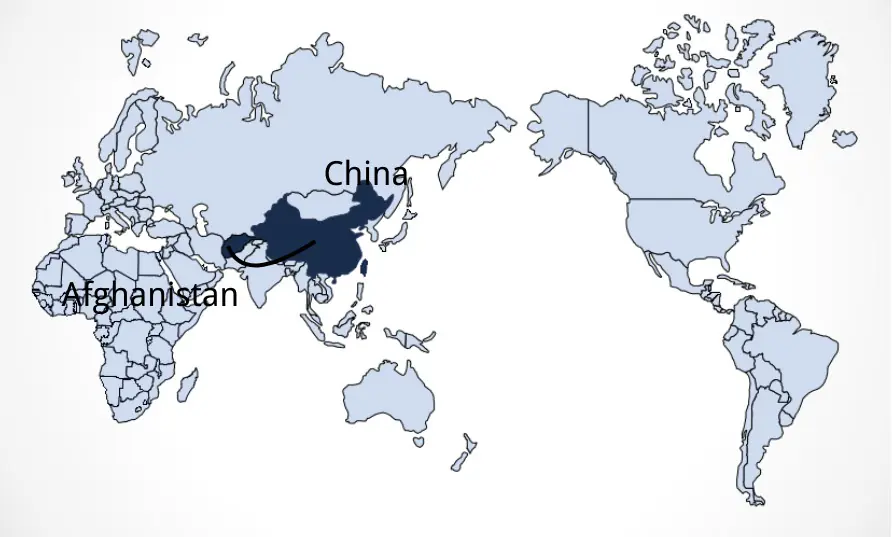
Starting Price
Our Shipping Services from China to Afghanistan
Sea Freight, Air Freight & Door-to-Door Solutions for Afghanistan Importers
Sea Freight from China to Afghanistan
Cost-effective ocean freight for bulk and commercial shipments to Afghanistan. FCL & LCL available.
- Transit time: 30–45 days
- FCL & LCL available
- Support for Afghanistan import clearance
Competitive sea freight rates – request a quote
Air Freight from China to Afghanistan
Fast and secure air cargo solutions for urgent, high-value, or time-sensitive shipments to Afghanistan.
- Transit time: 3–7 days
- Real-time shipment tracking
- Express customs clearance
Fast air freight with transparent pricing
Door-to-Door Shipping from China to Afghanistan
Complete door-to-door logistics from pickup to delivery in Afghanistan.
- Export documentation & coordination
- Customs clearance support in Afghanistan
- Delivery to warehouse or final address
No hidden charges
Why Choose EFANDA Logistics for China–Afghanistan Shipping
Specialized freight forwarding solutions with proven experience in Afghanistan customs, ports, and delivery networks.
Competitive Rates
Direct contracts with carriers and optimized routing via major China ports help reduce shipping costs without hidden fees.
Fast Transit
Optimized sea and air schedules with reliable ETD/ETA, minimizing delays caused by transshipment or port congestion.
Customs Expertise
Deep understanding of Afghanistan import regulations, HS codes, and documentation requirements to reduce clearance risks.
24/7 Dedicated Support
Dedicated customer support team available 24/7, providing timely assistance and reliable support for all your logistics needs.
Table of Contents
As regional trade between Asia and Central Asia continues to expand, shipping from China to Afghanistan has become an increasingly important logistics route for importers, wholesalers, contractors, and infrastructure companies. China is one of Afghanistan’s major trading partners, supplying a wide range of products including construction materials, machinery, electronics, textiles, and consumer goods. Efficient freight solutions are therefore essential for businesses seeking reliable and cost-effective supply chains.
Because Afghanistan is a landlocked country, international cargo shipments typically move through nearby seaports in neighboring countries before reaching Afghan cities by land transportation. As a result, most freight from China to Afghanistan involves a multimodal logistics process that combines sea freight, inland trucking, and sometimes air freight for faster delivery. Major gateway ports such as Karachi in Pakistan and Bandar Abbas in Iran play an important role in connecting Chinese exports to Afghanistan’s main commercial centers, including Kabul, Herat, Kandahar, and Mazar-i-Sharif.
This guide provides a comprehensive overview of China to Afghanistan shipping, including available freight methods, major logistics routes, container shipping services, estimated shipping costs, and typical transit times. By understanding these key factors, importers can make better logistics decisions and ensure smoother international cargo transportation.
As an experienced freight forwarder from China to Afghanistan, EFANDA Logistics provides reliable end-to-end freight solutions designed to support different cargo types and business requirements, helping companies simplify international shipping and improve supply chain efficiency.
Sea Freight From China to Afghanistan
Sea freight from China to Afghanistan is widely used by importers who need to ship large quantities of goods at a competitive cost. Although Afghanistan does not have its own seaports, cargo can be transported by ocean freight to nearby ports in Pakistan or Iran and then delivered inland by truck or rail.
This multimodal logistics process makes container shipping from China to Afghanistan one of the most cost-effective solutions for bulk cargo and commercial imports. Many international trading companies choose ocean freight China to Afghanistan because it allows them to move large volumes of goods with lower transportation costs compared to air freight.
Typical shipping routes involve exporting cargo from major Chinese ports such as Shanghai, Shenzhen, Ningbo, or Guangzhou, then transporting containers to regional gateway ports before final delivery into Afghanistan.
| Main China Export Ports | Transit Ports Near Afghanistan |
|---|---|
| Shanghai | Karachi Port (Pakistan) |
| Shenzhen | Bandar Abbas Port (Iran) |
| Ningbo | Port Qasim (Pakistan) |
| Guangzhou | Chabahar Port (Iran) |
After arriving at these ports, cargo is transported by truck freight or rail freight to major Afghan cities such as Kabul, Kandahar, Herat, and Mazar-i-Sharif.
Sea freight is especially suitable for industries that import large or heavy goods, including construction materials, industrial equipment, consumer goods, and wholesale products.
When to Choose Sea Freight
Sea freight is the preferred logistics solution when businesses need to transport large shipments at a lower cost. Compared with air freight from China to Afghanistan, ocean freight offers significantly lower freight rates, making it ideal for bulk cargo and containerized shipments.
Companies often choose sea freight China to Afghanistan in the following situations:
The shipment volume is large (typically more than 2–3 cubic meters)
The goods are heavy or oversized
The delivery schedule is flexible
The business aims to minimize overall shipping costs
Sea freight also supports multiple container types and flexible cargo consolidation options, allowing importers to ship either full containers or shared containers.
The comparison below highlights the advantages of sea freight compared with other shipping methods.
| Shipping Method | Cost | Speed | Cargo Capacity |
|---|---|---|---|
| Sea Freight | Low | Slow | Very High |
| Air Freight | High | Fast | Limited |
| Express Courier | Very High | Very Fast | Small Parcels |
For most B2B importers purchasing goods from Chinese factories, container shipping from China to Afghanistan is the most economical option for transporting wholesale cargo.
Key Ports and Routes
Because Afghanistan is landlocked, cargo transported by sea must first arrive at nearby international ports before continuing inland transportation.
The most commonly used shipping routes from China to Afghanistan include:
| Route | Transportation Method | Final Destination |
|---|---|---|
| Shanghai → Karachi → Kabul | Sea + Truck | Kabul |
| Shenzhen → Karachi → Kandahar | Sea + Truck | Kandahar |
| Ningbo → Bandar Abbas → Herat | Sea + Truck | Herat |
| Guangzhou → Karachi → Mazar-i-Sharif | Sea + Truck | Northern Afghanistan |
Among these routes, Karachi Port in Pakistan is the most frequently used gateway for cargo entering Afghanistan due to its well-developed logistics infrastructure and proximity to major Afghan trade corridors.
Another important route involves shipping cargo to Bandar Abbas Port in Iran, followed by inland trucking to western Afghanistan cities such as Herat.
These multimodal routes make it possible for international traders to efficiently manage freight from China to Afghanistan, even though the country does not have direct ocean access.
Types of Sea Freight Services
When arranging ocean freight from China to Afghanistan, businesses can choose between several container shipping methods depending on the size and nature of the cargo.
Full Container Load (FCL)
Full Container Load (FCL) shipping means that the entire container is reserved for one shipper. This option is commonly used when cargo volume is large enough to fill a full container.
FCL shipping offers several advantages:
Lower cost per unit for large shipments
Reduced risk of cargo damage
Faster handling at ports
Greater cargo security
Typical container sizes used in FCL shipping from China to Afghanistan include:
| Container Type | Capacity | Suitable Cargo |
|---|---|---|
| 20GP | ~28 CBM | Heavy cargo |
| 40GP | ~58 CBM | General goods |
| 40HQ | ~68 CBM | High-volume cargo |
FCL is widely used by companies importing machinery, building materials, furniture, and wholesale goods from China.
Less than Container Load (LCL)
Less than Container Load (LCL) shipping is designed for smaller shipments that do not require a full container. In this method, cargo from multiple shippers is consolidated into one container.
LCL shipping is ideal when:
Shipment volume is small (typically under 15 CBM)
Importers want to reduce shipping costs
Multiple small orders are shipped together
However, LCL shipments may require additional handling at consolidation warehouses and ports, which can slightly increase transit time.
| Shipping Type | Minimum Volume | Cost Efficiency |
|---|---|---|
| LCL Shipping | 1–15 CBM | Cost-effective for small cargo |
| FCL Shipping | 15+ CBM | Best for large shipments |
For many small and medium-sized businesses, LCL shipping from China to Afghanistan provides a flexible and affordable logistics option.
Roll-on/Roll-off Ship (RoRo Ship)
Roll-on/Roll-off (RoRo) shipping is a specialized ocean freight service designed for transporting vehicles and wheeled cargo. Instead of being loaded into containers, cargo is driven directly onto the ship and secured during transit.
RoRo shipping is commonly used for:
Cars and trucks
Construction vehicles
Agricultural machinery
Large wheeled equipment
This method simplifies loading and unloading operations and reduces the need for container packing.
| Cargo Type | Recommended Shipping Method |
|---|---|
| Passenger vehicles | RoRo shipping |
| Construction machinery | RoRo shipping |
| Industrial equipment | FCL container |
Although RoRo shipping is less common than container shipping, it can be a practical solution for businesses exporting vehicles or heavy machinery from China to Afghanistan.
Air Freight From China to Afghanistan
Air freight from China to Afghanistan is the fastest shipping solution for businesses that need urgent or high-value cargo delivered quickly. Compared with sea freight, air cargo from China to Afghanistan significantly reduces transit time, making it ideal for time-sensitive shipments such as electronics, medical equipment, spare parts, and e-commerce goods.
Although air freight generally costs more than ocean shipping, it offers several advantages including faster delivery, better cargo security, and simplified logistics procedures. For many importers, especially those handling urgent orders, air shipping from China to Afghanistan provides a reliable and efficient transportation option.
Major Chinese airports such as Shanghai, Guangzhou, Shenzhen, and Beijing operate regular international cargo flights that connect with airports in Afghanistan. These routes allow businesses to move goods quickly while maintaining stable supply chains.
The table below shows the main differences between air freight and sea freight when shipping from China to Afghanistan.
| Shipping Method | Transit Time | Cost Level | Best For |
|---|---|---|---|
| Air Freight | 3–7 days | High | Urgent or high-value cargo |
| Sea Freight + Land | 25–35 days | Low | Bulk cargo and large shipments |
Because of its speed and reliability, air freight China to Afghanistan is widely used by companies importing critical goods that cannot tolerate long shipping delays.
When to Choose Air Freight?
Businesses usually choose air freight from China to Afghanistan when delivery speed is a priority. Compared with container shipping, air transport dramatically shortens transit times and minimizes the risk of supply chain disruptions.
Air freight is typically recommended in the following situations:
The shipment is urgent and must arrive within a few days
The cargo has high value or requires enhanced security
The shipment size is relatively small or lightweight
Production delays require faster transportation
E-commerce businesses need rapid restocking
For example, industries such as electronics, medical supplies, and automotive spare parts often rely on air cargo China to Afghanistan to maintain stable inventory levels.
The following table summarizes common cargo types that are suitable for air freight shipping.
| Cargo Type | Recommended Shipping Method |
|---|---|
| Electronics and smartphones | Air Freight |
| Medical equipment | Air Freight |
| Spare parts and urgent machinery | Air Freight |
| Luxury goods or high-value cargo | Air Freight |
| Bulk building materials | Sea Freight |
While air freight is more expensive than ocean freight, the time savings can often justify the cost, especially when goods are urgently needed.
Key Airports and Routes
International air freight from China to Afghanistan is typically transported between major cargo airports in China and Afghanistan’s primary international airports. These air routes connect Chinese manufacturing hubs with Afghanistan’s main commercial centers.
Key Chinese airports that handle cargo shipments include:
Shanghai Pudong International Airport
Guangzhou Baiyun International Airport
Shenzhen Bao’an International Airport
Beijing Capital International Airport
In Afghanistan, the main airports receiving international cargo shipments include:
| Airport | City | Role |
|---|---|---|
| Hamid Karzai International Airport | Kabul | Main cargo gateway |
| Kandahar International Airport | Kandahar | Southern logistics hub |
| Herat International Airport | Herat | Western trade hub |
Typical air freight routes from China to Afghanistan may include direct cargo flights or transit flights through major regional hubs such as Dubai, Istanbul, or Doha.
| Route | Transit Type | Estimated Time |
|---|---|---|
| Shanghai → Kabul | Direct / Transit | 4–6 days |
| Guangzhou → Kabul | Transit | 4–7 days |
| Shenzhen → Kandahar | Transit | 5–7 days |
By using these routes, importers can efficiently manage cargo shipping from China to Afghanistan, especially when speed and reliability are critical.
Types of Air Freight Services
There are several types of air freight services from China to Afghanistan, allowing businesses to select the most suitable option based on cargo size, urgency, and budget.
| Service Type | Description | Best For |
|---|---|---|
| Standard Air Freight | Regular cargo flights with scheduled departures | General cargo |
| Express Air Freight | Faster priority air service | Urgent shipments |
| Consolidated Air Freight | Multiple shipments combined into one cargo load | Small cargo with lower cost |
Standard air freight is the most commonly used service for general cargo shipments. It offers a balance between cost and speed and is suitable for most commercial imports.
Express air freight provides priority handling and faster transit times, making it ideal for urgent shipments such as medical supplies or critical spare parts.
Consolidated air freight allows smaller shipments to share cargo space with other shipments. This method reduces costs for businesses shipping lower volumes of goods while still benefiting from fast air transportation.
These flexible options make air shipping from China to Afghanistan an efficient logistics solution for a wide range of industries.
Door to Door Shipping from China to Afghanistan
Door to door shipping from China to Afghanistan is one of the most convenient logistics solutions for importers who want a simplified shipping process. With door-to-door freight services, a professional freight forwarder manages the entire logistics chain, including cargo pickup, export documentation, international transportation, customs clearance, and final delivery.
Instead of coordinating multiple logistics providers, businesses can rely on a single shipping partner to handle the entire process of freight from China to Afghanistan. This approach reduces operational complexity and improves supply chain efficiency.
Door-to-door logistics services are especially beneficial for companies that have limited experience with international shipping procedures.
The door-to-door shipping process usually includes the following stages:
| Step | Description |
|---|---|
| Cargo Pickup | Goods collected from supplier or factory in China |
| Export Customs Clearance | Export documentation prepared and approved |
| International Transport | Cargo shipped by sea freight or air freight |
| Import Customs Clearance | Customs procedures completed in Afghanistan |
| Final Delivery | Cargo delivered to warehouse or business location |
Depending on the shipment type, door to door shipping China to Afghanistan may be carried out using a combination of transportation methods such as sea freight plus inland trucking, or air freight with local delivery.
Another advantage of door-to-door shipping is that it can be arranged under different international trade terms.
| Shipping Term | Meaning |
|---|---|
| DDU (Delivered Duty Unpaid) | Seller delivers goods but buyer pays import duties |
| DDP (Delivered Duty Paid) | Seller handles duties and delivers goods fully cleared |
For many importers, DDP door-to-door shipping from China to Afghanistan is the most convenient option because it allows the freight forwarder to handle customs clearance and import duties on behalf of the customer.
Overall, door-to-door services provide a seamless logistics experience for businesses importing goods from China, making shipping from China to Afghanistan more efficient, predictable, and easier to manage.
Shipping Costs From China to Afghanistan
Understanding the shipping cost from China to Afghanistan is essential for businesses that import goods from Chinese suppliers. Transportation costs can vary significantly depending on several factors, including shipping method, cargo volume, weight, transit route, fuel surcharges, and customs handling fees.
Because Afghanistan is a landlocked country, international cargo usually travels through regional seaports such as Karachi in Pakistan or Bandar Abbas in Iran before being transported by land to Afghan cities. As a result, the total freight from China to Afghanistan often includes both ocean freight and inland trucking costs.
Importers can typically choose between two main logistics options: sea freight from China to Afghanistan for large shipments and air freight from China to Afghanistan for urgent or high-value cargo. Each method has different cost structures and delivery speeds.
The table below compares the typical cost range for the most common shipping methods.
| Shipping Method | Estimated Cost Range | Suitable Cargo |
|---|---|---|
| Sea Freight + Land Transport | Lower cost | Bulk cargo and large shipments |
| Air Freight | Higher cost | Urgent or high-value goods |
While container shipping from China to Afghanistan offers the lowest cost per unit for large cargo volumes, air freight provides faster delivery times but at a higher price. Businesses should evaluate their budget, shipment size, and delivery urgency when selecting the most suitable shipping method.
Sea Freight Cost From China to Afghanistan
For most businesses importing goods in bulk, sea freight from China to Afghanistan is the most economical shipping option. Cargo is typically shipped by container from major Chinese ports to regional gateway ports such as Karachi or Bandar Abbas and then transported by truck to Afghanistan.
The total sea freight cost from China to Afghanistan depends on several factors, including container type, cargo volume, seasonal demand, and fuel prices.
Common container types used in container shipping China to Afghanistan include:
| Container Type | Capacity | Typical Use |
|---|---|---|
| 20GP Container | ~28 CBM | Heavy cargo |
| 40GP Container | ~58 CBM | General cargo |
| 40HQ Container | ~68 CBM | High-volume goods |
Estimated container shipping costs may vary depending on market conditions, but the following ranges provide a general reference for freight rates China to Afghanistan.
| Container Type | Estimated Shipping Cost |
|---|---|
| 20GP Container | $2,000 – $4,000 |
| 40HQ Container | $3,500 – $6,000 |
For smaller shipments that do not require a full container, businesses can choose LCL shipping from China to Afghanistan, where multiple shipments share container space.
| Shipping Type | Cost Structure |
|---|---|
| FCL Shipping | Fixed container rate |
| LCL Shipping | Charged per cubic meter (CBM) |
Although LCL shipments may have slightly higher unit costs due to consolidation handling, they remain a practical solution for small and medium-sized businesses importing goods from China.
Air Freight Cost From China to Afghanistan
Air freight from China to Afghanistan is the fastest transportation option but usually comes with higher shipping costs compared to sea freight. Air cargo pricing is typically calculated based on the chargeable weight, which considers either the actual weight or volumetric weight of the shipment.
Air freight is commonly used for high-value, time-sensitive cargo such as electronics, medical supplies, spare parts, and e-commerce products.
The estimated air freight cost China to Afghanistan generally falls within the following ranges.
| Cargo Weight | Estimated Air Freight Rate |
|---|---|
| 100 kg shipment | $6 – $10 per kg |
| 300 kg shipment | $5 – $8 per kg |
| 500 kg+ shipment | $4 – $7 per kg |
Several factors may affect the final air shipping cost from China to Afghanistan, including:
Cargo weight and volume
Flight route and transit hubs
Fuel surcharges and security fees
Seasonal demand for air cargo capacity
Although air cargo from China to Afghanistan is more expensive than sea freight, the significantly shorter transit time makes it the preferred option for urgent shipments or high-value goods.
Shipping Time From China to Afghanistan
Another key factor for importers is the shipping time from China to Afghanistan. Delivery times depend largely on the chosen transportation method, the shipping route, customs clearance procedures, and inland transportation conditions.
Because Afghanistan does not have direct access to international seaports, most shipments travel through nearby countries before final delivery. As a result, total transit times usually include both international transport and inland trucking.
The table below summarizes the typical delivery times for cargo shipping from China to Afghanistan.
| Shipping Method | Estimated Transit Time | Best For |
|---|---|---|
| Sea Freight + Truck | 25–35 days | Large shipments |
| Air Freight | 3–7 days | Urgent cargo |
Businesses that prioritize cost efficiency generally choose sea freight, while companies needing faster delivery often rely on air cargo.
Sea Shipping Time From China to Afghanistan
The typical sea shipping time from China to Afghanistan ranges from approximately 25 to 35 days, depending on the origin port in China, the transit port used, and the final destination city in Afghanistan.
The process usually involves three stages:
Ocean shipping from China to a regional port
Port handling and customs clearance
Inland trucking from the port to Afghanistan
The following table shows some common shipping routes from China to Afghanistan and their estimated transit times.
| Shipping Route | Transportation Method | Estimated Time |
|---|---|---|
| Shanghai → Karachi → Kabul | Sea + Truck | 28–35 days |
| Shenzhen → Karachi → Kandahar | Sea + Truck | 25–32 days |
| Ningbo → Bandar Abbas → Herat | Sea + Truck | 25–30 days |
Although sea freight takes longer, it remains the most economical option for transporting heavy or bulky cargo.
Air Shipping Time From China to Afghanistan
For businesses that need faster delivery, air freight from China to Afghanistan offers significantly shorter transit times. Most shipments arrive within 3 to 7 days, depending on flight availability and customs procedures.
Air cargo shipments typically depart from major Chinese airports such as Shanghai, Guangzhou, Shenzhen, and Beijing and arrive at Afghanistan’s primary cargo airports.
| Air Route | Estimated Transit Time |
|---|---|
| Shanghai → Kabul | 4–6 days |
| Guangzhou → Kabul | 4–7 days |
| Shenzhen → Kandahar | 5–7 days |
Air freight is particularly useful for urgent shipments, spare parts, and high-value goods that cannot tolerate long delivery times.
By selecting the right logistics solution, businesses can effectively balance shipping cost and shipping time from China to Afghanistan, ensuring efficient international cargo transportation and stable supply chains.
Customs Clearance & Documents Required
When arranging shipping from China to Afghanistan, customs clearance is a critical step in the international logistics process. Proper documentation ensures that cargo can legally enter Afghanistan and avoids unnecessary delays, penalties, or additional inspection fees.
Because Afghanistan imports a wide range of goods from China—including machinery, electronics, textiles, and construction materials—importers must comply with local customs regulations and provide accurate shipping documents. Whether the cargo is transported by sea freight from China to Afghanistan or air freight China to Afghanistan, the documentation requirements are generally similar.
In most cases, a professional freight forwarder from China to Afghanistan will assist with preparing and verifying these documents to ensure smooth customs processing.
The following table lists the most commonly required documents for importing goods from China to Afghanistan.
| Document | Description | Purpose |
|---|---|---|
| Commercial Invoice | Detailed invoice issued by the exporter | Used to determine cargo value and import duties |
| Packing List | List of cargo contents, weight, and dimensions | Helps customs verify shipment details |
| Bill of Lading (B/L) | Transport document issued by the shipping line | Required for sea freight shipments |
| Air Waybill (AWB) | Air cargo transport document | Used for air freight shipments |
| Certificate of Origin | Confirms the country where goods were manufactured | Required for trade compliance |
| Import License | Authorization to import certain goods | Required for regulated products |
Accurate documentation is essential because customs authorities use these documents to verify the cargo value, calculate import duties, and confirm compliance with Afghan import regulations.
In addition to documentation, customs clearance Afghanistan may involve duties, taxes, and inspection procedures depending on the type of goods being imported. Importers should also confirm whether their products require additional certifications or special permits.
The customs clearance process for freight from China to Afghanistan typically includes the following steps:
| Step | Description |
|---|---|
| Document Preparation | Exporter and freight forwarder prepare shipping documents |
| Customs Declaration | Cargo information submitted to Afghan customs |
| Duty and Tax Assessment | Customs calculates import duties and taxes |
| Inspection (if required) | Cargo may be inspected for compliance |
| Cargo Release | Shipment is cleared and delivered to the consignee |
For businesses seeking a simplified logistics process, door to door shipping from China to Afghanistan can help manage customs clearance, transportation, and final delivery through a single logistics provider.
By ensuring that all required documents are properly prepared, importers can significantly reduce delays and ensure smooth cargo shipping from China to Afghanistan.
Common Mistakes When Shipping From China to Afghanistan
While shipping from China to Afghanistan can be highly profitable for importers and businesses, certain mistakes during the logistics process can lead to delays, unexpected costs, or customs clearance problems.
Many of these issues occur when companies are unfamiliar with international shipping procedures or when documentation and logistics planning are incomplete. Understanding these common mistakes can help businesses improve supply chain efficiency and avoid unnecessary disruptions.
One of the most frequent issues is incorrect documentation during customs clearance Afghanistan. Missing or inaccurate shipping documents may result in delays or additional inspection by customs authorities.
The table below outlines some of the most common mistakes when arranging freight from China to Afghanistan and how to avoid them.
| Common Mistake | Impact | How to Avoid |
|---|---|---|
| Incomplete shipping documents | Customs delays or cargo hold | Ensure all documents are prepared correctly |
| Incorrect cargo value declaration | Fines or customs penalties | Provide accurate commercial invoices |
| Choosing the wrong shipping method | Higher transportation costs | Select sea or air freight based on cargo size |
| Poor cargo packaging | Cargo damage during transit | Use proper export packaging |
| Working with inexperienced freight agents | Logistics delays | Choose an experienced freight forwarder |
Another common mistake is selecting the wrong transportation method. For example, using air freight from China to Afghanistan for large, low-value cargo may significantly increase shipping costs, while using sea freight China to Afghanistan for urgent shipments may cause delivery delays.
Businesses should also carefully plan logistics routes because Afghanistan is a landlocked country, meaning cargo often travels through transit ports such as Karachi or Bandar Abbas before reaching Afghan cities.
The following table provides a quick comparison to help businesses choose the most suitable shipping option.
| Shipping Method | Recommended For |
|---|---|
| Sea Freight + Land Transport | Large shipments and bulk cargo |
| Air Freight | Urgent or high-value goods |
| Door-to-Door Shipping | Businesses seeking simplified logistics |
Finally, many importers underestimate the importance of working with a reliable freight forwarder China to Afghanistan. Experienced logistics providers can help manage transportation planning, customs documentation, cargo tracking, and final delivery.
By avoiding these common mistakes and planning logistics carefully, businesses can ensure smoother and more efficient shipping from China to Afghanistan, reducing risks while improving overall supply chain performance.
How to Choose the Right Freight Forwarder
Selecting the right freight forwarder from China to Afghanistan is one of the most important decisions for businesses involved in international trade. A professional freight forwarder can simplify the entire logistics process, including cargo booking, export documentation, customs clearance, international transportation, and final delivery.
Because shipping from China to Afghanistan often involves multiple transportation stages—such as sea freight, inland trucking, and customs clearance—working with an experienced logistics partner can significantly reduce delays and unexpected costs. A reliable freight forwarder helps businesses manage complex shipping procedures while ensuring that cargo arrives safely and on schedule.
Many companies importing goods from China rely on specialized logistics providers that offer services such as sea freight from China to Afghanistan, air freight China to Afghanistan, and door to door shipping China to Afghanistan. These services help businesses optimize transportation routes and maintain efficient supply chains.
The table below summarizes the main services typically provided by international freight forwarders handling freight from China to Afghanistan.
| Service | Description |
|---|---|
| Cargo Booking | Arranging shipping space with airlines or shipping lines |
| Export Documentation | Preparing commercial invoices, packing lists, and transport documents |
| International Transportation | Managing sea freight, air freight, or multimodal transport |
| Customs Clearance | Handling export and import customs procedures |
| Cargo Tracking | Monitoring shipments throughout the transportation process |
| Final Delivery | Delivering cargo to the consignee’s warehouse or destination |
Choosing the right logistics partner ensures that businesses can handle international shipments efficiently while minimizing operational risks.
Key Criteria When Selecting a Forwarder
When evaluating a freight forwarder China to Afghanistan, businesses should consider several important factors to ensure reliable and cost-effective logistics services.
First, experience in the specific trade route is essential. Shipping cargo to Afghanistan often requires multimodal transportation through neighboring countries, so a forwarder with expertise in China to Afghanistan shipping routes can better manage potential logistics challenges.
Second, companies should evaluate whether the forwarder offers a full range of services, including sea freight, air freight, and door-to-door shipping from China to Afghanistan. Having multiple shipping options allows businesses to choose the most suitable solution based on shipment size, urgency, and budget.
Third, transparency in pricing and communication is important for avoiding unexpected logistics costs.
The following table highlights the key criteria businesses should consider when choosing a freight forwarder.
| Selection Criteria | Why It Matters |
|---|---|
| Industry Experience | Knowledge of shipping routes and customs procedures |
| Service Coverage | Ability to offer sea, air, and door-to-door shipping |
| Competitive Freight Rates | Helps reduce overall shipping costs |
| Global Logistics Network | Access to reliable partners and carriers |
| Customer Support | Clear communication and shipment updates |
By selecting a forwarder with strong expertise and reliable service capabilities, businesses can ensure smoother cargo shipping from China to Afghanistan and improve supply chain efficiency.
Why Work With EFANDA Logistics
For businesses seeking a trusted logistics partner, EFANDA Logistics provides comprehensive solutions for shipping from China to Afghanistan. With extensive experience in international freight forwarding, EFANDA supports companies across different industries by delivering reliable and cost-effective transportation services.
EFANDA Logistics offers a full range of shipping services, including sea freight from China to Afghanistan, air freight China to Afghanistan, and door to door shipping China to Afghanistan. These flexible logistics solutions allow businesses to choose the most suitable shipping method based on cargo volume, delivery urgency, and budget requirements.
In addition to transportation services, EFANDA also assists clients with documentation preparation, customs clearance coordination, and cargo tracking. This integrated approach helps businesses manage international shipments more efficiently while reducing potential delays.
The following table summarizes the key advantages of working with EFANDA Logistics.
| EFANDA Logistics Advantage | Description |
|---|---|
| Professional Freight Expertise | Experienced in handling China–Afghanistan shipping routes |
| Multiple Shipping Options | Sea freight, air freight, and door-to-door services available |
| Competitive Freight Rates | Cost-efficient logistics solutions for businesses |
| Customs Clearance Support | Assistance with documentation and compliance |
| End-to-End Logistics Service | From supplier pickup in China to delivery in Afghanistan |
By partnering with a professional logistics provider like EFANDA Logistics, businesses can simplify the entire freight from China to Afghanistan process and ensure reliable cargo transportation.
Whether companies are importing bulk goods through container shipping from China to Afghanistan or sending urgent cargo via air freight, EFANDA Logistics provides tailored logistics solutions designed to support international trade and improve supply chain efficiency.
Related Articles
China to Afghanistan Shipping Guides & Resources
Cheapest Shipping from China to Australia: The Ultimate 2026 Guide
Finding the cheapest shipping from China to Australia is vital for importers protecting their margins. This 2026 guide explores the most cost-effective methods, comparing sea and air freight rates. We uncover hidden fees like GST and demurrage, and share actionable tips to optimize your supply chain and reduce costs.
Cheapest Shipping from China to Nigeria: 2026 Cost-Saving Guide
Struggling with high import costs? Learn how to find the cheapest shipping from China to Nigeria in 2026. This comprehensive guide breaks down air and sea freight rates, transit times, and reveals how using DDP consolidation strategies can save you thousands while eliminating Nigerian customs headaches.
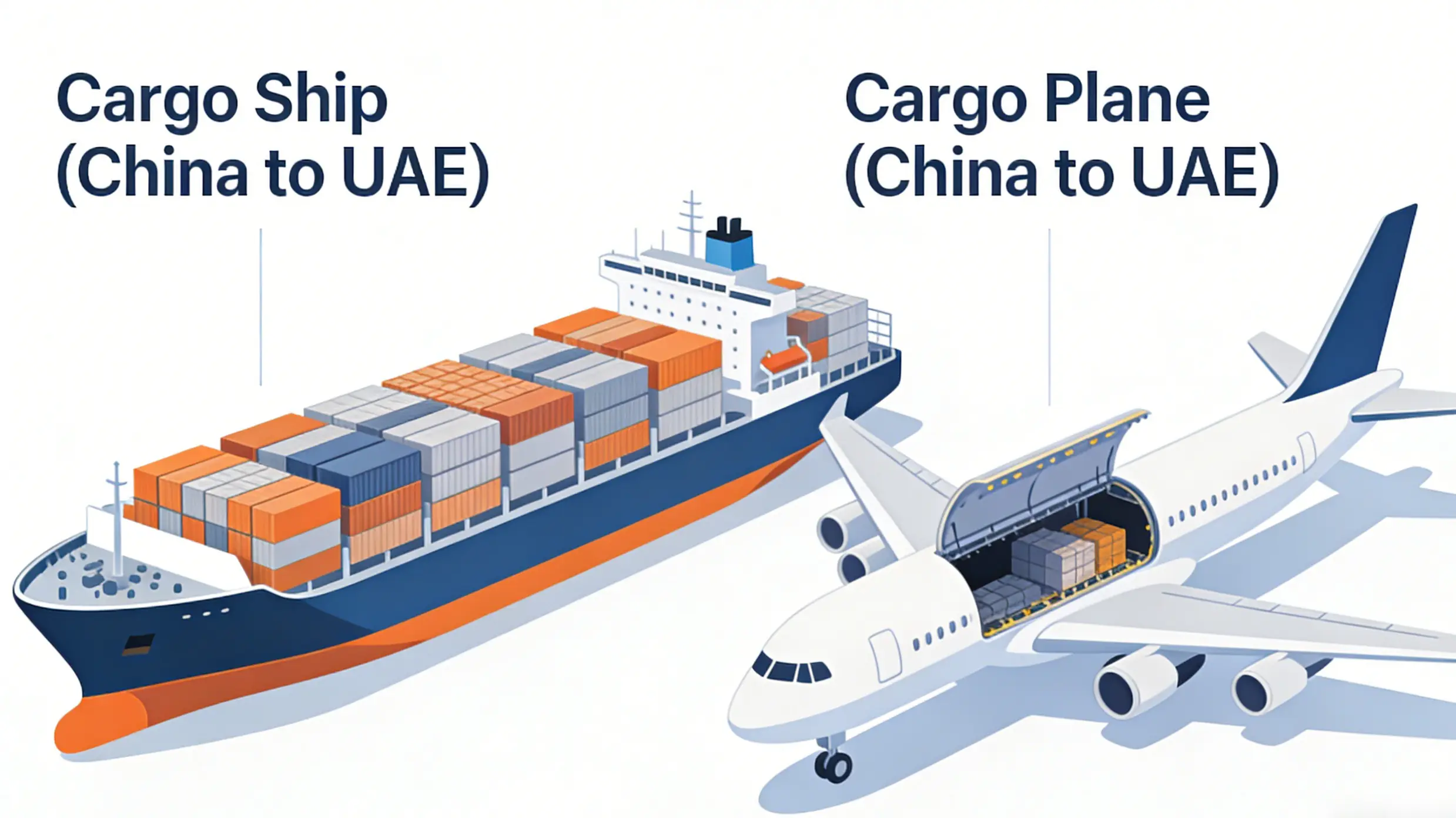
Cheapest Shipping from China to UAE: Complete Cost & Time Guide (2026)
Are you searching for the cheapest shipping from China to UAE to maximize your profit margins? Navigating international logistics, hidden fees, and fluctuating rates can be challenging. This comprehensive guide breaks down cost-effective transport methods, current market rates, and actionable tips to ensure your cargo arrives on budget.
Frequently Asked Questions
Find clear answers to the most common questions about shipping from China to Afghanistan
Yes. Although Afghanistan is a landlocked country, goods can still be shipped from China through neighboring countries using multimodal transportation.
Common logistics routes include:
- Sea freight to Karachi Port (Pakistan) + trucking to Afghanistan
- Rail freight to Central Asia + truck delivery to Afghanistan
- Air freight directly to Kabul International Airport
Freight forwarders usually combine sea, rail, and trucking services to complete the shipment.
Shipping time depends on the route and transportation method.
Typical transit times include:
- Sea freight + truck: about 25–40 days
- Rail freight + truck: around 18–28 days
- Air freight: approximately 5–8 days
Transit time may vary depending on customs clearance and border procedures.
The most economical solution is usually sea freight to Pakistan followed by trucking into Afghanistan.
This route is commonly used because:
- sea freight offers lower transportation costs
- Pakistan provides major logistics gateways to Afghanistan
- trucking from Karachi to Kabul is widely available
This method is ideal for large commercial shipments and bulk cargo.
Shipping costs depend on several factors:
- cargo size and weight
- shipping method (sea, rail, air)
- destination city in Afghanistan
- customs clearance requirements
- fuel and transportation surcharges
Estimated cost ranges:
- LCL shipping: $120 – $260 per CBM
- 20ft container: $3,000 – $5,500
- Air freight: $6 – $12 per kg
For accurate pricing, it is recommended to request a custom freight quote.
Yes. Door-to-door shipping services are available.
These services typically include:
- pickup from suppliers in China
- export customs clearance
- international transport
- border customs processing
- final delivery in Afghanistan
This option simplifies logistics for importers.
Most freight forwarders offer shipment tracking services.
Tracking can include:
- container tracking
- rail shipment updates
- air cargo tracking numbers
- logistics provider notifications
This helps importers monitor shipment progress.
Efanda Logistics provides reliable China–Central Asia logistics solutions, including:
- multimodal shipping routes
- competitive freight rates
- experienced customs clearance support
- door-to-door logistics services
- responsive customer support
Our team helps ensure efficient and secure cargo transportation from China to Afghanistan.
Ready to Ship from China to Afghanistan with a Reliable Freight Forwarder?
Get a fast, transparent shipping quote tailored to your cargo, route, and delivery needs — no obligation, no hidden fees.
Shipments Handled from China
Customer Satisfaction Rate