
Shipping From China to Iran Reliable Freight Forwarder
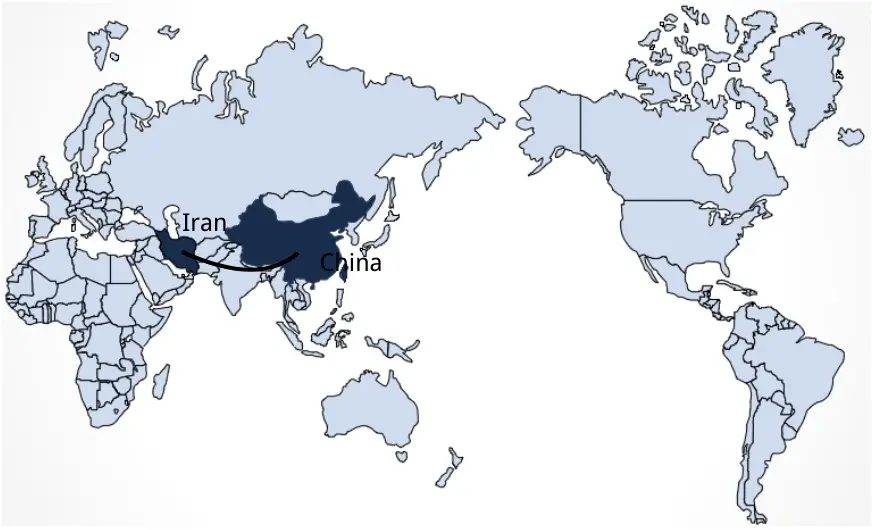
EFANDA Logistics offers professional and reliable shipping solutions from China to Iran, including sea freight, air freight, and door‑to‑door logistics services.
We support exports to major Iranian ports and cities such as Bandar Abbas, Tehran, Mashhad, Shiraz, and other key destinations, ensuring dependable transit times, efficient customs handling, and competitive freight rates.
Whether you are shipping commercial cargo, industrial goods, high‑value products, or project freight, our tailored logistics solutions are designed to seamlessly fit your Iran supply chain requirements. From pickup in China to final delivery in Iran, we manage every step with transparency and professionalism.Get Your Personalized Shipping Quote Today!
Sea Freight to Iran
Air Freight to Iran
Dedicated Logistics Experts
Starting Price
Our Shipping Services from China to Iran
Sea Freight, Air Freight & Door-to-Door Solutions for Iran Importers
Sea Freight from China to Iran
Cost-effective ocean freight for bulk and commercial shipments to Iran. FCL & LCL available.
- Transit time: 30–45 days
- FCL & LCL available
- Support for Iran import clearance
Competitive sea freight rates – request a quote
Air Freight from China to Iran
Fast and secure air cargo solutions for urgent, high-value, or time-sensitive shipments to Iran.
- Transit time: 3–7 days
- Real-time shipment tracking
- Express customs clearance
Fast air freight with transparent pricing
Door-to-Door Shipping from China to Iran
Complete door-to-door logistics from pickup to delivery in Iran.
- Export documentation & coordination
- Customs clearance support in Iran
- Delivery to warehouse or final address
No hidden charges
Why Choose EFANDA Logistics for China–Iran Shipping
Specialized freight forwarding solutions with proven experience in Iran customs, ports, and delivery networks.
Competitive Rates
Direct contracts with carriers and optimized routing via major China ports help reduce shipping costs without hidden fees.
Fast Transit
Optimized sea and air schedules with reliable ETD/ETA, minimizing delays caused by transshipment or port congestion.
Customs Expertise
Deep understanding of Iran import regulations, HS codes, and documentation requirements to reduce clearance risks.
24/7 Dedicated Support
Dedicated customer support team available 24/7, providing timely assistance and reliable support for all your logistics needs.
Table of Contents
Shipping goods from China to Iran is a crucial component of international trade, especially as China remains one of Iran’s largest trading partners. Importers and businesses looking to ship from China to Iran must understand the various shipping methods, costs, transit times, and customs requirements involved. In this comprehensive guide, we will explore the most common shipping methods, including sea freight and air freight, the costs associated with shipping from China to Iran, key ports and routes, as well as tips on choosing the best freight forwarder.
Whether you’re considering sea freight from China to Iran or air freight from China to Iran, understanding the best shipping options, along with potential delays and documentation requirements, is essential to ensuring a smooth and efficient shipping experience.
Sea Freight From China to Iran
Sea freight is the most widely used method for transporting goods over long distances, especially when bulk shipments are involved. For businesses importing from China to Iran, sea freight offers cost-effective options for both large and small volumes of goods. Sea freight is suitable for a range of products, including electronics, machinery, textiles, and industrial goods.
When to Choose Sea Freight
When deciding between sea freight and air freight, several factors must be considered:
Cost Efficiency: Sea freight is generally the most economical method of shipping large quantities of goods. For businesses importing bulk items or non-urgent shipments, sea freight provides substantial savings in comparison to air freight.
Large Shipments: If you’re dealing with full container load (FCL) or less than container load (LCL), sea freight is the preferred choice for its ability to handle large shipments at once.
Non-Urgent Deliveries: Sea freight is slower than air freight, so it’s better suited for goods that don’t need to arrive urgently. If time is not a critical factor, sea freight from China to Iran can offer a reliable and cost-effective solution.
Heavy or Bulky Items: For heavier, bulkier goods like machinery or construction materials, sea freight is the best option, as it provides more flexibility in terms of size and weight.
Key Ports and Routes
Shipping goods from China to Iran involves navigating several key ports and routes. Understanding the most efficient routes and the location of important ports is essential for managing shipping logistics.
Key Ports in China:
Shanghai Port: The busiest and largest port in China, providing direct connections to the Middle East.
Shenzhen Port: Another major port, frequently used for exports to countries in the Middle East and beyond.
Tianjin Port: Located in northern China, Tianjin also provides excellent shipping routes to Iran.
Key Ports in Iran:
Port of Bandar Abbas: The most important and busiest port in Iran, serving as the main entry point for imports.
Port of Khorramshahr: Another significant port that handles goods coming from China, especially for industries in southwestern Iran.
Shipping Routes:
From Shanghai to Bandar Abbas: The most common route, typically taking 20-30 days depending on weather and port congestion.
From Shenzhen to Bandar Abbas: Another frequently used route, with similar transit times to the Shanghai route.
Types of Sea Freight Services
When shipping from China to Iran, you have several options depending on your shipment size, urgency, and budget.
Full Container Load (FCL):
Description: If your shipment fills a full container, FCL is the most efficient option. This service offers exclusive use of the container, minimizing the risk of damage.
Best For: Large shipments, bulky goods, or time-sensitive deliveries.
Cost: Generally higher than LCL, but cheaper per unit when shipping large quantities.
Less than Container Load (LCL):
Description: For smaller shipments that don’t fill an entire container, LCL allows you to share a container with other shippers. This reduces costs but may extend transit times.
Best For: Smaller, lighter shipments where FCL would be cost-prohibitive.
Cost: More affordable than FCL but involves handling fees and potential delays.
Roll-on/Roll-off (RoRo) Shipping:
Description: Ideal for vehicles, heavy machinery, or large equipment, RoRo ships are designed for easy loading and unloading, allowing vehicles to drive on and off the ship.
Best For: Shipping vehicles, construction equipment, or oversized machinery.
Cost: Pricing varies based on cargo type and size, but it can be cost-effective for large, bulky items.
Air Freight From China to Iran
Air freight is often the fastest and most reliable method for shipping goods internationally, particularly for smaller, high-value, or urgent shipments. While air freight is typically more expensive than sea freight, it is ideal for goods that need to be delivered quickly, such as electronics, pharmaceuticals, or time-sensitive materials. If you’re looking to ship from China to Iran, understanding when and how to use air freight can significantly impact your logistics strategy.
When to Choose Air Freight?
Air freight is a preferred option in the following scenarios:
Urgency: If your goods need to arrive quickly, air freight is the fastest way to ship from China to Iran. Air freight transit times are much shorter compared to sea freight, typically ranging from 3 to 7 days, depending on the route and final destination.
High-Value or Fragile Goods: Air shipping offers greater security and protection, making it an ideal choice for high-value or fragile items such as electronics, luxury goods, or pharmaceuticals.
Smaller Shipments: If you’re importing small quantities of goods or samples, air freight can be a cost-effective option, as you only pay for the space used. Air cargo is often more efficient for smaller, lighter shipments than sea freight.
Reduced Risk of Damage: The handling and transportation process for air freight are more streamlined, reducing the risk of damage compared to the longer transit times of sea freight. For sensitive products, air freight ensures a safer journey.
Time-Sensitive Deliveries: If you’re working with tight deadlines, especially in industries like e-commerce, retail, or perishable goods, air freight is your best option. The reliability and speed of air shipping minimize potential delays.
Key Airports and Routes
Shipping from China to Iran by air requires understanding the major airports in both countries.
Key Airports in China:
Beijing Capital International Airport (PEK): As one of the busiest airports in China, Beijing offers a hub for international shipments to various destinations, including Iran.
Shanghai Pudong International Airport (PVG): Shanghai’s main airport is a crucial gateway for shipments from China to the Middle East and beyond.
Guangzhou Baiyun International Airport (CAN): Guangzhou serves as another key hub for air freight shipments to the Middle East, including Iran.
Hong Kong International Airport (HKG): Hong Kong is a major transshipment point, facilitating cargo to Iran and other parts of the world.
Key Airports in Iran:
Tehran Imam Khomeini International Airport (IKA): The largest and most significant airport in Iran, handling the bulk of international cargo shipments.
Mashhad International Airport (MHD): Serving northeastern Iran, Mashhad is another important airport for air freight, particularly for regional deliveries.
Shiraz International Airport (SYZ): This airport serves the southwestern regions of Iran, providing connections for both passenger and cargo flights.
Popular Air Freight Routes:
Shanghai to Tehran: A direct route with a typical transit time of 5 to 7 days, providing efficient air cargo transportation.
Guangzhou to Tehran: Another key route for air shipments from China to Iran, with a similar transit time.
Beijing to Mashhad: For shipments destined for the northeast of Iran, this route offers an effective connection.
Types of Air Freight Services
Air freight services come in various options, each suited to different types of shipments. Here are the most commonly used services for shipping from China to Iran:
Standard Air Freight:
Description: This is the most commonly used air freight service, suitable for a wide range of goods. The transit time is generally fast, and it’s an ideal choice for time-sensitive shipments that don’t require express services.
Best For: Electronics, consumer goods, documents, and small packages.
Cost: Relatively economical compared to express services but still more expensive than sea freight.
Express Air Freight (Courier Services):
Description: Express services, such as DHL, FedEx, and UPS, are the fastest shipping options available. They offer expedited delivery and can ensure your goods reach Iran within 1-3 days.
Best For: Urgent shipments, small parcels, high-value items, or critical spare parts.
Cost: This is the most expensive option but guarantees the fastest transit time and security.
Air Freight Consolidation:
Description: Air freight consolidation involves grouping multiple smaller shipments into one larger shipment. This service is useful for businesses that need to ship a few pallets of goods but want to take advantage of cost savings through shared space on the aircraft.
Best For: Smaller businesses or individuals shipping less-than-full-container loads (LCL) and looking to save on costs.
Cost: More affordable than full-price air freight but slower, as the cargo has to be consolidated before shipment.
Charter Services:
Description: For large shipments that require the exclusive use of an aircraft, charter services offer a customized solution. This is suitable for oversized or very urgent shipments that cannot be accommodated through standard services.
Best For: Large machinery, bulk goods, or very time-sensitive items.
Cost: Very expensive, as the cost is based on the size and weight of the shipment, as well as the exclusive use of the aircraft.
Door to Door Shipping From China to Iran
Door-to-door shipping is a comprehensive service that ensures your goods are picked up from the supplier in China and delivered directly to your specified address in Iran. This service is ideal for importers who want a hassle-free shipping experience, as it covers every step of the logistics process from pickup to delivery.
How Door to Door Shipping Works
Pick-Up: The first step is the pick-up of goods from the supplier’s location in China. The freight forwarder arranges for collection, ensuring that all required documentation, such as invoices and packing lists, are in place.
Transportation: Once the goods are collected, they are transported to the nearest major port or airport in China, depending on whether you’ve opted for air or sea freight.
Customs Clearance: The freight forwarder handles the customs clearance process both in China and in Iran, ensuring that all regulatory requirements are met.
Final Delivery: After clearing customs in Iran, the goods are delivered directly to the destination address, whether it’s a warehouse, factory, or store.
DDP vs DAP
DDP (Delivered Duty Paid): With DDP, the seller or shipper assumes full responsibility for all costs, including shipping, customs duties, and taxes, until the goods reach the destination in Iran.
DAP (Delivered at Place): With DAP, the seller delivers the goods to a specific location, but the buyer is responsible for customs duties, taxes, and other import charges.
Why Importers Choose Door to Door Shipping
Convenience: The seller or freight forwarder takes care of all the logistics, customs, and delivery, allowing importers to focus on their business operations.
Time-Saving: The comprehensive nature of door-to-door shipping means that importers don’t have to deal with multiple logistics providers.
Transparency: With a fixed cost, importers know the total cost up-front, avoiding unexpected fees along the way.
Security: Handling the entire process with one service provider ensures smoother coordination and better security for your goods.
Door-to-door shipping is particularly advantageous for businesses importing from China to Iran, as it reduces the complexities of international shipping and ensures a streamlined, efficient process.
Shipping Costs From China to Iran
Shipping costs are a crucial consideration for businesses looking to import goods from China to Iran. The total cost depends on factors such as the type of freight, volume of goods, service level, and additional charges like customs fees. In this section, we’ll break down the costs associated with sea freight and air freight.
Sea Freight Cost From China to Iran
Sea freight is the most economical way to ship large volumes of goods from China to Iran. It is ideal for non-urgent, bulk shipments and is commonly used for a wide range of goods, from machinery to consumer products. The cost of sea freight from China to Iran varies depending on factors like the shipping method (FCL vs LCL), the origin and destination ports, and seasonal fluctuations.
| Factor | Sea Freight Cost From China to Iran |
|---|---|
| Full Container Load (FCL) | $1,500 – $3,500 per container |
| Less than Container Load (LCL) | $100 – $250 per cubic meter |
| Additional Costs | Port fees, customs clearance, insurance |
FCL (Full Container Load) is a better option for businesses shipping large volumes of goods, as it allows for a dedicated container. The cost generally ranges from $1,500 to $3,500 per container depending on the type of container (20ft or 40ft) and the port of origin (e.g., Shanghai or Shenzhen). For LCL (Less than Container Load), which is more suitable for smaller shipments, the cost is typically $100 to $250 per cubic meter. Keep in mind that additional costs such as port fees, customs duties, and insurance may also apply, which can vary depending on the size and nature of the shipment.
Air Freight Cost From China to Iran
Air freight is generally faster than sea freight but comes at a premium. It is ideal for smaller, time-sensitive shipments such as electronics, high-value goods, or urgent deliveries. The cost of air freight from China to Iran is typically calculated based on the weight or volume of the goods, with additional costs for fuel surcharges and handling fees.
| Factor | Air Freight Cost From China to Iran |
|---|---|
| Standard Air Freight | $3 – $7 per kg |
| Express Air Freight | $8 – $12 per kg |
| Additional Costs | Customs clearance, insurance, handling fees |
The average air freight cost from China to Iran ranges from $3 to $7 per kg for standard air freight services, and up to $8 to $12 per kg for expedited services. As with sea freight, additional costs, such as customs clearance, handling, and insurance, should be factored into the total cost.
Shipping Time From China to Iran
Shipping time plays a crucial role in logistics planning. While air freight offers speed, sea freight offers a more economical solution, albeit with a longer transit time. Below, we compare the typical shipping times for both sea and air freight from China to Iran.
Sea Shipping Time From China to Iran
The transit time for sea freight between China and Iran varies based on the origin and destination ports, the shipping route, and the shipping method. Sea freight is the most affordable method for transporting large volumes of goods, but it generally takes longer compared to air freight.
| Port of Departure | Port of Arrival | Transit Time |
|---|---|---|
| Shanghai to Tehran | Imam Khomeini International Airport | 25-35 days |
| Shenzhen to Bandar Abbas | Shahid Rajaee Port | 25-40 days |
| Guangzhou to Bandar Abbas | Shahid Rajaee Port | 28-40 days |
Typically, sea freight transit times range from 25 to 40 days, depending on the port of departure and arrival. Major sea routes from China to Iran include Shanghai to Tehran and Shenzhen to Bandar Abbas. If your goods are heading to Tehran or Bandar Abbas, the journey can take about 25-35 days on average, with potential delays during peak seasons.
Air Shipping Time From China to Iran
Air freight is the fastest method for shipping goods from China to Iran. While air freight offers much quicker transit times compared to sea freight, it is more costly. Air shipping times depend on the airline, the route, and any layovers or connections involved in the journey.
| Origin Airport | Destination Airport | Transit Time |
|---|---|---|
| Shanghai (PVG) to Tehran (IKA) | Imam Khomeini International Airport | 5-7 days |
| Guangzhou (CAN) to Mashhad (MHD) | Mashhad International Airport | 5-6 days |
| Shenzhen (SZX) to Tehran (IKA) | Imam Khomeini International Airport | 6-7 days |
Typical air freight transit times range from 5 to 7 days for direct flights between major airports such as Shanghai (PVG) to Tehran (IKA), and slightly longer for flights involving connections, especially for destinations such as Mashhad.
Summary of Key Shipping Options
| Shipping Method | Shipping Time | Cost | Best For |
|---|---|---|---|
| Sea Freight (FCL) | 25-40 days | $1,500 – $3,500 per container | Large shipments, non-urgent goods |
| Sea Freight (LCL) | 25-40 days | $100 – $250 per cubic meter | Smaller shipments, cost-effective |
| Air Freight (Standard) | 5-7 days | $3 – $7 per kg | Time-sensitive goods, high-value shipments |
| Air Freight (Express) | 3-5 days | $8 – $12 per kg | Urgent, high-priority shipments |
Choosing between air freight and sea freight depends on the urgency, budget, and type of goods being shipped. Sea freight is ideal for bulk shipments and those that are not time-sensitive, while air freight is perfect for faster deliveries of high-value or time-critical goods.
Customs Clearance & Documents Required
When shipping from China to Iran, understanding the customs clearance process is essential for avoiding delays and additional costs. The documentation required for customs clearance ensures that goods are legally imported and meet the regulatory standards of Iran. Below are the key documents and steps involved in the customs clearance process.
Documents Required for Customs Clearance
To ensure a smooth process, it is essential to prepare the right documents for both sea freight and air freight shipments. Below are the primary documents required:
| Document | Purpose |
|---|---|
| Commercial Invoice | A detailed list of goods being shipped, including price and description. |
| Packing List | Provides the details of the goods and their packaging, essential for customs inspection. |
| Bill of Lading / Air Waybill | Proof of the contract between the shipper and carrier for sea or air freight shipments. |
| Certificate of Origin | Certifies the origin of the goods, which may impact duty rates. |
| Insurance Certificate | Proof of insurance coverage for goods being shipped. |
| Import Declaration | Required by Iranian Customs for all goods entering the country. |
| Import License | Necessary for restricted or controlled goods. |
| ISF Filing (10+2) | Import Security Filing for ocean shipments (applies in certain cases). |
| Customs Bond | A guarantee that duties and taxes will be paid for imported goods. |
These documents are essential for customs clearance in Iran. Missing or incorrect documents can result in delays, fines, or even the refusal of goods at the port. A trusted freight forwarder can help you ensure all necessary paperwork is completed accurately and on time.
Customs Clearance Process
The customs clearance process involves several steps:
Submission of Documents: Once your goods arrive at the port or airport, you will need to submit all required documents to Iranian Customs.
Customs Declaration: Submit a customs declaration for your shipment, detailing the value, origin, and classification of goods.
Payment of Duties and Taxes: Pay the applicable duties and taxes based on the Customs Tariff of Iran.
Customs Inspection: Iranian customs may inspect your goods to ensure they match the declared description and value.
Release of Goods: Once all checks are complete and fees are paid, your goods are cleared for delivery.
It’s vital to partner with an experienced freight forwarder like EFANDA to navigate these steps effectively and avoid delays.
Common Mistakes When Shipping From China to Iran
Shipping from China to Iran involves complex procedures, and mistakes can lead to costly delays. Below are the most common errors businesses make when shipping goods to Iran and how to avoid them.
| Mistake | Impact | Solution |
|---|---|---|
| Choosing the cheapest forwarder | Risk of delays, poor service, and hidden costs. | Select a reputable freight forwarder with experience in Iranian logistics. |
| Incorrect HS Code | Incorrect classification can result in customs penalties or delays. | Ensure the proper HS code is used for each item in the shipment. |
| Ignoring ISF Deadline | Failure to file the Import Security Filing on time can lead to fines or shipment delays. | File the ISF well before the cargo departs. |
| No Cargo Insurance | If goods are lost or damaged, there will be no financial protection. | Always opt for insurance to protect the shipment. |
| Lack of Proper Packaging | Incorrect or inadequate packaging can cause damage or non-compliance with local regulations. | Ensure goods are packed according to international standards and Iran’s regulations. |
Avoiding Common Mistakes
To avoid common shipping mistakes when importing from China to Iran, consider the following tips:
Partner with a reliable freight forwarder: Choose a forwarder with experience in handling China to Iran shipments and knowledge of Iranian customs procedures.
Ensure all documentation is complete and accurate: Double-check that the required documents are correctly prepared and filed with customs.
Understand Iranian regulations: Familiarize yourself with Iranian import regulations to ensure your goods comply with all laws and standards.
Use cargo insurance: Protect your shipment with appropriate cargo insurance for peace of mind.
By understanding the customs clearance process and avoiding common mistakes, you can ensure that your shipments from China to Iran are smooth, timely, and cost-effective.
How to Choose the Right Freight Forwarder
Selecting the right freight forwarder is a crucial step for a successful shipping experience, especially when dealing with international shipments such as shipping from China to Iran. A reliable freight forwarder can save you time, money, and unnecessary stress by ensuring your goods are transported safely, efficiently, and compliantly. Here’s how to choose the best partner for your shipping needs.
Key Criteria When Selecting a Forwarder
When choosing a freight forwarder, it’s essential to evaluate several factors to ensure they meet your specific needs. Below are key criteria to consider:
| Criteria | Description |
|---|---|
| Experience and Expertise | Choose a freight forwarder with experience in China to Iran shipping and knowledge of Iranian customs procedures. Their expertise will ensure that your shipments comply with all regulations and are handled efficiently. |
| Reputation and Reliability | Research the forwarder’s reputation by reading reviews, testimonials, and case studies. A good reputation indicates a reliable and trustworthy service provider. |
| Global Network and Connections | A forwarder with a strong global network will have access to better shipping rates, reliable carriers, and better routes for your sea freight or air freight needs. |
| Customer Service | Select a forwarder that offers excellent customer support. Quick responses, proactive communication, and clear updates will ensure your shipments run smoothly. |
| Cost-Effectiveness | While it’s important to consider costs, avoid focusing only on the cheapest option. Ensure the forwarder offers competitive rates without compromising on service quality or reliability. |
| Customs Handling Expertise | A forwarder with expertise in customs clearance will help you avoid unnecessary delays or fines by ensuring all required documents and procedures are in order. |
| Technology and Tracking | Choose a forwarder with advanced tracking systems that allow you to monitor the status of your goods in real time. This helps you stay informed and make better decisions. |
When selecting a freight forwarder for shipments from China to Iran, you want a partner who can navigate the complexities of international trade, such as customs clearance, regulations, and logistics.
Why Work With EFANDA Logistics
EFANDA Logistics is a leading choice for businesses looking to ship goods from China to Iran. Here’s why working with EFANDA is beneficial for your shipping needs:
| Benefits | Description |
|---|---|
| Expertise in Shipping to Iran | EFANDA has years of experience handling shipments between China and Iran, ensuring a smooth and efficient shipping process. They understand the complexities of Iranian customs and regulations. |
| Comprehensive Freight Services | Whether you need sea freight, air freight, or door-to-door shipping, EFANDA offers a wide range of services tailored to your needs. |
| Competitive Pricing | EFANDA provides cost-effective solutions that don’t compromise on service quality, ensuring you get the best value for your shipping investment. |
| End-to-End Service | EFANDA offers end-to-end shipping solutions, from customs clearance to delivery, making the entire process hassle-free for you. |
| Customs Expertise | With in-depth knowledge of Iranian import regulations, EFANDA helps you navigate the complexities of customs clearance, ensuring timely and compliant delivery. |
| Advanced Tracking System | EFANDA’s robust tracking system allows you to monitor your shipments in real time, giving you peace of mind throughout the shipping process. |
| Strong Network of Partners | EFANDA’s global network includes reliable carriers and agents, ensuring your goods reach their destination on time and within budget. |
Choosing EFANDA Logistics means partnering with a trusted and experienced freight forwarder who can provide tailored solutions to meet your shipping needs. From affordable sea freight to expedited air freight services, EFANDA ensures your goods are shipped efficiently and securely from China to Iran.
Whether you are shipping full container loads (FCL), less than container loads (LCL), or using roll-on/roll-off (RoRo) services, EFANDA’s team will guide you through the process and ensure the most cost-effective and reliable shipping solutions.
Conclusion
Selecting the right freight forwarder is a critical decision when shipping from China to Iran. With the right partner, you can avoid common pitfalls, ensure your goods are delivered on time, and streamline your entire shipping process. EFANDA Logistics offers the expertise, technology, and customer service to make your international shipping experience seamless and successful.
By choosing EFANDA, you’re not only ensuring competitive pricing and reliable services, but also gaining access to expert customs handling, cutting-edge tracking systems, and a trusted network of global partners. Let us help you optimize your supply chain and simplify shipping from China to Iran.
Related Articles
China to Iran Shipping Guides & Resources
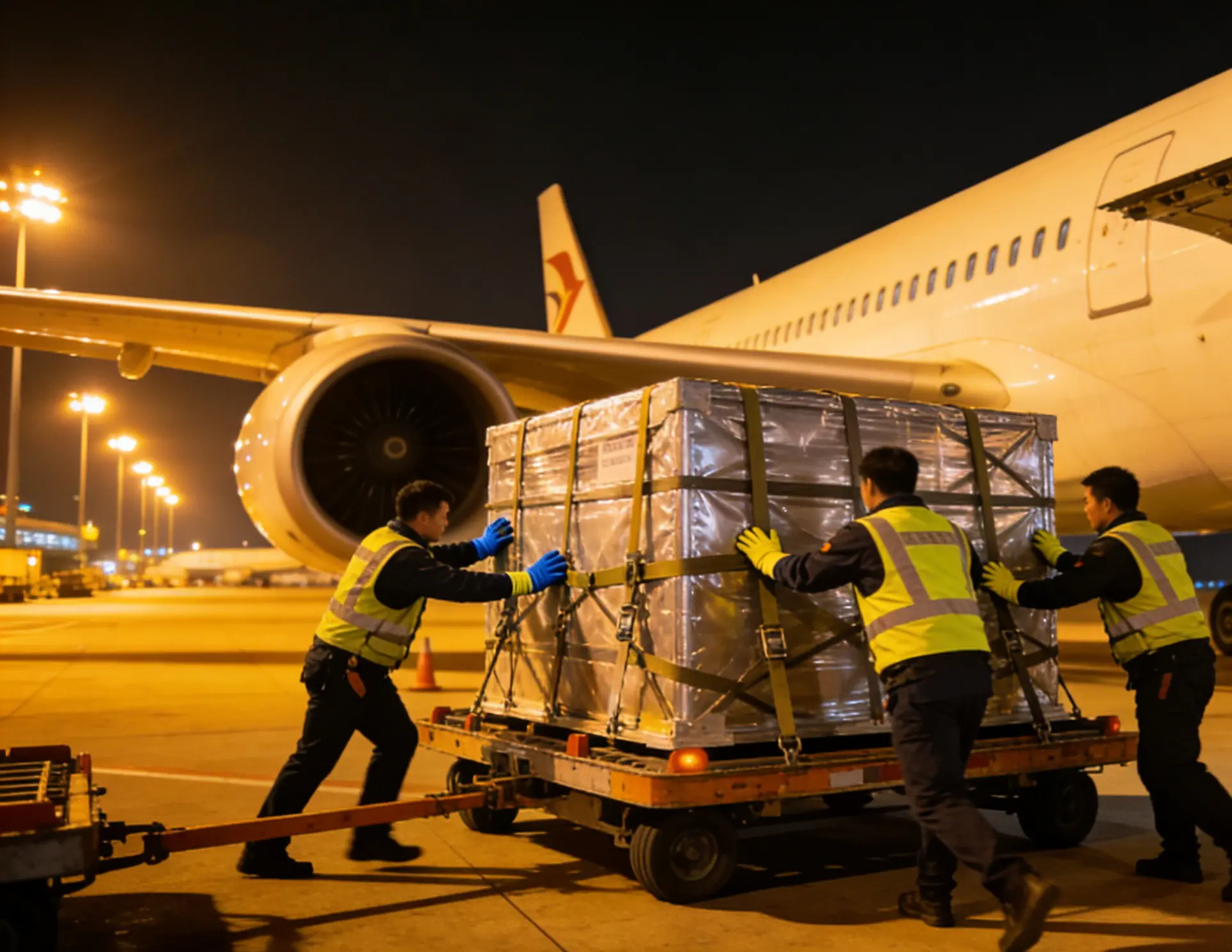
Air Freight Shipping from China to Nigeria: 2026 Cost & Time Guide
Are you importing from China to Nigeria? This comprehensive guide breaks down 2026 air freight costs, transit times, and mandatory customs documents. Discover how to avoid delays at Lagos airport and learn why utilizing a DDP service can eliminate the hassle of Form M and SONCAP compliance for your shipments.

Air Freight Shipping from China to UK: 2026 Ultimate Guide on Cost, Time & Customs
ir freight from China to the UK is the fastest way to restock, but hidden costs can destroy your margins. Learn how to calculate 2026 rates, avoid customs delays, and use PVA to protect your cash flow.
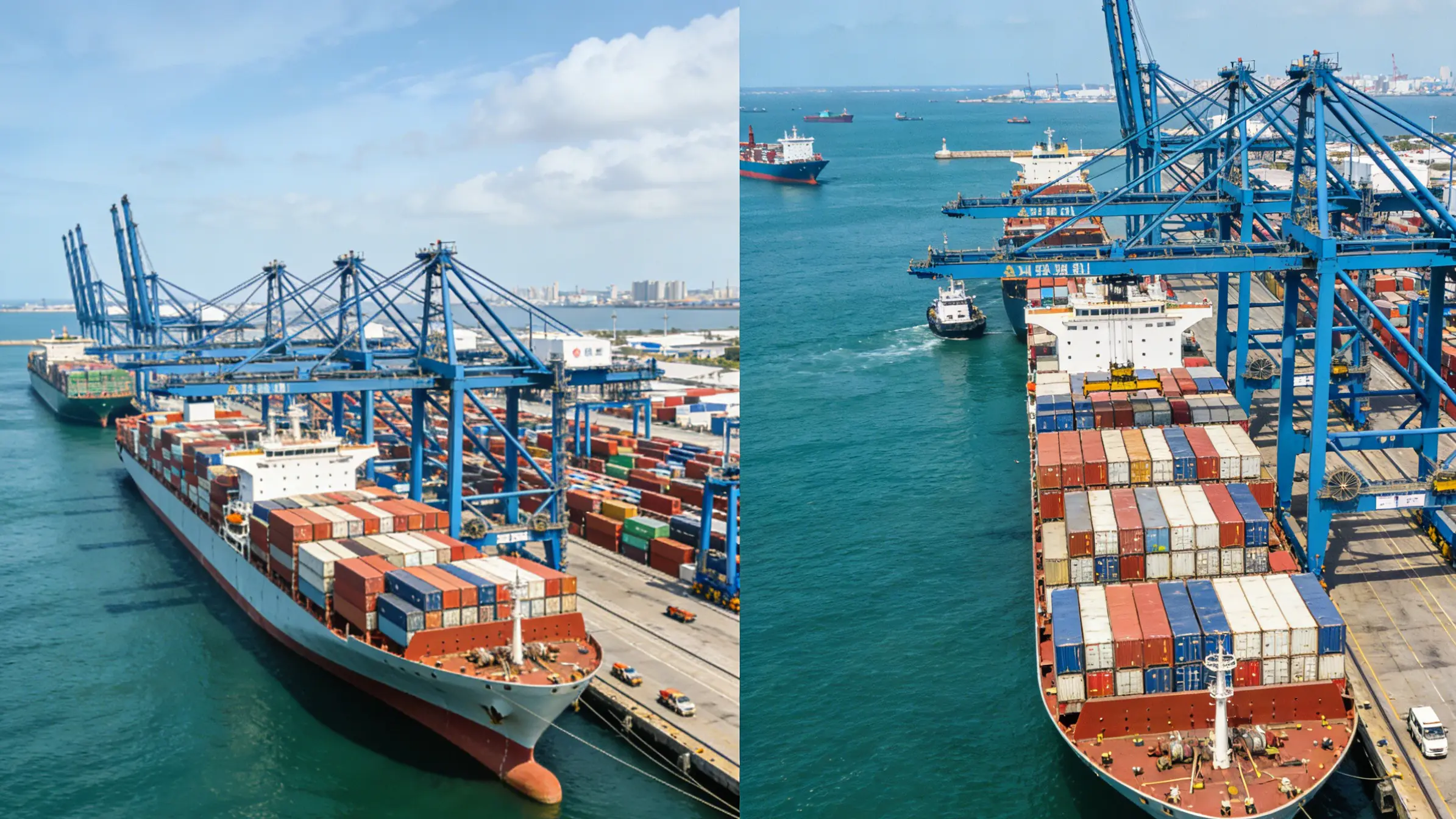
Cheapest Shipping from China to Tanzania: 2026 Cost Guide & Strategies
High freight costs eating into your profits? Learn how to secure the cheapest shipping rates from China to Tanzania, avoid hidden customs fees at Dar es Salaam, and choose the right method for your cargo.
Frequently Asked Questions
Find clear answers to the most common questions about shipping from China to Iran
There are three common options for shipping from China to Iran: sea freight (ocean), air freight, and door‑to‑door services. Sea freight is most economical for large or heavy shipments, air freight is faster for urgent or high‑value cargo, and door‑to‑door covers the full logistics chain from supplier pickup to final delivery.
- Sea freight: typically 20–40+ days depending on route, port schedules, and customs.
- Air freight: usually around 2–10 days including handling and clearance.
- Door‑to‑door: adds handling time beyond basic transport.
Shipping costs depend on cargo weight, size, type of goods, shipping method, and current market rates. Sea freight container costs and air freight per kilogram rates fluctuate frequently. For accurate pricing, contact us with your shipment details for a tailored quote.
Yes. We provide comprehensive customs clearance support for shipments into Iran. Our team helps prepare and submit required documents, work with customs authorities, and ensure compliance with Iranian import requirements.
We offer shipment tracking services so you can monitor your cargo’s status throughout the transport process. Real‑time updates are available upon request.
Yes. We provide cargo insurance options to protect your goods from loss, damage, or other transit risks. Insurance is recommended for high‑value or fragile items.
Cost factors include shipment size, freight method, and customs duties. Combining cargo for LCL (less than container load) or selecting FCL (full container load) for larger shipments, as well as choosing the most suitable route and timing, helps optimize cost vs. transit time.
Yes. We provide end‑to‑end door‑to‑door shipping, handling pickup from your supplier, export procedures, international transport, customs clearance, and final delivery to any specified address in Iran.
Ready to Ship from China to Iran with a Reliable Freight Forwarder?
Get a fast, transparent shipping quote tailored to your cargo, route, and delivery needs — no obligation, no hidden fees.
Shipments Handled from China
Customer Satisfaction Rate