Ever wondered what the standard shipping container dimensions are and how they affect your storage or transport needs? Understanding the right shipping container sizes is crucial for efficient logistics and cost savings. In this comprehensive guide, we’ll break down everything from 20ft and 40ft shipping container dimensions to capacity, load limits, and tips for choosing the best fit for your project. Explore the ins and outs of internal and external measurements to make informed decisions for your business.
What Are the Standard Shipping Container Dimensions?
In international shipping, standard shipping container dimensions are essential for planning cargo logistics, estimating shipping costs, and ensuring compatibility with global transport infrastructure. The two most common types are the 20-foot container (TEU) and the 40-foot container (FEU), both adhering to the International Organization for Standardization (ISO) standards. These containers facilitate seamless multimodal transportation between ships, trucks, and trains worldwide.
For importers sourcing goods from China, understanding these standardized dimensions is crucial. It helps optimize container loading, improves cost efficiency, and minimizes risks associated with misfit cargo or unexpected dimensional restrictions at ports. For most shipments, choosing a standard-sized container ensures compatibility with global ports and logistics providers like Efanda Logistics, thereby reducing transit delays and potential extra fees.
Below is an overview of the most common container types and their dimensions:
| Container Type | External Length | External Width | External Height | Internal Length | Internal Width | Internal Height | Door Width | Door Height | Max Gross Weight |
|---|---|---|---|---|---|---|---|---|---|
| 20ft Standard Container | 6.06 m (19’10”) | 2.44 m (8’0″) | 2.59 m (8’6″) | 5.90 m (19’4″) | 2.35 m (7’8″) | 2.39 m (7’10”) | 2.34 m | 2.28 m | 30,480 kg |
| 40ft Standard Container | 12.19 m (40’0″) | 2.44 m (8’0″) | 2.59 m (8’6″) | 12.03 m (39’5″) | 2.35 m (7’8″) | 2.39 m (7’10”) | 2.34 m | 2.28 m | 30,480 kg |
| 40ft High Cube | 12.19 m (40’0″) | 2.44 m (8’0″) | 2.89 m (9’6″) | 12.03 m (39’5″) | 2.35 m (7’8″) | 2.69 m (8’10”) | 2.34 m | 2.58 m | 30,480 kg |
These measurements are standardized to ensure interoperability and predictability in the shipping industry. For special cargo, there are also other types like open top containers, flat racks, and reefer containers. However, the vast majority of global shipments use the 20ft and 40ft standard containers.
Standard Shipping Container Sizes Overview
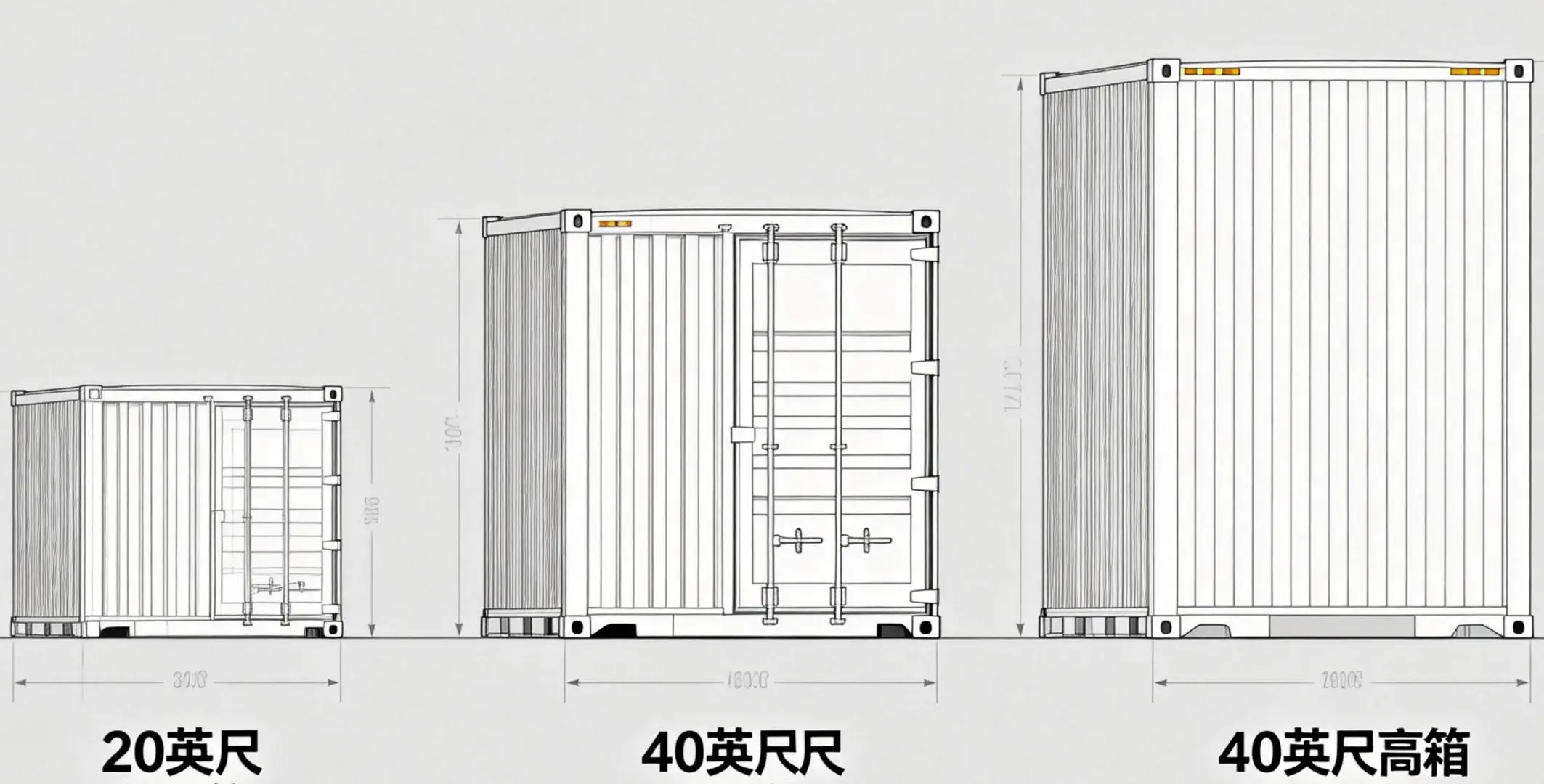
The ISO has defined a set of standard container sizes to streamline international freight. The two main sizes are:
- 20ft Container (also called TEU, or Twenty-foot Equivalent Unit): Typically used for heavy, dense freight.
- 40ft Container (FEU, or Forty-foot Equivalent Unit): Ideal for larger, lighter cargo where more volume is needed.
- High Cube Containers: An extra foot (about 30 cm) taller than standard, offering increased internal height for bulky goods.
These sizes allow for efficient stacking and handling at ports and on ships, trains, and trucks. The intermodal compatibility of these containers is crucial for the global supply chain, reducing the need for cargo repacking and minimizing the risk of damage.
For importers, knowing the exact container dimensions—both internal and external—is necessary to accurately plan cargo consolidation, calculate freight rates, and ensure compliance with shipping regulations. Reliable freight forwarders like Efanda Logistics can assist in assessing your cargo’s suitability for different container types and recommend the optimal solution based on your shipment profile.
When choosing a container, consider not only the length, width, and height, but also the payload capacity, door opening size, and any special requirements for your goods. Making the right choice contributes to cost savings, operational efficiency, and smoother customs clearance.
20ft Shipping Container Dimensions
A 20ft shipping container is one of the most widely used container types in international freight. Its standardized size makes it suitable for a variety of cargo, especially for businesses importing goods from China. Choosing the correct container size is crucial, as it directly impacts both cost efficiency and cargo safety.
The table below summarizes the standard dimensions of a 20ft shipping container:
| Specification | Measurement (Imperial) | Measurement (Metric) |
|---|---|---|
| External Length | 20 ft | 6.058 m |
| External Width | 8 ft | 2.438 m |
| External Height | 8 ft 6 in | 2.591 m |
| Internal Length | 19 ft 4 in | 5.898 m |
| Internal Width | 7 ft 8 in | 2.352 m |
| Internal Height | 7 ft 10 in | 2.393 m |
| Door Opening Width | 7 ft 8 in | 2.343 m |
| Door Opening Height | 7 ft 6 in | 2.280 m |
| Tare Weight | Approx. 4,850 lbs | Approx. 2,200 kg |
| Maximum Payload | Approx. 62,150 lbs | Approx. 28,200 kg |
| Cubic Capacity | 1,170 cu ft | 33.2 m³ |
Key points for importers:
- The 20ft container is best suited for shipping dense or heavy cargo, such as machinery, metals, or cartons that do not require significant volume.
- This container can typically accommodate about 10–11 standard pallets (depending on pallet type and loading method).
- The internal dimensions are slightly less than the external due to wall thickness.
When planning your shipment from China, accurately measuring your cargo and understanding the internal vs. external dimensions is essential to ensure proper fit and efficient space utilization. For tailored advice and a cost-effective shipping solution, it’s recommended to consult with a professional freight forwarder like Efanda Logistics.
If your shipment is destined for East Africa, you may find our detailed route guides for shipping from china to kenya and shipping from china to tanzania particularly helpful.
40ft Shipping Container Dimensions
The 40ft shipping container is another standard container size, ideal for large-volume shipments and for goods that are relatively lightweight but bulky. This container size is popular among importers moving goods from China to destinations around the world.
Below is a detailed breakdown of the standard 40ft shipping container dimensions:
| Specification | Measurement (Imperial) | Measurement (Metric) |
|---|---|---|
| External Length | 40 ft | 12.192 m |
| External Width | 8 ft | 2.438 m |
| External Height | 8 ft 6 in | 2.591 m |
| Internal Length | 39 ft 5 in | 12.032 m |
| Internal Width | 7 ft 8 in | 2.352 m |
| Internal Height | 7 ft 10 in | 2.393 m |
| Door Opening Width | 7 ft 8 in | 2.343 m |
| Door Opening Height | 7 ft 6 in | 2.280 m |
| Tare Weight | Approx. 8,380 lbs | Approx. 3,800 kg |
| Maximum Payload | Approx. 59,040 lbs | Approx. 26,760 kg |
| Cubic Capacity | 2,390 cu ft | 67.7 m³ |
Important considerations for 40ft containers:
- A 40ft container can hold about twice the volume of a 20ft container, making it cost-effective for large shipments.
- It is commonly used for furniture, textiles, consumer products, and other large-volume goods.
- The weight limit is slightly lower per cubic meter compared to a 20ft container, so it’s ideal for light, voluminous cargo rather than extremely heavy items.
Choosing between a 20ft and 40ft container depends on your cargo volume, weight, and shipping budget. Working with an experienced logistics provider ensures you select the most suitable container and optimize your international shipping process.If you are shipping to the Middle East, you may be interested in our page on shipping from china to uae.
40ft High Cube Container Dimensions
A 40ft High Cube container is a widely used shipping container type, especially for importers who require extra space for lightweight, voluminous cargo. Compared to a standard 40ft container, the High Cube version offers an additional foot in height, making it ideal for cargo that is bulky but not necessarily heavy.
Below is a detailed comparison table between a 40ft Standard Container and a 40ft High Cube Container, highlighting both external and internal dimensions:
| Specification | 40ft Standard Container | 40ft High Cube Container |
|---|---|---|
| External Length | 12.19 m (40 ft) | 12.19 m (40 ft) |
| External Width | 2.44 m (8 ft) | 2.44 m (8 ft) |
| External Height | 2.59 m (8 ft 6 in) | 2.90 m (9 ft 6 in) |
| Internal Length | 12.03 m (39 ft 5 in) | 12.03 m (39 ft 5 in) |
| Internal Width | 2.35 m (7 ft 9 in) | 2.35 m (7 ft 9 in) |
| Internal Height | 2.39 m (7 ft 10 in) | 2.69 m (8 ft 10 in) |
| Door Opening Width | 2.34 m (7 ft 8 in) | 2.34 m (7 ft 8 in) |
| Door Opening Height | 2.28 m (7 ft 6 in) | 2.58 m (8 ft 6 in) |
| Volume Capacity | 67.7 m³ (2,389 cu ft) | 76.4 m³ (2,698 cu ft) |
| Max Gross Weight | 30,480 kg (67,196 lbs) | 30,480 kg (67,196 lbs) |
| Tare Weight | 3,800 kg (8,377 lbs) | 4,200 kg (9,259 lbs) |
| Payload Capacity | 26,680 kg (58,819 lbs) | 26,280 kg (57,937 lbs) |
The most significant advantage of the 40ft High Cube container is the extra internal height, which translates to a greater internal volume. This makes it suitable for transporting oversized products, machinery, or goods that cannot be easily disassembled. When importing from China, understanding the precise dimensions ensures efficient cargo planning and optimal use of your container space.
For tailored shipping solutions and expert advice on choosing the right container size, partnering with a reliable freight forwarder can help minimize risks and reduce costs. If your cargo is headed to Europe, you may find our resources on shipping from china to uk insightful for European-bound shipments.
Shipping Container Internal vs External Dimensions
Understanding the difference between internal and external dimensions of a shipping container is crucial for efficient cargo planning and avoiding common shipping mistakes.
- External Dimensions: Refers to the measurements of the container from the outside edge to edge. These are standardized globally to ensure containers fit seamlessly on ships, trucks, and trains. The external dimensions are particularly important for transportation and logistics providers, as they determine compatibility with handling equipment and stacking limitations.
- Internal Dimensions: This is the usable space inside the container where goods are loaded. Due to the thickness of the container’s walls, doors, and floor, the internal dimensions will always be slightly less than the external ones. Internal space determines the maximum cargo volume you can utilize.
Below is a side-by-side comparison for better understanding:
| Feature | External Dimensions | Internal Dimensions |
|---|---|---|
| Purpose | Transportation, handling, stacking | Cargo loading and volume calculation |
| Measured From | Outside edge to edge | Inside wall to inside wall |
| Standardization | International (ISO) | Varies slightly by manufacturer |
| Impact on Cargo | Ensures intermodal compatibility | Defines actual usable space |
Key Takeaways:
- Always plan your cargo based on internal dimensions to avoid overloading or underutilizing container space.
- When calculating transport needs (such as truck or barge capacity), refer to external dimensions.
- For special cargo or oversized shipments, consult with your freight forwarder to ensure your goods fit within the usable space.
If you need precise measurements for your shipping project from China, Efanda Logistics can provide custom consultation and container fit assessments to optimize your international shipping process.
Shipping Container Capacity & Load Limits
Selecting the right shipping container involves understanding both its physical capacity and the legal weight limits enforced by shipping lines and ports. Misjudging these parameters can result in additional costs, shipment delays, or even cargo rejection at the port. Below is a detailed breakdown of container capacity and load limits to help you plan your shipments efficiently and compliantly.
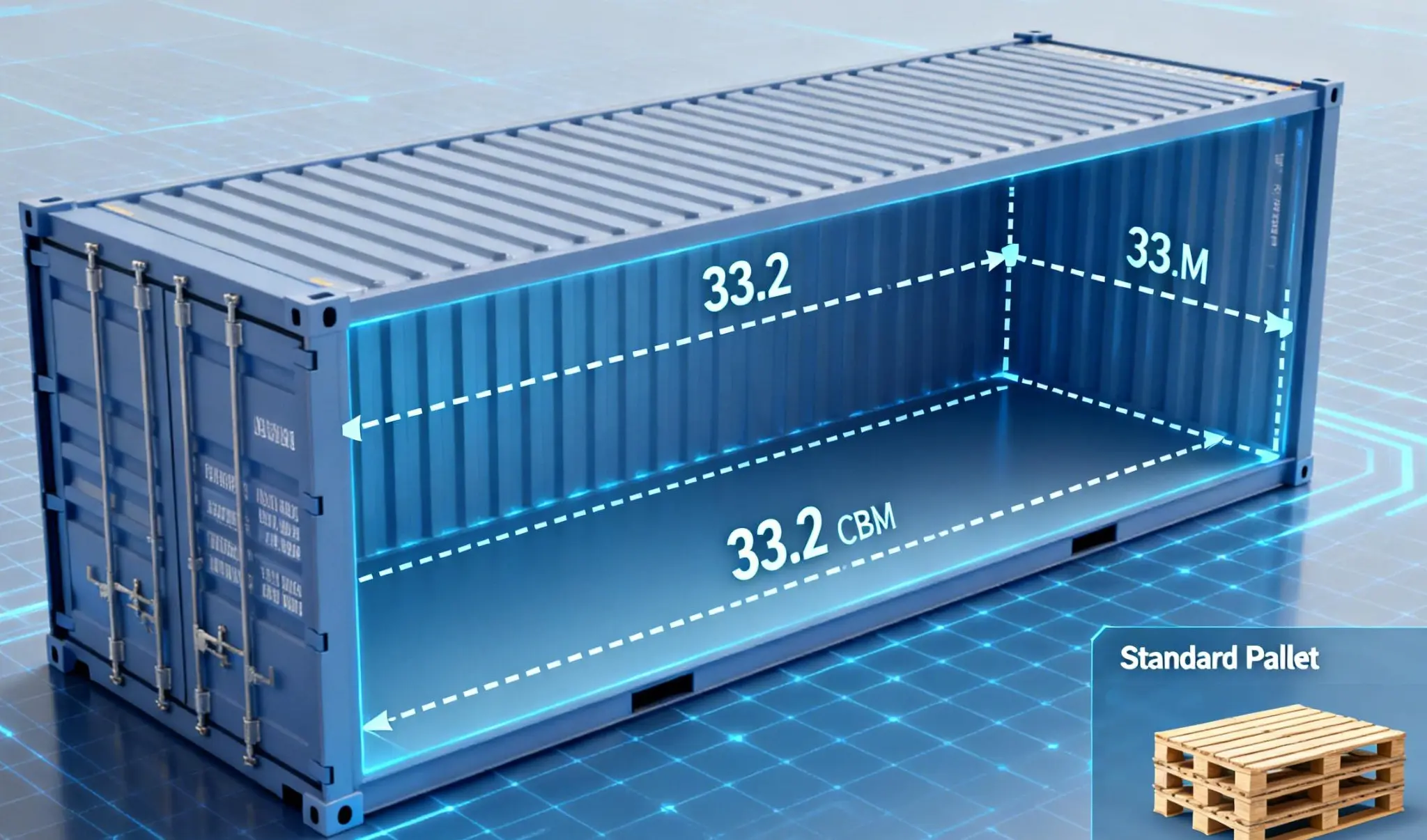
Standard Shipping Container Capacity Overview
| Container Type | Internal Volume (m³) | Max Gross Weight (kg) | Max Payload (kg) | Tare Weight (kg) |
|---|---|---|---|---|
| 20ft Standard | 33.1 | 30,480 | 28,200 | 2,280 |
| 40ft Standard | 67.7 | 30,480 | 26,680 | 3,800 |
| 40ft High Cube | 76.4 | 30,480 | 26,330 | 4,150 |
Internal Volume refers to the total space available for your goods inside the container.
Max Gross Weight is the combined weight of the container and its cargo, as allowed by international regulations.
Max Payload is the maximum weight of cargo that can be loaded, excluding the container’s own weight (tare weight).
Important Considerations
- Cargo Type: Heavy cargo (e.g., machinery, metals) may reach the weight limit before filling the container’s volume. Bulky, lightweight goods (e.g., furniture, clothing) may fill the space before reaching the weight limit.
- Port and Road Restrictions: Some countries/ports enforce stricter weight limits than the container’s design maximum. Always check local regulations.
- Proper Loading: Improper load distribution can lead to container damage or transport rejection. Distribute weight evenly and secure cargo.
Special Load Limit Cases
- Refrigerated Containers (“reefers”) typically have slightly lower payloads due to insulation and refrigeration units.
- Open Top/Flat Rack Containers may have unique limits—consult your freight forwarder for your cargo’s requirements.
For expert advice on shipping container capacity and compliance, contact Efanda Logistics—our specialists ensure your cargo meets all international shipping standards.
How to Choose the Right Shipping Container Size
Choosing the correct shipping container size is crucial for cost efficiency, cargo safety, and regulatory compliance. The right choice depends on your cargo’s volume, weight, type, and shipping route. Below is a step-by-step guide to help importers—especially those shipping from China—make informed decisions.
Step 1: Assess Your Cargo
- Volume: Calculate the cubic meters or feet needed. Use packaging dimensions to estimate total space required.
- Weight: Weigh your full shipment to ensure it won’t exceed the maximum payload of your chosen container.
- Type of Cargo: Fragile, perishable, or hazardous goods may need specialized containers (e.g., reefer, open-top).
Step 2: Compare Container Sizes
| Container Type | Best For | Main Limitations |
|---|---|---|
| 20ft Standard | Dense, heavy cargo (e.g., metals) | Limited volume for bulky goods |
| 40ft Standard | Bulky, light cargo (e.g., furniture) | May exceed payload before filling |
| 40ft High Cube | Bulky, oversized cargo | Higher cost; slightly heavier tare |
Step 3: Consider Shipping Route & Destination
- Some ports or roads have lower weight limits—select a container that matches not only your cargo but also the regulations of your destination.
- Shipping to North America or Europe? Efanda Logistics can provide route-specific advice and compliance checks. For those looking for details about exports to the Americas, see our dedicated guide on Shipping From China to USA.
Step 4: Optimize for Cost & Efficiency
- Consolidate shipments to make full use of container capacity.
- If your cargo is less than a container load (LCL), consider shared container services to save costs.
Step 5: Consult an Expert
Navigating container selection can be complex. For tailored solutions and compliance assurance, consult Efanda Logistics. Our team helps importers from China optimize shipments, avoid common pitfalls, and minimize costs.
Summary Table: Container Selection Checklist
| Factor | 20ft Container | 40ft Container | 40ft High Cube |
|---|---|---|---|
| Cargo Weight | ≤28,200 kg | ≤26,680 kg | ≤26,330 kg |
| Cargo Volume | 33.1 m³ | 67.7 m³ | 76.4 m³ |
| Best for | Heavy, dense goods | Bulky, light goods | Oversized/bulky goods |
| Route/Port Limitations | Fewer restrictions | Some road limits apply | Height can be an issue |
Understanding your cargo and destination is the first step. For reliable, cost-effective, and fully compliant containerized shipping, partner with established experts .
Quick Summary: Shipping Container Dimensions
When considering shipping container dimensions, the most commonly used types are the 20ft container, 40ft container, and 40ft high cube container. These containers are standardized to ensure compatibility across global shipping networks, making logistics planning and cargo optimization more predictable.
Below is a concise comparison of the key specifications for the most popular container sizes:
| Container Type | External Dimensions (L x W x H) | Internal Dimensions (L x W x H) | Door Opening (W x H) | Max Gross Weight | Typical Capacity (CBM) |
|---|---|---|---|---|---|
| 20ft Standard | 6.06m x 2.44m x 2.59m | 5.90m x 2.35m x 2.39m | 2.34m x 2.28m | 30,480 kg | 33–34 CBM |
| 40ft Standard | 12.19m x 2.44m x 2.59m | 12.03m x 2.35m x 2.39m | 2.34m x 2.28m | 30,480 kg | 67–68 CBM |
| 40ft High Cube | 12.19m x 2.44m x 2.89m | 12.03m x 2.35m x 2.69m | 2.34m x 2.58m | 30,480 kg | 76–78 CBM |
Note: All dimensions are approximate. Always confirm specific measurements with your logistics provider or Efanda Logistics for your shipment.
For most importers, selecting the right container size depends on cargo volume, weight, and nature of goods. Using the correct container dimensions ensures cost-efficiency and cargo safety during transit.
For more detailed guidance on shipping container dimensions and optimizing your freight shipments from China, contact Efanda Logistics—your trusted partner for reliable international logistics solutions.
If you’re shipping to Africa, you might also be interested in our route-specific pages, such as shipping from china to south africa and shipping from china to ghana.
Shipping Container Dimensions FAQ
Q1: What are the standard shipping container sizes?
A1: The most common sizes are 20ft (standard), 40ft (standard), and 40ft high cube containers. Each has standardized external and internal measurements to facilitate global shipping.
Q2: What is the difference between external and internal container dimensions?
A2: External dimensions refer to the total outside measurements of a container, important for transport and stacking. Internal dimensions indicate usable space inside, which is crucial for calculating cargo fit.
Q3: How much cargo can I load into a 20ft or 40ft container?
A3: A 20ft container typically fits about 33–34 cubic meters, while a 40ft container holds around 67–68 cubic meters. The 40ft high cube offers up to 76–78 cubic meters. Gross weight limits generally max out at 30,480 kg.
Q4: Are there other container sizes available?
A4: Yes, specialized sizes such as 45ft containers, open-top containers, and refrigerated containers exist for unique cargo needs. Always consult with Efanda Logistics to determine the optimal container for your cargo.
Q5: How do I choose the right container for my shipment from China?
A5: Consider the nature, volume, and weight of your cargo, as well as destination requirements and cost-efficiency. Reach out to experienced freight forwarders like Efanda Logistics for tailored recommendations.
Q6: Where can I find more information on container regulations and standards?
A6: Refer to resources such as the International Organization for Standardization (ISO) standards for containers and your shipping provider’s documentation.
Q7: What is the door opening size of shipping containers?
A7: Standard 20ft and 40ft containers offer door openings of approximately 2.34m (width) x 2.28m (height), while high cube containers provide a slightly taller door (2.58m height).