Are you struggling to calculate the true landed cost of your imports from China to Ethiopia? You are not alone. In our experience managing over 500 TEUs to Modjo Dry Port in the last quarter alone, we’ve seen firsthand how volatile the route has become.
As a landlocked nation, Ethiopia presents one of the most complex logistics environments in East Africa. For importers, the challenge isn’t just the ocean freight from Shanghai to Djibouti; it’s the intricate, often unpredictable inland journey to Addis Ababa. In 2026, this landscape has shifted dramatically. With the Ethiopian Shipping and Logistics (ESL) monopoly loosening, the floating of the Birr by the National Bank of Ethiopia, and the ongoing Red Sea crisis, the rules of the game have changed.
This comprehensive guide will demystify shipping container rates from China to Ethiopia. We won’t just give you a price list; we will explain the why and how behind the costs, empowering you to make smarter logistics decisions for your business.
1. Executive Summary: The State of Logistics in 2026
Ethiopia is China’s key trading partner in East Africa, yet it remains dependent on the Djibouti corridor for 95% of its maritime trade. According to the World Bank’s Djibouti overview, this corridor is the lifeline of the Ethiopian economy, handling millions of tons of cargo annually. This reliance sets it apart from coastal neighbors like Kenya and Tanzania, which manage their own ports.
For years, the state-owned ESL held a tight grip on this route, often mandating FOB terms for Letter of Credit (LC) shipments. However, 2026 brings new opportunities and risks:
- Multimodal Liberalization: The entry of private multimodal operators (MTOs) is finally challenging the ESL monopoly. We have successfully secured waivers for clients to use private lines like Maersk and COSCO for Franco Valuta shipments, saving an average of $400 per container on ocean freight.
- Forex Volatility: The floating of the Ethiopian Birr in late 2024 continues to impact import budgets. The exchange rate fluctuation directly affects the calculation of duties at Modjo, often leading to under-budgeting by inexperienced importers.
- Strategic Planning: Successful importers are now using a mix of rail and trucking to navigate the congestion at Modjo Dry Port.
2. 2026 Shipping Container Rates from China to Ethiopia (Cost Breakdown)
Disclaimer: The rates below are market estimates for Q1 2026. Freight rates are volatile and subject to weekly changes due to General Rate Increases (GRI), Bunker Adjustment Factors (BAF), and peak season demand.
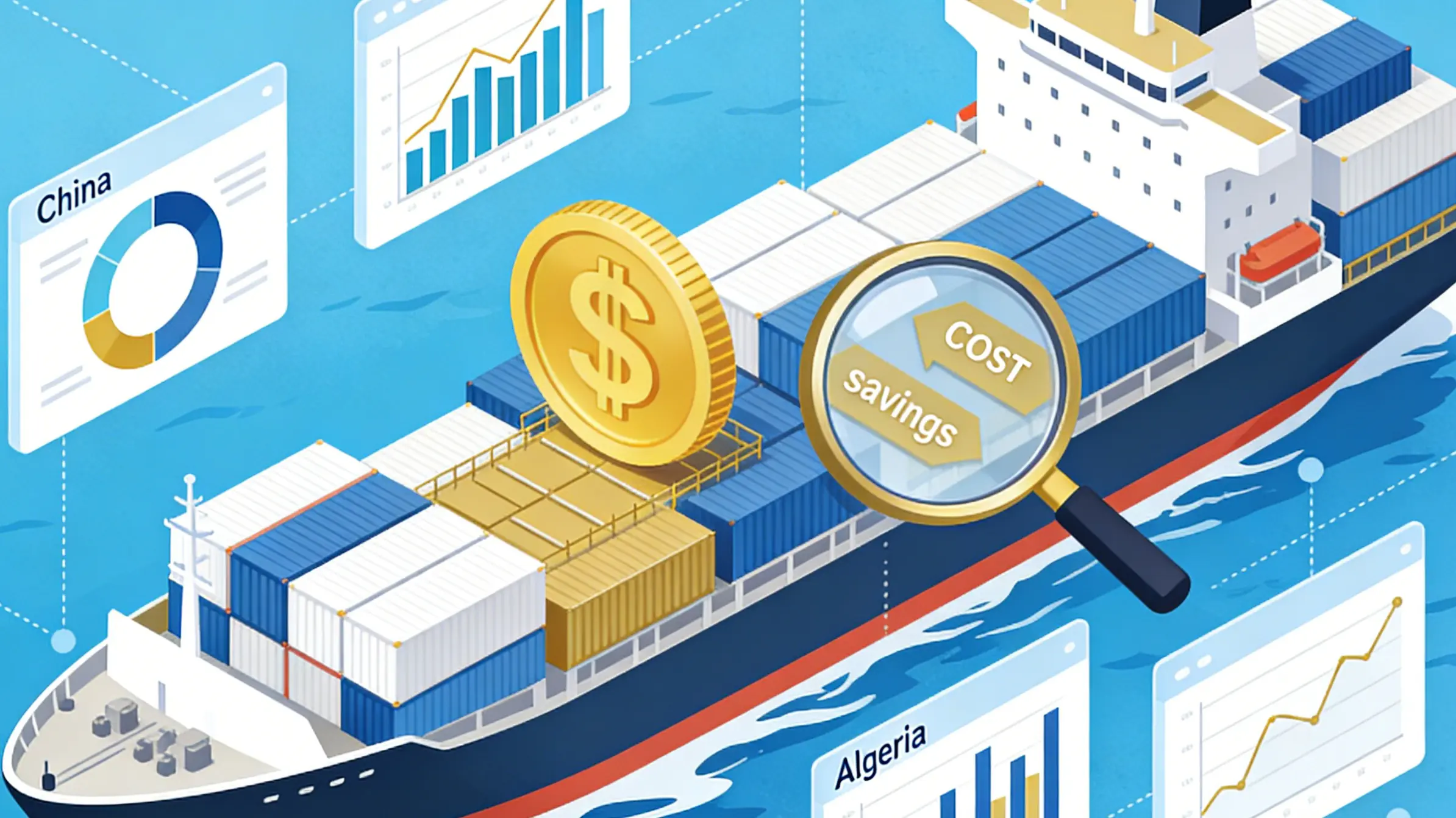
To give you a clear picture of where your money goes, we have visualized the cost components for a standard 20ft container.

2.1 Sea Freight Rates to Djibouti (The Gateway to Ethiopia)
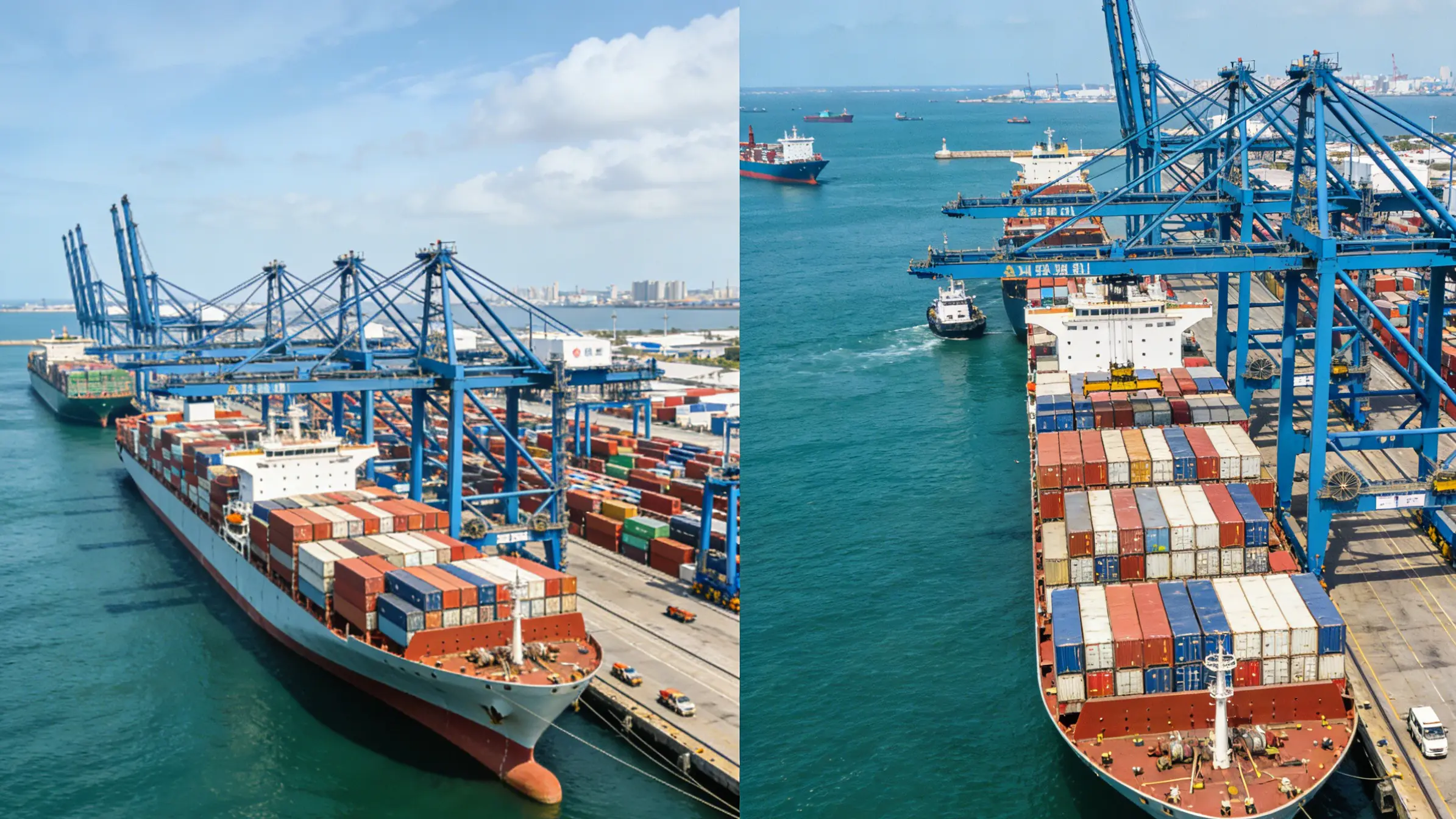
The first leg of your cargo’s journey is from major Chinese ports (Shanghai, Ningbo, Shenzhen, Guangzhou) to the Port of Djibouti.
20ft Container (FCL) Cost: $2,000 – $3,000 USD
- Best For: Heavy, dense cargo such as construction materials, tiles, machinery parts, and raw materials.
- Price Insight: While the base ocean freight might seem low, remember to factor in the Terminal Handling Charges (THC) at both origin and destination. A 20ft container becomes cost-ineffective if you are shipping voluminous, light goods.
40ft / 40HQ Container Cost: $4,000 – $5,500 USD
- Best For: Voluminous goods like textiles, garments, electronics, furniture, and household appliances.
- Price Insight: The 40ft High Cube (HQ) offers approximately 76 CBM of space compared to 67 CBM for a standard 40ft, usually for the same price. Always request a HQ if your cargo volume permits.
LCL (Less than Container Load) Rates: $80 – $150 per CBM
- Best For: Small trial orders, samples, or shipments under 10-15 CBM.
- Hidden Costs: Be wary of destination charges for LCL. While the ocean freight might look cheap ($80/CBM), the warehousing and deconsolidation fees at Djibouti and Modjo can be significant. For shipments over 15 CBM, a 20ft FCL is often cheaper overall.
2.2 Inland Transport Costs: Djibouti to Modjo Dry Port / Addis Ababa
This is where many importers face “bill shock.” The ocean leg is only half the battle. Moving cargo 750km from Djibouti to the Ethiopian hinterland is costly and operationally demanding.
Trucking Rates (Cross-border Transit)
- Cost: +$1,500 – $2,500 USD per container on top of ocean freight.
- Pros: Door to Door Shipping flexibility. Trucks can deliver directly to your warehouse in Kality, Lebu, or Semera if customs permits.
- Cons: Prone to delays at the Galafi border crossing. We have seen trucks delayed for 3-4 days due to security checks or road maintenance.
Ethio-Djibouti Railway
- Cost: Generally 15-20% cheaper than trucking.
- Pros: Faster transit (12-15 hours travel time), eco-friendly, and secure.
- Cons: Strict booking requirements. You must transport containers to the rail terminal in Djibouti (Nagad) and pick them up at Modjo or Indode. “Last mile” trucking is still required.
Total Landed Cost Estimation
To calculate your budget, combine the Sea Freight + Inland Transport + Estimated Duties:
- 20ft Total: ~$3,500 – $5,500 USD (Shipping Only)
- 40ft Total: ~$5,500 – $8,000 USD (Shipping Only)
- With Duties: Often double or triple the cargo value, depending on the HS code.
3. Air Freight Rates from China to Ethiopia
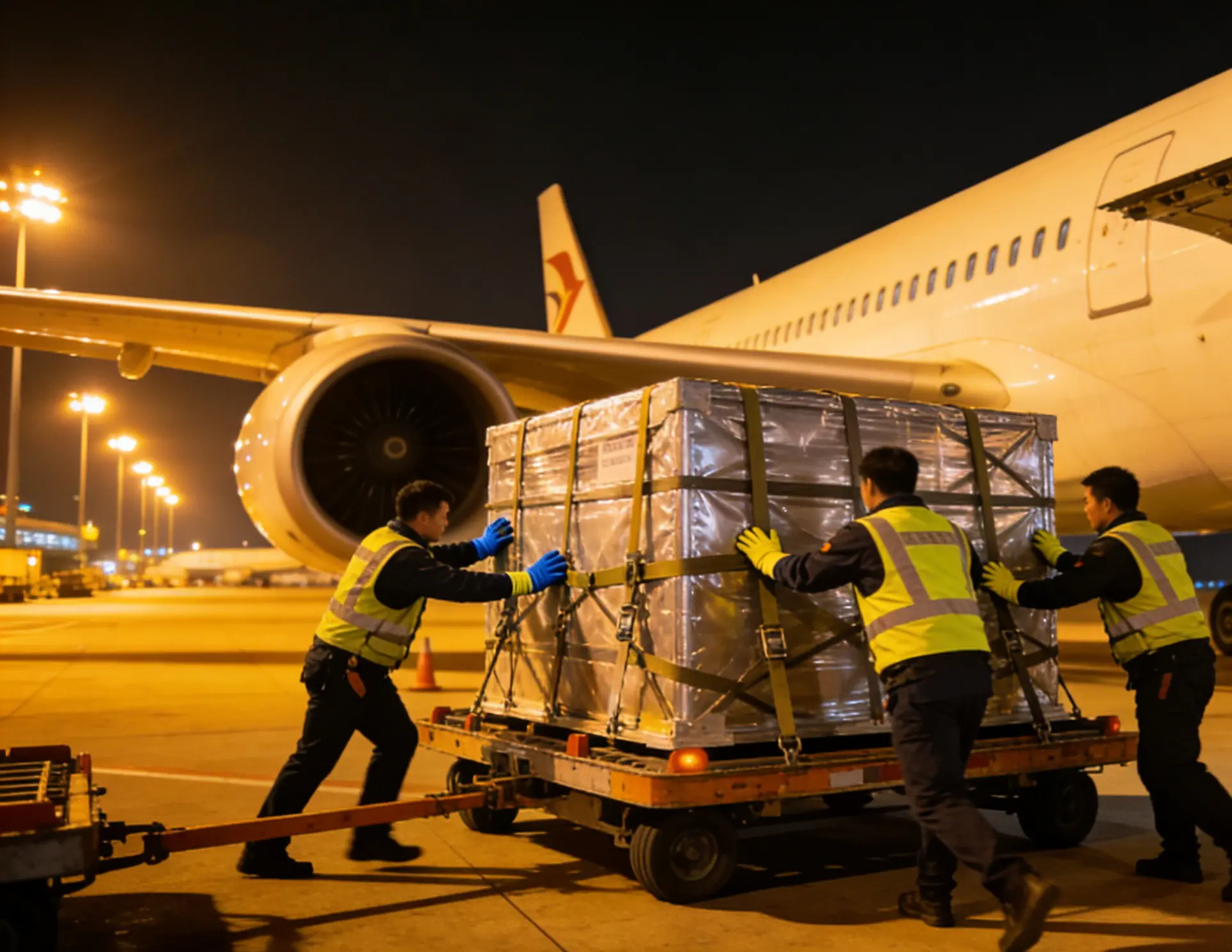
For urgent shipments, air freight is the lifeline. The primary hub is Addis Ababa Bole International Airport (ADD), the home base of Ethiopian Airlines.
- Standard Air Freight: $5.00 – $8.00 per kg
- Rates depend on chargeable weight (Gross Weight vs. Volumetric Weight).
- Express Couriers (DHL/FedEx/UPS): $8.00 – $12.00+ per kg
- Best for documents and very small parcels.
- Transit Time: 3-5 Days (Direct flights from Guangzhou/Shanghai/Beijing/Chengdu).
- Ideal For: High-value electronics (phones, laptops), urgent medical supplies, pharmaceutical cold chain, and production-critical spare parts.
4. Key Factors Affecting Your Shipping Costs in 2026
Why do rates fluctuate? Understanding these factors proves your expertise and helps you mitigate risks.
4.1 The ESL (Ethiopian Shipping Lines) Factor
Historically, the National Bank of Ethiopia (NBE) required all imports under Letter of Credit (LC) to be shipped on FOB terms using ESL vessels. This effectively created a monopoly.
- The Change: In 2026, while ESL remains dominant, waivers are increasingly granted for private MTOs (Multimodal Transport Operators) if ESL cannot meet capacity or schedule requirements.
- Your Strategy: If you are shipping via Franco Valuta (using your own offshore forex), you have the freedom to choose private forwarders like Efanda, often securing better rates and service than the state carrier.
4.2 Regulatory Updates & Forex Shortage
- Forex Floating: Since July 2024, the Birr’s value is market-determined. This has increased the local currency cost of duty payments and local handling charges. According to the IMF’s Ethiopia Country Report, these reforms are intended to stabilize the economy long-term but cause short-term inflationary pressure on imports.
- Bank Permits: Securing a bank permit for forex allocation remains the biggest bottleneck. Ensure your Proforma Invoice (PI) is accurate to the cent to avoid permit rejection.
4.3 Operational Challenges
- Red Sea Crisis: Vessels transiting the Bab el-Mandeb strait to reach Djibouti face war risks. Carriers now impose a War Risk Surcharge (WRS), ranging from $500 to $1,000 per TEU (Twenty-foot Equivalent Unit).
- Port Congestion: Djibouti is a transshipment hub. During peak seasons (Aug-Oct), “dwelling time” increases. The Djibouti Ports & Free Zones Authority (DPFZA) strictly enforces storage fees. If your container sits at the port for more than the free days (usually 7-14 days), you will incur heavy Demurrage and Detention fees.
5. Transit Time: How Long Does Shipping Take?
Time is money. Here is a realistic timeline for 2026 based on our tracking data.

- Sea Leg (China Ports -> Djibouti):
- From South China (Shenzhen/Guangzhou): 20 – 25 days
- From East China (Shanghai/Ningbo): 24 – 30 days
- From North China (Qingdao/Tianjin): 30 – 35 days
- Djibouti Port Handling: 3 – 7 days
- Includes discharge, transit documentation, and loading onto truck/rail.
- Inland Transport (Djibouti -> Modjo):
- Truck: 3 – 5 days (dependent on border queues).
- Rail: 1 – 2 days (excluding waiting time for wagon allocation).
- Final Clearance: 2 – 5 days (highly dependent on document readiness).
Total Lead Time: Plan for 35 – 50 days from factory door in China to warehouse door in Addis Ababa.
6. Step-by-Step Import Procedure for Ethiopian Businesses
Navigating the bureaucracy is as important as moving the box. Here is the exact procedure we follow for our clients:
- Secure Bank Permit: Submit your supplier’s PI to your Ethiopian commercial bank to get forex approval. This is the “Golden Ticket” without which nothing moves.
- Choose Incoterms:
- FOB (Free On Board): You control the shipping. Mandatory for most LC shipments.
- CIF (Cost, Insurance, Freight): Supplier handles shipping. Common for Franco Valuta or non-LC shipments.
- Booking & Loading: Once the goods are ready, your forwarder books the vessel. Pro Tip: Always ask for photos of the empty container before loading to avoid damage claims later.
- Documentation: Ensure the Bill of Lading (BL), Commercial Invoice, and Packing List match the Bank Permit exactly. Any discrepancy (e.g., “1000 kgs” vs “1 MT”) can cause weeks of delay at customs.
- Djibouti Transit (The “Gate Pass”): Upon arrival in Djibouti, a “Gate Pass” is issued to allow the cargo to move in bond to Ethiopia. This requires a guarantee bond, which your forwarder provides.
- Final Clearance at Modjo/Kality: You or your clearing agent will handle Customs Clearance. You must pay duties (calculated on CIF value) before the goods are released. Visit the Ethiopian Customs Commission website for the latest tariff book.
7. Why Partner with Efanda for China-Ethiopia Logistics?
Shipping to Ethiopia requires more than just booking a slot on a ship; it requires “boots on the ground” knowledge.
- Expertise in “Gate Pass” Operations: We understand the intricate documentation required to move goods seamlessly from Djibouti to Ethiopia, minimizing delays at the border.
- Flexible Options: Whether you need to book via ESL for LC compliance or want the speed of a private line for Franco Valuta cargo, we have the network.
- Transparent Pricing: No hidden fees. We break down Ocean Freight, Port Charges, and Transit Fees so you know exactly what you are paying for.
- Local Network: Our strong relationships with agents in Modjo and Addis Ababa ensure that if a problem arises, we can solve it locally.
- Comprehensive Services: Beyond shipping, we offer Warehouse Services for consolidation and Cargo Insurance Services for peace of mind.
8. FAQ: Shipping from China to Ethiopia
Q: What is the cheapest way to ship to Ethiopia?
A: The most economical method is typically FCL via Sea Freight combined with Rail transport to Modjo Dry Port. Consolidating smaller shipments into a single 40ft container also lowers the per-unit cost significantly.
Q: Can I pay freight in Birr?
A: Generally, international sea freight must be paid in USD. However, if you use ESL, you may be able to pay the freight portion in Birr, depending on current NBE regulations. Local clearing and transport charges within Ethiopia are paid in Birr.
Q: How do I calculate customs duty in Ethiopia?
A: Duties in Ethiopia are cumulative and high. They typically include:
- Customs Duty (0-35%)
- Excise Tax (varies, high for cars/luxuries)
- VAT (15%)
- Surtax (10%)
- Withholding Tax (3%)
- Always verify the exact HS Code with a local clearing agent before shipping.
Q: Does Efanda handle personal effects?
A: Yes, but personal effects require specific “Duty-Free Privileges” documents from the Ministry of Foreign Affairs or relevant authority. Without these, duties will apply as if they were commercial goods.
Ready to streamline your supply chain? Contact Efanda Logistics today for a tailored shipping quote from China to Ethiopia.