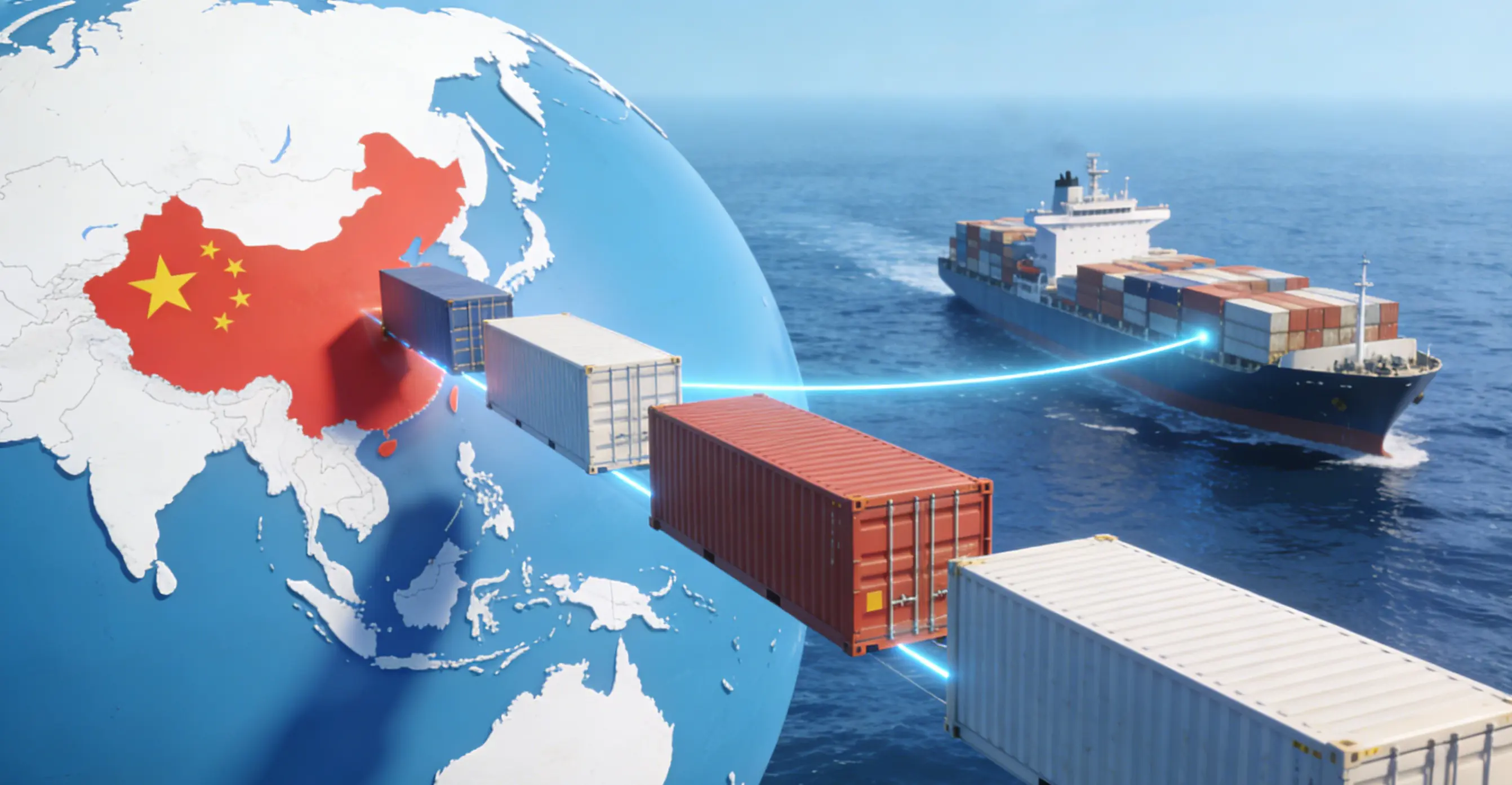
Are you trying to calculate the shipping cost from China to Australia without getting surprised by hidden destination fees, customs delays, or tax miscalculations? You are not alone. Many importers get a freight quote quickly, but still struggle to predict true landed cost per unit. This guide gives you a practical, decision-focused framework you can use before you place your next purchase order. If you also need lane-level service details, see Shipping From China to Australia.
Updated context window: Q1 2026 market conditions and publicly available Australia import compliance information, with regulatory references from Australian Border Force (ABF), DAFF BICON, and ATO GST on imported goods.
Key Takeaways for China to Australia Shipping Costs
The short answer is that shipping cost from China to Australia depends on mode, shipment profile, route, season, and compliance complexity, not only the base freight rate. sea freight is usually cheaper for larger cargo, while air freight is faster for urgent replenishment. A reliable budget must include freight, local charges, duty, GST treatment, and a risk buffer.
- Sea freight is usually the cost leader for non-urgent shipments and heavier volumes.
- Air freight often protects revenue when stockout risk is higher than freight premium.
- LCL can look cheap on a per-CBM quote but become expensive after origin and destination handling.
- FCL becomes more competitive as cargo volume increases and handling complexity drops.
- Your final landed cost is freight + origin costs + destination costs + duty/tax + delay contingency.

What Determines Shipping Cost from China to Australia?
The direct answer is that your total cost is mainly driven by cargo dimensions, mode choice, port pair, seasonal capacity, and how cleanly your shipment clears Australian compliance checks.
Cargo Profile Factors
The first cost lever is cargo profile because carriers price by either container slot, CBM, or chargeable weight. Low-density cargo often pays more than expected in air freight because volumetric weight replaces gross weight. In sea freight, poor packaging efficiency inflates CBM and raises LCL cost.
Route and Port Pair Impact
Your origin and destination ports matter because each pair has different sailing frequency, terminal conditions, and inland transfer costs. For example, Shanghai–Sydney and Shenzhen–Brisbane can show different total landed outcomes even when headline freight looks similar.
Seasonality and Capacity Cycles
Seasonality changes cost fast. Chinese New Year, Golden Week, and pre-peak replenishment periods can push rates and reduce schedule reliability. In our operations, the importers who lock space earlier and keep shipment specs stable usually avoid the worst premium spikes. We have repeatedly seen last-minute carton-count changes trigger rebooking fees and missed vessel cut-offs, which then create a second wave of destination storage and delivery-slot costs.
Surcharges and “Invisible” Fee Layers
Base freight is never the full picture. Common add-ons include fuel-related charges, peak season surcharges, documentation fees, terminal handling, and destination release fees. The right question is not “What is the freight rate?” but “What is the all-in landed scenario under this Incoterm?”
Sea Freight Cost Breakdown (FCL vs LCL)
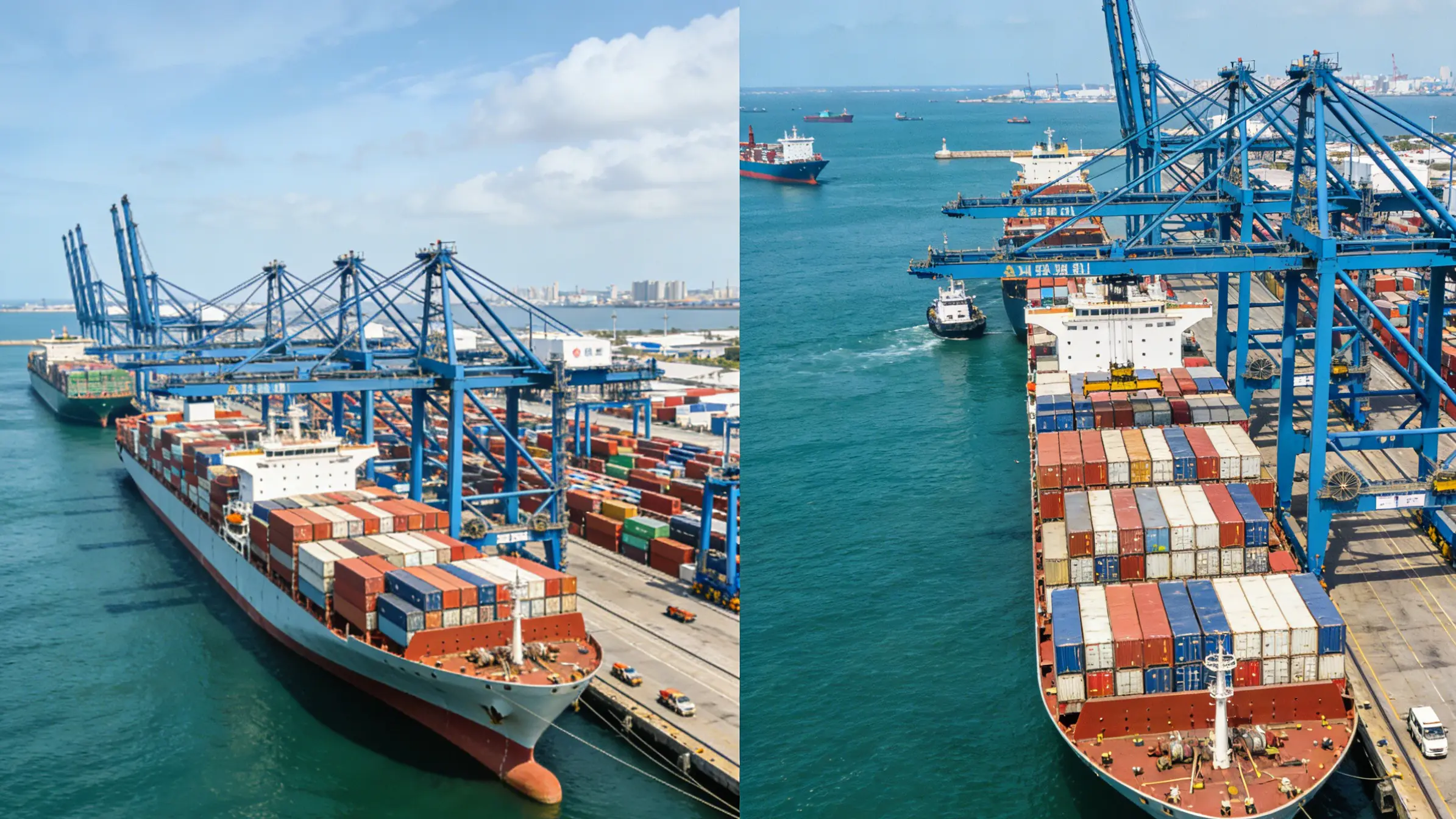
The direct answer is that sea freight usually gives the lowest per-unit logistics cost, but FCL vs LCL should be decided by total landed economics, not by one quote line.
FCL Pricing Logic
FCL is a flat container-based model, usually for 20GP or 40GP. You pay for the box, not each cubic meter. This model often wins when your shipment volume is high enough, you want less cargo handling, and you need better predictability at destination.
LCL Pricing Logic
LCL is usually charged by CBM, but consolidation and deconsolidation create additional handling layers. That means small cargo can be flexible, but timelines are typically longer and fee structure is more fragmented.
Practical Crossover Range
A practical planning rule many importers use is to test both models when shipment size approaches the low-to-mid teens in CBM. Around that zone, the “cheaper” option can flip after destination handling and clearance-related fees are added.
Sea Transit Time Expectations
Typical sea transit planning from major China ports to major Australia ports is often in the high-teens to mid-20s day range for FCL services, while LCL can extend further due to consolidation processes. Door-to-door lead time should include inland trucking, customs processing, and delivery slot constraints.
| Mode | Typical Pricing Structure | Typical Transit Pattern | Best For | Main Risk |
|---|---|---|---|---|
| FCL 20GP/40GP | Flat per container | Usually faster and steadier than LCL | Medium-to-large volume import programs | Spot-market volatility |
| LCL | Per CBM + handling layers | Usually slower than FCL | Small batches, testing SKUs | More touchpoints and delay risk |

Air Freight and Express Cost Breakdown
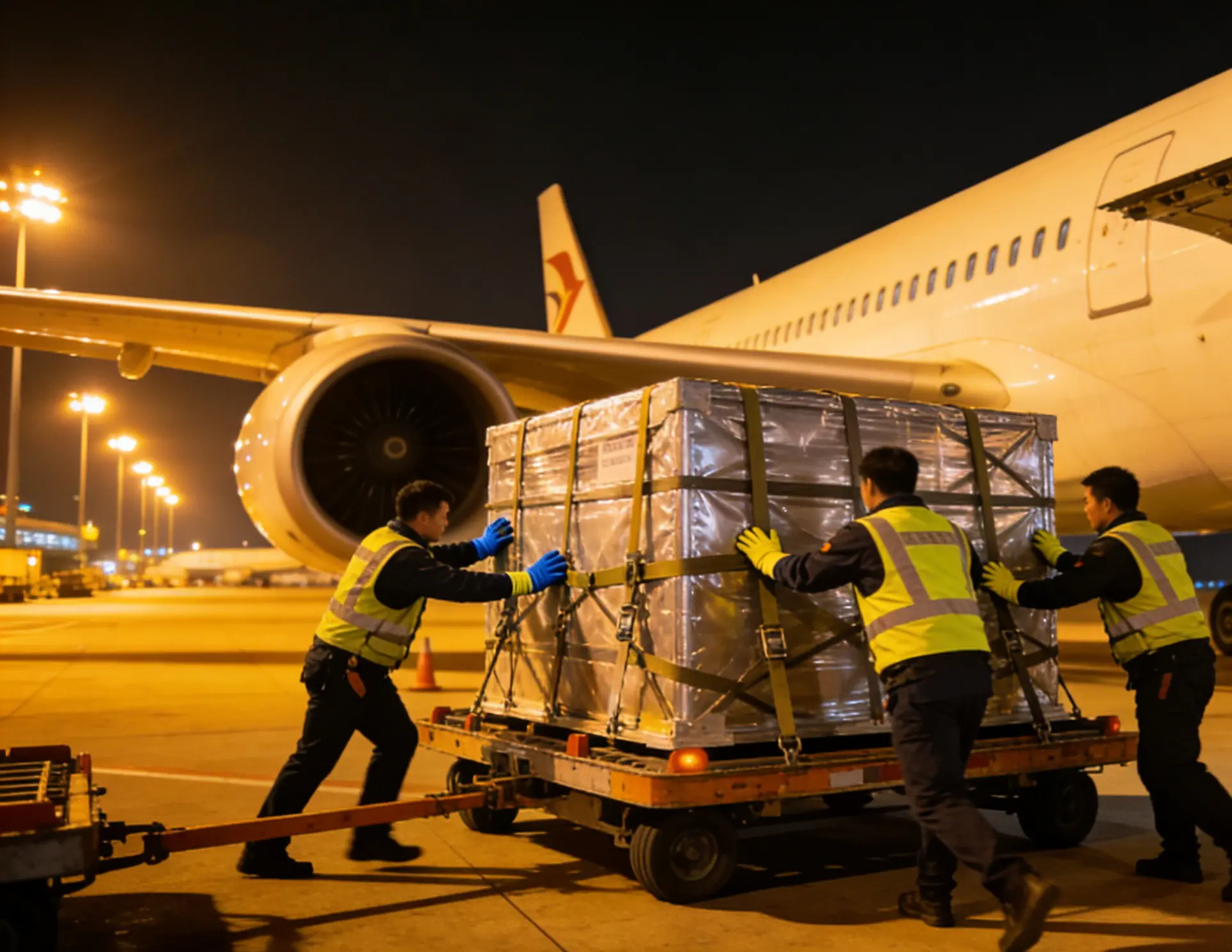
The direct answer is that air freight costs more than sea freight but can reduce total business loss when urgency, margin, or stock continuity is critical.
Standard Air vs Express
Standard air cargo is typically lower cost than express but may involve longer handling windows. Express services cost more per kilogram but can simplify timelines for highly time-sensitive shipments.
Chargeable Weight Reality
Air freight is billed on chargeable weight, meaning the higher value between gross and volumetric weight. If your cartons are light but bulky, your real cost can rise quickly. We usually recommend validating dimensions before purchase orders are finalized to prevent margin shocks.
When Air Freight Is the Smarter Financial Choice
Air can be economically correct when stockout penalties, campaign deadlines, or high-margin product windows outweigh freight premium. This is especially true for urgent replenishment, seasonal launches, or high-value electronics with tight cash conversion windows.
Airport Pair and Final-Mile Effects
Even with similar line-haul rates, final costs change by airport congestion, handling speed, customs release rhythm, and local distribution complexity. Always compare full door to door shipping scenarios, not only airport-to-airport quotes.
Australia Import Duties, GST, and Compliance Costs
The direct answer is that customs and tax treatment can materially change your landed cost, so compliance planning must start before shipment departure, not after arrival.
Duty and HS Code Classification
Duty outcomes depend on correct HS classification and product specifics. Classification errors can trigger reassessment, delay, and additional cost. Importers should align product description, invoice wording, and classification logic before cargo is booked, using the WCO Harmonized System framework as a baseline and then validating Australia-specific tariff treatment.
GST and Taxable Value Planning
GST treatment and taxable base calculations are essential to cash-flow planning. If your model ignores tax timing and declaration workflow, your “profitable” quote can turn negative in landed-cost reality.
ABF and DAFF Touchpoints
The Australian Border Force and Department of Agriculture, Fisheries and Forestry are critical process nodes for customs and biosecurity. Documentation quality, commodity risk, and treatment requirements all influence clearance speed and cost.
Common Clearance Failure Points
The most frequent issues include inconsistent invoice values, incomplete permits, and unclear commodity descriptions. In our experience, pre-departure document review is one of the highest-ROI actions an importer can take.

Step-by-Step Method to Estimate Total Landed Cost
The direct answer is to calculate landed cost in sequence, using one consistent cargo profile across multiple freight scenarios, then compare all-in outcomes.
- Confirm Incoterms® 2020 (EXW, FOB, CIF, DDP) and responsibility boundaries.
- Build at least two freight scenarios (for example: FCL vs LCL, or sea vs air).
- Add origin charges and destination charges, not only line-haul freight.
- Add duty, GST treatment, broker and compliance-related fees, including customs clearance where applicable.
- Add a contingency buffer for delay, surcharge shifts, FX movement, and optional cargo insurance services.
- Convert total landed cost to per-unit economics before approving production.
Landed Cost Planning Template
Use this simple structure in your quote review:
| Cost Block | Include | Why It Matters |
|---|---|---|
| Supplier Terms | Product value, Incoterm | Defines who pays each logistics segment |
| Origin Segment | Pickup, export docs, terminal fees | Often omitted in early quote checks |
| Main Freight | Sea/Air/Express line-haul | Core transport cost, but not total cost |
| Destination Segment | Handling, release, delivery | Common source of “surprise fees” |
| Compliance & Tax | Duty, GST, inspection, broker | Directly impacts release and cash flow |
| Risk Buffer | Delay, surcharge, FX | Protects margin under volatility |
How to Reduce Shipping Cost from China to Australia Without Increasing Risk
The direct answer is that cost reduction works best when you optimize planning discipline, not when you simply choose the lowest quote.
1) Optimize Packaging and Consolidation
You lower cost when carton and pallet dimensions are designed for freight efficiency. Better cube utilization reduces paid volume and improves container economics.
2) Choose Better Booking Windows
You reduce premium exposure by planning around predictable seasonal spikes. Stable forecast + early space booking usually beats last-minute negotiation.
3) Use Incoterm Structure Strategically
Many first-time importers overpay under supplier-controlled models because destination charges are opaque. A controlled FOB workflow often improves cost visibility and decision quality.
4) Control Demurrage and Detention Risk
Demurrage and Detention can erase hard-won freight savings. Strong milestone tracking for documents, customs release, and transport booking is critical.
5) Prepare Compliance Before Departure
A pre-shipment compliance checklist cuts delay probability. Correct product descriptions, complete documents, and permit checks are usually cheaper than post-arrival corrections. In our team’s daily workflow, a 20-minute pre-alert document audit before vessel departure often prevents multi-day holds after arrival.
Why Choose Efanda Logistics for China–Australia Shipments?
The direct answer is that Efanda Logistics helps importers manage the full landed-cost equation, not only freight booking.
- We build transparent quote structures so you can see likely destination and compliance-related costs early.
- We compare sea, air, and mixed strategies against your margin and inventory goals.
- We coordinate documentation and clearance workflow to reduce avoidable delays.
- We provide execution visibility and exception handling for better control over delivery outcomes.
If you want, our team can map your current shipment profile and provide a side-by-side landed-cost model before you commit to your next order cycle.
Frequently Asked Questions (FAQ)
How much does it cost to ship a 20ft or 40ft container from China to Australia?
The practical answer is that rates move with season, route, and carrier capacity, so treat any number as time-bounded. Always compare all-in landed scenarios, not only base freight.
Is LCL always cheaper than FCL for small shipments?
No. LCL can be flexible for small volume, but once handling layers and destination charges are included, FCL may become more economical near crossover volume levels.
How long does shipping from China to Australia usually take?
Sea freight is usually measured in weeks, while air freight is measured in days. Real delivery lead time depends on consolidation, customs, local handling, and final-mile scheduling.
What is included in total landed cost besides freight?
Include origin costs, destination costs, customs/broker costs, duty, GST treatment, and a realistic contingency buffer for delays and surcharge changes.
Do I need a customs broker for Australia imports?
Most importers use a licensed broker or brokerage-enabled forwarder because declaration quality and compliance workflow directly affect release speed and total risk.
How can I avoid Demurrage and Detention?
Align document readiness, customs entry timing, and pickup scheduling before vessel arrival, and track free-time windows closely to avoid avoidable storage and equipment penalties.
Which Incoterm is usually best for importers buying from China?
For many importers, FOB is a strong control model because it gives clearer freight visibility and avoids some destination-side surprises. The best choice still depends on your team capability and risk appetite.
Final Recommendation
The direct answer is simple: if you want predictable profit, manage shipping as a landed-cost strategy, not as a single freight quote. Start with the right Incoterm, compare full scenarios, and validate compliance before departure. This is how importers reduce cost without increasing operational risk.
Disclaimer: Freight rates, surcharges, transit times, and regulatory interpretations can change quickly by month, route, commodity, and policy update. This guide is for planning and education, not legal or tax advice. Confirm your latest shipment details with licensed customs and freight professionals before booking.