Are you struggling to calculate the exact shipping cost from China to johannesburg for your next import batch? For many importers, planning logistics to an inland economic hub like Johannesburg presents unique challenges. Unlike coastal cities such as Cape Town or Durban, cargo bound for Gauteng province must first navigate coastal ports—often facing severe Durban port congestion—before undergoing a lengthy inland rail or trucking journey. These multi-leg intermodal routes often lead to unpredictable transit times, unexpected inland trucking fees, and hidden administrative charges that can quickly erode your profit margins if not properly accounted for in your initial sourcing budget.
This comprehensive guide will break down the true, landed costs for both sea freight and air freight in 2026. We will reveal the hidden South African customs fees that catch many first-time buyers off guard, explain the critical differences in transit routing, and provide you with actionable, proven tips to optimize your supply chain, reduce volumetric weight, and save money on your next shipment from China.
How Much is the Shipping Cost from China to Johannesburg in 2026?
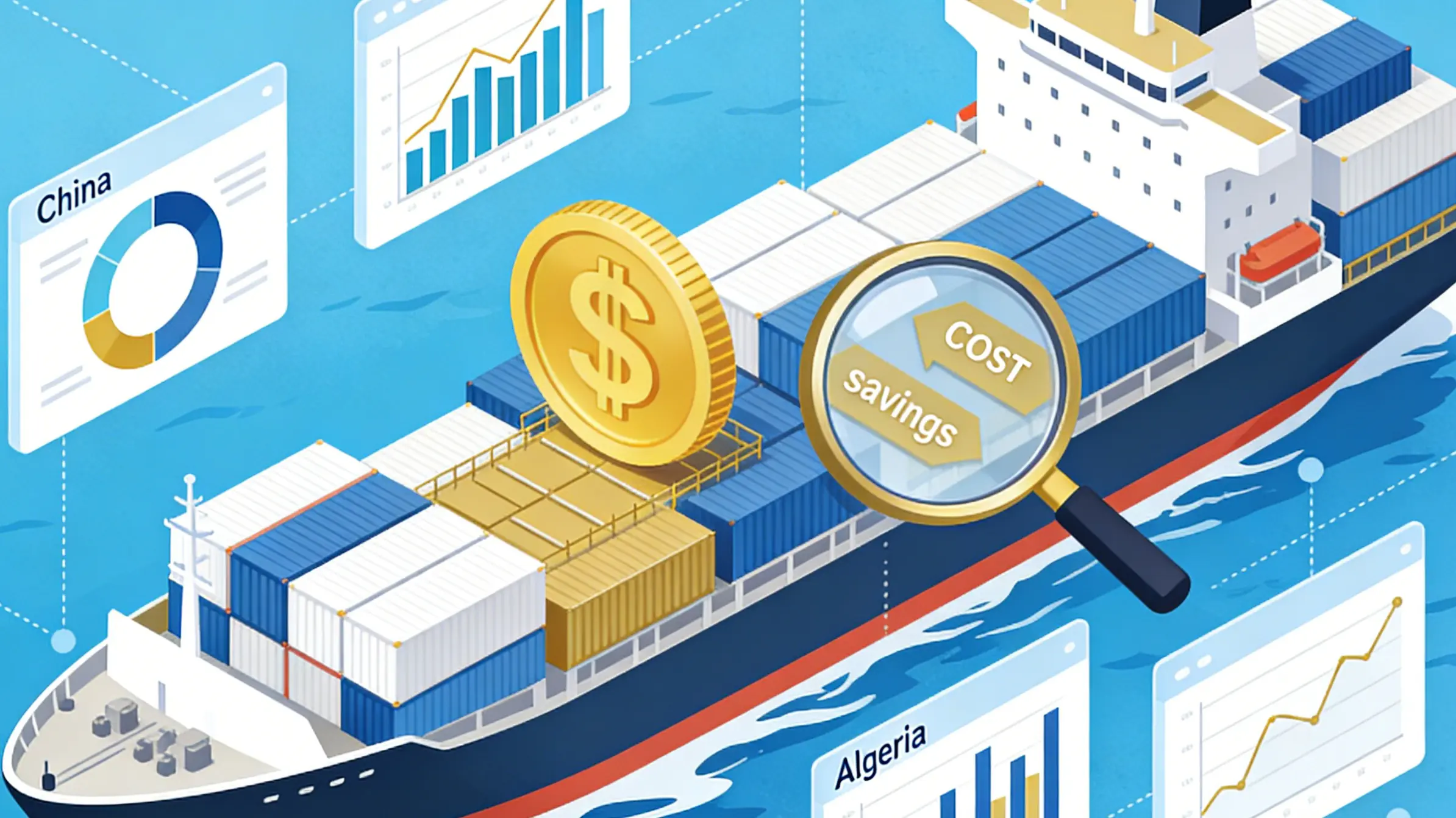
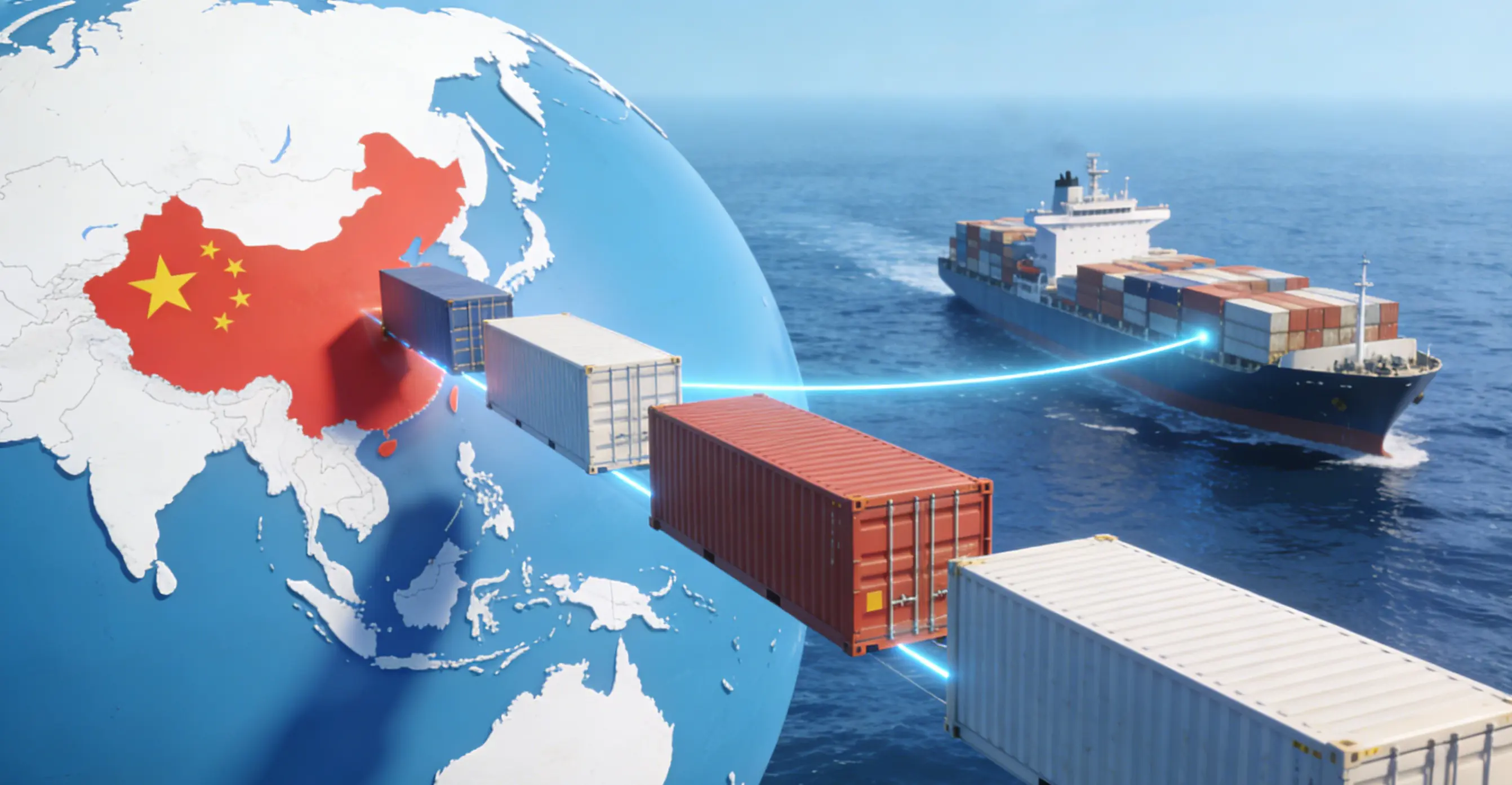
In 2026, the average sea freight shipping cost from China to Johannesburg ranges from $1,500 to $2,500 per 20ft container, while air freight costs around $5 to $8 per kilogram depending on the season. To understand your total landed cost, you must look beyond the basic port-to-port ocean rate. The total expenditure includes the ocean or air freight rate from major Chinese manufacturing hubs (like Shenzhen, Shanghai, Guangzhou, or Ningbo), destination port handling charges in South Africa (such as Terminal Handling Charges at Durban or Ngqura), and the crucial inland transit costs via rail or truck to Johannesburg (City Deep inland terminal or direct to your warehouse).

When calculating the final landed cost, importers must factor in three distinct pricing pillars:
- Origin Charges (China): If buying on EXW terms, this includes factory-to-port trucking, export customs clearance, and terminal handling in China.
- Main Carriage (Ocean/Air): The actual freight rate paid to the shipping line or airline. This is highly susceptible to seasonal fluctuations, General Rate Increases (GRI), and peak season surcharges.
- Destination & Inland Charges (South Africa): This includes port handling at Transnet Port Terminals in Durban, customs clearance fees, South African VAT and duties, and the final inland haulage to Johannesburg.
To give you a clearer picture for your 2026 logistics budget, here is a detailed breakdown of the typical costs and transit times based on the chosen transport mode:
| Transport Mode | Typical Cargo Volume / Weight | Estimated Cost (2026 Average) | Estimated Transit Time (Door-to-Door) | Best Suited For |
|---|---|---|---|---|
| FCL (Full Container Load) – 20ft | 1 CBM – 28 CBM | $1,500 – $2,500 per container | 35 – 50 Days | Large volume, low-margin goods, heavy machinery, building materials. |
| FCL (Full Container Load) – 40ft | 29 CBM – 68 CBM | $2,500 – $4,000 per container | 35 – 50 Days | Bulky items, furniture, large wholesale orders, automotive parts. |
| LCL (Less than Container Load) | 1 CBM – 15 CBM | $80 – $150 per CBM | 40 – 55 Days | Small to medium shipments, testing new products, consolidation. |
| Air Freight (Standard) | 100 kg – 500 kg | $5.00 – $8.00 per kg | 5 – 10 Days | Urgent electronics, high-value apparel, medical supplies, seasonal goods. |
| Express Courier (DHL/FedEx) | Under 100 kg | $8.00 – $15.00 per kg | 3 – 6 Days | Samples, extremely urgent documents, small high-margin parcels. |
(Note: Rates are indicative for 2026 and subject to General Rate Increases (GRI), Bunker Adjustment Factors (BAF), currency exchange rate fluctuations between USD and ZAR, and seasonal peak surcharges.)
What Are the Hidden Logistics Fees When Shipping to Johannesburg?
The hidden fees when shipping to Johannesburg typically include Durban port congestion surcharges, inland transit delays (Demurrage & Detention), and complex customs clearance costs. Understanding the base freight rate is only half the battle. When cargo arrives in South Africa, a variety of localized administrative and operational charges can inflate your final invoice if not managed proactively by an experienced freight forwarder.

First, Demurrage and Detention fees represent a significant financial risk. Durban port, which handles the vast majority of South Africa’s containerized imports, and the inland City Deep terminal frequently experience severe congestion due to weather, equipment breakdowns, or labor strikes. If your cargo is not cleared through customs and moved out of the terminal within the allotted free time (usually 3 to 7 days), shipping lines will impose heavy daily penalties. These fees compound quickly and can sometimes exceed the value of the freight itself. To mitigate these financial risks, many importers also opt for comprehensive cargo insurance services.
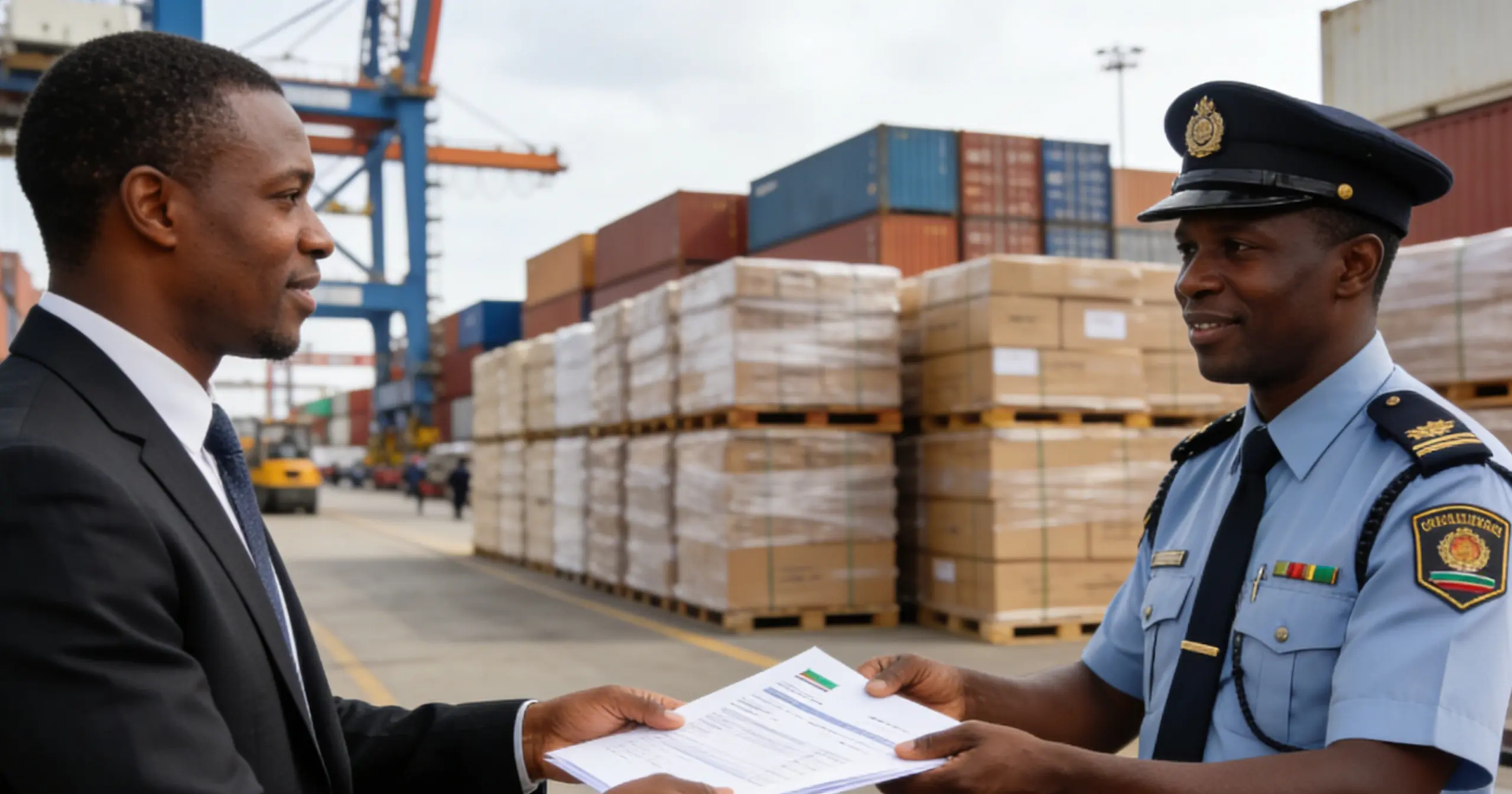
Second, Customs clearance fees and taxes are unavoidable and must be calculated into your margins. South Africa applies a standard 15% Value-Added Tax (VAT) on imported goods, plus specific customs duties based on the product’s Harmonized System (HS) Code. Furthermore, to clear commercial goods, the consignee must possess a valid South African Importer’s Code issued by the South African Revenue Service (SARS). Failing to have this code registered and ready before the vessel arrives will halt your shipment at the border, incurring immediate storage fees.
Lastly, importers face extreme fluctuations in local inland trucking rates. Moving a container from coastal ports (like Durban or Coega) up to the Gauteng region requires reliable haulage over approximately 600 kilometers. Fuel price volatility, toll gate fees, and a shortage of available trucks during peak seasons often cause these inland delivery rates to spike unexpectedly, adding hundreds of dollars to your final logistics bill.
Sea Freight vs. Air Freight: Which Fits Your Johannesburg Import?
Sea freight via Durban is best for bulky, low-margin goods needing cost efficiency, whereas air freight via OR Tambo (JNB) is essential for high-value or urgent electronics and medical supplies. Choosing the right transport mode depends entirely on your product’s margin, weight density, and delivery deadline. A miscalculation here can result in either lost sales due to stockouts or eroded profits due to excessive air freight bills.
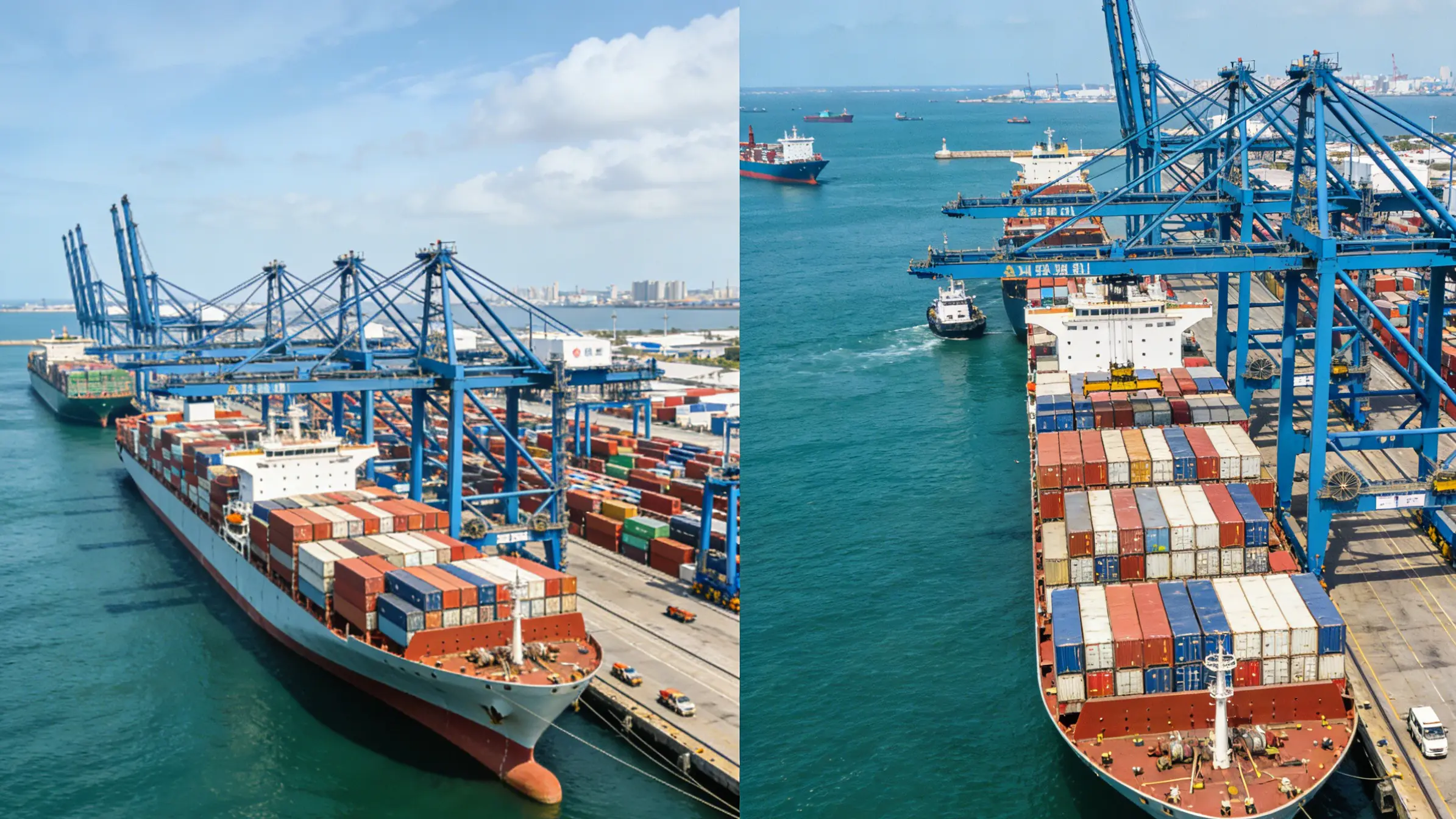
When analyzing the routing, Sea Freight requires a complex intermodal shift. Your cargo travels by ocean from China to a South African coastal port (typically Durban or Port Elizabeth/Ngqura). From there, it must be offloaded and transferred onto a freight train (Transnet) or a long-haul truck for the journey inland to Johannesburg. This multi-leg process is highly cost-effective for large volumes but adds significant transit days (typically 35-50 days total) and exposes the cargo to potential delays, pilferage, or damage at transfer points. It requires careful inventory planning and a longer lead time.
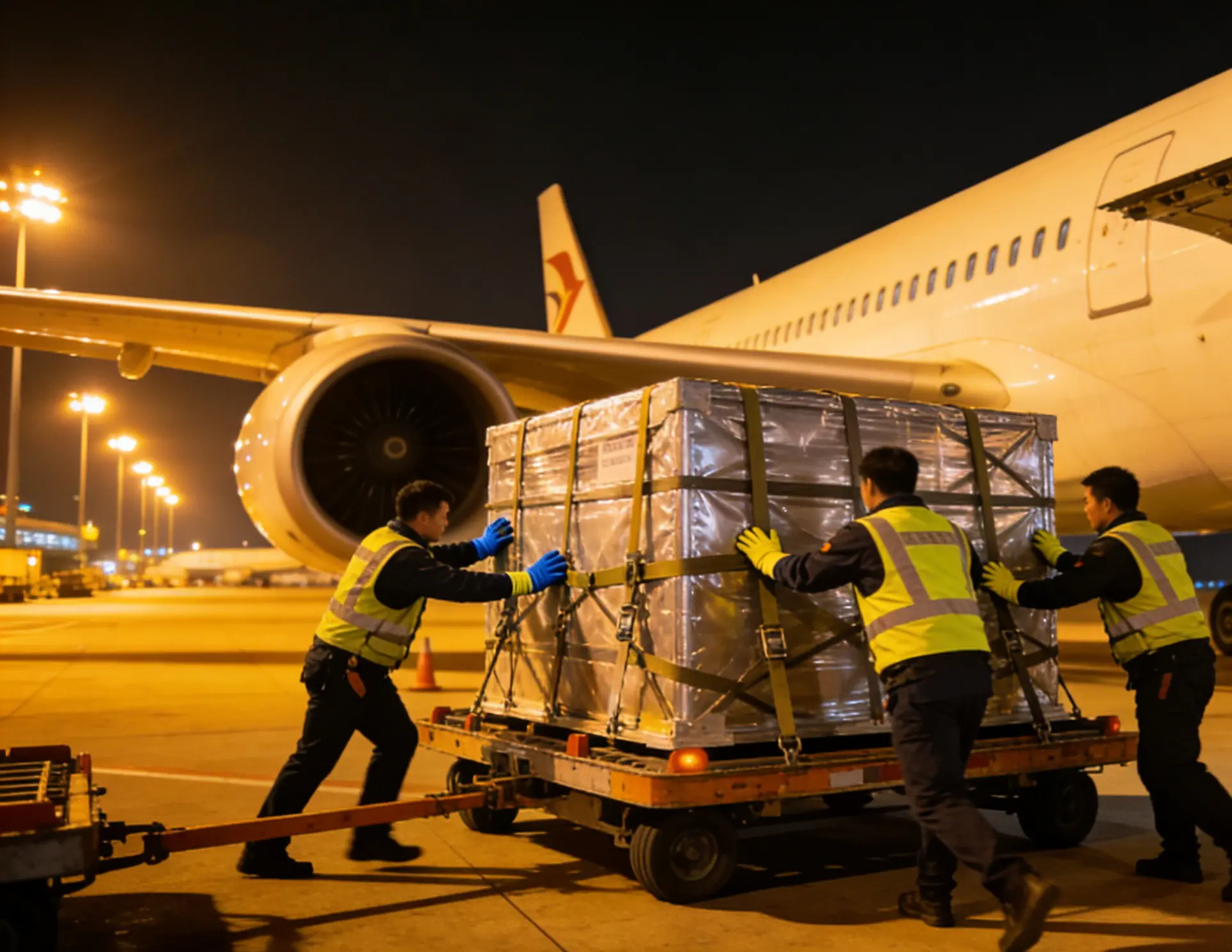
Conversely, Air Freight offers a direct, highly secure, and streamlined route. Cargo is flown directly from major Chinese airports (such as PVG, CAN, or SZX) to O.R. Tambo International Airport (JNB) in Johannesburg. Once customs clears the goods at the airport terminal, local delivery to your facility in Gauteng takes mere hours. While transit times are slashed to 5-10 days, air freight is governed by strict chargeable weight limits. Airlines calculate costs based on the greater of the actual weight or the volumetric weight (usually calculated at 1 CBM = 167 kg). This makes air freight prohibitively expensive for heavy or low-density cargo like furniture or machinery, but highly profitable for smartphones, microchips, or fast-fashion items.
3 Proven Ways to Reduce Your Shipping Cost from China to Johannesburg
You can significantly reduce your shipping costs by optimizing carton packaging to lower chargeable weight, choosing the right Incoterms® 2020 (like FOB), and using LCL consolidation for smaller loads. In a volatile logistics market, strategic planning at the origin in China can yield substantial savings by the time your cargo reaches South Africa. Many importers overpay simply because they accept default factory packaging or poor trade terms.
Here are three actionable strategies you can implement on your next order to protect your margins:
- Optimize Packaging to Avoid Dead Space: In logistics, you pay for space just as much as you pay for physical weight. This is especially crucial for air freight and LCL sea freight, where costs are dictated by “chargeable weight” (the greater of actual vs. volumetric weight). Work closely with your Chinese supplier to compress goods, minimize carton sizes, use custom-fit pallets, and eliminate empty void space. A 10% reduction in carton dimensions can translate directly to a 10% saving on your freight bill.
- Negotiate FOB Terms Rather Than EXW: When you buy on Ex Works (EXW) terms, you are entirely responsible for the cost of moving goods from the factory floor in inland China all the way to the export port. By negotiating Free On Board (FOB) terms, your supplier covers the local Chinese trucking, export customs clearance, and terminal port handling fees. This shifts origin costs away from you and provides a much cleaner, more predictable freight rate from port to port, allowing you to compare forwarder quotes more accurately.
- Consolidate Shipments via a Reliable Forwarder: If you are buying from multiple suppliers across different Chinese provinces, do not ship multiple small LCL batches. Each individual LCL shipment incurs separate minimum handling fees, document fees, and customs entry charges upon arrival in Johannesburg. Instead, use a freight forwarder with warehouse services and consolidation hubs in China (like Shenzhen, Yiwu, or Guangzhou). They can group your various orders into a single FCL container or a single large LCL shipment, drastically reducing your per-unit shipping cost and simplifying the customs clearance process in South Africa.
Why Choose Efanda Logistics for Shipping to South Africa?
Efanda Logistics provides transparent pricing and reliable door to door shipping solutions to Johannesburg, eliminating unexpected delays and hidden charges. Navigating the complex South African logistics corridor requires a partner with deep local expertise, a robust trucking network, and a proactive approach to customs compliance.
At Efanda Logistics, we specialize in the shipping from China to South Africa trade lane. We understand the specific quirks of Durban port operations, the challenges of inland haulage to Gauteng, and the strict regulatory requirements of SARS customs clearance. Our dedicated team proactively manages your cargo’s intermodal transition, ensuring smooth inland trucking to Johannesburg without the nasty surprise of avoidable demurrage or detention fees.
Whether you need an urgent air freight solution to O.R. Tambo to meet a product launch, or a cost-effective FCL ocean strategy for industrial equipment, we provide dedicated support from the factory floor in China to your final warehouse door in South Africa. We pride ourselves on radical transparency—no hidden fees, no unrealistic transit times, just reliable logistics execution.
Ready to optimize your supply chain and protect your profit margins? Contact Efanda Logistics today to get a free, no-obligation quote tailored to your specific Johannesburg import needs.
FAQ
How long does it take to ship from China to Johannesburg?
For sea freight, the total door-to-door transit time usually ranges from 35 to 50 days, factoring in ocean transit from China to Durban port (roughly 20-25 days), customs clearance, and inland haulage to Johannesburg. For air freight directly to O.R. Tambo International Airport, expect a transit time of 5 to 10 days, including flight time and customs clearance.
Do I need a South African customs importer code?
Yes. If you are importing goods into South Africa for commercial purposes, or if you import goods more than three times a year, the South African Revenue Service (SARS) mandates that you register for a Customs Importer’s Code. Without this code, your goods cannot be legally cleared through customs and will be detained at the port or airport, accruing daily storage fees.
Can I get DDP shipping from China to Johannesburg?
Yes, Delivered Duty Paid (DDP) shipping is available and highly convenient, as the forwarder handles all freight, customs clearance, and import taxes on your behalf. However, ensure you work with a reputable forwarder to avoid compliance risks. Note that under DDP terms, because the forwarder pays the VAT, you as the buyer cannot claim back the South African import VAT, which may affect your business accounting and cash flow.