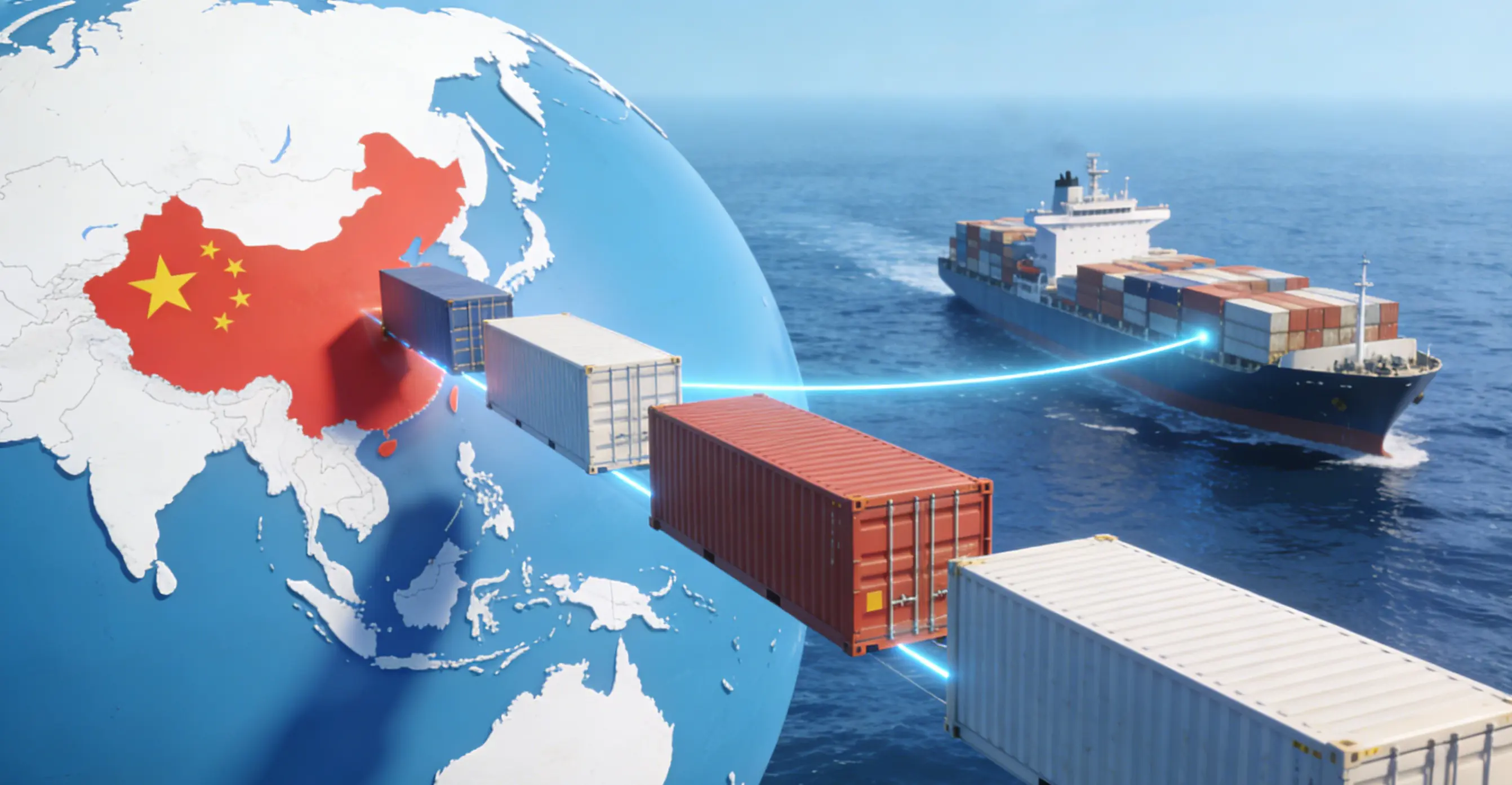
Are you struggling to calculate the exact Shipping Cost from China to Nigeria for your importing business? You are not alone. With fluctuating freight rates, complex customs requirements, and various shipping methods, budgeting for your supply chain can feel overwhelming. Whether you are an e-commerce seller or a large-scale distributor, understanding the current market rates and hidden fees is the key to maintaining your profit margins. In this comprehensive guide, we will break down the latest 2026 shipping costs, transit times, and proven strategies to reduce your logistics expenses when shipping from China to Nigeria.
How Much is the Shipping Cost from China to Nigeria in 2026?
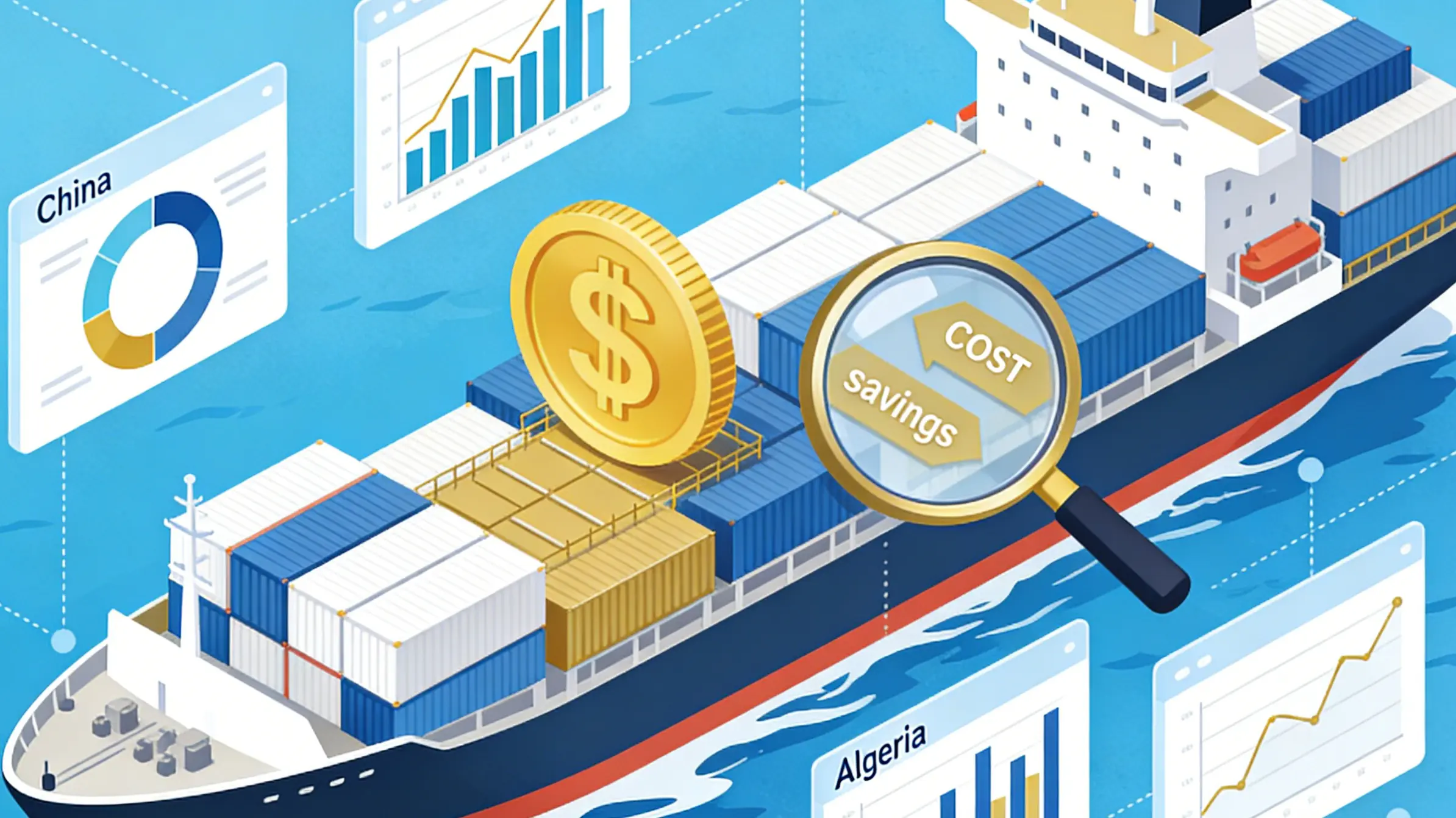
The average Shipping Cost from China to Nigeria in 2026 ranges from $220 to $350 per Cubic Meter (CBM) for DDP sea freight, and between $5 and $9 per kilogram for standard air freight. These rates fluctuate based on seasonal demand, the specific type of cargo (general vs. sensitive goods), and the chosen carrier. In our experience managing regular shipments to Lagos and other Nigerian cities, securing a door-to-door DDP (Delivered Duty Paid) rate offers the most predictable cost structure for importers, as it encompasses both freight and local customs clearance fees.
Breakdown of Shipping Methods and Their Costs
When importing from China to Nigeria, you generally have three main shipping methods to choose from: Air Freight, Sea Freight (including FCL and LCL), and Express Delivery. Each method balances speed and cost differently.
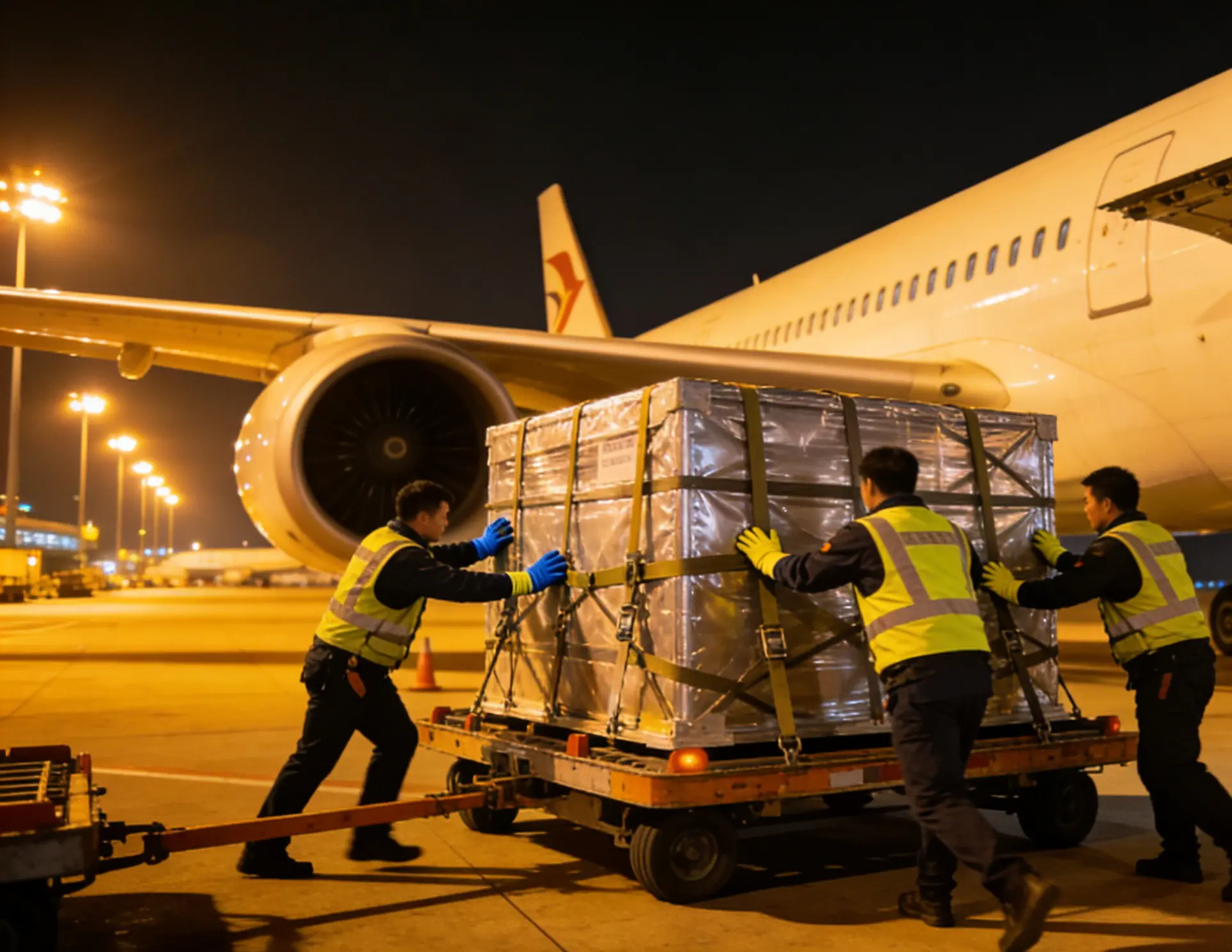
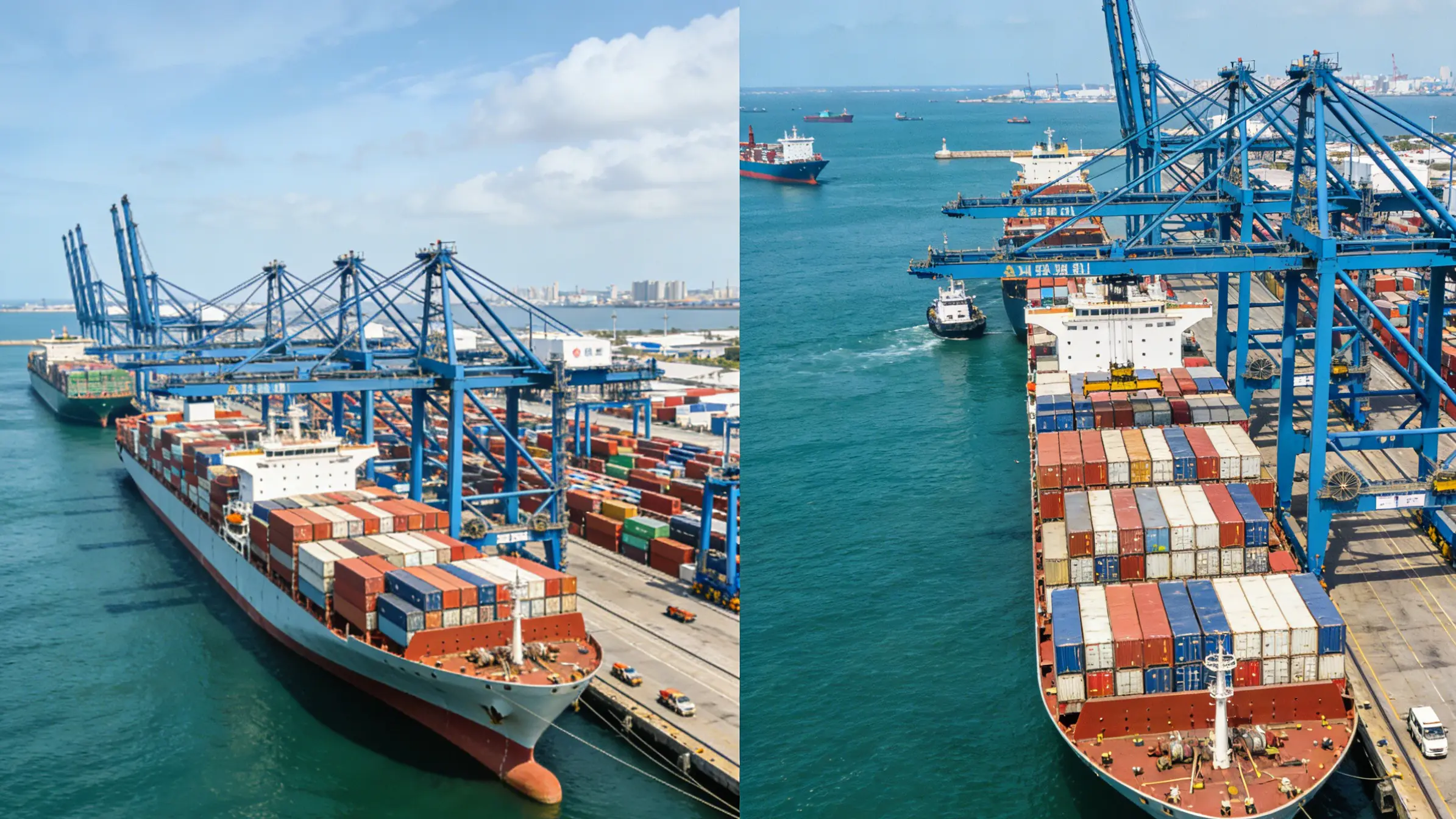
Air freight is ideal for high-value or time-sensitive goods but comes at a premium price. Sea freight is the most cost-effective solution for bulky or heavy shipments, typically categorized into Full Container Load (FCL) for large volumes and Less than Container Load (LCL) for smaller shipments that share container space. Express delivery (like DHL, FedEx) is the fastest but by far the most expensive option, usually reserved for urgent documents or very small parcels.

Shipping Method Comparison Table
| Shipping Method | Ideal For | Cost Range (2026 Est.) | Transit Time |
|---|---|---|---|
| DDP Sea Freight (LCL) | General cargo, bulky items | $220 – $350 per CBM | 50 – 65 Days |
| Air Freight | Urgent, high-value goods | $5 – $9 per kg | 3 – 7 Days |
| FCL (20ft Container) | Large volume orders | $2,500 – $3,800 per box | 45 – 60 Days |
| Express Courier | Samples, small parcels | $30 – $50+ per kg | 3 – 5 Days |
(Note: Rates are indicative for Q1 2026 and subject to carrier surcharges and market fluctuations.)
How Long Does It Take to Ship from China to Nigeria?
Shipping from China to Nigeria takes anywhere from 3 to 7 days via air freight, while DDP door-to-door sea freight typically requires 50 to 65 days. The exact transit time depends heavily on the port of origin in China (e.g., Shenzhen, Guangzhou, Shanghai), the destination port in Nigeria (usually Apapa or Tin Can Island in Lagos), and the efficiency of the customs clearance process. According to recent updates from the Nigerian Ports Authority (NPA), congestion at Lagos ports can sometimes add 3-7 days to the vessel waiting time during peak seasons.

For sea freight, direct vessels offer the fastest port-to-port times, but door to door shipping includes the time needed for consolidation in China and final delivery via local haulage in Nigeria.
Key Factors Affecting Your Shipping Cost from China to Nigeria
Several dynamic variables will directly impact your final Shipping Cost from China to Nigeria. Understanding these factors can help you forecast your logistics budget more accurately. In our decade of experience handling West African trade routes, we’ve identified the core drivers of cost:
- Volumetric Weight vs. Actual Weight: Carriers charge based on whichever is greater: the actual weight of your cargo or its volumetric (dimensional) weight. Lightweight but bulky items will incur higher costs than their physical weight suggests.
- Seasonal Demand Peaks: Rates typically surge before major holidays, such as the weeks leading up to the Chinese New Year or the Q4 shopping season, due to constrained cargo capacity. For macro industry trends, the World Shipping Council (WSC) regularly reports on how global capacity crunches affect regional pricing.
- Fuel Surcharges (BAF/FSC): Global oil price fluctuations directly affect the Bunker Adjustment Factor (BAF) for ocean freight and Fuel Surcharge (FSC) for air freight.
- Customs Duties and Compliance: Standard imports into Nigeria require rigorous documentation. Importers typically need an approved Form M from the Central Bank of Nigeria (CBN) and a SONCAP certificate from the Standards Organisation of Nigeria to clear goods. These add to administrative costs and potential delays if not handled properly. However, utilizing specific DDP channels can bypass some of these direct importer requirements.
3 Proven Ways to Reduce Shipping Costs from China to Nigeria

Reducing your Shipping Cost from China to Nigeria requires strategic planning and partnering with the right logistics provider. Here are three actionable tips you can implement immediately:
- Consolidate Your Shipments: If you source from multiple suppliers across China, do not ship their goods individually. Use a freight forwarder’s warehouse services (e.g., in Guangzhou or Yiwu) to consolidate all your orders into a single LCL or FCL shipment. This drastically reduces minimum handling fees and optimizes your CBM rate.
- Optimize Your Packaging: Since freight is often billed on volumetric weight, work with your suppliers to minimize empty space in cartons. Compressing goods (like textiles) or using custom-fit boxes can shave hundreds of dollars off your air or sea freight bill.
- Leverage DDP Shipping Channels: Traditional CIF or FOB terms leave you responsible for unpredictable local customs duties, terminal handling charges, and clearing agent fees in Lagos. As outlined by the International Chamber of Commerce (ICC) in their Incoterms® 2020 rules, under DDP, the seller (or your forwarder) bears the maximum responsibility. By choosing a DDP (Delivered Duty Paid) service, you lock in a single, all-inclusive rate upfront, avoiding hidden destination fees.
Reliable Freight Forwarding with Efanda Logistics
At Efanda Logistics, we specialize in streamlining the China-to-Nigeria trade route. We understand that unpredictable costs and customs hurdles can hurt your business. That is why we offer dedicated DDP shipping solutions designed specifically for the Nigerian market.
With our own strategically located consolidation warehouses in Guangzhou and Yiwu, we make gathering goods from multiple suppliers effortless. Most importantly, our DDP service provides hassle-free customs clearance—meaning you, as the importer, do not need to worry about providing Form M or SONCAP certificates. We handle the end-to-end process, delivering your cargo safely to your door in Nigeria with transparent, competitive pricing.
Frequently Asked Questions (FAQ)
Is DDP shipping cheaper than FOB or CIF for Nigeria?
In many cases, yes. While the upfront quote for DDP might look higher than FOB or CIF, DDP includes all destination customs duties, taxes, and clearing fees. FOB and CIF leave you vulnerable to unexpected local charges, port storage fees (demurrage), and fluctuating clearing agent costs in Nigeria, often making DDP the more cost-effective and predictable choice overall.
Do I need a Form M or SONCAP if I use DDP shipping from China?
No. When you utilize a specialized DDP (Delivered Duty Paid) door-to-door service like the one offered by Efanda Logistics, the freight forwarder’s clearing company handles all import documentation and compliance at the destination port. You are not required to provide a Form M or SONCAP certificate as the importer.
How is volumetric weight calculated for Nigeria shipments?
For air freight, volumetric weight is typically calculated by multiplying the dimensions of the carton in centimeters (Length × Width × Height) and dividing by 6,000 (or 5,000 depending on the courier). For sea freight, volume is calculated in Cubic Meters (CBM), which is Length × Width × Height in meters. You will be charged based on whichever is greater: the actual gross weight or the calculated volumetric weight.