Are you paying too much for freight and still facing delivery uncertainty? Shipping cost from China to Spain is not just a freight quote issue; it is a landed-cost and risk-control decision that affects margin, cash flow, and stock availability. In this guide, we explain cost drivers, mode selection, customs and VAT logic, and practical actions importers can use immediately for shipping from china to spain.
Key Takeaways on Shipping Cost from China to Spain
Shipping cost from China to Spain is usually lowest by sea for larger cargo, fastest by air for urgent shipments, and most predictable when you calculate total landed cost instead of freight-only cost.
From our team’s China–Spain bookings in late 2025 and Q1 2026, the most expensive mistakes were not base-rate errors but execution gaps: late document handover, unrealistic ETA planning, and weak surcharge control.
- Use mode by scenario, not by headline rate alone: sea freight for cost efficiency, air freight for urgency, rail for mid-speed cases.
- Calculate all cost buckets before booking: origin, international leg, destination, customs, and last-mile.
- Validate HS/TARIC classification early, because classification errors can change duty and clearance outcomes.
- Treat transit times as ranges, not fixed promises, especially during peak season and congestion periods.
- Use Incoterms® strategically to align risk ownership, cost visibility, and customs control.
What Determines Shipping Cost from China to Spain?
Shipping cost from China to Spain is determined by lane, mode, cargo profile, seasonality, compliance requirements, and destination charges, not by ocean or air base rate alone.
In real shipments, we usually see the quote change after three details are clarified: origin/destination pair, cargo characteristics, and delivery terms. A low base quote can still become expensive if local handling, customs, storage, or inland delivery are not fully scoped.
Route and Port Pair Matter
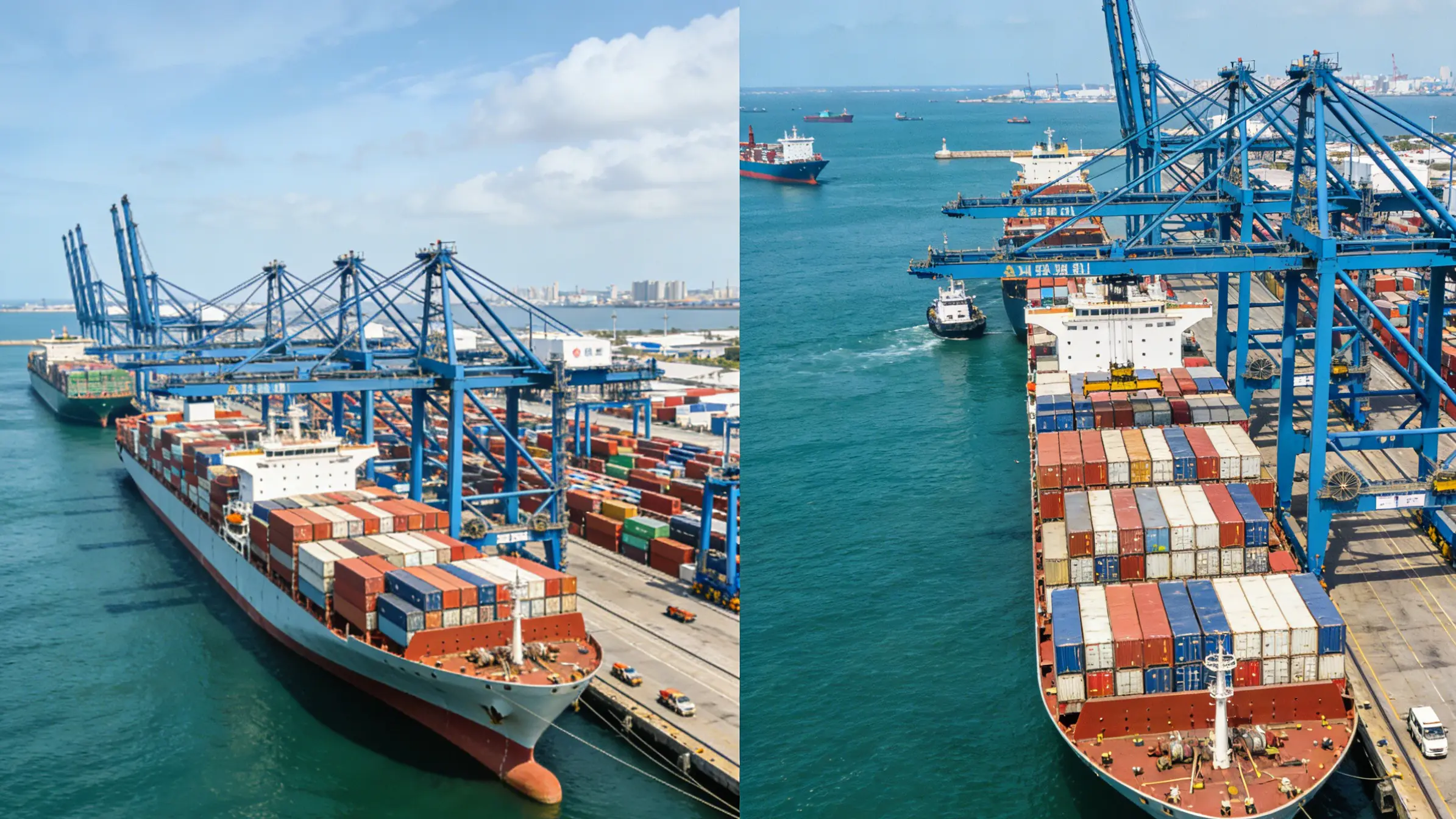
Major China–Spain port pairs usually offer better schedule frequency and more stable pricing than secondary routes.
Common origin ports include Shanghai, Ningbo, and Shenzhen; major Spain gateways include Valencia, Barcelona, and Algeciras. Direct or high-frequency services often reduce rollover and transshipment risk, which helps both cost control and planning reliability. The same network logic is useful when benchmarking nearby EU lanes such as shipping from china to germany, shipping from china to france, shipping from china to italy, and shipping from china to netherlands.
Shipment Type and Chargeable Unit Matter
The charging unit directly affects your final bill: FCL is container-based, LCL is usually CBM-based, and air is chargeable-weight-based.
For smaller cargo, LCL can look cheaper initially but may include consolidation/deconsolidation handling and longer terminal dwell. For stable medium volume, FCL often improves predictability and handling quality.
Seasonality and Capacity Shift Quotes Fast
Seasonality and carrier capacity management can move rates quickly, even on the same route in the same month.
As a market reference, Drewry’s World Container Index regularly shows weekly volatility across Asia–Europe corridors. Importers should treat any quote as time-sensitive and confirm validity windows before PO commitment.
Sea Freight Cost Structure for Shipping Cost from China to Spain
Sea freight is generally the most cost-efficient option for non-urgent cargo, but only when you calculate full door-to-door and customs-related costs.
For most importers, sea freight margin advantage appears after cargo exceeds lightweight air thresholds. The key is to separate base ocean freight from all ancillary and terminal charges on both ends.
In our operations, the hidden lines that often surprise first-time importers are GRI, BAF, and peak-season surcharges, plus destination storage triggered by customs delay. If your quote does not show these clearly, your “cheap” ocean rate may become the most expensive option after arrival.

FCL Logic (20GP/40GP/40HQ)
FCL works best when volume is stable and cargo needs lower handling risk.
You should request itemized pricing that includes:
- Ocean freight
- Origin THC and documentation
- Destination THC and release charges
- Drayage/trucking
- Delivery and optional insurance
LCL Logic (CBM-Based) and Typical Add-ons
LCL is suitable for smaller volume, but the cost per unit can rise because of extra touchpoints.
Typical LCL add-ons include CFS handling, destination unpacking, documentation, and possible storage if documents are not ready. LCL remains a good tool for test orders and low-volume replenishment, but it needs stricter timeline planning.
Typical Sea Transit Window and Delay Triggers
Typical China–Spain sea transit is often around 25–45 days port-to-port, with additional time for customs and inland delivery.
Transit uncertainty usually comes from port congestion, blank sailings, transshipment dependency, weather disruption, and customs holds. Build safety stock and avoid planning by best-case ETA only.
Air and Rail Options for Shipping Cost from China to Spain
Air freight is usually the fastest but most expensive option, while rail can be a middle path when sea is too slow and air is too costly.
When stockout cost is high, transport cost should be evaluated against lost sales and penalty exposure, not just freight rate per kg.
Air Freight Cost Model
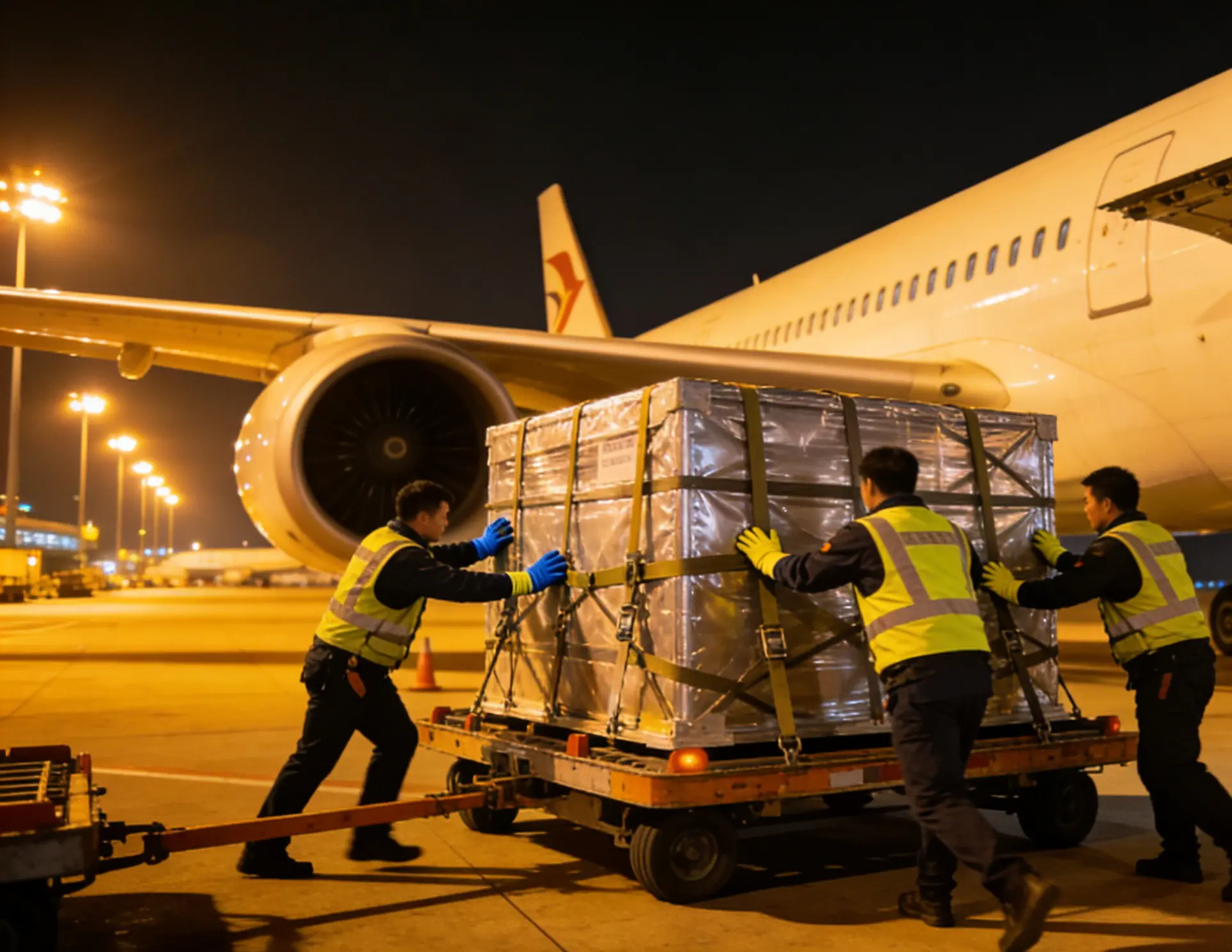
Air freight cost is mainly driven by chargeable weight, surcharges, and airport handling components.
If volumetric weight exceeds gross weight, packaging design becomes a direct cost lever. For urgent SKUs with high margin density, air can protect revenue despite higher freight spend.
Rail Freight Viability
Rail can provide a balanced transit-cost profile for selected cargo and schedules.
Rail feasibility depends on corridor availability, handover nodes, customs processing, and final-mile design in Spain. It is not universal for every SKU but can work for medium-urgency replenishment plans.
Mode Comparison Table
The table below gives an operational comparison framework, not a fixed quote.
| Mode | Typical Cost Position | Typical Transit Window | Key Risks | Best For |
|---|---|---|---|---|
| Sea Freight (FCL/LCL) | Lowest for medium/large volume | ~25–45 days (plus clearance/inland) | Congestion, blank sailings, transshipment delays | Cost-focused replenishment |
| Air Freight | Highest | ~3–10 days (airport to airport context) | Capacity spikes, surcharge volatility | Urgent, high-value, launch-critical cargo |
| Rail Freight | Mid-range | ~18–35 days (corridor dependent) | Route variability, handover complexity | Medium-urgency, budget-balanced shipments |

Customs, Duties, and VAT in Spain: Shipping Cost from China to Spain Essentials
Customs and tax treatment in Spain can materially change total landed cost, so customs clearance setup must happen before booking.
From a planning perspective, import cost is shaped by tariff classification, customs value, and VAT base composition. Missing or incorrect documentation can also trigger delay and storage costs.
For 2026 planning, we advise importers to pre-check whether ICS2 data quality requirements and CBAM-related product exposure may affect document workflow or compliance review time. Even when duty rates look manageable, compliance friction can still raise operational cost through longer cargo dwell and additional handling.
TARIC/HS Classification
Correct HS/TARIC classification is essential because it determines duty treatment and applicable import measures.
The EU TARIC system is the official integrated tariff source for customs measures. Classification should be validated before procurement finalization, especially for borderline or composite products.
Import VAT Base in Practice
Import VAT is calculated on a taxable base that generally includes customs value plus certain duties and accessory costs up to first EU destination point, according to applicable rules.
For Spain mainland operations, standard VAT is commonly 21% for many goods categories, while product-specific exceptions may apply. Always verify product rate and tax base at declaration stage.
Required Documents and Risk Points
The most common delay causes are incomplete invoices, inconsistent packing details, and late document readiness.
A minimum compliant set usually includes commercial invoice, packing list, transport document (B/L or AWB), and product-specific certificates/declarations where required. Also confirm EORI and declaration workflow with your customs broker.

Total Landed Cost Framework for Shipping Cost from China to Spain
The best decision is based on the lowest reliable landed cost, not the lowest headline freight price, especially for door to door shipping programs.
To avoid margin surprises, calculate costs from supplier terms to final delivered point and include contingency for volatility.
Step-by-Step Landed Cost Formula
Use this structure to standardize quote comparison across forwarders:
| Cost Layer | What to Include |
|---|---|
| Trade Term Baseline | EXW/FOB/CIF/DDP scope and responsibilities |
| International Freight | Ocean/air/rail base + surcharges |
| Origin Charges | Export docs, handling, origin THC, pickup |
| Destination Charges | THC, release, CFS (if LCL), local handling |
| Customs & Tax | Duty, import VAT, broker fee, compliance services |
| Inland Delivery | Drayage, trucking, final-mile |
| Risk Buffer | Delay cost, storage, demurrage/detention allowance |
Incoterms® Impact (EXW, FOB, CIF, DDP)
Incoterms® define risk transfer and task ownership, which directly affects cost visibility and execution control.
In practice, new importers often underestimate how Incoterms® shift responsibility for export formalities, main carriage, insurance, and import clearance. You should choose terms based on your customs capability, visibility requirements, and risk tolerance.
Practical Cost-Control Actions
You can reduce shipping cost from China to Spain by improving quote quality, packaging efficiency, and planning discipline.
- Normalize quote templates so all suppliers and forwarders quote the same charge lines.
- Lock quote validity windows and ask for surcharge rules in writing.
- Improve packaging density to reduce volumetric penalties in air and optimize container utilization in sea.
- Plan booking around peak-season pressure and avoid last-minute dispatch.
- Prepare customs documents earlier to reduce storage, demurrage, and detention exposure.
- Define a stop-loss rule for demurrage and detention days before booking, so escalation happens before free-time expires.
Why Choose Efanda Logistics for Shipping Cost from China to Spain
Efanda Logistics can support importers with transparent pricing, route design, and compliance-focused execution.
Our working approach is to provide full-chain cost visibility, mode recommendations by SKU scenario, and pre-checks for customs documentation. This helps importers reduce avoidable fees and improve delivery predictability without over-promising fixed outcomes in a volatile market, with optional warehouse services and cargo insurance services.
We also give unbiased routing advice: while we can execute DDP, we often recommend FOB for first-time importers who want stronger cost transparency and broker control in Spain.
If you want, our team can build a route-and-cost matrix for your SKU mix (urgent, regular, and bulky cargo) and propose a practical shipping plan for the next quarter.
Frequently Asked Questions (FAQ)
How much does it cost to ship a 20ft or 40ft container from China to Spain?
It depends on week, route, equipment type, and surcharges. Use live market references plus destination and inland charges to estimate true landed cost instead of relying on ocean freight alone.
Is LCL always cheaper than FCL?
Not always. LCL is usually better for low volume, but once volume reaches a certain threshold, FCL can become both more economical and operationally cleaner.
How long does sea freight from China to Spain take?
A common planning range is about 25–45 days for sea transit, then add customs clearance and inland delivery time. For planning, always use a range, not a single date.
What import taxes should I budget in Spain?
Budget for customs duty (based on HS/TARIC classification) and import VAT under applicable Spanish/EU rules, plus broker and declaration-related costs.
Should first-time importers use DDP or FOB?
It depends on control and capability. DDP can simplify execution but may reduce cost transparency; FOB can increase control if you have a reliable forwarder and customs process.
Risk and Compliance Disclaimer for Shipping Cost from China to Spain
Freight rates, surcharges, and transit performance change with market conditions, carrier capacity, and geopolitical events. Tax and customs outcomes depend on actual HS/TARIC classification, declared value, Incoterms®, and final customs assessment. This article is for operational guidance and does not constitute legal or tax advice.
Sources for Shipping Cost from China to Spain
- European Commission, EU Customs Tariff (TARIC): https://taxation-customs.ec.europa.eu/customs/calculation-customs-duties/customs-tariff/eu-customs-tariff-taric_en
- Agencia Tributaria (Spain), IVA import base guidance: https://sede.agenciatributaria.gob.es/Sede/ayuda/manuales-videos-folletos/manuales-practicos/manual-iva-2023/capitulo-04-sujetos-pasivos-repercusion-impositivo/importe-sobre-que-se-aplica-bi/importaciones-bi.html
- ICC, Incoterms® 2020 official page: https://iccwbo.org/business-solutions/incoterms-rules/incoterms-2020/
- Drewry, World Container Index: https://www.drewry.co.uk/supply-chain-advisors/supply-chain-expertise/world-container-index-assessed-by-drewry