1. Introduction
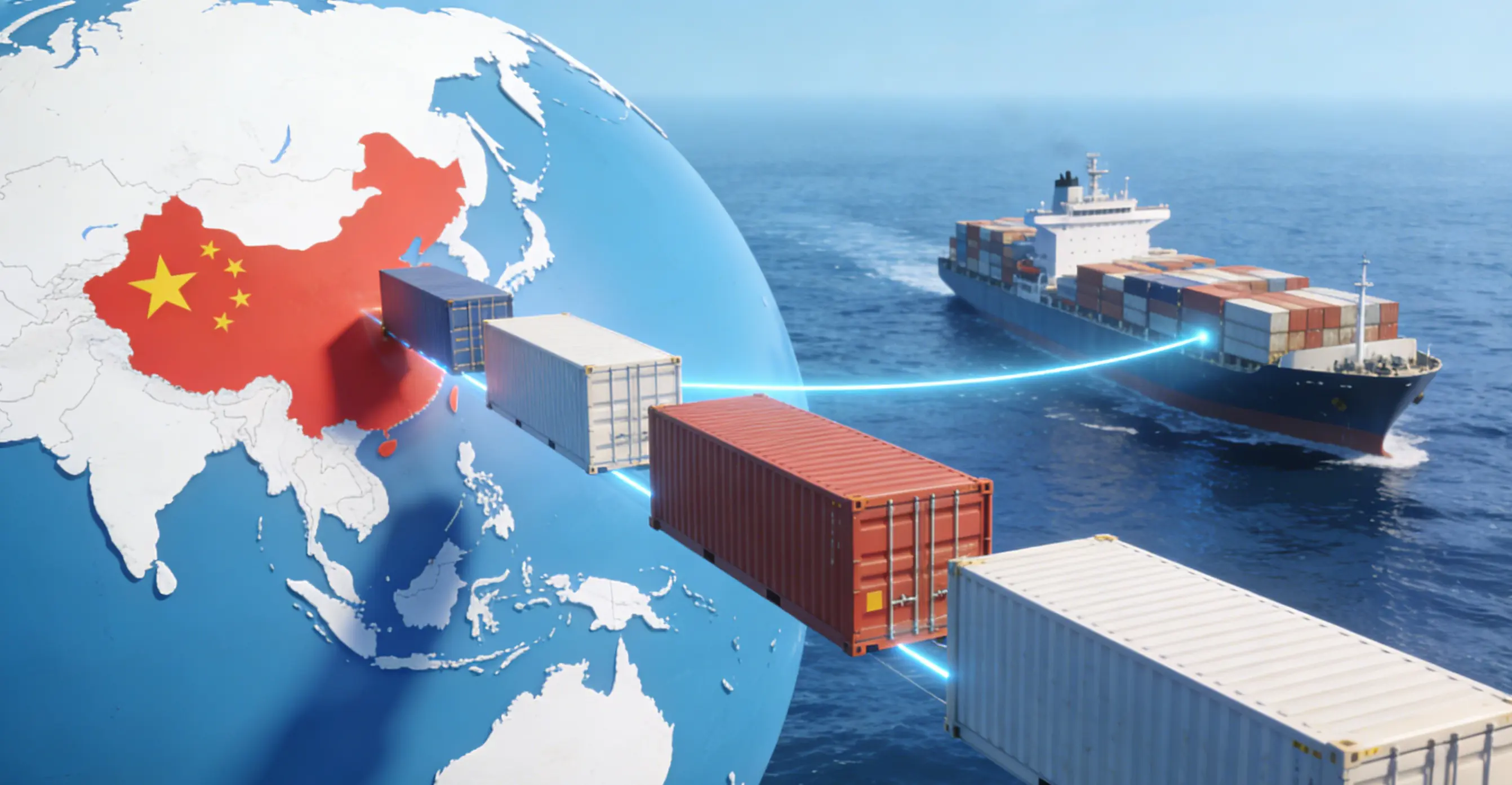
Are you planning to import goods from China to Nigeria but find yourself overwhelmed by the fluctuating shipping cost from Ningbo-Zhoushan Port to Lagos Port? You are not alone. As we move into 2026, the trade route between Ningbo-Zhoushan—the world’s busiest port by cargo tonnage—and Lagos, Nigeria’s commercial nerve center, remains one of the most vital yet complex logistics corridors in West Africa.
The logistics landscape in 2026 has shifted significantly. While the direct impact of the Red Sea crisis has stabilized, the ripple effects continue to influence vessel availability and sea freight rates. Importers now face not just variable ocean freight but also stringent compliance requirements like Form M and SONCAP that can drastically affect the total landed cost.
At Efanda Logistics, we have handled over 500 TEUs on this route in Q1 2026 alone. We understand that for Nigerian importers, clarity is currency. This guide provides a transparent, data-driven breakdown of shipping costs, transit times, and customs procedures based on our on-the-ground experience. Whether you are shipping auto parts to Apapa or electronics to Tincan Island, our goal is to help you navigate these waters with confidence and avoid hidden penalties.
2. Breakdown of Shipping Cost from Ningbo-Zhoushan Port to Lagos Port (Q1 2026)
Understanding the cost structure is the first step to a profitable import business. Below is the estimated rate range for Q1 2026. Please note that these rates are subject to weekly changes due to carrier General Rate Increases (GRI) and fuel surcharges.
FCL (Full Container Load) Rates
For most importers, FCL remains the most cost-effective method for volume shipments.
| Container Type | Estimated Rate Range (USD) | Remarks |
|---|---|---|
| 20ft Container (20GP) | $3,100 – $3,600 | Ideal for heavy goods (e.g., machinery, tiles). |
| 40ft Container (40GP/HQ) | $3,400 – $4,200 | Best for voluminous goods (e.g., furniture, electronics). |
Note: Rates typically spike during the Pre-Chinese New Year (January) and Peak Season (October-December). Always check the latest indices from authoritative sources like the Ningbo Shipping Exchange for market trends.
LCL (Less than Container Load) Rates
If you don’t have enough cargo to fill a container, LCL is your alternative.
- Cost per CBM: $200 – $440 (depending on total volume and carrier).
- Warning: While the ocean freight might look low, destination handling charges in Lagos for LCL can be high. Always ask for a door to door shipping or “Landed Cost” estimate before booking.
Air Freight Costs
For urgent shipments or high-value, low-weight items:
- > 1000 kg: $5.50 – $6.50 per kg.
- < 100 kg: Rates are higher, often calculated via courier standards.
- Chargeable Weight: Remember that air freight is charged on the greater of actual weight or volumetric weight (Length x Width x Height / 6000).
Additional Surcharges to Watch
When calculating your budget, don’t forget these common surcharges:
- BAF (Bunker Adjustment Factor): Fluctuates with oil prices.
- LSS (Low Sulphur Surcharge): Mandatory green fuel charge (~$50-$150).
- PSS (Peak Season Surcharge): Applicable during high-demand periods.

3. Transit Time from Ningbo-Zhoushan Port to Lagos Port
Time is money, especially in the Nigerian market where stockouts can mean lost customers.
Sea Freight Transit Times
| Service Type | Estimated Time | Key Carriers |
|---|---|---|
| Direct Service | 35 – 38 Days | COSCO, MAERSK, CMA CGM |
| Transshipment | 45 – 55 Days | MSC (via Lome/Abidjan), Hapag-Lloyd |
Pro Tip: Direct services are more expensive but reliable. Transshipment services save money but increase the risk of delays at the transshipment hub (e.g., Singapore or Colombo).
Air Freight Transit Times
- Direct/Express: 3 – 5 Days (e.g., Ethiopian Airlines, Qatar Airways).
- Economy Air: 7 – 10 Days (consolidated cargo via indirect routes).
Common Delay Factors
- Port Congestion: Apapa and Tincan Island are notorious for gridlock. According to recent reports from the Nigerian Ports Authority, vessel waiting times can fluctuate between 3-7 days during peak season.
- Customs clearance: Incomplete Form M or PAAR issues are the #1 cause of delays.
- Weather: Seasonal typhoons in the Indian Ocean can affect sailing schedules.

4. Sea Freight Rates: Comparing FCL vs LCL to Nigeria
Choosing between FCL and LCL isn’t just about volume; it’s about control and risk.
FCL (Full Container Load)
- Pros: Lower price per unit, safer (sealed from factory to warehouse), faster clearance at Lagos.
- Cons: You pay for the whole container even if it’s not full.
- Verdict: Best for shipments > 15 CBM.
LCL (Less than Container Load)
- Pros: Pay only for what you ship. Flexible inventory management.
- Cons: Higher risk of damage (goods mixed with others), longer transit (deconsolidation time), higher destination fees.
- Verdict: Best for small shipments < 10 CBM.
For shipments between 10-15 CBM, request quotes for both. Sometimes a 20ft container is cheaper than LCL due to the high handling charges of loose cargo in Lagos.
Case Study: How We Saved a Client $3,800
In January 2026, a client in Lagos wanted to ship 12 CBM of solar panels via LCL. The LCL quote was $280/CBM + destination charges of ~$1,500, totaling nearly $4,860. We recommended booking a 20ft FCL instead for $3,200 all-in.
Result: The client saved over $1,600 and received the goods 1 week faster because they didn’t have to wait for deconsolidation.
5. Documents Affecting Total Cost: Form M, SONCAP, and PAAR
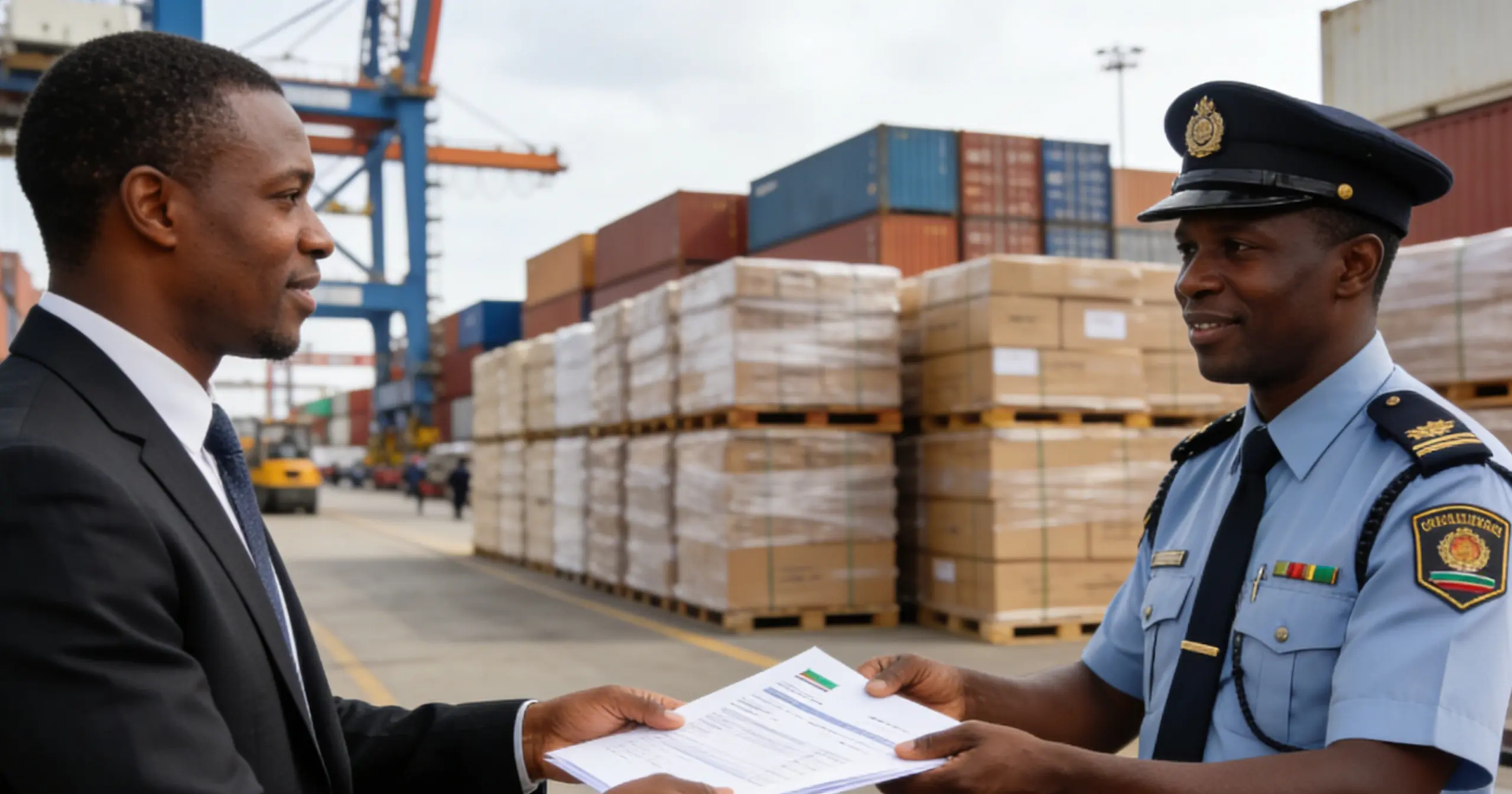
Nigeria has one of the strictest import documentation regimes in Africa. Missing documents doesn’t just mean delays; it means massive fines and demurrage. For official guidelines, always refer to the Central Bank of Nigeria’s Trade Portal.
1. Form M (Mandatory)
This is the first step. You must open a Form M with your authorized dealer bank in Nigeria before the goods are shipped.
- Requirement: Valid Proforma Invoice, cargo insurance services certificate, and SONCAP Product Certificate.
- Risk: Shipping without an approved Form M number on the Bill of Lading is illegal and will lead to cargo seizure.
2. SONCAP Certification
The Standards Organisation of Nigeria Conformity Assessment Program (SONCAP) ensures goods meet safety standards. You can verify product requirements on the SON Official Website.
- Product Certificate (PC): Issued to the manufacturer/exporter (valid for 1 year).
- SONCAP Certificate (SC): Required for Customs clearance for each shipment.
- Exemptions: Used vehicles and some raw materials (check the latest list).
3. PAAR (Pre-Arrival Assessment Report)
Once the final shipping documents are ready, your bank transmits them to Nigeria Customs to generate the PAAR. This document determines the final duty payable.
- Tip: Ensure the HS Code on the PAAR matches the one on your Form M to avoid amendment delays. You can cross-check HS Codes on the Nigeria Customs Service Tariff Search.
4. CCVO (Combined Certificate of Value and Origin)
A specialized invoice format required by Nigeria Customs to validate the transaction value and origin.
6. Customs Clearance at Destination: Apapa vs Tincan
Lagos hosts two major ports, and choosing the right one can save you days of trucking time.
Port Comparison
- Apapa Port: The largest container terminal. Better rail connectivity to inland states. Preferred for standard containers.
- Tincan Island Port: Physically smaller but handles a higher volume of RORO (Roll-on/Roll-off) traffic. Access roads are frequently congested, leading to higher trucking costs.
The Clearance Process
- Assessment: Customs issues the assessment notice based on PAAR.
- Payment: Duty + 7.5% VAT + CISS + ETLS fees are paid to the bank.
- Examination: 100% physical examination is the norm in Nigeria. Customs officers will open the container to verify contents against the manifest.
- Release: Once approved, the terminal release order (TDO) is issued.
Tips to Avoid Demurrage:
- Pre-clear your documents while the vessel is on the water.
- Ensure your packing list is detailed (carton by carton) to speed up physical examination.
7. Why Choose Efanda for China-Nigeria Shipping?
Shipping to Nigeria requires more than just booking a slot; it requires a partner who understands the regulatory minefield.
- Expertise in Compliance: We assist with Form M applications and ensure your suppliers provide the correct SONCAP documents.
- Competitive Services:
- Sea Freight: We have contract rates with COSCO and MAERSK for direct sailings to Apapa.
- Air Freight: Our consolidated air services from Guangzhou/Shanghai to Lagos (LOS) offer a balance of speed and cost.
- Warehouse Services: We offer free warehousing in Ningbo/Guangzhou to consolidate goods from multiple suppliers, reducing your LCL costs.
- Customs Clearance: Our team handles all documentation and clearance processes to avoid delays.
- Transparent Pricing: No hidden “China local charges.” We provide an all-in quote so you can calculate your landed cost accurately.
- Pan-African Network: Beyond Nigeria, we also specialize in shipping from China to Kenya and shipping from China to Ghana, ensuring your West and East African supply chains are covered.
8. FAQ: Shipping Cost from Ningbo-Zhoushan Port to Lagos Port
Q: How much is a 40ft container from Ningbo to Lagos in 2026?
A: As of Q1 2026, the rate fluctuates between $3,400 and $4,200 depending on the carrier and fuel surcharges. Always check for the latest GRI notices.
Q: What is the transit time from China to Nigeria?
A: Direct vessels take approximately 35-38 days. Transshipment services can take 45-55 days.
Q: Do I need SONCAP for all products?
A: Most manufactured goods require SONCAP. Exceptions include food, drugs (NAFDAC regulated), and used vehicles. Always verify the HS Code status with the Standards Organisation of Nigeria.
Q: Can Efanda help if my supplier doesn’t have a Product Certificate (PC)?
A: Yes, we can guide your supplier through the testing and certification process or help you source from compliant factories.
Q: Which port is better, Apapa or Tincan?
A: For general containers, Apapa is generally more efficient. Tincan is better for vehicles. However, the best choice often depends on where your warehouse is located in Lagos to minimize trucking costs.