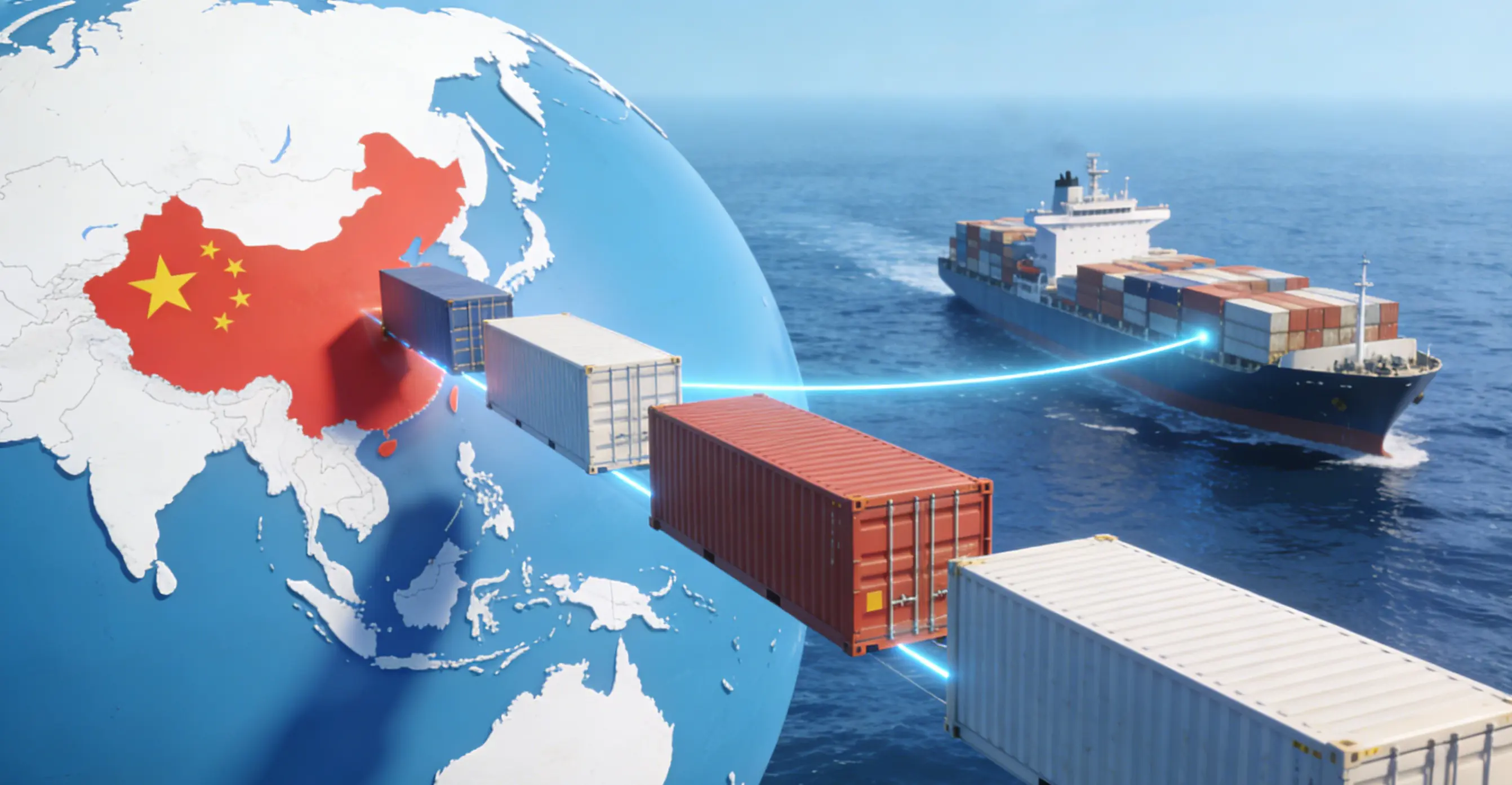
Shipping goods from China’s technology hub, Shenzhen, to the United Kingdom’s economic capital, London, is a journey of over 9,600 nautical miles. For importers in 2026, understanding the Shipping Cost from Shenzhen to London Port is not just about comparing freight rates—it’s about mastering the total landed cost.
Having managed over 500 shipments from Guangdong to the UK in the past year alone, our team at Efanda Logistics has witnessed firsthand how volatile the market can be. Whether you are sourcing electronics from Huaqiangbei or textiles from the surrounding manufacturing belts, this guide provides the transparent, expert insights you need to navigate the logistics landscape.
Introduction
As of March 2026, the average Shipping Cost from Shenzhen to London Port for a 20ft container ranges from $2,500 to $3,200, while a 40ft container typically costs between $4,000 and $5,500. These rates are subject to change due to fuel surcharges and seasonal demand.
The trade route between Shenzhen (Port codes: CNSZX, CNSHK) and London (served primarily by London Gateway, Felixstowe, and Southampton) is one of the busiest in the world. However, the “sticker price” of ocean freight is often just the tip of the iceberg.
In this guide, we break down every cost component—from ex-works charges in Shenzhen to final delivery in the UK. We also explore why many smart importers are switching to Door to Door Shipping to mitigate risks associated with customs and unexpected port fees.
Trade Route Overview
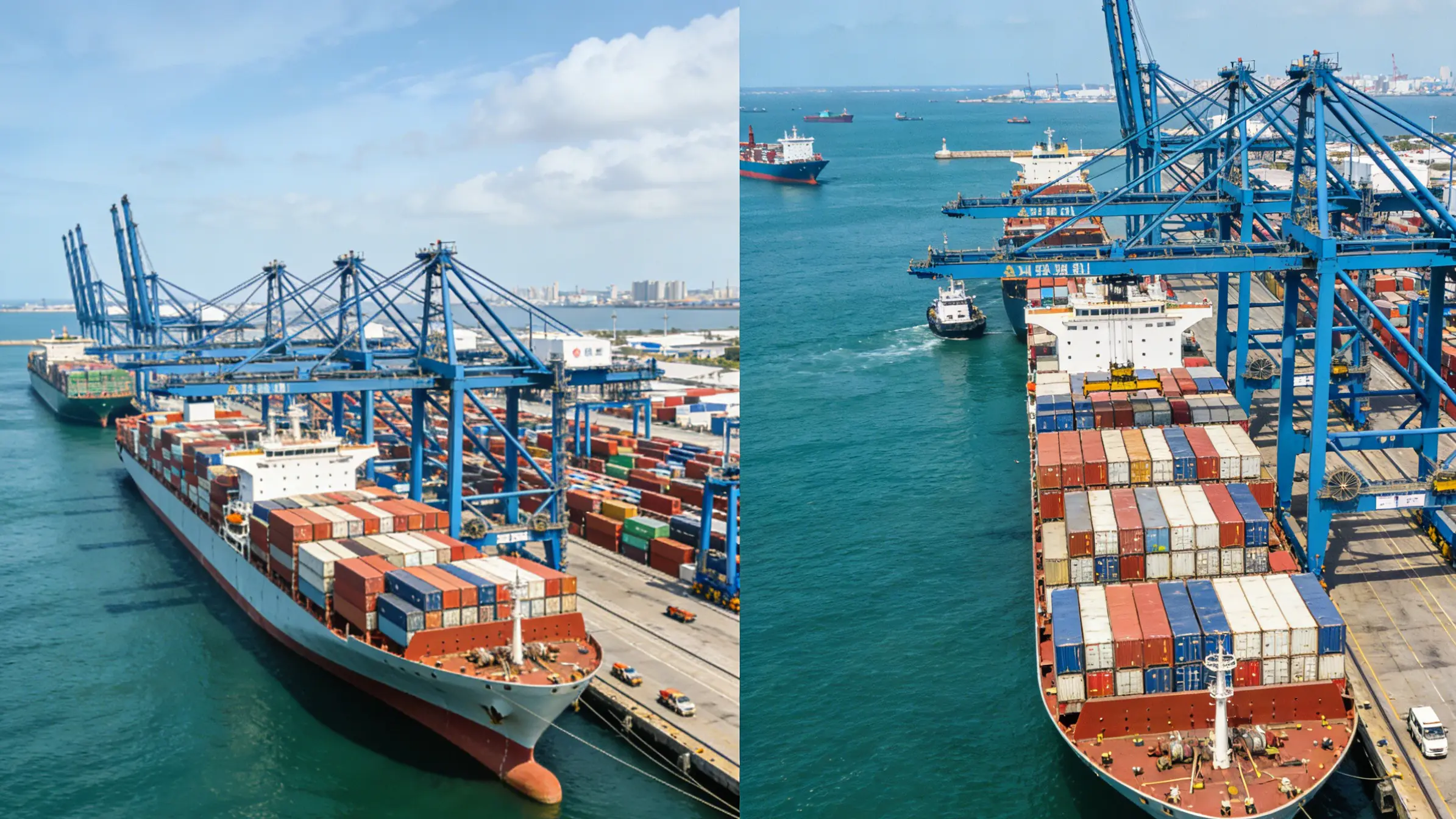
Shenzhen is the world’s fourth-busiest container port, offering frequent sailings to the UK. Most large container vessels dock at Port of Felixstowe (GBFXT) or Southampton (GBSOU), but London Gateway (GBLGP) is increasingly popular due to its proximity to the Greater London consumer market.
For businesses with a pan-European strategy, it is also worth comparing these rates with shipping from China to Netherlands (Rotterdam) or shipping from China to Belgium (Antwerp), as these hubs often serve as alternative entry points for the continent.
Total Landed Cost: The Real Formula
To ensure profitability, you must calculate the Total Landed Cost. Many new importers make the mistake of only looking at the freight rate, ignoring the significant impact of duty and VAT.
The formula is:
Total Cost=Product Cost+Sea Freight+Duty+VAT+Local Haulage
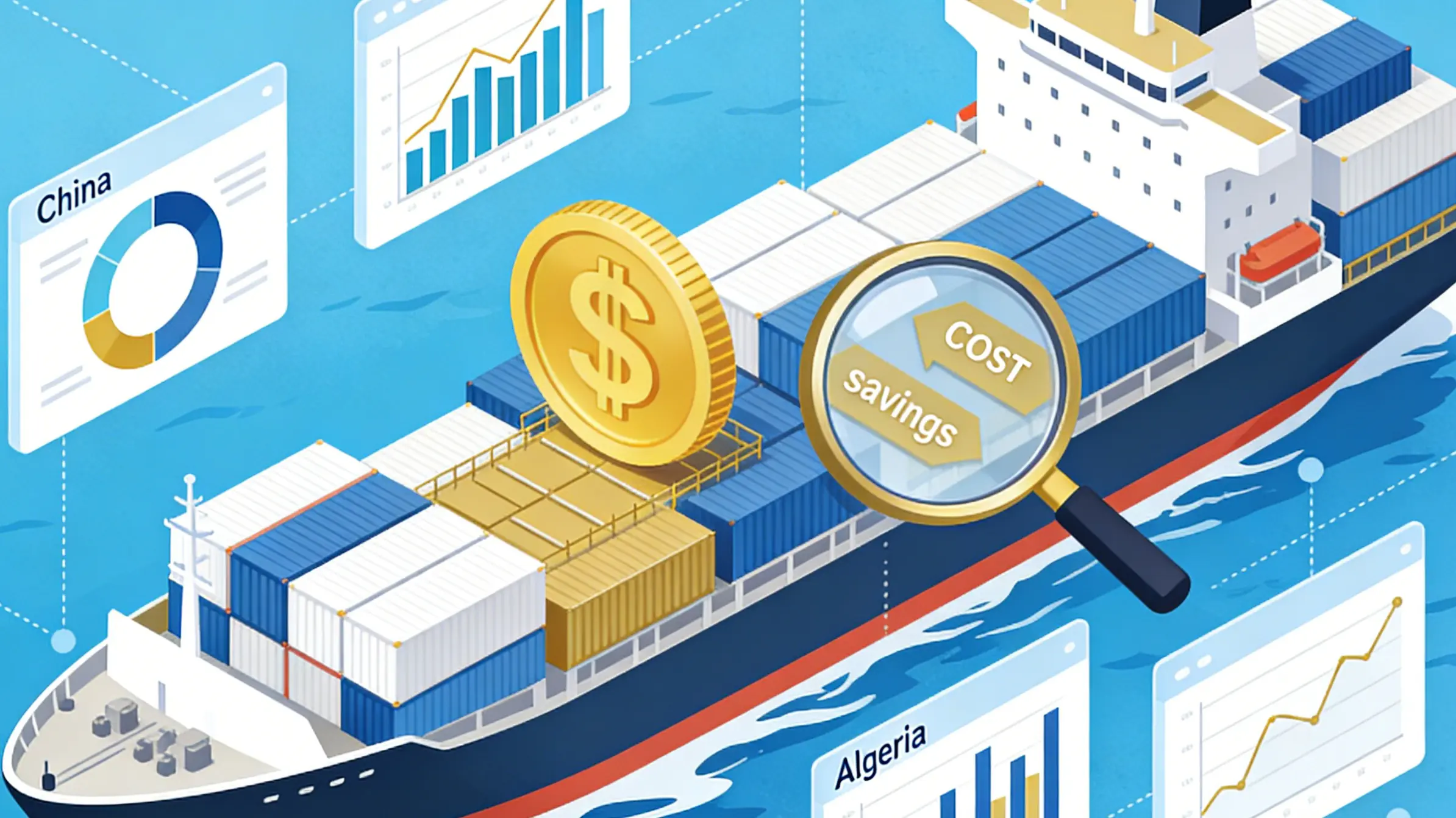
Ignoring any of these variables, especially Customs Clearance fees, can wipe out your profit margins. As shown in the chart above, while product cost is the largest component, logistics and taxes can easily make up 40-50% of your total spend.
1. Sea Freight Rates: FCL vs. LCL Costs & Transit Times
Quick Answer: A 40ft High Cube (40HQ) offers the best value for volume, costing only ~30% more than a 20ft container but providing double the capacity. Sea Freight remains the most economical choice for shipments over 2 CBM.
When shipping from Shenzhen, your primary decision is between Full Container Load (FCL) and Less than Container Load (LCL).
FCL (Full Container Load) Rates 2026
FCL is the standard for importers shipping more than 15 cubic meters (CBM) of goods. It offers security (your goods are sealed) and speed (no deconsolidation time).

| Container Type | Dimensions (L x W x H) | Max Volume | Average Cost (Mar 2026) | Best For |
|---|---|---|---|---|
| 20ft GP | 5.9m x 2.35m x 2.39m | 28 CBM | $2,500 – $3,200 | Heavy goods (Machinery, Metals, Batteries) |
| 40ft GP | 12.0m x 2.35m x 2.39m | 58 CBM | $4,000 – $5,200 | Bulky goods (Furniture, Textiles) |
| 40ft HQ | 12.0m x 2.35m x 2.69m | 68 CBM | $4,200 – $5,500 | E-commerce, Amazon FBA, Lightweight items |
Note: Rates include Ocean Freight + BAF (Bunker Adjustment Factor) but exclude local terminal handling charges. For real-time global rate trends, you can refer to the Drewry World Container Index.
LCL (Less than Container Load) Costs
If you don’t have enough cargo to fill a container, LCL allows you to share space. This is ideal for smaller shipments (1-10 CBM).
- Rate: Average $80 – $130 per CBM (Revenue Ton).
- Billing Logic: Charged by “W/M” (Weight or Measure). If your goods are light but bulky, you pay by volume (1 CBM). If dense (more than 1000kg/CBM), you pay by weight.
- The “Zero Freight” Trap: We often see competitors offering $10/CBM or even “free” freight from Shenzhen. Warning: This is a trap. They inflate the destination charges (CISF – China Import Service Fee) in London, often charging you hundreds of pounds just to release the cargo. Always ask for an “All-In” quote to avoid being held hostage at the destination port.
Transit Times
- Direct Service (e.g., Evergreen, COSCO): 28-33 days.
- Transshipment: Indirect vessels may transship via major global hubs. For example, routing via Singapore or Rotterdam (see shipping from China to Netherlands) can add 7-10 days but may offer lower rates during peak seasons. Similarly, some services route via Hamburg (shipping from China to Germany).
- Efanda Strategy: We prioritize direct vessels to minimize the risk of delay, crucial for maintaining Amazon FBA stock levels.
2. Air Freight Costs from Shenzhen to London
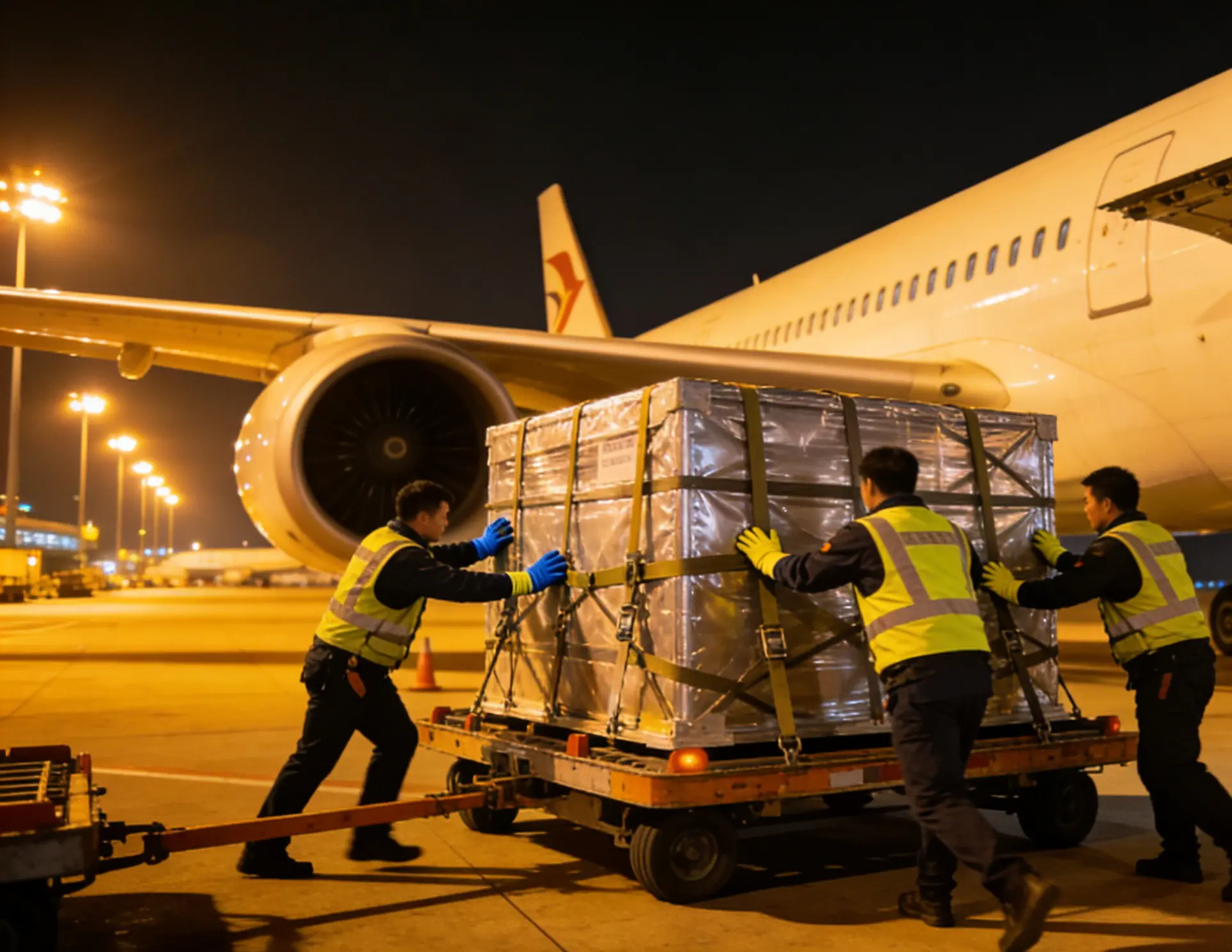
Air Freight takes 3-5 days but costs $5.00 – $8.00 per kg. It is the go-to for high-value electronics, samples, or urgent stock replenishment where speed justifies the premium.
Air freight is a balancing act between speed and cost. Shenzhen (SZX) has direct cargo flights to London Heathrow (LHR), but capacity is tight.
Standard Air Cargo vs. Express Courier
| Feature | Standard Air Freight | Express Courier (DHL/FedEx/UPS) |
|---|---|---|
| Weight Bracket | > 100 kg | < 100 kg |
| Cost | $4.50 – $6.50 / kg | $6.00 – $9.00 / kg |
| Transit Time | 3 – 7 Days | 2 – 4 Days |
| Customs | Requires separate broker | Included (Fast track) |
| Delivery | Airport-to-Airport (usually) | Door-to-Door |
Note on Hubs: While direct flights are fastest, economy air freight often routes through Middle East hubs like Dubai (see shipping from China to UAE) or Doha (shipping from China to Qatar), adding 1-2 days to transit time but reducing costs by ~15%.
Volumetric Weight: The Silent Cost Multiplier
Airlines charge based on chargeable weight, which is the higher of actual weight or volumetric weight.
- Formula: Length (cm) x Width (cm) x Height (cm) / 6000.
- Example: A large box of plush toys might weigh 10kg actually, but 25kg volumetrically. You will pay for 25kg.
- Tip: In our warehouse, we often help clients repack goods to compress soft items and minimize packaging voids, saving them up to 20% on air freight bills.
3. Hidden Costs: Customs Clearance, Duty & VAT Explained
The freight rate is only ~60% of your total logistics spend. You must budget for UK Import Duty, VAT (20%), and local haulage fees. Customs Clearance complexity can lead to delays if not managed right.
The UK’s departure from the EU has changed the import landscape. Compliance is non-negotiable.
UK Import Duty
Duty is a tax on the goods themselves, determined by the HS Code (Commodity Code). It is crucial to get this right.
- Electronics: Often 0% (e.g., Laptops, Phones).
- Clothing: Typically 12%.
- Bicycles: Can be 14% + Anti-Dumping Duty (up to 48.5%).
We strongly recommend verifying your HS Code on the official UK Government Trade Tariff tool before shipping. A wrong code can lead to fines or seizure of goods.
Import VAT (Value Added Tax)
- Rate: Standard 20%.
- Calculation: 20% of (CIF Value + Import Duty).
- Postponed VAT Accounting (PVA): If you are a VAT-registered UK business, you do not need to pay import VAT upfront at the border. You can account for it on your quarterly VAT return. This is a massive cash flow benefit. Efanda supports PVA on all shipments.
- For more details, refer to the UK Government Guidance on Import VAT.
Port & Haulage Charges
- Terminal Handling Charges (THC): Fees charged by the port (London Gateway/Felixstowe) to offload the container. Approx £150-£200.
- Documentation Fee: ~£40-£60.
- Haulage: Moving the container from the port to your warehouse.
- London Port to London Warehouse: ~£250.
- London Port to Manchester/Midlands: ~£450-£600.
- Note: Fuel surcharges fluctuate weekly.
4. Factors Affecting Shipping Costs from Shenzhen to London
Seasonality (Chinese New Year), Geopolitical Events (Red Sea), and Currency Exchange Rates are the primary drivers of cost volatility.
Shipping rates are dynamic. Understanding these factors helps you book at the right time.
1. Seasonality
- January (Pre-CNY): The most expensive time. Rates spike as everyone rushes to ship before factories close for Chinese New Year. We advise booking at least 3 weeks in advance during this period.
- August – October (Peak Season): Retailers stock up for Black Friday and Christmas. Expect space shortages and “Peak Season Surcharges” (PSS).
- March – April: Generally the most stable rates (Post-CNY lull).
2. Geopolitical Impact (Red Sea Crisis)
Since 2024, many vessels have diverted around the Cape of Good Hope to avoid the Red Sea.
- Impact: Adds 10-14 days to transit time.
- Cost: Carriers impose “Emergency Risk Surcharges” and higher fuel costs.
3. Exchange Rate
Freight is traded in USD. If the GBP weakens against the USD, your local cost increases. Duty and VAT are calculated based on the exchange rate at the time of arrival.
5. How to Reduce Costs with Warehouse Services & Consolidation
Consolidating shipments in our Warehouse Services, optimizing packaging to reduce “dead air”, and booking 14 days in advance are proven ways to save money.
Smart importers don’t just accept the market rate; they optimize their supply chain.
Consolidation Strategy
If you buy from three different suppliers in Shenzhen, Dongguan, and Huizhou:
- Don’t ship three separate LCL consignments (3x destination fees).
- Do use Efanda’s Shenzhen warehouse to combine them into one single shipment.
- Result: One customs entry, one delivery fee, and safer handling.
Optimize Packaging
“Dead air” is expensive.
- Work with your supplier to design compact packaging.
- If shipping LCL, ensure goods are palletized to avoid damage, but keep pallets stackable if possible to save volume.
Switch Incoterms
Many beginners buy CIF (Cost, Insurance, and Freight) because it seems easy.
- The Risk: The supplier controls the freight and often chooses the cheapest, slowest carrier. You lose control over costs once the ship docks.
- The Solution: Buy FOB (Free on Board). You choose a reliable forwarder like Efanda. We give you a clear quote for freight + UK delivery, giving you total cost control.
- Learn more about the responsibilities under different terms from the International Chamber of Commerce (Incoterms Rules).
6. Why Choose Efanda for Door to Door Shipping & Amazon FBA?
We specialize in the China-UK route, offering Door to Door Shipping and transparent DDP services that remove customs headaches.
At Efanda Logistics, we don’t just move boxes; we solve problems.
DDP (Delivered Duty Paid) Service
For e-commerce sellers and small businesses, DDP is the ultimate convenience.
- One Price: We quote you a flat rate per KG or CBM.
- Includes: Pick-up, Export declaration, Sea/Air freight, UK Customs clearance, Duty payment, VAT handling, and Final Delivery.
- No Surprises: You never receive a separate bill for port charges or taxes.
Amazon FBA Expertise
Shipping to BHX4, LBA4, or LCY2?
- We know Amazon’s strict palletization and labeling requirements.
- We book delivery slots via the Carrier Central system to ensure your goods are accepted without rejection.
- Our Amazon FBA service ensures your prime status remains active.
7. FAQ: Shipping from China to UK (Shenzhen to London)
Q: How long does sea freight take from Shenzhen to London?
A: Direct vessels (e.g., Evergreen, COSCO) typically take 28-35 days port-to-port. However, door-to-door delivery usually takes 40-50 days including customs clearance and haulage.
Q: What is the cheapest way to ship 2 CBM to London?
A: LCL Sea Freight is the most economical option for small volumes (1-10 CBM). Air freight would be prohibitively expensive for this volume unless the goods are extremely light.
Q: Does the shipping cost include insurance?
A: No. Carrier liability is very limited (often $2/kg). We highly recommend Cargo Insurance Services to protect against risks like General Average, theft, or water damage. The cost is negligible compared to the value of your goods.
Q: Can Efanda handle customs clearance in London?
A: Yes, our UK team handles all Customs Declaration Service (CDS) entries for you. We can also assist with EORI number registration if you are a first-time importer.
Ready to ship? Contact Efanda Logistics today for a precision quote that protects your bottom line. We make shipping from Shenzhen to London simple, transparent, and efficient.