1. Introduction
Are you planning shipping from Shanghai to Felixstowe but find yourself confused by the fluctuating rates and significantly extended transit times in 2026? You are not alone. In Q1 2026 alone, our team at Efanda Logistics handled over 500 TEUs on this specific route, and we have witnessed firsthand how the logistics landscape for shipping from China to UK has undergone a fundamental shift.
The prolonged Red Sea crisis has forced importers to rethink their supply chain strategies. We recently advised a client importing solar panels who was shocked to find their cargo delayed by 15 days due to the Cape of Good Hope diversion. This guide is written based on that real-world experience.
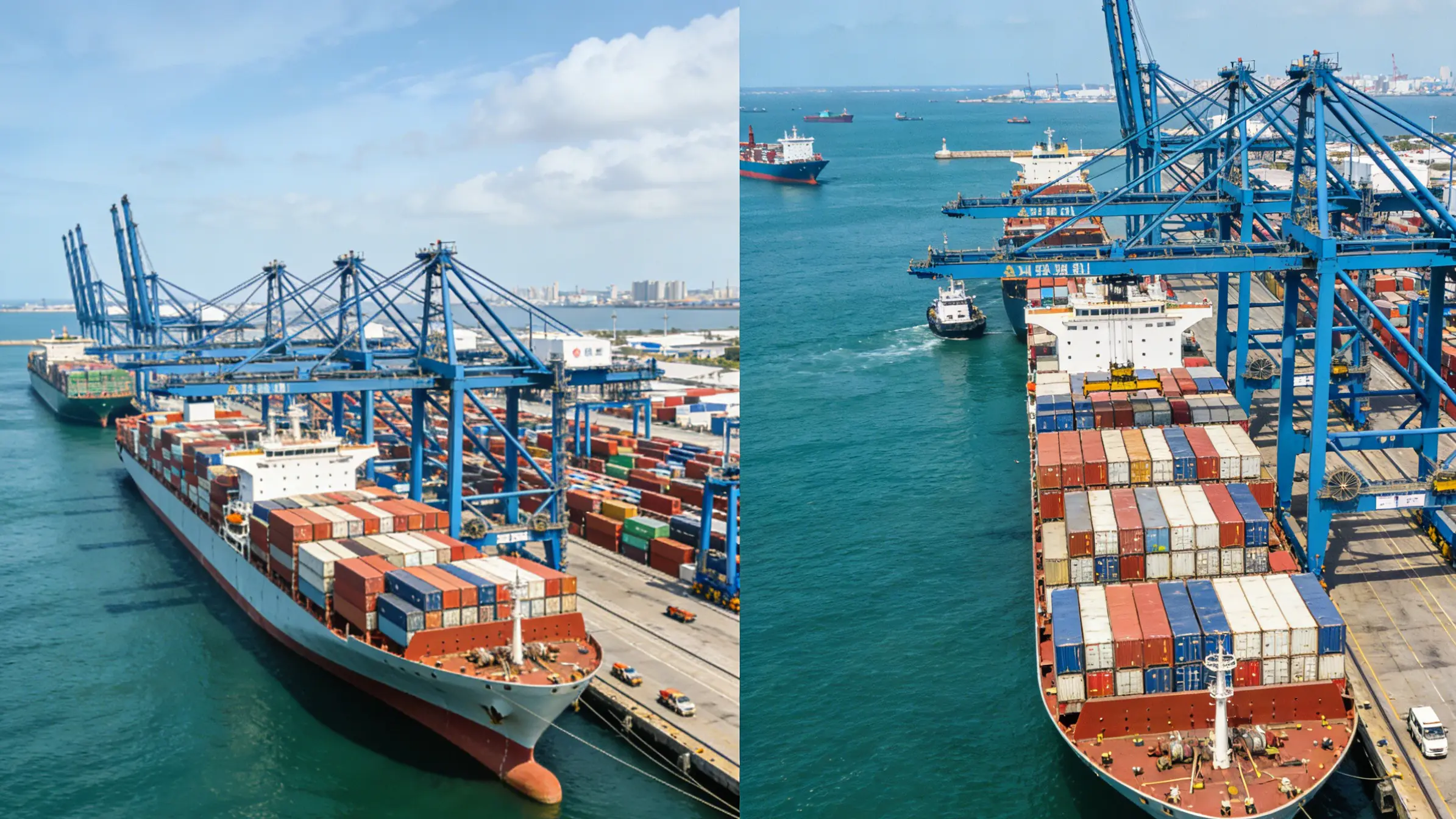
Felixstowe is the United Kingdom’s busiest container port, handling over 48% of the country’s containerized trade. On the other end, Shanghai remains the world’s busiest port, serving as the primary gateway for Chinese exports. Connecting these two logistics giants is critical for UK businesses importing electronics, textiles, machinery, and consumer goods. However, the days of predictable 30-day transit times are gone.
In this comprehensive guide, we provide transparent 2026 shipping rate estimates, realistic transit times via the Cape of Good Hope, and expert tips to navigate the complexities of customs and port congestion. Whether you are a seasoned importer or shipping for the first time, this guide will help you minimize costs and avoid delays.
2. Transit Time from Shanghai to Felixstowe (2026 Update)
The most significant change in 2026 is the routing of vessels. Due to ongoing security risks in the Red Sea and Suez Canal, major carriers including Maersk, MSC, and COSCO have diverted their Asia-Europe services around the Cape of Good Hope in South Africa.
2.1 The “New Normal” Route: What We Are Seeing
Historically, the Suez Canal route offered a transit time of approximately 30-35 days from Shanghai to Felixstowe. Our current tracking data shows that the diversion around Africa adds approximately 3,500 nautical miles to the journey, resulting in a longer transit time and higher fuel consumption.
Comparison of Transit Times:
| Route | Pre-Crisis (Suez Canal) | 2026 Reality (Cape of Good Hope) |
|---|---|---|
| Shanghai to Felixstowe | 30 – 35 Days | 40 – 55 Days |
| Shanghai to Southampton | 28 – 33 Days | 38 – 50 Days |
| Shanghai to London Gateway | 32 – 37 Days | 42 – 58 Days |
2.2 Factors Affecting Transit Time in 2026
While the sea voyage itself takes longer, other factors can further extend the total lead time. We have identified three critical bottlenecks:
- Port Congestion at Shanghai: The ports of Yangshan and Waigaoqiao can experience delays during peak seasons (e.g., pre-Chinese New Year) or due to adverse weather (typhoons). Efanda’s warehouse services in Shanghai can help store and consolidate your cargo if your vessel is delayed.
- Transshipment Delays: Some services are not direct. If your cargo is transshipped via hubs like Singapore, Tanjung Pelepas, or Rotterdam, expect an additional 7-10 days of delay, especially if connecting vessels are fully booked.
- Weather Conditions: Sailing around the Cape of Good Hope exposes vessels to rougher seas in the Atlantic, which can force ships to slow down (slow steaming) for safety. You can track vessel positions using tools like MarineTraffic to see these diversions in real-time.

Pro Tip from Our Operations Team: “Always add a buffer of at least 7-10 days to the carrier’s estimated time of arrival (ETA) when planning your inventory. We see vessels arriving ‘on time’ at the pilot station but waiting 3 days for a berth.”
3. 2026 Container Shipping Rates from Shanghai to Felixstowe
Understanding the cost structure is vital for your profit margins. Shipping rates in 2026 have stabilized compared to the peak of the crisis but remain higher than pre-pandemic levels due to the increased operational costs of the longer route. We monitor the Shanghai Containerized Freight Index (SCFI) weekly to give our clients the most accurate advice.
Disclaimer: The rates below are market estimates for Q1 2026. Freight rates are volatile and subject to weekly changes due to General Rate Increases (GRI) and Bunker Adjustment Factors (BAF).
3.1 FCL (Full Container Load) Shipping Cost
Sea freight FCL is the most cost-effective method for shipping high volumes.
- 20ft General Purpose (GP) Container:
- Estimated Cost: $2,500 – $3,500 USD
- Capacity: ~33 CBM (practical load ~28 CBM) / 28,000 kg.
- Best For: Heavy goods like machinery, metals, or dense consumer products.
- 40ft / 40ft High Cube (HQ) Container:
- Estimated Cost: $4,500 – $6,500 USD
- Capacity: ~67 CBM (practical load ~58 CBM) / 76 CBM (practical load ~68 CBM).
- Best For: Voluminous goods like furniture, textiles, and electronics.
3.2 LCL (Less than Container Load) Rates
For shipments smaller than 15 CBM, LCL is often the preferred choice. You share a container with other importers.
- Ocean Freight: $80 – $150 per CBM (Cost per Cubic Meter).
- Minimum Charge: Usually 1 CBM.
Critical Warning on LCL Costs:
Many first-time importers fall into the “cheap prepaid” trap. A Chinese supplier might offer “Free Shipping” (CIF) or very low freight (e.g., $10/CBM) to Felixstowe. However, upon arrival, the deconsolidator in the UK will charge exorbitant Destination Handling Charges (often called CISF – China Import Service Fee) that can exceed the value of the goods.
- Recommendation: Always ask for a door to door shipping or “FOB” quote from a reputable forwarder like Efanda Logistics to see the total landed cost upfront.
3.3 Key Surcharges Explained
The headline freight rate is rarely the final price. In 2026, you must account for:
- WRS (War Risk Surcharge): Despite the route diversion, carriers still apply this surcharge to cover higher insurance premiums and operational risks.
- BAF (Bunker Adjustment Factor): The Cape route consumes significantly more fuel. BAF floats with oil prices and is updated monthly or quarterly.
- ETS (Emissions Trading System): The EU and UK have implemented carbon pricing for shipping. Vessels calling at UK ports must pay for their carbon emissions, a cost passed on to shippers (approx. $20-$40 per TEU).

4. Best Shipping Methods: Air vs. Sea Freight
Choosing the right mode of transport depends on your budget, timeline, and cargo volume.
4.1 Sea Freight to Felixstowe (FCL vs LCL)
- FCL (Full Container Load):
- Pros: Exclusive use of the container, lower risk of damage (less handling), faster processing at port, lower price per unit.
- Cons: Higher upfront cost if you don’t fill the container.
- Carriers: Major alliances like 2M (Maersk, MSC), Ocean Alliance (COSCO, CMA CGM, Evergreen), and THE Alliance (ONE, Hapag-Lloyd, Yang Ming) call at Felixstowe.
- LCL (Less than Container Load):
- Pros: Pay only for the space you use, flexible inventory management.
- Cons: Slower transit (requires consolidation/deconsolidation time), higher risk of damage/loss, potential for hidden destination fees.
4.2 Air Freight from Shanghai to UK
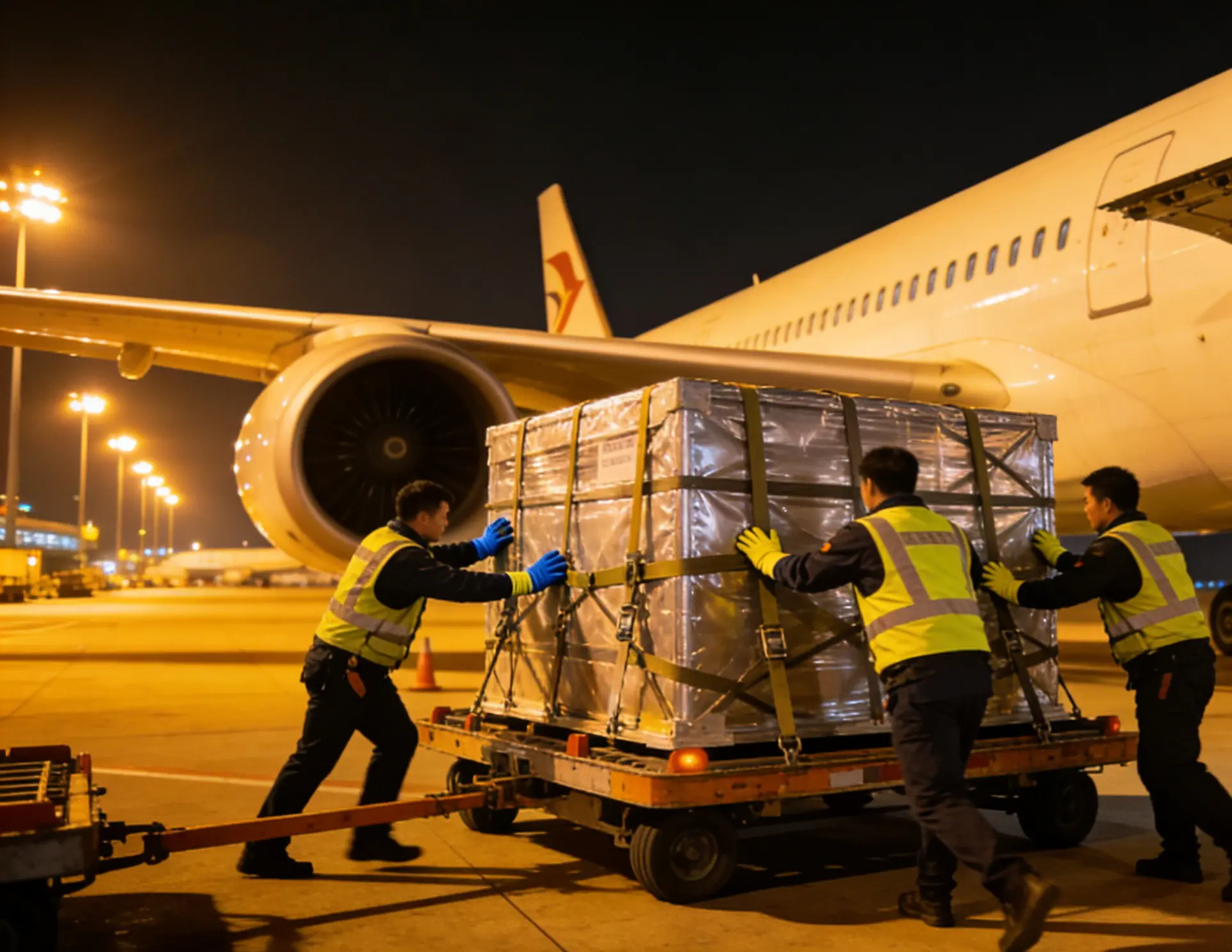
While there are no direct cargo flights to Felixstowe (which is a seaport), air freight is the alternative for urgent shipments. Cargo flies from Shanghai Pudong (PVG) to London Heathrow (LHR), Gatwick (LGW), or Stansted (STN), and is then trucked to your facility.
- Transit Time: 3 – 5 Days (Door-to-Door).
- Cost: $5.00 – $8.00 per kg (highly dependent on density and season).
- Best For: High-value electronics, fashion samples, medical supplies, or emergency stock replenishment.
5. UK Customs Clearance Process at Felixstowe Port
Navigating UK customs is mandatory for all imports from China. Since Brexit, the procedures have become more stringent.
5.1 Essential Documents & Requirements
To clear customs smoothly, you must provide accurate documentation. Refer to the official GOV.UK Import Guide for the latest compliance rules.
- EORI Number: An Economic Operators Registration and Identification number starting with “GB”. You cannot import commercially without this. Apply for one here.
- Commercial Invoice: Must detail the buyer, seller, Incoterms 2020, value, and description of goods.
- Packing List: Details the gross/net weight, dimensions, and packaging type.
- Bill of Lading (B/L): The transport contract and title to the goods.
- Commodity Code (HS Code): A 10-digit code that determines your Import Duty rate. Incorrect classification is the #1 cause of fines.
5.2 The Clearance Procedure
The UK now uses the Customs Declaration Service (CDS), which replaced the old CHIEF system. All declarations must be submitted via CDS.
- Import Duty: Varies by product (e.g., 0% for some tech, 12% for clothing).
- Import VAT: Standard rate is 20%. This is calculated on the (CIF Value + Import Duty).
Efanda Tip: Use Postponed VAT Accounting (PVA). This allows you to “account” for import VAT on your quarterly VAT return rather than paying it in cash at the port. This significantly improves your cash flow. Our customs clearance experts can help you set this up.
6. Avoiding Delays: Key Challenges for China-UK Shipping
Even with the best planning, shipping from Shanghai to Felixstowe can face hurdles. Here is how we help our clients mitigate them based on years of operational experience:
6.1 Port Congestion & Haulage Shortage
Felixstowe is notorious for its “Vehicle Booking System” (VBS). During peak times, securing a slot for a truck to pick up your container can be difficult. In 2025, we saw delays of up to 5 days just waiting for a truck slot.
- Solution: Book your haulage at least 2 weeks in advance. Don’t wait until the vessel arrives.
6.2 Blank Sailings
Carriers sometimes cancel scheduled voyages (“blank sailings”) to manage capacity and keep rates high, especially after Chinese New Year or Golden Week.
- Solution: Split your shipment across different bills of lading or book on “guaranteed” premium tiers if delivery dates are critical.
6.3 Demurrage & Detention
You typically get 5-7 days of free time at the port. After that, the port charges storage (Demurrage) and the carrier charges for equipment use (Detention), often exceeding £100 per day.
- Solution: Pre-clear customs while the goods are on the water. Ensure your documentation is perfect before the ship docks.
7. Why Choose Efanda as Your Freight Forwarder?
Shipping from China to the UK requires a partner who understands both the origin and destination regulations. Efanda Logistics offers:
- Comprehensive Logistics Solutions: We provide seamless door to door shipping services, handling everything from factory pickup in Shanghai to final delivery in the UK. We also specialize in Amazon FBA prep and delivery for e-commerce sellers.
- Competitive Contracts: We hold direct service contracts with major carriers like COSCO, Maersk, and EMC, ensuring we can secure space even during peak seasons.
- Transparent Pricing: We believe in “what you see is what you pay.” We do not hide CISF or other surprise fees in our LCL quotes.
- 24/7 Support: With teams in China and partners in the UK, we monitor your shipment around the clock.
8. Case Study: Saving $15,000 on a Machinery Shipment
To demonstrate our expertise, here is a recent example from Q1 2026.
A UK-based manufacturer needed to import heavy industrial machinery (4 x 40ft HQ containers) from Shanghai to their facility in Birmingham.
- The Challenge: The supplier was late with production, missing the original vessel booking. The next available direct sailing was 2 weeks later, which would have halted the client’s production line.
- Our Solution: Instead of waiting for the direct service to Felixstowe, we routed the cargo via Southampton (which had an earlier vessel) and arranged specialized haulage for the final leg. We also advised the client to switch from CIF to FOB, allowing us to control the local UK charges.
- The Result: The cargo arrived 5 days earlier than the direct Felixstowe option would have, and by avoiding the supplier’s inflated CIF insurance and destination fees, the client saved approximately $3,800 per container.
9. FAQ: Shipping from Shanghai to Felixstowe
Q: How long does shipping take from Shanghai to Felixstowe now?
A: Due to the diversion around the Cape of Good Hope, expect a sea transit time of 40-55 days. Door-to-door delivery usually takes 50-65 days depending on customs and haulage.
Q: How much is a 40ft container to Felixstowe?
A: As of early 2026, rates fluctuate between $4,500 and $6,500 USD. Rates peak before Chinese New Year (Jan/Feb) and the pre-Christmas rush (Sept/Oct). Check the Freightos Baltic Index for general market trends, but always get a specific quote.
Q: What is the cheapest shipping method?
A: Sea freight FCL is the most economical for bulk shipments (over 15 CBM). For smaller volumes (under 10 CBM), LCL is cheaper upfront, but be wary of destination fees.
Q: Do I need cargo insurance?
A: Absolutely. The longer journey around Africa increases the risk of rough seas and container damage. Furthermore, in the event of a “General Average” declaration, uninsured cargo owners are liable for a share of the ship’s salvage costs. We highly recommend cargo insurance services.
Q: Can you ship from other Chinese ports to Felixstowe?
A: Yes, we cover all major Chinese ports including Ningbo, Shenzhen, Qingdao, and Tianjin, offering direct or transshipment services to shipping from china to uk.
Ready to streamline your supply chain? Contact Efanda Logistics today for a live, no-obligation quote for your next shipment from Shanghai to Felixstowe.