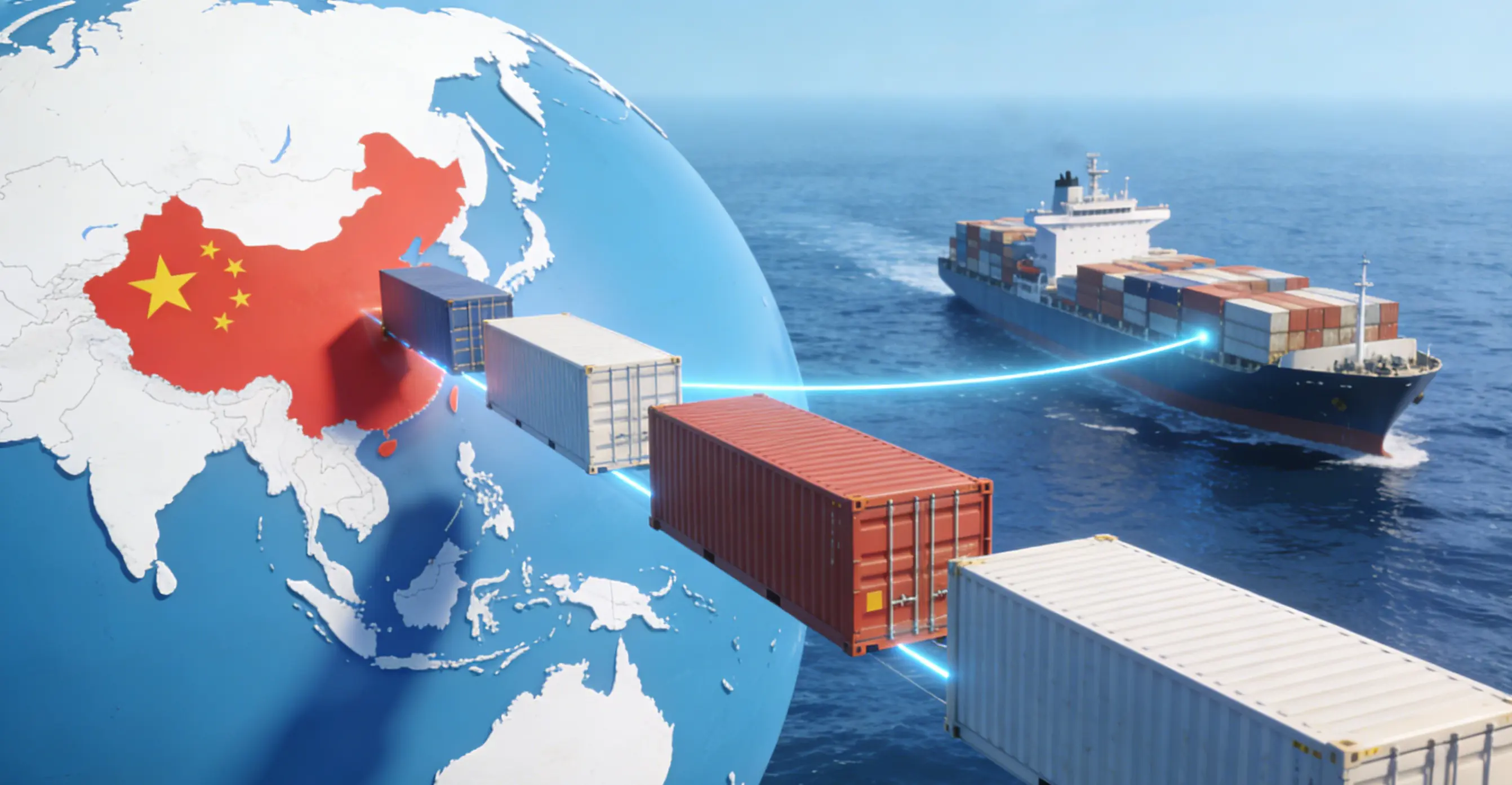
Looking for the most reliable and cost-effective way to ship goods from Shenzhen to Belgium?
As Shenzhen serves as China’s Silicon Valley and a major manufacturing hub for electronics, machinery, and high-tech components, and Belgium acts as the logistics heart of Europe with its strategic ports of Antwerp and Zeebrugge, the trade lane between these two regions is vital for businesses. In our 15 years of managing logistics on this route, we’ve seen firsthand how crucial the right choice of transport is. Whether you are importing consumer electronics, industrial machinery, or textiles, understanding the logistics options—Sea Freight, Air Freight, and Rail Freight—is crucial for optimizing your supply chain.
In 2026, navigating the complexities of shipping from China to Belgium, particularly from Shenzhen, requires more than just booking a container. With fluctuating rates, evolving customs regulations like the Carbon Border Adjustment Mechanism (CBAM), and the need for speed versus cost balance, importers must be strategic. This comprehensive guide, based on our daily operational experience, explores the best shipping methods, precise transit times, detailed cost structures, and essential customs clearance procedures for 2026, helping you navigate international logistics with ease.
1. Shipping Methods: Sea, Air & Rail from Shenzhen to Belgium
When planning your shipment, the choice of transport mode depends heavily on your budget, cargo volume, and urgency. Here is a detailed breakdown of the primary methods available.
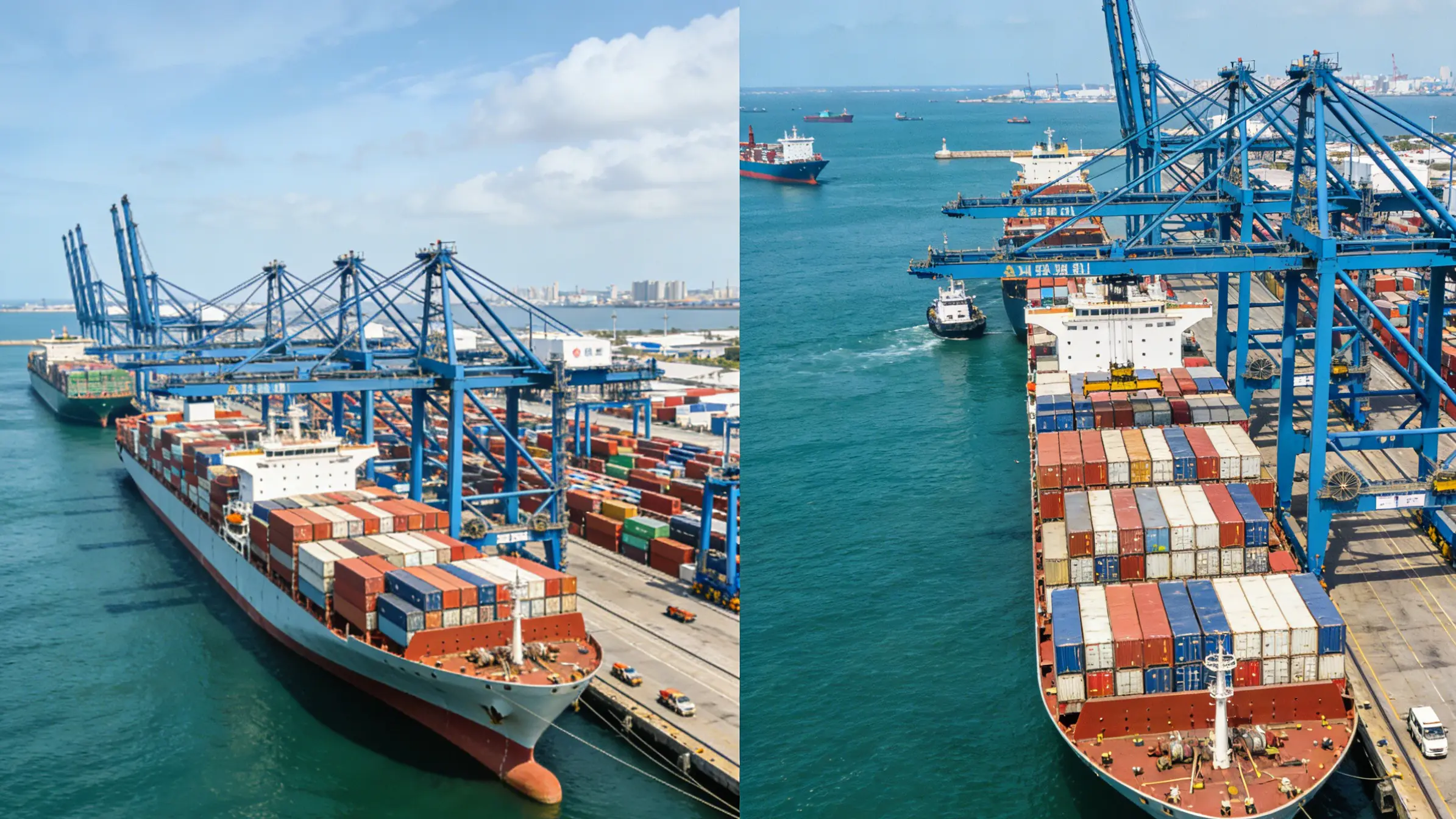
Sea Freight: The Most Economical Way to Ship from Shenzhen to Belgium
Sea freight remains the backbone of international trade, handling over 90% of cargo volume. For businesses shipping large quantities or heavy goods where time is less critical than cost, sea freight is the optimal choice.
- FCL (Full Container Load): This is ideal for high-volume shipments. You hire an entire container (20ft, 40ft, or 40ft HQ) for your goods.
- 20ft Container (20GP): Suitable for heavy cargo like machinery or raw materials. Capacity approx. 33 CBM.
- 40ft Container (40GP/HQ): Best for voluminous but lighter goods like textiles, furniture, or toys. Capacity approx. 67-76 CBM.
- Route: Vessels typically depart from Shenzhen (Yantian, Shekou, Chiwan) and arrive at Port of Antwerp-Bruges (Europe’s 2nd largest port). The route often passes through the Suez Canal, though recent geopolitical events have occasionally forced diversions around the Cape of Good Hope, adding 10-14 days to transit times. Case Study: In early 2026, we successfully rerouted a client’s 40HQ of solar inverters via the Cape to avoid Red Sea delays, ensuring they met their installation deadline in Ghent.
- LCL (Less than Container Load): If you don’t have enough cargo to fill a full container, LCL allows you to share space with other shippers.
- Cost-Effectiveness: You only pay for the volume (CBM) you use. It is perfect for shipments between 1 CBM and 15 CBM.
- Consolidation: Goods are consolidated at a warehouse in Shenzhen and deconsolidated in Antwerp or Rotterdam before final delivery to Belgium. Note that this process adds a few days to the total transit time compared to FCL.
- Key Ports:
- Origin: Shenzhen ports are world-class. Yantian is known for its deep-water berths accommodating the largest mega-vessels, while Shekou serves as a key hub for intra-Asia and feeder services connecting to main lines.
- Destination: Antwerp is the preferred gateway due to its central location in Europe and excellent barge, rail, and road connectivity to France (shipping from China to France), Germany (shipping from China to Germany), and the Netherlands (shipping from China to Netherlands).
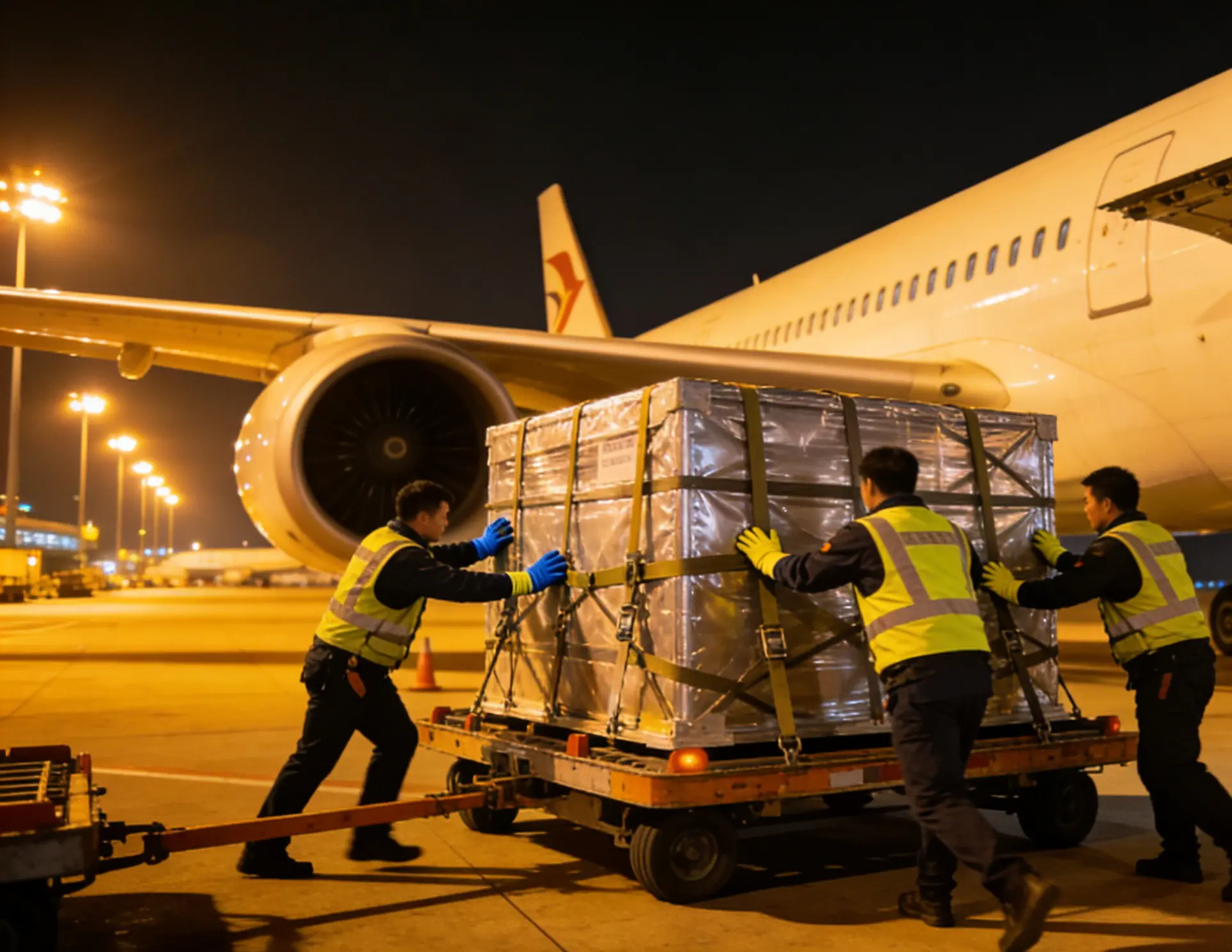
Air Freight: Fastest Option for Shipping from Shenzhen to Belgium
When time is money, air freight is the solution. It is indispensable for high-value electronics, urgent fashion samples, medical supplies, and “just-in-time” manufacturing components.
- Standard Air Freight: This service utilizes commercial airlines or dedicated freighters.
- Airports: Cargo typically flies from Shenzhen Bao’an International Airport (SZX) or via Hong Kong (HKG) for more flight options, landing at Brussels Airport (BRU) or Liège Airport (LGG).
- Liège Airport (LGG): A critical hub for e-commerce logistics in Europe, particularly for Alibaba and other major Chinese platforms. It operates 24/7 and offers specialized handling for express cargo.
- Express Shipping: For parcels under 100kg or documents, courier services like DHL, FedEx, and UPS offer door-to-door delivery.
- Advantages: Integrated customs clearance, end-to-end tracking, and extreme speed (often 3-5 days).
- Why Choose Air?: While significantly more expensive than sea freight (often 10-15x higher per kg), the speed of air freight reduces inventory holding costs and allows businesses to respond strictly to market demand.
Rail Freight: Balancing Speed and Cost
The China-Europe Railway Express (CR Express) has emerged as a powerful “middle ground” alternative.
- The Middle Ground: It is roughly twice as fast as sea freight and significantly cheaper than air freight.
- Route: The train departs from Shenzhen (or nearby Guangzhou/Dongguan hubs), travels through inland China, crosses into Kazakhstan, Russia, Belarus, and Poland, before reaching Germany (Duisburg) or directly to Liège, Belgium.
- Suitability: Excellent for medium-value goods, heavy machinery that is too expensive to fly, or when sea freight capacity is tight.
2. Transit Time Analysis: How Long to Ship from Shenzhen to Belgium?
Understanding transit times is critical for inventory planning. Below is a comparison based on 2026 operational data.
| Shipping Mode | Port-to-Port / Door-to-Door | Estimated Transit Time | Notes |
|---|---|---|---|
| Sea Freight (FCL/LCL) | Shenzhen to Antwerp | 25 – 35 Days | Dependent on route (Suez vs. Cape) and port congestion. |
| Air Freight | SZX/HKG to BRU/LGG | 3 – 7 Days | Includes consolidation and flight time. Direct flights are faster. |
| Rail Freight | China to Belgium | 15 – 20 Days | Terminal-to-terminal. Add 3-5 days for door delivery. |
| Express | Door-to-Door | 3 – 5 Days | Fastest option, customs inclusive. |

Note: “Door-to-Door” times include pickup, export customs, main transit, import customs, and final delivery. Always add a buffer of 3-5 days for unforeseen delays like weather or customs inspections.
3. Cost Guide: Shipping Rates from Shenzhen to Belgium (2026)
Shipping costs are dynamic and influenced by fuel prices, seasonal demand, and carrier capacity. Here is what to expect in 2026.
- Sea Freight Rates:
- 20ft Container: Rates typically range from $1,200 to $1,600.
- 40ft Container: Rates typically range from $2,100 to $2,700.
- Influencing Factors:
- GRI (General Rate Increase): Carriers often apply GRIs at the start of the month.
- PSS (Peak Season Surcharge): Expect higher rates from August to October (pre-Christmas) and January (pre-Chinese New Year).
- Bunker Adjustment Factor (BAF): A floating surcharge based on oil prices.
- Air Freight Rates:
- Air freight is calculated based on Chargeable Weight (the higher of actual weight or volumetric weight).
- Rates: Approximately $4.00 – $7.00 per kg for general cargo.
- Price Breaks: Rates decrease as shipment weight increases (+45kg, +100kg, +500kg, +1000kg).
- Rail Freight Rates:
- FCL: Approximately $5,000 – $6,000 for a 40ft container equivalent.
- LCL: Calculated per CBM, generally higher than sea LCL but lower than air.
- Hidden Costs to Watch For:
- THC (Terminal Handling Charges): Fees charged by the port terminals at both origin and destination.
- Documentation Fees: Bill of Lading (B/L) fee, export declaration fee.
- Customs Clearance Fees: Brokerage fees for handling import formalities.
- Delivery Fees: Trucking from the port/airport to your warehouse in Belgium.
- Insurance: Always recommended to protect against loss or damage (see our cargo insurance services).
4. DDP Services: Hassle-Free Shipping from Shenzhen to Belgium
For many small businesses and e-commerce sellers (such as Amazon FBA), door to door shipping (specifically DDP – Delivered Duty Paid) is the preferred shipping term. We’ve seen a 40% increase in DDP requests in 2026 as sellers look to simplify their tax obligations.
- What is DDP?: Under Incoterms 2020, the seller (or the freight forwarder acting on their behalf) takes maximum responsibility. They handle everything from picking up the goods in Shenzhen to delivering them to your door in Belgium. Crucially, the price you pay includes all transport costs, insurance, and import duties/VAT.
- Benefits:
- Predictable Costs: You know the total landed cost upfront. No surprise bills from customs.
- Simplicity: You don’t need to have your own import license or VAT number in Belgium (though having one is recommended for reclaiming VAT).
- Amazon FBA Friendly: DDP is the standard for shipping directly to Amazon fulfillment centers in Europe, as Amazon will not act as the Importer of Record.
- The Process:
- Pickup: Efanda collects goods from your supplier in Shenzhen.
- Export Clearance: We handle Chinese customs declaration.
- Main Leg: Goods travel via Sea, Air, or Rail.
- Import Clearance: Upon arrival in Europe (often Belgium or a neighboring hub like Netherlands/Hungary), we clear customs and pay the duties/VAT.
- Final Delivery: Goods are trucked to your warehouse or Amazon FBA center in Belgium.
5. Customs & Duties: Importing from Shenzhen to Belgium
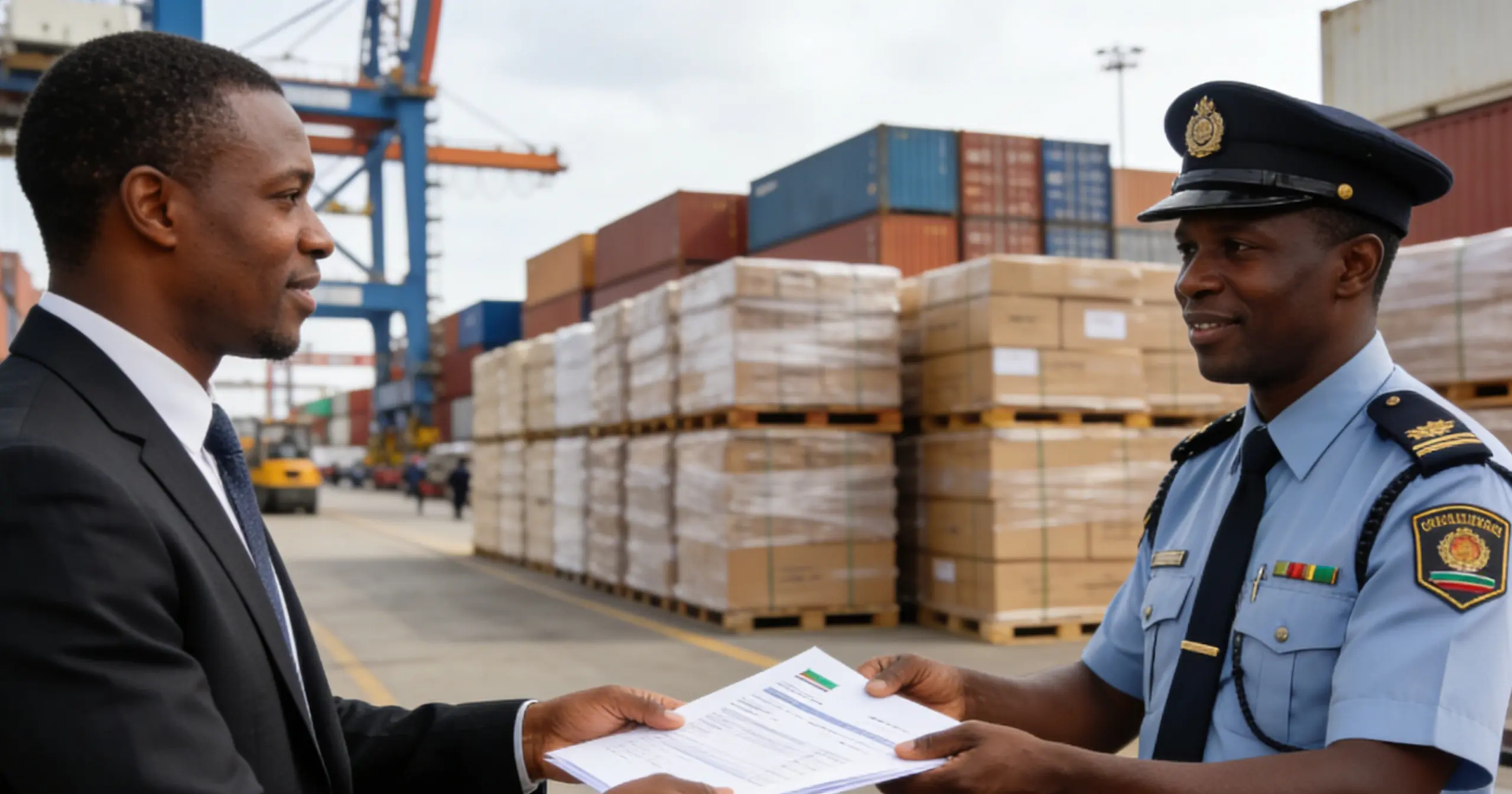
Belgium follows European Union customs regulations, which are strict but standardized. Compliance is key to avoiding delays and fines.
- EORI Number: An Economic Operators Registration and Identification number is mandatory for any business importing goods into the EU. You must apply for this in your country of establishment (e.g., Belgium) before the shipment arrives.
- Import Duties:
- Duties are calculated based on the HS Code (Harmonized System Code) of your product.
- Common Rates:
- Electronics (Laptops, Phones): Often 0% (under ITA agreement).
- Textiles/Clothing: Typically around 12%.
- Machinery: Varies, often 1.7% – 4.5%.
- Tip: Verify your HS code carefully with the Belgian Customs (Douane). Misclassification can lead to retroactive penalties.
- VAT (Value Added Tax):
- The standard VAT rate in Belgium is 21%.
- VAT is calculated on the CIF Value (Cost of Goods + Insurance + Freight) + Import Duty.
- Note: VAT is usually recoverable for registered businesses, whereas duty is a cost.
- Documents Required:
- Commercial Invoice: Must detail the buyer, seller, goods description, HS code, and value.
- Packing List: Details the weight, dimensions, and packaging of the shipment.
- Bill of Lading (B/L) or Air Waybill (AWB): The contract of carriage.
- Certificate of Origin: Sometimes required to prove the goods are made in China (e.g., for specific quota goods).
- CE Marking: Mandatory for electronics, toys, and machinery sold in the EU to prove safety compliance per EU Trade Policy.
6. Why Choose Efanda Logistics for Your Shenzhen to Belgium Shipments?
At Efanda, we don’t just move boxes; we optimize your supply chain.
- Local Expertise: With teams in Shenzhen and partners in Antwerp/Brussels, we understand both the export nuances of China and the import regulations of Belgium. We stay ahead of changes like ICS2 (Import Control System 2) so you don’t have to.
- Competitive Rates: Our long-standing contracts with major carriers like COSCO, CMA CGM, and Air China allow us to offer rates that beat the general market, especially for 2026 bookings.
- End-to-End Visibility: We provide real-time tracking systems so you always know where your cargo is. From the factory floor in Shenzhen to the doorstep in Brussels, you are in control.
- Customized Solutions: Whether you need a 40ft container for furniture or express air freight for a prototype, we tailor the solution to your timeline and budget.
7. FAQ: Common Questions About Shipping from Shenzhen to Belgium
Q: What is the cheapest way to ship from Shenzhen to Belgium?
A: Sea Freight (LCL) is generally the cheapest option for small shipments (1-10 CBM), while Sea Freight (FCL) is most economical for large volumes. If you have time (30+ days), sea freight will always beat air and rail on cost.
Q: Can I ship batteries or electronics from Shenzhen to Belgium?
A: Yes, but they are classified as dangerous goods (DG). You must provide an MSDS (Material Safety Data Sheet) and UN38.3 test report. Efanda has specialized experience in handling DG cargo via both air and sea, ensuring compliant packaging and labeling.
Q: How do I calculate the chargeable weight for air freight?
A: Air freight is charged on the greater of Gross Weight or Volumetric Weight. The volumetric formula is typically: (Length x Width x Height in cm) / 6000. For example, a large but light box might cost more than a small, heavy metal part.
Q: Does Efanda offer warehousing services in Shenzhen?
A: Yes! We offer free warehouse services (up to 7-14 days) in Shenzhen. This is perfect for buyers consolidating goods from multiple suppliers before shipping them together to Belgium, saving significantly on shipping costs.
Q: How long does customs clearance take in Belgium?
A: Standard clearance typically takes 1-2 business days if all documentation is correct. However, physical inspections or X-ray scans by customs can add 3-7 days to the process. Providing accurate HS codes and invoices is the best way to speed this up.
Ready to ship? Contact Efanda today for a free quote tailored to your 2026 shipping needs.