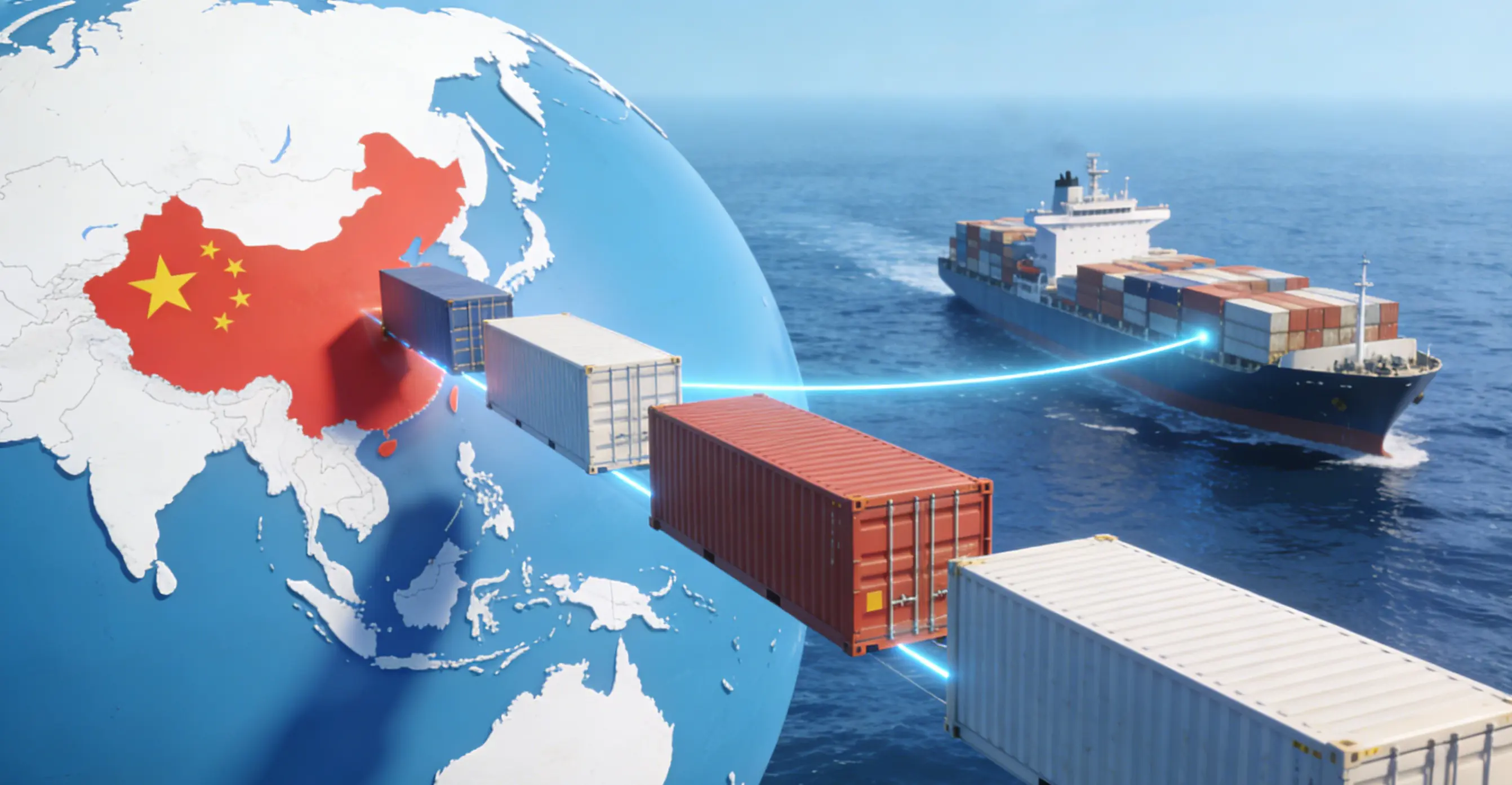
Is your cargo stuck in the Middle East due to the escalating US-Iran conflict? The shipping world has been thrown into chaos following the dramatic events of February 28, 2026. The Strait of Hormuz, the world’s most critical oil and cargo chokepoint, handling over 20% of global oil consumption, is now effectively closed to commercial traffic. For importers handling shipping from China to UAE, shipping from China to Saudi Arabia, or transit to Europe via Suez, this is a “Black Swan” event of the highest magnitude.
At Efanda Logistics, our crisis management team has been monitoring the situation hour-by-hour. In this comprehensive “Ultimate Guide,” we break down the operational reality of “Operation Epic Fury,” analyze the immediate impact on sea and air freight with precise data, and provide actionable, battle-tested strategies to keep your supply chain moving.
1. The Crisis: Operation Epic Fury & The Strait of Hormuz Closure
On February 28, 2026, the United States Central Command (CENTCOM) and Israel Defense Forces (IDF) launched a joint military operation codenamed “Operation Epic Fury”. This was not a limited skirmish but a full-scale aerial campaign targeting Iran’s nuclear infrastructure, specifically the Taleghan 2 and Khojir facilities, along with key missile bases in Isfahan.
The Trigger & Retaliation
According to reports from Reuters, the operation achieved a high-value objective: the confirmation of Supreme Leader Ali Khamenei’s death. In a furious retaliation, Iran launched a massive barrage of approximately 165 ballistic missiles and 541 suicide drones targeting Israel, US military bases in Bahrain, Kuwait, and Iraq, and critical infrastructure in the UAE.
The Chokehold: Strait of Hormuz
The most devastating consequence for global trade is Iran’s retaliatory move to close the Strait of Hormuz.
- What it means: This 21-mile-wide passage is the only sea route out of the Persian Gulf.
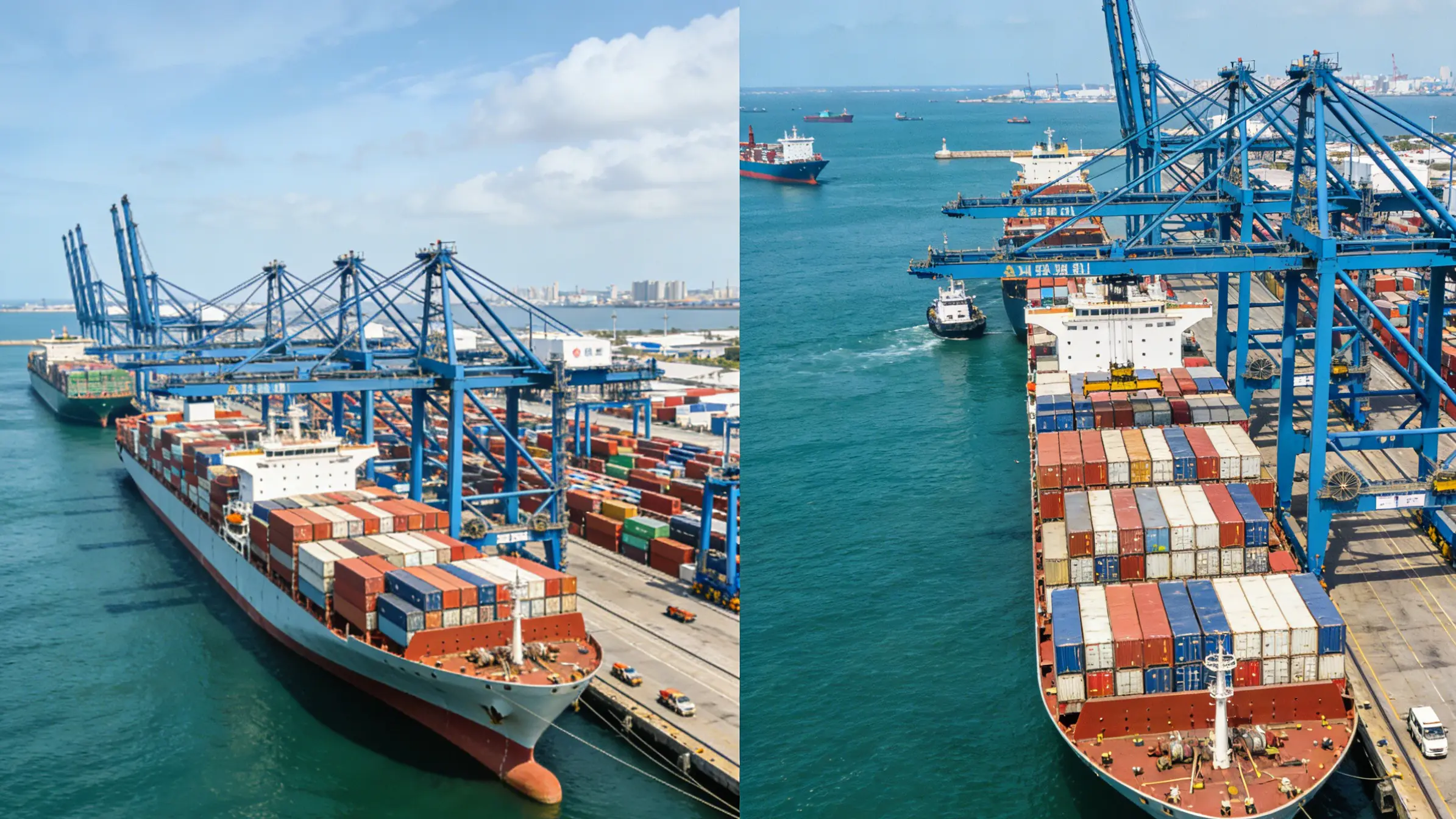
- Ports Blocked: Major hubs including Jebel Ali (critical for shipping from China to UAE), Dammam (key for shipping from China to Saudi Arabia), Bandar Abbas (shipping from China to Iran), Hamad (Qatar), and Bahrain are now inaccessible to incoming mother vessels.
- Immediate Effect: Shipping lines have issued “Force Majeure” declarations, suspending bookings to these destinations. As noted in the latest Maersk Advisory, vessels are diverting to safe havens like Salalah (Oman) or Mundra (India).
2. Immediate Impact on Global Shipping (The “Ripple Effect”)
The shockwaves are already being felt across the logistics sector. If you have cargo on the water or planned bookings, here is the new reality.
2.1 Sea Freight: The Persian Gulf Bottleneck
The closure of the Strait of Hormuz is catastrophic for sea freight operations. It doesn’t just affect local cargo; it disrupts the global container rotation.
War Risk Surcharges (WRS) Skyrocket
Effective immediately, all major carriers (Maersk, MSC, CMA CGM, COSCO) have implemented emergency War Risk Surcharges (WRS) for any cargo moving in or out of the Middle East region.
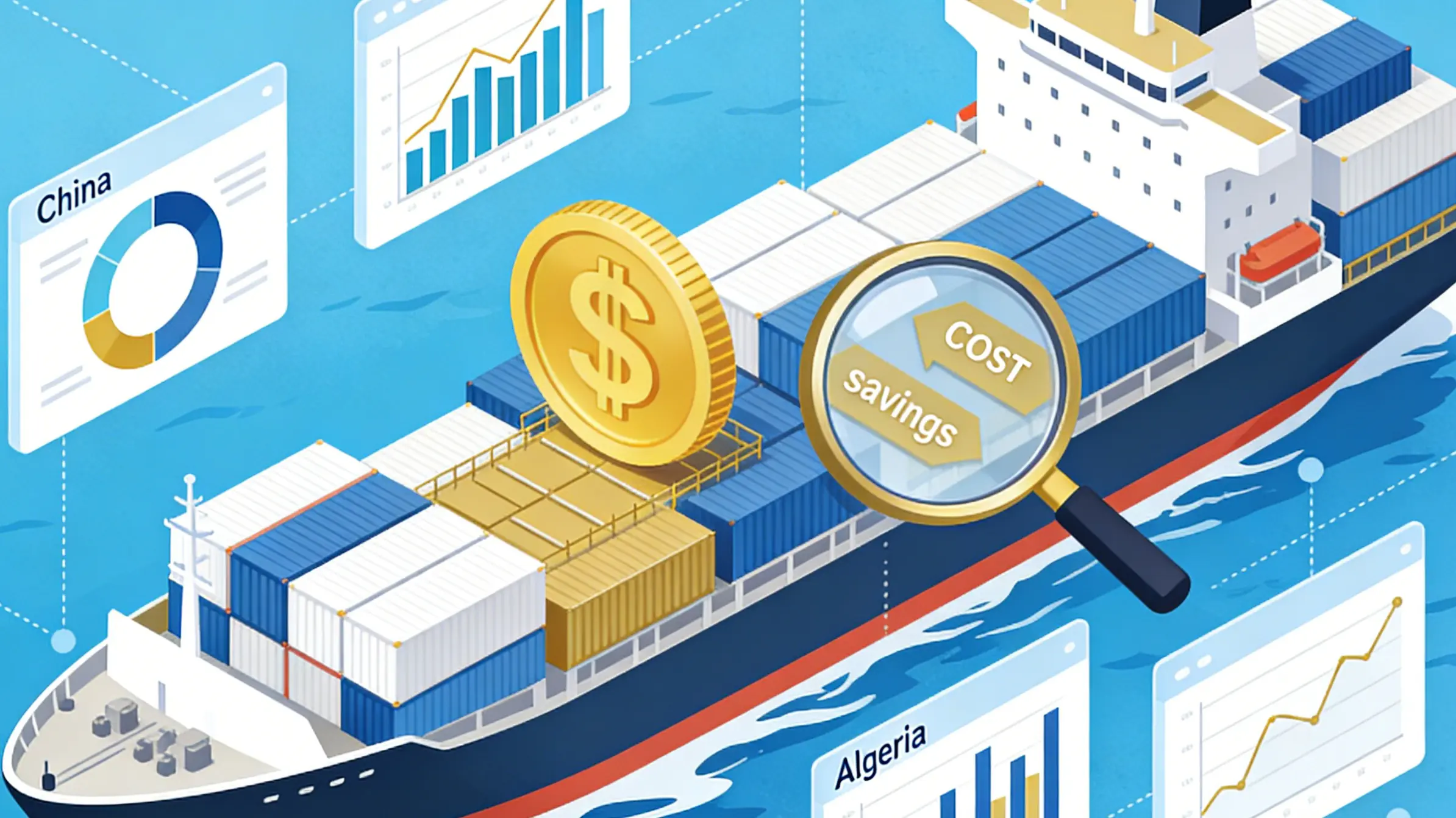
- Cost Impact: Expect an additional $800 – $1,500 USD per TEU (Twenty-Foot Equivalent Unit).
- Why: The Joint War Committee (JWC) of the Lloyd’s Market Association has declared the Persian Gulf a “War Zone,” canceling standard policies and demanding exorbitant premiums for any vessel entering the area.
Indefinite Delays & Port Omissions
- Jebel Ali: As the largest transshipment hub in the region, Jebel Ali’s blockage means cargo destined for Africa and Europe (via Sea-Air) is stranded.
- Rollovers: Containers currently in transshipment ports like Singapore or Port Klang destined for the Gulf are being offloaded and stored indefinitely.
- Detention & Demurrage: While carriers may waive some fees, the risk of accumulating storage charges at intermediate ports is high.
Data Comparison: Pre-War vs. Current Status
| Feature | Pre-War Status (Jan 2026) | Current Status (March 2026) |
|---|---|---|
| Strait of Hormuz | Open for free navigation | Closed / Restricted Military Zone |
| Jebel Ali Access | Routine weekly calls | Suspended / Feeder Only (High Risk) |
| War Risk Surcharge | Minimal ($0 – $50) | High ($800 – $1,500 / TEU) |
| Transit Time (China-Dubai) | 18 – 22 Days | Indefinite / Diverted to Salalah |
| Insurance Premiums | Standard rate (~0.1%) | 10x Increase or Cancelled |

2.2 Air Freight: Airspace Closures & Rerouting
Air freight is not immune. In fact, it faces immediate capacity destruction as the conflict zone expands.
Airspace Shutdown
Iran’s airspace, a critical corridor for flights between Europe and Asia, is closed until at least March 3, 2026, with extensions likely.
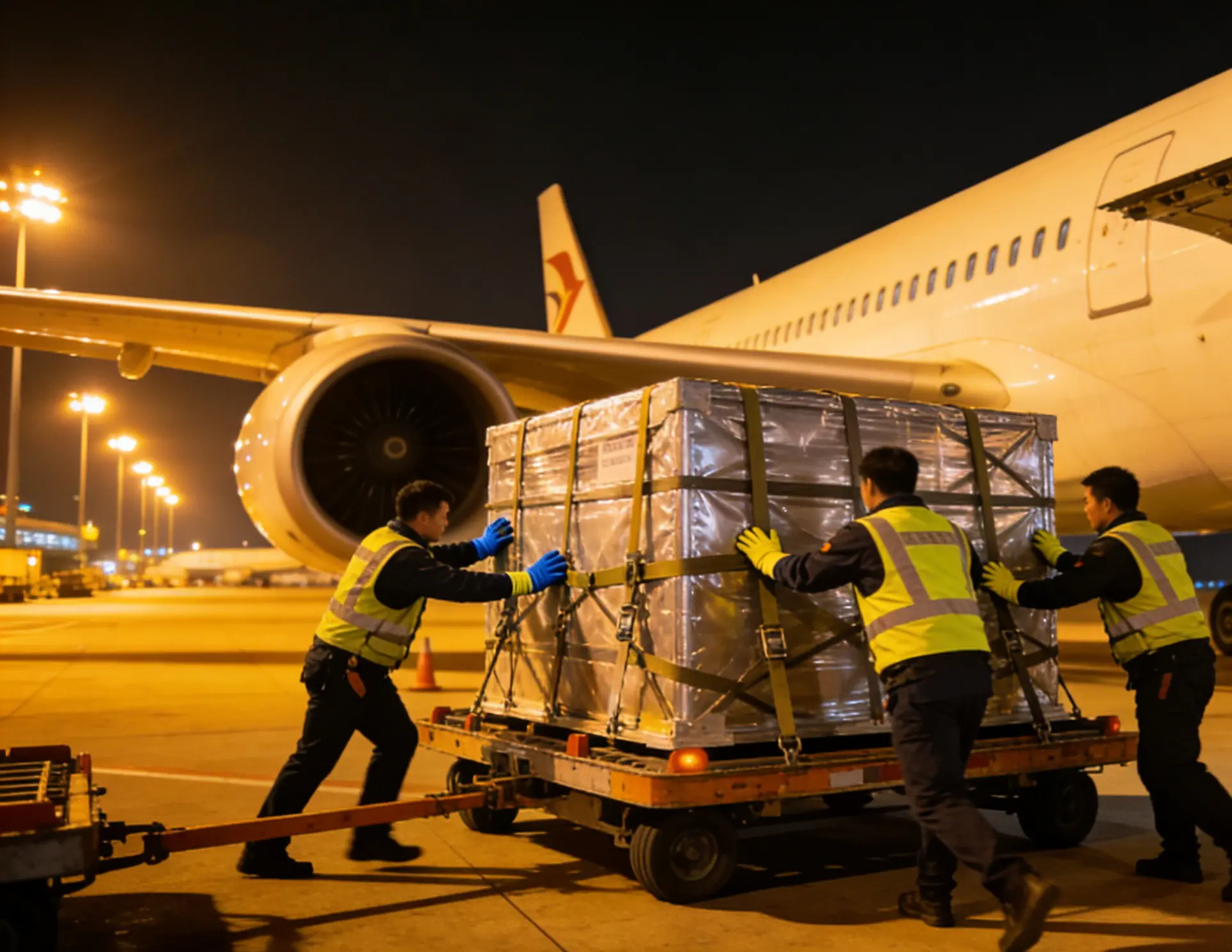
- Flight Cancellations: Etihad Airways suspended operations at Abu Dhabi International Airport (AUH) due to missile threats. Global data from FlightRadar24 shows over 7,700 flights cancelled in the first 48 hours.
- Rerouting: Airlines flying from China to Europe (e.g., Lufthansa, Cargolux, Air China) must now bypass Iranian airspace. They are routing south via Saudi Arabia/Egypt (if open) or north via Turkey/Central Asia.
The Cost of Rerouting
- Flight Time: Rerouting adds 2-4 hours to flight times.
- Fuel Payload Trade-off: Longer flights require more fuel, which means less cargo payload. A Boeing 777F might lose 10-15 tons of cargo capacity per flight to carry extra fuel.
- Rate Spike: With capacity down and risk up, air freight rates from China to Europe have jumped by $2.50 – $4.00 per kg overnight.
3. The “Force Majeure” Reality: What It Means for You
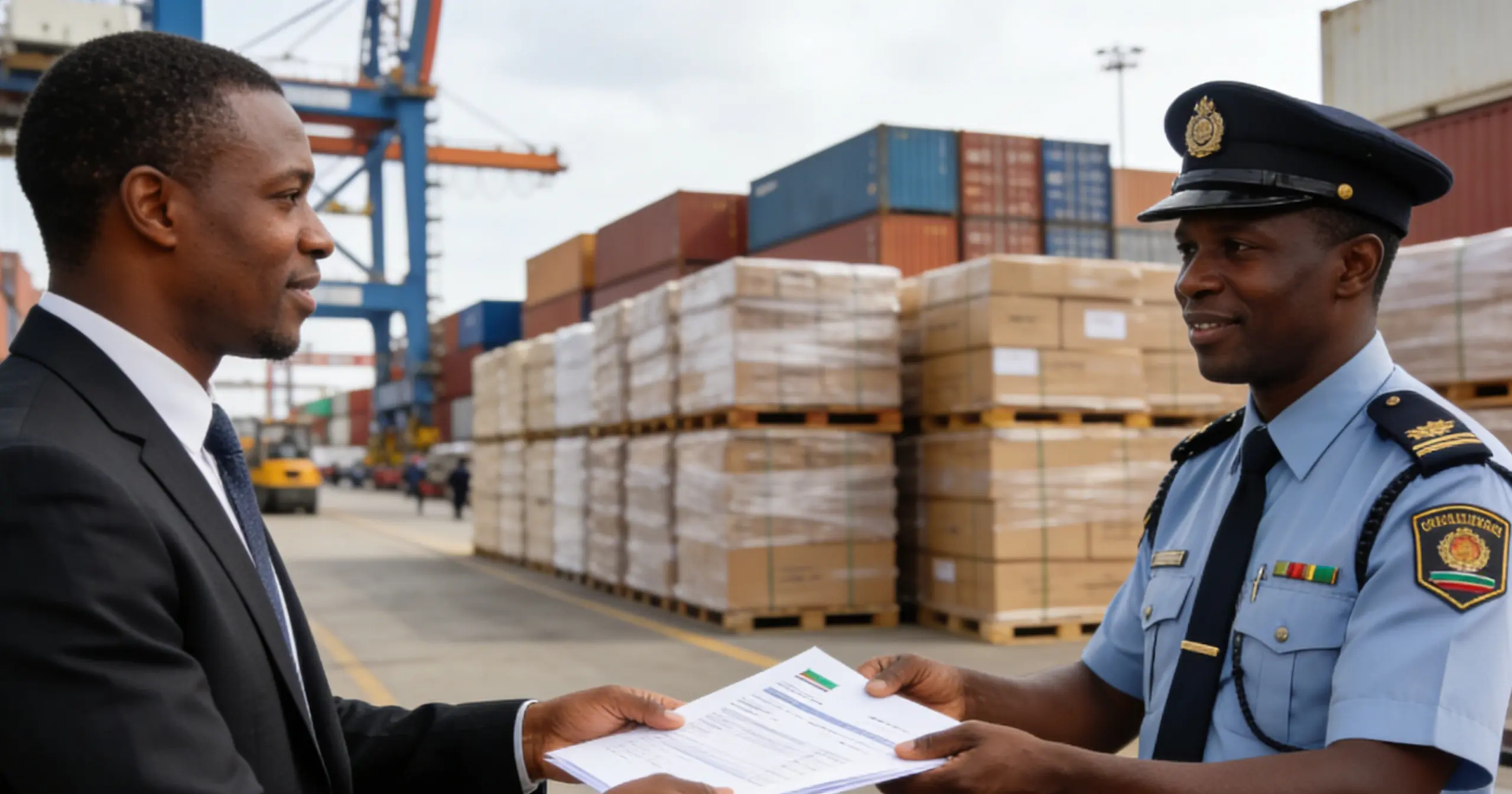
Carriers are declaring Force Majeure. This legal clause frees them from liability for delays or failure to deliver due to “Acts of War.” This has profound implications for your customs clearance and final delivery.
Legal & Financial Implications
- Your Rights: You likely cannot claim compensation for delays. The carrier’s obligation ends when the “Force Majeure” event begins.
- Your Costs: You are liable for the extra costs (WRS, storage, rerouting) to get the cargo to its final destination.
- Incoterms 2020 Analysis:
- CIF/CIP: If you sold CIF Dubai, you (the seller) are responsible for the War Risk Surcharge unless your contract specifically excludes it. You also bear the risk until the goods are “delivered” (usually on board or at the terminal), which might be impossible.
- FOB: The buyer pays the freight and surcharges, but you might face payment delays if the cargo never arrives. Ensure your Letter of Credit (LC) has flexible “latest shipment date” clauses.
- DDP: If you sold DDP shipping from China, you are in the most vulnerable position. You are responsible for all costs up to the buyer’s door, including these new war surcharges.
4. Efanda’s Strategic Advice: How to Navigate the Crisis
At Efanda Logistics, we are not just watching the news; we are actively rerouting cargo. Here is our expert advice for importers and exporters, backed by 15 years of experience in crisis logistics.
4.1 Decision Matrix: Choosing the Right Mode
In a crisis, clarity is power. Use our decision matrix below to choose the best logistics mode for your urgency and budget.

4.2 Immediate Action Plan
- Halt Gulf Bookings: Do not book cargo to Jebel Ali, Dammam, or Bahrain until the Strait reopens. It will simply get stuck in Singapore.
- Divert to Safe Hubs: Change the port of discharge (COD) to Salalah (Oman) or Sohar (Oman). These ports are outside the Strait of Hormuz and remain accessible, though congested.
- Review Insurance: This is the most critical financial step. Contact your marine insurance provider immediately.
- The “All Risk” Trap: Do not assume your standard “Institute Cargo Clauses (A)” policy covers you. Clause 6 of ICC (A) explicitly excludes loss or damage caused by war, civil war, revolution, rebellion, insurrection, or civil strife.Action: You must purchase a separate Institute War Clauses (Cargo) policy or a “War Risk Rider.”Cost: Premiums have jumped from 0.05% to over 0.5% of cargo value, but the alternative is a total loss.

4.3 Alternative Logistics Solutions
Solution A: Sea-Air via Singapore (The Fast Track)
For urgent cargo that cannot wait for the war to end:
- Route: Sea freight from China to Singapore -> Air freight from Singapore to Europe/Middle East.
- Why: Bypasses the Middle East conflict zone entirely.
- Transit Time: ~12-14 days to Europe (vs. 35+ days for sea).
Solution B: The “Cape Route” for Europe (The Safe Track)
For cargo destined for Europe (including shipping from China to UK, shipping from China to Germany, and shipping from China to France) that usually transits the Suez Canal (passing near Iran/Yemen):
- Route: Direct vessels routing via the Cape of Good Hope (around Africa).
- Why: Completely avoids the Red Sea and Persian Gulf missile range.
- Trade-off: Adds 10-14 days to transit time, but guarantees safety.
Solution C: Trans-Caspian Rail (The Overland Track)
For cargo to Eastern Europe/Turkey:
- Route: China-Kazakhstan-Caspian Sea-Azerbaijan-Turkey.
- Why: Avoiding Iranian/Russian territory.
- Status: Capacity is limited, book early.

5. FAQ: Shipping During the US-Iran Conflict
Q1: My cargo is currently on a vessel heading to Jebel Ali. What will happen?
Answer: The vessel will likely anchor outside the Strait of Hormuz (in the Gulf of Oman) or divert to a nearby safe port like Salalah. Expect a delay notification and potential “Change of Destination” fees.
Q2: I have a contract rate (NAC). Will the War Risk Surcharge apply to me?
Answer: Yes. War Risk Surcharges are “emergency surcharges” that override standard contract rates. Carriers will invoice this separately.
Q3: Is it safe to ship air freight via Dubai (DXB)?
Answer: Currently, operations are disrupted. We recommend routing air cargo via hubs like Bangkok (BKK), Singapore (SIN), or Istanbul (IST) to avoid the Gulf airspace entirely.
Q4: Can I abandon the cargo if the costs are too high?
Answer: Abandoning cargo carries legal risks. You remain liable for disposal fees and outstanding freight. It is better to negotiate warehouse services and storage solutions with Efanda.
6. Conclusion: Resilience in the Face of War
The US-Iran War of 2026 is a defining moment for global logistics. The closure of the Strait of Hormuz is not just a regional issue; it is a global supply chain choke. The era of cheap, predictable shipping to the Middle East is paused.
However, trade does not stop. By pivoting to Oman-based hubs, utilizing Sea-Air solutions, and securing War Risk Insurance, you can mitigate the damage. The U.S. Energy Information Administration (EIA) warns that prolonged closure could affect fuel prices, further impacting logistics costs globally.
Don’t let your business become a casualty of war.
Contact Efanda Logistics today. Our crisis management team is available 24/7 to provide door to door shipping solutions, secure space on safe vessels, and navigate these turbulent waters with you.