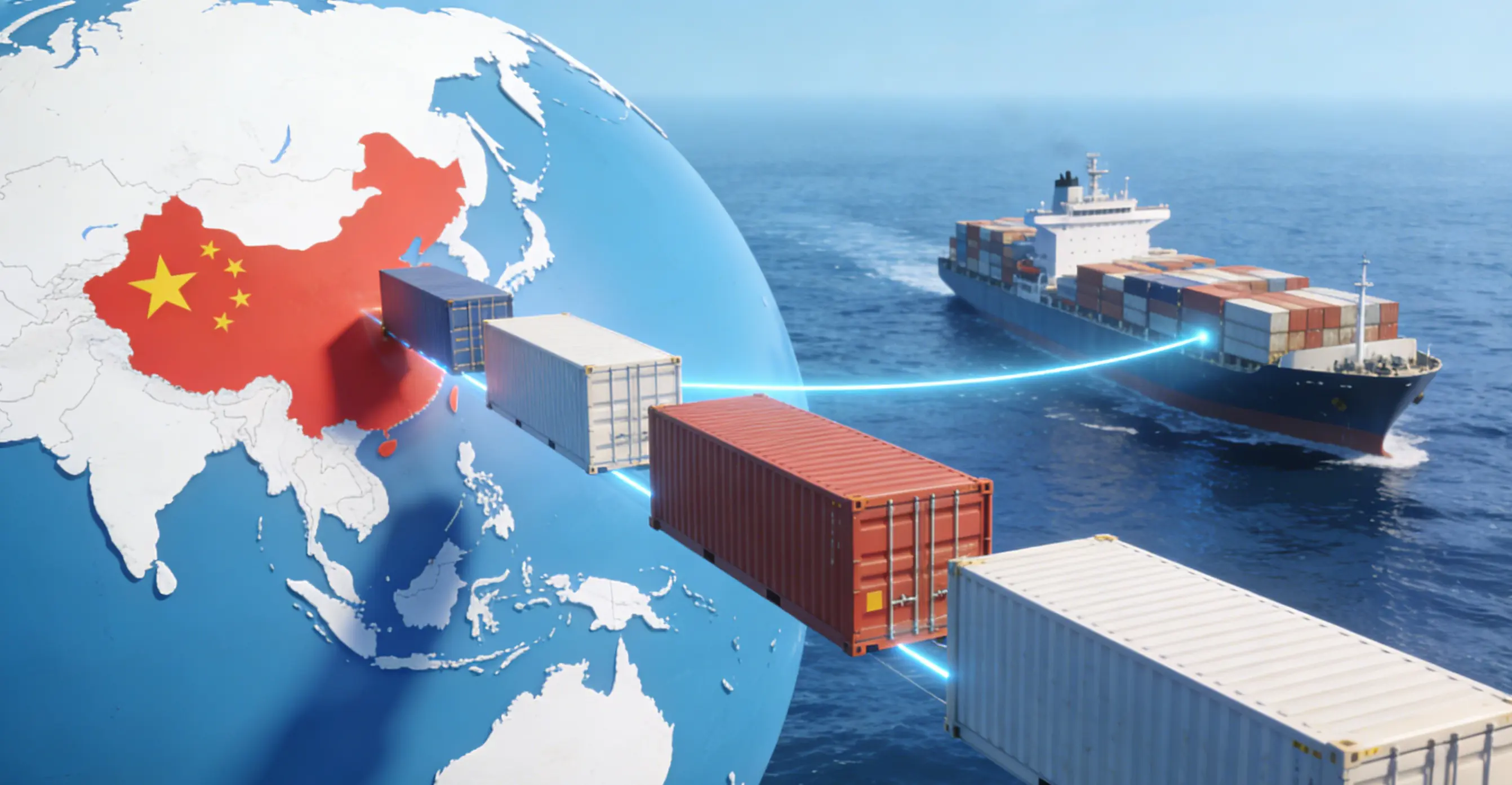
Just eight days after Canada and China signed a landmark trade “reset,” the United States has responded with a nuclear option.
On Saturday, January 24, 2026, U.S. President Donald Trump issued a blistering ultimatum that has sent shockwaves through the global logistics industry. In a direct response to the Jan 16 Canada-China Trade Agreement—which lowered tariffs on Chinese EVs in exchange for access for Canadian canola—President Trump threatened to impose a 100% tariff on all Canadian imports if Ottawa does not abandon the deal.
This is not just political rhetoric. For Chinese exporters and logistics managers, this threat represents an existential risk to the “Canada Route”—the strategy of shipping goods to Vancouver or Prince Rupert to eventually access the U.S. market.
At Efanda Logistics, we have spent the last 96 hours analyzing the fallout. We have spoken with customs brokers in Detroit, warehouse operators in Vancouver, and trade lawyers in Washington. The consensus is clear: The North American market is fracturing, and your supply chain strategy must split with it.
This article is a comprehensive guide to navigating this new crisis. We will dissect the threat, explain the legal mechanisms (CUSMA Article 32.10), and provide a battle-tested strategy to protect your cargo.
The Ultimatum: “Drop Off Port” Accusations
The crisis began with a post on Truth Social, where President Trump accused Canadian Prime Minister Mark Carney of betraying the North American alliance.
“If Canada thinks they can sell their soul to China and then dump those products into the United States, they are sorely mistaken. We will slap a 100% Tariff on EVERYTHING coming from Canada if this deal stands! We will not let Canada be a Drop Off Port for China!” — President Donald Trump, Jan 24, 2026
Context: The “Greenland” Distraction
This threat comes at a volatile moment. Just days prior, the U.S. administration was embroiled in a diplomatic spat over the potential acquisition of Greenland. The pivot to Canada suggests a renewed focus on “Economic Homeland Security.”
The “Drop Off Port” Theory
The U.S. accusation is that Canada is becoming a “Trojan Horse.” The fear is that Chinese EVs (HS 8703.80) and lithium batteries (HS 8507.60) will enter Canada under the new low-tariff regime, undergo minimal processing (e.g., software updates or minor assembly), and then cross into the U.S. labeled as “Made in Canada” to enjoy duty-free status under CUSMA (USMCA).
While Canada’s Trade Minister Dominic LeBlanc has vigorously denied this, asserting that Canada has strict “Rules of Origin,” the perception in Washington is what matters. And right now, Washington sees Vancouver not as a partner port, but as a leak in the dam.
The Legal Weapon: CUSMA Article 32.10
To understand the severity of the threat, we must look at the legal text of the United States-Mexico-Canada Agreement (USMCA/CUSMA).
Buried in Chapter 32, there is a “poison pill” clause inserted specifically to contain China.
Article 32.10: Non-Market Country FTA
This article states that if any USMCA partner intends to enter into a free trade agreement with a “Non-Market Country” (defined domestically, but clearly targeting China), they must:
- Notify the other partners 3 months in advance.
- Allow the other partners to review the text.
- Crucially: The other partners (the U.S.) have the right to terminate the USMCA with respect to that country and replace it with a bilateral deal.
The Efanda Interpretation: President Trump does not need Congress to blow up the trade relationship. He can use Article 32.10 to declare that Canada’s Jan 16 deal violates the pact. Even the threat of this is causing U.S. importers to cancel orders from Canadian suppliers who rely on Chinese inputs.
Deep Dive: The Logistics Impact (The “Border Freeze”)
As of Monday morning (Jan 26), the “Free Flow” of goods across the 49th parallel has effectively stopped for certain sectors. Here is what is happening on the ground.
A. The “Detroit Blockade”
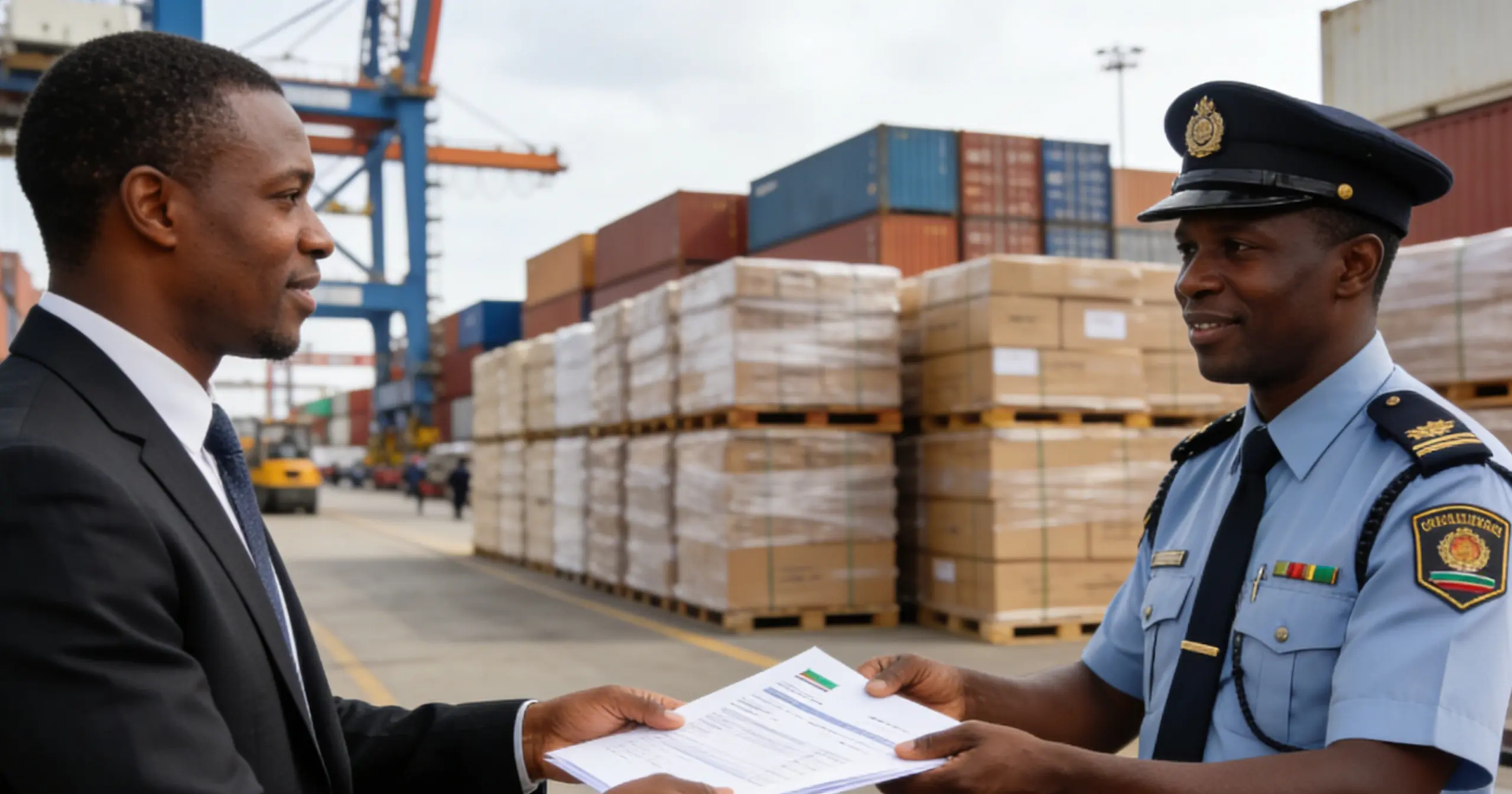
The Ambassador Bridge between Detroit and Windsor carries 25% of all U.S.-Canada trade. Since the threat, U.S. Customs and Border Protection (CBP) has initiated what they call “Enhanced Origin Verification.”
- Targeted HS Codes:
- 8703: Passenger Vehicles (EVs and ICE).
- 8507: Electric Accumulators (Batteries).
- 7301-7326: Iron and Steel products.
- 8471: Automatic Data Processing Machines.
- The New Reality: Trucks carrying these goods are being pulled into secondary inspection. Drivers are reporting wait times increasing from 2 hours to 8-12 hours.
B. The Death of “Transshipment”
For years, a common strategy for Chinese exporters was:
- Ship to a bonded warehouse in Vancouver.
- Store goods duty-free.
- When a U.S. order comes, truck it south under Section 321 (De Minimis) or pay duties then.
This is now high-risk. CBP agents are flagging any shipment originating from a Canadian bonded warehouse that shows “China” as the Country of Origin on the underlying commercial invoice. We have seen three cases this week of goods being seized pending proof of non-transshipment.
C. The “Substantial Transformation” Trap
Many exporters believe that if they import Chinese parts to Canada and assemble them, the product becomes “Canadian.”
- The Rule: Under USMCA, a product must undergo a “Tariff Shift” or meet a “Regional Value Content” (RVC) of 75% (for autos).
- The Trap: With the Jan 24 threat, the U.S. is signaling they may reject the RVC calculations of Canadian firms. If you are shipping “Canadian” solar panels made with Chinese cells, expect them to be treated as 100% Chinese—plus the potential 100% punitive tariff.
Case Studies: The Veteran’s Perspective
To illustrate the danger, let’s look at two hypothetical scenarios based on real client situations we are managing this week.
Case Study A: The “Risky” Route (Don’t Do This)
Exporter: Shenzhen VoltTech (Manufacturer of EV Charging Stations). Old Strategy: Ship to warehouse in Delta, BC. Fulfill orders to Seattle and Vancouver from one stock. The Event: On Jan 27, a truck carrying 50 charging stations crosses at Blaine, WA. The Result: CBP inspects the cargo. They see “Made in China” on the internal components. Citing the new “National Security” alert, they detain the shipment. The truck is turned back. The U.S. buyer cancels the contract. Loss: $15,000 in freight/demurrage + lost client.
Case Study B: The “Segregated” Route (Efanda Recommended)
Exporter: Guangzhou GreenPower (Similar product). New Strategy:
- Shipment 1 (Canada): Ocean freight to Vancouver. Cleared into Canada. Sold ONLY to Canadian buyers.
- Shipment 2 (USA): Ocean freight to Los Angeles (Long Beach). The Result: The LA shipment arrives. Yes, they pay the Section 301 tariff (25%). But the goods clear customs in 4 days. The client receives the product. Gain: Market access secured. No risk of 100% seizure.
Efanda Strategy: The “Great Segregation”
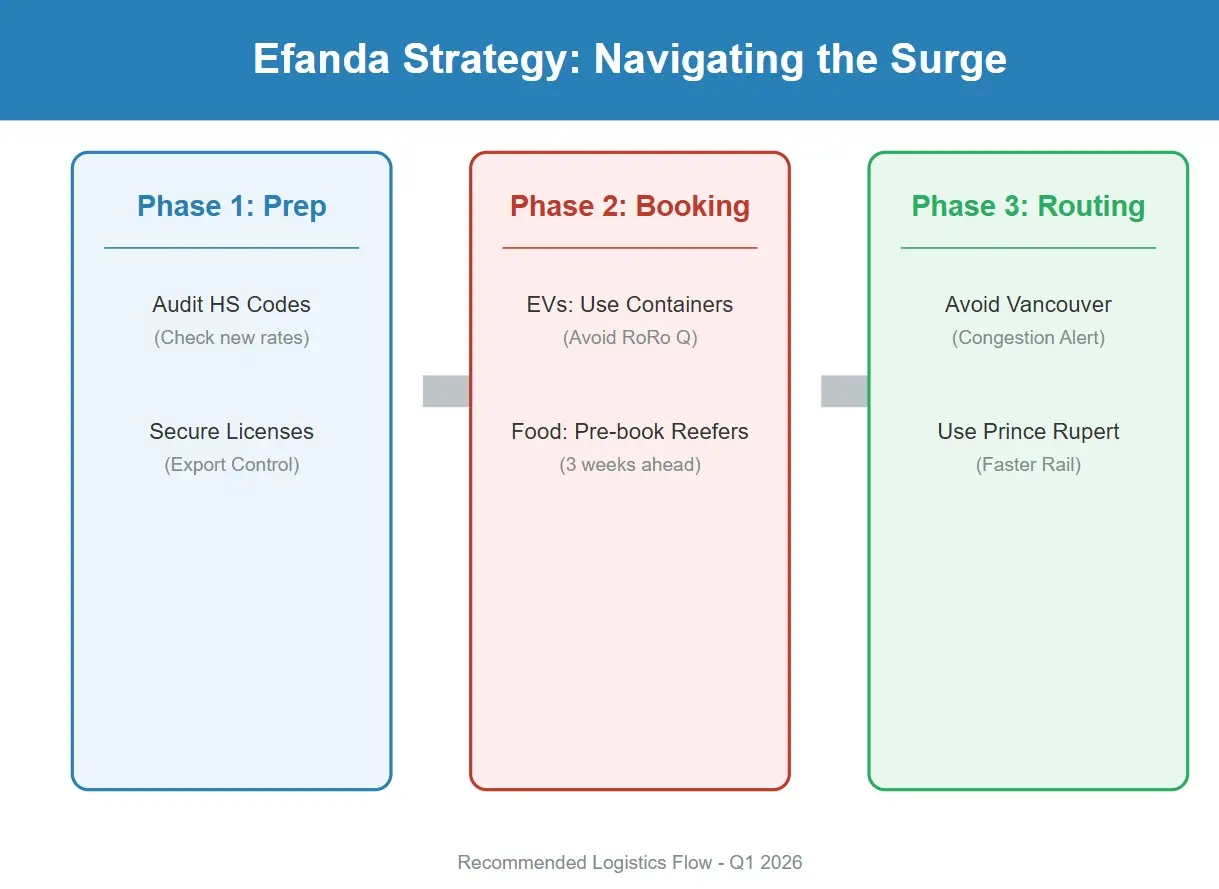
In this volatile climate, ambiguity is fatal. You cannot have a “North American” inventory strategy anymore. You must have a U.S. Strategy and a Canada Strategy, and they must never touch.
Step 1: The “Two-Pipeline” Model
Do not ship to Vancouver with the intent to truck goods to Seattle, Chicago, or New York. That border is now a choke point.
| Target Market | Recommended Port of Entry | Recommended Incoterm | Risk Level |
|---|---|---|---|
| USA | Los Angeles / Long Beach (LA/LB) | DDP (Delivered Duty Paid) | Low (Standard Tariffs apply) |
| Canada | Prince Rupert / Vancouver | DDP (Canada Only) | Low (For Canada sales) |
| USA via Canada | Trucking across Border | DDP | CRITICAL / PROHIBITED |
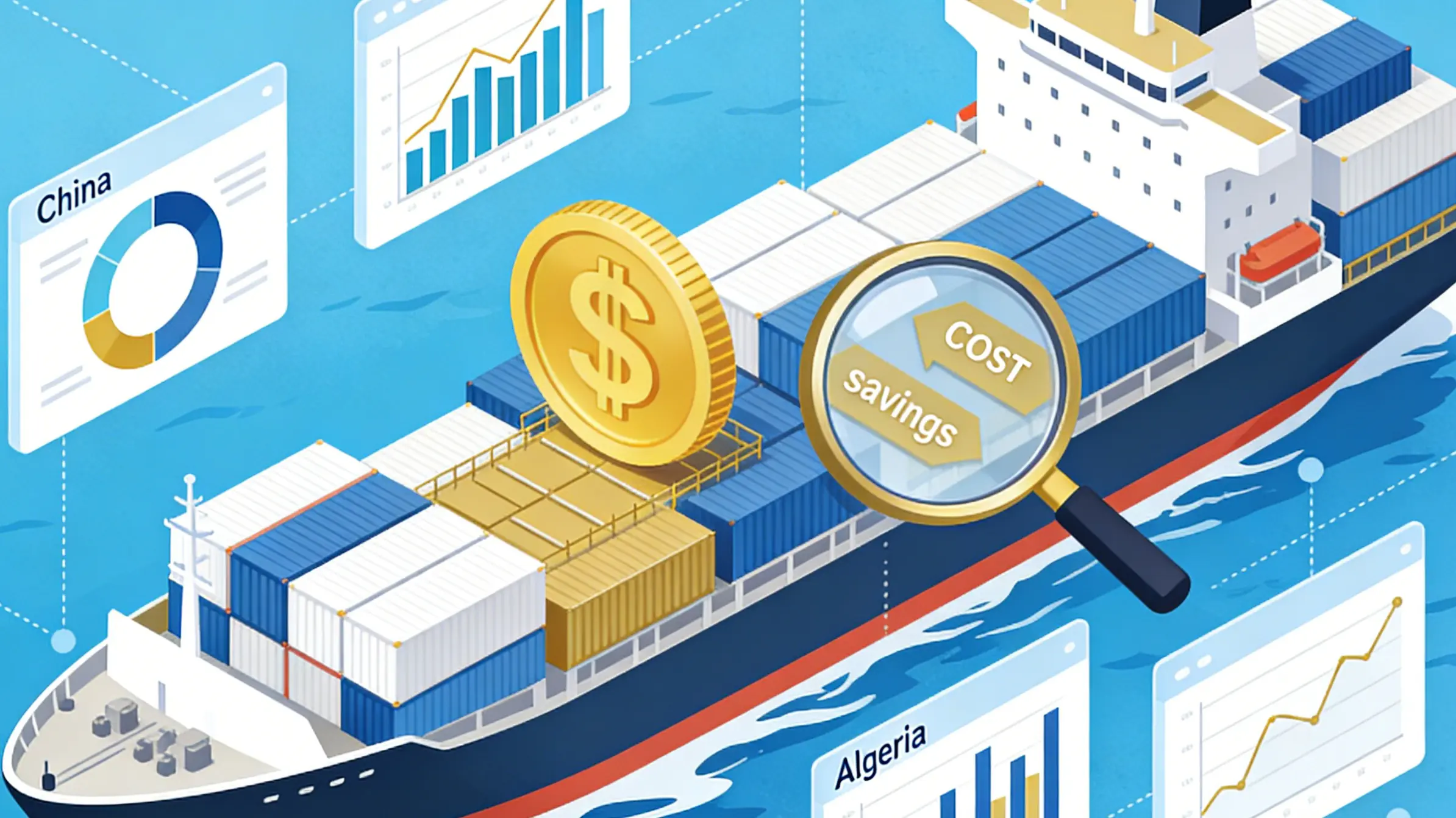
Why? By shipping directly to the U.S., you face the known U.S. tariffs (e.g., Section 301). But you avoid the 100% “Retaliation Tariff” that Trump is threatening on Canadian goods. Paying 25% direct is better than risking 100% via Canada.
Step 2: Strict Inventory Segregation
If you use a 3PL warehouse in Canada (like in Delta, Mississauga, or Montreal):
- Ring-fence your Canada stock. Label it digitally and physically: “NOT FOR EXPORT TO USA.”
- Disable “Cross-Border Fulfillment” in your ERP or Shopify settings. Do not let a U.S. order trigger a pick-and-pack from your Canadian warehouse.
Step 3: Digital Traceability (The “Battery Passport”)
Even for goods staying in Canada, you must prepare for the “Battery Passport” requirements. But for goods going to the U.S., you need full supply chain mapping.
- Action: Ensure your commercial invoice clearly states the Country of Origin of all major components. Transparency prevents suspicion. If you try to hide the Chinese origin, you risk a “False Claims Act” violation, which carries massive fines.
Step 4: Re-evaluate “Prince Rupert”
Prince Rupert has been a favorite for fast rail service to Chicago. Stop using this for U.S. cargo immediately. The rail link is efficient, but the customs clearance happens at the border. With the current “Work to Rule” attitude of U.S. customs agents, your container could sit in a rail yard for weeks.
FAQ: Urgent Questions from Chinese Exporters
Since the news broke on Saturday, our phones at Efanda have not stopped ringing. Here are the most common questions we are receiving from manufacturers in Shenzhen, Ningbo, and Shanghai.
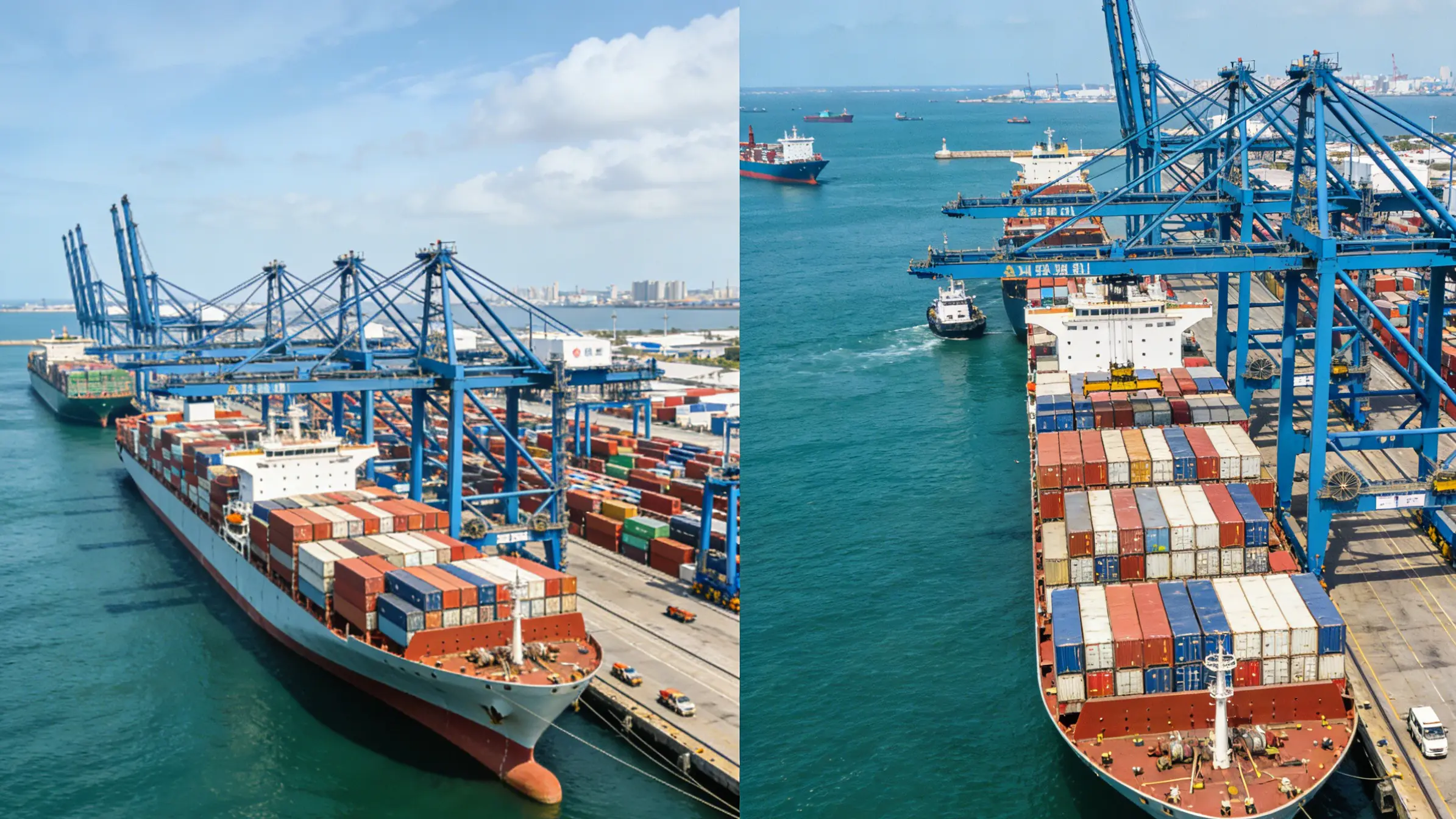
Q1: “My container is already on the water to Vancouver, destined for Chicago via rail. What should I do?”
Efanda Answer: You have two options, and neither is perfect.
- The “Pivot”: If the vessel has not yet docked, contact us immediately to see if we can request a “Change of Destination” (COD) to a U.S. port (Seattle/Tacoma). This is expensive and carrier-dependent, but it avoids the Canadian border entirely.
- The “Bonded Hold”: Let the cargo land in Vancouver but place it in a Bonded Warehouse. Do not attempt to move it to the U.S. immediately. Wait 2-3 weeks to see if the political heat cools down. Moving it now is inviting a 100% seizure.
Q2: “Can I perform minor assembly in Canada (e.g., adding packaging) to change the Country of Origin?”
Efanda Answer: ABSOLUTELY NOT. This is known as “Transshipment Fraud.” The U.S. CBP has sophisticated tools to detect this. If you simply repackage Chinese goods in Canada, the Country of Origin remains China.
- The Risk: Not only will your goods be seized, but your company (and its directors) will be placed on the “Entity List”, effectively banning you from the U.S. market forever. Do not listen to any “grey market” agent who suggests this.
Q3: “Does this affect Air Freight (e.g., Shanghai -> Vancouver -> Memphis)?”
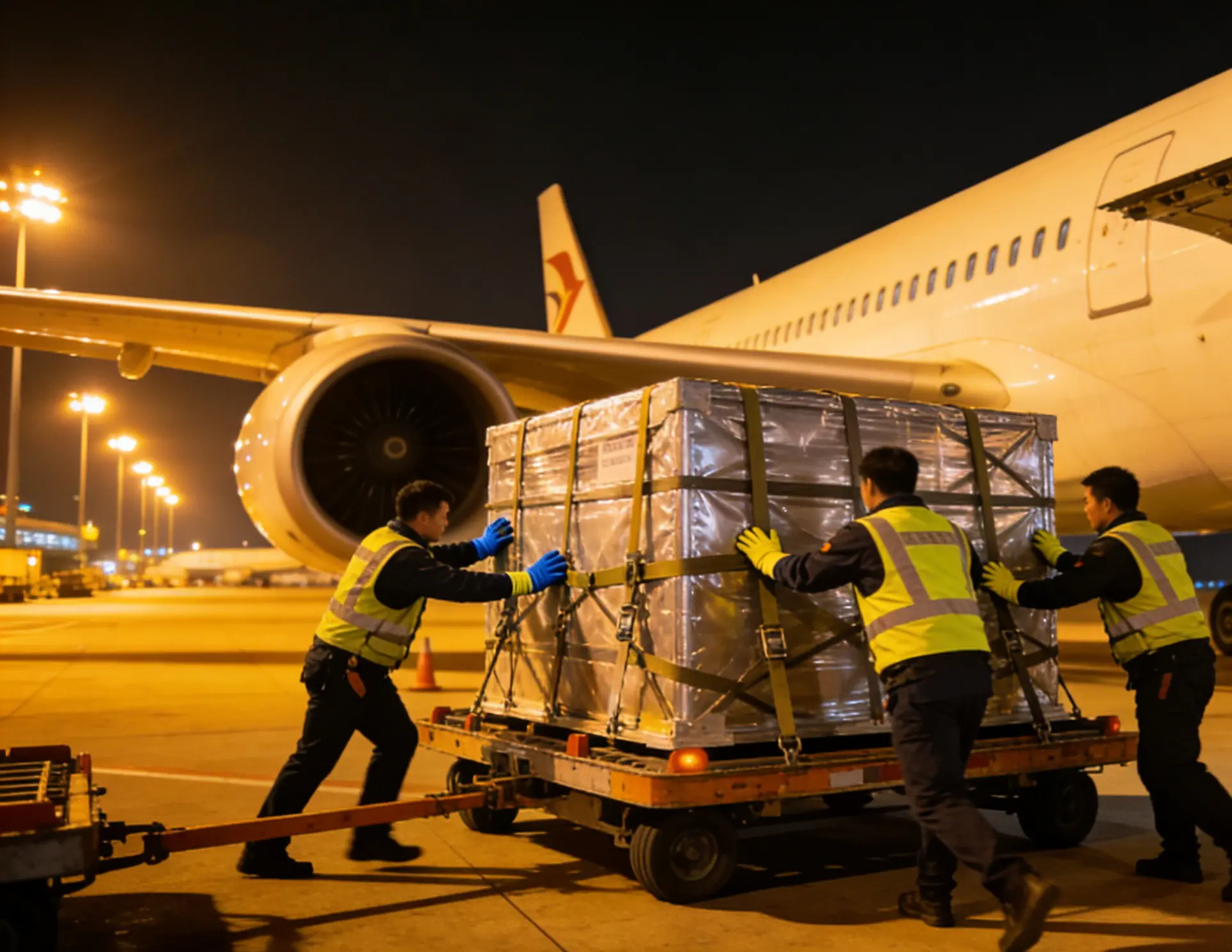
Efanda Answer: Yes. While the media focuses on trucks at the border, CBP’s targeting systems apply to Air Cargo Manifests as well. If you are flying goods into YVR (Vancouver) to truck them to the U.S., you are in the same danger zone. We recommend flying directly to LAX, ORD (Chicago), or JFK, even if the air freight rate is $0.50/kg higher. The cost of a seized shipment is infinite.
Q4: “I ship furniture (HS 9403). Is this only about EVs?”
Efanda Answer: Officially, Trump’s tweet mentioned “EVERYTHING.” Practically, CBP is prioritizing high-tech and strategic goods (EVs, batteries, steel, aluminum). However, when a border goes into “Code Red,” everything slows down. Even if you ship wooden chairs, your truck is stuck in the same 12-hour line as the truck carrying batteries. Expect delays regardless of your commodity.
Technical Appendix: Key HS Codes & Compliance
For our logistics managers, here are the specific technical details you need to update in your ERP systems.
A. The “High Risk” HS Code List
If your commercial invoice contains any of these codes and the origin is “China” (CN) but the port of loading is “Canada” (CA), you will be flagged.
| HS Code | Description | Risk Level |
|---|---|---|
| 8703.80 | Electric Vehicles (EVs) | EXTREME |
| 8507.60 | Lithium-Ion Batteries | EXTREME |
| 8541.40 | Solar Cells / Modules | HIGH |
| 7301-7326 | Iron & Steel Articles | HIGH |
| 7601-7616 | Aluminum Articles | HIGH |
B. Understanding “De Minimis” (Section 321) Restrictions
Many e-commerce sellers use Section 321 to ship packages under $800 duty-free into the U.S. from Canadian fulfillment centers.
- The Change: The U.S. administration is currently reviewing a rule to exclude any goods subject to Section 301 tariffs (China Tariffs) from Section 321 benefits.
- The Implication: If this rule passes (expected Feb 1, 2026), your $50 package from Canada will no longer be duty-free. It will be hit with the Section 301 tariff (25%) + the potential Trump “Retaliation Tariff” (100%). The “Canada Fulfillment” model for U.S. dropshipping is dead.
Market Outlook: What Happens Next?
We are in a high-stakes game of poker.
- Scenario 1: Canada Blinks. Prime Minister Carney might pause the implementation of the Jan 16 deal to appease Trump. In this case, the “Canada Route” might reopen, but trust is damaged.
- Scenario 2: The Trade War Expands. Trump follows through on the 100% tariff. This would devastate the Canadian economy (75% of their exports go to the U.S.). In this scenario, the border becomes a hard wall.
- Scenario 3 (Most Likely): The “Chill”. The 100% tariff is not implemented, but the threat remains. Inspections stay high. The cost of shipping via Canada rises due to delays and compliance fees.
The Efanda Verdict: The era of “Seamless North America” is over for Chinese goods. The Jan 16 deal was a victory for exporters targeting the Canadian domestic market (population 41 million). But for those eyeing the U.S. market (population 340 million), Canada has become a liability.
Our Advice: Treat the U.S. and Canada as two completely separate continents for logistics purposes.
- If you are selling EVs to Toronto: Celebrate the tariff cut.
- If you are selling parts to Detroit: Avoid the Canadian border at all costs.
Efanda Logistics is currently helping clients reroute U.S.-bound cargo from Vancouver to Tacoma/Seattle to bypass the cross-border risk. Contact us today to “Segregate and Survive.”
Disclaimer: This analysis is based on the political situation as of Jan 28, 2026. Trade policies can change overnight. Always consult with a licensed customs broker before making shipment decisions.