Home > News > What Is FOB Shipping? Meaning, Costs, Responsibilities, and Risk Transfer
Efanda
February 4, 2026
12:01 am
What Is FOB Shipping? Meaning, Costs, Responsibilities, and Risk Transfer
Are you curious about how FOB Shipping can impact your international trade operations? Understanding FOB and other crucial shipping terms is essential for smooth and cost-effective logistics. In this comprehensive guide, we’ll explain what FOB Shipping means, outline the responsibilities and risks for buyers and sellers, and compare FOB with terms like CIF and DDP. Get ready to master the essentials of FOB Shipping and make informed shipping decisions!
What Is FOB Shipping?
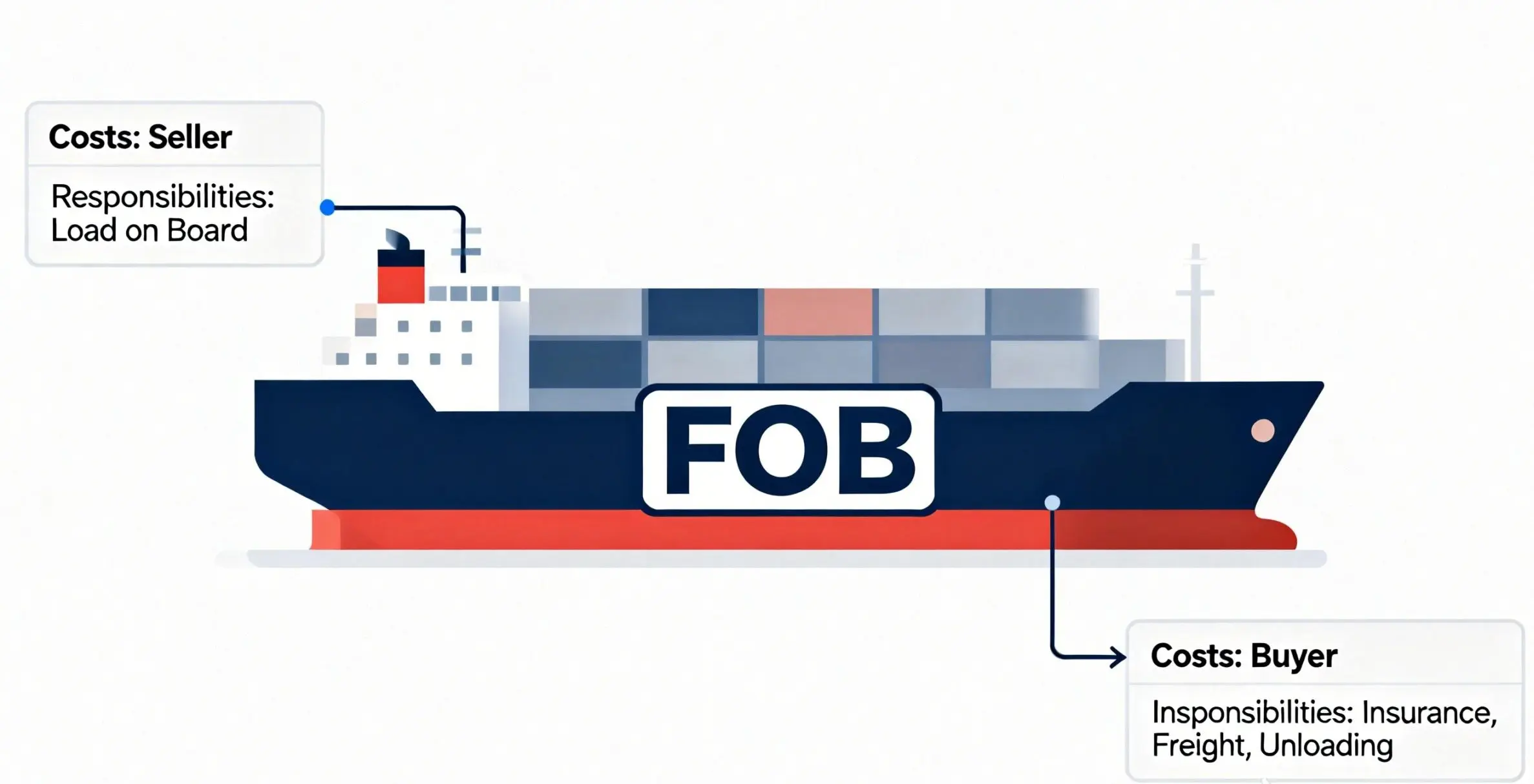
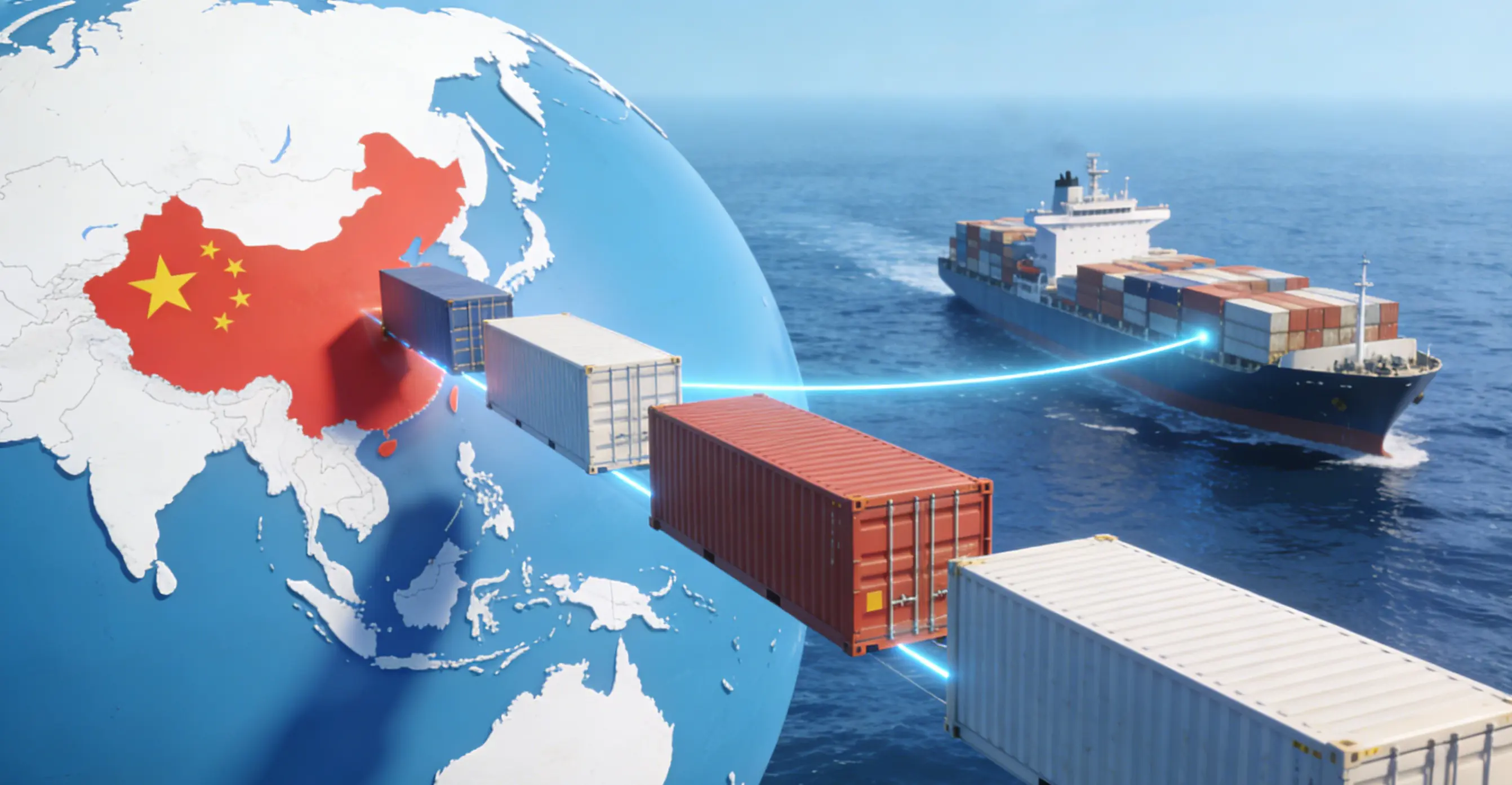
FOB shipping is a widely used international trade term that defines the specific point at which the ownership, responsibility, and costs associated with goods shift from the seller to the buyer. “FOB” stands for Free on Board and is commonly applied in sea freight shipments, particularly for cargo moving from China to overseas markets. For importers, understanding FOB shipping is crucial for making informed decisions about logistics, risk management, and total landed cost.
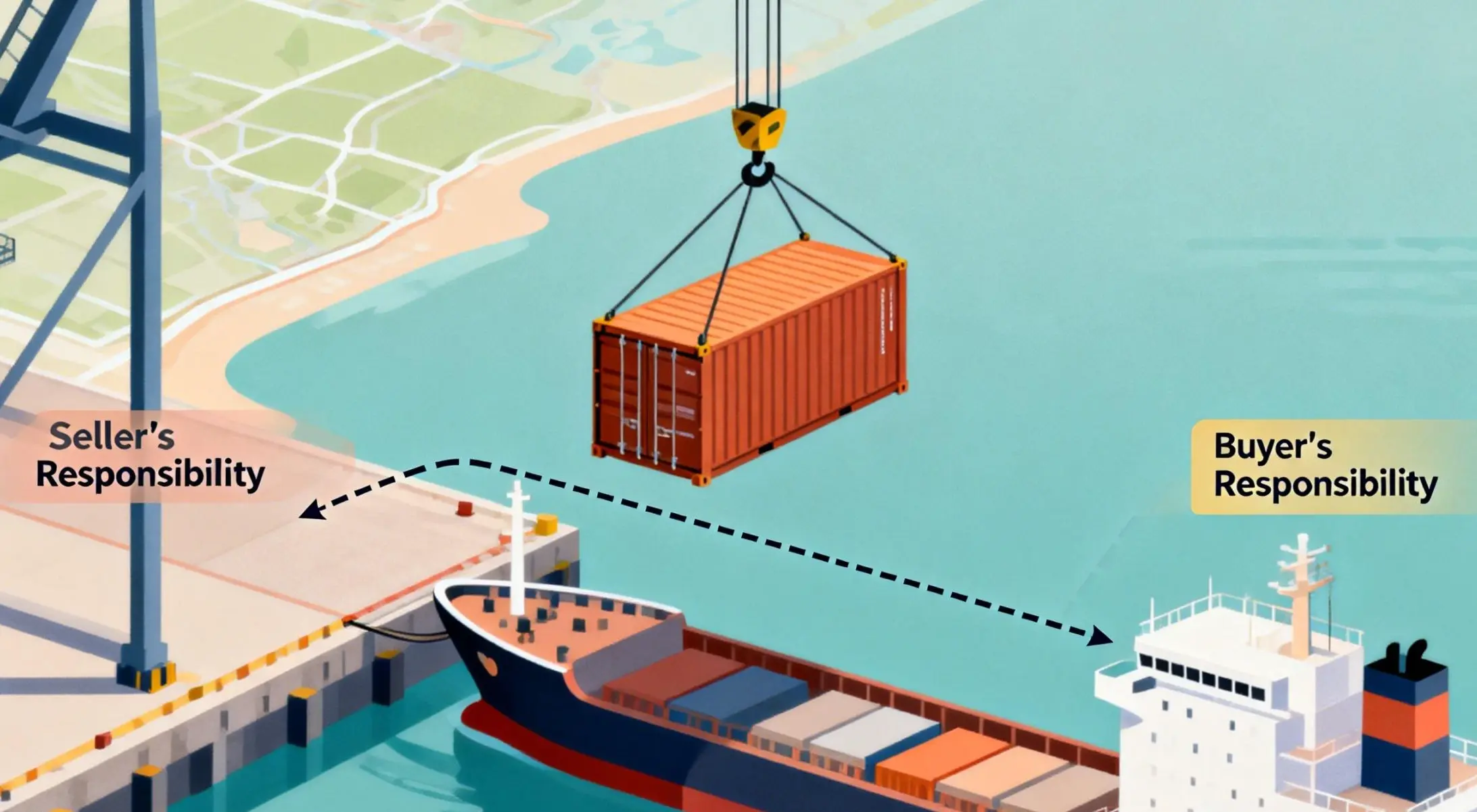
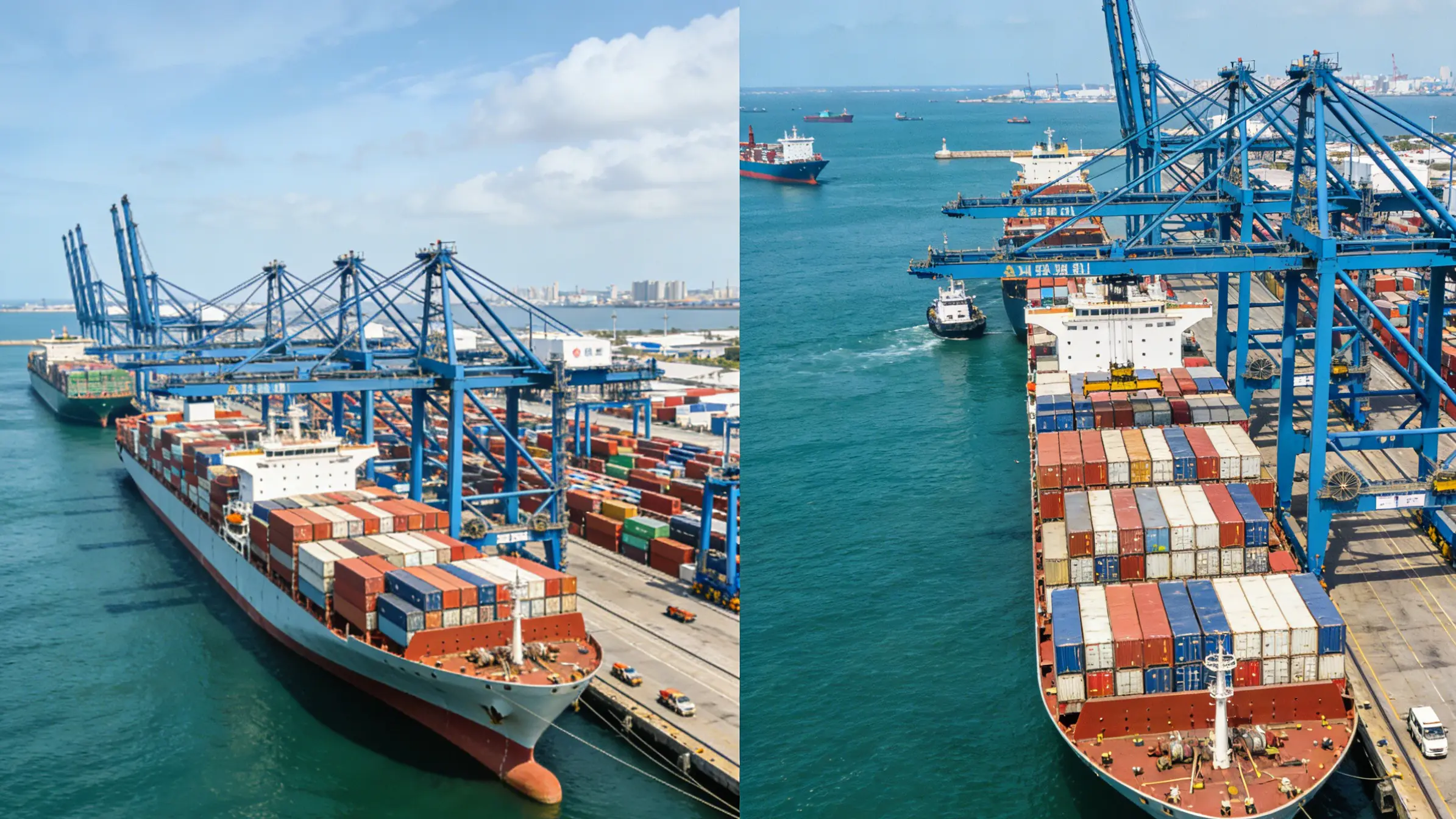
The core purpose of FOB shipping is to clarify which party covers the costs and bears the risks at each stage of the shipping process. Under FOB terms, the seller is responsible for delivering the goods to the specified port of shipment and loading them onto the vessel nominated by the buyer. Once the cargo passes the ship’s rail, responsibility transfers to the buyer, who then takes on all subsequent costs and risks.
This clear division provides transparency and helps both parties manage expectations, streamline supply chain planning, and avoid disputes over damages or extra charges. FOB is especially popular among experienced importers seeking greater control over international shipments, as it allows buyers to choose their own freight forwarder and negotiate better rates for the main carriage and insurance.
What Does FOB Mean in Shipping Terms?
In shipping terms, FOB (Free on Board) is an Incoterm (International Commercial Term) established by the International Chamber of Commerce (ICC). This term is used exclusively for sea and inland waterway transport.
Here’s what FOB means in a shipping contract:
The seller must deliver the goods, cleared for export, and load them onto the vessel selected by the buyer at the named port of shipment (e.g., FOB Shanghai).
Once the goods are on board, all risk and cost transfer to the buyer.
The buyer is responsible for ocean freight, insurance, destination handling, import customs clearance, and final delivery.
The table below outlines the main responsibilities under FOB shipping:
Responsibility
Seller (Exporter)
Buyer (Importer)
Export customs clearance
✔️
Inland transport to port
✔️
Loading onto vessel
✔️
Freight (main carriage)
✔️
Insurance
✔️ (optional)
Destination port charges
✔️
Import customs clearance & duty
✔️
Delivery to final destination
✔️
FOB shipping is different from other Incoterms like CIF (Cost, Insurance, and Freight) and DDP (Delivered Duty Paid), as it gives the buyer greater responsibility and flexibility after the goods are loaded on board.
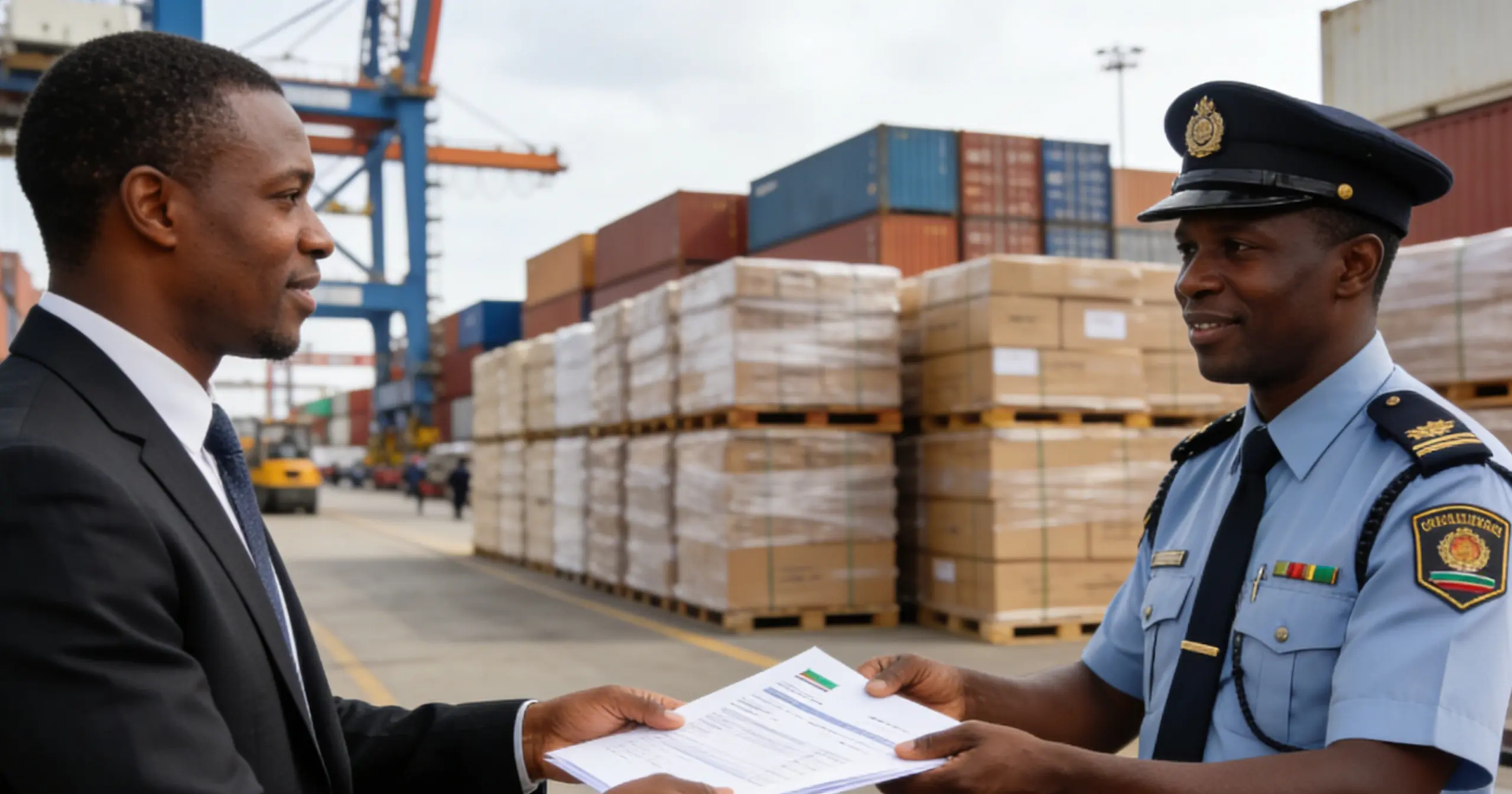
Understanding the meaning and implications of FOB is essential for anyone importing goods from China or other major exporting countries. It ensures clear allocation of duties, costs, and risks, reducing misunderstandings and facilitating smoother international trade operations. For tailored support with FOB shipments from China, many importers choose to work with experienced freight forwarders like Efanda Logistics, who can ensure compliance and smooth coordination at every stage.
If you’re planning shipments to regions such as shipping from china to kenya or neighboring African countries, understanding FOB terms is especially valuable for optimizing your international logistics.
FOB Shipping Responsibilities (Seller vs Buyer)
When using FOB shipping (Free on Board), clear responsibilities are assigned to both the seller and the buyer at specific stages throughout the shipping process. Understanding these roles is crucial to minimizing misunderstandings and managing risk and cost effectively.
Responsibility Area
Seller (Exporter)
Buyer (Importer)
Export Packaging
Must ensure goods are safely and properly packed
–
Inland Transport (Factory to Port)
Arranges and covers cost to deliver goods to the port
–
Customs Clearance (Export)
Handles export customs clearance and documentation
–
Loading Goods on Vessel
Responsible for loading goods onto the vessel at port
–
Transfer of Risk
Risk transfers once goods are loaded on board the vessel
Assumes risk from this point onward
Freight Charges
–
Pays for ocean freight and all costs after loading
Insurance (Main Carriage)
Optional
Optional, but recommended
Customs Clearance (Import)
–
Arranges and pays for import clearance
Inland Transport (Port to Destination)
–
Arranges and covers cost from port to final address
In summary, under FOB terms, the seller is responsible up to and including loading the goods onto the vessel at the port of shipment. From that point, all responsibility—including risk, cost, and further transportation—transfers to the buyer. This sharp division makes FOB shipping popular for buyers seeking control over the main carriage and downstream logistics.
FOB Shipping Costs Explained
Understanding the breakdown of FOB shipping costs is critical for importers, especially when managing budgets and making informed decisions. Here’s how the costs are typically divided under FOB terms:
Cost Item
Who Pays Under FOB?
Description
Product manufacturing cost
Buyer (in purchase)
The price of the goods themselves, agreed upon in the sales contract.
Local transportation to port (in China)
Seller
All expenses to transport goods from factory/warehouse to the port of shipment.
Export customs clearance/documentation
Seller
Costs for customs export declaration, inspections, and required documents.
Loading onto vessel
Seller
Charges for loading goods onboard the ship at the port of origin.
Ocean freight (main carriage)
Buyer
Fees for shipping the goods by sea from the port of origin to the destination port.
Insurance (main carriage)
Buyer (optional)
Insurance is not required under FOB but is highly recommended to protect the buyer’s interest during main transit.
Unloading at destination port
Buyer
Charges for unloading goods from the vessel at the destination port.
Import customs clearance & duties
Buyer
All costs, taxes, and fees for getting goods through customs in the destination country.
Inland delivery from port to final address
Buyer
Expenses for transporting goods from the destination port to their final destination (warehouse, store, etc.).
Key Takeaways:
With FOB shipping, the seller’s cost ends when goods are on board the vessel at the port of origin.
The buyer assumes all costs and risks from that point onward, including freight, insurance, import clearance, and inland transportation.
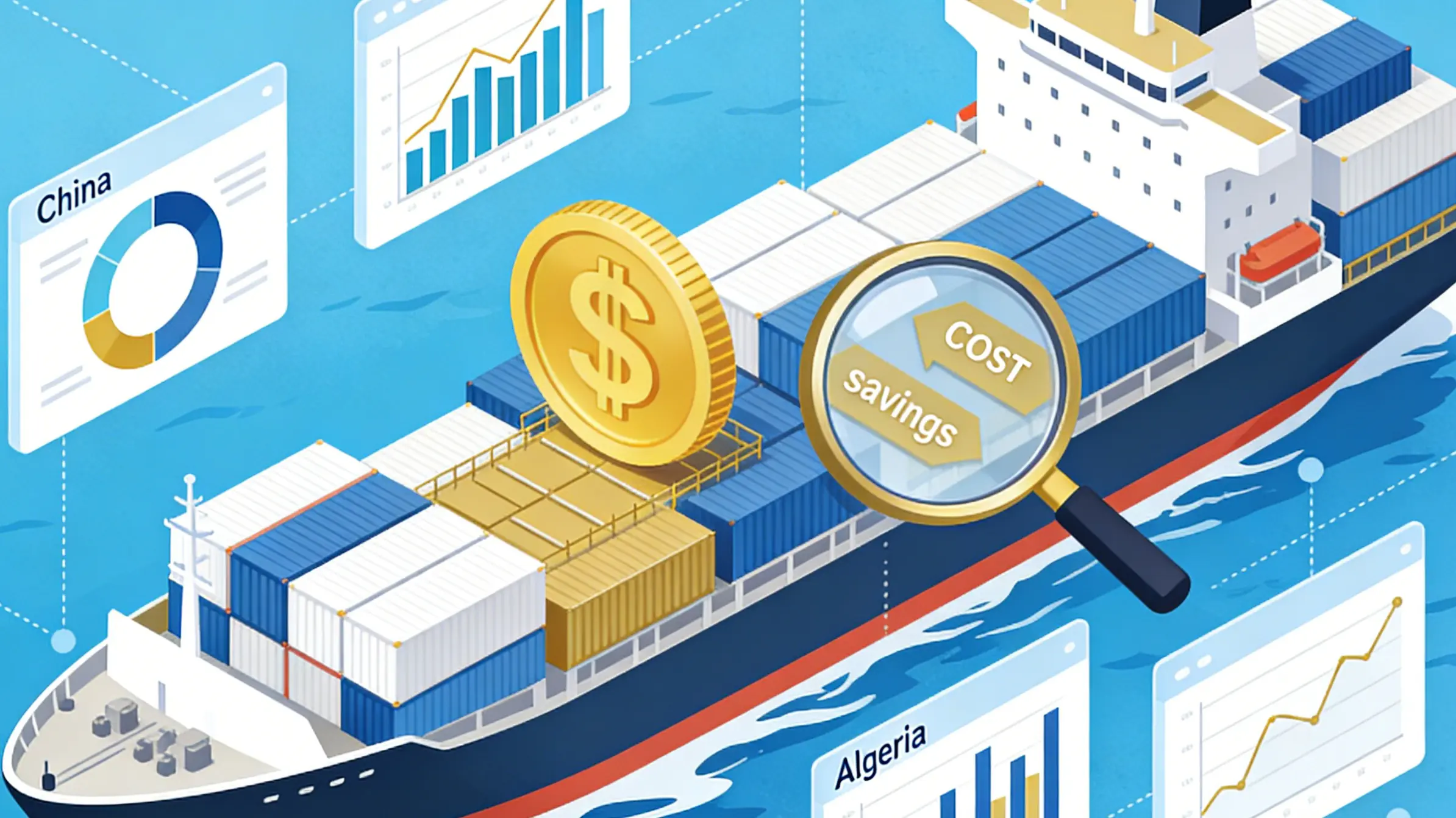
For importers, especially those sourcing from China, FOB terms allow for greater control over freight choices and local logistics partners, possibly leading to cost savings and better supply chain management.
For those unfamiliar with local regulations or seeking seamless coordination, working with a reliable freight forwarder ensures your responsibilities and costs are fully transparent and your interests are protected throughout the shipping process.
For destination-specific shipping guides, check out routes like shipping from china to tanzaniaif your supply chain extends to East Africa.
The division of costs and responsibilities under FOB shipping provides clarity and flexibility, making it a preferred Incoterm for many international traders, especially in China-to-global shipments.
FOB Shipping Risk Transfer Point
In international trade, a clear understanding of the FOB Shipping Risk Transfer Point is crucial for both buyers and sellers. Under FOB (Free on Board) terms, the point at which risk transfers from seller to buyer is precisely defined. The risk passes from the seller to the buyer the moment the goods are loaded onto the vessel at the named port of shipment.
This means:
Before the goods are loaded onto the vessel, the seller bears all risks of loss or damage.
After the goods have been loaded onboard, the risk is transferred to the buyer—even if the goods are still physically in the port or the ship has not departed.
Understanding this risk transfer point helps importers and exporters allocate insurance, plan logistics, and manage responsibilities effectively.
Scenario
Seller’s Responsibility
Buyer’s Responsibility
Risk Bearing Party
Goods in Seller’s Warehouse
Yes
No
Seller
Goods in Transit to Port of Shipment
Yes
No
Seller
Goods at Port, Before Loading on Vessel
Yes
No
Seller
Goods Loaded On Board (Risk Transfer Point)
No
Yes
Buyer
Goods in Transit After Loading
No
Yes
Buyer
This clear demarcation is fundamental for insurance arrangements. Typically, the seller arranges insurance until goods are loaded, and the buyer is responsible for insurance from that moment onward.
It is vital to specify the named port of shipment in the contract (e.g., “FOB Shanghai”), as this defines where the risk transfer occurs. Disputes often arise when the named port is ambiguous or when loading procedures are not clearly documented. Working with an experienced freight forwarder like Efanda Logistics ensures correct handling and documentation, minimizing disputes and providing peace of mind.
FOB Shipping Process (Step by Step)
The FOB Shipping Process involves several well-defined steps, each with specific responsibilities for the seller and the buyer. Understanding this process is essential for smooth international trade, especially when importing from China.
Here is a step-by-step breakdown:
Sales Contract Agreement
Both parties agree on transaction terms, including price, product specifications, and FOB port of shipment.
Goods Preparation by Seller
The seller manufactures, packages, and prepares the goods for shipment, ensuring compliance with export regulations and buyer’s requirements.
Inland Transportation to Port
The seller arranges and bears the cost of transporting the goods from their facility to the designated port of shipment.
Customs Clearance for Export
The seller completes necessary export customs documentation and procedures, paying any related export duties or fees.
Delivery and Loading at Port
The seller delivers the goods to the port, arranges for export inspection (if required), and ensures the goods are loaded on board the vessel. Up until this moment, the risk and cost remain with the seller.
Risk Transfer
Once the goods are loaded onboard the vessel, risk and responsibility transfer to the buyer. This is the critical FOB risk transfer point.
Issuance of Bill of Lading
The shipping line issues a Bill of Lading naming the buyer as the consignee. The seller provides shipping documents to the buyer, usually through the agreed payment channel (e.g., Letter of Credit).
Sea Freight & Arrival at Destination Port
The buyer arranges and pays for the ocean freight, marine insurance, unloading, import customs clearance, and final inland transport to the destination.
The following table summarizes the division of responsibilities in the FOB process:
Shipping Step
Seller’s Responsibility
Buyer’s Responsibility
Risk Bearing Party
Contract and Order
Yes
Yes
N/A
Goods Preparation
Yes
No
Seller
Inland Transportation (Origin)
Yes
No
Seller
Export Customs Clearance
Yes
No
Seller
Loading on Board
Yes
No
Seller (until loaded)
After Loading on Vessel
No
Yes
Buyer (after loading)
Ocean Freight & Insurance
No
Yes
Buyer
Import Customs and Local Delivery
No
Yes
Buyer
Understanding these steps and clearly assigning responsibilities minimizes the risk of delays, additional costs, or disputes. For importers new to trading with China, partnering with a trusted logistics provider like Efanda Logistics can help navigate the complexities of FOB shipping, ensuring compliance and efficient transport from factory to final destination.
You may also explore options like door to door shipping for a more streamlined end-to-end solution.
FOB vs CIF vs DDP: Key Differences
When importing goods from China, choosing the right Incoterm is crucial for managing responsibilities, costs, and risks throughout the shipping process. The three most common trade terms are FOB (Free on Board), CIF (Cost, Insurance, and Freight), and DDP (Delivered Duty Paid). Each presents unique implications for buyers and sellers.
Criteria
FOB (Free on Board)
CIF (Cost, Insurance, and Freight)
DDP (Delivered Duty Paid)
Seller’s Responsibility Ends
When goods are loaded onto the vessel at the port of origin
When goods are loaded onto the vessel; seller also arranges and pays for freight and insurance
Only when goods are delivered to the buyer’s final destination, cleared for import
Buyer’s Responsibility Starts
Once goods are on board the ship
Once goods are on board the ship (risk transfers), though seller pays for freight and insurance
Upon delivery at the buyer’s location, after import clearance
Who Pays Ocean Freight?
Buyer
Seller (included in the invoice price)
Seller
Who Arranges Insurance?
Buyer
Seller (minimum cover mandated, may not be comprehensive)
Seller
Who Handles Import Customs?
Buyer
Buyer
Seller
Risk Transfer Point
At the port of shipment, once the goods are on board
At the port of shipment, once the goods are on board
At the buyer’s premises after customs clearance
Best for
Buyers wanting more control and cost transparency
Buyers preferring less involvement in freight/insurance arrangements
Buyers seeking a hassle-free experience, willing to pay a premium for convenience
Key Takeaways
FOB offers buyers more control and flexibility over shipping and costs. The risk transfers once the goods are loaded onto the vessel.
CIF includes insurance and freight arranged by the seller, but risk still transfers at the port of shipment. Insurance provided is often minimal.
DDP is the most seller-responsible term, covering everything up to delivery at the buyer’s site, including duties and taxes. It is convenient but usually more expensive.
Buyers should evaluate their logistics capabilities, budget, and risk tolerance when choosing between these terms. For importers from China wanting greater control and transparency, FOB shipping is often the preferred choice. However, engaging a reliable freight forwarder can help navigate the complexities of each Incoterm and ensure a smooth shipping experience.
Advantages and Disadvantages of FOB Shipping
FOB shipping remains one of the most popular choices for international importers, especially those sourcing from China. Understanding its strengths and drawbacks is essential for making informed shipping decisions.
Advantages of FOB Shipping
Greater Control Over Shipping
Buyers choose their own freight forwarder and shipping routes, allowing for better negotiation and optimization of costs.
Flexibility in selecting service levels, transit times, and additional logistics services.
Transparency in Costs
All post-shipment costs (ocean freight, insurance, local charges) are under the buyer’s control, reducing the likelihood of hidden fees.
Buyers can compare market rates and choose the most cost-effective solutions.
Reduced Risk of Overcharging
Sellers only quote up to loading onto the vessel, minimizing the risk of inflated freight and insurance costs, which can occur under terms like CIF.
Direct Relationship with Freight Forwarders
Buyers can establish communication directly with providers such as Efanda Logistics, facilitating clearer updates and faster problem resolution.
Disadvantages of FOB Shipping
Higher Responsibility for the Buyer
Buyers must arrange and manage international transportation, including booking shipments, insurance, and destination customs clearance.
Requires familiarity with shipping processes, or reliable logistics partners.
Risk Transfers Earlier
Risk passes to the buyer once the goods are on board the vessel at the port of origin. Any damage or loss during the ocean voyage is the buyer’s responsibility.
Complexity in Case of Issues
In the event of shipping delays, damage, or disputes, buyers must coordinate claims and solutions, which may involve multiple parties.
Summary Table: Pros and Cons of FOB Shipping
Advantages
Disadvantages
Control over freight selection
More logistics responsibility for buyer
Cost transparency after goods are shipped
Must arrange & pay for freight/insurance
Lower risk of inflated seller charges
Early transfer of risk at port of origin
Ability to work directly with freight agents
More complex if buyer lacks shipping experience
FOB shipping is ideal for experienced buyers who wish to control their logistics and costs, and who have trusted partners like Efanda Logistics. For new importers, the added responsibility may be challenging, but with professional support, it can lead to significant savings and efficiency.
Choosing the right Incoterm comes down to your business needs, experience level, and risk profile. For those importing from China, FOB remains a flexible and cost-effective option when paired with reliable logistics support.
When Should You Use FOB Shipping?
FOB shipping (Free On Board) is best suited for international buyers who want more control over their shipments and logistics processes, especially when importing from China. Here are scenarios when choosing FOB shipping is advantageous:
Scenario
Why FOB Is Suitable
You have your own trusted freight forwarder
You can negotiate better shipping rates and manage the entire transportation process.
You require flexibility in choosing shipping routes
FOB allows you to select preferred carriers and routes based on your logistics strategy.
You want clear separation of risk and cost responsibilities
Under FOB, risk transfers at the port of shipment, simplifying insurance and liability.
Your company regularly consolidates shipments
You can coordinate with your forwarder for efficient consolidation and container loading.
You need transparency in freight charges
All shipping and local costs are under your direct control after goods are loaded onboard.
You plan to handle customs clearance yourself
FOB terms end seller’s responsibility at the port, so you or your agent manage clearance.
For many importers sourcing from China, especially those with experience or local logistics partners, FOB shipping offers transparency, cost control, and flexibility. However, it requires you to be proactive in arranging and managing post-shipment logistics.
For readers involved in regional supply chains, see shipping from china to ugandafor insights on East African destination logistics.
Conclusion
FOB shipping gives importers greater control over the international shipping process, especially when working with suppliers in China. The buyer assumes responsibility for freight costs and risks once the goods are loaded onto the vessel at the port of shipment. This setup allows for better cost management, easier consolidation, and flexibility in choosing logistics partners.
However, FOB shipping also means that buyers must coordinate shipping, insurance, and customs clearance themselves. For companies with reliable freight forwarders or in-house logistics capabilities, FOB is often the preferred choice. For those new to international trade or lacking logistics expertise, other terms like CIF or DDP may be less complex.
For importers who want professional support and seamless logistics from China, working with an experienced freight forwarder like Efanda Logistics can optimize your FOB shipping experience, ensuring efficient handling of your cargo and compliance with international regulations.
In summary, FOB shipping is ideal for buyers seeking control and flexibility, provided they are prepared to handle the additional logistics responsibilities.
FOB Shipping FAQ
Q: What does FOB stand for in shipping? A: FOB stands for “Free On Board”, a term in international trade indicating the point where responsibility and costs transfer from seller to buyer.
Q: Who pays for shipping under FOB? A: Under FOB, the buyer pays for all costs and risks after the goods are loaded onto the vessel at the designated port.
Q: Is FOB shipping only for sea freight? A: Traditionally, FOB is used for sea or inland waterway transport. For air or land freight, other Incoterms like FCA are recommended.
Q: When does risk transfer occur in FOB shipping? A: Risk transfers from the seller to the buyer when goods are loaded onto the shipping vessel at the port of shipment.
Q: Can I choose my own freight forwarder with FOB shipping? A: Yes, FOB shipping allows buyers to select their preferred freight forwarder and manage the shipment as they see fit.
Q: What are the main alternatives to FOB shipping? A: Common alternatives include CIF (Cost, Insurance, and Freight) and DDP (Delivered Duty Paid). Each has different allocations of risk, cost, and responsibility.
Q: Why should I consider Efanda Logistics for my FOB shipments from China? A: Efanda Logistics has extensive experience handling FOB shipping from China, ensuring reliable, transparent, and cost-effective logistics solutions for international importers.