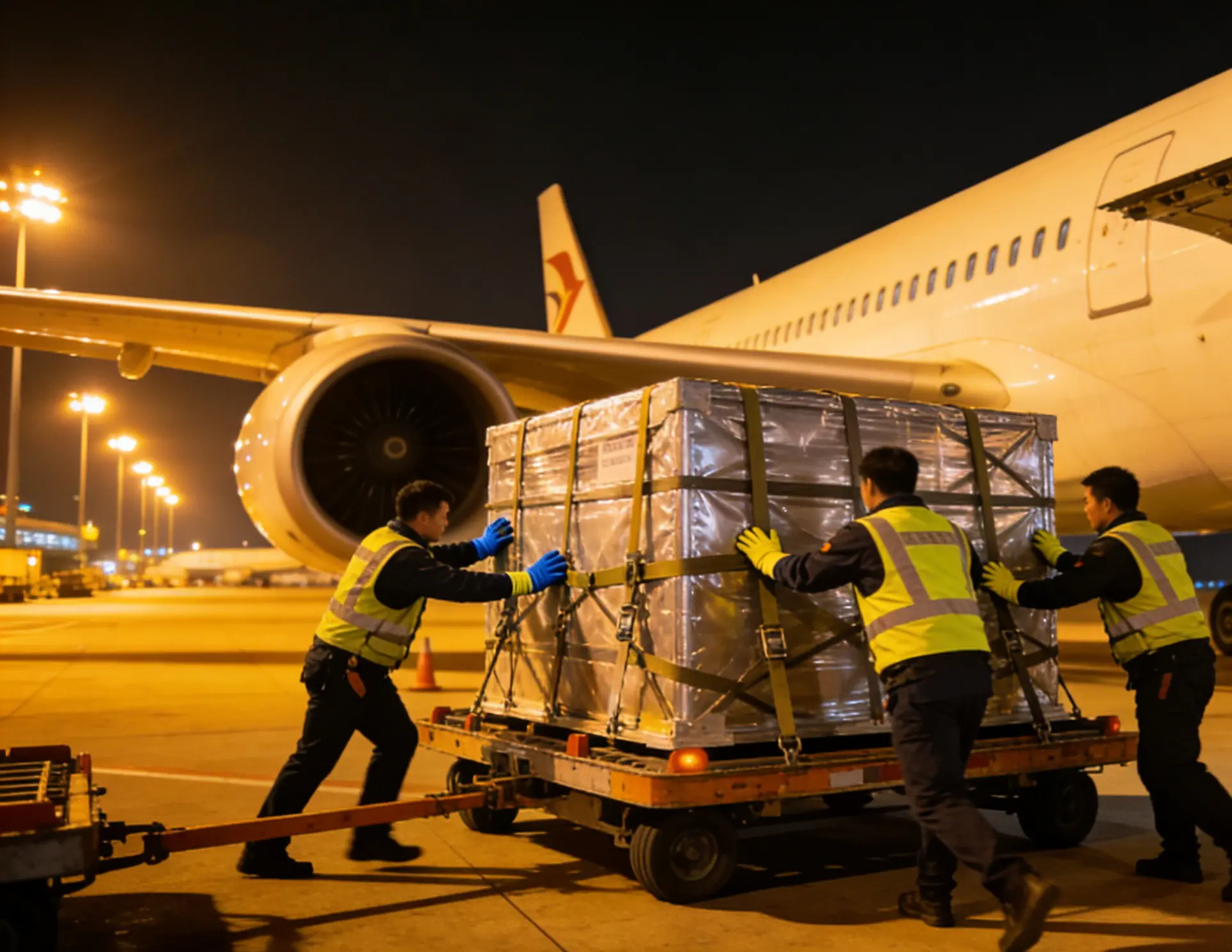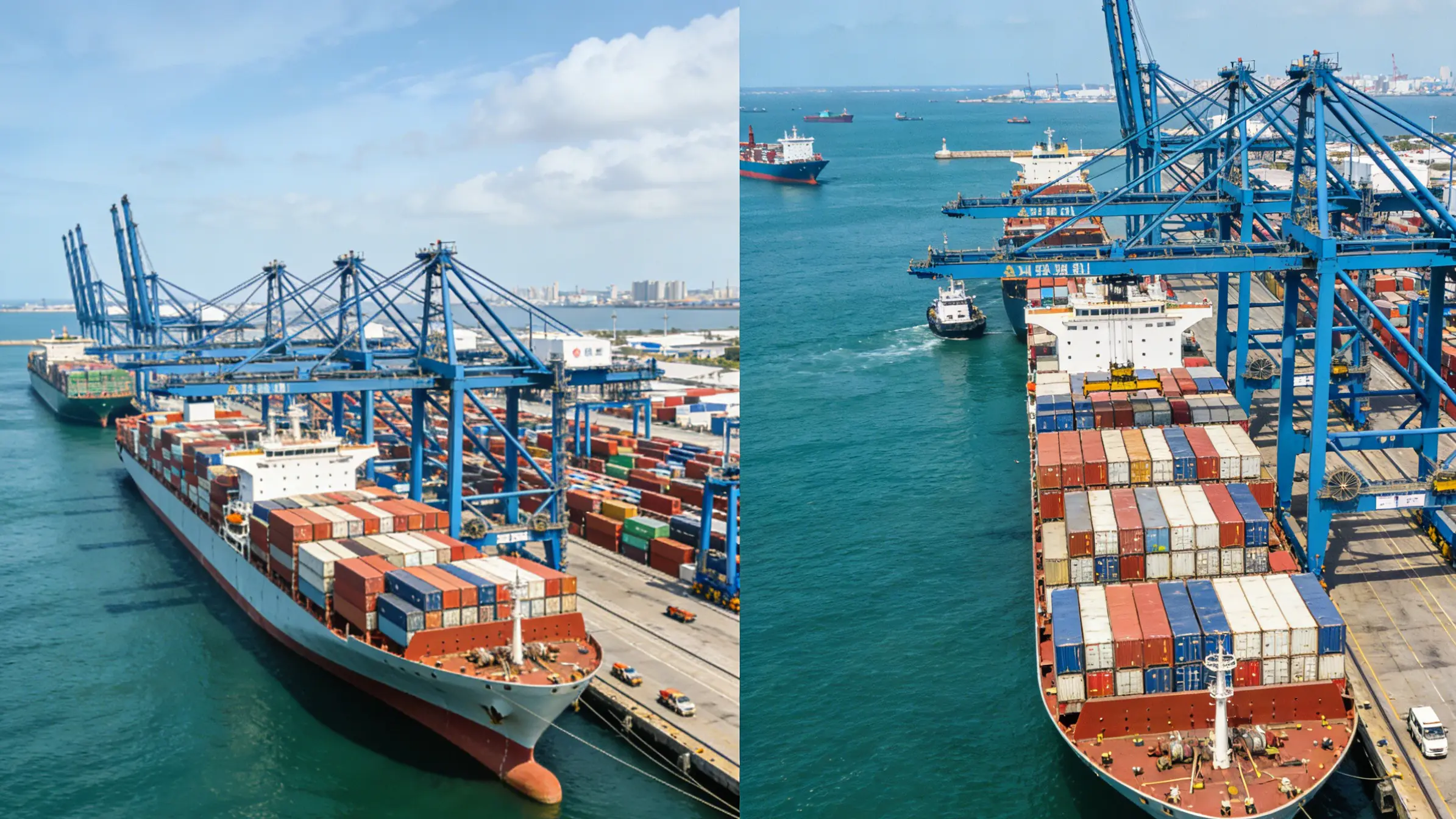
Have you ever wondered how your goods travel seamlessly across borders? Freight forwarding plays a crucial role in global trade, ensuring shipments arrive safely and efficiently. In this comprehensive guide, we’ll explore what freight forwarding is, how a freight forwarder operates, and the key differences between freight forwarding, shipping, and logistics. Whether you’re new to international trade or seeking to optimize your supply chain, this article will answer your essential questions and more.
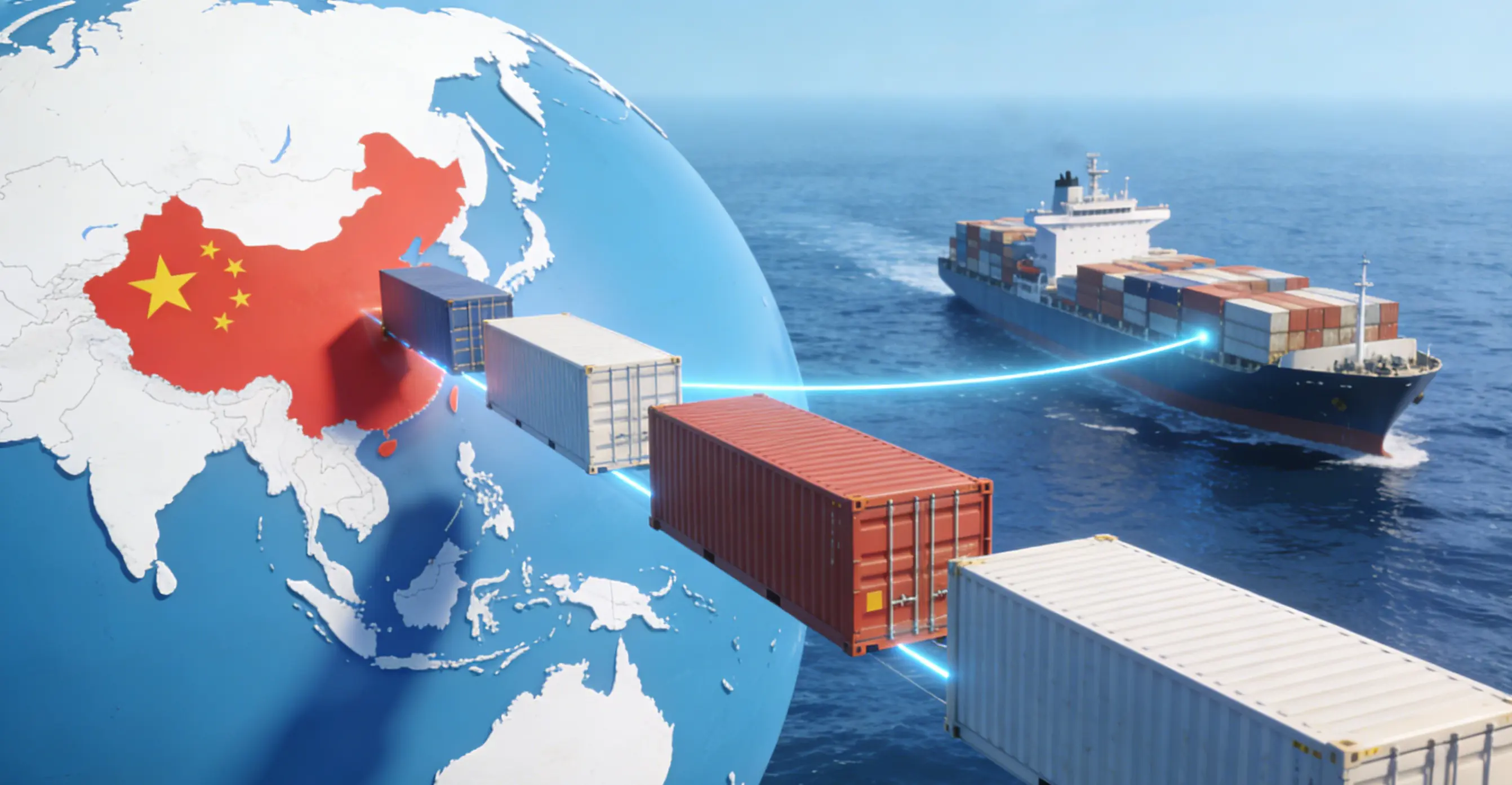
For international businesses importing goods from China, freight forwarding is a vital service that streamlines the complex process of moving products across borders. Selecting the right freight forwarder is essential for minimizing risks, reducing costs, ensuring compliance, and delivering goods on time. In this guide, we explain what freight forwarding is, highlight its importance, and lay the groundwork for understanding how it shapes global supply chains—especially for importers sourcing from China.
What Is Freight Forwarding?
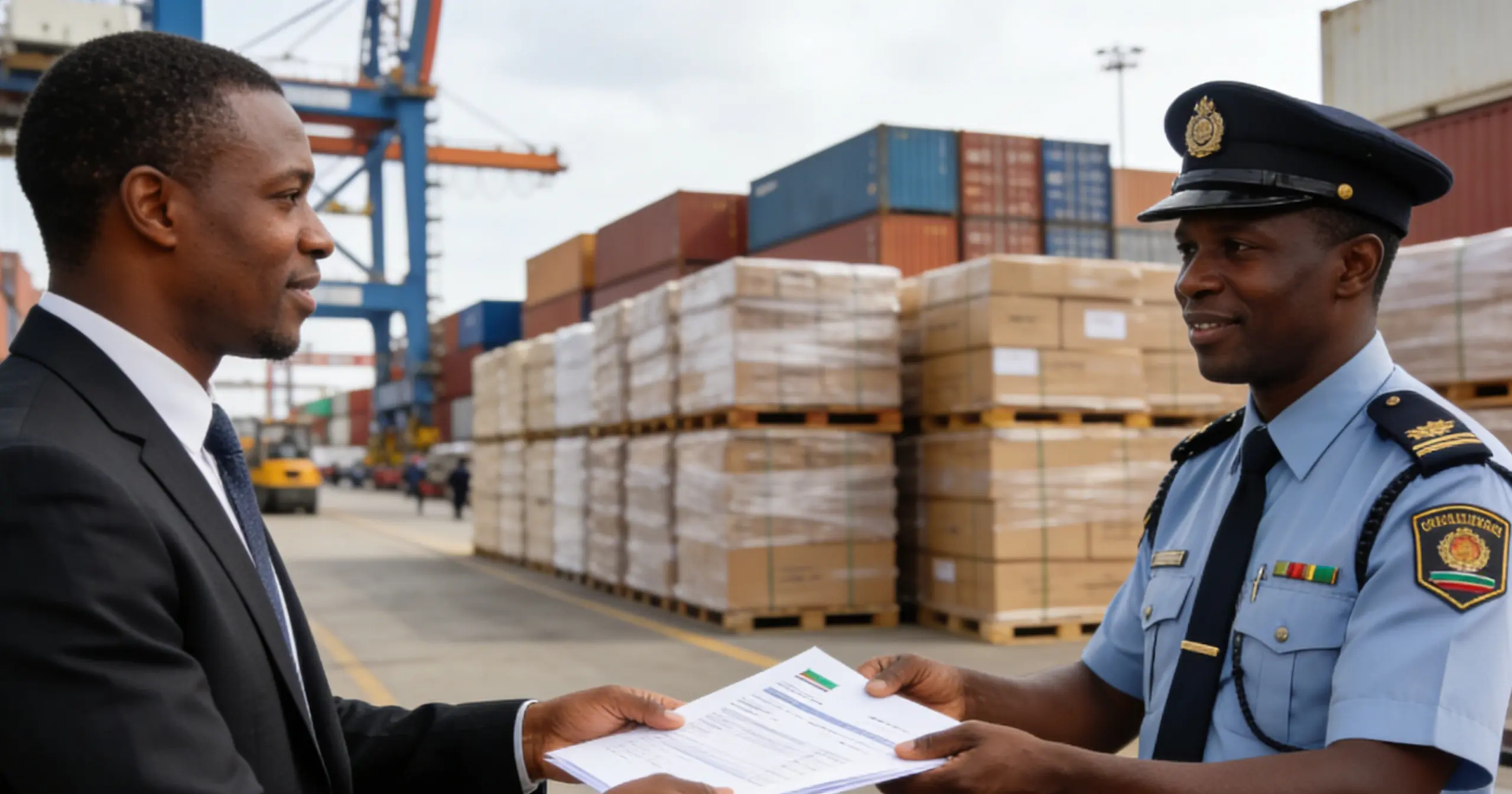
Freight forwarding is a specialized logistics service that manages the planning, coordination, and shipment of goods from one international destination to another. Unlike carriers that own the transport assets (like ships, planes, or trucks), a freight forwarder acts as an intermediary, leveraging their expertise and global network to organize the best routes, negotiate rates, handle paperwork, and ensure smooth customs clearance.
Key aspects of freight forwarding include:
- Coordinating multi-modal transport (such as sea, air, and rail)
- Managing documentation and compliance with international regulations
- Providing cargo insurance and risk management solutions
- Facilitating communication between shippers, carriers, and consignees
| Component | Description |
|---|---|
| Logistics Planning | Designing optimal routes, balancing cost, transit time, and reliability |
| Carrier Selection | Choosing the most suitable shipping lines, airlines, or trucking companies |
| Documentation | Preparing and handling essential paperwork, such as bills of lading, invoices, and customs documents |
| Customs Clearance | Navigating import/export regulations, tariffs, and taxes to avoid delays or penalties |
| Cargo Insurance | Protecting the value of goods against loss, damage, or theft during transit |
| Supply Chain Visibility | Providing real-time updates and tracking information for all stakeholders |
For importers, especially those new to sourcing from China, working with a reputable freight forwarder ensures regulatory compliance, cost containment, and peace of mind throughout the shipping process. By leveraging their expertise, businesses can focus on core operations while entrusting logistics complexities to professionals.
What Does a Freight Forwarder Do?
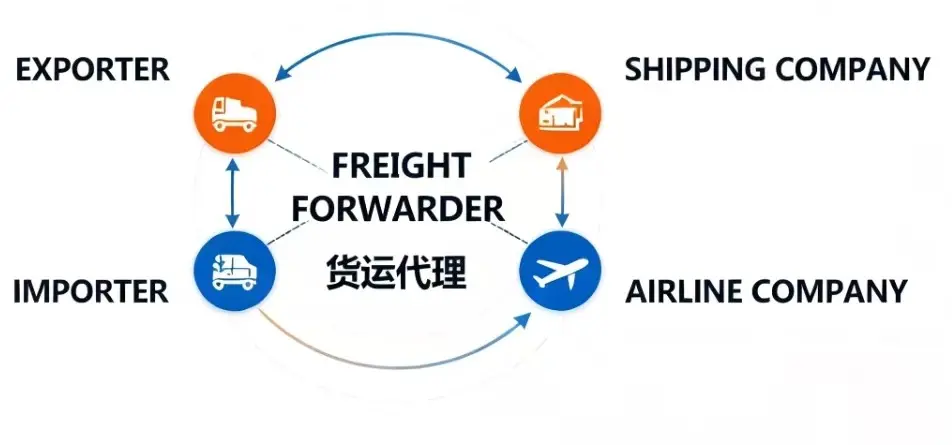
A freight forwarder acts as an expert intermediary between shippers and transportation services, ensuring the smooth and efficient movement of goods across international borders. Their primary role is to coordinate and manage every stage of the shipping process, relieving importers—especially those sourcing from China—of logistical complexities and regulatory burdens. This includes arranging transport, preparing necessary documentation, managing customs clearance, and providing real-time shipment tracking.
Key responsibilities of a freight forwarder include:
| Service Area | Description |
|---|---|
| Transportation Coordination | Selecting optimal shipping routes (by sea, air, rail, or multimodal), booking cargo space, and synchronizing pick-up and delivery schedules. |
| Documentation Handling | Preparing and managing essential documents such as the bill of lading, commercial invoice, packing list, and certificates of origin. |
| Customs Clearance | Navigating complex customs regulations, filing declarations, and arranging payments of duties and taxes to ensure compliance and timely release of goods. |
| Cargo Insurance | Advising on risk management options and arranging insurance coverage to protect shipments against damage, theft, or loss during transit. |
| Supply Chain Optimization | Recommending strategies for cost reduction, lead time improvement, and inventory management based on shipment data and industry best practices. |
| Warehousing and Storage | Offering temporary storage solutions, consolidation, and deconsolidation services to accommodate various shipment sizes and delivery timelines. |
| Tracking and Communication | Providing real-time updates and proactive communication about shipment status, potential delays, or requirements. |
For importers shipping from China, working with a professional freight forwarder simplifies the process by ensuring that all legal, logistical, and commercial requirements are met efficiently and in compliance with the latest international standards.
How Freight Forwarding Works (Step by Step)
The process of freight forwarding is structured in a series of clearly defined steps, each designed to ensure the safe, compliant, and cost-effective movement of goods from origin to destination. Here’s a step-by-step breakdown, specifically tailored for importers sourcing from China:
- Cargo Preparation
The shipper prepares goods for export, ensuring proper packaging, labeling, and documentation. The freight forwarder may advise on packaging standards and export requirements to prevent delays or damage. - Quotation & Booking
The importer requests a shipping quote from the freight forwarder, who then evaluates the best modes of transport (sea, air, rail, or combined) based on cargo type, budget, and timeline. Once approved, the forwarder books space with carriers. - Pick-up and Inland Transport
The freight forwarder arranges for the collection of cargo from the supplier’s warehouse in China and transports it to the port or airport of departure, handling all necessary paperwork for domestic transit. - Export Customs Clearance
The forwarder submits export declarations and supporting documents to Chinese customs. Clearances must be obtained before goods can leave the country. - International Shipping
The cargo is loaded onto the chosen vessel, airplane, or train. The forwarder manages the transfer of ownership via the bill of lading, monitors the shipment, and coordinates with overseas partners. - Import Customs Clearance
Upon arrival at the destination port, the freight forwarder (often via local agents) submits import documents, pays duties and taxes, and arranges for inspection if required. This step ensures compliance with local import regulations. - Delivery to Final Destination
After customs release, the forwarder organizes last-mile delivery to the consignee’s warehouse or specified address, using local trucking or courier services. - Cargo Release & Documentation Handover
The consignee receives the goods and all final documents, such as the bill of lading and customs clearance certificates. The freight forwarder remains available for post-delivery support or claims if issues arise.
Below is a simplified overview in table form:
| Step | Party Responsible | Key Documents Involved | Main Activities |
|---|---|---|---|
| Cargo Preparation | Shipper + Forwarder | Packing List, Commercial Invoice | Packing, labeling, initial documentation |
| Quotation & Booking | Forwarder | Quotation, Booking Confirmation | Route selection, space booking, cost negotiation |
| Pick-up/Inland Transport | Forwarder | Delivery Order | Pick-up, transport to port/airport |
| Export Customs Clearance | Forwarder | Export Declaration, Certificates of Origin | Customs filing, compliance checks |
| International Shipping | Carrier + Forwarder | Bill of Lading, Air Waybill, Rail Consignment | Loading, departure, in-transit monitoring |
| Import Customs Clearance | Forwarder/Agent | Import Declaration, Clearance Certificates | Customs filing, duties/taxes payment, document handling |
| Final Delivery | Forwarder/Local Carrier | Delivery Order, Proof of Delivery | Last-mile transport, delivery confirmation |
| Documentation Handover | Forwarder | All shipment documents | Handover to consignee, claims processing (if needed) |
By following these steps, a reliable freight forwarder ensures that international shipments from China are managed smoothly, cost-effectively, and in compliance with local and international requirements. This holistic approach is crucial for minimizing risks and maximizing efficiency in global trade.
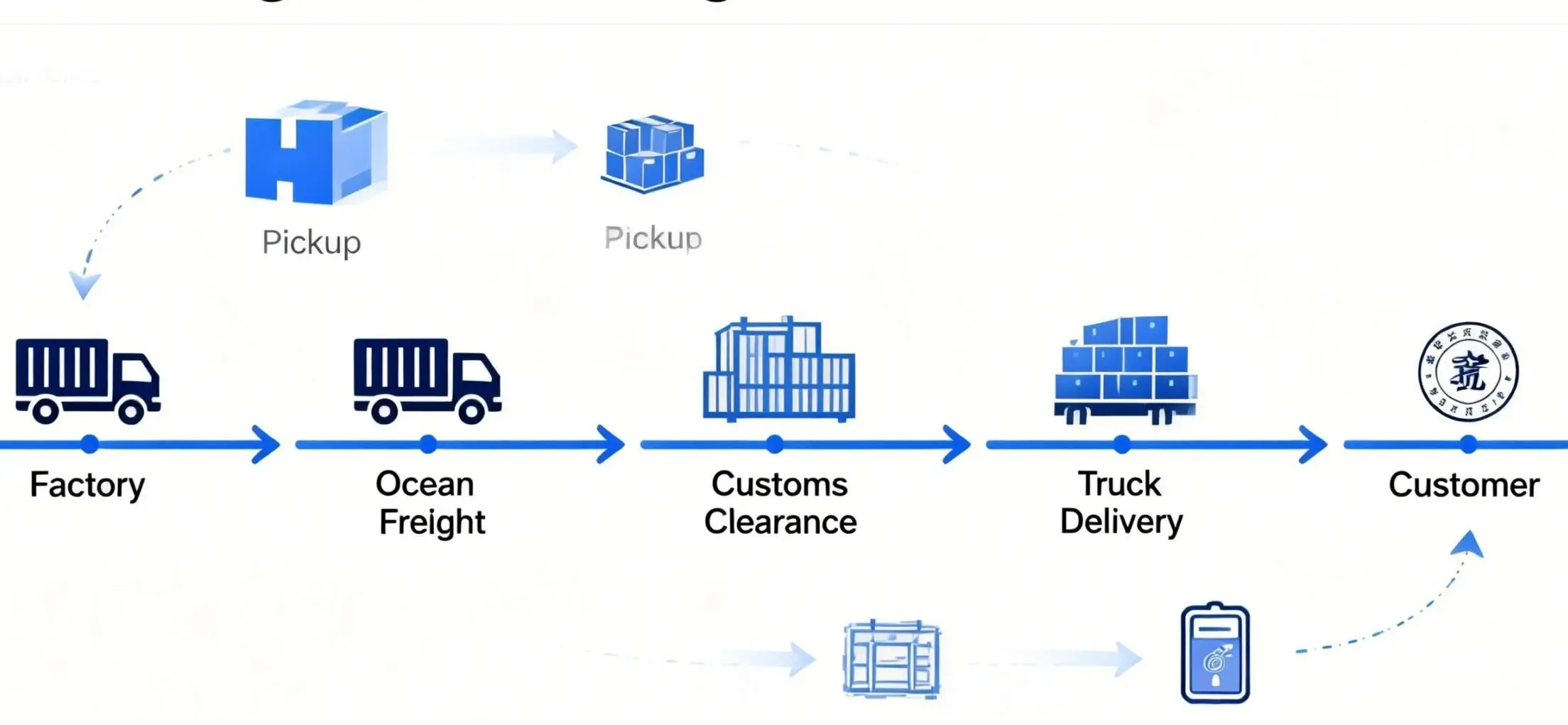
Freight Forwarding vs Shipping vs Logistics
Understanding the distinctions among freight forwarding, shippin, and logistics is essential for anyone importing goods from China. While these terms are often used interchangeably, each plays a distinct role in the supply chain. Choosing the right partner—such as a specialized freight forwarder—can optimize costs, streamline operations, and reduce risks for international shippers.
Key Differences at a Glance
| Aspect | Freight Forwarding | Shipping | Logistics |
|---|---|---|---|
| Definition | Coordination and management of cargo movement across carriers, modes, and borders on behalf of shippers. | The physical transport of goods from one place to another (e.g., via vessel, plane, or truck). | The overarching process of planning, implementing, and controlling the flow of goods, information, and resources. |
| Main Role | Acts as an intermediary between shipper and all transportation/handling entities; manages booking, documentation, and compliance. | Provides the actual transportation service (e.g., ocean carrier, airline, trucking company). | Encompasses freight forwarding, shipping, warehousing, inventory, customs, and sometimes distribution. |
| Scope | End-to-end transport arrangement, including customs clearance, insurance, and multi-modal solutions. | Limited to the movement of goods on a particular mode or segment. | Broader supply chain functions—including procurement, storage, order fulfillment, and last-mile delivery. |
| Typical Providers | Freight forwarders (e.g., Dantful International Logistics), integrators, 3PLs. | Shipping lines, airlines, trucking companies. | 3PLs (third-party logistics), 4PLs, supply chain consultants. |
| Value to Importers | Simplifies global trade complexities, manages compliance, reduces risk, and offers consolidated rates for various services. | Moves goods physically but does not typically manage documentation, customs, or multi-modal transit. | Integrates all supply chain components, providing visibility, efficiency, and strategic optimization for importers. |
In Practice
- Freight Forwarders handle the entire shipment process, from booking cargo space to preparing shipping documents and coordinating with carriers.
- Shipping companies (ocean lines, airlines) are responsible for the transportation leg itself but typically do not arrange pickup, customs, or inland delivery.
- Logistics providers manage everything from order placement to final delivery, covering warehousing, tracking, and even supply chain analytics.
For importers from China, working with a reliable freight forwarder bridges the gap between the complexities of global shipping and the need for efficient, compliant, and hassle-free cargo movement.
Types of Freight Forwarding Services
There are various types of freight forwarding services tailored to different shipping needs, modes of transport, and cargo requirements. Selecting the right service ensures cost-effectiveness, compliance, and timely delivery for your imports from China.
Overview of Main Freight Forwarding Services
| Service Type | Description | Typical Use Cases |
|---|---|---|
| Sea Freight Forwarding | Handles consolidation, booking, and customs procedures for shipments via ocean freight (FCL or LCL). | Bulk shipments, large or heavy cargo |
| Air Freight Forwarding | Arranges air transport for time-sensitive or high-value goods, including booking, airway bill preparation, and customs. | Urgent, valuable, or perishable goods |
| Rail Freight Forwarding | Coordinates rail transport, especially for China-Europe shipments, including transshipment and customs clearance. | Mid-speed, cost-effective delivery to/from Eurasia |
| Road Freight Forwarding | Organizes trucking services for regional, cross-border, or door-to-door delivery, handling permits and documentation. | Intra-continental, short-haul, pickup/delivery |
| Multimodal & Intermodal Freight | Integrates two or more transportation modes (e.g., sea-air, rail-road), providing seamless end-to-end shipping solutions. | Complex routes, optimized cost/time balance |
| Project Cargo Forwarding | Manages oversized, heavy-lift, or special cargo requiring customized planning, specialized equipment, and route surveys. | Machinery, industrial equipment, infrastructure projects |
| Customs Brokerage & Clearance | Assists in preparing and submitting customs documentation, payment of duties, and ensuring regulatory compliance. | All imports requiring customs clearance |
| Warehousing & Distribution | Provides temporary storage, consolidation, and onward distribution as part of the forwarding process. | Inventory management, cross-docking, e-commerce |
| Value-Added Services | Includes cargo insurance, packaging, labeling, cargo tracking, and supply chain consulting. | Risk mitigation, compliance, supply chain optimization |
Service Selection Tips
- Assess your cargo needs: Consider volume, value, urgency, and destination.
- Check for integrated solutions: Providers like Efanda freight forwarding offer multimodal, customs, and warehousing services under one roof.
- Review compliance and support: Look for forwarders experienced in Chinese export regulations and your importing country’s requirements.
In summary, understanding and choosing the right type of freight forwarding service enables importers to optimize costs, manage risks, and ensure smooth global trade operations.
When Do You Need a Freight Forwarder?
Importers are strongly advised to use a freight forwarder when handling international shipments with complex documentation, customs requirements, or when seeking to optimize time and cost. A freight forwarder serves as a critical partner, especially for those importing goods from China, helping businesses navigate logistics challenges and ensure smooth delivery.
Detailed Explanation:
You need a freight forwarder when:
| Scenario | Why a Freight Forwarder is Essential | Example for China Imports |
|---|---|---|
| Shipping internationally for the first time | Expertise with international documentation, customs clearance, and compliance with local regulations | First-time importer unfamiliar with Chinese export rules |
| Handling large or high-value shipments | Specialized knowledge in cargo insurance, risk mitigation, and careful route selection | Bulk electronics or machinery from Shenzhen |
| Managing complex, multi-modal transport | Coordination of sea, air, rail, or road transport to optimize time and cost | Combining sea freight to Europe with trucking in EU |
| Dealing with tight timelines | Ability to expedite shipping and prioritize urgent cargo | On-time delivery ahead of Chinese New Year shutdowns |
| Navigating customs and regulatory challenges | Guidance on tariffs, duties, and compliance to prevent costly delays | Goods subject to anti-dumping duties |
| Lack of in-house logistics expertise | Full-service logistics support, from booking to delivery | Small businesses or startups without logistics teams |
| Seeking cost-effective solutions | Access to negotiated rates and cargo consolidation options | Sharing container space via LCL (Less-than-container Load) |
Freight forwarders can add value by managing end-to-end shipping processes, reducing risks, and ensuring compliance with international trade laws. For importers sourcing goods from China, using a freight forwarder is highly recommended to handle language barriers, document requirements, and optimize freight routes.
How Much Does Freight Forwarding Cost?
The cost of freight forwarding depends on several factors, including the type of transport, cargo size/weight, origin and destination, service level, and additional requirements such as insurance or warehousing. Accurate quotations are best obtained by providing detailed shipment information to your freight forwarder.
Detailed Overview:
Key Cost Components:
| Cost Component | Description | Typical Range (China to USA Example) |
|---|---|---|
| Freight Charges | Cost of moving goods by sea, air, rail, or road | Sea: $1,500–$3,000/20ft container Air: $4–$8/kg |
| Fuel Surcharges | Variable charges based on current fuel prices | Included in freight or billed separately |
| Security Fees | For screening and protecting cargo | $20–$50/shipment |
| Customs Clearance Fees | Charges for completing customs declarations and documentation | $50–$200/shipment |
| Port & Terminal Handling | Fees for loading/unloading at ports | $100–$400/container |
| Documentation Fees | Preparation of bills of lading, certificates, invoices, etc. | $25–$75/document |
| Cargo Insurance | Optional, based on cargo value and risk | 0.1–0.5% of goods value |
| Warehousing & Storage | Temporary storage before, during, or after transit | $5–$15/pallet/day |
| Delivery to Door | Trucking or local delivery at destination | $100–$500/shipment |
| Value Added Services | Packaging, labeling, quality checks, consolidation | Varies—quote required |
Sample Freight Forwarding Cost Table:
| Route | Mode | Cargo Type | Estimated Cost | Notes |
|---|---|---|---|---|
| China → USA (LA Port) | Sea | 20ft FCL | $1,800 – $2,800 | Port-to-port only |
| China → Germany | Air | 500 kg | $2,500 – $4,000 | Fast, premium service |
| China → UK | Rail | 5 CBM LCL | $800 – $1,200 | Transit ~18 days |
Actual prices vary based on season, fuel costs, route congestion, and cargo specifics. For the most accurate quote, provide your freight forwarder with:
- Cargo description and value
- Weight and dimensions
- Origin and destination addresses
- Preferred shipping mode (sea, air, rail, multi-modal)
- Required delivery time
Freight forwarders such as Efanda Logistics can provide tailored quotations and optimize costs through consolidation, route planning, and value-added services.
Tip: Always compare quotations, check for hidden charges, and ensure all services (customs, delivery, insurance) are clearly specified before booking.
Common Freight Forwarding Documents
Freight forwarding involves the preparation and management of several critical documents to ensure the smooth, legal, and efficient movement of goods across borders. Understanding these documents is essential for importers from China, as mistakes or omissions can lead to costly delays or even seizure of cargo by customs authorities. Here is an overview of the most commonly used documents in the freight forwarding process:
| Document Name | Purpose & Importance | Who Issues It? |
|---|---|---|
| Commercial Invoice | Serves as the primary proof of sale and states the buyer, seller, description, and value of goods. Required for customs clearance and duties calculation. | Exporter |
| Packing List | Details the cargo’s contents, quantities, and packaging type. Used by customs, freight forwarders, and carriers to verify shipments. | Exporter |
| Bill of Lading (B/L) | A contract between the shipper and carrier. It acknowledges receipt of cargo and acts as a shipment receipt, often needed to claim goods at destination. | Carrier/Freight Forwarder |
| Air Waybill (AWB) | For air shipments. Functions similarly to the Bill of Lading, but is non-negotiable and serves as a receipt and contract for air cargo. | Airline/Freight Forwarder |
| Certificate of Origin | Confirms the country where the goods were manufactured. Often required for customs clearance, trade agreements, or preferential duty rates. | Exporter/Chamber of Commerce |
| Import/Export Customs Declaration | Officially declares goods to customs authorities at both export and import destinations. Ensures legal compliance and proper duty/tax assessment. | Exporter/Importer |
| Insurance Certificate | Documents that goods are insured during transit, protecting against loss or damage. | Insurance Provider |
| Letter of Credit (L/C) | Guarantees payment from the buyer’s bank to the seller upon fulfillment of terms. Often used in international transactions to reduce risk. | Bank |
Key Points to Remember:
- Missing or incorrect documentation is a leading cause of customs clearance delays.
- Working with a professional freight forwarder like Efanda Logistics ensures all required paperwork is prepared accurately and in compliance with both Chinese and destination country regulations.
- Digital documentation is increasingly accepted, but hard copies might still be necessary depending on the destination country or specific carrier requirements.
Conclusion
For importers sourcing products from China, understanding the role and value of a freight forwarder is crucial. A reliable freight forwarder acts as your logistics partner, streamlining complex shipping procedures, managing documentation, optimizing routes, and mitigating risks throughout your supply chain. Whether you’re shipping by sea, air, or land, or need assistance with customs clearance, a trusted partner like Efanda Logistics can help you navigate international regulations, avoid costly errors, and ensure timely delivery.
Ultimately, investing in professional freight forwarding services enhances efficiency, reduces costs, and allows you to focus on your core business. If you want a seamless, hassle-free import experience from China, engaging a reputable freight forwarder is a strategic and practical choice.
Freight Forwarding FAQ
Q1: What is the main responsibility of a freight forwarder?
A: A freight forwarder coordinates the transportation of goods from origin to destination. Their responsibilities include booking cargo space, preparing shipping documents, managing customs clearance, and arranging insurance and delivery.
Q2: When should I use a freight forwarder for importing from China?
A: Use a freight forwarder when dealing with complex shipments, large volumes, multiple modes of transport, or unfamiliar customs procedures. They are especially valuable when importing from China due to varying regulations and documentation requirements.
Q3: Do I need all the documents listed for every shipment?
A: Not always. The required documents depend on the shipment type, destination, and incoterms used. However, commercial invoices, packing lists, and a bill of lading are almost always required.
Q4: How can I make sure my documents are compliant?
A: Collaborate with an experienced freight forwarder like EFANDA Logistics, who can review and prepare your paperwork, ensuring compliance with both Chinese and importing country regulations.
Q5: How long does it take to clear customs with proper documentation?
A: With complete and accurate documents, customs clearance can often be completed within a few hours to a couple of days, depending on the country and shipment complexity.
Q6: Can freight forwarders help with cargo insurance?
A: Yes, most freight forwarders can arrange cargo insurance on your behalf, protecting your goods against loss, damage, or theft during transit.