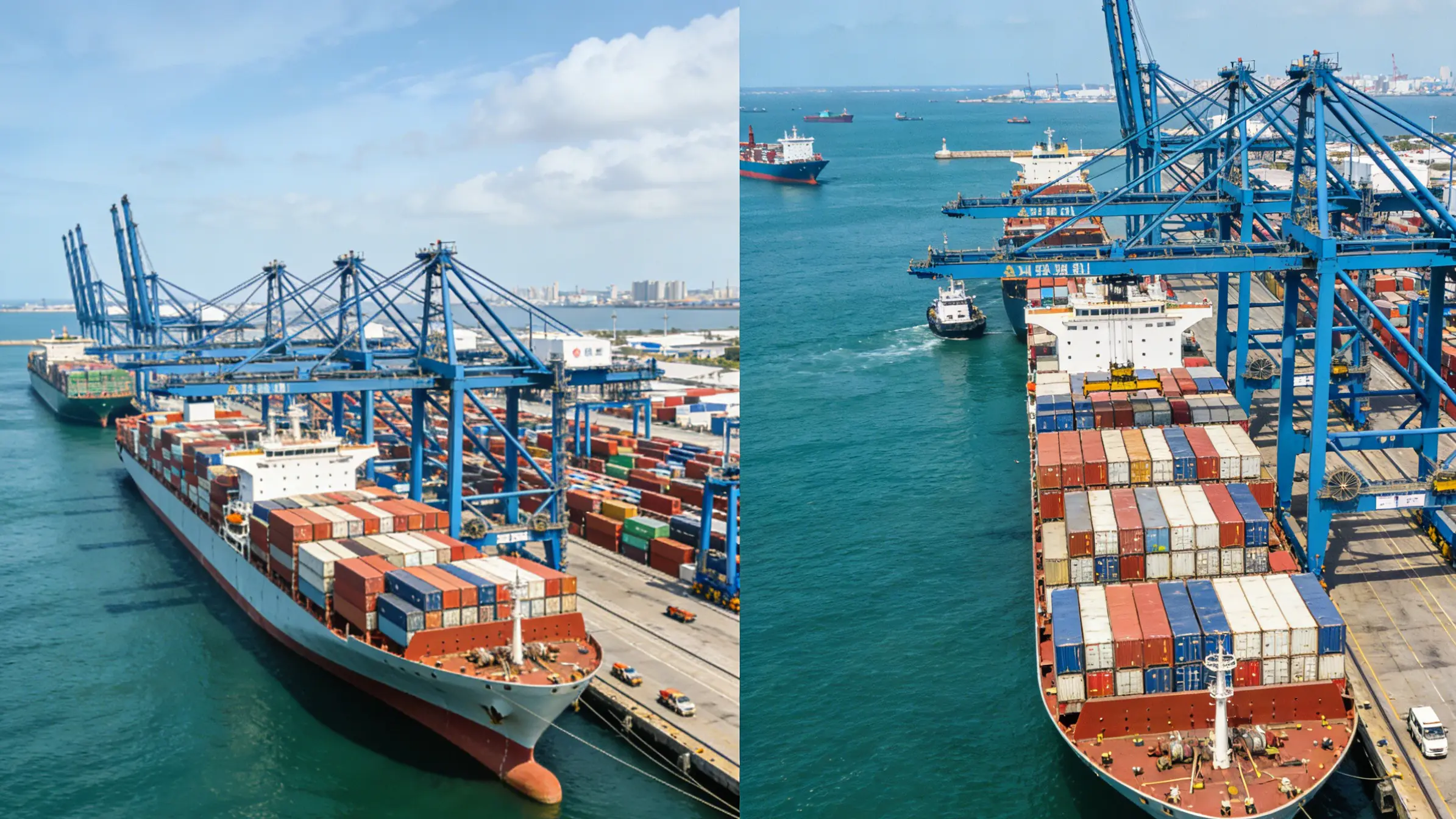
The globally most common standard pallet size is 48 × 40 inches (1219 × 1016 mm), widely used in North America, while Europe primarily uses the EUR pallet at 1200 × 800 mm. There is no single worldwide pallet standard; pallet sizes vary by region, industry, and logistics system.
Standard pallet size is a foundational concept in freight transportation, warehousing, and international shipping. It directly affects container utilization, shipping costs, warehouse compatibility, and material handling efficiency. Most pallet standards are defined by regional trade organizations or logistics systems rather than a single global authority.
For shippers, importers, and logistics planners, understanding standard pallet dimensions is essential to:
- Avoid cargo rework or pallet exchange
- Optimize container and truck space
- Ensure compatibility with forklifts, racking systems, and automated warehouses
- Reduce unexpected surcharges during international shipping
This article explains what “standard pallet size” means in practice, how it differs by region, and how to choose the correct pallet size for shipping based on real-world logistics constraints.
What Is the Standard Pallet Size?
A standard pallet size refers to a regionally accepted pallet dimension that is widely used across supply chains, warehouses, and transportation networks within a specific market.
There is no single global standard pallet size. Instead, pallet standards are established by:
- Industry associations (e.g. GMA in North America)
- Regional logistics systems (e.g. EUR / EPAL in Europe)
- Container and transport optimization practices
Key characteristics of a standard pallet size
| Aspect | Explanation |
|---|---|
| Standardized use | Widely accepted within a region or industry |
| Fixed dimensions | Length × width defined to fit transport and storage systems |
| Handling compatibility | Designed for forklifts, pallet jacks, and racking |
| Logistics efficiency | Optimized for containers, trucks, and warehouses |
Why “standard” does not mean “global”
In logistics, “standard” means operationally dominant, not universally identical. For example:
- The 48 × 40 inch pallet dominates North American supply chains because it fits truck widths and warehouse layouts.
- The 1200 × 800 mm EUR pallet aligns with European truck and rail dimensions.
These standards evolved to maximize space utilization and handling efficiency, not to create a single global size.
A standard pallet size is a regionally dominant pallet dimension, chosen to match local transportation infrastructure, warehouse systems, and material handling equipment—not a universal global measurement.
This definition forms the basis for comparing pallet sizes by region, understanding dimensional differences, and selecting the right pallet for international shipping scenarios.
Standard Pallet Sizes by Region
Standard pallet sizes vary by region because transportation infrastructure, warehouse systems, and material-handling standards differ globally. The most widely used pallet sizes are 48 × 40 inches in North America, 1200 × 800 mm in Europe, and 1100 × 1100 mm in parts of Asia-Pacific.
There is no single international pallet standard. Instead, pallet dimensions are optimized to fit:
- Regional truck and container dimensions
- Warehouse racking and automation systems
- Forklift and pallet jack specifications
- Historical trade and logistics practices
Common standard pallet sizes by region
| Region | Common Standard Pallet Size | Measurement System | Primary Use |
|---|---|---|---|
| North America | 48 × 40 in | Imperial | Retail, manufacturing, FMCG |
| Europe | 1200 × 800 mm (EUR) | Metric | EU cross-border transport |
| Asia-Pacific | 1100 × 1100 mm | Metric | Japan, Korea, regional exports |
| Australia | 1165 × 1165 mm | Metric | Domestic transport |
| ISO (reference) | 1200 × 1000 mm | Metric | International compatibility |
Why regional standards matter in shipping
Using a pallet size that does not match regional standards can result in:
- Reduced container utilization
- Pallet exchange or repalletization at destination
- Warehouse incompatibility and handling delays
- Higher handling and storage costs
Standard pallet sizes are region-specific logistics solutions designed to maximize efficiency within local transport and warehousing systems, not globally unified measurements.
This regional variation explains why selecting the correct pallet size is critical for international shipping and cross-border supply chains.
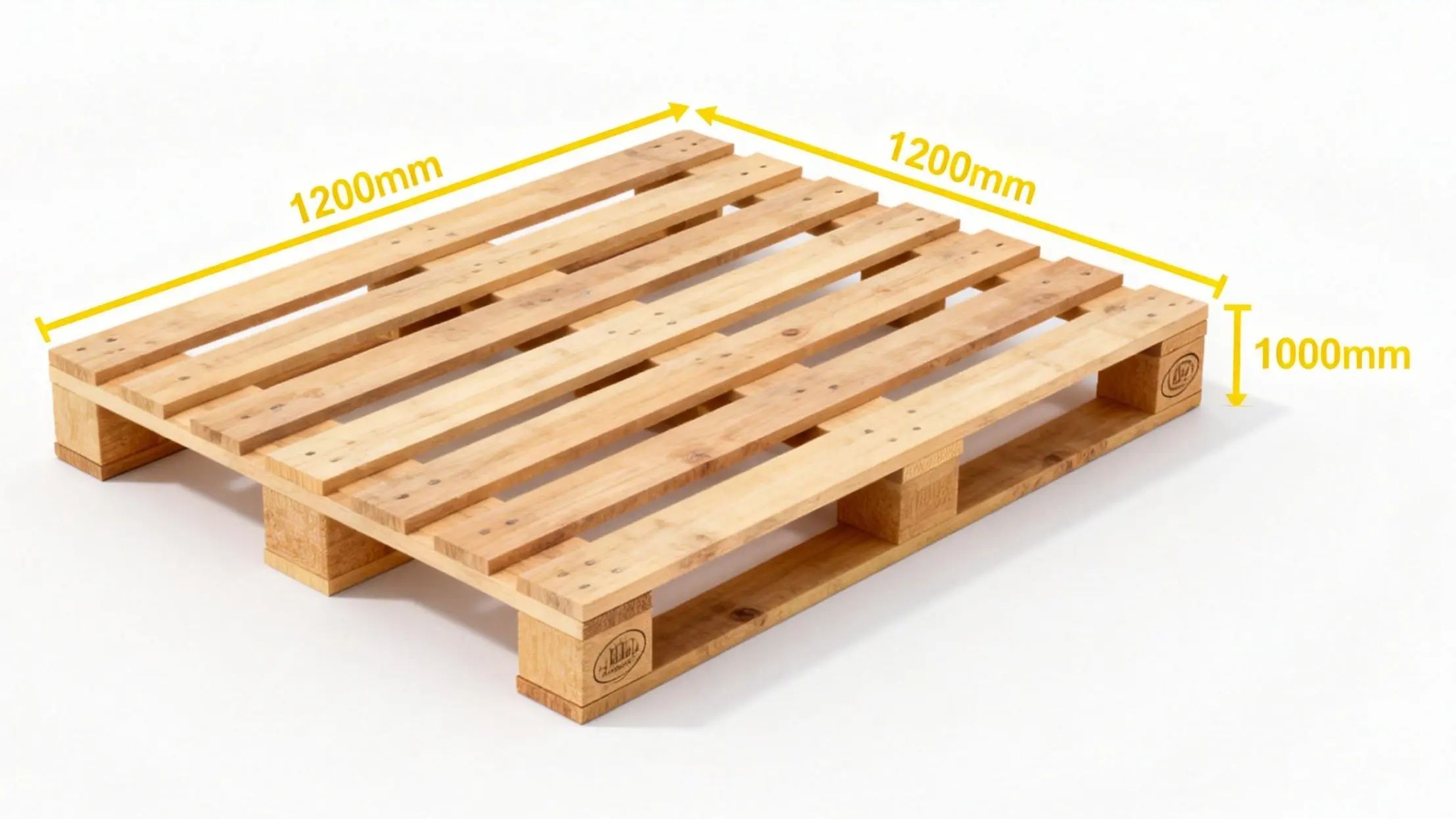
North American Standard Pallet Size (GMA)
The North American standard pallet size is 48 × 40 inches (1219 × 1016 mm), commonly known as the GMA pallet. It is the most widely used pallet size in the United States and Canada.
The GMA pallet standard is defined by the Grocery Manufacturers Association and has become the default pallet size across multiple industries due to its compatibility with:
- 53-foot trailers
- Standard warehouse racking
- Forklifts and automated handling systems
Key specifications of the GMA pallet
| Specification | Value |
|---|---|
| Length × Width | 48 × 40 inches |
| Metric equivalent | 1219 × 1016 mm |
| Typical height | 5.5–6.5 inches |
| Common materials | Wood, plastic, composite |
| Load orientation | 4-way forklift entry |
Why 48 × 40 inches became the standard
The 48 × 40 inch pallet fits efficiently across North American truck widths and warehouse layouts, allowing:
- Optimal floor space usage in trailers
- High compatibility with racking systems
- Reduced handling friction across supply chains
While other pallet sizes exist in North America, the GMA pallet dominates retail, consumer goods, and manufacturing logistics.
The 48 × 40 inch GMA pallet is the de facto standard in North America because it aligns with regional transport infrastructure and material-handling systems.
European Standard Pallet Size (EUR / EPAL)
The European standard pallet size is 1200 × 800 mm, commonly known as the EUR pallet or EPAL pallet. It is the most widely used pallet standard across the European Union and surrounding regions.
The EUR pallet is governed by the European Pallet Association (EPAL) and is designed to ensure full compatibility across cross-border road, rail, and warehouse systems within Europe.
Key specifications of the EUR / EPAL pallet
| Specification | Value |
|---|---|
| Length × Width | 1200 × 800 mm |
| Inch equivalent | 47.24 × 31.50 in |
| Typical height | ~144 mm |
| Standard weight | ~25 kg (wood) |
| Fork entry | 4-way |
| Certification | EPAL-marked and quality-controlled |
Why the EUR pallet is the European standard
The 1200 × 800 mm dimension aligns with:
- European truck interior widths
- Standard warehouse racking modules
- Automated handling systems used across EU logistics hubs
The EPAL system also enforces strict quality control and repair standards, making EUR pallets interchangeable and reliable in multi-country supply chains.
The 1200 × 800 mm EUR pallet is Europe’s dominant pallet standard because it enables seamless cross-border transport and warehouse compatibility under a unified certification system.
Standard Pallet Size Chart (Inches & Millimeters)
Standard pallet sizes are defined by regional logistics systems rather than a single global authority. The most common pallet dimensions can be compared using both imperial and metric measurements for international shipping reference.
Common standard pallet sizes comparison chart
| Region / Standard | Size (Inches) | Size (Millimeters) | Primary Use |
|---|---|---|---|
| North America (GMA) | 48 × 40 | 1219 × 1016 | Retail, FMCG, manufacturing |
| Europe (EUR / EPAL) | 47.24 × 31.50 | 1200 × 800 | EU cross-border logistics |
| ISO Standard | 47.24 × 39.37 | 1200 × 1000 | Global compatibility |
| Asia-Pacific | 43.31 × 43.31 | 1100 × 1100 | Japan, Korea |
| Australia | 45.87 × 45.87 | 1165 × 1165 | Domestic transport |
How to use this chart in practice
This pallet size chart helps shippers:
- Compare regional pallet standards at a glance
- Convert between inches and millimeters accurately
- Select pallet sizes compatible with destination warehouses and carriers
Standard pallet size charts provide a practical reference for aligning pallet dimensions with regional logistics requirements and avoiding repalletization or handling inefficiencies.
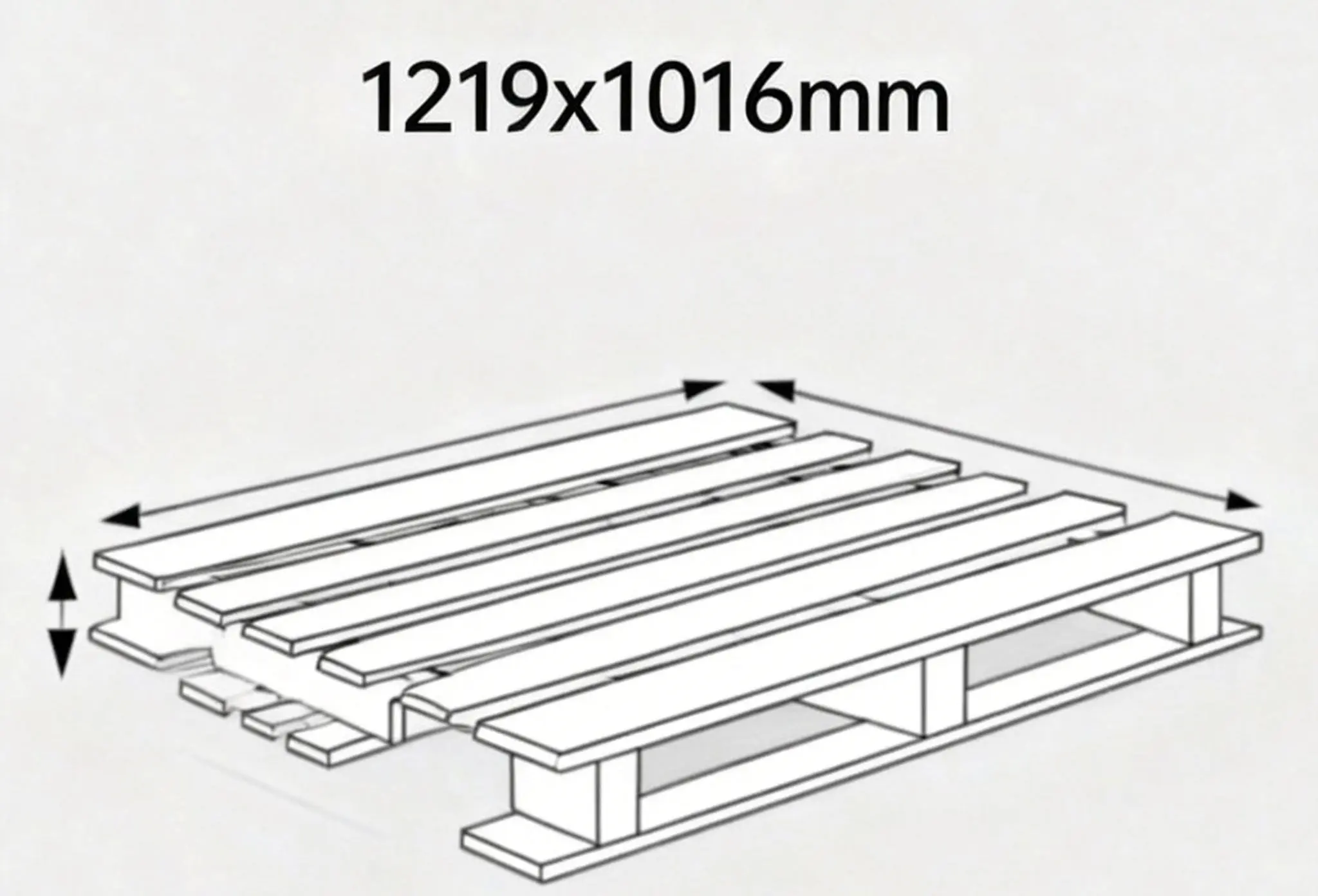
How to Choose the Right Pallet Size for Shipping
The right pallet size for shipping depends on the destination region, transport mode, warehouse compatibility, and cargo dimensions. There is no universally “best” pallet size—only the most compatible one for a specific logistics scenario.
Core factors to consider when choosing a pallet size
| Factor | Why It Matters |
|---|---|
| Destination region | Warehouses and carriers expect local pallet standards |
| Transport mode | Container, truck, rail, or air cargo space differs |
| Cargo dimensions | Overhang causes damage and surcharge risks |
| Weight distribution | Affects stability and forklift handling |
| Warehouse system | Racking and automation require fixed pallet footprints |
Practical pallet selection by shipping scenario
| Shipping Scenario | Recommended Pallet Size | Reason |
|---|---|---|
| US domestic freight | 48 × 40 in (GMA) | Compatible with US trucks and warehouses |
| EU cross-border shipping | 1200 × 800 mm (EUR) | Accepted across EU logistics networks |
| International container shipping | 1200 × 1000 mm (ISO) | Better container space utilization |
| Air freight | Smaller or custom pallets | Airline ULD and weight constraints |
Common mistakes to avoid
- Using non-standard pallets at destination
- Allowing cargo to exceed pallet footprint
- Ignoring pallet height and weight limits
- Mixing pallet sizes within a single shipment
Choosing the right pallet size is a logistics compatibility decision that directly affects handling efficiency, shipping cost, and delivery reliability.
Standard Pallet Height and Weight Limits
Standard pallet height and weight limits are not fixed globally and vary based on pallet type, material, warehouse design, and transport mode. Most logistics systems define practical limits rather than absolute rules.
Common pallet height and weight guidelines
| Pallet Type | Typical Max Height | Typical Max Weight |
|---|---|---|
| GMA (48 × 40 in) | 48–60 in | 1,500–2,500 lbs |
| EUR / EPAL | 160–180 cm | 1,500 kg (static) |
| ISO pallets | 120–150 cm | 1,000–1,500 kg |
| Air cargo pallets | <160 cm | Airline-specific limits |
Why height and weight limits matter
Exceeding recommended pallet limits can result in:
- Forklift instability and safety risks
- Warehouse racking incompatibility
- Carrier rejection or additional handling fees
- Increased cargo damage during transit
Key operational considerations
- Static load vs dynamic load: Warehouses and transport impose different limits
- Stackability: Taller pallets reduce stacking efficiency
- Center of gravity: Poor weight distribution increases handling risk
Pallet height and weight limits are operational constraints designed to ensure safe handling, storage compatibility, and efficient transportation.
Standard Pallet Size vs Custom Pallets
Standard pallets prioritize compatibility and efficiency, while custom pallets prioritize cargo-specific requirements. The right choice depends on shipment volume, destination standards, and handling complexity.
Key differences between standard and custom pallets
| Aspect | Standard Pallet Size | Custom Pallets |
|---|---|---|
| Dimensions | Fixed, widely accepted | Tailored to cargo size |
| Regional acceptance | High | Limited or case-specific |
| Cost | Lower, mass-produced | Higher, made-to-order |
| Warehouse compatibility | Excellent | May require special handling |
| Use cases | Regular freight, retail, exports | Oversized, fragile, irregular cargo |
When standard pallets are the better choice
Standard pallet sizes are recommended when:
- Shipping to regions with strict pallet expectations (e.g. GMA, EUR)
- Using shared warehouses or third-party logistics providers
- Optimizing container or truck space
- Reducing handling time and repalletization risk
When custom pallets make sense
Custom pallets are typically used for:
- Oversized or non-uniform cargo
- Machinery, industrial equipment, or project cargo
- One-time or low-volume shipments
- Special load distribution or structural requirements
However, custom pallets may lead to higher costs, longer lead times, and reduced compatibility at destination warehouses. Standard pallet sizes maximize logistics efficiency and interoperability, while custom pallets solve specific cargo challenges at the cost of flexibility and scale.
Conclusion
There is no single global standard pallet size. The most commonly used pallet dimensions are 48 × 40 inches in North America, 1200 × 800 mm in Europe, and 1200 × 1000 mm for ISO-based international shipping. Choosing the correct standard pallet size is a practical logistics decision that directly impacts shipping efficiency, cost control, and supply chain reliability.
Standard Pallet Size FAQ
What is the most common standard pallet size?
The most common standard pallet size is 48 × 40 inches (1219 × 1016 mm), primarily used in North America. It is widely accepted across retail, manufacturing, and warehousing due to its compatibility with trucks, racking systems, and forklifts.
Is there a global standard pallet size?
No. There is no single global standard pallet size. Pallet dimensions are defined by regional logistics systems, with common standards including 48 × 40 inches (North America), 1200 × 800 mm (Europe), and 1200 × 1000 mm (ISO reference).
What is the standard pallet size in Europe?
The standard pallet size in Europe is 1200 × 800 mm, known as the EUR pallet or EPAL pallet. It is used across EU member states and is designed for cross-border transport and warehouse compatibility.
What is the ISO standard pallet size?
The most widely referenced ISO pallet size is 1200 × 1000 mm. It is commonly used in international shipping because it balances container space utilization and compatibility across multiple regions.
Why do pallet sizes vary by region?
Pallet sizes vary by region due to differences in:
- Truck and container dimensions
- Warehouse racking systems
- Material handling equipment
- Historical trade and logistics practices
These factors influence how pallet standards evolve locally rather than globally.
Can I use any pallet size for international shipping?
No. Using a non-standard pallet size can lead to repalletization, handling delays, warehouse rejection, or additional fees at the destination. International shipments should align with destination-region pallet standards or ISO-compatible sizes.
What is the maximum height of a standard pallet?
There is no fixed global maximum pallet height. Typical operational limits range from 48 to 60 inches in North America and 160 to 180 cm in Europe, depending on warehouse design, racking systems, and transport mode.
How much weight can a standard pallet hold?
Weight capacity depends on pallet type and material. A standard wooden pallet typically supports:
- 1,500–2,500 lbs (680–1,135 kg) for dynamic loads
- Up to 1,500 kg for static loads in warehouse storage
Actual limits depend on handling conditions and pallet quality.
Are custom pallets better than standard pallets?
Custom pallets are better for oversized, irregular, or heavy cargo, but standard pallets are preferred for most shipments due to lower cost, higher compatibility, and easier handling across logistics networks.
How do I choose the right pallet size?
Choose a pallet size based on:
- Destination region pallet standards
- Transport mode (truck, container, air freight)
- Cargo dimensions and weight distribution
- Warehouse and forklift compatibility
The goal is logistics compatibility, not maximum pallet size.