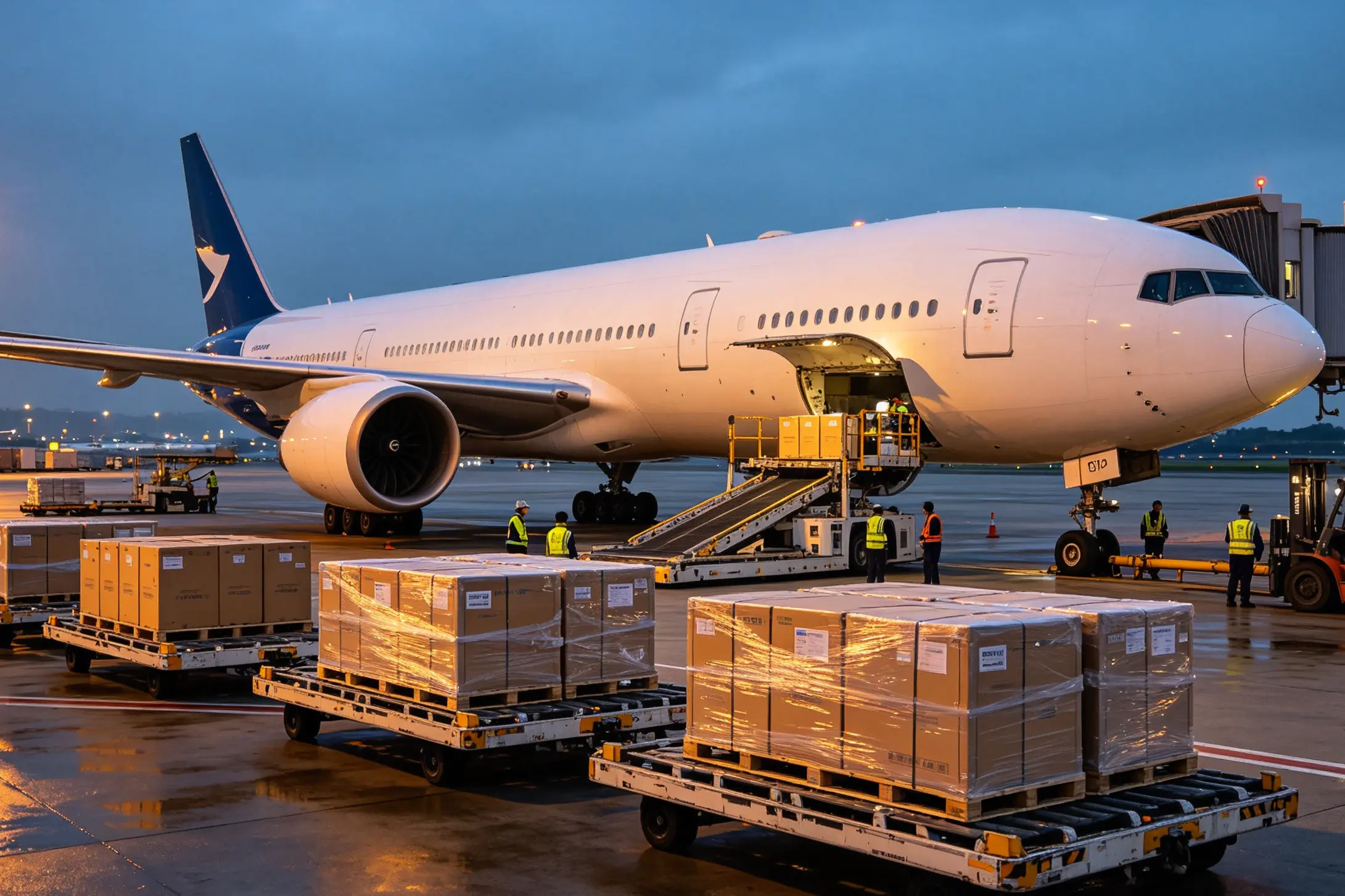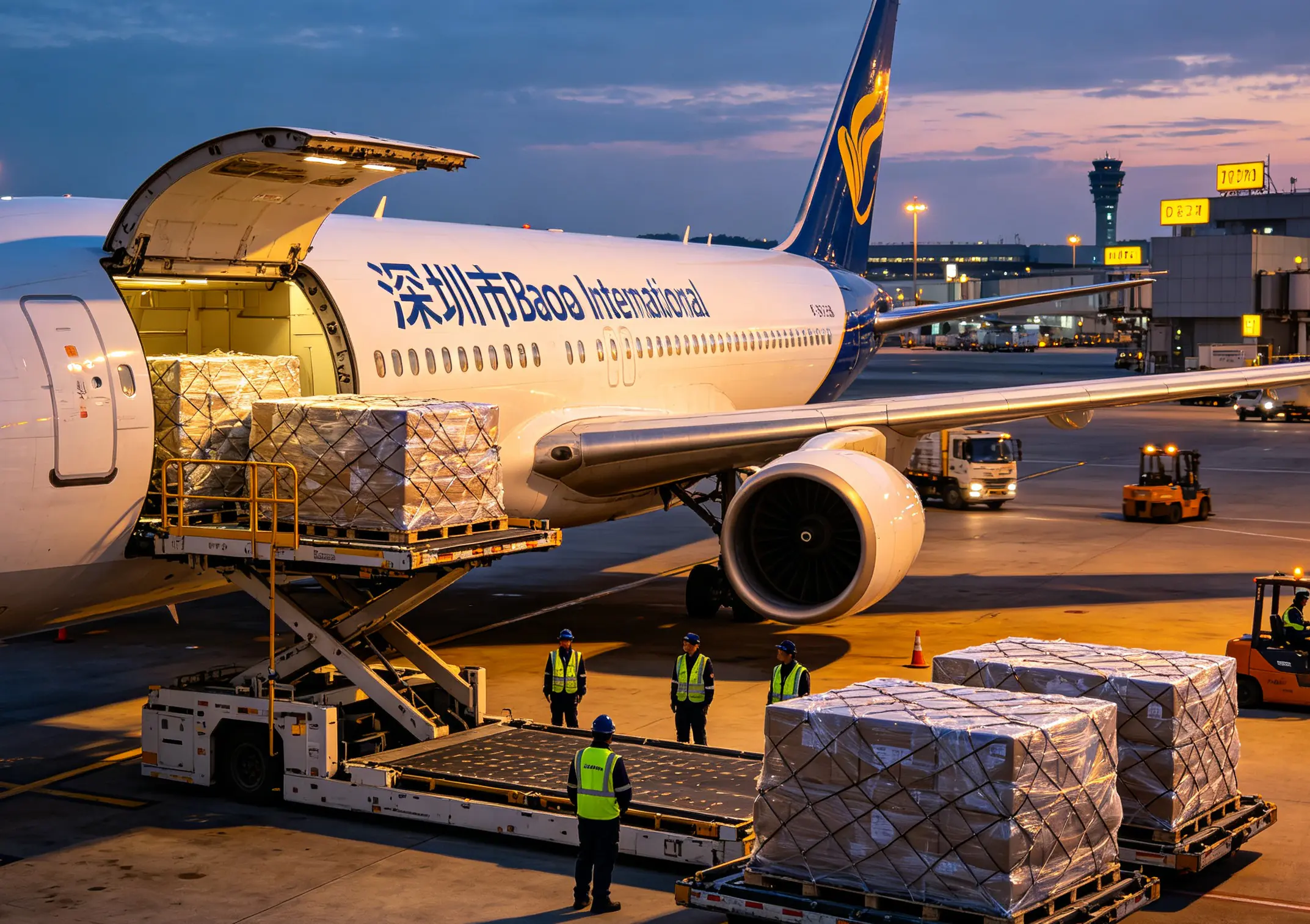
Are you struggling to balance speed and cost when importing goods from Asia to Latin America? For businesses dealing with high-value electronics, urgent fashion apparel, or time-sensitive manufacturing components, Air Freight Shipping from China to Mexico is often the most reliable solution. While sea freight offers lower costs, the 20 to 30-day transit times can disrupt tight supply chains. Air freight bridges this gap, ensuring your cargo arrives in a matter of days. As a senior freight forwarding team handling hundreds of trans-Pacific shipments annually, we’ve seen firsthand how a single missing document can turn a 3-day flight into a 2-week customs nightmare in Mexico City. In this comprehensive, 2026-updated guide, we will walk you through everything you need to know about exact transit times, current volatile costs, strict customs clearance requirements (including Pedimento and NOMs), and our proven strategies to avoid hidden fees.
How Long Does Air Freight Shipping from China to Mexico Take?
Air freight transit time from China to Mexico typically ranges from 3 to 7 days, depending on whether you choose express or standard services. This rapid delivery makes it the go-to choice for urgent shipments that cannot afford the weeks-long delays associated with ocean freight.

Express Air Freight vs. Standard Air Freight
When planning your shipment, you generally have two main options:
- Express Air Freight (Couriers like DHL, FedEx, UPS): Usually takes 3 to 5 days door-to-door. It is highly efficient and includes customs clearance, making it ideal for smaller parcels (under 150 kg) or extremely urgent cargo.
- Standard Air Freight: Typically takes 5 to 7 days from airport to airport. It requires you or your freight forwarder to handle local transportation and customs clearance separately. This is the preferred method for larger, heavier shipments (over 150 kg).
Key Factors Affecting Transit Times
While air freight is fast, several variables can impact the final delivery schedule:
- Direct vs. Connecting Flights: Direct flights from hubs like Shanghai (PVG) to Mexico City (MEX) are faster but more expensive. Connecting flights via the US or Europe may add 1-2 days to the transit time.
- Airport Congestion: During peak seasons (like Q4 holidays), major airports can experience severe cargo backlogs, delaying processing times by 24 to 48 hours.
- Weather Risks: Severe weather conditions, such as typhoons in Asia or heavy storms in North America, can lead to sudden flight cancellations or rerouting.
How Much Does Air Freight Shipping from China to Mexico Cost?
The cost of air freight shipping from China to Mexico generally ranges from $4.50 to $8.50 per kg, subject to seasonal demand and fuel surcharges. Pricing is highly dynamic and fluctuates based on the exact route, carrier, and the type of goods being shipped.
Transit Time and Cost Comparison Table
| Service Type | Estimated Transit Time | Estimated Cost (per KG) | Best For |
|---|---|---|---|
| Express Air Freight | 3 – 5 Days (Door-to-Door) | $7.50 – $10.00+ | Urgent parcels, documents, < 150 kg |
| Standard Air Freight | 5 – 7 Days (Airport-to-Airport) | $4.50 – $8.50 | Heavy cargo, > 150 kg, commercial goods |
(Note: Rates are estimates based on 2026 market averages and exclude destination duties/taxes.)

Chargeable Weight Calculation
Airlines charge based on either the Gross Weight (actual weight) or the Volumetric Weight (dimensional weight)—whichever is higher.
- Volumetric Weight Formula:
Length (cm) × Width (cm) × Height (cm) / 6000
If you are shipping large but lightweight items (like foam packaging or plastic toys), you will likely be billed based on volumetric weight, which can significantly increase your shipping costs.
Hidden Fees to Watch Out For
The per-kilogram rate is not the only expense. Be prepared for additional charges such as:
- Handling Fees: Charged by the terminal for loading and unloading the cargo.
- Fuel and Security Surcharges: These fluctuate based on global oil prices and airport security protocols.
- Storage/Demurrage Fees: If your cargo is not picked up promptly after arrival, Mexican airports will levy steep daily storage charges.
Key Departure and Destination Airports
The primary departure airports in China are Shanghai (PVG), Shenzhen (SZX), and Hong Kong (HKG), while the main destination airports in Mexico are Mexico City (MEX), Guadalajara (GDL), and Monterrey (MTY). Choosing the right airport combination can save both time and domestic trucking costs.
Major Departure Airports in China
- Shanghai Pudong (PVG): The largest air cargo hub in China, offering the most direct flights to North America and Latin America.
- Shenzhen Bao’an (SZX) & Hong Kong (HKG): Ideal for electronics and high-tech manufacturing exports from the Pearl River Delta. HKG is particularly advantageous for shipments containing batteries, as its regulations are often more flexible.
Major Destination Airports in Mexico
- Mexico City International (MEX): The busiest cargo airport in Mexico, handling the vast majority of international imports. It offers excellent connectivity but can suffer from congestion.
- Guadalajara (GDL): Known as Mexico’s “Silicon Valley,” GDL is the preferred destination for tech components and electronics.
- Monterrey (MTY): Strategically located in the north, MTY is heavily used for automotive parts and industrial manufacturing imports.
Essential Documents for Mexican Customs Clearance
Importers must provide a Commercial Invoice, Packing List, Air Waybill (AWB), and the mandatory Mexican Pedimento for smooth customs clearance when using air freight shipping from China to Mexico. Mexican customs (Aduanas) are notoriously strict, and missing paperwork will result in immediate delays.

Essential Customs Documents
- Pedimento: This is the most critical document. It is the official customs declaration form generated by your Mexican customs broker (Agente Aduanal), proving that all duties and taxes have been paid. According to the Mexican Tax Administration Service (SAT), a commercial import cannot be legally processed or moved inland without a validated Pedimento.
- Certificate of Origin (CO): Required to determine if the goods qualify for any specific tariff treatments. In our experience, failing to present a properly stamped CO from the Chinese supplier will default your cargo to the highest general import duty rate.
Compliance and RFC Number Requirements
To import commercial goods into Mexico, the receiving company must be registered in the Padrón de Importadores (Official Register of Importers) and possess an active RFC (Registro Federal de Contribuyentes) number—the Mexican tax identification number.
NOMs (Normas Oficiales Mexicanas) Certification
Certain products, especially electronics, textiles, and medical devices, must comply with NOMs. These are mandatory safety and labeling standards regulated by the Secretaría de Economía. If your products require NOM certification (such as NOM-001 for electronic safety) and arrive without it, Aduanas will immediately confiscate the shipment or force you to return it to China at your own exorbitant expense. We strongly advise confirming your HS code and NOM requirements with a licensed broker before you finalize your purchase order in China.
Proactive Strategies to Avoid Delays and Hidden Fees
To avoid delays and extra costs, ensure your HS codes are accurate, verify NOMs compliance before shipping, and book space 1-2 weeks in advance during peak seasons. Proactive planning is the only way to safeguard your profit margins.
Proactive Customs Preparation
Never ship goods before confirming that the Mexican consignee has a valid RFC and is registered to import that specific category of goods. Work with your customs broker to classify the correct HS Code before the cargo leaves China, ensuring you know exactly what duties, taxes, and NOMs will apply.
Packaging Optimization to Reduce Volumetric Weight
Because air freight heavily penalizes bulky shipments, work with your supplier to optimize packaging. Remove unnecessary void space, consolidate smaller boxes into perfectly fitted pallets, and use lightweight but durable materials to keep the chargeable weight as close to the actual weight as possible.
How to Choose the Right Freight Forwarder
You should select a freight forwarder with established airline networks, transparent pricing, and deep expertise in Mexican customs compliance (RFC/NOMs). A forwarder who only knows the Chinese export side will leave you stranded when issues arise in Mexico City.
Key Capabilities to Look For
- Door-to-Door Shipping (DDP/DDU Services): Can they handle the entire process from the factory floor in Shenzhen to the final warehouse in Monterrey?
- Local Mexican Presence: Do they have trusted customs brokers (Agentes Aduanales) on the ground in MEX and GDL?
- Real-Time Tracking: Air freight is expensive because it’s urgent. Your forwarder must provide daily updates on flight status and customs milestones.
Why Choose Efanda Logistics for Your Air Freight Shipping from China to Mexico?
Efanda Logistics offers tailored, end-to-end air freight solutions from China to Mexico, ensuring rapid transit times, competitive rates, and hassle-free customs clearance. We understand the complexities of trans-Pacific logistics and the strict compliance landscape of Mexican Aduanas.
Our Key Advantages
- Space Guarantee: Through our strong airline partnerships, we secure premium cargo space even during peak seasons.
- Local Expertise: Our bilingual team and network of certified Mexican customs brokers ensure your Pedimento and NOMs are handled flawlessly.
- Transparent Pricing: We provide all-inclusive quotes with no hidden handling or storage fees, allowing you to calculate your landed costs accurately.
Contact Efanda Logistics today to get a customized air freight quote for your next shipment to Mexico!
You may be interested in the following related articles:
- shipping from china to kenya
- shipping from china to tanzania
- shipping from china to south africa
- shipping from china to saudi arabia
- shipping from china to germany
- shipping from china to france
Frequently Asked Questions (FAQ)
1. What is the maximum weight or size limit for air freight to Mexico?
Standard passenger aircraft (belly cargo) usually have height limits around 160 cm per pallet. Freighter aircraft (cargo-only) can handle much larger dimensions, often up to 300 cm in height. Weight limits depend on the specific aircraft type, but standard air freight is best for shipments over 150 kg up to several tons.
2. Can I ship electronics with batteries via air freight from China to Mexico?
Yes, but they are classified as Dangerous Goods (DG). You must provide proper Material Safety Data Sheets (MSDS), UN38.3 test reports, and use specialized DG packaging. Flying out of Hong Kong (HKG) is often the most efficient route for battery shipments.
3. How are customs duties and taxes calculated for air freight imports into Mexico?
Duties range from 0% to 20% depending on the HS code of the product. Additionally, all imports are subject to a 16% Value Added Tax (IVA) and a Customs Processing Fee (DTA), typically calculated at 8 per thousand (0.008) of the customs value.
4. Do I need a Mexican company (RFC) to import via air freight?
Yes, for commercial shipments, the importer of record must have an active RFC and be listed on the Padrón de Importadores. If you do not have an RFC, you must work with a trading company (Comercializadora) that can act as the importer of record on your behalf.