Are you wondering exactly how long does shipping from China to UAE take for your latest wholesale order? Based on our years of experience managing the China-Middle East trade lanes at Efanda Logistics, we know that transit time is a critical factor for your supply chain planning—whether you are importing electronics from Shenzhen to Dubai or sourcing textiles from Yiwu. Generally, air freight takes 3-7 days, while ocean freight takes 15-25 days. This guide, updated for current market conditions, breaks down transit times by different modes, explains the hidden factors causing delays, and provides our team’s executable tips on how to choose the fastest option for your specific cargo.
Ocean Freight: How Long Does Shipping from China to UAE Take?
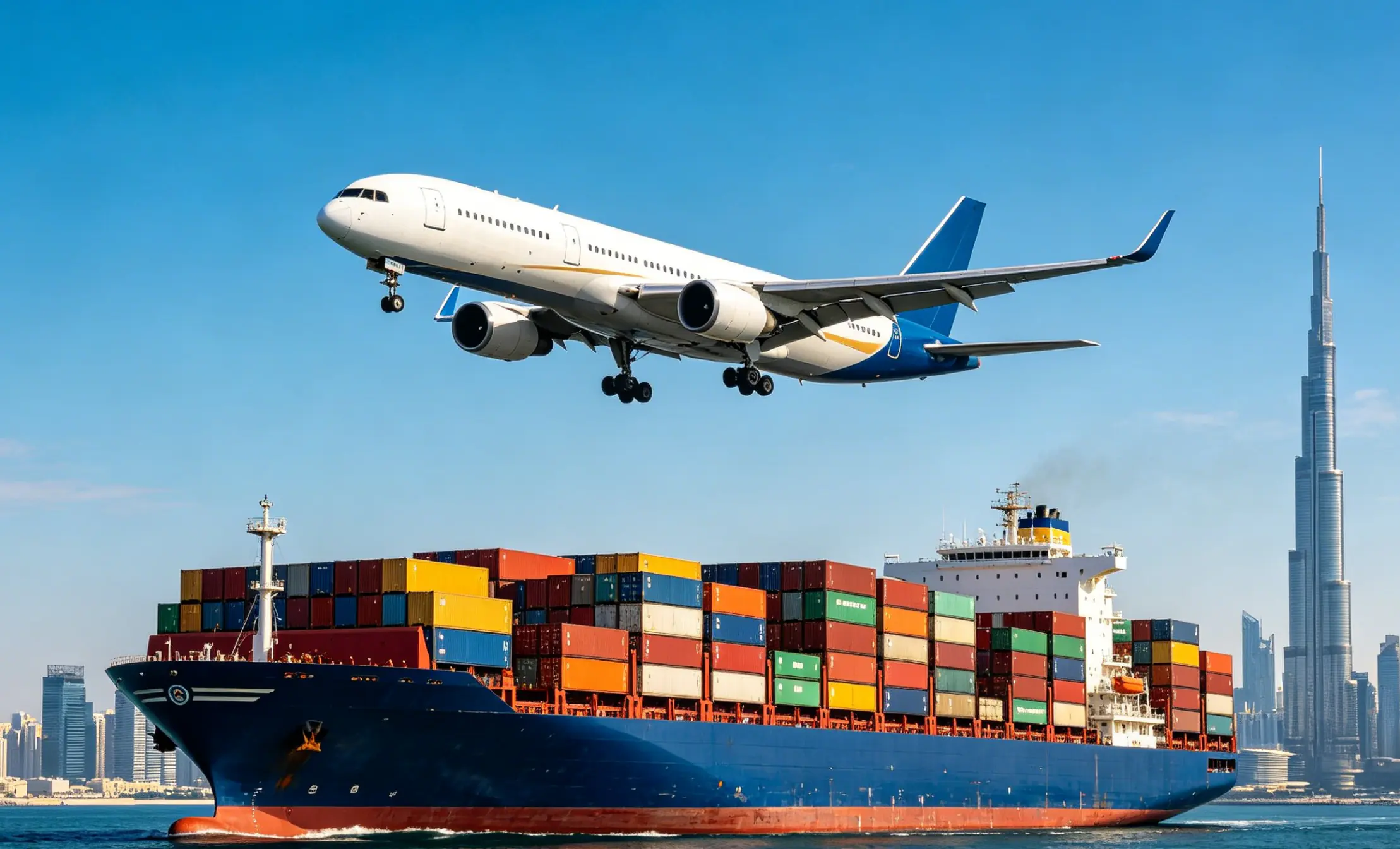
Ocean freight shipping from China to UAE generally takes between 15 to 25 days, depending on whether you choose Full Container Load (FCL) or Less than Container Load (LCL) and your specific port of departure.
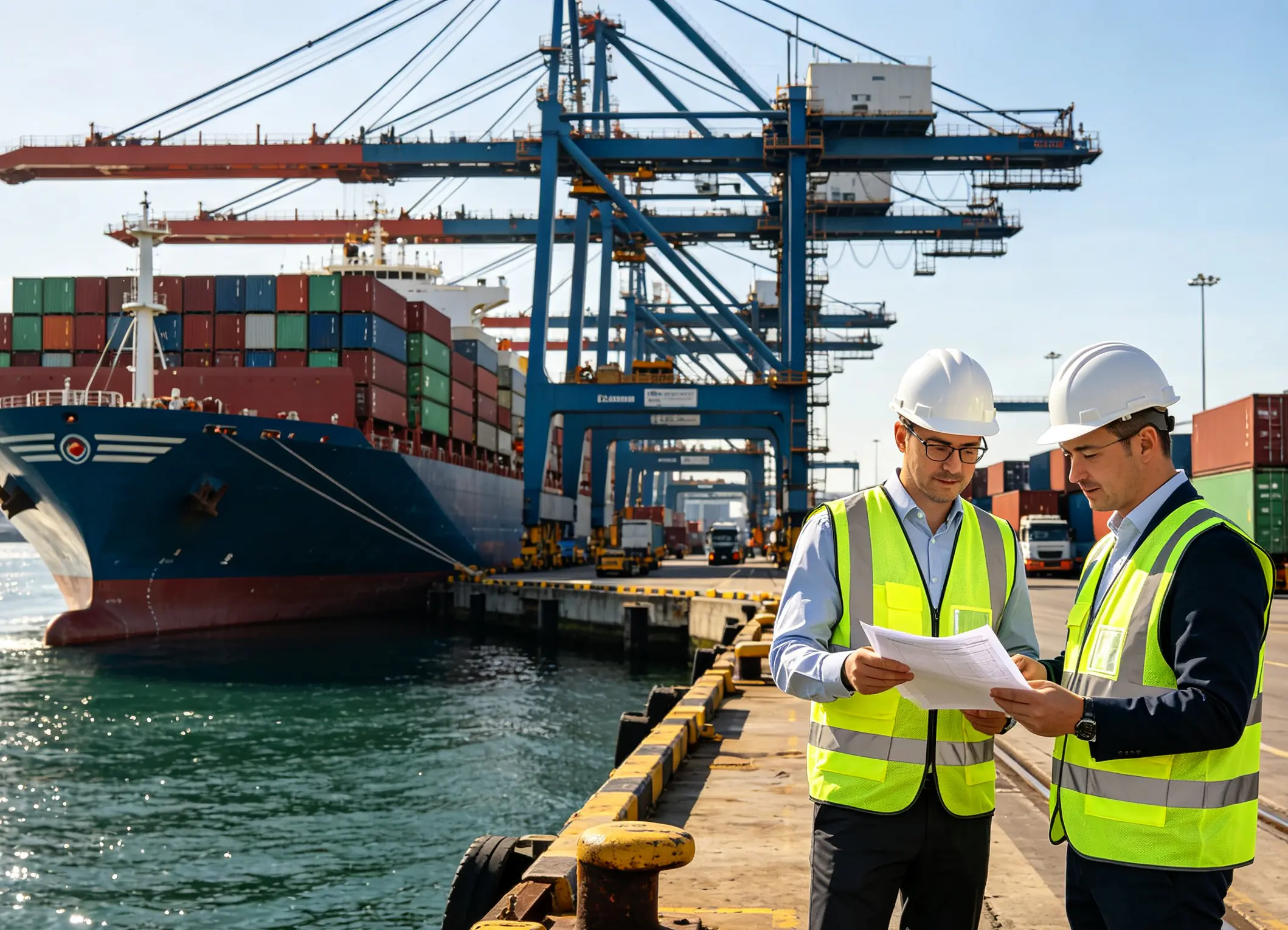
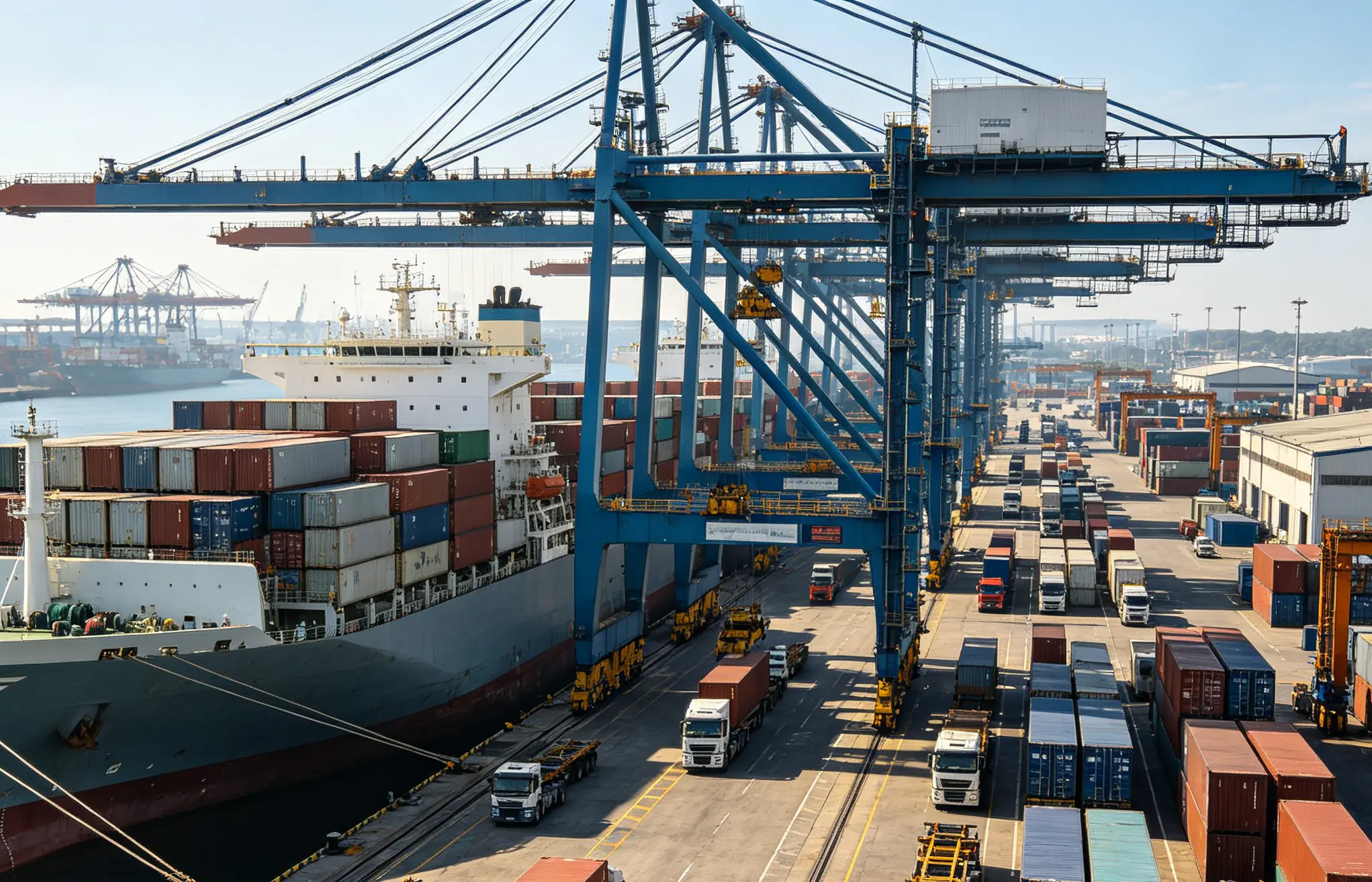
For FCL (Full Container Load), the transit time is relatively predictable. A direct sailing from major Chinese ports like Shenzhen, Shanghai, or Ningbo to Jebel Ali Port in Dubai typically takes about 15 to 18 days port-to-port. FCL is the most efficient sea shipping method because your goods are loaded into a dedicated container, minimizing handling times.
Conversely, LCL (Less than Container Load) shipments usually take 3 to 7 days longer than FCL. Because your goods share a container with other importers, the cargo must go through consolidation at the origin port and deconsolidation at the destination port. This extra processing time means you should plan for a total transit time of 20 to 25 days before your goods are ready for customs clearance.

Air Freight: How Long Does Shipping from China to UAE Take?
Air freight from China to UAE takes 3 to 7 days for standard cargo, while express courier services can deliver within 2 to 4 days door-to-door.
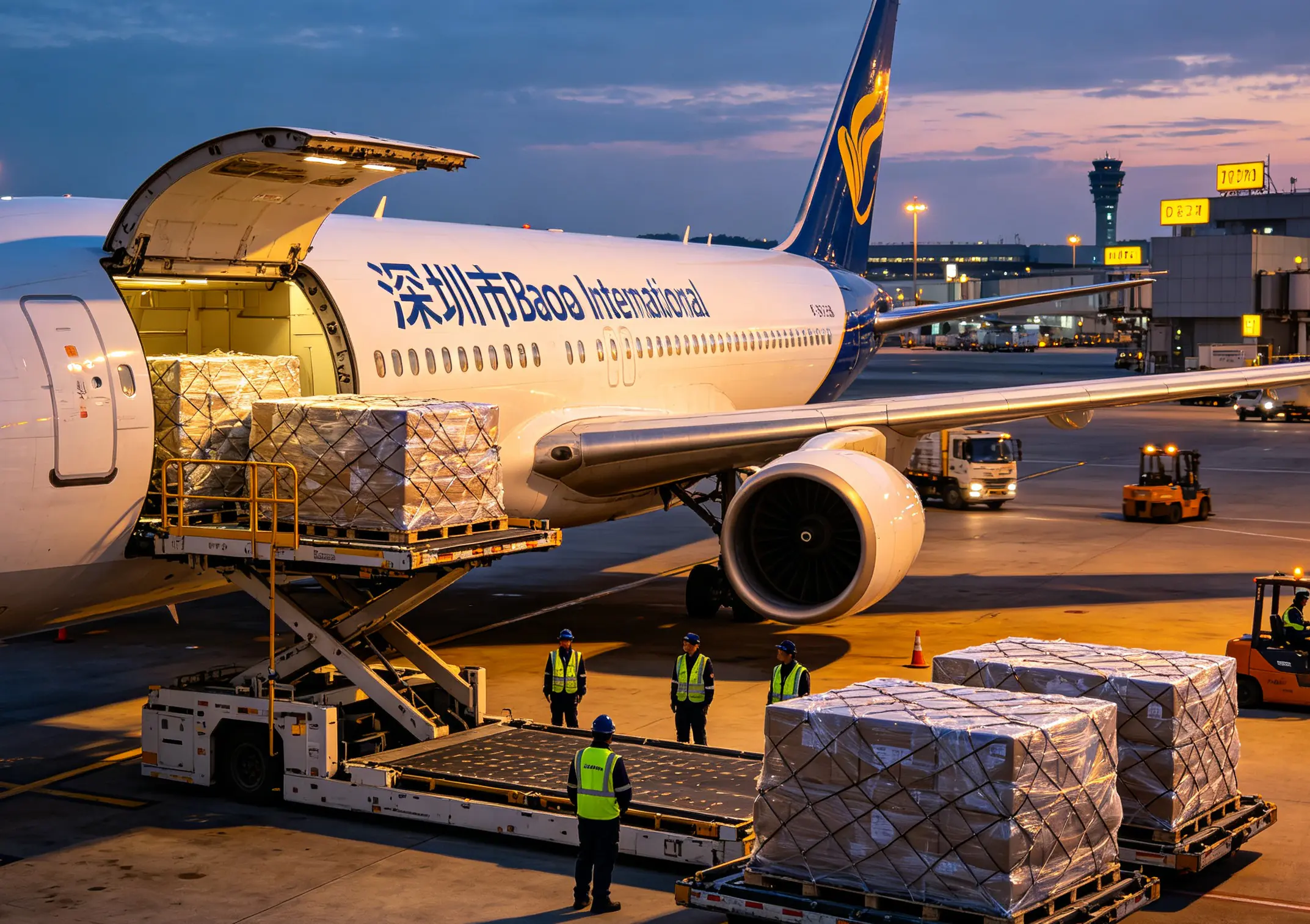
Standard Air Freight is highly suitable for medium-sized urgent shipments, typically ranging from 100kg to 500kg. Flights from major hubs like Guangzhou (CAN) or Hong Kong (HKG) to Dubai International Airport (DXB) or Al Maktoum International Airport (DWC) take only a few hours. However, the total 3-7 day timeframe accounts for cargo drop-off, export customs clearance in China, and import clearance in the UAE.
Express Courier (DHL/FedEx/UPS) represents the absolute fastest shipping method available. If you are shipping small parcels, product samples, or extremely urgent documents under 100kg, express services provide seamless door-to-door delivery. With priority handling, your goods can arrive at your warehouse in the UAE in as little as 48 to 96 hours.
Transit Time Comparison: Sea vs. Air Freight
To help you make an informed decision for your supply chain, here is a comparison of the different shipping methods from China to the UAE:
| Shipping Method | Estimated Transit Time | Relative Cost Level | Best Use Case |
|---|---|---|---|
| Express Courier | 2 – 4 Days | Highest | Urgent documents, samples, parcels < 100kg |
| Standard Air Freight | 3 – 7 Days | High | High-value or time-sensitive goods (100kg – 500kg) |
| Ocean Freight (FCL) | 15 – 18 Days | Lowest | Large volumes, bulky goods (> 15 CBM) |
| Ocean Freight (LCL) | 20 – 25 Days | Medium-Low | Moderate volumes not filling a full container (2 – 15 CBM) |
(Note: Transit times are estimates and do not account for severe weather or peak season congestion.)

Factors That Affect How Long Shipping from China to UAE Takes
Shipping delays from China to UAE are primarily caused by incomplete customs documentation, peak season port congestion, and unpredictable weather conditions.
Customs Clearance & Documentation is a frequent source of delays. In our recent shipments to Jebel Ali, we’ve noticed that missing HS Codes, undervalued commercial invoices, or incorrect packing lists consistently lead to immediate customs holds. Ensuring your paperwork is flawless is critical, as outlined by the strict regulations of Dubai Customs. Any discrepancy can add days or even weeks to your total transit time, accumulating costly Demurrage and Detention charges that quickly eat into your profit margins.
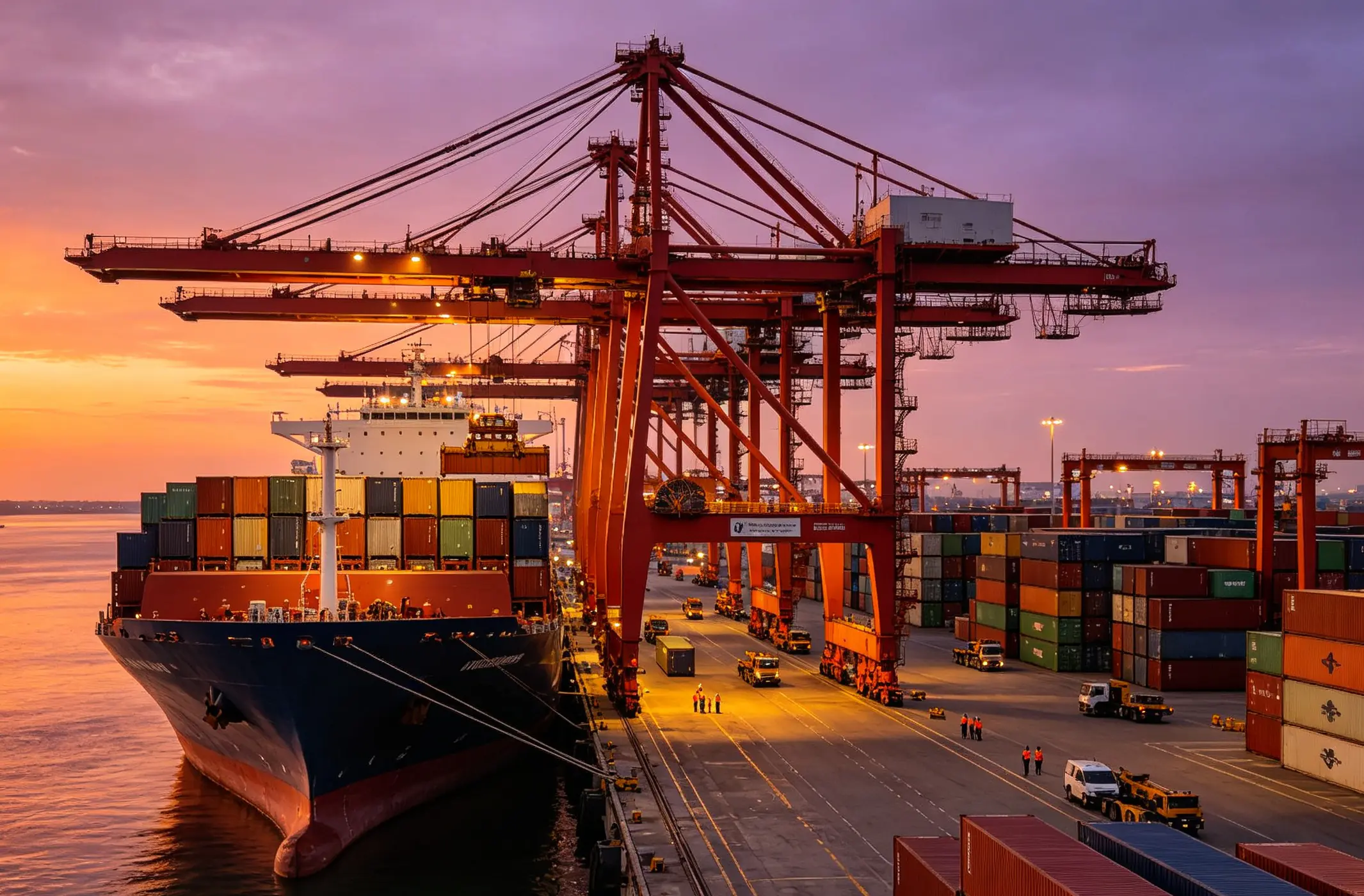
Peak Season Congestion heavily impacts vessel and flight schedules. During the weeks leading up to Chinese New Year, Golden Week (early October), and the holy month of Ramadan, shipping space becomes incredibly tight. Our team always advises clients to forecast inventory early, as we frequently see cargo rolled (bumped to the next vessel) during these rushes, adding an unpredictable 7 to 14 days to the expected delivery time.
Weather Conditions also play an uncontrollable role. Typhoons in the South China Sea during late summer and early autumn often force shipping lines to reroute vessels or delay departures for safety reasons. While air freight is less affected by sea storms, severe weather at origin or destination airports can still cause flight cancellations.

3 Executable Tips to Speed Up Your UAE Shipments
To speed up your shipments, you should prepare all customs documents in advance, choose direct shipping routes, and work with a reliable local freight forwarder.
- Pre-clear Customs with Accurate Documentation: Do not wait for the cargo to arrive in Dubai to sort out paperwork. Ensure your commercial invoice, packing list, and Certificate of Origin are 100% accurate. Double-check that your HS codes perfectly match the imported goods. Pre-clearing customs can save you 1-3 days of waiting time at the port.
- Book 2-3 Weeks in Advance During Peak Seasons: To avoid having your cargo rolled during Chinese New Year or Ramadan rushes, secure your shipping space well in advance. Planning ahead guarantees your spot on fast, direct vessels and protects your supply chain from sudden delays.
- Opt for Direct Sailings Over Transshipment: When booking ocean freight, always ask your forwarder if the route is direct. Transshipment routes (where cargo is unloaded and reloaded at an intermediate port like Singapore or Colombo) are cheaper but can add 5 to 10 days to your transit time.
Managing international logistics can be complex, but having the right partner makes a difference. If you need help optimizing your shipping schedule or clearing customs smoothly, the experts at Efanda Logistics are ready to provide tailored, fast-tracked solutions for your business.
Why Choose Efanda Logistics for Shipping to UAE?
Efanda Logistics offers fast, reliable, and cost-effective shipping solutions from China to the UAE, ensuring your cargo clears customs smoothly and arrives safely at your door. Managing international logistics can be complex, but having the right partner makes a difference.
- End-to-End Service: We provide seamless integration of FCL, LCL, and Air Freight options tailored to your supply chain urgency. Whether you need a rapid 3-day air courier or a cost-efficient 15-day direct sea voyage, we manage the entire process from supplier pickup in China to final delivery in Dubai.
- Customs Expertise: With our deep understanding of Dubai Customs regulations, we preemptively review all documentation—such as HS codes and Certificates of Origin—before your goods even leave the port. This proactive approach prevents costly holds and minimizes detention charges.
If you need help optimizing your shipping schedule or clearing customs smoothly, the experts at Efanda Logistics are ready to provide tailored, fast-tracked solutions for your business.
Frequently Asked Questions (FAQ)
Q1: What is the fastest shipping method from China to Dubai?
The fastest method is Express Courier (such as DHL, FedEx, or UPS), which takes 2 to 4 days door-to-door. For heavier shipments, Standard Air Freight is the next fastest option, taking 3 to 7 days.
Q2: Does customs clearance in Jebel Ali add to the total shipping time?
Yes. Standard port-to-port transit times do not include customs clearance. If your documentation is perfectly in order, clearance usually takes 1 to 2 days. However, missing or incorrect documents can cause holds that delay delivery significantly.
Q3: How do Incoterms (like FOB or EXW) affect the overall delivery schedule?
As defined by the International Chamber of Commerce (ICC), Incoterms dictate buyer and seller responsibilities, which directly impacts timelines. Under EXW (Ex Works), your forwarder must arrange pickup from the Chinese factory, adding 2-4 days to the timeline before export. Under FOB (Free on Board), the supplier handles origin delivery, meaning the cargo is ready at the port faster, streamlining the initial shipping phase.