Are you struggling to figure out how to transport heavy cargo to a landlocked country without breaking your budget? Because Afghanistan lacks direct seaports, shipping large volumes requires a complex multimodal approach (Sea + Land transit), which often leads to hidden costs and border delays if not planned correctly. This guide breaks down the exact transit routes, 2026 cost estimates, and customs requirements to ensure your Sea Shipping from China to Afghanistan is smooth, compliant, and cost-effective.
Key Takeaways
- Afghanistan is landlocked; sea freight must route through Pakistan (Karachi) or Iran (Bandar Abbas/Chabahar).
- Total transit time ranges from 30 to 45 days depending on the transit port and border congestion.
- Sea + Road multimodal transport is the most economical method for bulk goods, machinery, and construction materials.
- APTA (Afghanistan-Pakistan Transit Trade Agreement) regulations strictly apply when routing via Karachi.
How Does Sea Shipping from China to Afghanistan Work?
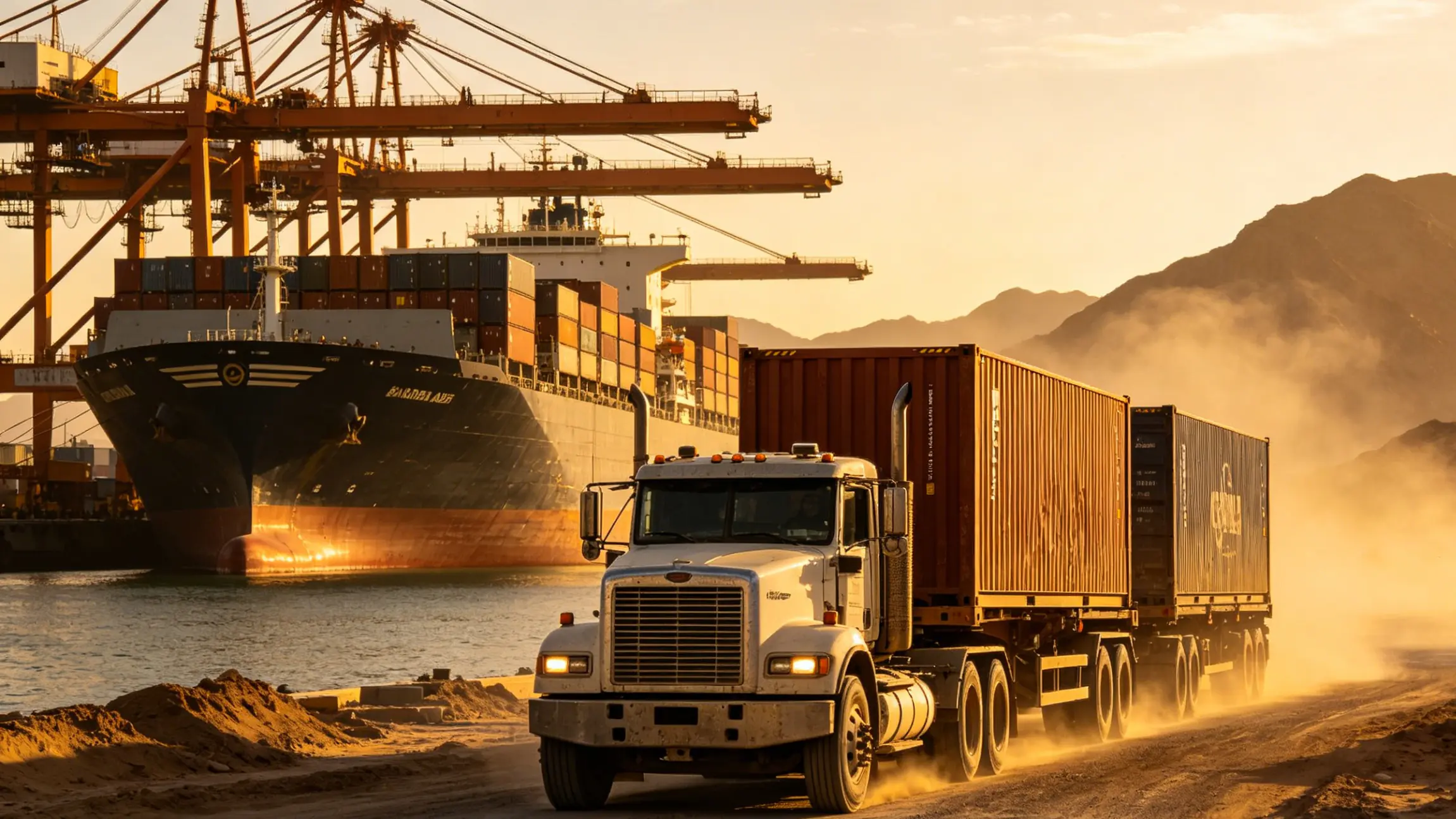
Sea shipping to Afghanistan operates as a multimodal “Sea-to-Land” process. Cargo is shipped from Chinese ports to neighboring coastal countries (primarily Pakistan or Iran), unloaded, and then trucked across the border directly to Afghan cities like Kabul or Kandahar. Because Afghanistan has no ocean access, you cannot book a traditional direct port-to-port Bill of Lading. In our experience managing cross-border logistics, success depends entirely on the handoff between the ocean carrier and the bonded inland trucking network.

The Karachi Port (Pakistan) Transit Route
Routing through Karachi Port is the most established and popular method. Goods arrive in Karachi via ocean freight, clear transit customs under APTA rules, and are transported by truck via the Torkham or Chaman border crossings. We frequently recommend this route for heavy machinery and building materials due to the mature logistics infrastructure in Pakistan. However, importers must be prepared for strict compliance checks by Pakistan Customs to ensure goods are genuinely transiting and not entering the local market. If you are also importing to other regional hubs, you might want to review our guide on shipping from china to uae.
The Bandar Abbas / Chabahar (Iran) Transit Route
Using Iran’s Bandar Abbas or Chabahar ports is an excellent alternative that avoids Pakistan border congestion. Cargo is trucked from the Iranian coast through the Islam Qala border directly into Herat or Kabul. For clients shipping to western Afghanistan, this route often saves 5 to 7 days of inland transit time. It’s particularly useful when the Torkham border experiences seasonal closures or political delays. This transit corridor is also frequently utilized alongside direct shipping from china to iran.
Transit Times for Sea Shipping from China to Afghanistan
The total transit time for sea-to-land shipping from China to Afghanistan typically takes 30 to 45 days. This includes 15-20 days of ocean freight to the transit port and 10-25 days for customs clearance and inland trucking. As highlighted by the World Bank’s Logistics Performance Index (LPI), landlocked developing countries face disproportionately higher transit times due to complex border clearance procedures. In our daily operations, we find that delays in this corridor rarely happen on the water; they almost always occur during border crossings or while waiting for transit documentation to be processed.
Ocean Freight Duration to Transit Ports
Ocean transit from major Chinese ports (like Shenzhen or Shanghai) to Karachi takes about 15-18 days, while sailing to Bandar Abbas takes roughly 18-22 days. These are standard transit times for direct vessels, though transshipment via Jebel Ali or Colombo can add 3-5 days to your schedule.
Inland Trucking and Border Clearance Times
Once unloaded at the port, inland trucking and transit customs clearance take an additional 10 to 20 days, heavily dependent on border traffic at Torkham or Islam Qala. In Q1 2026, we have seen average border wait times at Torkham hover around 4-6 days due to enhanced security protocols.

Transit Route Comparison (2026 Estimates)
| Route (China to Destination) | Ocean Port | Border Crossing | Est. Ocean Time | Est. Inland Time | Total Transit |
|---|---|---|---|---|---|
| Pakistan Route | Karachi Port | Torkham / Chaman | 15-18 Days | 15-25 Days | 30-43 Days |
| Iran Route | Bandar Abbas | Islam Qala | 18-22 Days | 10-18 Days | 28-40 Days |
| Chabahar Route | Chabahar Port | Zaranj / Milak | 20-25 Days | 12-20 Days | 32-45 Days |
Cost Analysis for Sea Shipping from China to Afghanistan in 2026
Shipping costs combine ocean freight rates to the transit port and inland trucking fees. In 2026, a 40ft container (40HQ) typically costs between $4,500 and $6,500 total, depending on the chosen route and seasonal demand. It is crucial to understand that the ocean freight often makes up less than half of your total logistics bill; the overland trucking through rugged terrain accounts for the lion’s share of the expense.

Breakdown of Ocean Freight Rates
The ocean freight portion from China to Karachi or Bandar Abbas currently averages $2,000 to $3,500 per 40HQ, varying by carrier and shipping season. LCL (Less than Container Load) rates typically range from $80 to $150 per CBM to the transit port. Always check if your quote includes Terminal Handling Charges (THC) at the destination port, as these can add unexpected costs.
Inland Trucking and Transit Fees
Inland transport from the port to Afghan cities like Kabul adds $2,000 to $3,000 per container. This covers trucking logistics, border transit fees, and insurance. For high-value goods, we strongly recommend utilizing proper cargo insurance services to protect against risks on the road. Additionally, be prepared for potential Demurrage and Detention charges if border congestion delays the return of the empty container to the shipping line. We strongly advise negotiating extended free time (at least 21 days) when booking the initial ocean freight.
Essential Customs Documents for Afghan Transit
Clearing goods for Afghanistan requires specific transit documentation, including the Commercial Invoice, Packing List, Bill of Lading, Certificate of Origin, and specialized transit permits like the Jawaznama (import license). Because your cargo crosses multiple jurisdictions, any discrepancy between your Commercial Invoice and your Bill of Lading will trigger immediate holds by transit customs authorities.
Navigating the APTA (Pakistan Route)
When transiting via Pakistan, importers must comply with the Afghanistan-Pakistan Transit Trade Agreement (APTA), requiring cross-border guarantees and specific bonded carrier documentation to avoid local Pakistan duties. Under APTA, goods must be transported by authorized bonded carriers, and tracking devices are often installed on the containers to ensure they do not “leak” into the Pakistani domestic market. To prevent costly customs holds, we ensure all transit declarations strictly align with the World Customs Organization (WCO) standards, particularly regarding accurate HS code classification across multiple jurisdictions.
Iranian Transit Customs Requirements
Transiting via Iran requires standard international documentation along with an Iranian transit declaration, often processed faster than the Pakistan route but requiring specialized Iranian transport partners. You will need a proforma invoice clearly stating “In Transit to Afghanistan” to ensure Iranian customs processes the shipment under transit rules rather than domestic import regulations.
Why Choose Efanda Logistics for Afghanistan Shipping?
Efanda Logistics provides seamless, end-to-end multimodal solutions from China to Afghanistan, handling complex border transits, securing competitive rates, and ensuring your cargo arrives safely without hidden delays. With years of experience navigating the complexities of Central Asian logistics, our team knows exactly how to mitigate risks before your cargo even leaves the Chinese factory.
End-to-End Multimodal Expertise
We manage the entire supply chain, coordinating ocean freight to Karachi or Bandar Abbas and seamlessly transitioning to bonded trucking networks straight into Kabul. You don’t need to juggle multiple forwarders or customs brokers; we handle the sea-to-land handover entirely in-house.
Guaranteed DDP & Customs Support
Our local partnerships at border crossings ensure rapid customs clearance, allowing us to offer reliable door to door shipping (DDP) services that eliminate compliance headaches. From securing the Jawaznama to managing final-mile delivery in Kabul, we take full responsibility for your shipment’s journey.
Frequently Asked Questions (FAQ)
Can I ship directly to Afghanistan by sea?
No. Because Afghanistan is a landlocked country, direct sea freight is physically impossible. All ocean shipments must be discharged at a neighboring transit port (like Karachi in Pakistan or Bandar Abbas in Iran) and transported the rest of the way via truck.
Is it better to route via Pakistan or Iran?
The “best” route depends on your final destination and current geopolitical conditions. The Pakistan (Karachi) route is generally cheaper and better suited for Kabul and Jalalabad. The Iran (Bandar Abbas) route is often faster and more reliable for shipments heading to western Afghanistan, such as Herat.
What are the main border crossings into Afghanistan?
For cargo arriving via Pakistan, the primary crossings are Torkham (near Peshawar) and Chaman (near Quetta). For cargo transiting through Iran, the main crossing is Islam Qala (near Herat) and the Zaranj/Milak border.
Are there restrictions on what I can import into Afghanistan?
Yes. The Afghan government strictly regulates imports. Items like alcohol, pork products, and certain types of media are prohibited. Furthermore, all commercial imports require a valid business license and an import permit (Jawaznama).
How do I track my cargo once it leaves the seaport?
Tracking multimodal shipments requires an integrated logistics partner. While the ocean carrier provides tracking up to Karachi or Bandar Abbas, Efanda Logistics uses our local agent network to provide continuous updates during the inland trucking phase, giving you full visibility until the cargo reaches your door.