Are you struggling to predict the exact costs and transit times for sea shipping from China to France in 2026? With fluctuating ocean freight rates, Red Sea route adjustments, and the rollout of new European customs mandates like ICS2, importers often face unexpected delays and hidden fees.
Based on our team’s daily experience managing hundreds of TEUs from Shenzhen and Shanghai to Le Havre and Marseille, this guide cuts through the noise. We provide the most realistic 2026 FCL and LCL market rates, accurate transit times, and actionable customs clearance strategies to permanently reduce your landed costs.
Key Takeaways for Sea Shipping from China to France
Before diving into the detailed breakdown, here are the most critical points you need to know about shipping to France this year:
- FCL Rates (2026): A standard 20ft container from major Chinese ports to France currently ranges from $1,800 to $2,600 USD.
- Average Transit Time: Expect 25 to 40 days port-to-port, heavily dependent on whether the vessel routes through the Suez Canal or the Cape of Good Hope.
- FCL vs. LCL: Choose FCL for shipments over 15 CBM for better security and unit cost; opt for LCL for smaller loads to save on flat container fees.
- Customs Compliance: A valid EORI number and CE Marking (for applicable products) are mandatory to avoid severe delays at French customs.

FCL vs. LCL: Choosing the Right Sea Freight Method from China to France
FCL (Full Container Load) is generally the best choice for cargo volumes over 15 CBM due to lower per-unit costs and enhanced security, while LCL (Less than Container Load) remains the ideal, budget-friendly option for smaller shipments under 15 CBM, despite taking slightly longer.
Understanding FCL (Full Container Load) Shipping
FCL gives you exclusive use of a 20ft, 40ft, or 40HQ container, ensuring faster processing at ports and lower per-unit costs for large volumes. Because the container is sealed at your supplier’s factory in China and only opened upon arrival in France, the risk of damage or theft is drastically reduced. It is the preferred method for high-volume importers looking for reliable supply chain schedules.
Understanding LCL (Less than Container Load) Shipping
LCL is a shared container service, perfect for small businesses and e-commerce sellers, but it requires extra days for consolidation at the origin port and deconsolidation at the destination. While you only pay for the exact volume (CBM) your cargo occupies, the per-CBM rate is higher than FCL. Additionally, the extra handling steps mean you should plan for a slightly extended transit time compared to FCL.
Step-by-Step Guide to Ocean Freight & French Customs Clearance
Successfully importing goods involves a 4-step process: booking your cargo, passing export customs in China, managing the ocean transit, and finally, navigating French import clearance for final delivery.
Step 1: Booking and Container Loading
The process begins by contacting a reliable freight forwarder to book vessel space, ideally 2-3 weeks in advance. Once booked, empty containers are either brought to your Chinese supplier’s factory for live loading or dropped off for a few days. Accurate packing and weight distribution are crucial here to avoid issues at the port terminal.
Step 2: Export Customs Clearance in China
Before the vessel departs, your goods must clear Chinese export customs. Your supplier or forwarder will prepare essential documents, including the Commercial Invoice, Packing List, and Export License. Once approved, the cargo is loaded onto the vessel, and you receive the Bill of Lading (B/L), which serves as your receipt and title of ownership.
Step 3: Navigating French Customs (EORI, Duties, VAT)
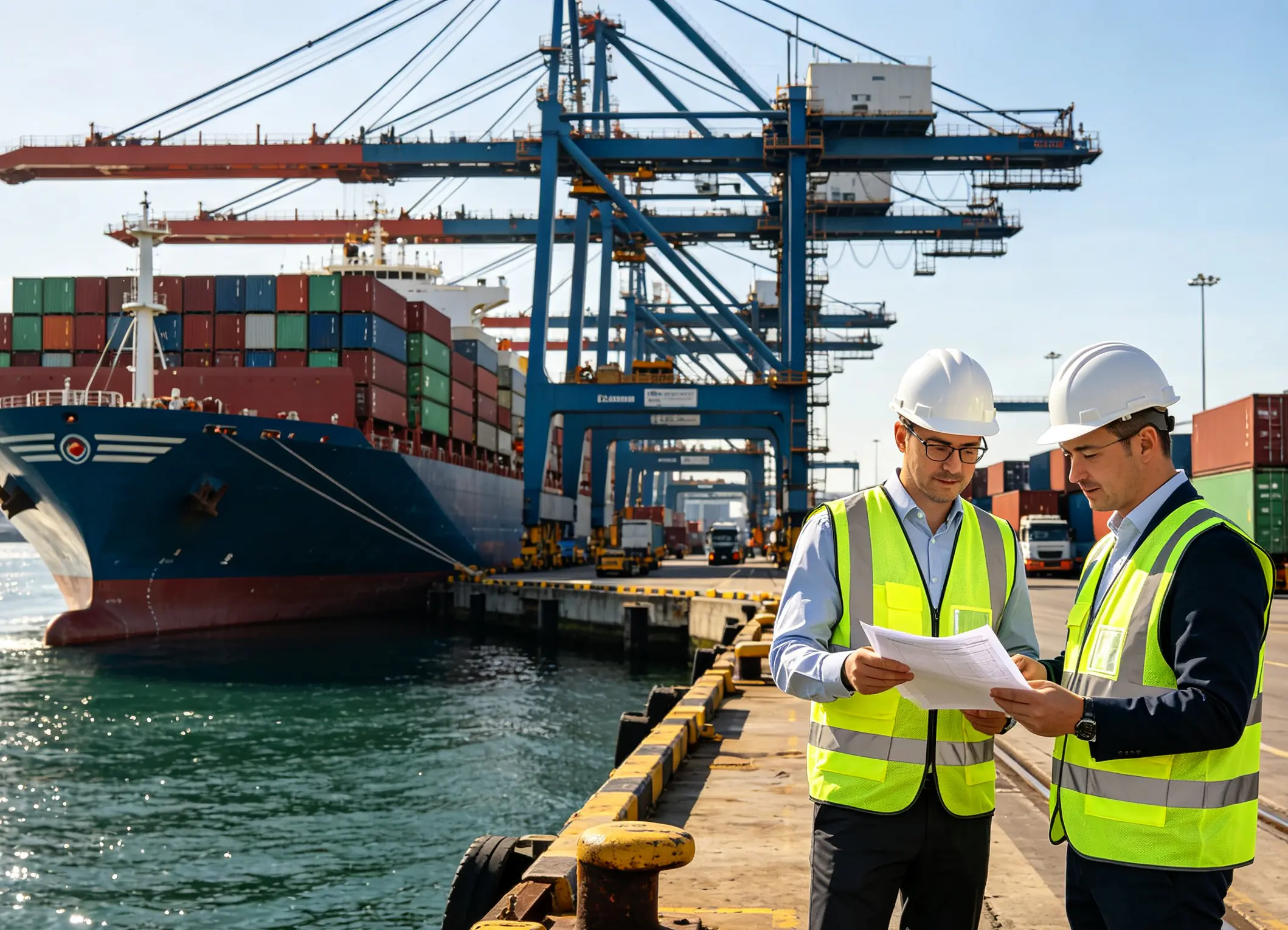
Clearing customs in France requires strict adherence to European Union regulations. First and foremost, you must have an active Economic Operators Registration and Identification (EORI) number linked to your French business entity. For official guidelines on obtaining this, you can consult the European Commission’s EORI resource page.
Import duties are calculated based on the product’s HS Code (usually ranging from 0% to 14% for industrial goods), and a standard 20% French VAT is applied to the CIF (Cost, Insurance, and Freight) value. Furthermore, our customs brokerage team always emphasizes checking your product’s CE Marking compliance and the new ICS2 (Import Control System 2) declarations well before the vessel departs China to prevent costly confiscation or delays.

Sea Shipping Cost from China to France & Transit Time Factors
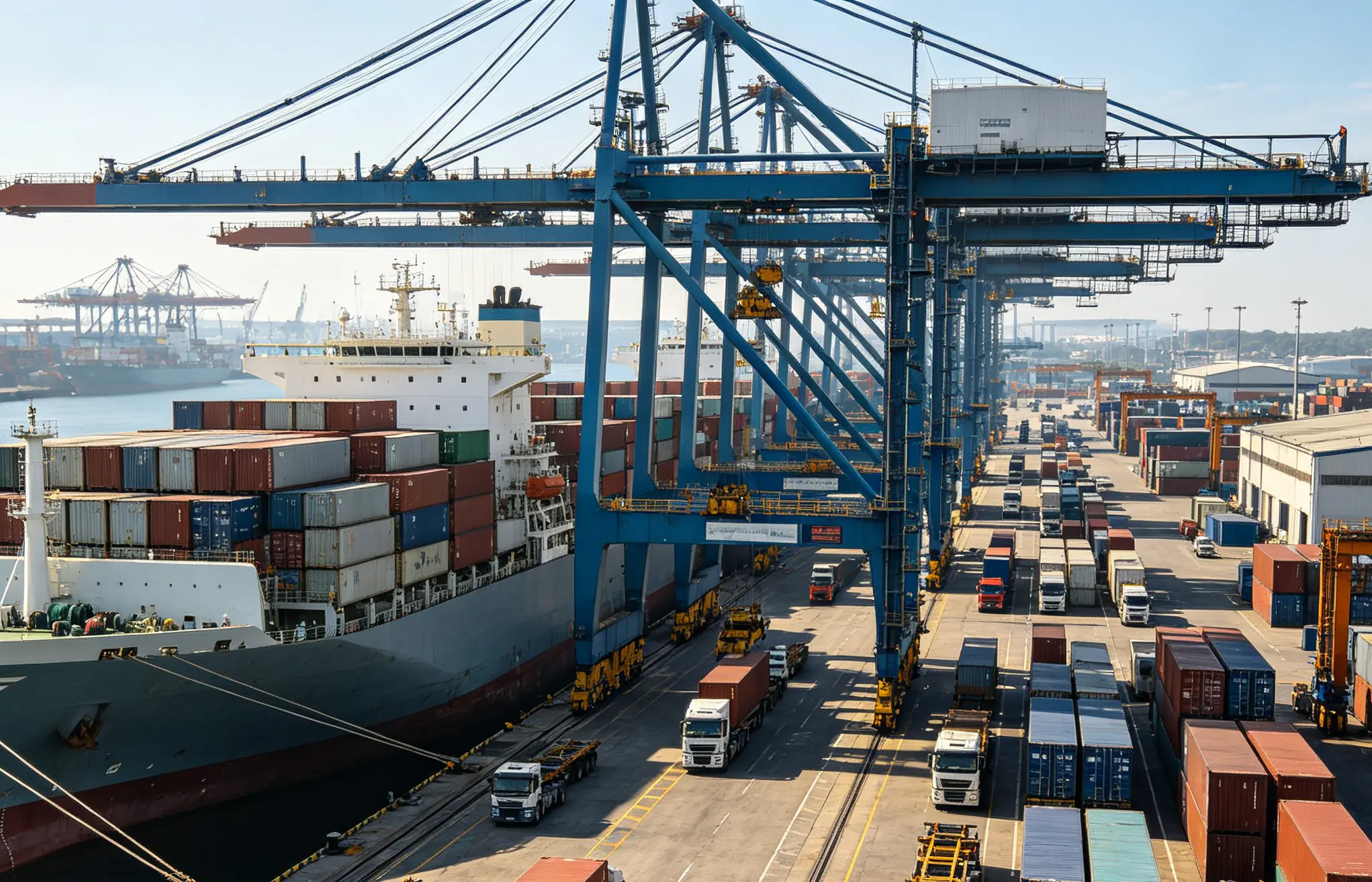
Ocean freight rates and transit times from China to France are highly dynamic, influenced by seasonality, global fuel prices, and specific port pairings.
Breakdown of Shipping Rates (2026 FCL vs. LCL Estimates)
For 2026, shipping rates have stabilized compared to the volatility of previous years, though peak season surcharges (PSS) still apply ahead of major holidays. Our internal data, cross-referenced with the official Shanghai Containerized Freight Index (SCFI) published by the Shanghai Shipping Exchange, indicates the following realistic market rates:
| Shipping Method | Container Type / Volume | Estimated Rate (USD) | Best Suited For |
|---|---|---|---|
| FCL | 20ft Container (20GP) | $1,800 – $2,600 | 15 – 28 CBM |
| FCL | 40ft High Cube (40HQ) | $3,200 – $4,500 | 55 – 68 CBM |
| LCL | Per Cubic Meter (CBM) | $80 – $150 / CBM | Under 15 CBM |
Note: These are average port-to-port market rates. Actual costs may vary based on origin port (e.g., Shenzhen vs. Qingdao) and carrier.
Transit Time Comparison (Shanghai/Shenzhen to Le Havre/Marseille)
Transit time depends heavily on the origin port in China and the destination port in France. Southern Chinese ports generally offer slightly faster routes to the Mediterranean.
| Origin Port (China) | Destination Port (France) | Average Transit Time |
|---|---|---|
| Shenzhen (Yantian) | Marseille (Fos-sur-Mer) | 25 – 32 Days |
| Shanghai | Le Havre | 28 – 35 Days |
| Ningbo | Le Havre | 30 – 36 Days |
| Qingdao | Dunkirk | 35 – 40 Days |
Pro Tip: Add an additional 7-10 days for door to door shipping delivery to account for customs clearance and final inland trucking.

Why Choose Efanda Logistics for Shipping to France?
Navigating international logistics requires a partner who understands both the Chinese export market and French import regulations.
Direct Contracts with Major Carriers (Space Guarantee)
Efanda Logistics holds direct contracts with top-tier ocean carriers like CMA CGM, COSCO, and Maersk. This ensures that even during peak seasons (such as the rush before Chinese New Year), your cargo gets guaranteed vessel space at highly competitive contract rates.
End-to-End Customs Brokerage in Le Havre & Marseille
Customs delays can destroy your profit margins. Our dedicated customs brokerage teams in major French ports like Le Havre and Marseille handle all documentation—from EORI verification to HS Code classification—ensuring your cargo passes through French customs smoothly and legally without unexpected detention fees.
FAQ on Sea Shipping from China to France
1. What is the cheapest way to ship from China to France?
For shipments over 15 CBM, FCL (Full Container Load) sea shipping is the most cost-effective method. For smaller shipments (under 15 CBM), LCL (Less than Container Load) sea shipping is the cheapest option, though it takes slightly longer than FCL.
2. How much is import duty from China to France?
Import duties vary strictly based on your product’s HS Code. Generally, industrial goods and electronics range from 0% to 14%. Additionally, a standard 20% Value Added Tax (VAT) is applied to the total CIF value plus the duty amount.
3. Do I need an EORI number to import into France?
Yes. An EORI (Economic Operators Registration and Identification) number is mandatory for any business importing goods into France or any other European Union country for commercial purposes.
4. What happens if my cargo is delayed at French customs?
If your cargo is flagged for inspection or lacks proper documentation (like a missing CE certificate), it will be held at the port. This can result in costly Demurrage and Detention (D&D) fees charged by the carrier and the port for every day the container sits idle beyond its free time.
5. Is sea freight safer than rail freight to Europe?
Both are highly secure, but sea freight is generally less prone to physical jolts compared to rail freight. FCL sea freight is exceptionally secure because the container remains sealed from the supplier’s factory in China until it reaches your warehouse in France.
Disclaimer: The freight rates, transit times, and customs duties mentioned in this guide are estimates based on Q2 2026 market conditions. Ocean freight is a highly volatile market. For an exact, legally binding quote tailored to your specific cargo volume and HS codes, please reach out to our logistics experts directly.