The global demand for E-bikes, portable power stations, and electronics is booming, making it more critical than ever to know how to import and ship lithium batteries from China to USA. However, as battery imports surge, so do the regulations. Imagine the nightmare: your high-value cargo is seized at a US port, or your airline booking is rejected outright because your supplier missed the latest 2026 dangerous goods compliance updates.
Importers are increasingly frustrated by hidden surcharges, rejected bookings due to outdated MSDS forms, and the massive headache of “Last Mile” residential delivery for heavy battery products. In this guide, you will learn the exact 2026 compliance updates (including the new SoC ≤30% rule), discover the cheapest shipping from china to usa for lithium batteries, and gain actionable tips to ensure seamless door-to-door delivery with a trusted Freight Forwarder.
Understanding Lithium Batteries as Class 9 Dangerous Goods
When you ship lithium batteries internationally, you are not shipping standard cargo; you are shipping hazardous materials. Because lithium batteries carry inherent risks—such as short-circuiting, thermal runaway, and fire—international authorities classify them strictly under Class 9 hazardous materials.
UN Numbers Classification: The Key to Your Shipping Method
Before requesting a freight quote, you must identify your product’s UN number. This classification dictates your packaging rules, acceptable shipping methods, and overall costs:
- UN3480 / UN3090 (Standalone Batteries): This covers loose lithium-ion (UN3480) and lithium metal (UN3090) batteries, such as replacement laptop batteries, power banks, or loose button cells. These are highly restricted and typically forbidden on passenger aircraft, meaning they must fly via “Cargo Aircraft Only,” which significantly increases costs.
- UN3481 / UN3091 (Batteries Contained In or Packed With Equipment): This applies to products like E-bikes, smartphones, and electric toothbrushes. Because the battery is housed within or packed alongside the device, these classifications enjoy more flexible shipping options and lower freight rates.
The 2026 Regulatory Updates You Cannot Ignore
If you are relying on 2025 shipping guides, you are at risk of heavy fines and shipment rejections. Beyond broader trade shifts—such as the trump 20 tariffs the new 2026 import reality for china mexico and canada—two major DG-specific updates define 2026 compliance under the latest IATA Dangerous Goods Regulations (DGR) and the US PHMSA (Pipeline and Hazardous Materials Safety Administration) frameworks:
- IMDG Code Amendment 42-24: For ocean freight, all MSDS documents must reference Amendment 42-24 in Section 14 (Transport Information). Outdated MSDS forms will cause your container to be rejected by the carrier.
- State of Charge (SoC) ≤30%: Under updated IATA mandates and FAA/PHMSA enforcement, UN3481 devices with batteries over 2.7Wh and UN3556 vehicles over 100Wh must be shipped at a 30% State of Charge or below via air transport. This is no longer just a recommendation; it is a mandatory rule that directly impacts how DTC brands must instruct their factories to prepare goods before shipping.
Core Documents Required for Shipping Lithium Batteries from China
A single outdated document can derail your entire supply chain. In our experience managing DG shipments from Shenzhen, customs delays frequently occur when importers rely on expired paperwork. Consider a recent scenario where a client came to us after their container was left sitting at Yantian port simply because the factory provided a Marine Transport Test Report (海运鉴定报告) from the previous calendar year. We had to intervene, rush a new certification, and rebook the vessel, costing the client thousands in unexpected demurrage fees.
To prevent such costly delays and ensure smooth Customs Clearance, you must have the following essential paperwork checklist completed before booking:
- MSDS (Material Safety Data Sheet): Must be issued by a certified third-party testing institution and updated to the latest standard (Amendment 42-24). It instructs carriers on the chemical composition and emergency fire-fighting procedures.
- UN38.3 Test Report: The global safety passport for battery transport. It proves the battery design has passed rigorous tests, including thermal cycling, vibration, shock, and forced discharge.
- Marine Transport Test Report: This document certifies the cargo is safe for ocean transport and is only valid for the current calendar year.
- Dangerous Goods Declaration (DGD) & Vanning Certificate: Required for formal customs and port authority declarations.
Expert Tip from Efanda’s Compliance Team: Do not wait until your goods are ready to ship. Communicate with your Chinese suppliers early. Demand that they renew the UN38.3 and MSDS reports by November if you plan on making Q4 or Q1 shipments. Without current-year documents, your January shipments will be rejected at the port.
Packing and Labeling Rules (PI965 / PI966 / PI967)
Proper packaging is your first line of defense against short circuits and transit damage. Shipping lithium batteries requires strict adherence to UN packing instructions (PI965 for loose batteries, PI966 for packed with equipment, and PI967 for contained in equipment).
UN-Spec Packaging
Standard corrugated cartons are unacceptable for standalone batteries. Packaging must survive a 1.2-meter drop test on corners, edges, and faces without the internal battery shifting or leaking. If your factory’s packaging fails this test, a reliable forwarder will repack the goods using rigid, certified UN boxes.
Insulation and Protection
Every battery must be packaged to prevent short-circuiting. This means placing each battery in an anti-static bag and ensuring positive and negative terminals are insulated. For express shipping (DHL/UPS/FedEx), gross weight limits apply strictly: typically a maximum of 10KG per standard carton, or up to 30KG if using specialized UN cartons.
Mandatory Labels
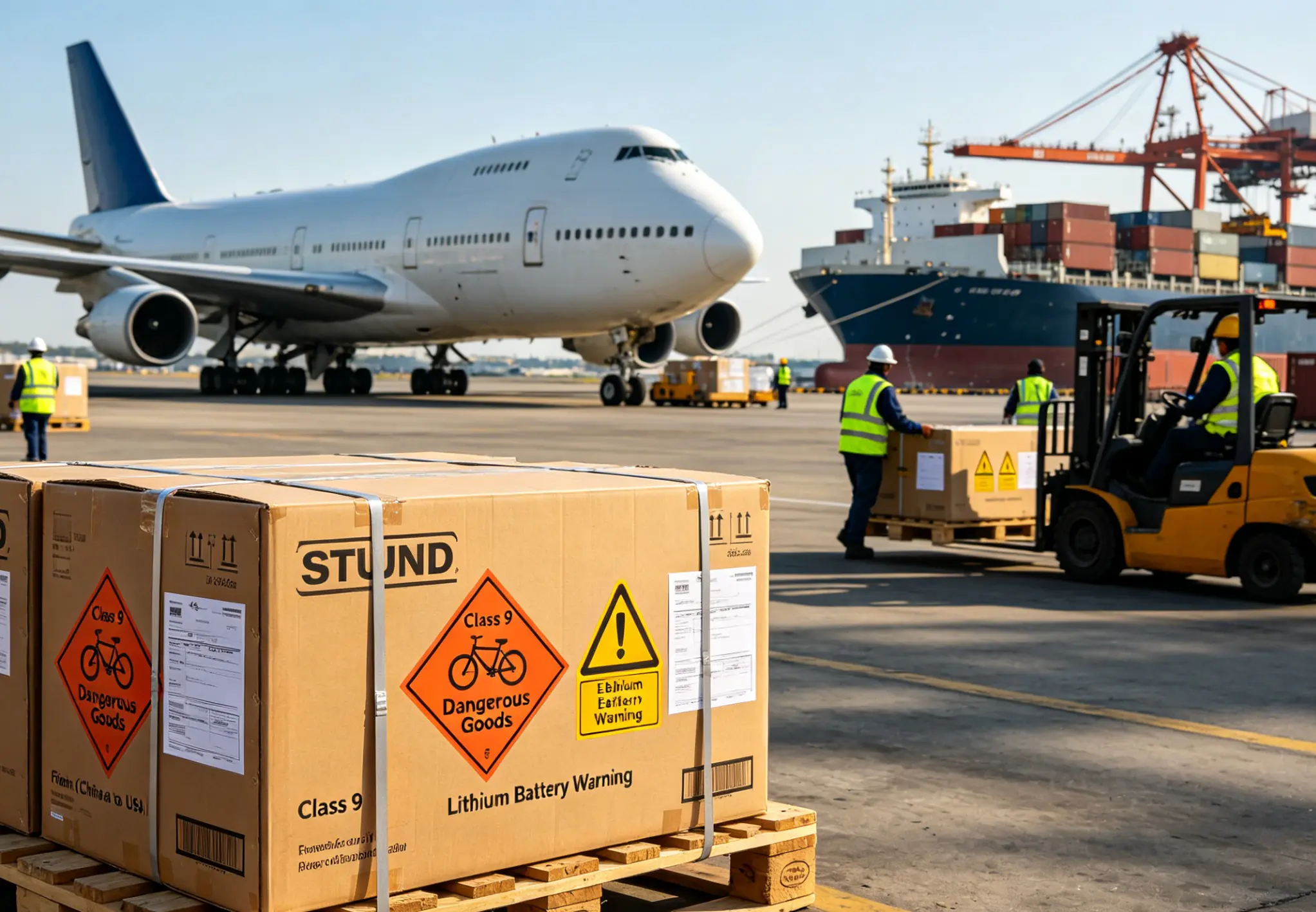
Your shipment must display the correct hazard labels clearly. This includes the Class 9 hazard label, the specific UN number mark, and, if shipping UN3480 via air, the “Cargo Aircraft Only” label. Missing or damaged labels are a leading cause of FAA fines and customs seizures.

Best Shipping Methods: Cost vs. Time Comparison
Choosing the right shipping method depends entirely on your budget, timeline, and UN classification. Here is a breakdown of the primary options.
Air Freight Lithium Batteries from China to USA
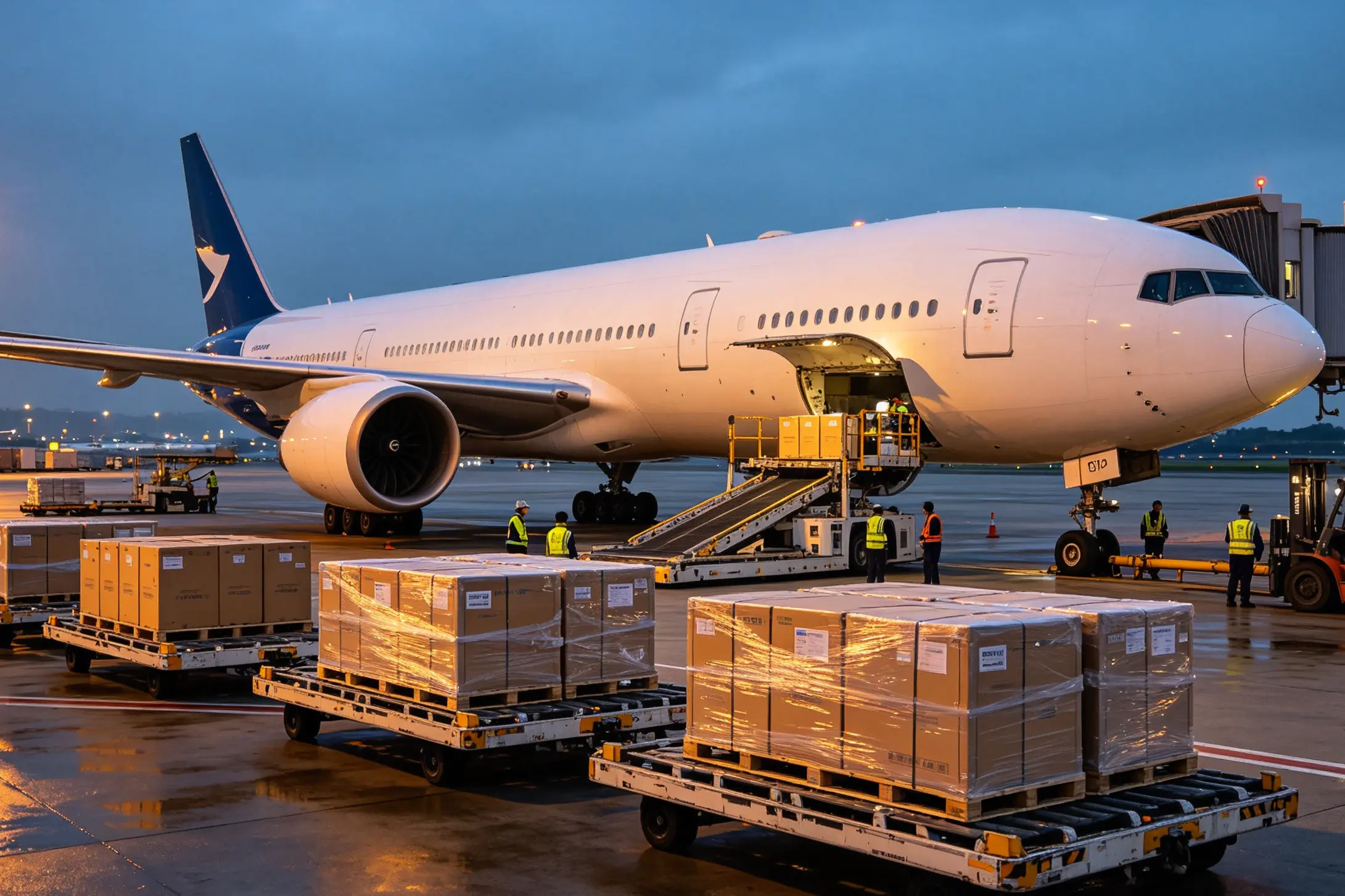
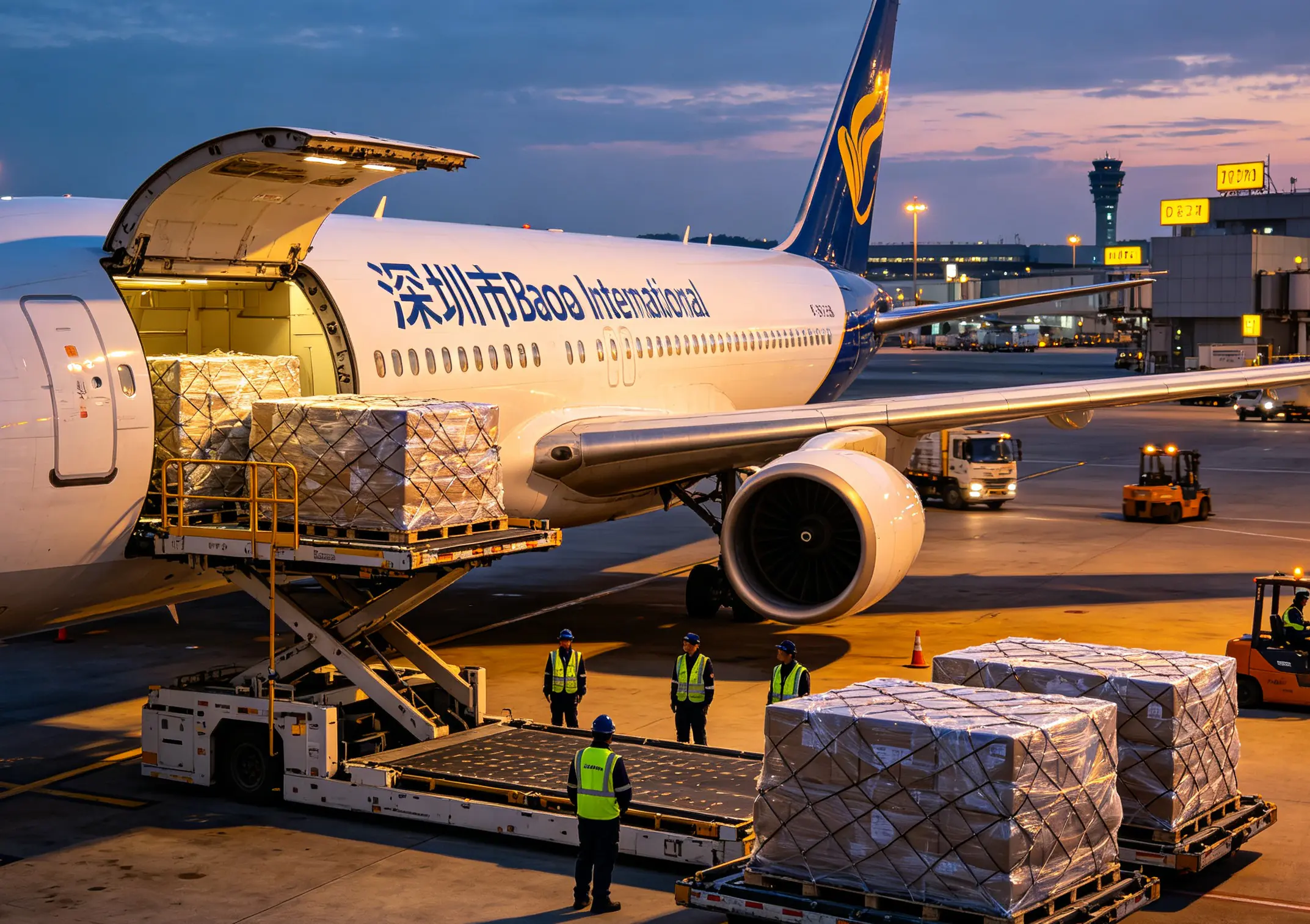
Air freight is ideal for urgent, high-value shipments, but it is heavily regulated. When organizing air freight shipping from china to usa, you must verify your product’s classification. If you are shipping UN3480 (standalone batteries), they are strictly forbidden on passenger planes and must be routed via cargo aircraft, which limits flight availability and drives up costs. Similar restrictions apply if you are expanding your market and need air freight from china to canada.
Shipping Lithium Ion Batteries by Sea Freight (FCL / LCL)
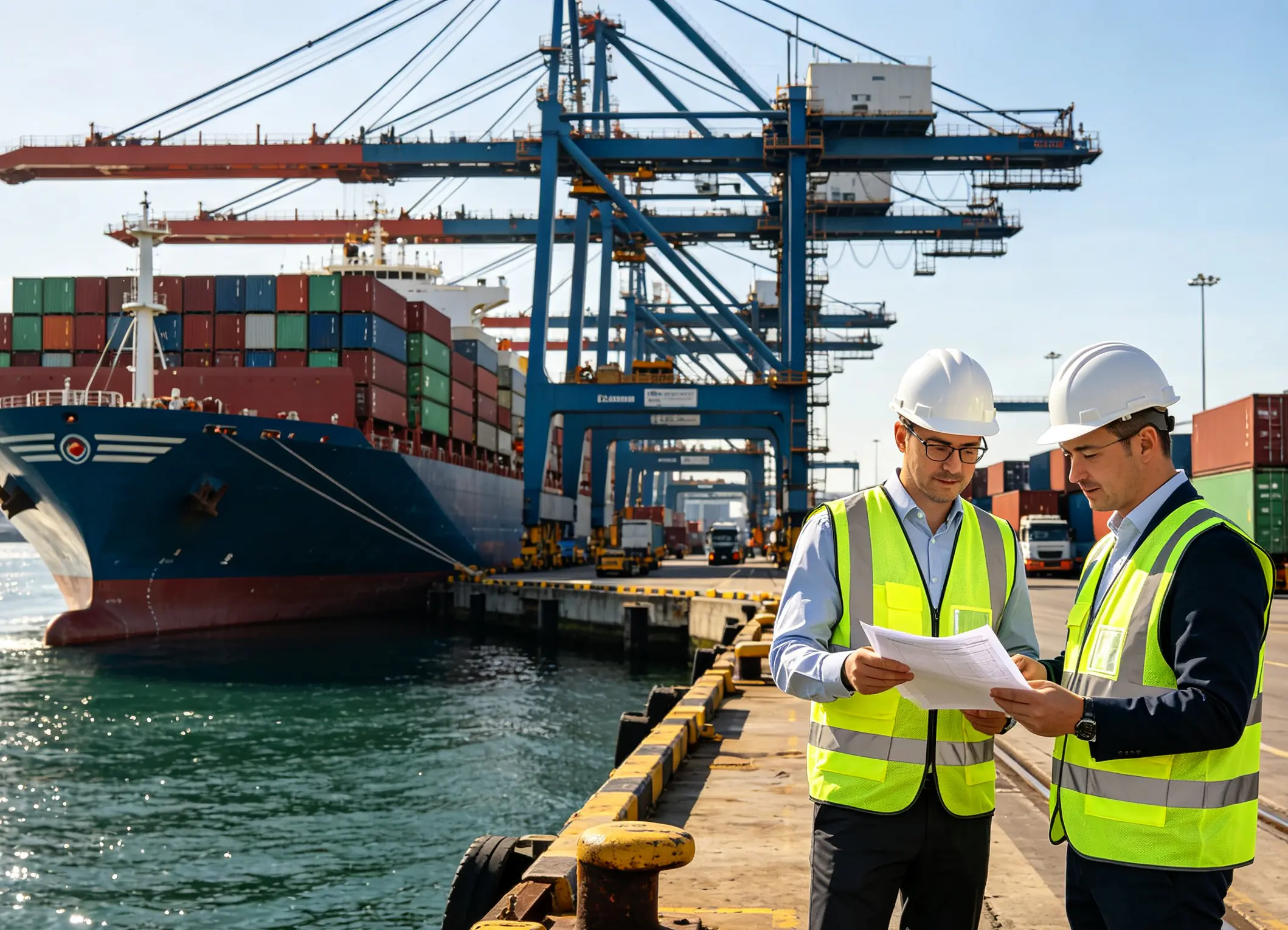
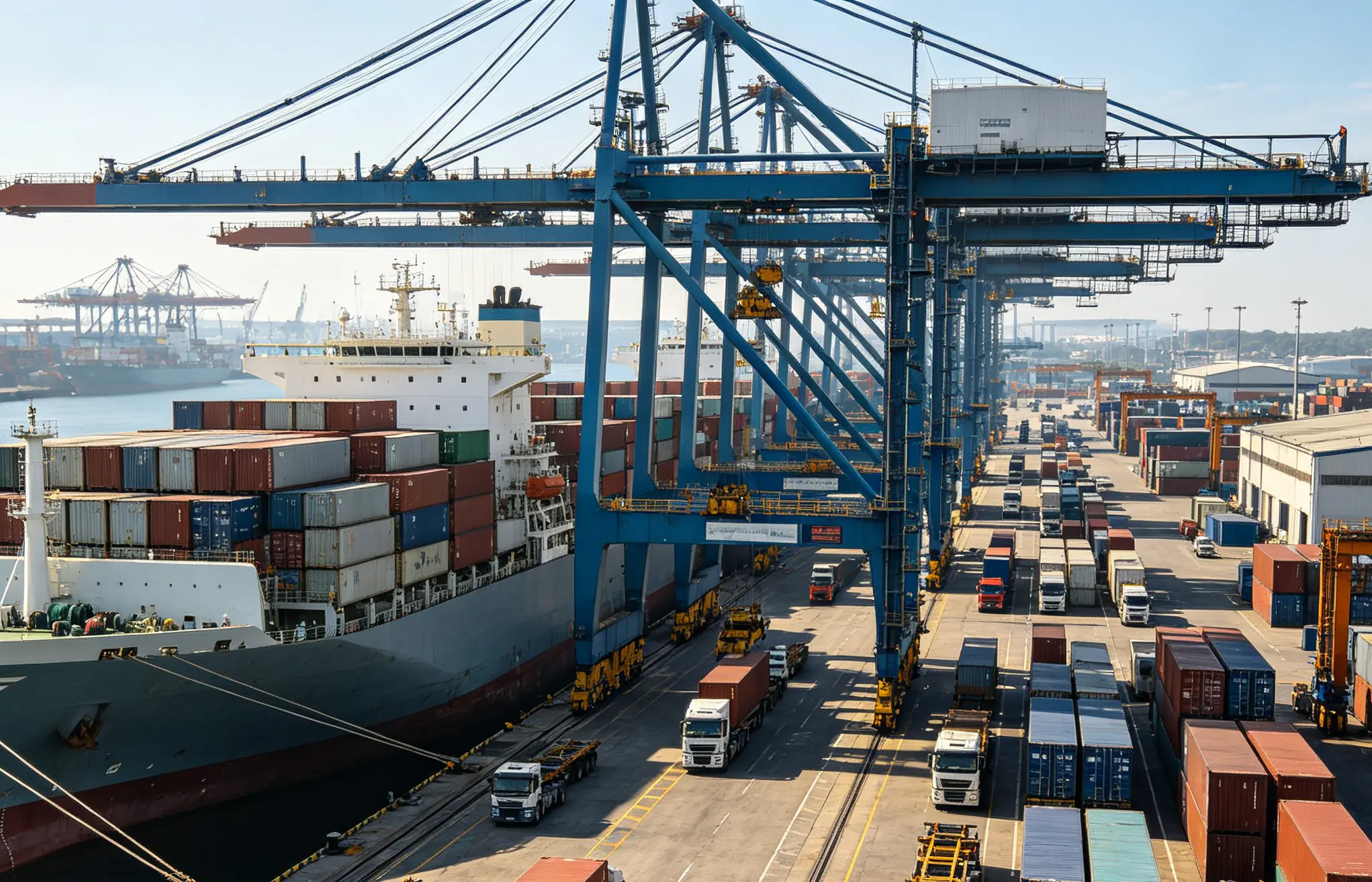
For bulk orders, sea freight is undeniably the cheapest way to ship lithium batteries from China to the USA. It’s crucial to check the latest shipping container rates from china to usa before planning your budget.
- FCL (Full Container Load): Offers the highest security and lowest per-unit cost for large volumes. It reduces the risk of damage since the container is sealed at the factory.
- LCL (Less than Container Load): For importers looking into lcl shipping from china to usa, this method is suitable for smaller shipments, but your hazardous cargo will share space with other goods, requiring stricter consolidation and Vanning Certificate compliance.
Express / Courier (DHL/UPS/FedEx)
Express shipping offers door-to-door convenience and rapid transit times (typically 3-7 days). It is excellent for samples or small B2B orders. However, weight limits are strict, and DG handling surcharges make this the most expensive method per kilogram.
| Shipping Method | Estimated Transit Time | Cost Level | Best Suited For |
|---|---|---|---|
| Air Freight (Cargo Only) | 5 – 10 Days | High | Urgent shipments, high-value goods (UN3480/UN3481) |
| Sea Freight (FCL) | 25 – 40 Days | Low | Bulk orders, large E-bikes, energy storage systems |
| Sea Freight (LCL) | 30 – 45 Days | Low-Medium | Medium-sized shipments needing cost-efficiency |
| Express (DHL/UPS/FedEx) | 3 – 7 Days | Very High | Samples, small urgent parcels |
Note: Transit times include standard customs clearance buffers. Shipping rates fluctuate based on seasonal demand and carrier capacity.
End-to-End Solutions: DDP, Door-to-Door, and Amazon FBA
The journey doesn’t end when the ship docks at Los Angeles or New York. The complexities of US customs and final delivery require meticulous planning.
DDP Shipping Lithium Batteries from China to USA
DDP (Delivered Duty Paid) is the preferred Incoterm for importers who want a hassle-free experience. Under DDP terms, your freight forwarder handles the export clearance in China, the international freight, the US import Customs Clearance, and all associated duties and taxes. You receive your goods with zero surprise bills.
Amazon FBA Shipping Lithium Batteries
If you are an Amazon seller, compliance is ruthless. Amazon FBA enforces strict Watt-hour (Wh) limits:
- Standard FBA accepts batteries up to 100Wh.
- The FBA Hazmat program accepts up to 300Wh (requires an application and limited storage slots).
- Anything above 300Wh is generally rejected by FBA and requires a third-party logistics (3PL) warehouse.
Furthermore, you must upload your UN38.3 Test Summary and MSDS to the Amazon Seller Central Dangerous Goods Portal to prevent your listing from being suppressed.
The “Last Mile” Minefield
Shipping heavy battery products, like electric scooters or solar generators, directly to consumers (DTC) introduces residential delivery challenges. (This is also a common hurdle when learning how to import and ship solar panels from china to usa). Most American homes lack loading docks. If you do not pre-book “Liftgate Service” with the local trucking company, drivers will refuse to manually unload a 100lb crate, resulting in delayed deliveries and steep hidden surcharges.
Why Partner with an Expert Freight Forwarder in China?
While carrier-direct rates or suspiciously cheap quotes might look appealing, the hidden costs of poor coordination, delayed customs clearance, and lack of DG tracking often make an experienced Freight Forwarder a far more cost-effective choice.
At Efanda Logistics, we understand the high stakes of shipping Class 9 hazardous materials. Headquartered in the Shenzhen logistics hub, we provide comprehensive end-to-end solutions. Our services cover everything from factory pickup, palletizing, and UN carton replacement, to dangerous goods declaration, ocean freight, US customs clearance, and final Door-to-Door (D2D) delivery.
We pride ourselves on offering competitive and transparent pricing based on real market conditions—meaning no hidden DG handling fees or surprise liftgate surcharges. We are honest about the volatility of ocean rates and always build realistic transit buffers into our proposals. Every client receives a dedicated logistics specialist to ensure smooth communication and real-time tracking from China to your USA destination. If you need a reliable partner, contact our team at +86 18929345880.
FAQs
What is the cost to ship lithium batteries from China to USA?
The overall shipping cost from china to usa varies widely based on whether the cargo is standard or DG. For batteries, air freight typically ranges from $7 to $12 per kilogram, plus handling surcharges. Sea freight is much cheaper, often ranging from $1,800 to $3,500 per 20ft DG container, depending on the season and specific carrier routing.
Can I ship lithium batteries via standard air freight?
It depends on the classification. UN3481 (batteries contained in equipment) can often fly on passenger aircraft under strict weight limits. However, UN3480 (standalone batteries) are strictly restricted to Cargo Aircraft Only.
Do I need to buy cargo insurance for lithium battery shipments?
Yes. Given the high value of battery products and the inherent risks of shipping hazardous materials, comprehensive cargo insurance is strongly recommended to protect against damage, loss, or catastrophic events during transit.
How do I know if my battery is UN3480 or UN3481?
UN3480 applies to loose, standalone lithium-ion batteries (like power banks or spare battery packs). UN3481 applies to lithium-ion batteries that are either packed alongside or installed directly inside a device (like an E-bike or laptop).
What happens if my battery is shipped with over 30% charge?
Starting in 2026, shipping UN3481 (>2.7Wh) or UN3556 (>100Wh) via air with a State of Charge (SoC) above 30% violates mandatory IATA regulations. Your shipment will likely be seized, and you could face severe fines from aviation authorities like the FAA.
Conclusion
Shipping lithium batteries from China to the USA requires navigating a minefield of strict classifications, mandatory 2026 document updates, and specialized packaging rules. Whether you are dealing with UN3480 standalone cells or UN3481 E-bikes, cutting corners on compliance will inevitably lead to port rejections, customs seizures, or hefty fines.
By understanding your shipping options—from cost-effective sea freight to fast air cargo—and planning for the “Last Mile” residential delivery, you can optimize your supply chain and protect your bottom line.
Ready to ship your Class 9 hazardous materials safely and efficiently? Don’t risk compliance failures. Contact Efanda Logistics today for a competitive, transparent, and tailored door-to-door freight quote.