
Shipping From China to Singapore Reliable Freight Forwarder
EFANDA Logistics provides professional shipping solutions from China to Singapore, including sea freight, air freight, rail freight, and door-to-door services.
We support shipments to Singapore Port, Changi Airport, and other major logistics hubs, offering reliable transit times, efficient customs clearance, and competitive freight rates.
From commercial cargo to project and oversized shipments, we deliver cost-effective logistics solutions tailored to your Singapore supply chain needs. Get Your Personalized Shipping Quote Today!
Sea Freight to Singapore
Air Freight to Singapore
Dedicated Logistics Experts

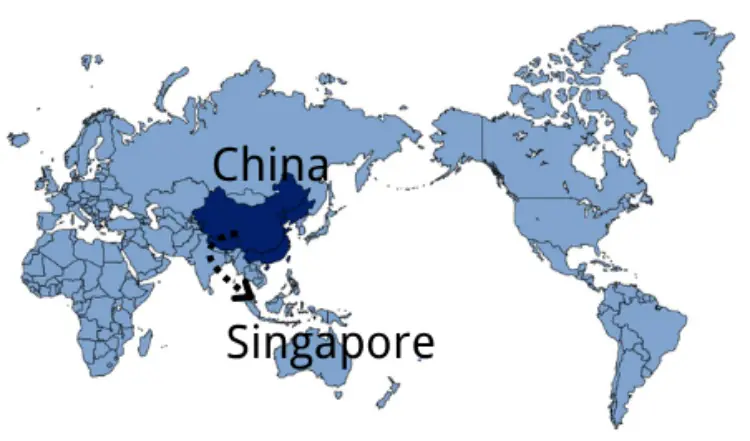
Starting Price
Our Shipping Services from China to Singapore
Sea Freight, Air Freight & Door-to-Door Solutions for Singapore Importers
Sea Freight from China to Singapore
Cost-effective ocean freight for bulk and commercial shipments to Singapore. FCL & LCL available.
- Transit time: 30–45 days
- FCL & LCL available
- Support for Singapore import clearance
Competitive sea freight rates – request a quote
Air Freight from China to Singapore
Fast and secure air cargo solutions for urgent, high-value, or time-sensitive shipments to Singapore.
- Transit time: 3–7 days
- Real-time shipment tracking
- Express customs clearance
Fast air freight with transparent pricing
Door-to-Door Shipping from China to Singapore
Complete door-to-door logistics from pickup to delivery in Singapore.
- Export documentation & coordination
- Customs clearance support in Singapore
- Delivery to warehouse or final address
No hidden charges
Why Choose EFANDA Logistics for China–Singapore Shipping
Specialized freight forwarding solutions with proven experience in Singapore customs, ports, and delivery networks.
Competitive Rates
Direct contracts with carriers and optimized routing via major China ports help reduce shipping costs without hidden fees.
Fast Transit
Optimized sea and air schedules with reliable ETD/ETA, minimizing delays caused by transshipment or port congestion.
Customs Expertise
Deep understanding of Singapore import regulations, HS codes, and documentation requirements to reduce clearance risks.
24/7 Dedicated Support
Dedicated customer support team available 24/7, providing timely assistance and reliable support for all your logistics needs.
Table of Contents
Shipping from China to Singapore is one of the most efficient and strategic international logistics routes in Asia. As a global logistics hub and transshipment center, Singapore plays a critical role not only as a destination market but also as a gateway for distribution across Southeast Asia.
With its world-class port infrastructure, efficient customs system, and low tax environment, shipping from China to Singapore offers businesses fast transit times, cost-effective solutions, and flexible logistics options.
Companies can choose between sea freight from China to Singapore, air freight, and door to door shipping services, depending on shipment size, urgency, and supply chain needs.
👉 In addition, many businesses use Singapore as a regional distribution hub, enabling efficient re-export and transshipment to ASEAN countries.
Why Singapore is a Strategic Logistics Hub
Singapore stands out in global trade due to several key advantages:
| Advantage | Description |
|---|---|
| Global Logistics Hub | One of the busiest transshipment ports in the world |
| Strategic Location | Gateway to Southeast Asia markets |
| Efficient Customs | Fast and transparent customs clearance |
| Low Tax Environment | GST-friendly and minimal import duties |
| High Connectivity | Strong sea and air freight networks |
👉 These advantages make freight from China to Singapore not only fast but also highly reliable and scalable.
Sea Freight From China to Singapore
Sea freight is the most widely used and cost-effective method for shipping from China to Singapore, especially for bulk cargo and large-volume shipments. Due to the short distance and high shipping frequency, sea freight from China to Singapore offers an excellent balance between cost and transit time.
Singapore’s port is one of the busiest in the world, making it a key hub for container shipping, transshipment, and regional distribution.
When to Choose Sea Freight
Sea freight is ideal in the following situations:
- Large or heavy shipments
- Non-urgent deliveries
- Bulk cargo transportation
- Long-term supply chain operations
👉 Many companies prefer container shipping from China to Singapore due to its cost efficiency and scalability.
Key Ports and Routes
Shipping routes between China and Singapore are highly developed, with frequent departures from major Chinese ports.
Major Ports in China
- Shanghai
- Shenzhen
- Ningbo
- Guangzhou
- Qingdao
Main Port in Singapore
- Singapore Port (PSA – one of the world’s busiest ports)
Typical Sea Freight Routes
| Route | Transit Time |
|---|---|
| Shanghai → Singapore | 5 – 7 days |
| Shenzhen → Singapore | 4 – 6 days |
| Ningbo → Singapore | 5 – 7 days |
👉 These short transit times make sea shipping from China to Singapore one of the fastest maritime routes globally.
Types of Sea Freight Services
Businesses can choose different types of sea freight services depending on shipment size and cargo characteristics.
Full Container Load (FCL)
Full Container Load (FCL) is used when a shipment occupies an entire container. This is the most efficient option for large-volume cargo.
Key Features of FCL Shipping
- Exclusive use of a container
- Lower cost per unit for large shipments
- Reduced risk of damage or contamination
- Faster handling and transit
When to Use FCL
| Scenario | Reason |
|---|---|
| Large shipments | Maximizes cost efficiency |
| High-value cargo | Better security |
| Regular shipments | Stable logistics planning |
👉 FCL shipping from China to Singapore is ideal for businesses with consistent shipping volume.
Less than Container Load (LCL)
Less than Container Load (LCL) is suitable for smaller shipments that do not require a full container. Multiple shipments are consolidated into one container.
Key Features of LCL Shipping
- Pay only for the space used
- Flexible for small and medium shipments
- Ideal for low-volume or trial orders
When to Use LCL
| Scenario | Reason |
|---|---|
| Small shipments | Cost-effective |
| Startups / SMEs | Lower upfront cost |
| Irregular shipments | Flexible logistics |
👉 LCL shipping from China to Singapore is widely used for eCommerce and small businesses.
Roll-on/Roll-off Ship (RoRo Ship)
Roll-on/Roll-off (RoRo) shipping is designed for vehicles and wheeled cargo, allowing them to be driven directly onto and off the vessel.
Key Features of RoRo Shipping
- No need for containerization
- Fast loading and unloading
- Lower handling costs for vehicles
When to Use RoRo
| Cargo Type | Suitability |
|---|---|
| Vehicles | Highly suitable |
| Machinery with wheels | Efficient transport |
| Oversized rolling cargo | Cost-effective |
👉 RoRo is commonly used for vehicle shipping from China to Singapore and specialized cargo transport.
Sea Freight Advantages Summary
| Factor | Benefit |
|---|---|
| Cost | Lower than air freight |
| Capacity | Ideal for large shipments |
| Flexibility | Multiple service options (FCL/LCL/RoRo) |
| Connectivity | Strong global and regional network |
Final Insight
Sea freight remains the backbone of shipping from China to Singapore, offering unmatched cost efficiency, high capacity, and strong connectivity. Combined with Singapore’s role as a global transshipment hub, sea freight is not only a transportation solution but also a strategic tool for regional distribution.
Air Freight From China to Singapore
Air freight is the fastest and most reliable method for shipping from China to Singapore, making it ideal for urgent shipments, high-value goods, and time-sensitive supply chains. Thanks to Singapore’s position as a global air cargo hub, businesses benefit not only from rapid delivery but also from efficient regional distribution across Southeast Asia.
With direct and frequent flights between major Chinese cities and Singapore, air freight from China to Singapore ensures fast transit times and high reliability.
When to Choose Air Freight?
Air freight is the preferred option in the following scenarios:
- Urgent shipments requiring fast delivery
- High-value or sensitive goods
- Small to medium-sized cargo
- eCommerce and high-frequency shipments
👉 Many businesses rely on express shipping from China to Singapore to maintain fast inventory turnover and meet customer expectations.
Key Airports and Routes
Air cargo routes between China and Singapore are well-developed, supported by major international airports.
Major Airports in China
- Shanghai Pudong International Airport
- Guangzhou Baiyun International Airport
- Shenzhen Bao’an International Airport
- Beijing Capital International Airport
Main Airport in Singapore
- Singapore Changi Airport (one of the busiest air cargo hubs globally)
Typical Air Freight Routes
| Route | Transit Time |
|---|---|
| Shanghai → Singapore | 1 – 2 days |
| Guangzhou → Singapore | 1 – 2 days |
| Shenzhen → Singapore | 1 – 2 days |
👉 These fast transit times make air shipping from China to Singapore one of the most efficient logistics solutions in Asia.
Types of Air Freight Services
Businesses can choose different air freight services depending on urgency and budget.
1. Standard Air Freight
- Cost-effective option
- Suitable for regular shipments
- Transit time: 2–4 days
2. Express Air Freight
- Fastest delivery option
- Priority handling
- Transit time: 1–2 days
3. Consolidated Air Freight
- Multiple shipments combined
- Lower cost for smaller cargo
- Slightly longer transit time
Air Freight Advantages Summary
| Factor | Benefit |
|---|---|
| Speed | Fastest shipping method |
| Reliability | High schedule stability |
| Flexibility | Multiple service options |
| Hub Connectivity | Easy regional distribution |
Final Insight
Air freight plays a critical role in shipping from China to Singapore, especially for businesses that require speed and flexibility. Combined with Singapore’s role as a regional air logistics hub, air freight is not only a transport solution but also a key enabler for ASEAN distribution and cross-border eCommerce.
Door to Door Shipping from China to Singapore
Door to door shipping from China to Singapore is a complete logistics solution that covers the entire shipping process—from supplier pickup in China to final delivery in Singapore. This service is particularly popular among businesses seeking simplicity, efficiency, and predictable costs.
With Singapore’s advanced logistics infrastructure and efficient customs system, door to door shipping ensures a smooth and hassle-free shipping experience.
What is Door-to-Door Shipping?
Door-to-door shipping includes:
- Pickup from supplier in China
- Export customs clearance
- International transportation (sea or air freight)
- Import customs clearance in Singapore
- Final delivery to destination
👉 This end-to-end service simplifies shipping from China to Singapore, especially for businesses without logistics experience.
DDP vs DAP Shipping Options
When choosing door to door shipping China to Singapore, understanding Incoterms is essential.
| Term | Responsibility | Best For |
|---|---|---|
| DDP (Delivered Duty Paid) | Seller handles all costs, including GST and customs clearance | eCommerce & beginners |
| DAP (Delivered at Place) | Buyer handles import duties and GST | Experienced importers |
👉 DDP shipping from China to Singapore is widely preferred for its simplicity and cost transparency.
Benefits of Door-to-Door Shipping
- Simplified logistics management
- Reduced operational complexity
- Predictable total shipping cost
- Faster and more efficient delivery
- Suitable for both small and bulk shipments
Door-to-Door Shipping Use Cases
| Business Type | Benefit |
|---|---|
| eCommerce | Fast and reliable delivery |
| SMEs | Easy logistics management |
| Importers | Full-service shipping solution |
| Distributors | Efficient supply chain |
Door-to-Door + Singapore Hub Advantage
One of the biggest advantages of using door to door shipping from China to Singapore is the ability to leverage Singapore as a regional distribution hub.
👉 Businesses can:
- Store goods in Singapore
- Re-export to Southeast Asia
- Optimize regional supply chains
👉 This makes Singapore an ideal location for transshipment and ASEAN distribution logistics.
Final Insight
Door-to-door shipping is one of the most efficient ways to manage freight from China to Singapore, offering convenience, cost control, and flexibility. Combined with Singapore’s role as a global logistics hub, it enables businesses to streamline operations and expand into Southeast Asian markets with ease.
Shipping Costs From China to Singapore
The shipping cost from China to Singapore is relatively competitive due to the short distance, high shipping frequency, and Singapore’s role as a global logistics hub. Businesses benefit from stable pricing, efficient handling, and flexible shipping options.
Understanding the cost structure is essential for optimizing your logistics strategy and reducing total supply chain expenses.
Key Factors Affecting Shipping Costs
The total freight cost from China to Singapore depends on several factors:
- Shipping method (sea freight or air freight)
- Cargo volume, weight, and type
- Port or airport of departure
- Service type (standard, express, or DDP shipping)
- Seasonal demand and fuel surcharges
👉 Choosing the right solution can significantly reduce your shipping cost from China to Singapore.
Sea Freight Cost From China to Singapore
Sea freight is the most cost-effective method for transporting bulk cargo. Due to the short transit distance and high container throughput, sea freight cost from China to Singapore remains highly competitive.
Typical Sea Freight Cost
| Shipping Type | Estimated Cost |
|---|---|
| LCL (per CBM) | $15 – $50 |
| FCL (20ft container) | $300 – $900 |
| FCL (40ft container) | $600 – $1,500 |
👉 These rates make container shipping from China to Singapore one of the most economical options in Asia.
Cost Advantages of Sea Freight
- Low cost per unit for large shipments
- Stable pricing due to high route frequency
- Ideal for bulk and heavy cargo
👉 Sea freight is widely used for bulk cargo shipping from China to Singapore and regional distribution.
Air Freight Cost From China to Singapore
Air freight offers fast delivery with higher costs, but due to the short distance and high flight frequency, air freight cost from China to Singapore is still relatively affordable compared to long-haul routes.
Typical Air Freight Cost
| Shipping Type | Estimated Cost |
|---|---|
| Standard Air Freight | $3 – $7 per kg |
| Express Shipping | $5 – $10 per kg |
Cost Characteristics of Air Freight
- Higher cost but fastest delivery
- Ideal for urgent and high-value cargo
- Suitable for eCommerce and small shipments
👉 Many companies choose express shipping from China to Singapore to ensure fast delivery and inventory turnover.
Sea Freight vs Air Freight Cost Comparison
| Factor | Sea Freight | Air Freight |
|---|---|---|
| Cost | Low | Higher |
| Cost Efficiency | Best for bulk | Best for small & urgent |
| Use Case | Large shipments | Fast delivery |
Singapore Hub Advantage on Cost
One key advantage of shipping from China to Singapore is the ability to reduce total logistics costs through:
- Efficient port handling
- Fast customs clearance
- Lower storage and delay costs
- Easy re-export to Southeast Asia
👉 This makes Singapore an ideal logistics hub for cost optimization and regional distribution.
Shipping Time From China to Singapore
Shipping time is one of the biggest advantages of shipping from China to Singapore, thanks to the short distance and world-class logistics infrastructure.
Singapore consistently ranks among the fastest global shipping destinations due to its efficient port and airport operations.
Key Factors Affecting Shipping Time
The total shipping time from China to Singapore depends on:
- Shipping method (sea or air freight)
- Departure city and route
- Customs clearance efficiency
- Service type (standard vs express)
Sea Shipping Time From China to Singapore
Sea freight offers a strong balance between cost and speed, with relatively short transit times.
Typical Sea Freight Transit Time
| Route | Transit Time |
|---|---|
| Shenzhen → Singapore | 4 – 6 days |
| Guangzhou → Singapore | 4 – 6 days |
| Shanghai → Singapore | 5 – 7 days |
👉 These fast transit times make sea shipping from China to Singapore highly efficient compared to other international routes.
Sea Freight Time Advantages
- Frequent sailings
- Reliable schedules
- Fast port turnaround
👉 Sea freight is suitable for businesses needing stable and predictable shipping time from China to Singapore.
Air Shipping Time From China to Singapore
Air freight is the fastest shipping method, offering extremely short delivery times.
Typical Air Freight Transit Time
| Route | Transit Time |
|---|---|
| Shanghai → Singapore | 1 – 2 days |
| Guangzhou → Singapore | 1 – 2 days |
| Shenzhen → Singapore | 1 – 2 days |
Air Freight Time Advantages
- Fastest delivery option
- Ideal for urgent shipments
- High reliability and frequency
👉 Fast shipping from China to Singapore is most commonly achieved through air freight and express services.
Sea Freight vs Air Freight Time Comparison
| Factor | Sea Freight | Air Freight |
|---|---|---|
| Transit Time | 4–7 days | 1–2 days |
| Reliability | High | Very High |
| Best For | Bulk cargo | Urgent shipments |
Singapore Hub Advantage on Time
Singapore’s role as a global logistics hub significantly reduces overall delivery time:
- Fast customs clearance
- High port and airport efficiency
- Minimal congestion delays
- Seamless regional redistribution
👉 This makes shipping time from China to Singapore among the fastest in global trade routes.
Customs Clearance & Documents Required
Customs clearance is a critical step in shipping from China to Singapore, ensuring that goods comply with Singapore’s import regulations before entering the market. As one of the most efficient customs systems globally, Singapore offers fast processing times, transparent procedures, and a business-friendly environment.
Due to its status as a global logistics hub and free trade center, customs clearance in Singapore is generally smoother and faster compared to many other countries. However, accurate documentation and compliance are still essential to avoid delays.
Key Documents Required for Shipping
To complete customs clearance from China to Singapore, the following documents are typically required:
| Document | Description |
|---|---|
| Commercial Invoice | Details of goods, value, buyer, and seller |
| Packing List | Cargo details (weight, volume, packaging) |
| Bill of Lading / Air Waybill | Transport document for shipment |
| Import Permit | Required for customs declaration in Singapore |
| HS Code | Determines GST and duty classification |
Additional Documents (Depending on Cargo)
Some goods may require additional documentation:
- Certificate of Origin
- Product compliance certificates
- Inspection certificates
- Licenses for controlled or restricted goods
👉 Providing complete and accurate documentation ensures smooth customs clearance Singapore and reduces inspection risks.
Import Duties and GST in Singapore
One of the biggest advantages of shipping from China to Singapore is its low-tax environment.
Key Tax Information:
- GST (Goods and Services Tax): 9%
- Import duties: Generally low or zero for most goods
- Tax calculation basis: CIF value (Cost + Insurance + Freight)
👉 Compared to many countries, Singapore’s tax structure makes freight from China to Singapore more cost-efficient.
DDP vs DAP for Singapore Shipping
Understanding Incoterms is essential for managing door to door shipping China to Singapore.
| Term | Responsibility | Best For |
|---|---|---|
| DDP (Delivered Duty Paid) | Seller handles GST, duties, and customs clearance | eCommerce & beginners |
| DAP (Delivered at Place) | Buyer handles import clearance and GST | Experienced importers |
👉 DDP shipping from China to Singapore is widely preferred for its simplicity and predictable total cost.
Customs Clearance Advantages in Singapore
| Advantage | Impact |
|---|---|
| Fast Processing | Short clearance time |
| Low Tax Environment | Lower total cost |
| Transparent Regulations | Reduced compliance risk |
| Hub Connectivity | Easy re-export |
👉 These advantages make Singapore one of the easiest destinations for international shipping and transshipment.
Common Customs Clearance Challenges
Even with efficient systems, issues may still occur:
- Incorrect HS code classification
- Under-declared cargo value
- Missing import permits
- Incomplete documentation
👉 Working with an experienced forwarder ensures smooth customs clearance from China to Singapore.
Common Mistakes When Shipping From China to Singapore
Despite Singapore’s efficient logistics system, businesses often make avoidable mistakes when arranging shipping from China to Singapore. These mistakes can lead to delays, increased costs, or operational inefficiencies.
Understanding these risks is essential for optimizing your logistics strategy.
Most Common Shipping Mistakes
1. Assuming Shipping Is Always Simple
Many importers underestimate the importance of proper planning due to Singapore’s efficient system.
👉 Impact:
- Unexpected delays
- Documentation issues
2. Choosing the Wrong Shipping Method
Not selecting the right balance between sea freight and air freight from China to Singapore can increase costs or delay deliveries.
👉 Example:
- Using air freight for low-value bulk cargo
- Using sea freight for urgent shipments
3. Ignoring Total Shipping Costs
Focusing only on freight rates while ignoring additional costs can lead to inaccurate budgeting.
Hidden costs include:
- GST (9%)
- Handling fees
- Delivery charges
👉 This leads to incorrect shipping cost from China to Singapore calculations.
4. Documentation Errors
Incorrect or incomplete documents are a common cause of delays in customs clearance Singapore.
👉 Common issues:
- Wrong HS codes
- Missing import permits
- Inconsistent shipment details
5. Not Using Singapore as a Logistics Hub
One of the biggest missed opportunities is failing to leverage Singapore’s role as a regional distribution hub.
👉 Impact:
- Higher logistics costs
- Inefficient supply chain
👉 Businesses can reduce costs by using Singapore for transshipment and ASEAN distribution.
6. Misunderstanding Incoterms (DDP vs DAP)
Not understanding shipping terms can create confusion and unexpected costs.
👉 Example:
- Choosing DAP without handling customs clearance
- Not using DDP shipping China to Singapore for simplified logistics
7. Ignoring eCommerce Logistics Needs
Singapore is a highly developed eCommerce market.
👉 Mistake:
- Using slow shipping methods
👉 Impact:
- Poor customer experience
- Lost sales opportunities
Summary of Common Mistakes
| Mistake | Impact |
|---|---|
| Underestimating process complexity | Delays |
| Wrong shipping method | Higher costs |
| Ignoring total cost | Budget issues |
| Documentation errors | Customs delays |
| Not using hub advantage | Inefficiency |
| Incoterms misunderstanding | Unexpected charges |
| Ignoring eCommerce needs | Lost competitiveness |
How to Avoid These Mistakes
To ensure efficient shipping from China to Singapore, businesses should:
- Choose the right shipping method based on urgency
- Accurately calculate total logistics costs
- Prepare complete and compliant documentation
- Understand GST and import regulations
- Leverage Singapore as a logistics hub for regional distribution
- Work with an experienced freight forwarder
Final Insight
Shipping to Singapore is fast, cost-efficient, and highly reliable, but success depends on proper planning and compliance. By ensuring smooth customs clearance from China to Singapore and avoiding common mistakes, businesses can fully leverage Singapore’s advantages as a global logistics hub and distribution center.
How to Choose the Right Freight Forwarder
Choosing the right partner is one of the most important decisions when arranging shipping from China to Singapore. A professional freight forwarder not only manages transportation but also ensures smooth customs clearance, cost optimization, and reliable delivery.
With Singapore being a global logistics hub and transshipment center, selecting an experienced forwarder becomes even more critical for businesses aiming to optimize regional distribution and supply chain efficiency.
Why a Professional Freight Forwarder Matters
A reliable freight forwarder helps you:
- Optimize shipping cost from China to Singapore
- Ensure fast and compliant customs clearance Singapore
- Choose the best shipping method (sea freight or air freight)
- Provide door to door shipping China to Singapore solutions
- Reduce risks and avoid costly delays
👉 In short, the right partner can significantly improve your overall logistics performance.
Key Criteria When Selecting a Forwarder
When evaluating a freight forwarder for shipping from China to Singapore, businesses should focus on the following key criteria:
1. Experience in China–Singapore Routes
A forwarder with proven experience in freight from China to Singapore understands:
- Shipping routes and transit times
- Port and airport operations
- Singapore customs regulations
👉 This ensures faster delivery and fewer operational issues.
2. Comprehensive Service Coverage
Choose a forwarder that offers full logistics solutions:
- Sea freight from China to Singapore
- Air freight from China to Singapore
- Door to door shipping (DDP / DAP)
- Warehousing and distribution
👉 End-to-end service simplifies logistics management and improves efficiency.
3. Strong Customs Clearance Capability
Efficient handling of customs clearance Singapore is essential.
A good forwarder should:
- Handle import permits
- Ensure accurate HS code classification
- Manage GST compliance
- Provide DDP shipping solutions
👉 This reduces delays and ensures compliance with Singapore regulations.
4. Transparent Pricing Structure
Clear and transparent pricing helps businesses control costs.
| Pricing Factor | What to Check |
|---|---|
| Freight cost | Sea vs air freight rates |
| Additional fees | Handling, documentation, delivery |
| GST inclusion | Whether included in DDP |
| Hidden charges | Avoid unclear pricing |
👉 A professional forwarder provides accurate shipping cost from China to Singapore with no hidden fees.
5. Network and Hub Advantage
Since Singapore is a regional logistics hub, your forwarder should offer:
- Transshipment services
- Re-export logistics
- ASEAN distribution solutions
👉 This enables businesses to expand beyond Singapore into Southeast Asia.
6. Customer Support and Communication
Reliable communication is essential for managing shipments.
Look for:
- Fast response time
- Shipment tracking support
- Problem-solving capability
👉 Strong support improves the overall shipping experience from China to Singapore.
7. Experience with eCommerce Logistics
For online businesses, the forwarder should support:
- Express shipping China to Singapore
- Small parcel delivery
- Fast fulfillment solutions
👉 This is critical for maintaining competitive delivery times.
Summary: How to Choose the Right Forwarder
| Criteria | Importance |
|---|---|
| Experience | Ensures efficiency |
| Service coverage | Simplifies logistics |
| Customs expertise | Avoids delays |
| Pricing transparency | Controls costs |
| Hub capability | Enables expansion |
| Customer support | Improves reliability |
Final Insight
Selecting the right partner for shipping from China to Singapore is not just about price—it’s about reliability, efficiency, and long-term logistics optimization. A strong freight forwarder helps businesses fully leverage Singapore’s role as a global logistics hub.
Why Work With EFANDA Logistics
EFANDA Logistics is a trusted partner for businesses looking for efficient, reliable, and cost-effective shipping from China to Singapore solutions. With extensive experience in international logistics, EFANDA provides tailored services that meet the needs of importers, eCommerce businesses, and global distributors.
EFANDA Core Advantages
1. Strong China–Singapore Shipping Expertise
EFANDA specializes in:
- Sea freight and air freight from China to Singapore
- Fast and reliable shipping routes
- Optimized transit times
👉 This ensures efficient and stable freight from China to Singapore.
2. One-Stop Door-to-Door Solutions
EFANDA offers complete door to door shipping China to Singapore, including:
- Pickup from suppliers
- Export and import customs clearance
- Final delivery
👉 Especially strong in DDP shipping from China to Singapore, reducing complexity for clients.
3. Professional Customs Clearance Support
EFANDA ensures smooth customs clearance Singapore by:
- Handling import permits
- Managing GST compliance
- Providing accurate documentation
👉 This minimizes delays and compliance risks.
4. Competitive and Transparent Pricing
EFANDA provides:
- Clear pricing structure
- No hidden charges
- Optimized shipping cost from China to Singapore
👉 Helping businesses control logistics expenses effectively.
5. Singapore Hub & Regional Distribution Capability
EFANDA leverages Singapore’s position as a global logistics hub to offer:
- Transshipment services
- Re-export logistics
- ASEAN distribution solutions
👉 Enabling clients to expand into Southeast Asian markets efficiently.
6. Flexible Solutions for All Business Types
| Business Type | Solution |
|---|---|
| eCommerce | Fast air & express shipping |
| SMEs | Cost-effective sea freight |
| Importers | Full logistics solutions |
| Distributors | Regional hub distribution |
Final Insight
Working with EFANDA Logistics means partnering with a team that understands every aspect of shipping from China to Singapore. From cost optimization to customs clearance and regional distribution, EFANDA delivers reliable, scalable, and efficient logistics solutions.
Related Articles
China to Singapore Shipping Guides & Resources
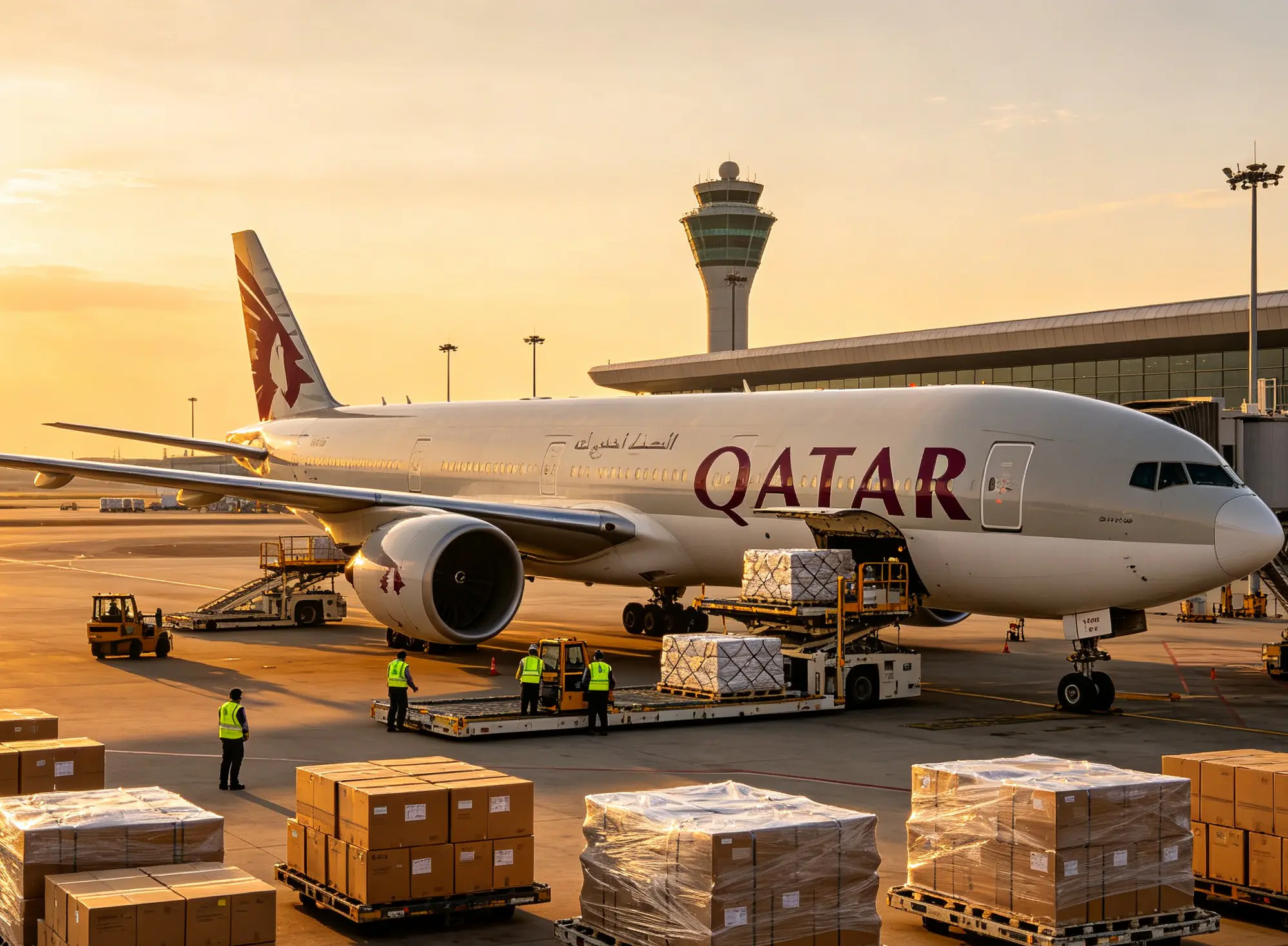
Air Freight from China to Qatar: The Complete 2026 Guide (Rates, Transit Times & DDP)
Discover air freight costs from China to Qatar ($3.50–$8.00/kg), door-to-door transit times (3–8 days), DDP options, lithium battery rules, customs clearance tips, and how to choose a reliable freight forwarder.
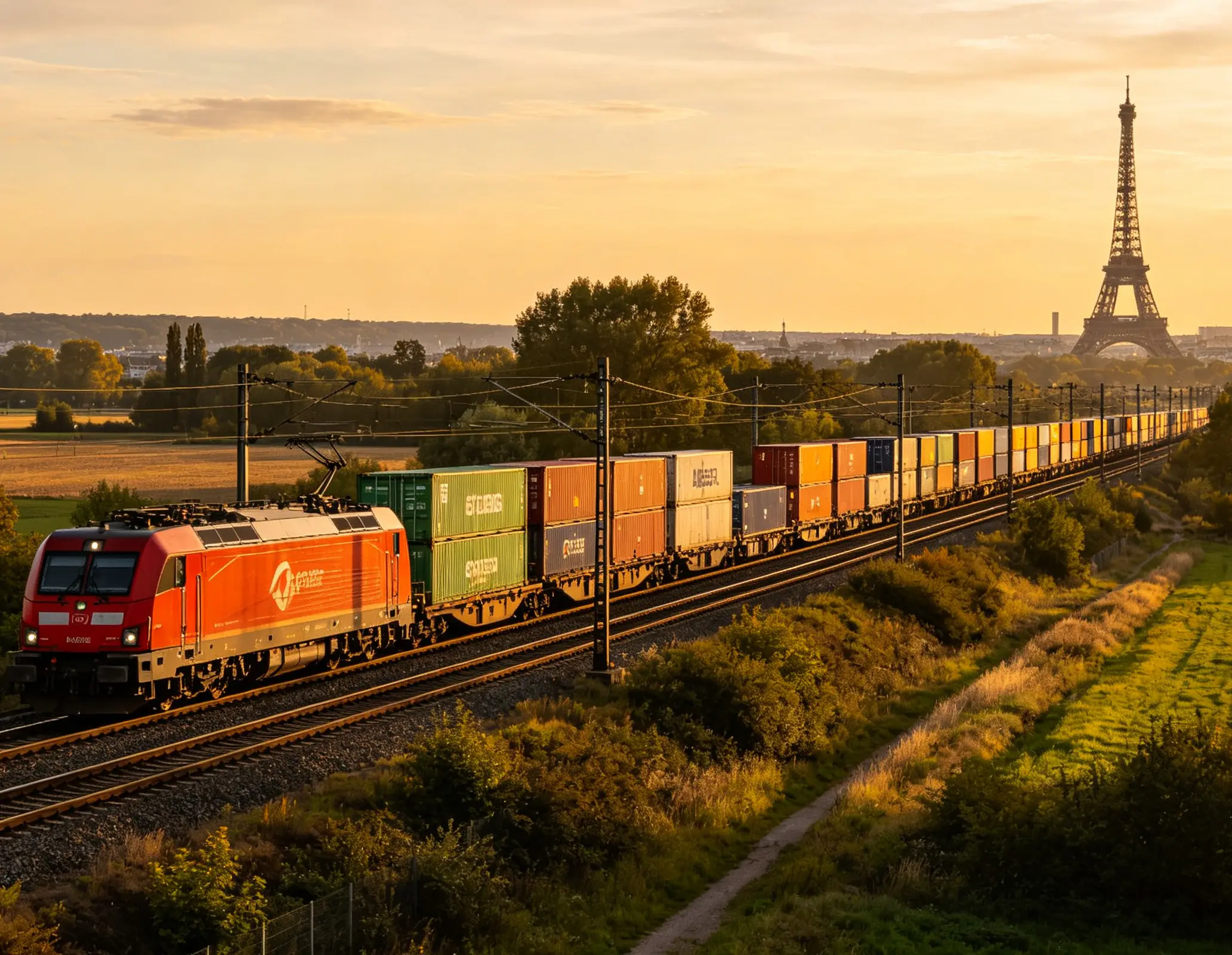
China to France Rail Freight: The Ultimate 2026 Guide on Cost, Transit Time & DDP Solutions
Discover the most cost-effective way to ship from China to France by rail. Compare FCL/LCL rates, 12-25 day transit times, and DDP services. Get a free quote from Efanda Logistics.
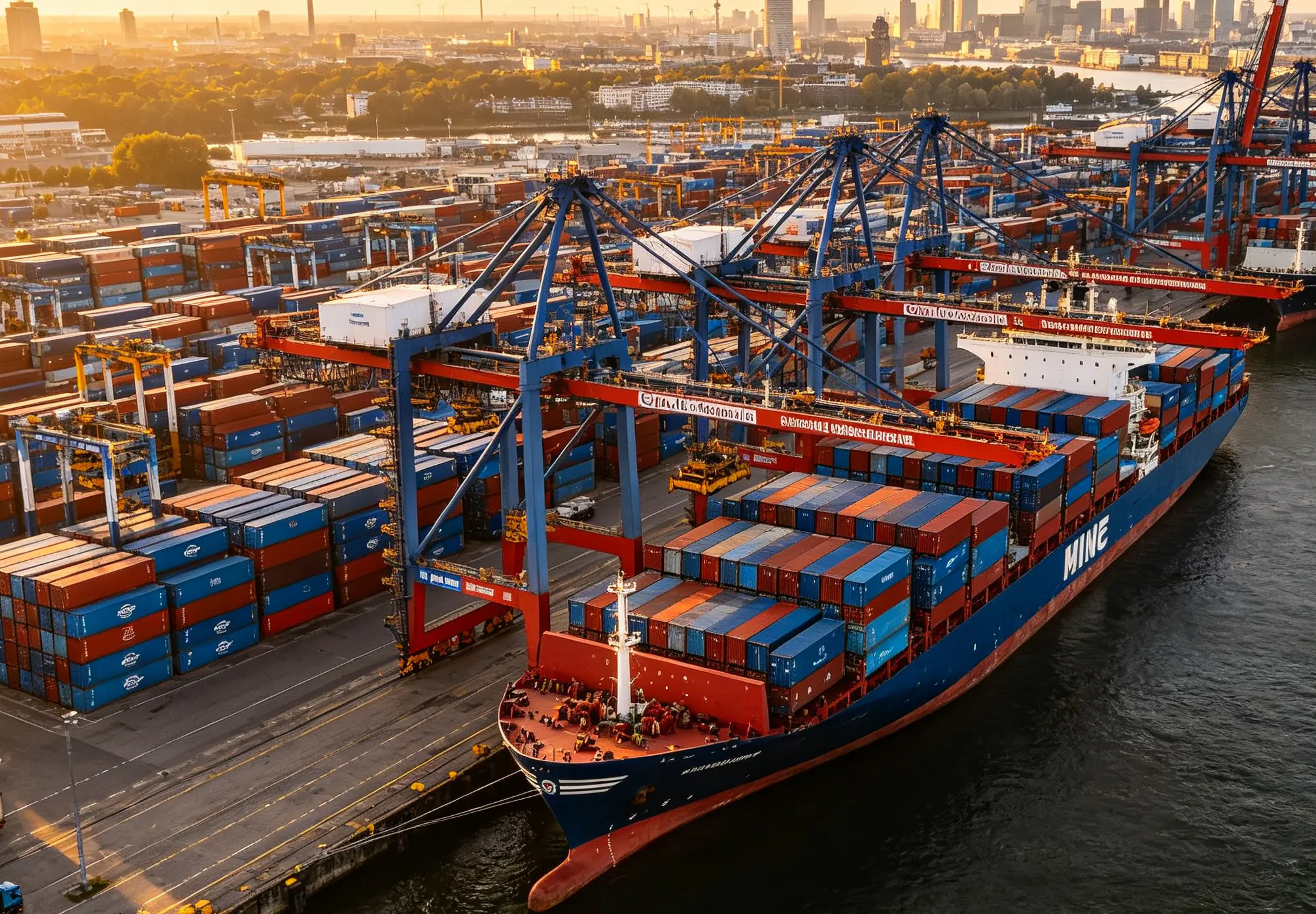
DDP Sea Shipping from China to Germany: The Complete 2026 Guide (Costs, Transit Times & Customs)
Discover DDP sea shipping costs, transit times, and customs requirements for importing from China to Germany. Compare FCL & LCL rates, learn the process, and avoid hidden fees.
Frequently Asked Questions
Find clear answers to the most common questions about shipping from China to Singapore
ransit time is relatively fast due to strong trade routes between China and Singapore:
| Shipping Method | Transit Time |
|---|---|
| Sea Freight (FCL/LCL) | 5–12 days |
| Air Freight | 1–3 days |
| Express Shipping (Courier) | 1–3 days |
| Door-to-Door Shipping | 5–15 days |
Sea freight is ideal for bulk shipments, while air and express shipping are best for urgent deliveries.
The most cost-effective option is sea freight, especially:
- FCL (Full Container Load) for large shipments
- LCL (Less than Container Load) for smaller cargo
Singapore is one of the world’s busiest transshipment hubs, which helps keep shipping costs relatively competitive.
Working with Efanda Logistics ensures optimized routes and reduced logistics costs.
To ensure smooth customs clearance, you typically need:
- Commercial Invoice
- Packing List
- Bill of Lading (B/L) or Air Waybill (AWB)
- Import Permit (via Singapore Customs)
- Certificate of Origin (if applicable)
Accurate documentation is essential to avoid customs delays or penalties.
Door-to-door shipping includes:
- Pickup from your supplier in China
- International transport (sea, air, or express)
- Customs clearance in Singapore
- Final delivery to your address
This is the most efficient and hassle-free shipping solution, especially for SMEs and eCommerce businesses.
Key logistics hubs include:
- Port of Singapore – One of the world’s largest and busiest ports
- Changi Airport – Major global air cargo hub
Singapore’s advanced infrastructure ensures fast customs clearance and efficient distribution.
Yes. Popular options include:
- Express couriers (DHL, FedEx, UPS)
- Air freight with last-mile delivery
- Postal services
Singapore’s strong eCommerce market makes it ideal for cross-border sellers and SMEs.
To optimize shipping costs:
- Use sea freight for bulk cargo
- Consolidate shipments (LCL)
- Optimize packaging to reduce volumetric weight
- Plan shipments ahead of peak seasons
- Choose appropriate Incoterms (FOB, CIF, DDP)
Partnering with Efanda Logistics ensures cost-effective and reliable logistics solutions.
When selecting a freight forwarder, consider:
| Criteria | Why It Matters |
|---|---|
| Experience in Southeast Asia logistics | Ensures smooth operations |
| Strong carrier partnerships | Provides competitive rates |
| Customs clearance expertise | Prevents delays |
| Transparent pricing | Avoids hidden costs |
| End-to-end services | Simplifies logistics |
Efanda Logistics offers reliable China–Singapore shipping solutions with competitive pricing and professional support.
Ready to Ship from China to Singapore with a Reliable Freight Forwarder?
Get a fast, transparent shipping quote tailored to your cargo, route, and delivery needs — no obligation, no hidden fees.
Shipments Handled from China
Customer Satisfaction Rate