
Shipping From China to Philipines Reliable Freight Forwarder
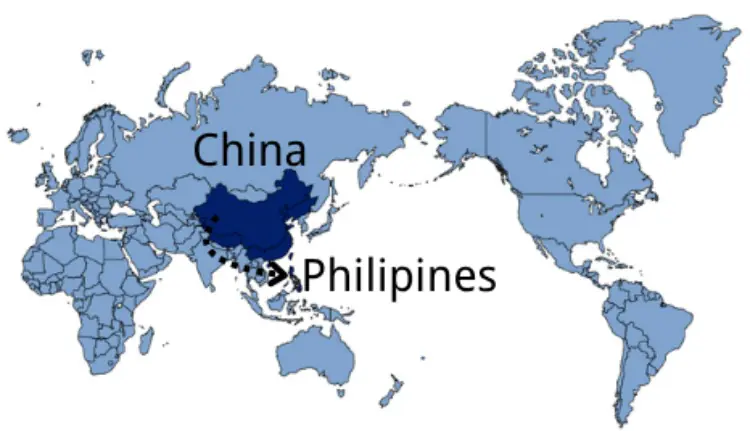
EFANDA Logistics provides professional shipping solutions from China to the Philippines, including sea freight, air freight, rail freight, and door-to-door services.
We support shipments to Manila, Cebu, Davao, and other major Philippine ports and logistics hubs, offering reliable transit times, efficient customs clearance, and competitive freight rates.
From commercial cargo to project and oversized shipments, we deliver cost-effective logistics solutions tailored to your Philippines supply chain needs. Get Your Personalized Shipping Quote Today!
Sea Freight to Philipines
Air Freight to Philipines
Dedicated Logistics Experts

Starting Price
Our Shipping Services from China to Philipines
Sea Freight, Air Freight & Door-to-Door Solutions for Philipines Importers
Sea Freight from China to Philipines
Cost-effective ocean freight for bulk and commercial shipments to Philipines. FCL & LCL available.
- Transit time: 30–45 days
- FCL & LCL available
- Support for Philipines import clearance
Competitive sea freight rates – request a quote
Air Freight from China to Philipines
Fast and secure air cargo solutions for urgent, high-value, or time-sensitive shipments to Philipines.
- Transit time: 3–7 days
- Real-time shipment tracking
- Express customs clearance
Fast air freight with transparent pricing
Door-to-Door Shipping from China to Philipines
Complete door-to-door logistics from pickup to delivery in Philipines.
- Export documentation & coordination
- Customs clearance support in Philipines
- Delivery to warehouse or final address
No hidden charges
Why Choose EFANDA Logistics for China–Philipines Shipping
Specialized freight forwarding solutions with proven experience in Philipines customs, ports, and delivery networks.
Competitive Rates
Direct contracts with carriers and optimized routing via major China ports help reduce shipping costs without hidden fees.
Fast Transit
Optimized sea and air schedules with reliable ETD/ETA, minimizing delays caused by transshipment or port congestion.
Customs Expertise
Deep understanding of Philipines import regulations, HS codes, and documentation requirements to reduce clearance risks.
24/7 Dedicated Support
Dedicated customer support team available 24/7, providing timely assistance and reliable support for all your logistics needs.
Table of Contents
Shipping from China to Philippines is one of the most common trade routes in Southeast Asia, driven by strong import demand for electronics, machinery, consumer goods, and eCommerce products. For importers and businesses, choosing the right shipping method, understanding shipping costs, and managing customs clearance are essential to ensure efficient and cost-effective logistics.
As an experienced freight forwarder China to Philippines, EFANDA Logistics provides tailored solutions including sea freight, air freight, and door to door shipping (DDP). Whether you are shipping bulk cargo or small consignments, selecting the right logistics strategy can significantly reduce your overall shipping cost from China to Philippines and improve delivery timelines.
In general, businesses must consider three key factors:
| Factor | Why It Matters |
|---|---|
| Shipping Cost | Impacts total landed cost and profit margin |
| Transit Time | Affects inventory turnover and delivery commitments |
| Customs Compliance | Avoids delays, penalties, and unexpected fees |
Sea Freight From China to Philipines
Sea freight from China to Philippines remains the most widely used shipping method for international cargo due to its low cost, scalability, and flexibility. It is especially suitable for businesses shipping large volumes or heavy goods where air freight costs would be prohibitively high.
Compared to other methods, sea freight cost from China to Philippines is significantly lower, making it the preferred option for B2B trade, wholesale shipments, and long-term supply chain operations.
When to Choose Sea Freight
Sea freight is the best option when your shipment prioritizes cost over speed. It is particularly suitable for:
- Bulk cargo and large-volume shipments
- Heavy goods such as machinery, construction materials, or industrial equipment
- Non-urgent deliveries with flexible timelines
- Businesses seeking the cheapest shipping from China to Philippines
Sea Freight vs Air Freight
| Criteria | Sea Freight | Air Freight |
|---|---|---|
| Cost | Low | High |
| Transit Time | 5–15 days | 1–5 days |
| Cargo Type | Bulk / Heavy | Urgent / High-value |
| Best For | Cost saving | Speed |
From an EEAT perspective, experienced importers often combine sea freight with proper inventory planning to optimize total logistics costs while avoiding stock shortages.
Key Ports and Routes
Understanding major shipping routes improves planning efficiency and reduces transit uncertainty. The most commonly used routes for container shipping from China to Philippines include:
Major Ports in China
- Shanghai
- Shenzhen (Yantian / Shekou)
- Ningbo
- Guangzhou (Nansha)
Major Ports in Philippines
- Manila (primary hub)
- Cebu
- Davao
Common Shipping Routes
| Origin Port | Destination Port | Transit Time |
|---|---|---|
| Shanghai | Manila | 5–8 days |
| Shenzhen | Cebu | 6–10 days |
| Ningbo | Davao | 8–12 days |
👉 These routes are optimized for both FCL shipping China to Philippines and LCL shipping China to Philippines, depending on cargo volume.
Types of Sea Freight Services
Choosing the right shipping mode is critical to balancing cost, efficiency, and cargo safety. The main types of sea freight services include:
Full Container Load (FCL)
FCL (Full Container Load) means your cargo occupies an entire container exclusively. This option is ideal for large shipments and provides better security and faster handling.
✅ Key Advantages:
- Lower cost per unit for large shipments
- Reduced risk of cargo damage
- Faster transit (no consolidation delays)
Less than Container Load (LCL)
LCL (Less than Container Load) allows multiple shippers to share container space, making it a cost-effective option for smaller shipments.
✅ Key Advantages:
- Pay only for the space you use
- Ideal for SMEs and small batch imports
- Flexible shipping frequency
⚠️ Considerations:
- Longer transit time due to consolidation
- Slightly higher risk of handling delays
Roll-on/Roll-off Ship (RoRo Ship)
RoRo shipping is specifically designed for transporting vehicles and wheeled cargo such as trucks, trailers, and heavy machinery.
Key Advantages:
- No need for container loading
- Efficient for oversized cargo
- Lower handling complexity
Air Freight From China to Philipines
Air freight from China to Philippines is the fastest shipping method for international cargo, making it ideal for time-sensitive shipments, high-value goods, and eCommerce businesses requiring quick replenishment. Compared to sea freight, air freight from China to Philippines offers significantly shorter transit times, typically within a few days.
Although the air freight cost from China to Philippines is higher, many importers choose this option to reduce inventory risks, meet tight deadlines, and maintain supply chain efficiency.
When to Choose Air Freight?
Air freight is the best solution when speed, reliability, and cargo security are top priorities. It is particularly suitable for:
- Urgent shipments with strict delivery deadlines
- High-value or fragile goods (electronics, medical devices)
- eCommerce and fast-moving consumer goods
- Small to medium-sized shipments with high turnover
Air Freight vs Sea Freight
| Criteria | Air Freight | Sea Freight |
|---|---|---|
| Transit Time | 1–5 days | 5–15 days |
| Shipping Cost | High | Low |
| Cargo Type | High-value / urgent | Bulk / heavy |
| Reliability | High | Moderate |
From an EEAT perspective, experienced freight forwarders recommend air freight when the cost of delay (lost sales, production downtime) exceeds the higher transportation cost.
Key Airports and Routes
Efficient route selection is essential to optimize air shipping time from China to Philippines and ensure stable delivery schedules.
Major Airports in China
- Guangzhou Baiyun International Airport
- Shanghai Pudong International Airport
- Shenzhen Bao’an International Airport
- Hong Kong International Airport
Major Airports in Philippines
- Ninoy Aquino International Airport (Manila)
- Mactan-Cebu International Airport
- Clark International Airport
Common Air Freight Routes
| Origin Airport | Destination Airport | Transit Time |
|---|---|---|
| Guangzhou | Manila | 1–3 days |
| Shanghai | Cebu | 2–4 days |
| Shenzhen | Clark | 2–5 days |
👉 These routes are widely used for both standard air freight and express shipping services (DHL, FedEx, UPS).
Types of Air Freight Services
Understanding different service levels helps businesses balance cost and speed when choosing air cargo shipping from China to Philippines.
Standard Air Freight
This is the most common option for B2B shipments that require faster delivery than sea freight but are not extremely urgent.
✅ Features:
- Cost-effective compared to express
- Suitable for medium-priority shipments
- Stable scheduling with airlines
Express Air Freight
Express services are provided by global couriers such as DHL, FedEx, and UPS, offering the fastest delivery options.
✅ Features:
- Door-to-door delivery included
- Transit time: 1–3 days
- Real-time tracking
⚠️ Consideration:
- Highest cost among all shipping methods
Consolidated Air Freight
This service combines multiple shipments into one cargo load, reducing costs for smaller shipments.
✅ Features:
- Lower cost than direct air freight
- Ideal for SMEs
- Slightly longer transit time
Door to Door Shipping from China to Philipines
Door to door shipping from China to Philippines is a fully managed logistics solution where the freight forwarder handles the entire shipping process—from supplier pickup in China to final delivery at the consignee’s address in the Philippines.
This service is especially popular among importers who prefer a hassle-free logistics solution, as it includes transportation, customs clearance, and final delivery.
What Is Included in Door to Door Shipping?
A professional door to door shipping service China to Philippines typically covers:
- Cargo pickup from supplier or factory
- Export customs clearance in China
- International transportation (sea freight or air freight)
- Import customs clearance in Philippines
- Last-mile delivery to final destination
DDP Shipping (Delivered Duty Paid)
One of the most popular door-to-door solutions is DDP shipping from China to Philippines, where all duties and taxes are prepaid by the shipper or freight forwarder.
✅ Advantages of DDP Shipping:
- No need for importer to handle customs clearance
- All taxes and duties included
- Predictable total landed cost
- Faster and smoother delivery process
DDP vs Traditional Shipping
| Service Type | Customs Clearance | Tax Handling | Complexity |
|---|---|---|---|
| DDP Shipping | Included | Included | Low |
| Traditional Shipping | Importer handles | Separate payment | High |
When to Choose Door to Door Shipping?
Door to door shipping is ideal for:
- First-time importers unfamiliar with customs procedures
- eCommerce businesses needing reliable fulfillment
- SMEs without in-house logistics teams
- Shipments requiring end-to-end tracking and convenience
From an EEAT perspective, experienced logistics providers like EFANDA recommend door to door shipping as the most efficient solution for reducing operational complexity and avoiding costly customs delays.
Shipping Costs From China to Philipines
Understanding the shipping cost from China to Philippines is essential for importers to estimate total landed costs and maintain profit margins. Shipping costs vary depending on several factors, including cargo volume, weight, shipping method (sea freight or air freight), service type (FCL, LCL, express), and additional charges such as customs duties and local delivery fees.
In general, sea freight from China to Philippines offers the lowest cost for large shipments, while air freight provides faster delivery at a higher price.
Key Factors Affecting Shipping Costs
| Factor | Impact on Cost |
|---|---|
| Shipping Method | Air freight is significantly more expensive than sea freight |
| Cargo Volume / Weight | Larger shipments reduce cost per unit |
| Service Type | FCL is cheaper than LCL for bulk cargo |
| Fuel & Season | Peak seasons increase freight rates |
| Customs & Duties | Additional import taxes in Philippines |
From an EEAT perspective, experienced freight forwarders recommend calculating both transportation cost and hidden costs (customs, handling, delivery) to avoid unexpected expenses.
Sea Freight Cost From China to Philippines
Sea freight is widely considered the cheapest shipping from China to Philippines, especially for bulk cargo and container shipments. The cost depends on whether you choose FCL (Full Container Load) or LCL (Less than Container Load).
Estimated Sea Freight Cost
| Shipping Type | Price Range | Best For |
|---|---|---|
| FCL (20ft Container) | $800 – $1,800 | Large shipments |
| FCL (40ft Container) | $1,200 – $2,500 | Bulk cargo |
| LCL (per CBM) | $80 – $150 / CBM | Small shipments |
✅ Key Insights:
- FCL offers the lowest cost per unit for large-volume shipments
- LCL is flexible but may include consolidation and handling fees
- Port charges and destination fees in Manila/Cebu may vary
From industry experience, businesses importing regularly often switch from LCL to FCL once shipment volume increases, significantly reducing long-term logistics costs.
Air Freight Cost From China to Philippines
Air freight is the fastest but most expensive shipping option. The air freight cost from China to Philippines is typically calculated based on chargeable weight (actual weight vs volumetric weight).
Estimated Air Freight Cost
| Service Type | Price Range | Transit Time |
|---|---|---|
| Standard Air Freight | $4 – $8 per kg | 3–5 days |
| Express Shipping (DHL/FedEx) | $6 – $12 per kg | 1–3 days |
Cost Considerations:
- Higher cost but faster delivery
- Ideal for high-value or urgent goods
- Additional surcharges may apply (fuel, security, peak season)
Shipping Time From China to Philipines
Shipping time is another critical factor for businesses managing inventory and supply chain operations. The shipping time from China to Philippines depends mainly on the shipping method, route, customs clearance efficiency, and seasonal factors.
In general:
- Sea freight transit time is longer but cost-effective
- Air freight transit time is significantly faster but more expensive
Sea Shipping Time From China to Philippines
Sea freight transit time varies depending on the origin port, destination port, and whether the shipment is direct or transshipment.
Estimated Sea Freight Transit Time
| Route | Transit Time |
|---|---|
| Shanghai → Manila | 5 – 8 days |
| Shenzhen → Cebu | 6 – 10 days |
| Ningbo → Davao | 8 – 12 days |
Key Factors Affecting Sea Shipping Time:
- Port congestion and shipping schedules
- Customs clearance delays
- Weather conditions and peak seasons
From an EEAT perspective, reliable freight forwarders optimize routes and schedules to minimize delays and ensure stable delivery timelines.
Air Shipping Time From China to Philippines
Air freight offers the fastest shipping time from China to Philippines, making it ideal for urgent shipments and time-sensitive supply chains.
Estimated Air Freight Transit Time
| Service Type | Transit Time |
|---|---|
| Standard Air Freight | 3 – 5 days |
| Express Shipping | 1 – 3 days |
Key Considerations:
- Faster customs clearance compared to sea freight
- Flight availability affects delivery speed
- Express services provide door-to-door delivery
Customs Clearance & Documents Required
Customs clearance is a critical step in shipping from China to Philippines, as it directly affects delivery time, total shipping cost, and compliance with local import regulations. Proper documentation and accurate declaration are essential to avoid delays, penalties, or cargo holds.
For businesses importing goods, understanding customs clearance Philippines requirements ensures smooth logistics operations and reduces risks in international shipping.
Required Documents for Shipping to Philippines
To complete customs clearance from China to Philippines, the following documents are typically required:
| Document | Description |
|---|---|
| Commercial Invoice | Details of goods, value, and transaction terms |
| Packing List | Breakdown of cargo, weight, and dimensions |
| Bill of Lading (B/L) | Proof of shipment for sea freight |
| Air Waybill (AWB) | Required for air freight shipments |
| Import License (if applicable) | Required for regulated goods |
| Certificate of Origin | Used for tariff calculation |
Duties, Taxes, and Import Regulations
When importing goods, businesses must comply with Philippines import duties and taxes, which are calculated based on:
- HS Code classification
- Declared cargo value (CIF value)
- Type of goods
Typical Import Cost Components
| Cost Type | Description |
|---|---|
| Import Duty | Based on product category |
| VAT (Value Added Tax) | Usually around 12% |
| Customs Processing Fees | Local administrative charges |
From an EEAT perspective, experienced freight forwarders ensure accurate HS code classification and declaration to prevent overpayment or customs disputes.
Customs Clearance Process (Simplified)
The customs clearance process in Philippines typically includes:
- Submission of shipping documents
- Cargo inspection (if required)
- Duty and tax assessment
- Payment of import charges
- Cargo release and delivery
👉 Choosing a professional freight forwarder China to Philippines can significantly simplify this process, especially when using DDP shipping, where customs clearance and taxes are handled on your behalf.
✅ Pro Tip
For businesses new to importing, using door to door shipping China to Philippines (DDP) is the safest option, as it minimizes compliance risks and ensures predictable total shipping costs.
Common Mistakes When Shipping From China to Philipines
Avoiding common mistakes is essential for reducing delays, unexpected costs, and operational disruptions. Many importers—especially beginners—face issues due to lack of experience in international shipping from China to Philippines.
Below are the most frequent mistakes and how to avoid them.
⚠️ 1. Incorrect HS Code Classification
Using the wrong HS code can result in:
- Incorrect duty calculation
- Customs delays or penalties
Work with an experienced freight forwarder to ensure accurate classification.
⚠️ 2. Underestimating Total Shipping Cost
Many businesses only consider freight charges and ignore:
- Customs duties
- Local handling fees
- Delivery charges
📊 Hidden Costs Overview
| Cost Type | Often Overlooked |
|---|---|
| Import Duties | Yes |
| VAT | Yes |
| Port Charges | Yes |
| Delivery Fees | Yes |
⚠️ 3. Choosing the Wrong Shipping Method
Selecting between sea freight and air freight without proper analysis can lead to:
- Higher costs
- Delayed deliveries
- Use sea freight for bulk cargo
- Use air freight for urgent shipments
⚠️ 4. Incomplete or Incorrect Documentation
Missing or incorrect documents can cause:
- Customs clearance delays
- Shipment holds
Ensure all shipping documents required for Philippines are complete and accurate before shipment.
⚠️ 5. Ignoring Customs Regulations
Failure to comply with Philippines import regulations may result in:
- Fines or penalties
- Cargo confiscation
- Restricted goods
- Import licenses
⚠️ 6. Not Using a Reliable Freight Forwarder
Choosing an inexperienced logistics provider can lead to:
- Poor communication
- Delays and hidden costs
- Lack of customs expertise
Experienced importers reduce risks by:
- Working with professional freight forwarders
- Choosing DDP shipping China to Philippines for simplicity
- Planning shipments in advance to avoid peak season delays
How to Choose the Right Freight Forwarder
Choosing the right freight forwarder from China to Philippines is one of the most important decisions for importers and businesses. A reliable logistics partner not only ensures smooth transportation but also helps optimize shipping cost from China to Philippines, reduce transit risks, and handle complex customs procedures.
With many options available, businesses should evaluate freight forwarders based on experience, service capabilities, pricing transparency, and expertise in international shipping China to Philippines.
From an EEAT perspective, working with a professional and experienced forwarder significantly reduces shipping delays, customs issues, and unexpected costs.
Key Criteria When Selecting a Forwarder
To select the best freight forwarder China to Philippines, consider the following key criteria:
Freight Forwarder Evaluation Checklist
| Criteria | Why It Matters |
|---|---|
| Experience in Philippines Shipping | Ensures familiarity with local customs regulations and routes |
| Service Range | Ability to offer sea freight, air freight, and door to door shipping |
| Pricing Transparency | Avoids hidden costs and unexpected charges |
| Customs Clearance Expertise | Reduces risk of delays and penalties |
| Network & Partnerships | Strong carrier network ensures stable schedules |
| Customer Support | Real-time communication and tracking |
1. Experience in China–Philippines Shipping
A forwarder with proven experience in shipping from China to Philippines understands:
- Local port operations (Manila, Cebu, Davao)
- Import regulations and customs clearance procedures
- Optimal routes for cost and time efficiency
2. Full-Service Capability (End-to-End Solutions)
A reliable provider should offer:
- Sea freight (FCL / LCL)
- Air freight (standard / express)
- Door to door shipping (DDP)
👉 This ensures flexibility in choosing the best shipping method from China to Philippines based on cargo type and urgency.
3. Transparent Pricing Structure
Hidden costs are a common issue in international shipping. A professional forwarder provides:
- Clear quotations
- Breakdown of charges (freight, customs, delivery)
- Accurate shipping cost estimates China to Philippines
4. Strong Customs Clearance Capability
Efficient handling of customs clearance Philippines is critical. The forwarder should:
- Ensure correct HS code classification
- Prepare all required shipping documents
- Handle duties and taxes (especially for DDP shipments)
5. Door-to-Door & DDP Expertise
For hassle-free logistics, many businesses prefer:
- door to door shipping China to Philippines
- DDP shipping China to Philippines
👉 This reduces operational complexity and ensures smooth delivery.
Experienced importers prioritize freight forwarders who:
- Have real case experience in Philippines shipping
- Provide reliable transit times and cost estimates
- Offer end-to-end logistics solutions
Why Work With EFANDA Logistics
EFANDA Logistics is a trusted freight forwarder China to Philippines, providing professional, reliable, and cost-effective shipping solutions tailored for global importers and businesses.
With extensive experience in international shipping from China to Philippines, EFANDA helps clients optimize shipping costs, reduce transit time, and simplify the entire logistics process.
Comprehensive Shipping Solutions
EFANDA offers a full range of logistics services, including:
- Sea freight (FCL & LCL shipping)
- Air freight (standard & express shipping)
- Door to door shipping (DDP service)
👉 This allows customers to choose the most efficient shipping method from China to Philippines based on their needs.
Competitive & Transparent Pricing
We provide clear and competitive pricing for:
- sea freight cost from China to Philippines
- air freight cost per kg Philippines
- Full landed cost (including customs and delivery)
Pricing Advantage Overview
| Feature | EFANDA Advantage |
|---|---|
| Transparent Quotes | No hidden fees |
| Cost Optimization | Best route & method selection |
| Flexible Options | FCL, LCL, Air, DDP |
Strong Door-to-Door (DDP) Capability
EFANDA specializes in door to door shipping China to Philippines, including:
- Customs clearance handling
- Duties and tax management
- Final delivery to consignee
👉 Our DDP shipping solutions ensure a smooth and hassle-free experience for importers.
Professional Customs Clearance Support
With deep expertise in customs clearance Philippines, EFANDA ensures:
- Accurate documentation
- Fast clearance process
- Compliance with import regulations
This minimizes delays and reduces risk for your shipments.
Reliable Shipping Time & Global Network
Through strong partnerships with major carriers and airlines, EFANDA provides:
- Stable shipping time from China to Philippines
- Optimized routes for faster delivery
- Real-time tracking and updates
Customer-Focused Service
We are committed to delivering high-quality logistics services with:
- Fast response time
- Dedicated support team
- Customized shipping solutions
EFANDA Logistics stands out by offering:
- Proven experience in China–Philippines shipping
- End-to-end logistics solutions
- Transparent pricing and reliable service
- Strong customs and DDP expertise
👉 For businesses seeking a reliable freight forwarder from China to Philippines, EFANDA provides a complete, efficient, and cost-effective logistics solution.
Related Articles
China to Philipines Shipping Guides & Resources
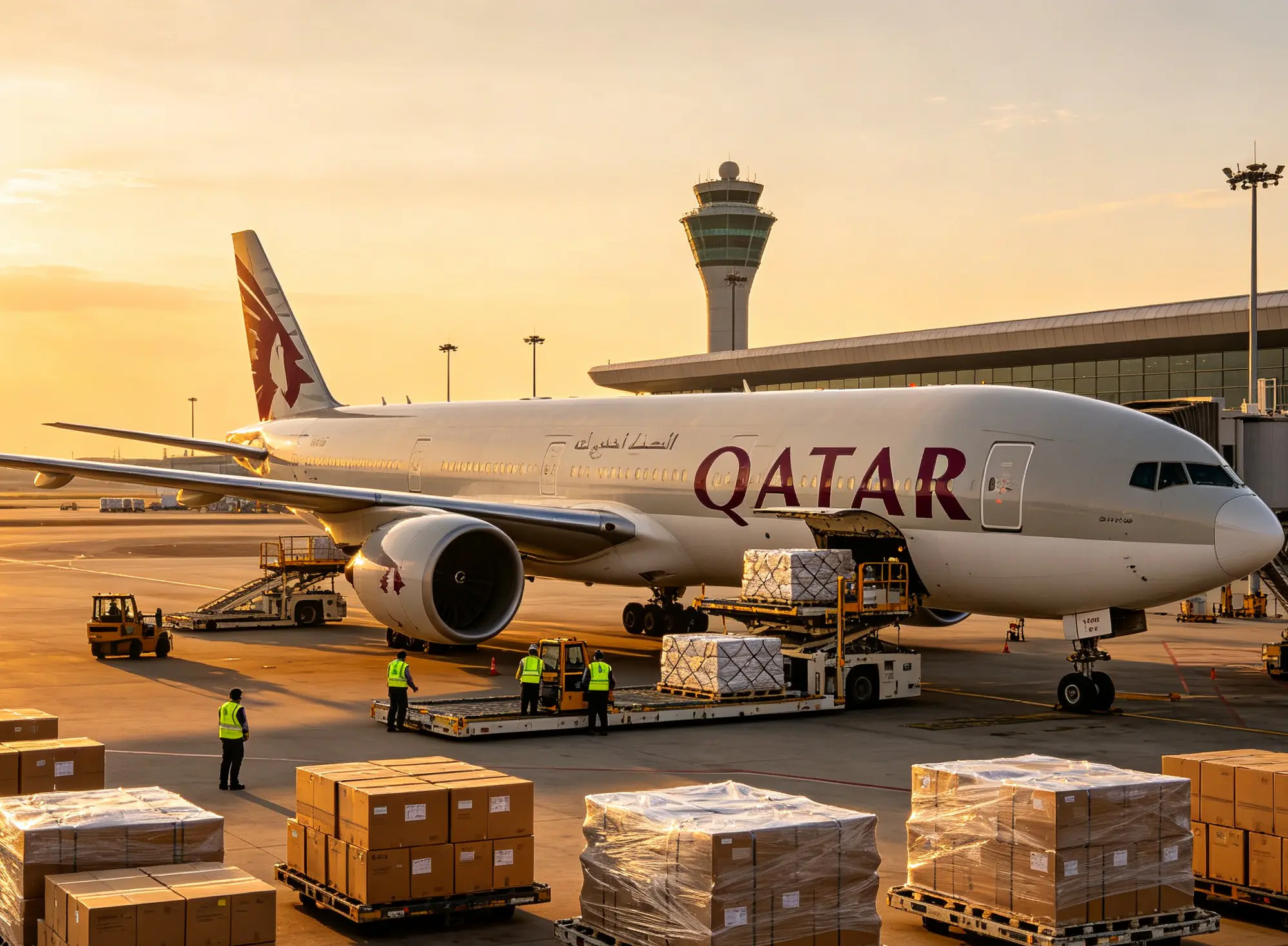
Air Freight from China to Qatar: The Complete 2026 Guide (Rates, Transit Times & DDP)
Discover air freight costs from China to Qatar ($3.50–$8.00/kg), door-to-door transit times (3–8 days), DDP options, lithium battery rules, customs clearance tips, and how to choose a reliable freight forwarder.
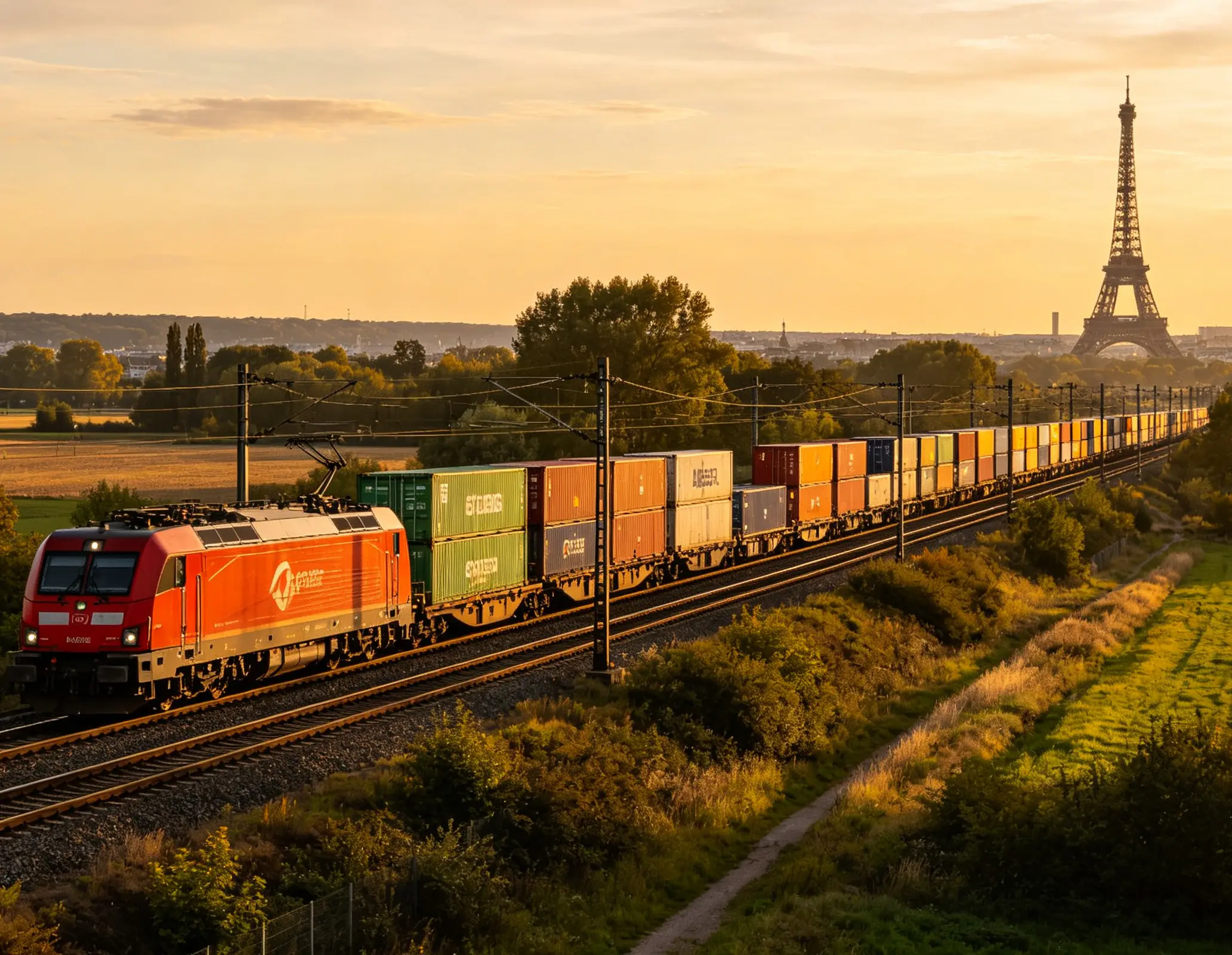
China to France Rail Freight: The Ultimate 2026 Guide on Cost, Transit Time & DDP Solutions
Discover the most cost-effective way to ship from China to France by rail. Compare FCL/LCL rates, 12-25 day transit times, and DDP services. Get a free quote from Efanda Logistics.
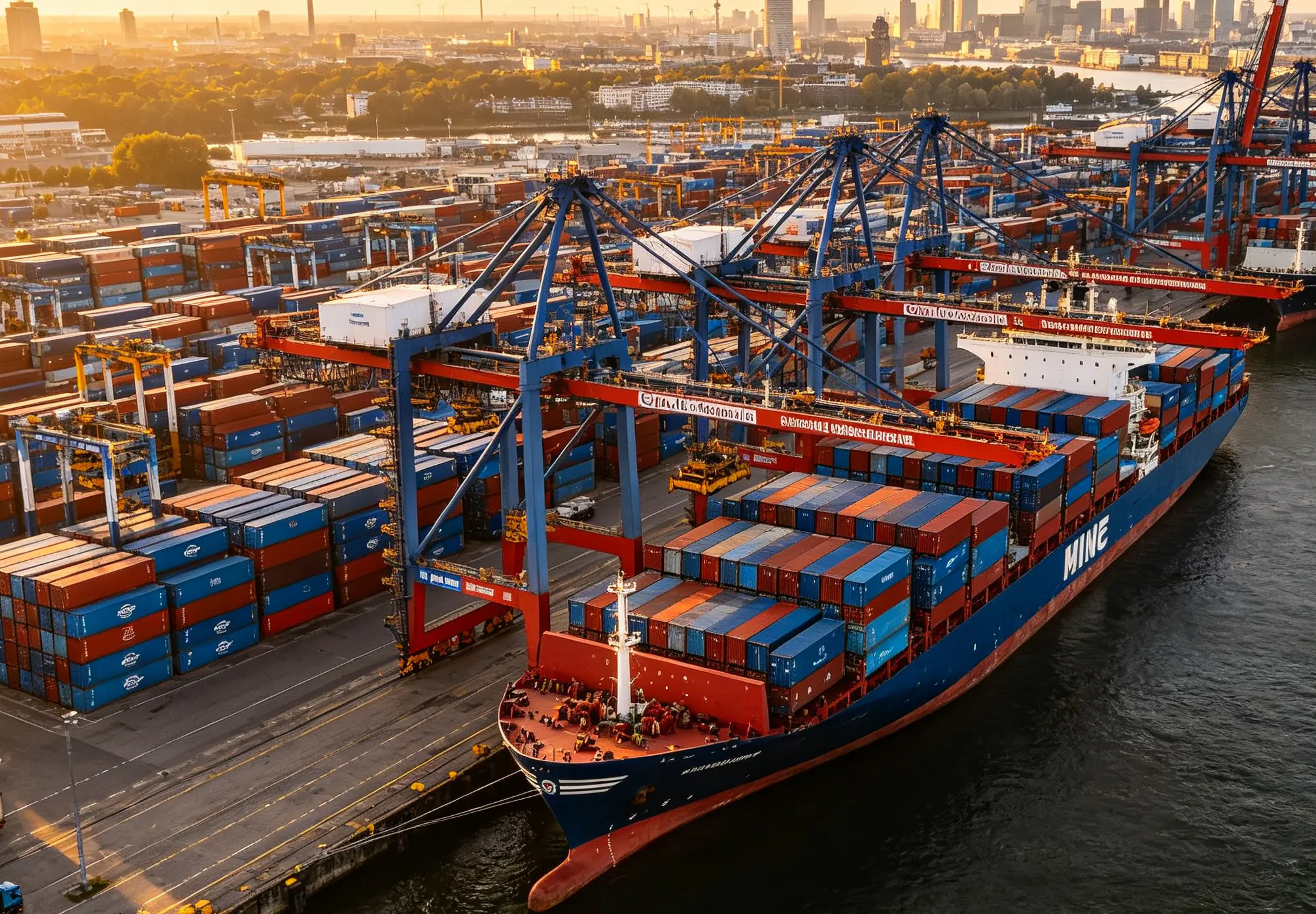
DDP Sea Shipping from China to Germany: The Complete 2026 Guide (Costs, Transit Times & Customs)
Discover DDP sea shipping costs, transit times, and customs requirements for importing from China to Germany. Compare FCL & LCL rates, learn the process, and avoid hidden fees.
Frequently Asked Questions
Find clear answers to the most common questions about shipping from China to Philipines
Transit time depends on the shipping method and route:
| Shipping Method | Transit Time |
|---|---|
| Sea Freight (FCL/LCL) | 5–15 days |
| Air Freight | 2–5 days |
| Express Shipping (Courier) | 1–3 days |
| Door-to-Door Shipping | 7–18 days |
Sea freight is the most popular option for bulk cargo, while air and express shipping are ideal for urgent deliveries.
The most cost-effective shipping method is sea freight, especially:
- FCL (Full Container Load) for large shipments
- LCL (Less than Container Load) for smaller cargo
The Philippines’ proximity to China and frequent shipping routes make sea freight highly affordable.
Working with Efanda Logistics ensures optimized routes and competitive pricing.
To ensure smooth customs clearance, you will need:
- Commercial Invoice
- Packing List
- Bill of Lading (B/L) or Air Waybill (AWB)
- Import Declaration
- Certificate of Origin (if applicable)
- Import Permit (for regulated goods)
Incomplete documentation is a common cause of delays, so accuracy is essential.
Yes. Imports into the Philippines are subject to:
- Import Duty (based on HS Code and product category)
- VAT (Value Added Tax) – typically 12%
- Additional taxes may apply depending on the type of goods
Working with a professional freight forwarder helps ensure proper tax calculation and compliance.
Door-to-door shipping includes:
- Pickup from your supplier in China
- International transport (sea, air, or express)
- Customs clearance in the Philippines
- Final delivery to your address
This is the most convenient and hassle-free shipping solution, especially for SMEs and eCommerce sellers.
Key logistics hubs include:
- Manila Port – Primary international gateway
- Cebu Port – Major central Philippines hub
- Davao Port – Key southern hub
Main airports:
- Ninoy Aquino International Airport (Manila)
- Mactan-Cebu International Airport
Choosing the right entry point helps reduce shipping time and costs.
To optimize shipping costs:
- Use sea freight for bulk cargo
- Consolidate shipments (LCL)
- Optimize packaging to reduce volumetric weight
- Plan shipments in advance
- Choose appropriate Incoterms (FOB, CIF, DDP)
Partnering with Efanda Logistics helps you reduce costs while ensuring reliable delivery.
Key factors to consider:
| Criteria | Why It Matters |
|---|---|
| Experience in Southeast Asia logistics | Ensures smooth operations |
| Customs clearance expertise | Avoids delays and penalties |
| Strong carrier partnerships | Secures competitive rates |
| Transparent pricing | Prevents hidden costs |
| End-to-end services | Simplifies logistics |
Efanda Logistics provides reliable China–Philippines shipping solutions with professional support.
Ready to Ship from China to Philipines with a Reliable Freight Forwarder?
Get a fast, transparent shipping quote tailored to your cargo, route, and delivery needs — no obligation, no hidden fees.
Shipments Handled from China
Customer Satisfaction Rate