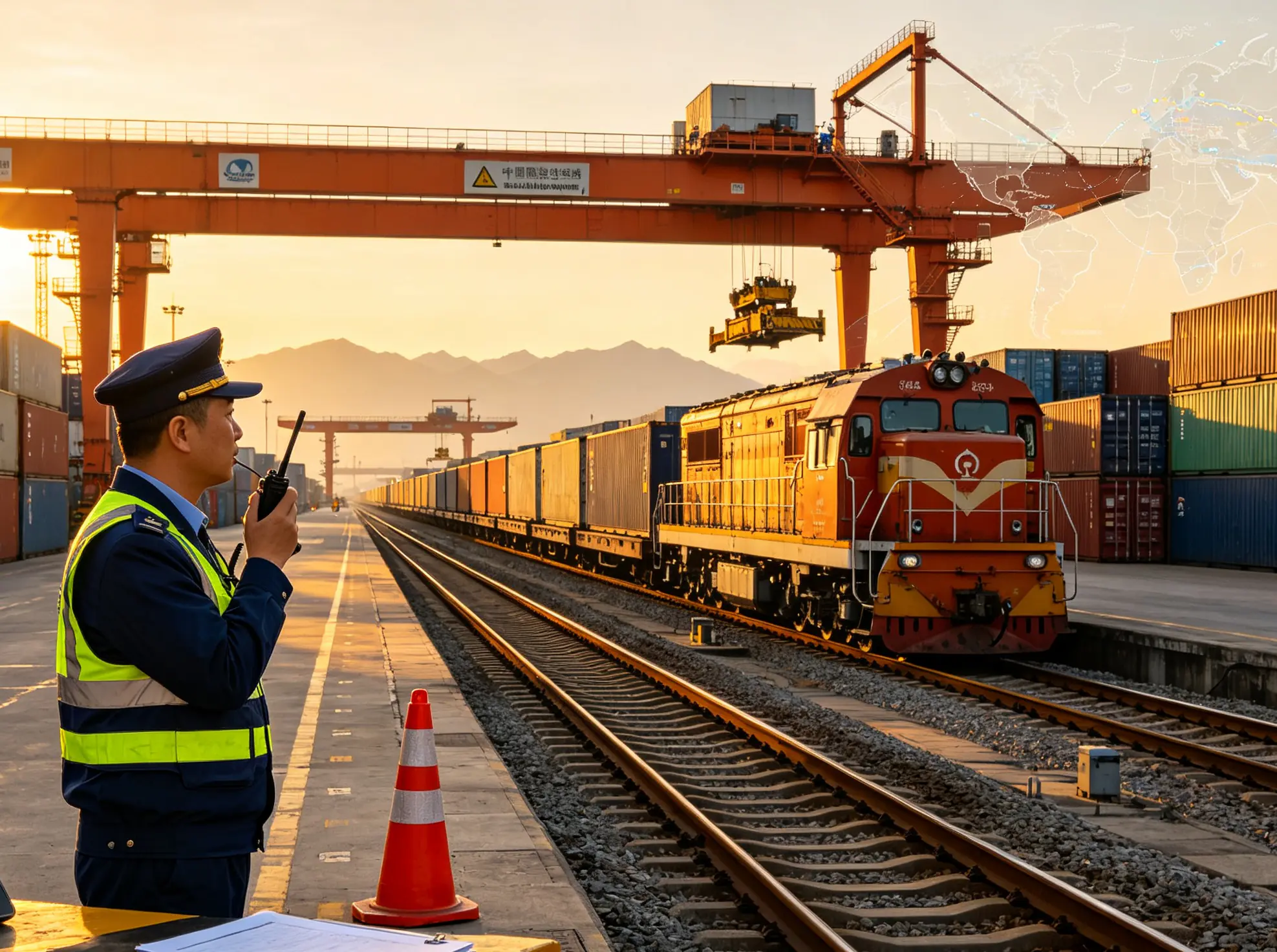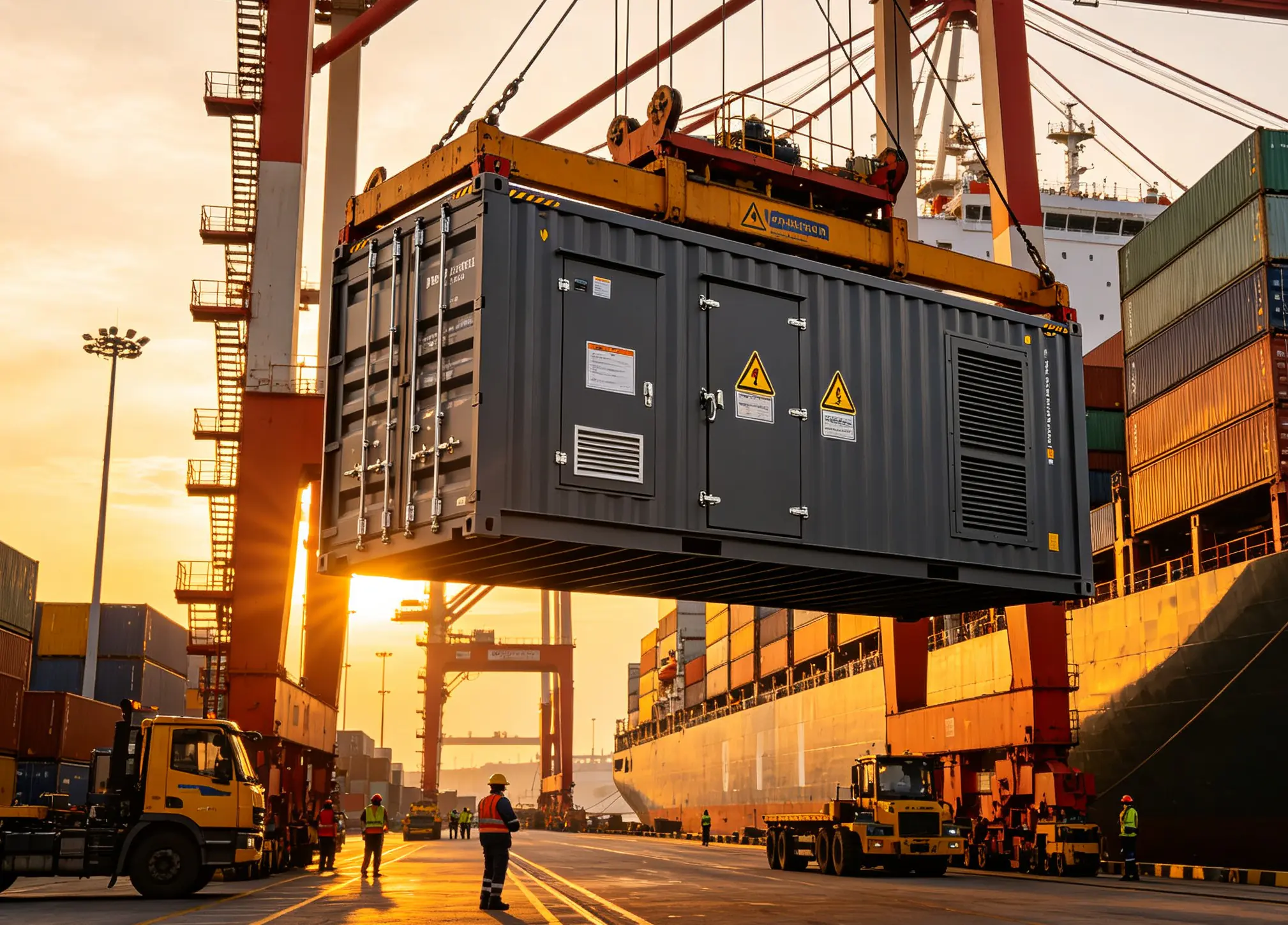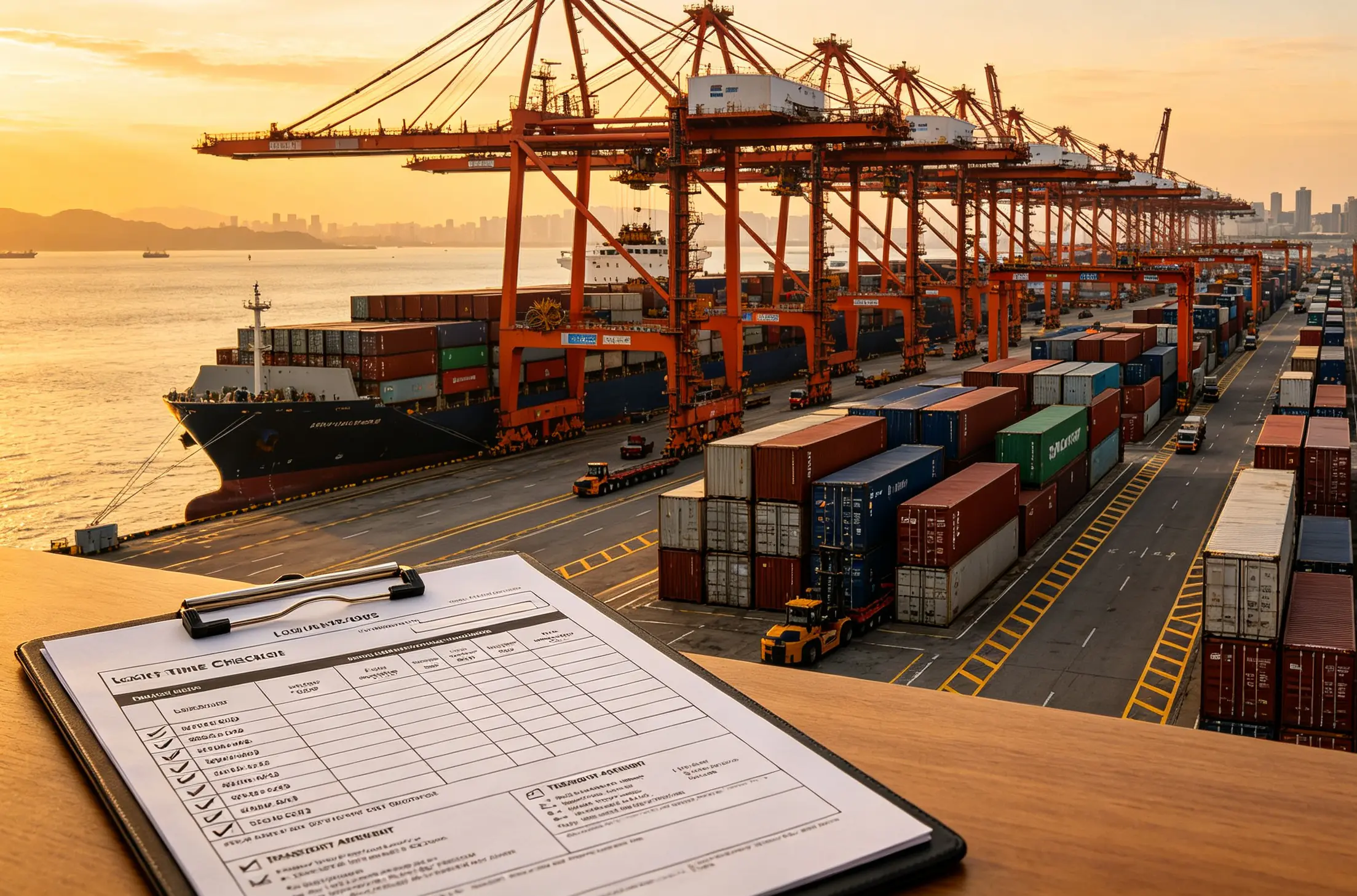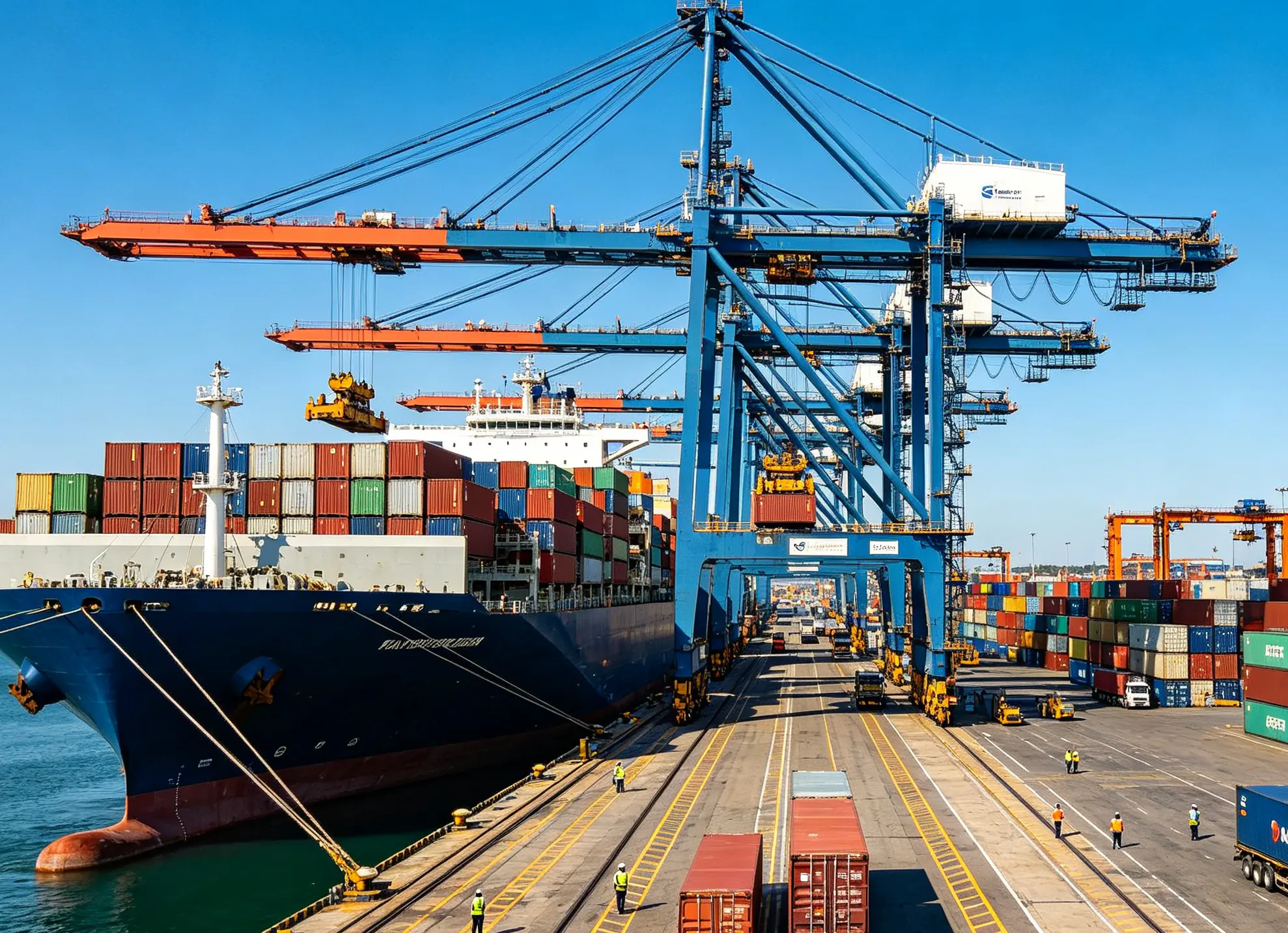
What does it really cost to move a full container from Shenzhen to Alexandria in 2026 — and what happens to your cargo if it arrives without an ACID number? FCL Shipping from China to Egypt is the backbone of China–Africa trade, but the route comes with rules you won’t find on most shipping lanes: a mandatory 19-digit pre-shipment registration, a 14% VAT applied on landed value, and a Red Sea corridor that can add two weeks to your schedule overnight. Short answer: as of September 2026, ocean freight for a 20ft container runs $2,739–$3,347 and a 40ft container $3,227–$3,944 port-to-port, with 18–25 days transit on a Suez-direct routing. In this guide, we break down real rates by port, transit times under both routing scenarios, container selection, Egypt’s ACID requirement, customs duties, and the hidden charges that quietly inflate FCL budgets — everything you need to ship a full container without surprises.
Rate disclaimer: All figures reflect market conditions as of September 2026 and are indicative only. Ocean freight rates on this corridor fluctuate weekly with demand, capacity, and geopolitical conditions. Always confirm a live quote before booking — most quotes are valid for just 2–3 weeks.
What Is FCL Shipping? Full Container Load Explained
FCL (Full Container Load) means one shipper books an entire container exclusively for their own cargo. The container is sealed at the supplier’s factory or warehouse in China and stays sealed until it reaches your dock in Egypt — no consolidation, no handling of your goods alongside strangers’ shipments.
That exclusivity is why FCL dominates the China–Egypt trade lane. Importers moving machinery, building materials, furniture, or textiles in commercial volumes get predictable transit times, better cargo security, and a lower cost per cubic meter than LCL (Less than Container Load), where your goods share container space with other importers.
Container Types: 20ft, 40ft, and 40ft High Cube
| Container Type | Capacity | Max Payload | Typical Cargo |
|---|---|---|---|
| 20ft (20GP / TEU) | ~28 CBM | 25–28 tons | Machinery, tiles, stone, steel parts, hardware |
| 40ft (40GP / FEU) | ~56 CBM | 28–30 tons | Furniture, textiles, consumer goods |
| 40ft High Cube (40HQ) | ~68 CBM | 28–30 tons | Bulky, lightweight cargo: display racks, foam products |
Choosing the wrong box is one of the most common ways importers overpay. Here’s the logic we use with clients:
- Heavy, dense cargo (machinery, ceramics, metals) → 20ft. You’ll hit the weight limit long before you fill the box.
- Large-volume cargo (furniture, textiles) → 40ft. The 40ft costs more in total but far less per CBM.
- Bulky but lightweight (flat-pack furniture, promotional displays) → 40HQ. The extra foot of height is nearly free loading space.
- Under ~15–18 CBM? Compare against LCL before booking. Once your cargo approaches half a container, FCL usually wins on both price and speed — LCL adds consolidation and deconsolidation days, and one delayed importer in a shared container can hold up everyone’s clearance at the Egyptian port.
If you are still weighing shared container space against booking a full box, our sea freight from China service covers both FCL and LCL with lane-specific guidance.
FCL Shipping Cost from China to Egypt: 2026 Rates
As of September 2026, port-to-port ocean freight on this corridor runs $2,739–$3,347 for a 20GP and $3,227–$3,944 for a 40GP — down roughly 18% from August as carriers adjusted capacity on the China–Mediterranean lane.
Rates vary by origin port. Ningbo and Shanghai typically price lowest thanks to dense sailing schedules and intense carrier competition, while Shenzhen and Guangzhou carry a small premium for the convenience of loading near Pearl River Delta factories.
| Origin Port | 20GP | 40GP | 40HQ |
|---|---|---|---|
| Shanghai → Alexandria / Port Said | $2,600–$3,700 | $3,100–$4,500 | $3,300–$4,800 |
| Ningbo → Alexandria / Port Said | $2,400–$3,500 | $2,900–$4,300 | $3,100–$4,600 |
| Shenzhen → Alexandria / Port Said | $2,700–$3,900 | $3,200–$4,700 | $3,400–$5,000 |
| Guangzhou → Port Said | $2,700–$3,750 | $3,200–$4,600 | $3,400–$4,900 |
| Qingdao → Alexandria | $2,800–$3,950 | $3,300–$4,850 | $3,500–$5,150 |
| Tianjin → Alexandria | $2,900–$4,000 | $3,400–$5,000 | $3,600–$5,300 |
Indicative port-to-port ranges, September 2026. Confirm a live quote at booking.
What the Ocean Freight Price Does (and Doesn’t) Include
The rate above covers only port-to-port carriage. A realistic total landed cost for a full container adds:
| Cost Component | Typical Range | Notes |
|---|---|---|
| Supplier pickup + export clearance (China) | $300–$800 | Depends on factory distance from port |
| Origin THC, B/L fee, documentation | $150–$350 | Sometimes bundled into freight |
| Ocean freight | See table above | Port-to-port only |
| Destination THC + Egyptian port fees | $150–$300 | Charged at Alexandria/Port Said/Sokhna |
| Customs clearance (broker) | $100–$250 | More if inspection occurs |
| Import duty + 14% VAT | 5–35% + 14% of CIF value | By HS code — see below |
| Inland trucking to Cairo/Giza | $200–$800 | Sokhna usually cheapest for Cairo |
Egypt’s Import Duty and VAT
Egypt assesses duties on CIF value (goods + freight + insurance), then applies 14% VAT on top of the duty-paid value. Duty rates by category:
| Product Category | Estimated Duty | VAT |
|---|---|---|
| Machinery | 2–15% | 14% |
| Textiles | 5–20% | 14% |
| Electronics | 10–30% | 14% |
| Agricultural products | 0–10% | 14% |
| Automotive parts | 10–35% | 14% |
Worked example: a $10,000 CIF machinery shipment at a 10% duty pays $1,000 duty, then 14% VAT on $11,000 = $1,540 — $2,540 in taxes, or 25.4% of cargo value. Some categories push the combined burden toward 50% of value, which is why under-declaring invoices is both common and dangerous: Egyptian customs scrutinizes valuations, and penalties plus seizure will cost far more than the duty saved. Verify your HS Code classification before shipping, not after.
How Long Does FCL Shipping Take? Transit Times and Red Sea Routing
On a Suez-direct routing, plan for 18–25 days port-to-port for FCL — LCL takes noticeably longer (35–49 days) due to consolidation. Your origin port matters:
| Route | Transit Time |
|---|---|
| Shenzhen / Guangzhou → Sokhna | 20–25 days |
| Shanghai / Ningbo → Sokhna | 22–28 days |
| Shenzhen / Guangzhou → Alexandria / Damietta | 25–30 days |
| Shanghai / Ningbo → Alexandria / Damietta | 28–35 days |
| Qingdao / Tianjin → Alexandria | 32–40 days |
For a port-by-port breakdown of schedules and sailing frequency on this lane, read our dedicated analysis of how long does shipping from China to Egypt take.
The Red Sea Variable: Suez vs. Cape of Good Hope
Since the Red Sea crisis began, carriers periodically reroute vessels around the Cape of Good Hope. The two scenarios are not comparable — and you need to know which one your booking uses:
| Routing | Transit Time | Cost Impact |
|---|---|---|
| Suez Canal direct | 18–25 days | Baseline rate |
| Cape of Good Hope reroute | 40–55 days | Higher fuel and surcharge costs; space tighter |
Vessels rerouted around the Cape typically call at transshipment hubs serving southern Africa — if that is your end market rather than a diversion, see our guide to shipping from China to South Africa.
Suez Canal traffic has at times run far below pre-crisis levels, and schedules change month to month. Before booking, ask your forwarder or carrier explicitly which routing applies — a “cheap” rate is no bargain if it hides an extra 15 days at sea.
We recommend adding a routing clause to your booking confirmation and building a 7–10 day buffer into inventory planning for this lane through 2026. The same Red Sea calculus applies to Gulf-bound cargo — our guide to FCL shipping from China to Saudi Arabia covers the corridor’s other major destination.
Choosing the Right Ports: China Origins and Egyptian Destinations
Match your port of loading to where your goods are actually made — inland trucking to a distant Chinese port routinely costs more than the ocean freight difference it saves:
- Pearl River Delta factories (electronics, furniture, building materials) → Shenzhen (Yantian/Shekou) or Guangzhou (Nansha)
- Yangtze Delta suppliers (machinery, textiles, consumer goods) → Shanghai or Ningbo
- Northern China → Qingdao or Tianjin
On the Egyptian side, your choice of destination port changes both transit time and inland cost:
| Egyptian Port | Strengths | Best For |
|---|---|---|
| Alexandria | Egypt’s largest port; handles the majority of China imports | Delta region, Alexandria/Greater Cairo via west |
| Port Said | Suez Canal northern entrance; strong connectivity | Delta east, transshipment-linked cargo |
| Damietta | Major commercial port, furniture/wood hub | Eastern Delta |
| Ain Sokhna | Red Sea coast — no canal transit needed; closest major port to Cairo | Cairo/Giza deliveries; fastest door-to-door to the capital |
If your final destination is Cairo or Giza, Sokhna often wins on total door-to-door time despite sailing slightly less frequently — the truck run is short and the container skips canal transit. For Delta distribution, Alexandria or Damietta is the natural choice.
The ACID Number and NAFEZA: Egypt’s Mandatory Pre-Shipment Rule
Here is the single most important compliance fact on this lane: since January 2026, every sea and air shipment to Egypt must carry a 19-digit ACID number (Advance Cargo Information Declaration), registered by the importer on Egypt’s NAFEZA single-window platform before the cargo is loaded in China. Shipments arriving without a valid ACID are rejected or returned — at the shipper’s expense. This is where shipments die.
How the ACID Process Works
- The Egyptian importer logs into NAFEZA using their tax registration number and submits an ACID request with the shipment details.
- After approval, the importer receives the 19-digit ACID number.
- The number is sent to the Chinese supplier, who must add it to the Commercial Invoice, Packing List, and Bill of Lading.
- Documents are transmitted electronically via the CargoX platform, which connects directly to NAFEZA.
The Exporter’s Checklist — Where Shipments Actually Go Wrong
Most ACID failures are not registration failures; they are data mismatches. As the exporting side, verify before loading:
- The ACID number appears identically on the invoice, packing list, and B/L.
- Importer name, goods description, value, and quantities match exactly across all three documents — any discrepancy can hold the shipment and trigger port storage and demurrage charges.
- The Chinese exporter/sender is CargoX-verified before the shipping documents are due.
- ACID is secured before booking the vessel cut-off — not in the gap between factory loading and sailing.
One more registration to check: certain product categories (including electronics and food-contact goods) require prior registration with GOEIC, Egypt’s import and export control authority. Confirm this at the sourcing stage, because GOEIC registration takes days to weeks and cannot be rushed at the port.

Step-by-Step: How to Ship a Full Container from China to Egypt
The entire flow takes seven steps. On the Egypt lane, the critical steps happen before the vessel sails — not after arrival:
- Agree on Incoterms with your supplier. FOB or CIF suit most Egypt-bound importers (see the next section for why DDP rarely works here).
- Calculate volume and weight to lock the container type — 20ft, 40ft, or 40HQ.
- Secure the ACID number. Your Egyptian importer registers on NAFEZA and sends you the 19-digit code; you verify it matches the commercial documents. Do this before booking the sailing.
- Book space and confirm the routing. Get written confirmation whether the vessel goes via Suez or around the Cape of Good Hope.
- Load, declare, and document. Pickup or factory loading, export customs declaration in China, VGM (Verified Gross Mass) submission, and photos of the loaded container plus the seal number for your records.
- Track and verify documents. Monitor ETD/ETA; check the draft B/L against the ACID and invoice before telex release or original B/L issuance.
- Clear, deliver, and return the box. Pay duty and VAT, clear through NAFEZA-linked customs, arrange trucking, unload promptly, and return the container within free time.

FOB, CIF, or DAP? Incoterms for Egypt Shipments
For Egypt, the Incoterm question has a twist that catches many buyers off guard: DDP (Delivered Duty Paid) is largely impractical on this lane. The ACID number is tied to the Egyptian importer’s tax identity, VAT recovery requires a local tax registration, and import liability sits with a local entity — a foreign seller cannot realistically absorb all of that.
| Incoterm | Who Pays Freight | Who Handles Egypt Import Clearance | Fit for Egypt Lane |
|---|---|---|---|
| EXW | Buyer (everything from factory door) | Buyer | Risky unless you have strong China-side logistics |
| FOB | Buyer (from port of loading) | Buyer | Best balance — you control carrier choice and freight cost |
| CIF | Seller (to Egyptian port) | Buyer | Convenient, but freight is marked up inside the price |
| DAP | Seller (to named place, duty unpaid) | Buyer | Good for door delivery when paired with a local broker |
| DDP | Seller (all-in) | Seller | Rarely workable — ACID and VAT tie to the local importer |
Our recommendation for first-time Egypt importers: buy FOB and let an experienced forwarder manage pickup, export clearance, ocean freight, and document consistency as one chain — you keep control of the freight cost without taking on EXW complexity in a foreign logistics environment. On lanes where all-in delivery is practical, door to door shipping from China can simplify the chain even further.
One more thing we tell clients: whatever Incoterm you choose, make sure your supplier understands the ACID timeline before production starts — not when the truck is already at the factory gate.
Hidden Charges: Demurrage, Detention, and How to Avoid Them
On an FCL shipment to Egypt, the fees that blow up budgets aren’t in the quote — they accrue after arrival. Demurrage is charged when your container sits in the port beyond free days; detention applies when you hold the carrier’s container past the allowed return window. Egyptian ports typically allow 7–14 days of combined free time, and extensions to ~21 days are often negotiable at booking.
We’ve seen a $3,000 freight quote turn into a $4,500 invoice because the buyer’s broker was still gathering papers on day 12. The container didn’t move. The meter just ran.
The habits that eliminate most D&D exposure:
- Negotiate free time in writing at booking, not at the port. Ask for 21 days; carriers grant it on this lane more often than you’d expect.
- Pre-clear before arrival. Submit documents for review 3–5 days before ETA so approval (and duty payment) doesn’t start while the box is already stacking port storage fees.
- Synchronize release, truck, and unload. Book the customs broker, delivery truck, and unloading crew as one sequence — a released container waiting two days for a truck is detention accruing.
- Track your free-time clock, not just the vessel. The day the container hits the yard, your countdown starts.
Why a China-Based Freight Forwarder Matters on the Egypt Lane
Between the Chinese factory gate and your Egyptian warehouse, roughly ten separate hands touch your shipment. On this corridor, most of the avoidable failures — ACID mismatches, routing surprises, document errors — originate on the China side, weeks before the vessel reaches Alexandria. That’s the practical case for working with a forwarder headquartered in China rather than piecing the chain together from the importing end.
This is exactly where Efanda Logistics operates. Based in Shenzhen since 2018, we run the full chain — factory pickup across the Pearl River Delta and Yangtze Delta, warehouse consolidation when you’re sourcing from multiple suppliers, export customs declaration, FCL ocean freight to Alexandria, Port Said, Damietta, or Sokhna, and coordinated destination clearance support — under a single transparent quote with no hidden surcharges, with a dedicated logistics specialist tracking your container from loading to final delivery.
We learned the value of document discipline the hard way, so our clients don’t have to: in one recent case, our compliance team caught a mismatch between a client’s invoice and their ACID number during pre-screening — a discrepancy that would have held the container at Alexandria for up to two weeks in storage and demurrage. Fixing it at origin took one email; fixing it at destination would have cost thousands.
Rates on this corridor will keep moving with capacity and Red Sea conditions — so treat every figure in this guide as a planning baseline, not a promise. Get a live quote before you commit.
FAQ: FCL Shipping from China to Egypt
How much does a 20ft container cost from China to Egypt?
As of September 2026, a 20GP runs $2,739–$3,347 port-to-port to Alexandria or Port Said — the mid-point sits just above $3,000. Add origin charges, Egyptian THC, duty, 14% VAT, and inland delivery for the true landed cost.
How long does FCL shipping take from China to Egypt?
18–25 days port-to-port on a Suez-direct routing from South China base ports; Shanghai/Ningbo to Mediterranean ports runs closer to 28–35 days. If carriers reroute around the Cape of Good Hope due to Red Sea conditions, transit can stretch to 40–55 days — always confirm routing at booking.
What is an ACID number and how do I get one?
A 19-digit Advance Cargo Information Declaration number, mandatory for all sea and air shipments to Egypt since January 2026. Your Egyptian importer registers on the NAFEZA platform before shipment; the number must appear on the invoice, packing list, and Bill of Lading, transmitted via CargoX.
What documents are required for FCL shipping to Egypt?
Commercial Invoice, Packing List, Bill of Lading, Certificate of Origin, ACID number, and correct HS Code classification. The data must match exactly across all documents — inconsistencies are the leading cause of clearance delays.
Which Egyptian port should I choose — Alexandria or Sokhna?
Alexandria handles the majority of China imports and serves the Delta region. If your cargo is bound for Cairo or Giza, Ain Sokhna on the Red Sea is often faster door-to-door (no canal transit, short truck run).
Can I ship DDP from China to Egypt?
Generally no. The ACID is registered to the local importer’s tax identity and VAT recovery requires local registration, so Delivered Duty Paid is rarely workable. Most importers use FOB or CIF, with DAP as an option when paired with a local customs broker.
What is the FCL vs. LCL break-even point?
Around 15–18 CBM. Below that, compare LCL (~$131/CBM as of September 2026) against a 20ft container; above half a container, FCL is usually cheaper per CBM and clears faster because no consolidation is involved.
The easiest way to think about it: a 20ft box holds roughly 28 CBM. If you’re filling more than half of it, the per-CBM math almost always favors FCL — and you avoid the risk of someone else’s delayed paperwork holding up your clearance.
What goods are restricted or prohibited when importing into Egypt?
Restricted items include pharmaceuticals, cosmetics, agricultural products, communications equipment, and used machinery — many require permits or GOEIC registration. Prohibited goods include narcotics, counterfeit products, ivory and wildlife parts, expired food, and certain drones and radio equipment. Verify your category before production, not before shipping.
How can I avoid demurrage and detention charges in Egypt?
Negotiate 14–21 days of free time in writing at booking, pre-clear documents 3–5 days before arrival, synchronize your broker/truck/unloading schedule, and return the empty container promptly.
Do I need cargo insurance for shipping from China to Egypt?
Marine cargo insurance is optional but strongly recommended — carrier liability under the B/L is limited (typically a few dollars per kilogram), while a container of commercial goods is worth far more. Insure for 110% of CIF value as standard practice; our guide to cargo insurance for China exports walks through coverage options and claims.
Ship Your Next Container with Confidence
The three numbers to remember: $2,739–$3,944 for a 20ft or 40ft container this September, 18–25 days on a confirmed Suez routing, and one ACID number secured before loading — the compliance item that overrides everything else on this lane. Get those three right, negotiate your free time, and the China–Egypt corridor is one of the most cost-effective trade routes in the world.
Ready to move a full container? Contact Efanda Logistics for a transparent, all-in quote — tell us your cargo volume, container type, destination port, and preferred Incoterm, and your dedicated specialist will return a live rate within 24 hours. And if your timeline is tighter than ocean freight allows, ask us about our air freight from China to Egypt options as well. If your sourcing footprint extends across North Africa, we also publish dedicated guides to shipping from China to Libya and shipping from China to Tunisia.