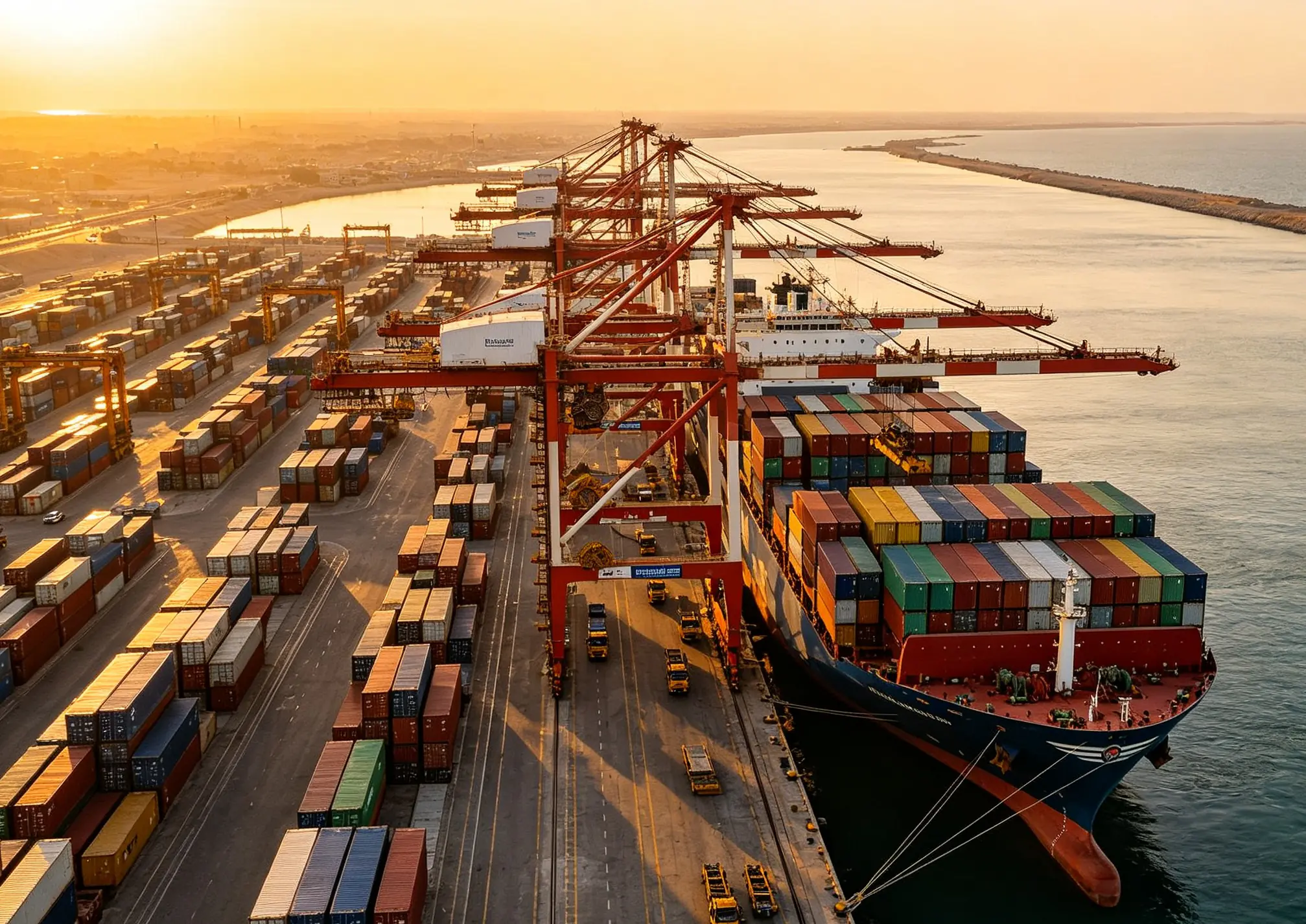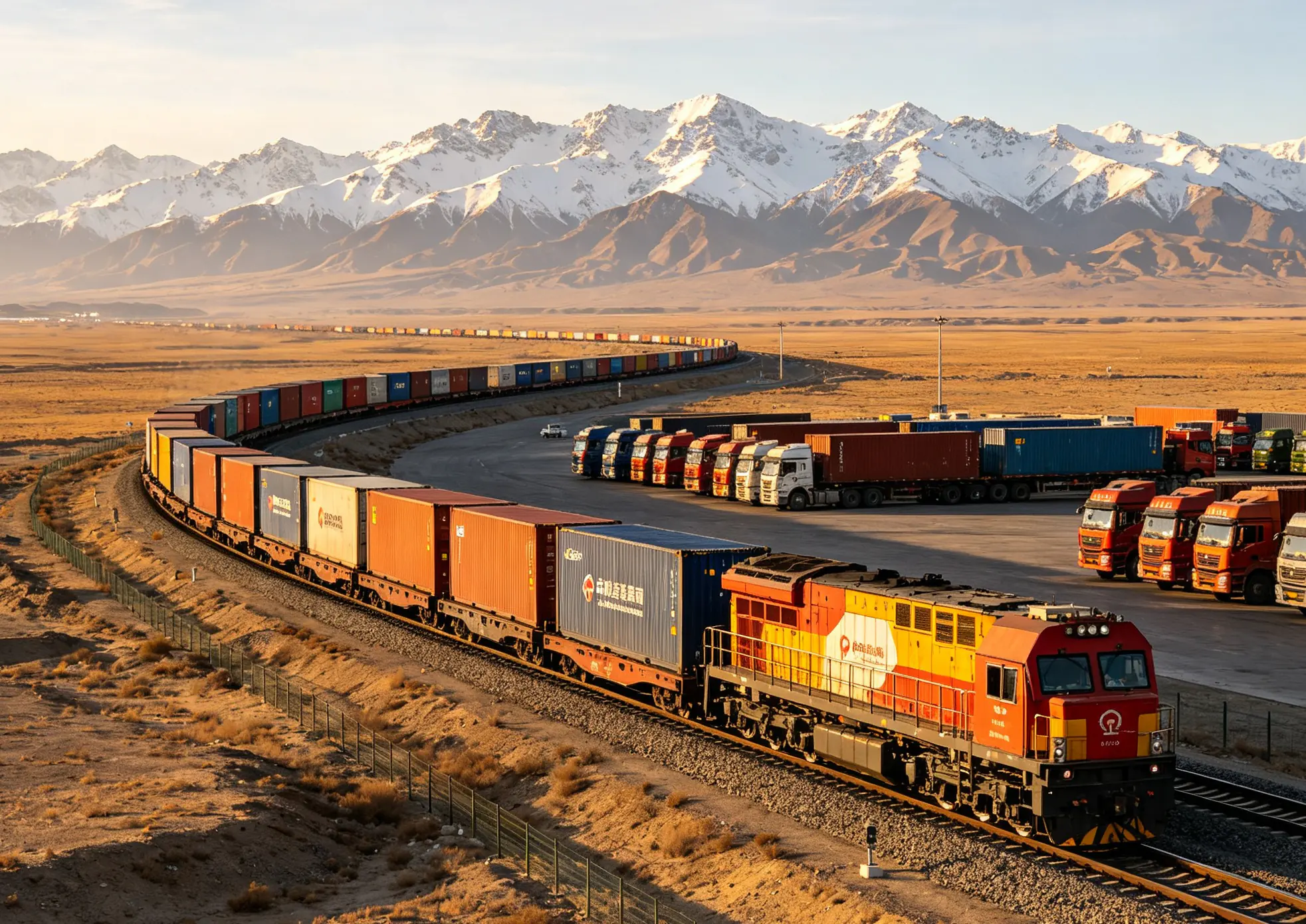
The convenience of Door to Door Shipping from China to your global destination is undeniable, but what happens when your cargo is held hostage by unexpected destination port fees? For many B2B importers and Amazon FBA sellers, the promise of a seamless logistics experience often turns into a nightmare of unpredictable transit times, complex customs clearance issues, and a lack of transparent pricing.
In this comprehensive guide, we will break down the true cost of Door-to-Door (D2D) logistics, expose the most common port fee traps, and share real-world strategies for navigating customs across the USA, Europe, the Middle East, and Central Asia. Whether you are shipping LCL consolidation or seeking the fastest air freight solutions, mastering this process is the key to protecting your profit margins.
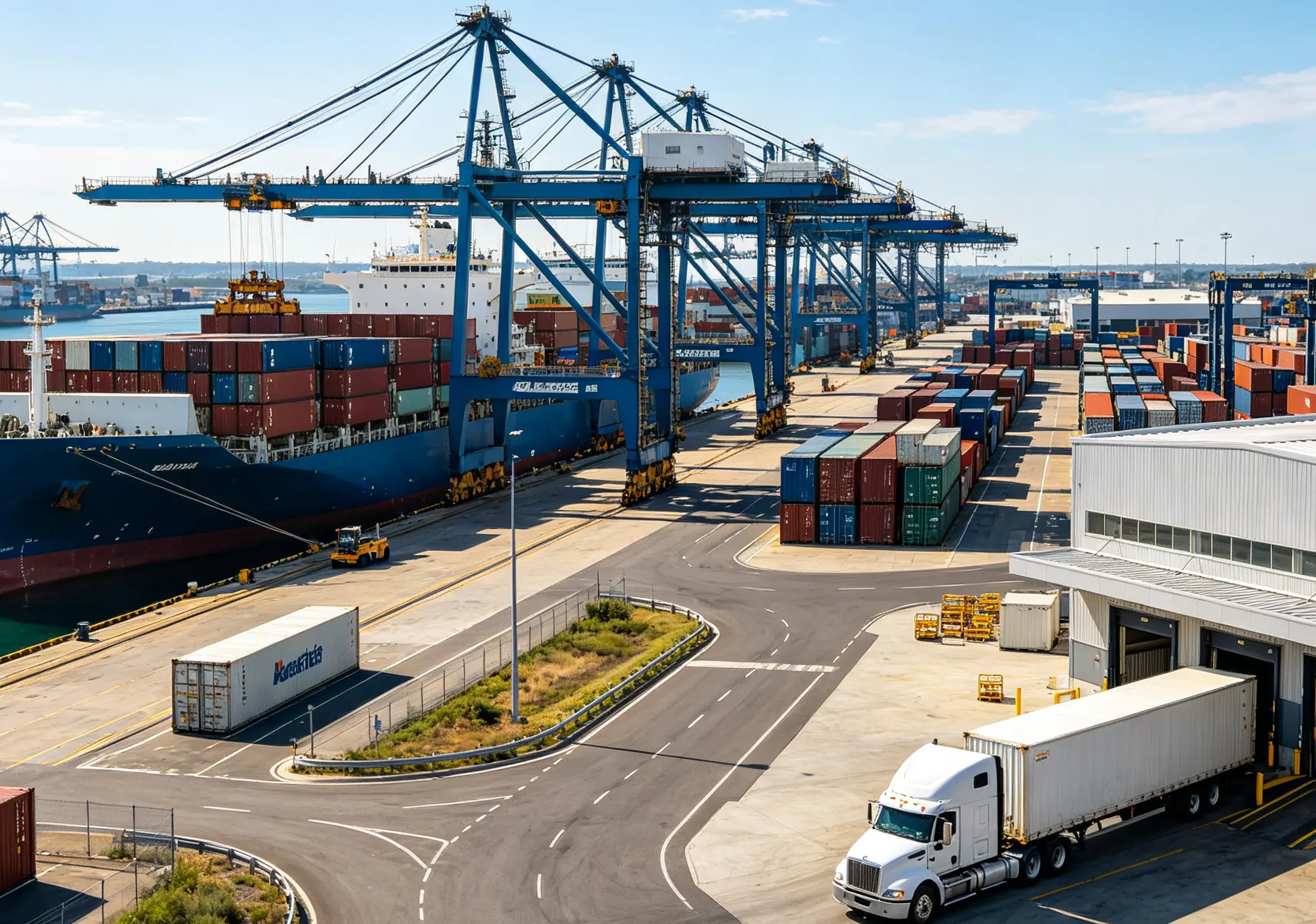
1. What is Door to Door Shipping from China? (And How It Differs from DDP)
When importing goods, understanding the terminology (such as what is freight forwarding) is the first step toward a smooth supply chain. Door-to-Door (D2D) shipping is an end-to-end logistics solution where a single freight forwarder manages the entire transportation process. This means your logistics partner picks up the cargo from the supplier’s factory in China and handles every step until it is delivered directly to your final warehouse or destination address.
The Crucial Difference: DDP vs. Door-to-Door
A common point of confusion for importers is the difference between standard Door-to-Door service and DDP (Delivered Duty Paid). While they sound similar, the distinction is vital for your bottom line:
- Standard Door-to-Door: The freight forwarder handles the physical transportation from the Chinese factory to your door, including export clearance in China. However, depending on the agreed Incoterms (understanding DDP vs DAP incoterms can save you from unexpected costs), you (the buyer) might still be responsible for handling the import Customs Clearance and paying the applicable import duties and taxes upon arrival.
- DDP (Delivered Duty Paid): This is a specific Incoterm and the most comprehensive form of Door-to-Door shipping. Under DDP, the freight forwarder or seller assumes all responsibilities, risks, and costs—including import duties, taxes (like VAT), and customs clearance fees. You simply receive the goods at your door with nothing left to pay.
Why Choose Door-to-Door Shipping?
For Amazon FBA sellers and businesses lacking a local import license or a dedicated customs broker, D2D (specifically DDP door to door shipping from China to Germany, Poland, or the USA) is a game-changer. It eliminates the headache of dealing with multiple local handlers, prevents documentation errors, and allows you to focus entirely on scaling your business rather than tracking multiple moving parts.
2. The 6-Step Door to Door Shipping Process Explained
Understanding the exact journey of your cargo helps you anticipate delays and prepare the right documents at the right time. Here is the standard 6-step workflow for a typical Door-to-Door shipment.

Our Industry Insights
“Many delays happen before the cargo even leaves China. We always advise our clients to finalize their Commercial Invoice & Packing List while the goods are still at the factory. A proactive freight forwarder in China will use this time to verify the HS Code, preventing costly holds at the destination.”
Step 1: Cargo Pickup & Consolidation
The process begins with the freight forwarder arranging a truck to pick up the goods directly from your supplier. If you are buying from multiple suppliers, the goods are transported to a consolidation warehouse (often in logistics hubs like Shenzhen or Yiwu). Here, smaller shipments are combined into a single LCL (Less than Container Load) shipment, saving you significant costs compared to shipping multiple small batches.
Step 2: Export Customs Clearance
Before leaving China, the cargo must clear export customs. Your logistics partner will handle the declaration, verifying that the commercial invoice, packing list, and export licenses are fully compliant with Chinese customs regulations.
Step 3: International Freight Routing
Once cleared, the cargo is loaded onto the chosen mode of transport. This could be sea freight from China for bulk orders, air freight from China for urgent deliveries, or Cross-Border Trucking depending on the destination and required transit time.
Step 4: Destination Port Arrival & Unstuffing
Upon arrival at the destination seaport or airport, the cargo is unloaded. For FCL (Full Container Load) shipments, the container is moved as a single unit. For LCL shipments, the container is taken to a Container Freight Station (CFS) where the goods are “unstuffed” (separated) for individual buyers. This is a critical transition point where hidden fees often emerge if you are not working with a transparent forwarder.
Step 5: Import Customs Clearance (双清)
This is often the most complex step. The local customs authority assesses the goods based on the HS Code to determine duties and taxes. If you are using a DDP service, your freight forwarder’s local agent will manage the VAT, duties, and any specific regional compliance checks (such as CE Certification in Europe or FDA approval in the USA).
Step 6: Last-Mile Delivery
After clearing customs, the cargo is handed over to a local transportation network. Whether it is a dedicated truck dispatch for heavy machinery or a courier service for smaller parcels, this final leg ensures your goods arrive safely at your B2B warehouse or Amazon FBA center.
3. Comparing Shipping Methods: Sea vs. Air vs. Cross-Border Trucking
Choosing the cheapest door to door shipping from China to your destination requires balancing cost against transit time and cargo type. Here is a breakdown of your primary options.
Sea Freight (FCL & LCL)
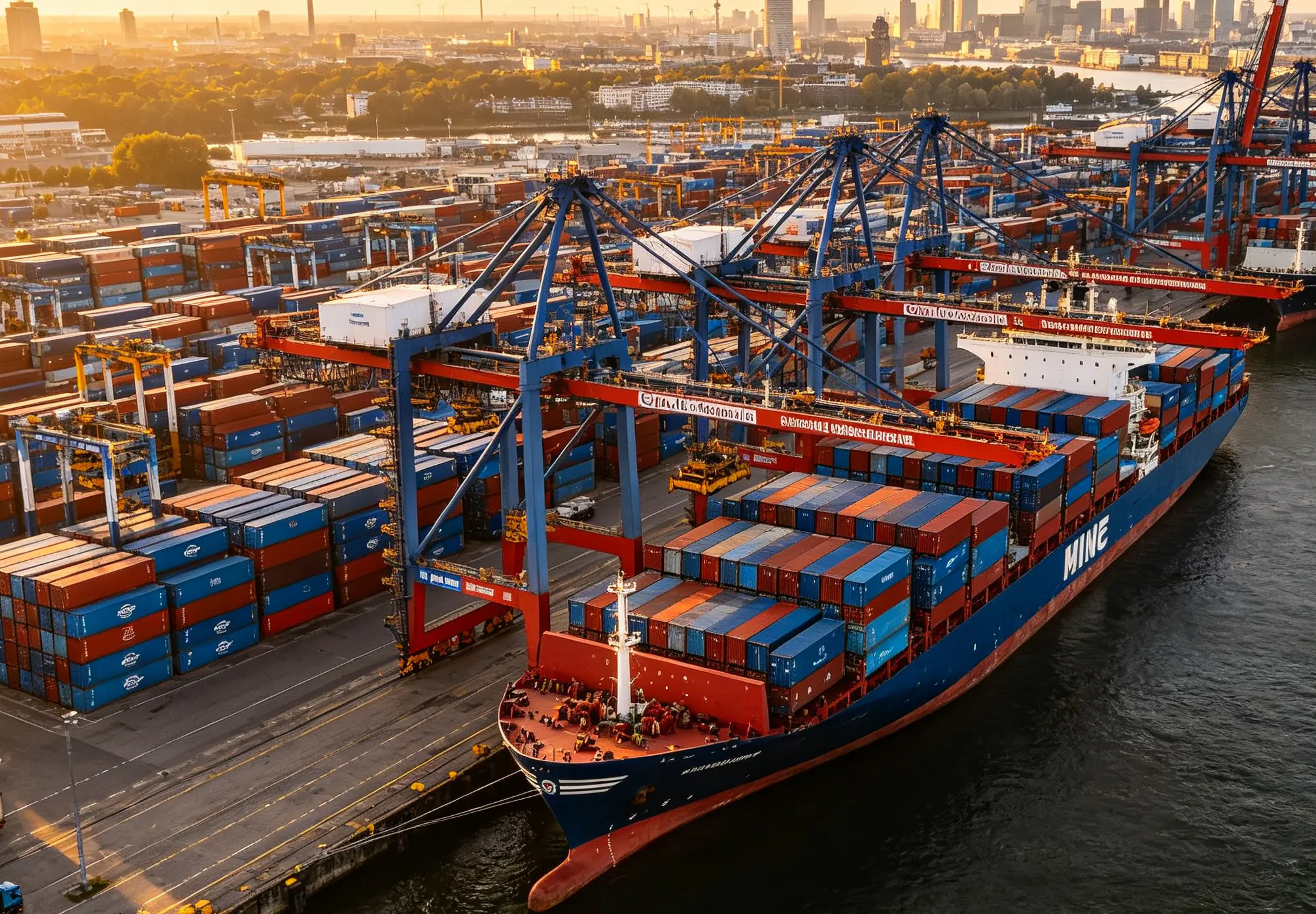
Sea freight remains the backbone of global trade. It is the most cost-effective method for bulky, heavy shipments. FCL is ideal when you have enough volume to fill a 20ft or 40ft container, offering better security and slightly faster processing. LCL consolidation is perfect for smaller shipments, though it takes slightly longer due to the consolidation and unstuffing process. If you are still weighing your options, comparing FCL vs LCL shipping will help you optimize your logistics budget.
Transit time: Typically 20-50 days.
Air Freight
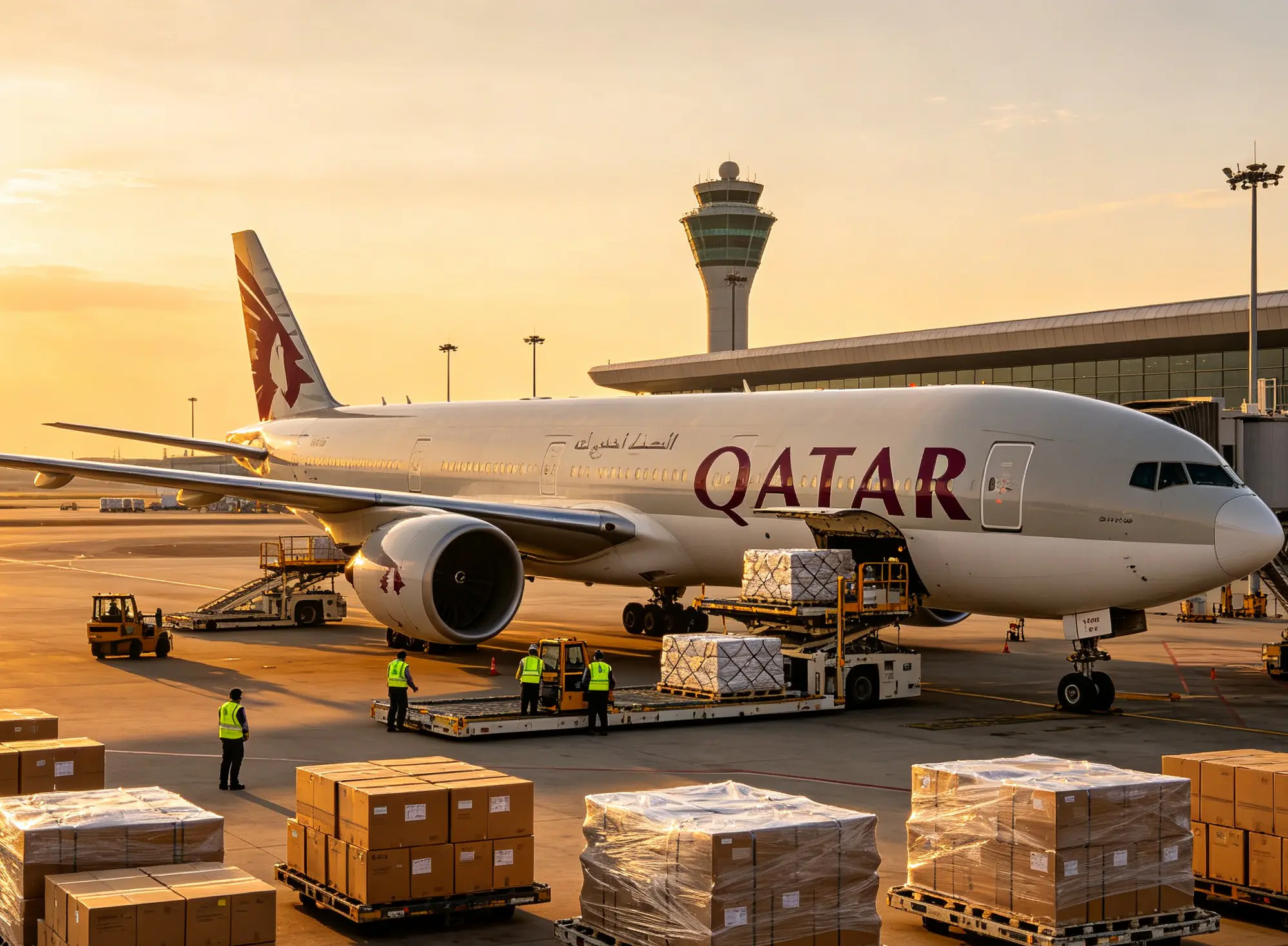
When time is money, air freight is the answer. It is significantly more expensive but provides unparalleled speed and security, making it the go-to choice for high-value electronics, seasonal apparel, or urgent inventory restocks.
Transit time: Typically 5-12 days for door-to-door delivery.
Cross-Border Trucking & Multimodal Rail
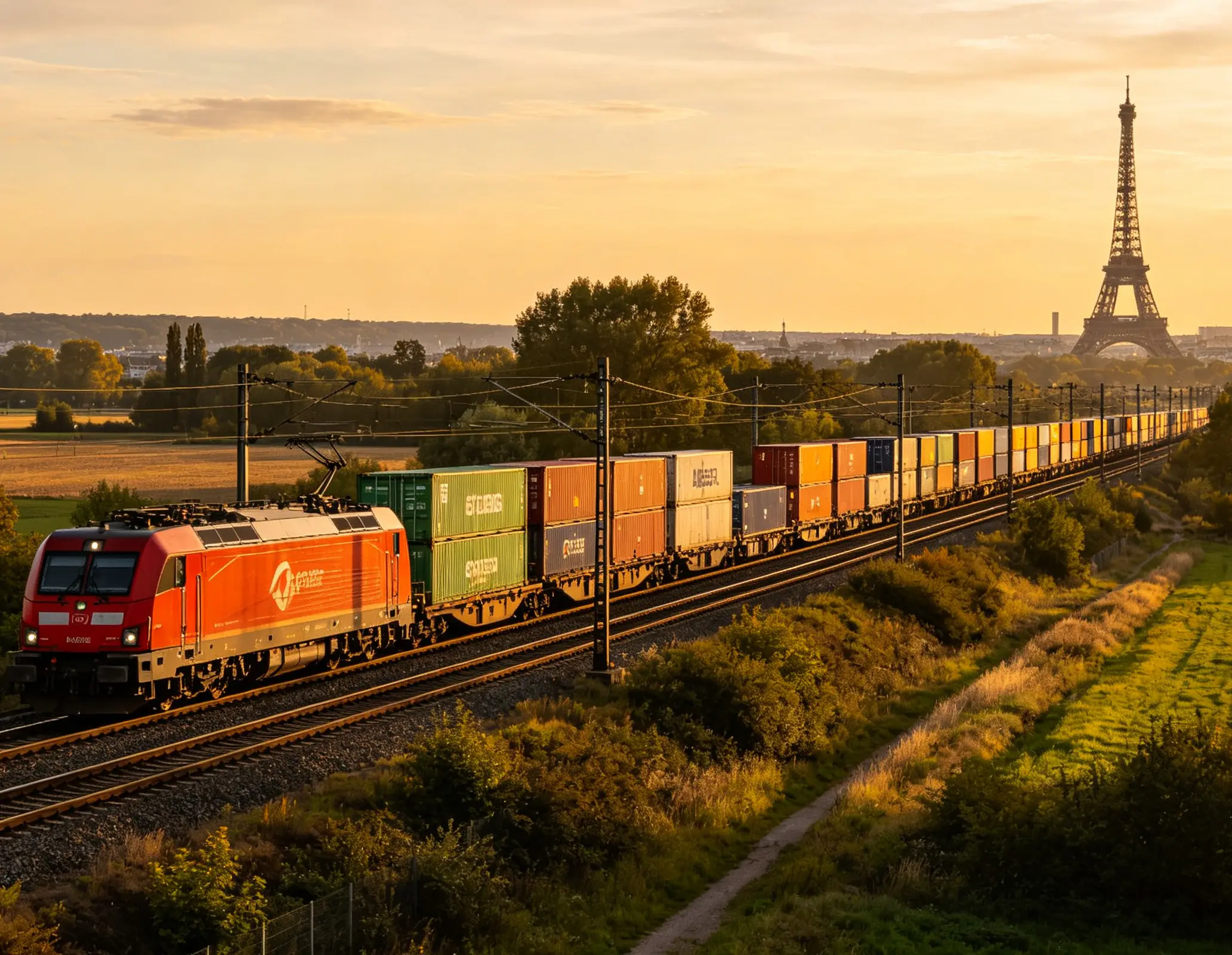
For destinations in Europe and Central Asia, cross-border trucking and rail have emerged as highly flexible alternatives. They bypass congested seaports and offer a middle ground between the high cost of air freight and the slow pace of sea freight. For example, door to door shipping from China to Uzbekistan via multimodal routes (sea to Bandar Abbas, then truck) is highly effective for heavy machinery and OOG (Out of Gauge) cargo.
Quick Comparison Matrix
| Shipping Method | Average Transit Time | Cost Level | Best Suited For | Customs Complexity |
|---|---|---|---|---|
| Sea Freight (FCL) | 25 – 50 Days | Low | Large volumes, bulk goods | Standard |
| Sea Freight (LCL) | 30 – 55 Days | Low to Medium | Small to medium shipments | Slightly higher (CFS handling) |
| Air Freight | 5 – 12 Days | High | High-value, urgent, fragile | Fast, but strict regulations |
| Cross-Border Trucking | 15 – 25 Days | Medium | Central Asia, Europe, OOG | Varies by transit borders |
4. Beware of the Hidden Fees: Exposing Port Fee Traps
One of the biggest anxieties for B2B importers is the lack of transparency in logistics pricing. A quote that looks incredibly cheap upfront can quickly erode your profit margins once the cargo arrives at the destination port.
Real-Life Scenario: The “Low Freight Rate” Illusion
“We frequently audit quotes for new clients who were lured in by ultra-low sea freight rates from other agents. In one case, a client shipping LCL to Hamburg was quoted $50/CBM. However, upon arrival, the local agent charged exorbitant ‘CFS Unstuffing Fees’, ‘Handling Charges’, and ‘Documentation Fees’ totaling over $600. The cheap upfront rate was merely a bait-and-switch.”
Demurrage & Detention (D&D)
Demurrage & Detention (D&D) are fees charged when your cargo sits at the port or when you fail to return the empty container on time. Port congestion, missing commercial invoices, or delayed customs clearance can lead to skyrocketing daily D&D fees. Always ensure your forwarder provides adequate “free days” at the destination.
LCL Destination CFS Charges
When shipping LCL, your cargo must be unloaded and separated at a Container Freight Station (CFS). Ports like Gdansk, Hamburg, and Bandar Abbas are notorious for hidden port fee traps where local handlers inflate CFS charges.
The Efanda Transparency Promise
At Efanda Logistics, we believe in a zero-surprise policy. We provide competitive and transparent pricing based on real market conditions. When we quote a Door-to-Door or DDP rate, we clearly outline all inclusions, so you never have to worry about hidden unstuffing fees holding your cargo hostage.
5. Regional Customs & Compliance Realities
Customs regulations vary drastically depending on your destination. A cookie-cutter approach will inevitably lead to delays. Here is how we navigate specific regional realities.
Europe (Germany & Poland): High VAT Environments
Importing into the EU requires strict adherence to CE certification and VAT regulations. For Amazon FBA sellers, managing cash flow is critical.
- Germany: We routinely help clients utilize the 19% Import VAT Deferment, meaning VAT is accounted for in regular tax returns rather than paid upfront at the border, drastically improving cash flow.
- Poland: Known for its strict 23% VAT regulations, clearing goods through Poland requires meticulous documentation. Our DDP shipping from China to Poland and Germany ensures these taxes are handled seamlessly before the goods reach the FBA fulfillment center.
Middle East (UAE & Saudi Arabia)
Door to door shipping from China to UAE and shipping from China to Saudi Arabia requires deep knowledge of local compliance. Dubai customs, for instance, mandates precise 12-digit HS codes. Discrepancies between the packing list and the physical cargo can trigger exhaustive inspections. We provide tailored DDP solutions that manage local certification rules, ensuring a smooth transition from Jebel Ali port directly to your Dubai warehouse.
Central Asia (Uzbekistan)
Landlocked countries present unique logistical hurdles. For door to door shipping from China to Uzbekistan / Central Asia, multimodal transport is essential.
- Case Study: We recently managed a heavy machinery shipment from Shenzhen to Tashkent. By routing the cargo via sea to Bandar Abbas (Iran) and transitioning to cross-border trucking, we bypassed rail congestion. We successfully managed the transit risks and the local 12% VAT, delivering the OOG cargo safely to the client’s facility.
United States
For US importers handling Shipping From China to USA, navigating Section 321 tariffs (which allow duty-free entry for shipments valued under $800) is a major advantage for e-commerce. However, larger B2B shipments must comply with strict FDA, FCC, or EPA regulations depending on the product category. Our US Door-to-Door services include pre-screening all commercial documents to prevent CBP (Customs and Border Protection) holds.
6. Actionable Tips: How to Avoid Delays in Door to Door Shipping
Even with an expert freight forwarder, importers must take proactive steps to ensure a frictionless supply chain. Here are three actionable strategies:
- Pre-Screen Your HS Codes and Documents: Never wait until the cargo arrives at the destination port to verify your HS Code. Ensure that the product descriptions, quantities, and values on your Commercial Invoice perfectly match the Packing List and the physical goods. A single typo can trigger a comprehensive customs hold.
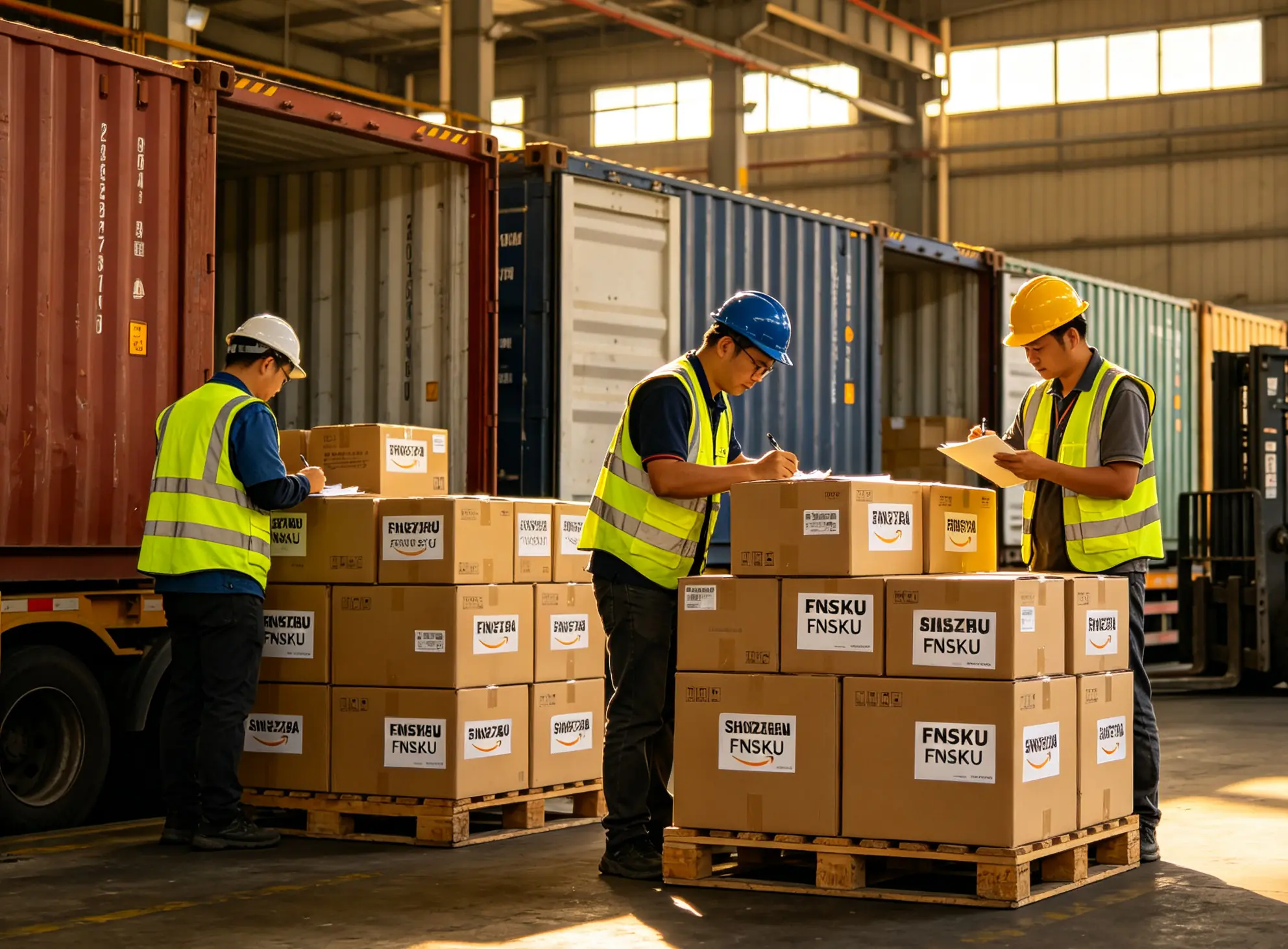
- Strictly Adhere to Amazon FBA Requirements: If you are utilizing Amazon FBA door to door shipping from China, compliance must start at the factory. Ensure your supplier strictly follows Amazon’s palletizing, carton labeling, and weight restrictions. If cargo arrives at the destination requiring re-labeling or re-palletizing, you will face severe delays and hefty local handling fees.
- Partner with a Dedicated Logistics Specialist: Avoid forwarders that treat you like a ticket number in an anonymous customer service queue. Partner with a company that assigns you a dedicated logistics specialist who monitors your cargo’s journey and provides real-time updates.
7. FAQ about Door to Door Shipping from China
How long does Door to Door shipping take from China to the USA/UK?
Transit times vary widely by method. Air freight takes approximately 5 to 12 days. Sea freight takes between 25 and 50 days, depending on port congestion and whether you are shipping to the West Coast or East Coast/UK ports.
What is the cheapest Door to Door shipping method?
Sea freight (specifically LCL for smaller volumes and FCL for bulk) is almost always the cheapest door to door shipping from China to any destination. However, remember to account for potential CFS charges and D&D fees when calculating the true cost.
Do I need an import license for DDP shipping?
Generally, no. One of the primary advantages of DDP (Delivered Duty Paid) is that the freight forwarder uses their own (or their agent’s) import credentials to clear the goods, making it ideal for e-commerce sellers without a local corporate entity.
How are Door to Door shipping rates calculated?
Rates are calculated based on the cargo’s weight and volume (CBM), the chosen transport method (air vs. sea), the distance between the factory and the final destination, and the current market rates. For DDP, it also includes the destination country’s specific import duties and VAT.
8. Conclusion
Door-to-Door shipping from China is designed to simplify your supply chain, allowing you to focus on sales rather than logistics. However, true success depends on choosing the right shipping method and, more importantly, partnering with a transparent, highly experienced freight forwarder. The lowest upfront quote is rarely the cheapest final price if it is loaded with hidden port fee traps and unstuffing charges.
Stop guessing your final landing costs and risking customs delays. Partner with a team that values transparency and compliance. Contact Efanda Logistics today for a clear, no-hidden-fee quote on your next Door-to-Door shipment from China, and let our experts handle the heavy lifting.