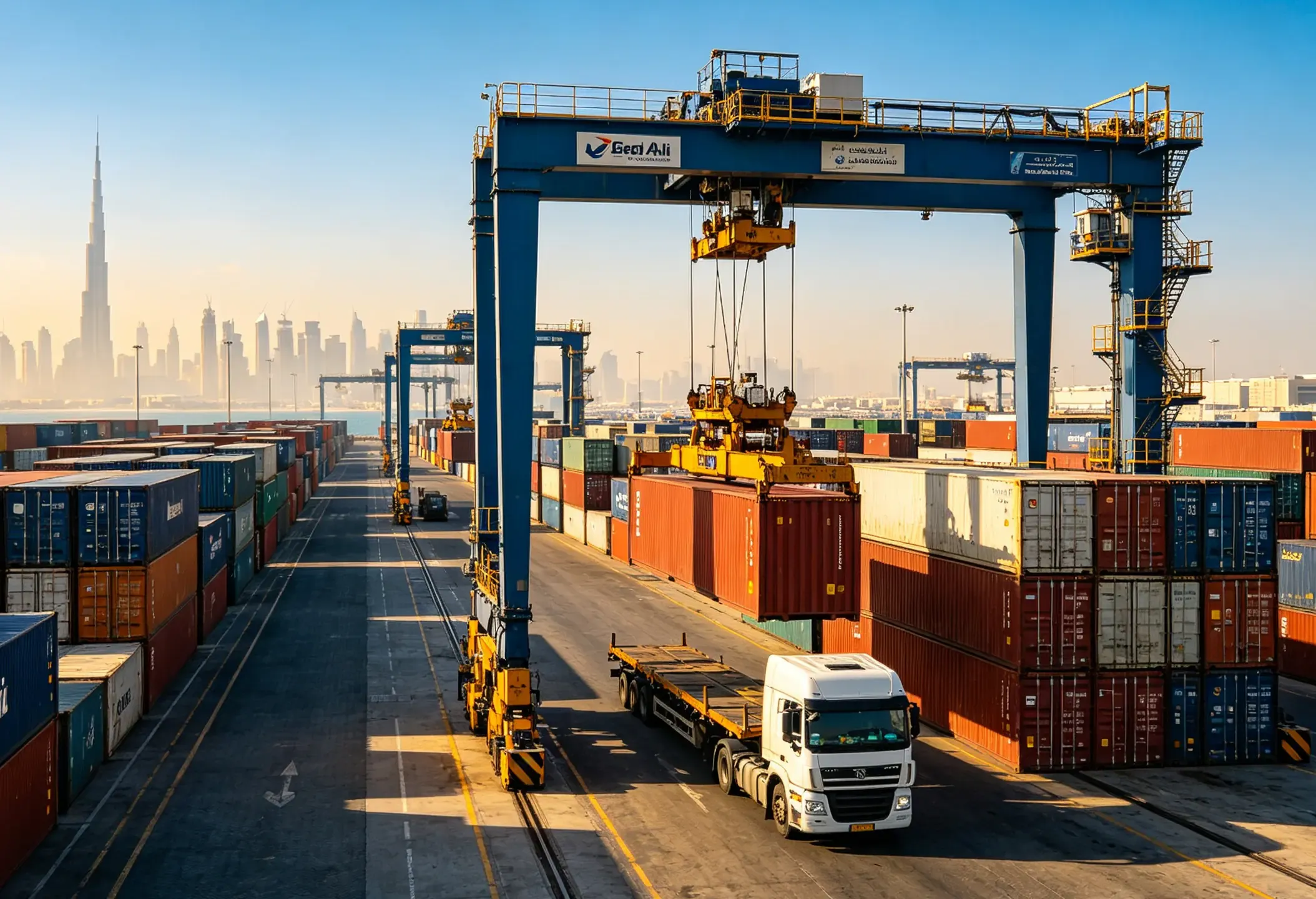
Shipping clothes from China to UAE looks simple until you get your first freight quote. The same carton of T-shirts can cost $60 or $300 to move, depending on how the carrier counts its weight, which port it leaves from, and whether anyone mentioned the 5% customs duty before your cargo reached Jebel Ali.
The UAE is one of the largest clothing markets in the Middle East, and shipping from China to UAE keeps growing with it. In 2024 alone, the country imported roughly USD 2.2 billion worth of apparel from China, feeding everything from the Deira wholesale souks in Dubai to Shein-style e-commerce warehouses and modest fashion boutiques. That demand means plenty of shipping options, and plenty of room to overpay if you don’t understand how the pricing works.
This guide breaks down what each shipping method actually costs in 2026, how long it really takes door to door, what UAE customs will charge you, and which documents you need. By the end, you’ll be able to calculate your landed cost per piece before you place the order.
Air Freight vs. Sea Freight: Choosing the Right Shipping Method for Clothes
You have five realistic options for moving garments from China to the Emirates. The right one depends on volume, urgency, and how much margin you have to protect.
| Method | Price Range (2026) | Door-to-Door Time | Best For |
|---|---|---|---|
| Express courier (DHL, FedEx, UPS) | $6.80–$25/kg | 2–5 days | Samples, urgent restock under 30 kg |
| Standard air freight | $3.50–$8.50/kg | 5–10 days | High-value or time-sensitive cargo, 100 kg+ |
| Air special line (e-commerce) | $8–$15/kg all-in | 7–12 days | Small B2B parcels with DDP handling |
| Sea LCL (shared container) | $35–$100/CBM | 22–35 days | 2–15 CBM of non-urgent stock |
| Sea FCL (full container) | $1,000–$2,600/20GP, $1,800–$3,200/40HQ | 18–30 days | Bulk orders, 15+ CBM |
One thing catches most first-time clothing shippers: apparel is bulky for its weight. Carriers charge by whichever is higher, actual weight or volumetric weight (length × width × height in cm ÷ 6000 for air). A carton of summer dresses might weigh 12 kg but get billed as 25 kg. Vacuum-compressing garments or using smaller cartons can cut your air freight bill by a third, and it costs almost nothing at the factory.
A quick rule of thumb: under 30 kg, send it by express. Between 30 and 200 kg, an air special line usually wins. Above 2 CBM, sea freight becomes hard to beat on cost, and once you approach 15 CBM, get an FCL quote because a dedicated 20ft container often costs about the same as that much LCL space. The same logic drives other corridors too; we broke down the trade-offs in detail for Europe in our air freight vs sea freight from China to Germany comparison if you want a second worked example.

Shipping Clothes from China to UAE Cost: Full Price Breakdown
Freight is only part of your landed cost. Here’s what each piece looks like, based on market rates in late 2026. Treat these as reference points, not quotes; rates move with fuel, season, and capacity.
Ocean freight (port to port):
| Route | 20GP | 40HQ | Transit |
|---|---|---|---|
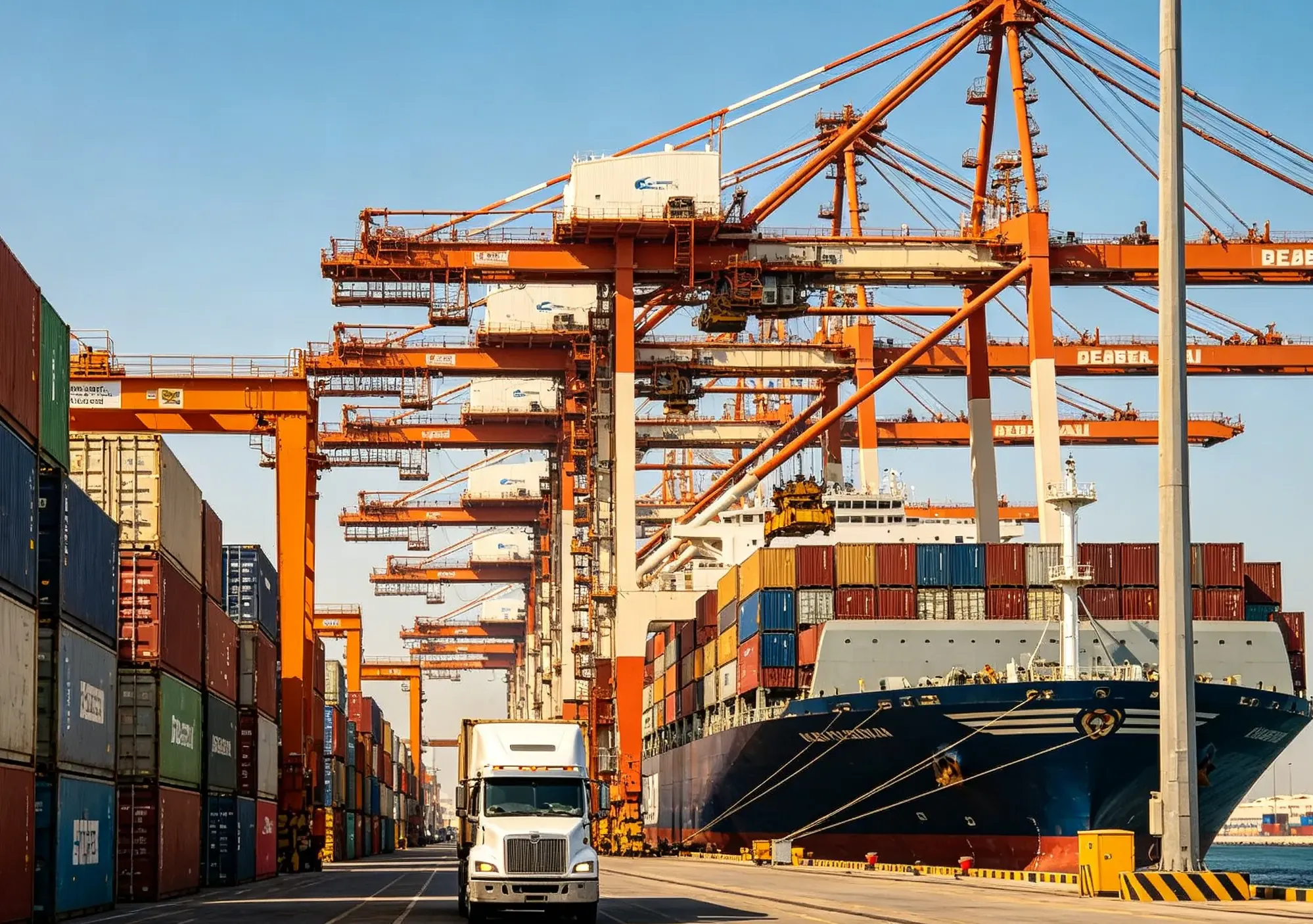
| Shanghai → Jebel Ali | $1,000–$1,350 | $1,950–$2,550 | 18–25 days |
| Shenzhen → Jebel Ali | $1,050–$1,400 | $2,000–$2,600 | 18–25 days |
| Ningbo → Jebel Ali | $1,000–$1,350 | $1,950–$2,550 | 18–25 days |
| LCL (any major port) | $35–$100/CBM, min. 1 CBM | — | 18–28 days |
Air freight (to DXB or AUH) depends heavily on weight band, because airlines price small lots high and reward scale:
| Chargeable Weight | Rate (USD/kg) | Typical Surcharge |
|---|---|---|
| 45–99 kg | $4.50–$6.00 | Fuel + security, adjusted monthly |
| 100–300 kg | $4.00–$5.50 | Fuel + security |
| 301 kg and up | $3.00–$3.80 | Fuel + security |
Rates like Shanghai–Dubai at the top of that table are common on busy lanes. Add a fuel surcharge that carriers adjust monthly.
DDP door-to-door (freight + duty + VAT + delivery): sea DDP runs $100–$300/CBM for general apparel; air DDP runs $4–$9/kg. The convenience is real, but so is the markup.
Then come the charges nobody advertises: terminal handling ($80–$200 per container), customs clearance fees ($50–$150 per shipment), documentation ($30–$80), delivery order ($40–$80), and warehouse storage ($10–$30/CBM/day) if you miss your free period. Budget an extra $200–$800 per LCL shipment and $400–$1,200 per FCL container on top of the ocean freight.
A worked example. Say you import 500 cotton T-shirts, FOB Guangzhou value $2,000, shipped by air with freight of $400. Your CIF value is $2,400 (about AED 8,800). Customs duty at 5% adds AED 440. VAT at 5% applies to CIF plus duty, adding AED 462. Total import charges: roughly AED 902 (about $245), putting your landed cost near $2,645, or about $5.29 per shirt before local delivery.
How Long Does Shipping Clothes from China to UAE Take?
Port-to-port times flatter the carriers. What matters is door to door, because pickup, export clearance, destination customs, and last-mile delivery add days at both ends.
| Method | Port/Airport to Port | Door to Door |
|---|---|---|
| Express courier | — | 2–5 days |
| Air freight | 8–11 hours flight | 5–10 days |
| Sea FCL | 12–18 days | 18–30 days |
| Sea LCL | 10–16 days sailing, plus consolidation | 22–35 days |
Three things stretch these windows. Chinese New Year (January or February) squeezes capacity for weeks on either side, and rates spike. The October–December retail peak does the same to air freight. And in the UAE, customs inspection can add two to four days if your HS codes or invoice descriptions raise questions.
A Sharjah boutique client of ours books Eid stock like clockwork: order confirmed by mid-Rajab, cargo on the water by the end of the month. One year they pushed the order back three weeks chasing a cheaper fabric lot. The goods landed the week before Eid, air freight cost more than the fabric saving, and half the collection sold at a discount. On this corridor, the calendar is a freight charge too.
If you sell into Ramadan or the Eid shopping season, work backward from the shelf date and place your sea order at least 45–60 days ahead. Missing that window usually means paying air freight for stock that was supposed to sail.
The Cheapest Way to Ship Clothes from China to Dubai
For most small and mid-size importers, the cheapest reliable setup looks like this: consolidate orders from multiple suppliers at a warehouse in Guangzhou or Shenzhen, pack tightly to cut volumetric weight, and ship sea LCL through a forwarder who clears customs in their own name. Our door to door shipping from China service follows exactly this model.
In our Shenzhen warehouse we see the same pattern every week. A client orders 300 hoodies from one factory, 200 kid’s sets from another, and accessories from a third. Individually, each parcel goes by air and the freight eats the margin. Consolidated, the shipment fills 3 CBM, sails to Jebel Ali for under $200/CBM all-in, and the landed freight cost per hoodie drops below $0.80. The money in China–UAE clothing logistics is rarely in the rate itself; it is in the consolidation.
A few habits that save real money:
- Ask your supplier to compress. Vacuum bags for knitwear and folded (not boxed) packing can turn a 5 CBM order into 3 CBM.
- Respect the LCL minimum. Most consolidators charge for at least 1 CBM even if your cargo is 0.4 CBM; below that, compare against air special line rates before committing.
- Get two quotes per shipment. Rates on this corridor can differ 20% between forwarders on the same sailing.
- Check the full DDP math. A $250/CBM DDP quote that includes duty, VAT, and delivery often beats a $60/CBM port-to-port rate once you add agent fees, trucking, and your time.
UAE Customs Duty on Clothes from China: 5% Duty and 5% VAT Explained
The UAE applies the GCC Common External Tariff, so most finished clothing enters at 5% customs duty, calculated on the CIF value (cost of goods plus insurance and freight). VAT of 5% is then charged on top of CIF plus the duty. Clothing falls under HS chapter 61 (knitted) and chapter 62 (woven); T-shirts are 6109, trousers and jeans are 6203, and getting the 8-digit code right matters because misclassification is a common cause of holds and fines.
One detail that e-commerce sellers love: the UAE de minimis threshold. Shipments with a CIF value under AED 1,000 (about $270) generally clear without duty or VAT. That makes small-parcel direct shipping viable for low-ticket apparel, though carriers still charge a disbursement fee.
Run the numbers both ways before you split an order. A seller importing 40 hoodies at $6 each has a goods value of $240. Shipped as one parcel with $30 freight, the CIF value sits at $270, right at the threshold, and the shipment usually enters tax-free. The same hoodies valued at $7 each cross the line, and the 5% duty plus 5% VAT applies to the full CIF amount, not just the excess. On low-ticket apparel, how you group cartons can matter more than the freight rate itself.
Documents and product rules worth knowing before you ship:
- Certificate of Origin approved by a Chinese chamber of commerce. UAE customs can hold cargo without it.
- Arabic labeling requirements. Garments sold in the UAE need care labels and fiber content in Arabic; children’s clothing has additional safety labeling rules.
- Cultural compliance. Designs with offensive imagery or religiously insensitive content can be seized and destroyed, not just fined.
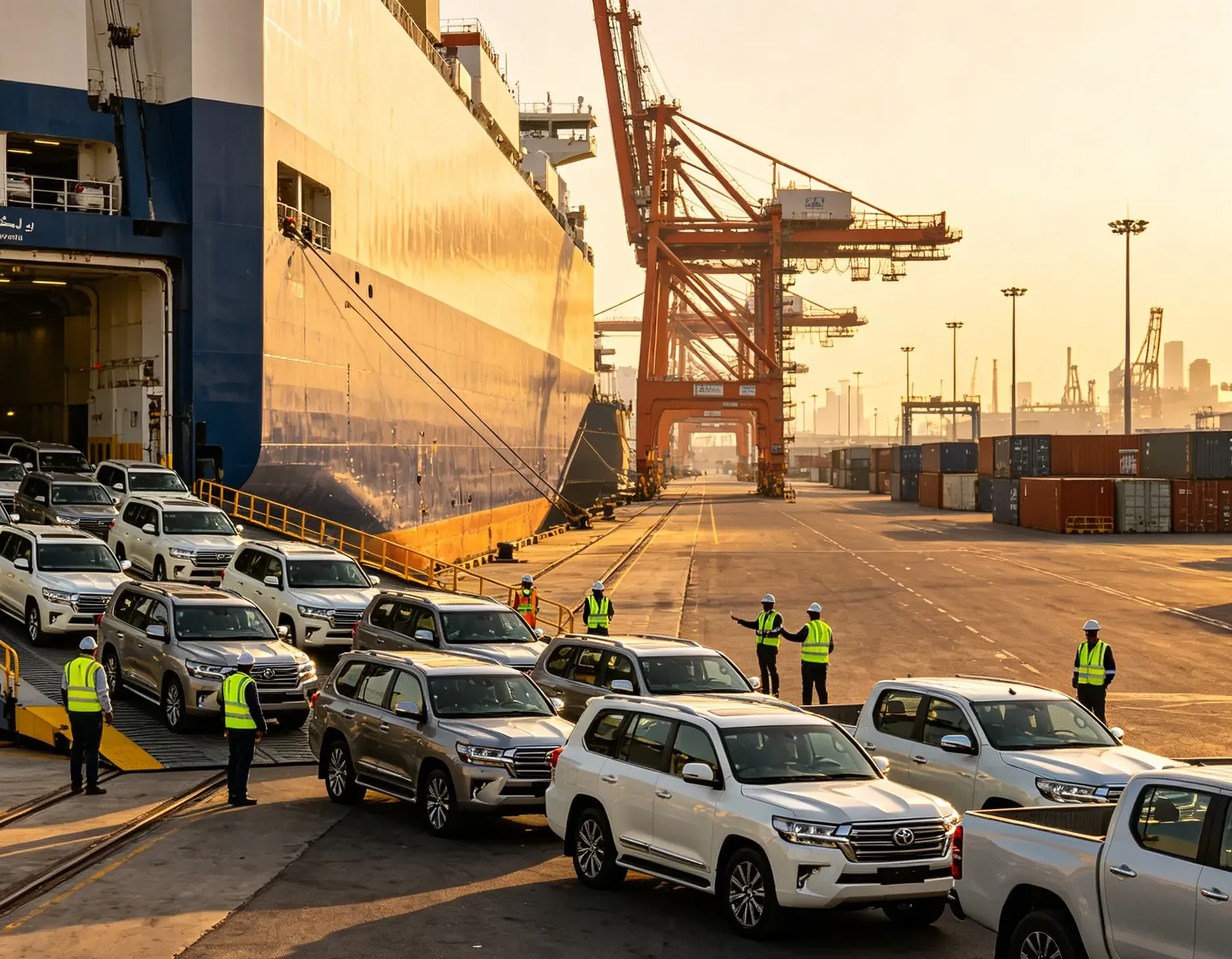
- Counterfeit risk. Branded-looking goods without authorization are confiscated at Jebel Ali, full stop.
Free zone companies should also note: importing into a free zone defers duty, but the moment goods enter the UAE mainland, duty and VAT apply. If your customers are on the mainland, price for mainland clearance from the start.
Documents Needed to Import Clothes from China to UAE
| Document | Who Provides It | What Customs Checks |
|---|---|---|
| Commercial Invoice | Supplier | Product description, quantity, unit and total value, currency, HS codes |
| Packing List | Supplier | Carton count, gross/net weight, dimensions |
| Bill of Lading (sea) or Air Waybill (air) | Carrier/forwarder | Consignee name must match your trade license |
| Certificate of Origin | Supplier, chamber-stamped | Country of manufacture |
| Import license | UAE importer | Only for restricted categories; ordinary apparel usually exempt |
| Insurance certificate | Your insurer or forwarder | Coverage value vs. invoice value |
The mistakes that cause delays are boring ones: a brand name in the invoice description with no authorization letter, HS codes copied from the supplier that don’t match the actual garment, or a consignee name that differs from the trade license by one word. Have your forwarder pre-check the invoice before the cargo leaves the factory; fixing it in Shenzhen costs an email, fixing it at Jebel Ali costs storage fees.
DDP Shipping Clothes from China to UAE: Is Door-to-Door Worth It?
Under DDP (Delivered Duty Paid), your forwarder handles everything: factory pickup, export clearance, freight, UAE import clearance, duty and VAT payment, and delivery to your door. You receive one quote and one tracking thread. For importers without a UAE trade license or customs registration, DDP is often the only practical route, which is why e-commerce sellers and small boutiques use it so heavily. Efanda runs door to door shipping on this corridor for exactly these shippers.
Compare the responsibilities side by side:
| Term | Seller Pays | Buyer Pays | Risk Transfers |
|---|---|---|---|
| EXW | Nothing beyond factory gate | Everything | At factory |
| FOB | Costs to load vessel | Ocean freight, insurance, UAE charges | On board vessel |
| CIF | FOB + freight + insurance | Duty, VAT, destination charges | On board vessel |
| DDP | Everything to your door | Nothing | At your door |
The catch is that DDP shifts customs risk onto the forwarder, and some cut-rate providers respond by undervaluing invoices or routing cargo as personal effects. When UAE customs catches that, your goods get seized and the forwarder disappears. A legitimate DDP forwarder passes a simple test: they quote transparently, can explain exactly how your cargo clears UAE customs and in whose name, and they issue proof of the duty and VAT paid. Ask those three questions before you book, and walk away from any quote that is 30% below everyone else’s. For clothing, where duty is only 5%, there is little to gain from shady routing and a lot to lose.
DDP also stops being the bargain it looks like once your volumes grow. Past roughly half a container per month, the DDP markup usually costs more than holding your own import license and paying duty directly, so revisit the decision every few months as your order sizes climb.

How to Pack Clothes for Shipping from China to UAE
Clothing survives transit well, but three things damage it on this route: moisture, crushing, and careless handling at LCL warehouses. Ocean containers sit in humid ports for weeks, so every carton should be lined with a moisture barrier bag, and knitwear benefits from vacuum compression that also cuts volume.
For premium garments (abayas, suits, dresses), ask about GOH (garment on hanger) service. Your clothes travel on hangers inside the container instead of folded, arriving retail-ready at Dubai. It costs more in freight volume but eliminates pressing and repacking at destination, which is often the cheaper trade for boutiques.
Whatever the packing style, agree it with the factory in writing before production finishes. Changing carton sizes after the goods are packed means re-handling everything at the warehouse, and that re-handling bill arrives as a surprise line item on an otherwise clean invoice.
Finally, mark every carton with a shipping mark (your company name plus carton number), and make sure the physical cartons match the packing list exactly. Customs officers at Jebel Ali do open inspections, and a mismatch between what’s printed and what’s inside triggers a deeper look at everything else in the shipment.
FAQ
How much does it cost to ship a small parcel of clothes from China to the UAE? Under 16 kg, express couriers charge around $17 for the first kilogram and $8–$10 for each additional one. Above 100 kg, air consolidators drop to roughly $6/kg, and sea DDP starts making sense around 1 CBM (about $100–$300 all-in).
Is there a tax-free threshold for shipping clothes to the UAE? Yes. Shipments valued under AED 1,000 (about $270) CIF generally enter without duty or VAT. Above that, expect 5% duty plus 5% VAT on the combined value.
Can I ship used clothes or baby clothes to the UAE? Used clothing for commercial resale faces tight controls and is often refused at customs. New baby clothes are fine, but they need Arabic labeling and must meet children’s product safety standards, so confirm your supplier has the right certificates.
What is the cheapest way to ship clothes from China to Dubai for an online store? For order-by-order fulfillment, use an e-commerce air special line (7–12 days, DDP). For bulk restocking, consolidate at a Shenzhen or Guangzhou warehouse and ship sea LCL or DDP sea; at around 150 kg and up, sea wins clearly on cost per piece. If you store goods at a marketplace fulfillment center, our Amazon FBA prep service handles labeling and palletizing before the goods leave China.
Do I need an import license to bring clothes into the UAE? Ordinary apparel for a licensed trading company normally does not need a separate import license. You do need a valid UAE trade license as the consignee. If you don’t have one, ship DDP through a forwarder who imports in their own name.
Ready to Ship Your Next Order?
Shipping clothes from China to UAE rewards preparation: the right HS codes, compressed cartons, consolidated volumes, and a forwarder who quotes the full picture instead of a teaser rate. Get those pieces right and the corridor is one of the cheapest and fastest into the Gulf.
Efanda Logistics has handled China–UAE apparel shipments from our Shenzhen headquarters since 2018, from single-carton DDP parcels to full-container loads into Jebel Ali. We consolidate goods from multiple suppliers, pre-check your documents before departure, and give you one transparent quote with no hidden charges. Tell us your cargo volume and destination emirate, and we’ll send you a detailed quote within one business day.

Written by the EFANDA Logistics team — a Shenzhen-based freight forwarder established in 2018, moving cargo from China to ports worldwide with end-to-end pickup, consolidation, customs and door delivery.About us