Are you worried about your cargo getting stuck at Libyan customs or arriving damaged after a month-long voyage from China? Over the past decade, our team has helped hundreds of importers navigate the complexities of North African logistics. Understanding how to prevent goods shipped from China to Libya from facing unexpected delays, damage, or compliance failures is critical for importers. Shipping involves navigating complex customs regulations (like the ACI/ECTN system), long transit times, and potential geopolitical disruptions that often lead to financial losses.
This guide provides actionable, step-by-step strategies to ensure your shipments from China to Libya are secure, fully compliant, and delivered on time.
Key Takeaways (The Executive Summary)
- Mandatory ECTN/ACI certification is the #1 way to prevent customs holds at Libyan ports.
- Proper export packaging prevents damage during the 30-45 day sea transit across the Mediterranean.
- Choosing the right Incoterms (like FOB or CIF) protects your financial interests and clarifies liability.
- Partnering with an experienced freight forwarder mitigates geopolitical and routing risks.

What Causes Shipping Delays from China to Libya and Cargo Damage?
Delays in shipping from China to Libya are primarily caused by Libya customs clearance problems (like missing ECTN certificates), routing disruptions, and cargo damage due to inadequate packaging for the long Mediterranean voyage.
Libya Customs Clearance Problems & ECTN Requirements
The Libyan Customs Authority strictly requires an Electronic Cargo Tracking Note (ECTN), also known as a BESC. Failing to provide this before the vessel arrives guarantees severe delays and fines. As mandated by Libyan law, the ECTN is a mandatory waiver document required for all shipments entering Libya (you can review official guidelines via the Libyan Customs Authority). In our recent experience handling shipments to Misrata, we’ve seen uncertified cargo immediately held at the destination port, racking up thousands of dollars in demurrage and detention charges within days. Without this document, your cargo simply cannot be cleared.
Long Transit Times & Physical Risks
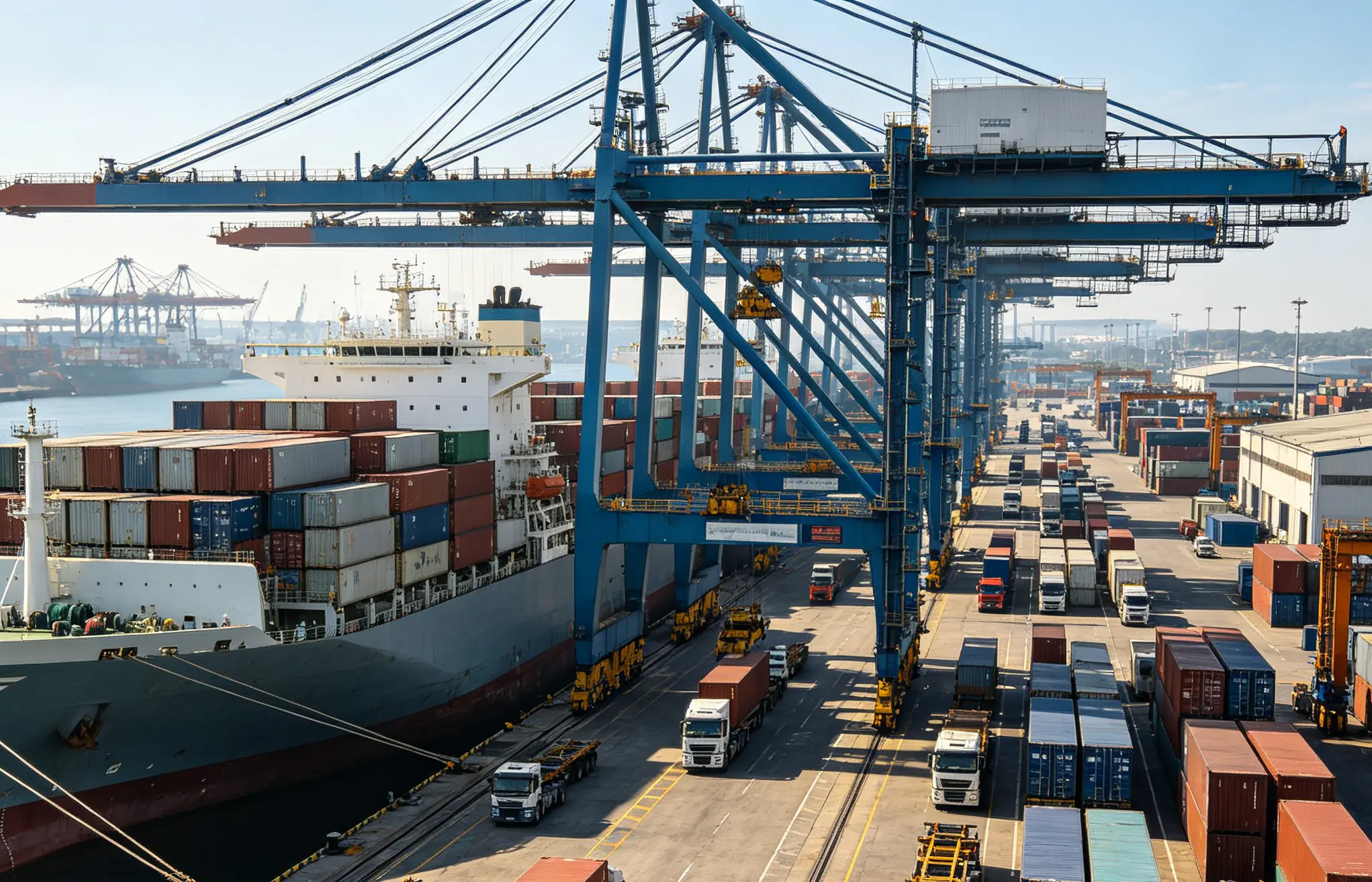
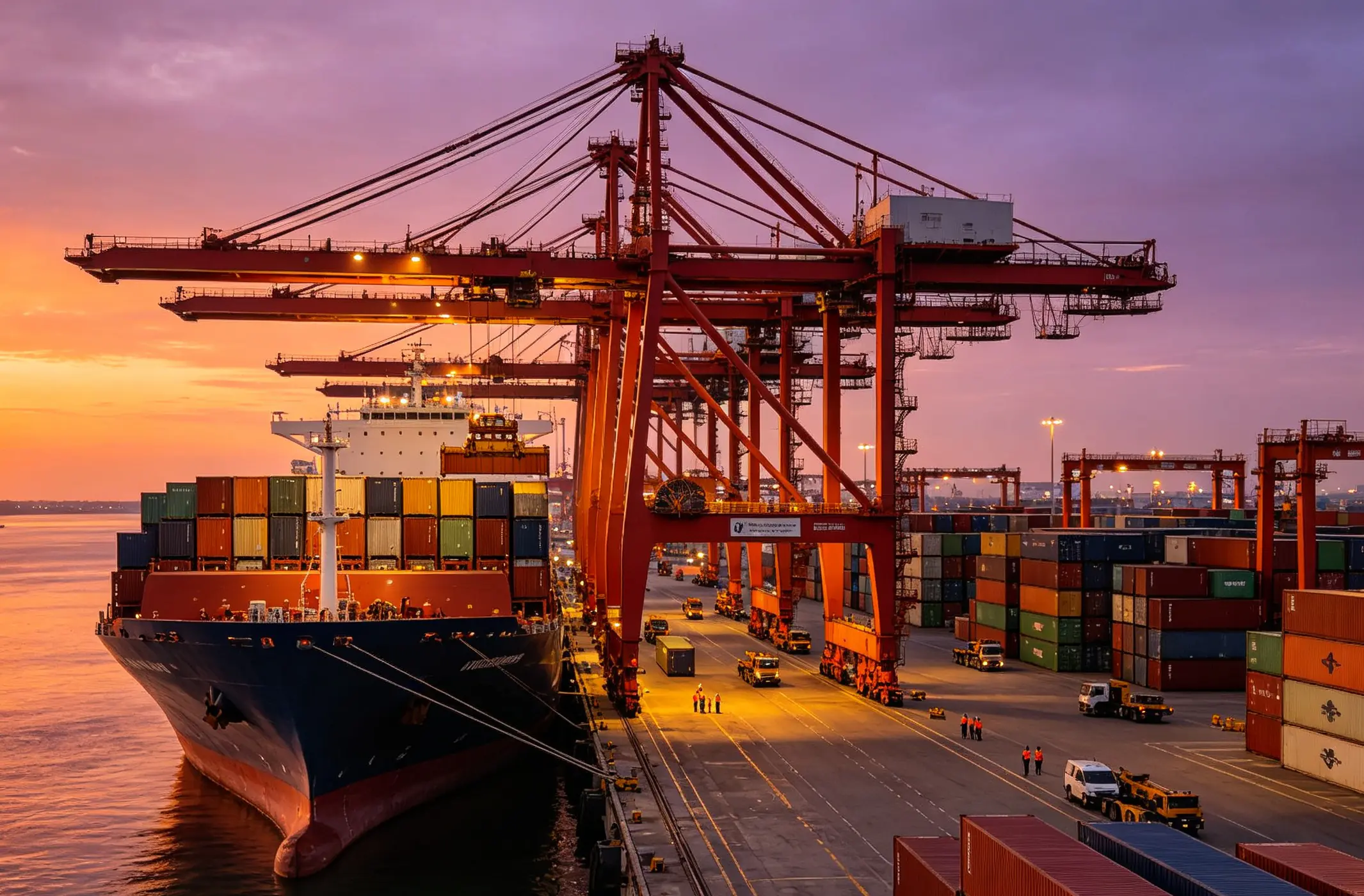
Sea freight from China to Libya takes 30-45 days. Goods exposed to humidity and rough handling without adequate export-grade packaging are highly susceptible to damage. During the long sea transit, cargo passes through multiple climate zones. Condensation inside shipping containers (container rain) can ruin electronics, textiles, and machinery. Furthermore, if your shipment undergoes transshipment at intermediate ports, the physical risk of cargo damage prevention Mediterranean route becomes a critical concern.
Step-by-Step Guide: How to Prevent Goods Shipped from China to Libya from Risks
To successfully prevent goods shipped from China to Libya from delays, you must master the ACI/ECTN process, choose secure Incoterms, implement robust packaging, and strictly avoid prohibited items.
Step 1: Master the ACI/ECTN and Documentation
Ensure the Commercial Invoice, Packing List, and Certificate of Origin are perfectly aligned and submitted for the ECTN before the vessel departs China. Inconsistencies between your bill of lading and your commercial invoice are immediate red flags for customs officers. It is essential to work with a forwarder who can validate these documents and file the ECTN application on your behalf as soon as the cargo is loaded.
Step 2: Choose the Right Incoterms (CIF vs FOB)
Choosing the correct Incoterm dictates who assumes the risk if cargo is damaged at sea. We highly recommend using FOB (Free on Board) if you want more control over the freight forwarder, or CIF (Cost, Insurance, and Freight) if you prefer the supplier to handle the main carriage. However, we strongly advise avoiding DDP (Delivered Duty Paid) due to the unpredictable local clearance complexities in Libya. For the official definitions and liability transfers, always refer to the International Chamber of Commerce (ICC) Incoterms® rules. Regardless of the term, ensure you establish a secure letter of credit (LC) to protect your payments.
Step 3: Cargo Damage Prevention for the Mediterranean Route
In our hands-on experience, cargo damage on the China-to-Libya route often occurs during transshipment in Mediterranean hubs like Malta or Istanbul. To prevent this, mandate 5-ply corrugated boxes, palletization, and moisture-absorbing desiccants for your supplier to prevent cargo damage. Do not rely on domestic Chinese packaging standards for international sea freight. Demand shrink-wrapping and edge protectors for pallets. Additionally, utilizing comprehensive cargo insurance services is non-negotiable for long-haul shipments.
Step 4: Navigate Prohibited Items and Sanctions
Cross-check your cargo against Libya’s restricted items list (e.g., alcohol, specific chemicals) to avoid outright seizure by customs. The Libyan government strictly prohibits the importation of pork products, firearms, and certain pharmaceuticals. Attempting to ship these items will result in immediate confiscation and potential legal action. Disclaimer: Customs regulations change frequently; always consult a licensed forwarder or legal expert before shipping.

Cost vs. Security: How to Avoid Shipping Scams from China to Libya
Opting for suspiciously cheap freight rates often leads to hidden fees and shipping scams; balancing cost with secure, direct routing is essential for Libya shipments.
Does Cheaper Freight Mean Higher Risk?
Yes. Many inexperienced importers fall victim to “bait-and-switch” pricing. To avoid shipping scams China to Libya, be wary of forwarders quoting rates drastically below the market average. These low upfront costs often mask hidden destination fees, multiple slow transshipments, and a complete lack of customs support.
Risk Mitigation Comparison Table
To better understand the trade-offs, review the comparison below:
| Risk Dimension | Cheap / High-Risk Shipping | Secure / Optimized Shipping |
|---|---|---|
| Transit Time Reliability | Frequent delays due to multiple transshipments | Predictable schedules with direct/optimized routes |
| Customs & ECTN Support | DIY approach; left entirely to the importer | Fully managed by a dedicated freight forwarder |
| Cargo Damage Risk | High (Standard packaging, rough handling) | Low (Export-grade packaging, proper stowing) |
| Hidden Fees / Scams | High Risk (Bait-and-switch pricing at destination) | Transparent, all-inclusive fixed pricing |
| Insurance Coverage | Rarely offered or extremely limited | Comprehensive cargo insurance provided |

Why Choose Efanda Logistics as Your Reliable Freight Forwarder in Libya?
Efanda Logistics is a reliable freight forwarder in Libya, providing specialized, risk-free shipping solutions backed by deep customs expertise and reliable carrier networks.
Deep Libyan Customs Expertise
We handle ECTN applications and ensure 100% compliance at Misrata and Tripoli ports. Our team understands the nuances of Libyan customs duties and document requirements, ensuring your cargo clears without unnecessary delays or demurrage fees.
24/7 Dedicated Support
Proactive tracking and issue resolution to keep your supply chain moving. From the moment your cargo leaves the factory in China to its arrival at the Misrata free zone or Benghazi port, our dedicated support team provides real-time updates and proactive problem-solving.
You may be interested in the following related articles:
- shipping from china to angola
- shipping from china to nigeria
- shipping from china to israel
- shipping from china to jordan
- shipping from china to kuwait
Frequently Asked Questions (FAQ)
Q1: How long does it take to ship goods from China to Libya?
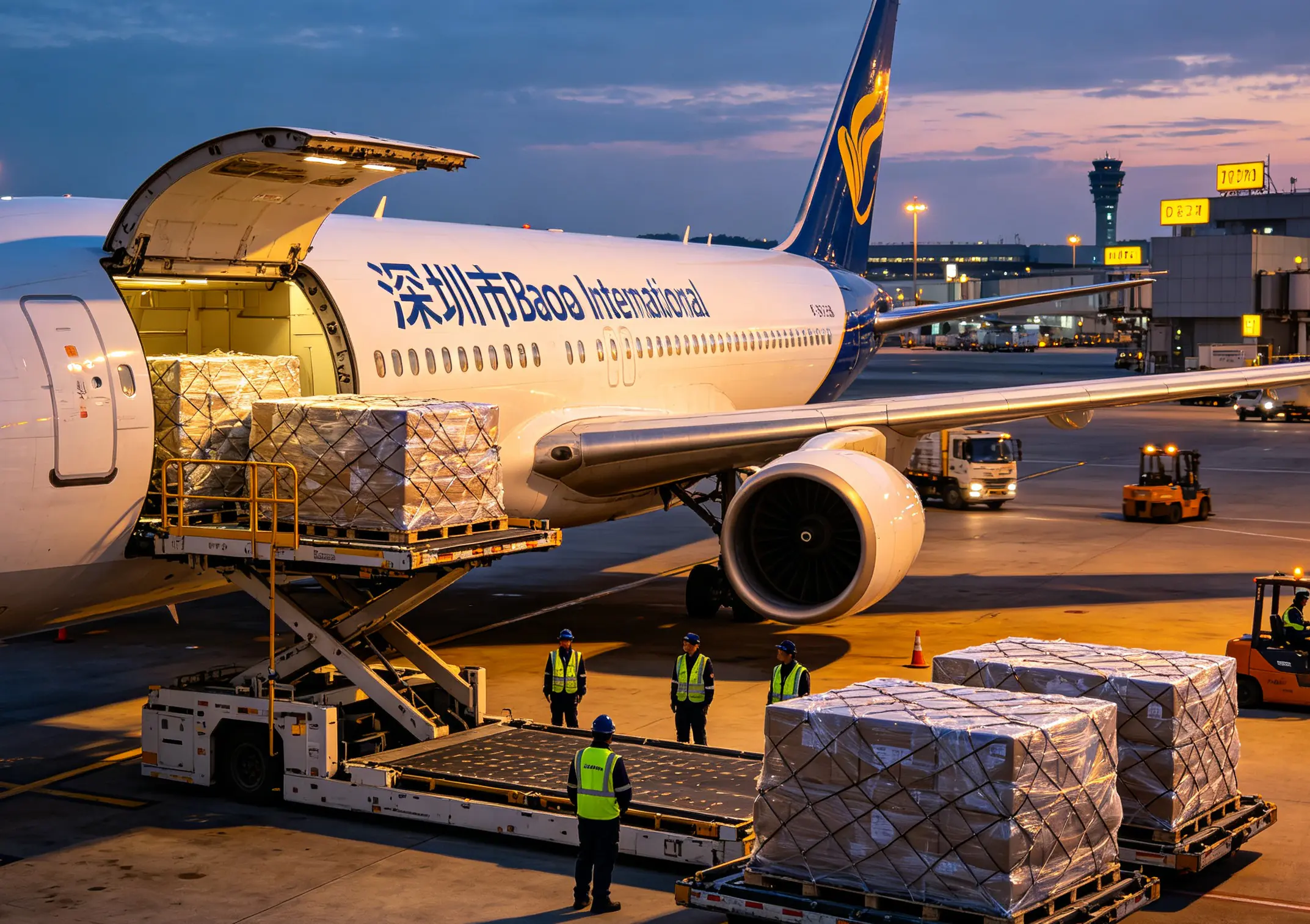
Sea freight typically takes 30 to 45 days, depending on the departure port in China (e.g., Shenzhen, Shanghai) and the destination port in Libya (Tripoli, Misrata, Benghazi). Air freight is much faster, taking 3 to 7 days.
Q2: What is an ECTN and why do I need it for Libya?
The Electronic Cargo Tracking Note (ECTN) is a mandatory customs waiver required by Libyan authorities to monitor and track imported goods. Without an ECTN, your cargo cannot be cleared and will face heavy fines.
Q3: Can I ship electronics or batteries to Libya?
Yes, but they are considered sensitive goods. They require specific Material Safety Data Sheets (MSDS) and UN38.3 testing reports for safe transport, especially if shipped via air freight.
Q4: How can I insure my cargo from China to Libya?
You should request comprehensive cargo insurance through your freight forwarder. This protects your investment against damage, loss, or theft during the long Mediterranean transit.
Q5: What happens if my goods are held at Libyan customs?
If goods are held due to missing documents (like the ECTN) or restricted items, you will accrue daily port storage and demurrage fees. It is crucial to work with a local customs expert to resolve the documentation discrepancies immediately.