Struggling with high freight rates for smaller cargo volumes or confused by the strict SABER certification requirements when importing to Saudi Arabia? The ongoing Red Sea crisis has disrupted transit times, and strict Saudi customs (ZATCA) regulations make small-volume imports (under 15 CBM) complex and costly if not planned correctly. This 2026 guide breaks down the exact LCL (Less than Container Load) shipping costs per CBM, updated transit times, and provides a step-by-step checklist to navigate the SABER system without delays.
Key Takeaways for LCL Shipping from China to Saudi Arabia
The most important takeaways for LCL shipping from China to Saudi Arabia involve understanding volume limits, current rates, extended transit times, and mandatory compliance.
- LCL is ideal for shipments between 1 and 15 CBM.
- 2026 rates range from $70 to $130 per CBM due to Red Sea surcharges.
- Transit times are 30 to 45 days, factoring in consolidation and deconsolidation.
- SABER compliance (PCoC and SCoC) is strictly mandatory for all commercial LCL imports to clear ZATCA customs.
What is LCL Shipping to Saudi Arabia and When Should Importers Use It?
LCL (Less than Container Load) shipping allows multiple importers to share a single container, and it is the most cost-effective choice for shipping from China to Saudi Arabia when your cargo volume is between 1 and 15 Cubic Meters (CBM). By sharing space, you save money by not paying for unused space in a full 20ft or 40ft container.
Understanding the CBM Calculation
Freight forwarders charge LCL based on volume (CBM) or gross weight, whichever is greater. One CBM equals 1 cubic meter or 1,000 kilograms in standard sea freight calculations. If your cargo is extremely heavy but small, you will be billed based on weight converted to CBM equivalents.
LCL vs. FCL: The Breakeven Point
While LCL is cheaper for small loads, once your cargo exceeds 15 CBM, booking a 20ft FCL container often becomes more economical and offers faster transit by avoiding consolidation delays.
How Much Does LCL Shipping from China to Saudi Arabia Cost in 2026?
As of early 2026, LCL shipping rates from China to major Saudi ports range from $70 to $130 per CBM. Prices fluctuate based on seasonal demand, Red Sea vessel rerouting, and destination port handling fees.

Breakdown of Freight Rates (Shenzhen/Shanghai to Jeddah/Dammam)
Base ocean freight varies significantly by destination port. Dammam (on the Persian Gulf) often has more stable pricing compared to Jeddah (on the Red Sea), which is heavily impacted by current maritime security rerouting around the Cape of Good Hope.
Table: 2026 Estimated LCL Rates per CBM
| Origin Port (China) | Destination Port (KSA) | Estimated Rate per CBM (USD) | Notes |
|---|---|---|---|
| Shenzhen / Guangzhou | Dammam | $70 – $90 | Stable route via Persian Gulf |
| Shanghai / Ningbo | Dammam | $75 – $95 | Direct services available |
| Shenzhen / Guangzhou | Jeddah | $100 – $130 | Subject to Red Sea surcharges |
| Shanghai / Ningbo | Jeddah | $110 – $130 | Longer transit times apply |
(Disclaimer: Shipping rates are highly volatile. These estimates reflect early 2026 market conditions and exclude origin/destination handling charges.)
Hidden Costs in LCL Shipping
Be prepared for additional destination charges, including deconsolidation fees, terminal handling charges (DTHC), and local delivery costs from ports like Jeddah Islamic Port to Riyadh warehouses. Unlike FCL, LCL cargo must be unpacked at a Container Freight Station (CFS), which incurs specific handling fees that are often overlooked by new importers.
LCL Transit Time: How Long Does Shipping from China to Saudi Arabia Take?
LCL shipments from China to Saudi Arabia currently take between 30 to 45 days. This includes the standard sea transit time plus an additional 5 to 7 days required for warehouse services like consolidation in China and deconsolidation upon arrival at the Saudi destination port.

Impact of the Red Sea Crisis on Schedules
Vessel rerouting around the Cape of Good Hope has added 10 to 14 days to standard transit times to Red Sea ports like Jeddah, making advance supply chain planning critical for 2026. Importers should build in buffer time to avoid inventory stockouts.
Port-to-Port vs. Door-to-Door (DDP) Timelines
While port-to-port transit takes roughly 30 to 40 days, DDP (Delivered Duty Paid) LCL shipments will require an extra 5 to 10 days for customs clearance and final inland trucking to your Saudi address (e.g., from Dammam port to Riyadh).
Saudi Customs Clearance & SABER Certification for LCL Cargo
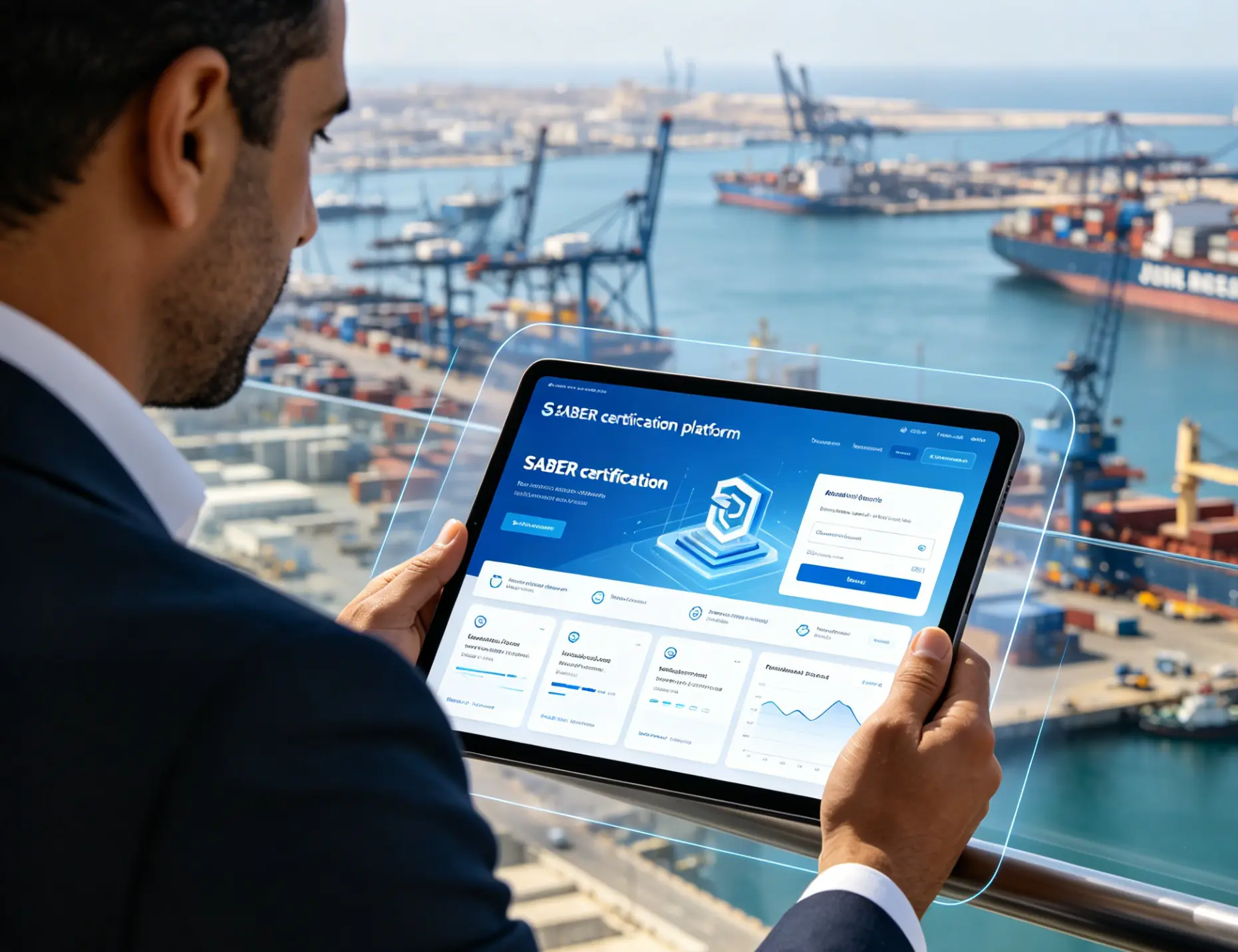
Saudi Arabia enforces strict import regulations via the Zakat, Tax and Customs Authority (ZATCA) and SASO authorities, meaning all commercial shipments, including LCL, must be registered on the official SABER platform to clear customs successfully. Failure to comply will result in severe delays, demurrage charges, or even the rejection of the cargo.

Step 1: Issuing the Product Certificate of Conformity (PCoC)
The PCoC is an annual certificate validating that your specific product complies with Saudi technical regulations. It must be issued by a Saudi Standards, Metrology and Quality Organization (SASO) approved certification body before shipping your goods from China.
Step 2: Obtaining the Shipment Certificate of Conformity (SCoC)
The SCoC is required for every individual LCL shipment entering Saudi Arabia. It is generated through the SABER system by linking your valid PCoC with your commercial invoice for that specific consignment.
Essential Customs Documents

Alongside SABER certificates, importers must provide a Commercial Invoice, Packing List, Bill of Lading, and a Certificate of Origin to ensure smooth clearance at Dammam or Jeddah. Ensuring that the “Made in China” label is physically present on every individual item is also a strict requirement by ZATCA.
Reliable DDP LCL Shipping from China to Saudi Arabia via Efanda Logistics
Efanda Logistics specializes in China-to-Saudi Arabia routes, offering transparent CBM pricing, expert SABER compliance support, and reliable DDP (door to door shipping) solutions to Riyadh and Jeddah. We manage the entire process so you don’t have to worry about unexpected destination charges or customs bottlenecks.
In-House Customs Expertise
Our team stays updated on the latest ZATCA regulations, ensuring your paperwork is perfectly aligned before the cargo ever leaves the Chinese port.
Dedicated Consolidation Warehouses in Guangzhou and Yiwu
We operate our own Container Freight Stations in key Chinese hubs, allowing for secure, efficient consolidation of your LCL cargo and minimizing the risk of damage or loss.
FAQs About LCL Freight from China to Saudi Arabia
What is the minimum volume required for an LCL shipment to Saudi Arabia?
Most freight forwarders require a minimum billable volume of 1 CBM. Even if your cargo is 0.5 CBM, you will be charged the 1 CBM base rate.
Do I need a Saudi commercial registration (CR) to import LCL cargo?
Yes, if you are importing commercial goods, a valid Commercial Registration (CR) matching the imported products is mandatory for customs clearance. If you lack a CR, a DDP service utilizing a local importer of record might be necessary.
How does the SABER system affect small LCL shipments?
SABER requirements apply regardless of the shipment size. Even a 1 CBM commercial LCL shipment must have valid PCoC and SCoC certificates if the product is regulated by SASO.
Can I ship hazardous materials via LCL to Saudi Arabia?
Shipping hazardous materials (HAZMAT) via LCL is highly restricted because it requires segregation from other cargo. Most carriers prefer FCL for dangerous goods, but specific non-flammable chemicals may be accepted with a valid MSDS.
How do destination charges (DTHC) work for LCL in Saudi ports?
Destination Terminal Handling Charges for LCL are typically calculated per CBM or per ton. Because LCL requires unloading the shared container at a CFS, these handling fees are often proportionally higher per cubic meter than FCL handling fees.