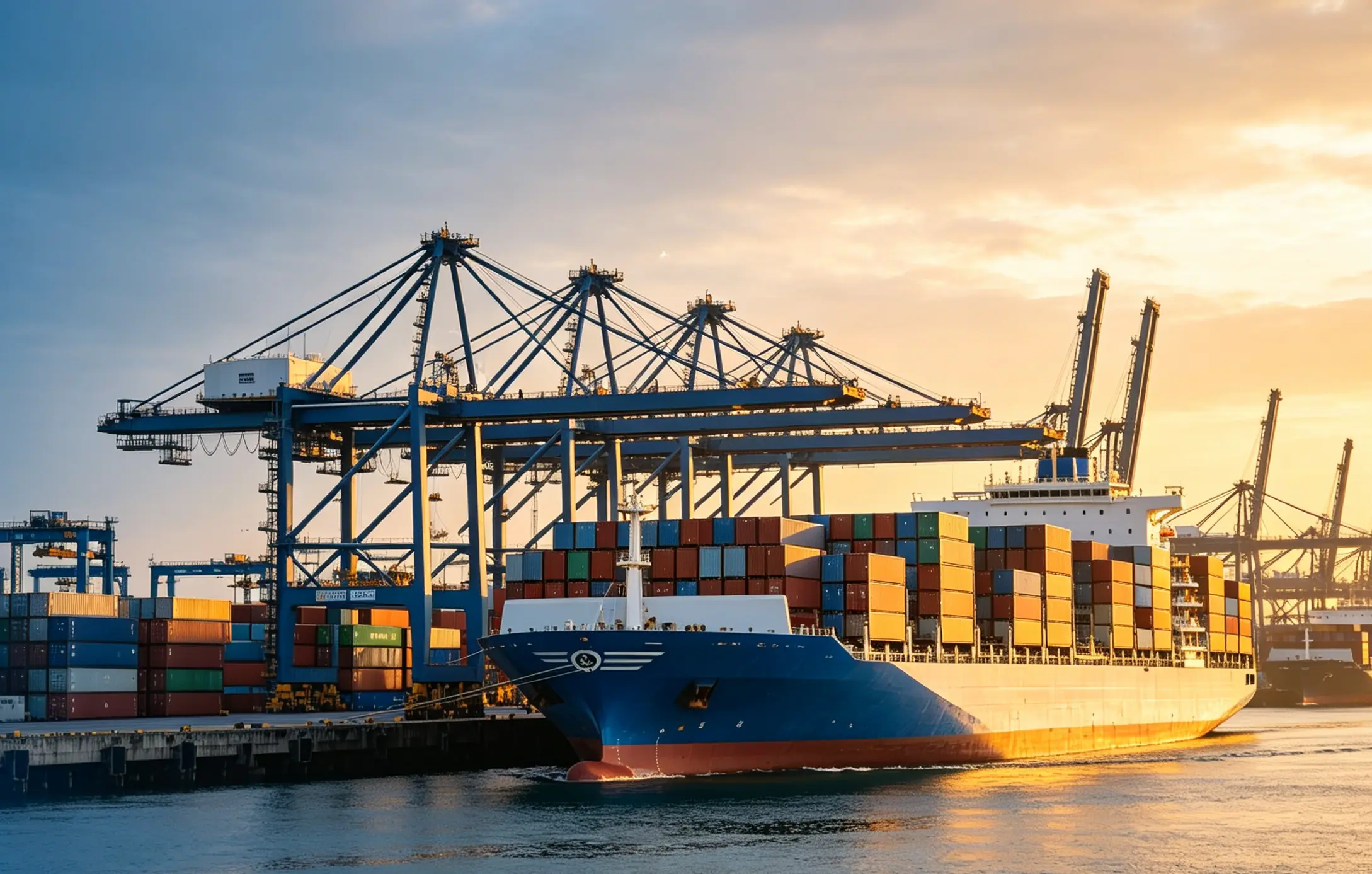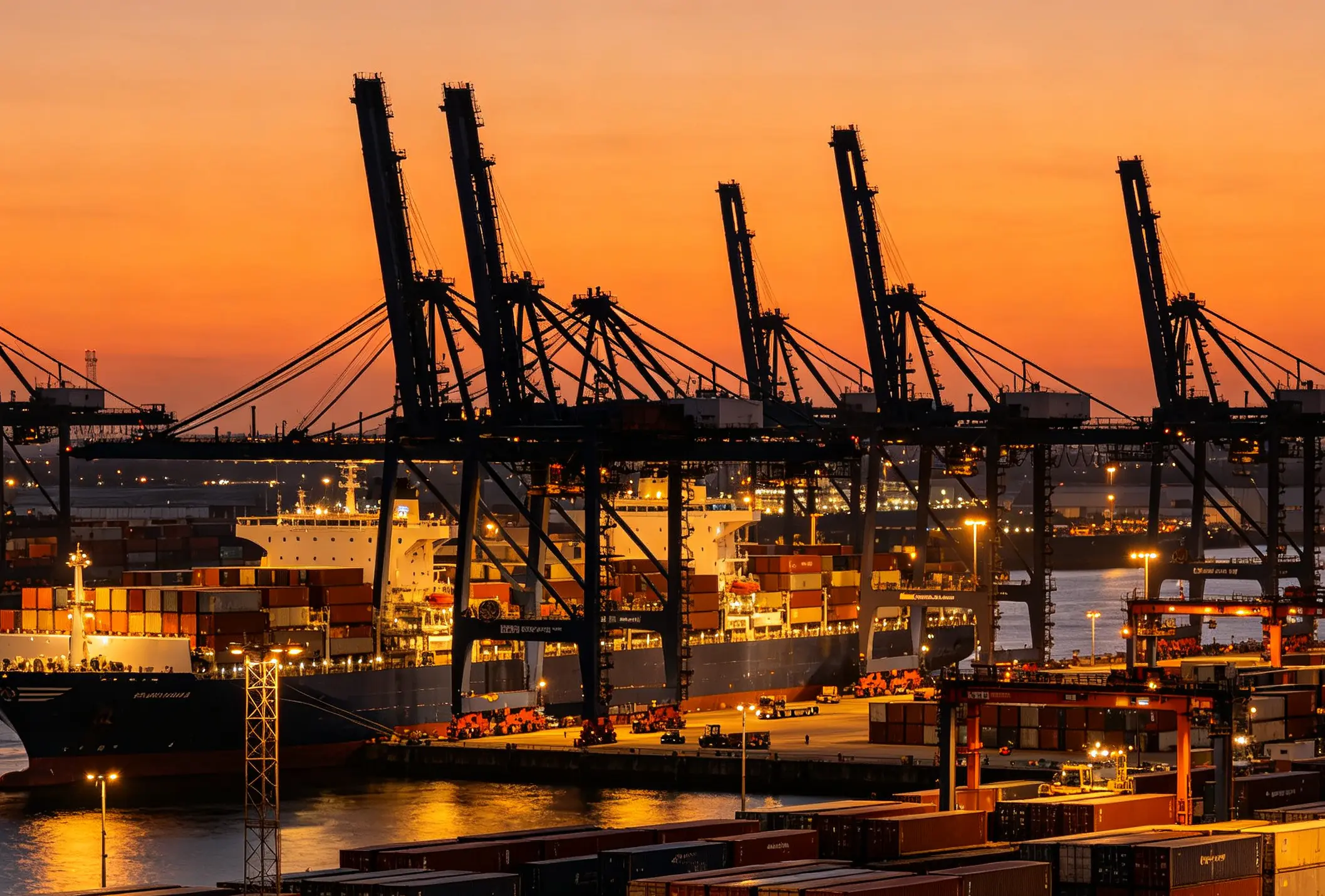
With Saudi Arabia’s Vision 2030 driving an unprecedented boom in infrastructure projects across Riyadh, Jeddah, and Dammam, the demand for cost-effective, high-quality building products from China has reached an all-time high. However, figuring out how to ship construction materials and building products from China to Saudi Arabia is entirely different from shipping standard consumer goods.
Many Saudi importers and engineering contractors frequently face logistics nightmares: half-empty containers that are too heavy for legal road transport, skyrocketing hidden Demurrage and Detention (D&D) fees at destination ports, and shipments blocked by Saudi customs due to missing SABER certifications.
In this comprehensive 2026 guide, we will break down exactly how to plan your container loading, avoid expensive hidden fees at the port, ensure strict customs compliance, and secure the most cost-effective end-to-end project logistics solutions for your building materials.
1. What is Project Logistics? The Key to Importing Building Materials
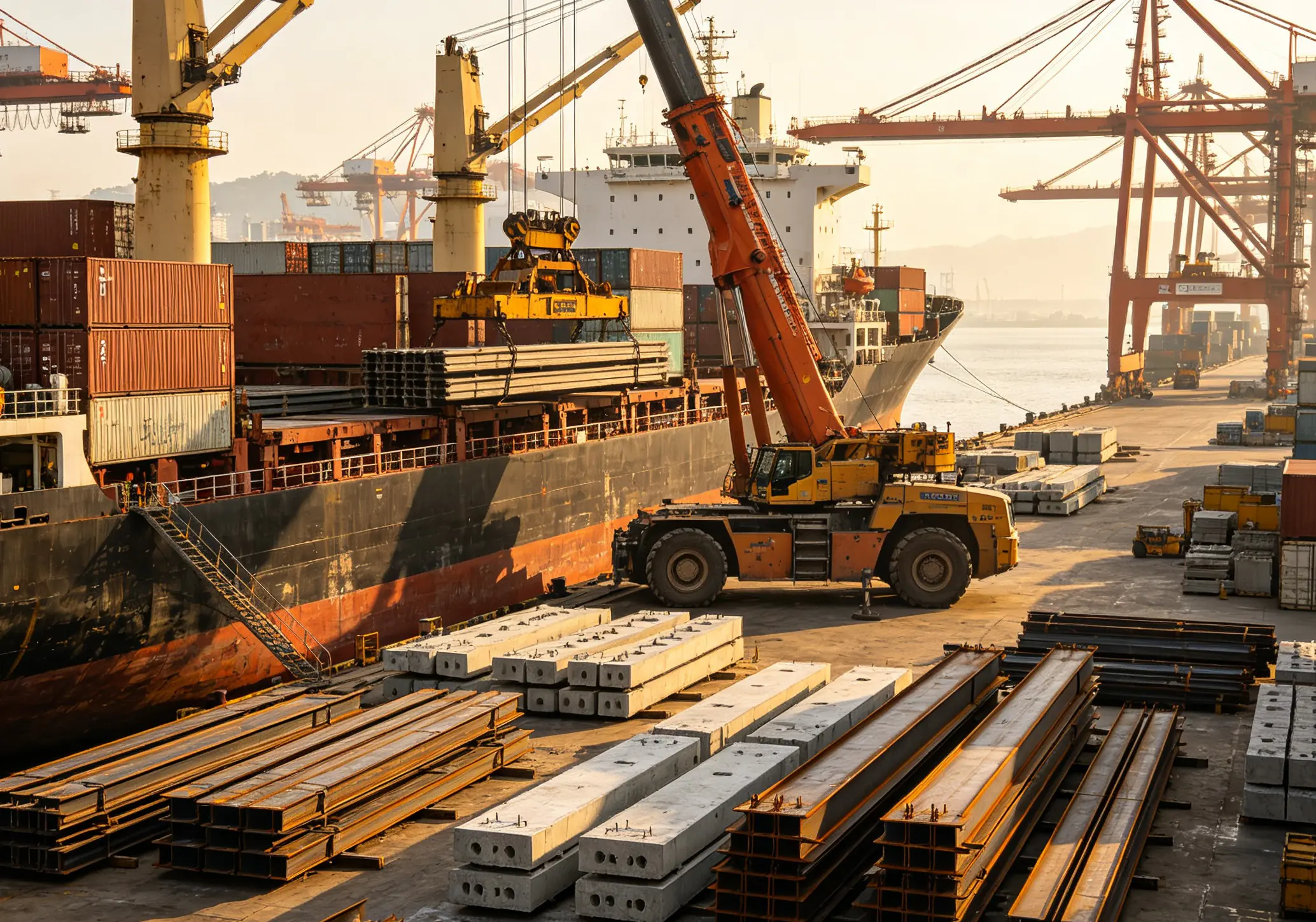
When you arrange shipping from China to Saudi Arabia for building materials, you are rarely just buying one type of product from a single factory. A typical construction project requires a complex mix of goods—ranging from standard materials like ceramic tiles, lighting fixtures, and aluminum profiles, to specialized heavy machinery like excavators and cranes. This complexity requires a Project Logistics approach rather than standard freight forwarding.
Supplier Consolidation: The Ultimate Cost-Saver
Most Saudi buyers source different materials from various manufacturing hubs in China. For example, you might buy ceramic tiles from Foshan, lighting from Zhongshan, and sanitary ware from Chaozhou. Shipping these items individually in Less than Container Load (LCL) shipments or multiple half-empty Full Container Load (FCL) shipments will drastically inflate your logistics costs.
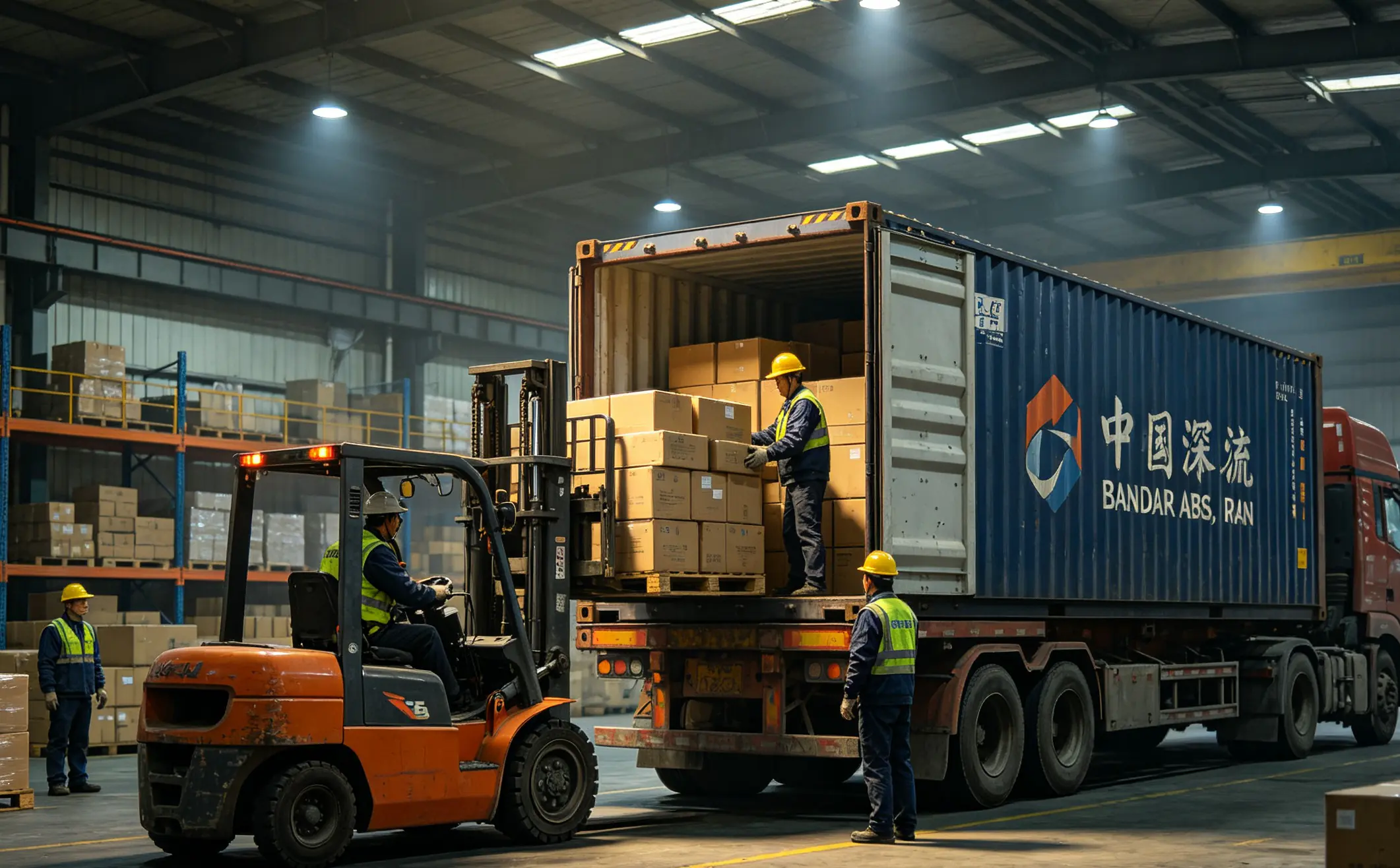
The cheapest way to ship construction materials to Saudi Arabia is through professional Supplier Consolidation. By utilizing a warehouse in a major hub like Shenzhen, a freight forwarder can collect goods from multiple suppliers, carefully plan the loading of mixed materials into a single container, and ship them under one Bill of Lading (B/L). This strategy not only reduces ocean freight costs per unit but also significantly lowers destination port handling charges and customs clearance fees in Saudi Arabia.

Our Industry Insights: The Power of Consolidation
“We recently assisted a Riyadh-based contractor who was buying tiles, doors, and bathroom fixtures from five different Chinese suppliers. Initially, they planned to ship five separate LCL shipments. By intercepting the process and consolidating the goods at our Shenzhen warehouse into two 40HQ containers, we reduced their overall shipping costs by 32% and simplified their Saudi customs clearance process into a single entry.”
2. Choosing the Right Shipping Method for Construction Materials
Selecting the correct shipping method is crucial for balancing costs, transit times, and cargo safety. Building materials are generally heavy, bulky, and sometimes out of standard dimensions.
Standard Building Materials: FCL vs. LCL Shipping
For standard materials like flooring, glass panels, gypsum boards, and lighting, ocean freight is the only economically viable option. When choosing between fcl vs lcl shipping, consider the following:
- FCL (Full Container Load): This is the standard for building materials. Because construction products are usually purchased in bulk, booking a full 20GP or 40HQ container provides the best cost-per-CBM (Cubic Meter) and minimizes the risk of damage, as the container is sealed at the origin and only opened at the destination.
- LCL (Less than Container Load): If you are only ordering a small batch of finishing materials or samples (usually under 15 CBM), LCL allows you to share container space. However, for fragile items like marble or glass, LCL poses a higher risk of damage due to repeated handling at consolidation warehouses.
Transporting Heavy Machinery and Specialized Equipment
When shipping heavy machinery and building products to KSA—such as bulldozers, large cranes, or oversized steel structures—standard containers will not work. You must rely on specialized shipping methods:
- OOG (Out of Gauge) & Flat Rack: For cargo that is too wide or too tall to fit inside a standard container, Flat Rack containers (which have no side walls or roof) are used.
- Open Top Containers: Ideal for heavy machinery that must be loaded using a crane from above.
- Breakbulk / RORO (Roll-on/Roll-off): For massive construction vehicles (like excavators) that can be driven directly onto the ship.
Strategic Port Selection
Choosing the right destination port is critical. When planning sea shipping from China to Saudi Arabia for your materials, align the port with your project location. Jeddah Islamic Port is ideal for projects in the western region (Mecca, Medina), while King Abdulaziz Port in Dammam serves the eastern region and provides a direct railway link to the Riyadh Dry Port.
3. Container Loading & Weight Limits: The Hidden Trap
One of the most common and costly mistakes importers make when shipping building materials is misunderstanding the relationship between cargo volume and weight limits. Unlike shipping clothing or electronics, building materials create physical logistics problems long before they create customs issues.
The Density Problem: Why 20GP is Often Better than 40HQ
Materials like ceramic tiles, marble slabs, steel pipes, and cement products are incredibly dense. Based on standard shipping container dimensions, a 20-foot container (20GP) has a maximum payload capacity of around 28,000 kg. If you load dense tiles into a 20GP container, you will hit the maximum weight limit when the container is only about half full by volume.
Many inexperienced buyers book a 40-foot container (40HQ) hoping to ship more tiles at once. However, the maximum weight limit for a 40HQ is very similar to a 20GP (around 28,500 kg). If you fill a 40HQ with heavy tiles, it will be massively overweight. Not only will shipping lines refuse to load it, but even if it arrives, it will exceed Saudi Arabia’s legal road weight limits, making it illegal to transport by truck from Dammam or Jeddah to your construction site.
Cargo Protection and Palletization
Fragile materials such as glass panels, stone countertops, and sanitary ware are highly susceptible to vibration damage during the 20-30 day ocean transit.
- Heavy pallets must always be loaded at the bottom and near the centerline of the container to maintain balance.
- Fragile items must be separated by dunnage (airbags or wooden bracing) to prevent shifting.
- Poor palletization in China often results in hidden hairline cracks that are only discovered upon unpacking at the Saudi construction site, leading to massive project delays.
4. Shipping Building Materials from China to Saudi Arabia Cost (2026)
Understanding the true shipping cost from China to Saudi Arabia is vital. Freight rates fluctuate based on seasonality, port congestion, and fuel surcharges. Below are the estimated ocean freight rates for 2026.
Estimated Ocean Freight Costs (China to Major Saudi Ports)
| Container Type / Volume | Estimated Cost (USD) | Best Suited For |
|---|---|---|
| 20GP Container | $1,200 – $2,200 | Dense/heavy materials (tiles, steel, stone) |
| 40HQ Container | $1,800 – $3,500 | Bulky/lighter materials (insulation, lighting, doors) |
| LCL (Per CBM) | $70 – $130 | Small batches, samples, finishing touches |
| Flat Rack / OOG | Custom Pricing | Heavy machinery, oversized construction equipment |
(Note: Rates are estimates from major Chinese ports like Shenzhen/Shanghai to Jeddah/Dammam and do not include destination port charges or customs duties.)
Beware of Hidden Fees: Demurrage and Detention (D&D)
Many importers fall into the trap of choosing a freight forwarder based solely on the lowest ocean freight quote, only to be hit with massive hidden fees upon arrival in Saudi Arabia. The most dangerous of these are Demurrage and Detention (D&D) charges.
Saudi ports typically offer only 7 to 14 days of free time for containers. If your Customs Clearance in Saudi Arabia is delayed due to missing documents (like SABER certificates), the port and shipping line will charge you daily penalties. For a project involving 10 containers, a one-week delay can easily result in thousands of dollars in D&D fees, entirely wiping out any savings you made on the ocean freight.
Real-Life Scenario: The D&D Trap
“A contractor shipped 5 containers of aluminum profiles to Jeddah using a cheap online freight quote. Because they didn’t have their SASO certificates ready, clearance took 21 days. The shipping line charged them $150 per container per day after the 7-day free period expired, resulting in a $10,500 penalty. At Efanda Logistics, we pre-check all compliance documents before the ship leaves China and negotiate extended free time (up to 21 days) with carriers to protect our clients from these traps.”
Door-to-Door Cost Structure
For ultimate peace of mind, many contractors opt for door to door shipping to handle construction materials from China directly to Riyadh. Under DDP (Delivered Duty Paid) terms, your freight forwarder handles everything: factory pickup in China, export clearance, ocean freight, Saudi import clearance, payment of all duties and the 15% VAT, and final truck delivery to the construction site. This provides a transparent, all-in Landed Cost with no surprises.
5. Navigating Customs Clearance in Saudi Arabia
Saudi Arabia has some of the strictest import regulations in the Middle East, especially for building materials, to ensure they meet local safety and quality standards.
SABER / SASO Certification
The most critical requirement for importing construction materials is the SABER / SASO Certification. The Saudi Standards, Metrology and Quality Organization (SASO) requires that all regulated products (which includes almost all building materials like steel, glass, tiles, and electrical fixtures) be registered on the SABER electronic platform.
- Product Certificate (PCoC): Must be obtained for the specific product model.
- Shipment Certificate (SCoC): Must be issued for every single shipment based on the commercial invoice.
Do not ship your goods from China until your SABER certificates are approved. If your containers arrive in Jeddah or Dammam without a valid SCoC, Saudi Customs will hold the cargo, resulting in massive D&D fees, and eventually, the goods will be rejected and returned to China at your expense.
Essential Customs Documentation
To ensure smooth Customs Clearance in Saudi Arabia, your Freight forwarder China to Saudi Arabia must ensure the following documents are flawless:
- Commercial Invoice: Must clearly state the true value of the goods. Saudi Customs (ZATCA) strictly monitors for undervaluation.
- Packing List: Must detail the exact weight, volume, and contents of every pallet.
- Certificate of Origin: Must be stamped by the China Council for the Promotion of International Trade (CCPIT).
- Bill of Lading (B/L)
- Accurate HS Codes: Using the wrong 12-digit Saudi HS Code can result in incorrect duty assessments or customs holds.
Incoterms: FOB, CIF, or DDP?
When negotiating with Chinese building material suppliers, your choice of Incoterms dictates your risk. Understanding the differences between FOB vs CIF and DDP is crucial:
- FOB (Free On Board): The supplier delivers the goods to the Chinese port. You control the ocean freight and destination costs. (Recommended for experienced buyers).
- CIF (Cost, Insurance, and Freight): The supplier pays for the ocean freight. Warning: Suppliers often use cheap CIF shipping that results in exorbitant, hidden destination handling charges in Saudi Arabia.
- DDP (Delivered Duty Paid): The easiest option where a trusted forwarder handles the entire A-to-Z process, delivering the goods directly to your Riyadh site.
6. How Efanda Logistics Simplifies Your Supply Chain
Importing construction materials for major projects in Saudi Arabia leaves no room for error. A delayed shipment doesn’t just cost money in port fees; it halts your entire construction schedule, idling workers and delaying project completion.
Established in 2018 and headquartered in Shenzhen, Efanda Logistics is a premier freight forwarding expert specializing in China-to-Middle East routes. We understand that project logistics require precision, compliance, and absolute transparency.
Our End-to-End Solutions Include:
- Expert Supplier Consolidation: We consolidate materials from multiple Chinese factories into our Shenzhen warehouse, optimizing container loads (20GP vs 40HQ) to maximize payload while strictly adhering to Saudi road weight limits.
- Heavy Machinery Handling: Dedicated OOG, Flat Rack, and RORO solutions for your excavators, cranes, and oversized steel structures.
- Pre-Shipment Compliance: Our team verifies your Commercial Invoices, HS Codes, and SABER/SASO readiness before loading, ensuring zero customs delays in Jeddah or Dammam.
- Competitive Pricing without Hidden Fees: We provide crystal-clear quotes. We actively negotiate extended D&D free time with shipping lines to protect your budget from unexpected port penalties.
- Personalized Service: You are assigned a dedicated logistics specialist who provides real-time tracking and proactive problem-solving from factory pickup in China to final delivery at your Saudi construction site.
7. FAQ
How long does it take to ship building materials to Saudi Arabia?
Ocean freight (port-to-port) from major Chinese ports (Shenzhen, Shanghai) to Jeddah or Dammam typically takes 18 to 28 days. If you are using a Door-to-Door (DDP) service to a city like Riyadh, expect the total transit time, including customs clearance and inland trucking, to be 30 to 45 days.
What are the import duties and VAT for construction materials in KSA?
Most standard building materials imported into Saudi Arabia face a customs duty ranging from 5% to 15%, depending on the specific HS Code. Additionally, a standard Value Added Tax (VAT) of 15% is applied to the total CIF value plus the customs duty.
Can I ship mixed building materials in a single container?
Yes, this is highly recommended for cost savings. However, it requires careful planning. Heavy items (like tiles) must be loaded at the bottom, and fragile items (like lighting or glass) must be secured on top. You must also ensure that all different items in the container have their respective SABER certificates.
8. Conclusion
Shipping construction materials and heavy machinery from China to Saudi Arabia is a complex logistical challenge that requires meticulous planning. From choosing between a 20GP and 40HQ container to avoid weight limit violations, to navigating the strict SABER certification process, every step must be executed flawlessly to prevent catastrophic delays and hidden D&D fees.
Don’t let logistics bottlenecks delay your Vision 2030 projects. By partnering with an experienced freight forwarder, you can optimize your supply chain, consolidate your shipments, and guarantee smooth customs clearance.
Ready to streamline your building material imports? Contact Efanda Logistics today for a customized, transparent project logistics quote and let our experts ensure your materials arrive safely, on time, and on budget.