How much does it really cost to ship a container from China to Iran’s busiest port? If you have requested a few quotes, you have probably seen numbers that make no sense together — one forwarder says $1,050 for a 20ft container while another quotes more than $6,800 for what looks like the same service. The truth about the shipping cost from China to Bandar Abbas is that it sits in an unusually wide range, and most importers never learn why.
This guide fixes that. Our Shenzhen-based freight team has moved cargo on the China–Iran lane since 2018 — through calm markets and through the sharp capacity crunches of 2026 — and below we draw on that day-to-day experience shipping to Bandar Abbas (the Shahid Rajaee Port Complex) to break down current sea, air, and rail rates by origin port, decode the gap between benchmark and spot pricing, map out your true landed cost beyond the freight line, and share concrete ways to bring the bill down. All figures are dated for 2026 and carry the volatility warnings this route genuinely demands.
Quick-Answer Cost Snapshot for 2026
The sea freight cost from China to Bandar Abbas in mid-2026 typically runs from roughly $1,050 to $6,800 for a 20ft container, depending heavily on whether you are quoted a contract benchmark or a live peak-season spot rate. The table below gives you a fast reference across all modes, but read the next section before you trust any single number.
| Mode | Typical 2026 Benchmark | June 2026 Spot (Peak) | Transit Time |
|---|---|---|---|
| FCL 20ft GP | $1,050 – $2,200 | $6,000 – $6,850 | 18 – 25 days |
| FCL 40ft HQ | $1,400 – $2,700 | $8,900 – $9,050 | 18 – 25 days |
| LCL (per CBM) | $55 – $130 | $180 – $210 / RT | 25 – 36 days |
| Air Freight (per kg) | $4.50 – $7.50 | $6.00 – $9.00 | 3 – 8 days |
| Rail (China → Tehran) | — | ~$7,500 / 20ft | 22 – 24 days |
Disclaimer: All rates are indicative as of June 2026 and exclude local charges, duties, and taxes. Ocean freight to Iran is highly volatile and can move week to week. Always confirm with a live quote before budgeting.
Why Bandar Abbas Shipping Costs Are So Variable
The reason your quotes differ so wildly is that they are measuring different things — a benchmark contract rate and a live spot rate are not the same product. Understanding this single distinction will save you more money than any other tip in this guide.

A benchmark or contract rate (the $1,050–$2,200 figures you see in many published tables) reflects an annual or quarterly agreement negotiated when capacity was loose. A spot rate (the $6,000-plus figures seen in June 2026) reflects what space actually costs today, during a tight, high-demand window. When carriers serving Iran are full, the spot rate is the only number that matters — the benchmark is a memory.
We saw this play out firsthand in June 2026: a client holding a $1,150 contract rate quoted in the spring found that no carrier would actually load the box at that figure, and the real bookable rate had moved north of $6,500. Public benchmarks like the Freightos Baltic Index (FBX) and Drewry’s World Container Index track the same whipsaw on mainline trades — and Iran amplifies it, because far fewer carriers serve the lane. You can watch the broad market move on the Freightos Baltic Index and the Drewry World Container Index, then assume the Iran spread sits above whatever the mainline is doing.
Several components stack on top of the base ocean freight to produce the final figure:
- Base ocean freight — the carrier’s core rate for the slot.
- Bunker Adjustment Factor (BAF) — a fuel surcharge that rises and falls with oil prices.
- Currency Adjustment Factor (CAF) — covers exchange-rate swings.
- Peak Season Surcharge (PSS) — applied when demand spikes (pre-Chinese New Year, pre-Nowruz, and Q4).
- Capacity premium — because few carriers serve Iran, even small demand surges push rates up fast.
Before you trust any quote for the China to Iran shipping container price in 2026, ask the forwarder four questions: Is this a spot or contract rate? What is the validity date? Does it include origin and destination charges? And is space actually confirmed, or just indicative? A cheap number with no confirmed space is not a real price.
Sea Freight Cost by Origin Port
The cheapest origin port is usually the one closest to your factory, but the spread between Chinese ports is narrow enough that consolidation and sailing schedules often matter more than the headline rate. The table below shows representative FCL shipping rates from China to Bandar Abbas by origin.
| Origin Port | 20ft GP | 40ft HQ | Transit Time |
|---|---|---|---|
| Shanghai | $1,050 – $2,200 | $1,450 – $2,100 | 18 – 25 days |
| Ningbo | $1,050 – $2,300 | $1,400 – $2,000 | 18 – 25 days |
| Shenzhen / Shekou | $1,200 – $2,200 | $1,600 – $2,600 | 20 – 25 days |
| Guangzhou (Nansha) | $1,050 – $1,800 | $1,500 – $2,500 | 20 – 28 days |
| Qingdao | $1,100 – $2,400 | $1,450 – $2,200 | 18 – 24 days |
| Tianjin | $1,400 – $2,500 | $1,650 – $2,700 | 24 – 30 days |
Benchmark ranges shown; add peak-season spot premiums as noted above. Rates as of June 2026.
For smaller shipments, the LCL shipping cost from China to Bandar Abbas runs about $180–$210 per revenue ton (RT) out of Guangzhou and Ningbo in mid-2026, with transit times of 25–36 days. Remember that LCL is priced per CBM or per ton, whichever is greater. The practical rule: if your cargo exceeds roughly 15 CBM, a full FCL (Full Container Load) container is usually cheaper per unit than LCL (Less than Container Load) consolidation — and it moves faster with less handling risk.
Takeaway: Don’t chase a $50 difference between Shanghai and Ningbo. Pick the port with the best direct sailing to Bandar Abbas for your timeline, and consolidate to FCL as soon as your volume justifies it.
FCL vs LCL vs Air vs Rail: Which Mode Fits Your Cargo
The right mode is a trade-off between cost, speed, and shipment size, and Iran’s route offers four realistic options. The comparison below frames the decision.
| Mode | Cost (2026) | Transit | Best For |
|---|---|---|---|
| Sea FCL | $1,050 – $9,050 / container | 18 – 25 days (port-to-port) | Volumes over 15 CBM, cost-sensitive |
| Sea LCL | $55 – $210 / CBM | 25 – 40 days | Volumes under 15 CBM |
| Rail | ~$4,000 – $7,500 / 20ft | 14 – 24 days | Mid-value, time-sensitive cargo |
| Air | $4.50 – $9.00 / kg | 3 – 8 days | Urgent, high-value, low-weight goods |
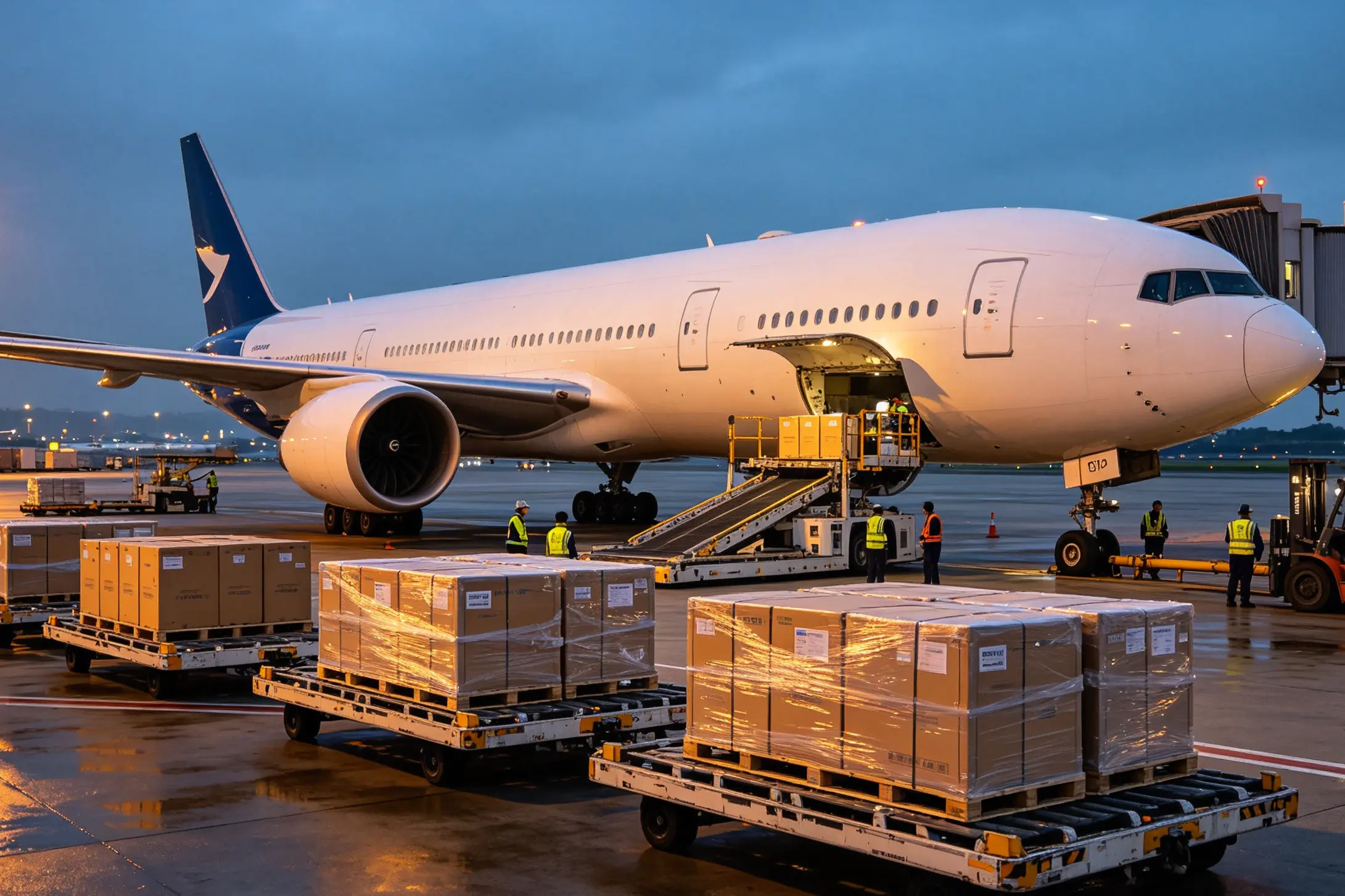
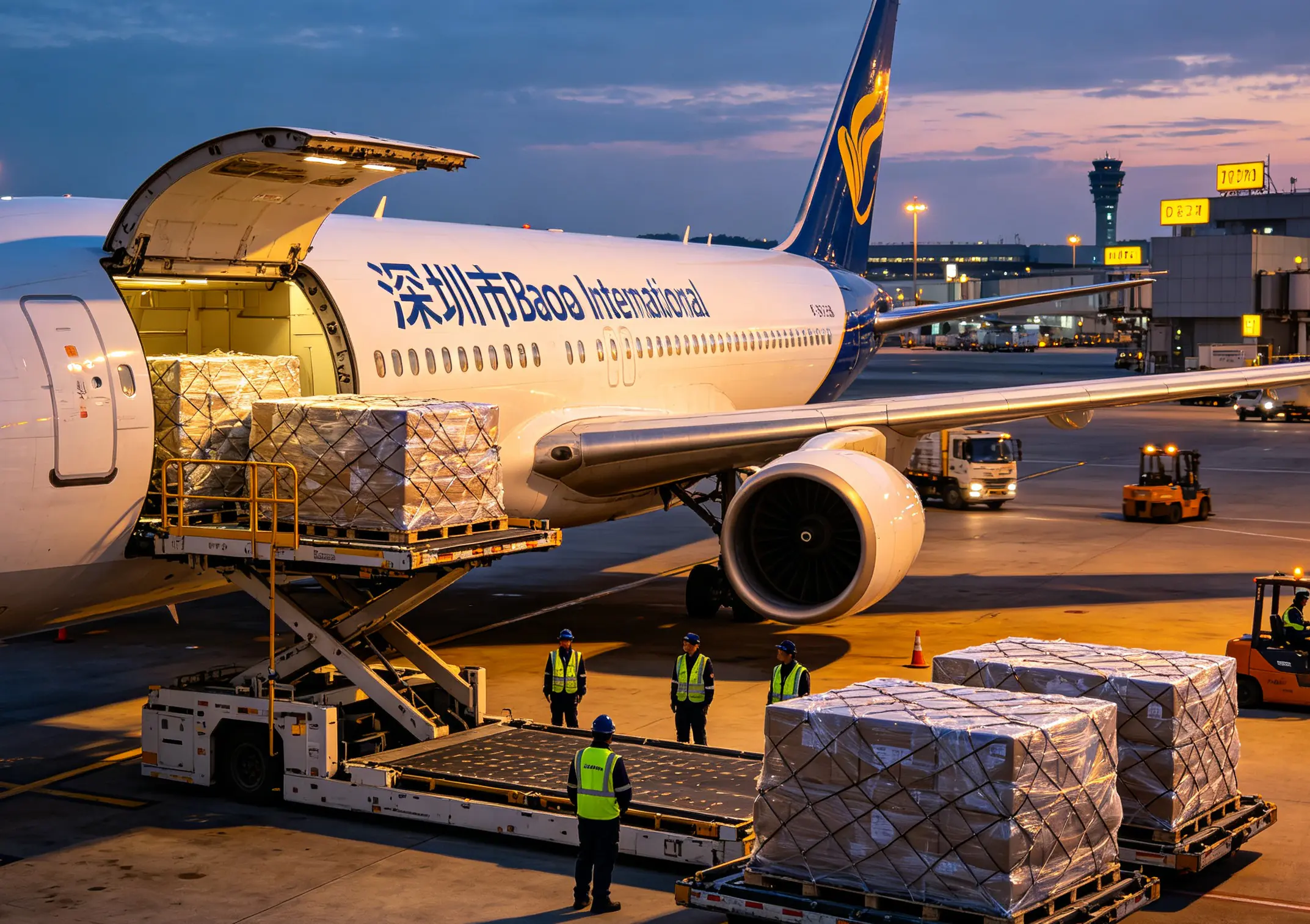
Air freight to Tehran’s Imam Khomeini Airport (IKA), which handles the vast majority of China–Iran air cargo, makes sense when speed justifies the premium — samples, spare parts, or high-margin electronics. Rail freight from China to Tehran (via the Khorgos and Aktau corridors) is the overlooked middle ground: faster than sea, far cheaper than air, and increasingly reliable, with transit around 22–24 days.
For most B2B importers moving furniture, machinery, building materials, or consumer goods, sea freight remains the default — the question is simply FCL or LCL, decided by the 15 CBM break-even.
The True Landed Cost — Beyond the Freight Quote
Ocean freight is only about 50–60% of what you actually pay to land goods in Iran, so budgeting from the freight quote alone is the most common and expensive mistake importers make. Your true landed cost stacks several layers on top of the sea freight.
A realistic worked example — a $30,000 electronics shipment in a 20ft container from Shenzhen to Tehran on a door-to-door basis — looks like this:
| Cost Component | Amount (USD) | Share |
|---|---|---|
| Goods value (FOB) | $30,000 | 71.2% |
| Ocean freight | $2,500 | 5.9% |
| Cargo insurance | $98 | 0.2% |
| Origin + port charges (THC) | $400 | 0.9% |
| Iran import duty (~15%) | $4,875 | 11.6% |
| VAT (9% on CIF + duty) | $3,377 | 8.0% |
| Customs brokerage | $250 | 0.6% |
| Inland trucking to Tehran | $650 | 1.5% |
| Total landed cost | $42,150 | 100% |
Notice that duties and VAT alone add nearly 20% to the cargo value. Iran’s import duties range from 4% to 55% depending on the HS Code — the classification and tariff schedule are administered by the Islamic Republic of Iran Customs Administration (IRICA) — and the 9% VAT is calculated on the CIF value plus duty. The lesson: a forwarder who shaves $200 off freight but misclassifies your HS code can cost you thousands in overpaid duty. We once inherited a shipment where a previous agent had declared LED display panels under a higher-duty general lighting code; correcting the classification before filing saved the importer roughly $1,900 on a single 20ft container. Watch, too, for Demurrage and Detention (D&D) charges if your container sits past its free time at the port — these are pure avoidable loss.
Transit Time from China to Bandar Abbas
Direct sea transit from China to Bandar Abbas runs 18 to 25 days under normal conditions, stretching to 35–45 days during peak congestion or when cargo routes through a transshipment hub like Dubai. The table shows port-to-port estimates.
| Origin | Normal Transit | Peak / Delayed |
|---|---|---|
| Qingdao | 18 – 24 days | up to 32 days |
| Shanghai / Ningbo | 18 – 26 days | up to 40 days |
| Shenzhen / Guangzhou | 20 – 24 days | up to 38 days |
| Tianjin | 24 – 30 days | up to 45 days |
Plan your full door-to-door timeline as a chain: factory pickup and export clearance (2–4 days), ocean transit (the figures above), arrival and IRICA customs clearance at Shahid Rajaee (3–14 days depending on the inspection channel), and final inland trucking to Tehran or beyond (1–3 days). A hard truth on this lane: delays often happen after arrival, not at sea. Build a buffer for destination clearance.
Shahid Rajaee Port and Bandar Abbas Realities
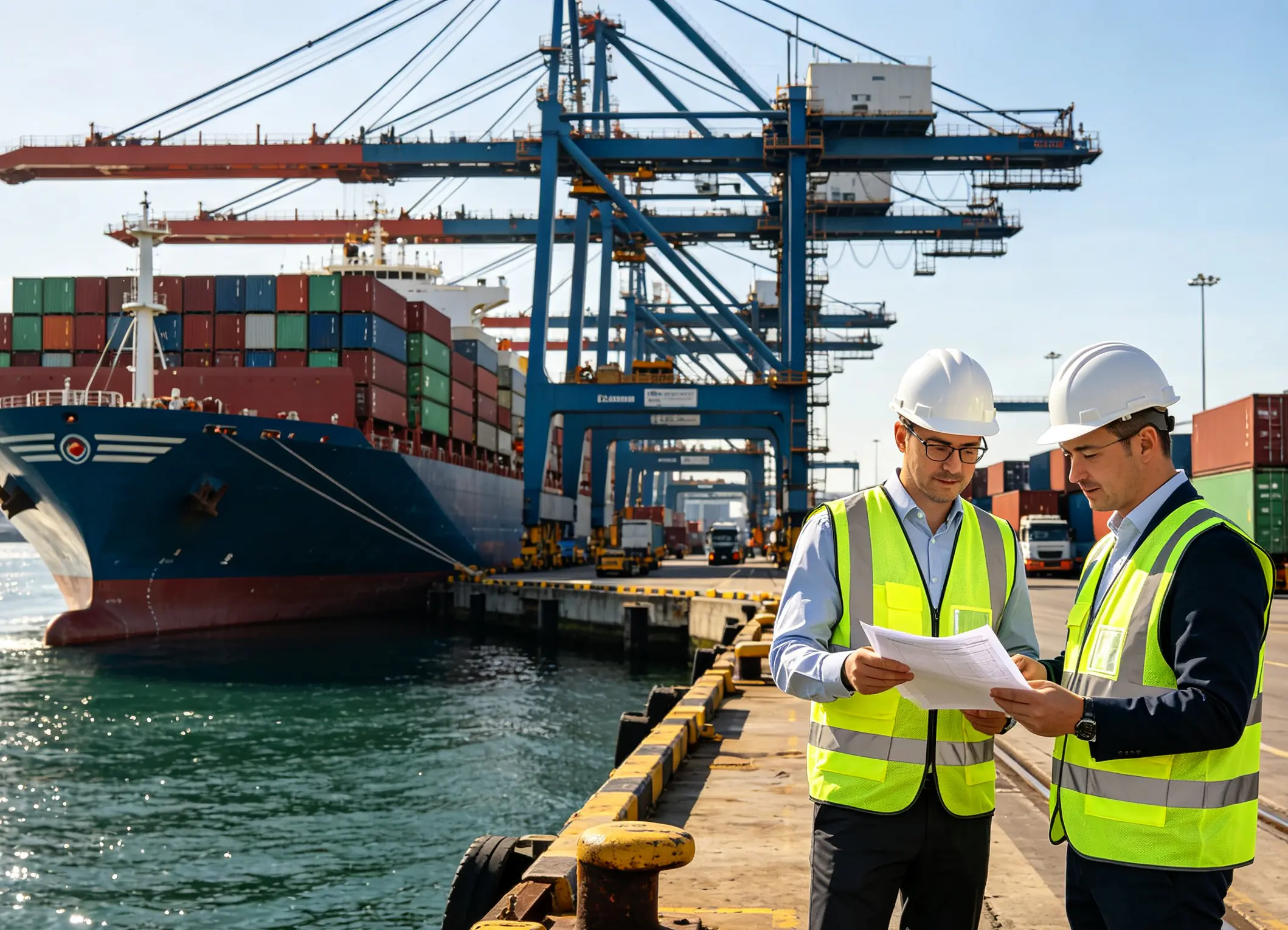
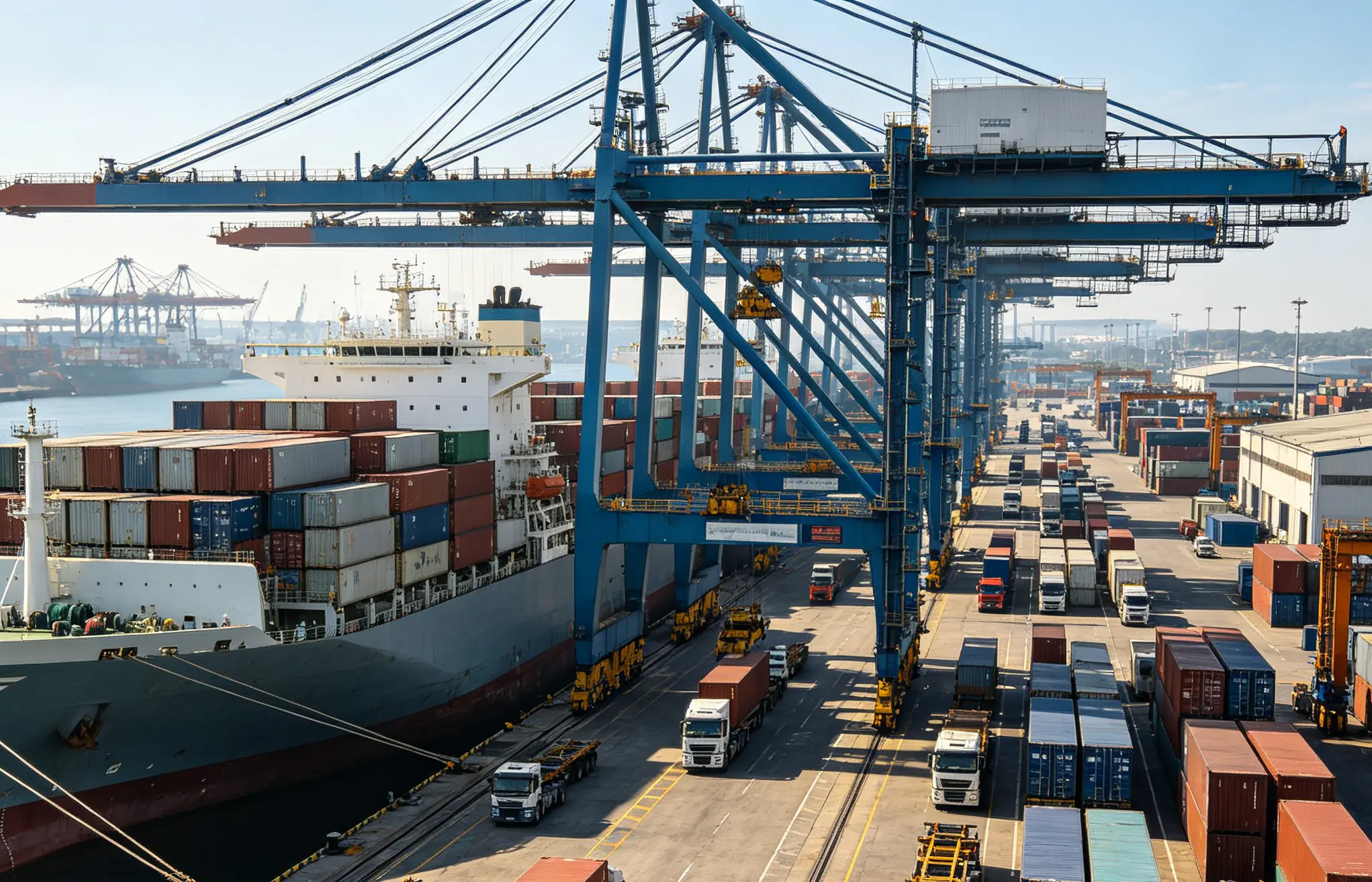
Bandar Abbas, anchored by the Shahid Rajaee Port Complex near the Strait of Hormuz, is Iran’s most important maritime gateway and handles the majority of the country’s container traffic. It is also the launchpad for cargo moving on to Tehran, central and eastern Iran, and onward into Central Asia.
Two cost realities matter here. First, free time — the number of days your container can sit at the terminal before charges begin — is typically limited, and once it expires, demurrage (for the box) and detention (for the equipment) accumulate daily. Second, port congestion at Shahid Rajaee can spike during peak windows, lengthening clearance and eating free time before you have even collected the cargo.
If Bandar Abbas is congested or not the best fit for your final destination, alternative Iranian ports carry a premium over the Bandar Abbas baseline:
| Alternative Port | Best For | Cost Premium vs. Bandar Abbas |
|---|---|---|
| Bushehr | Southern Iran, Shiraz | +$200 – $400 |
| Imam Khomeini (BIK) | Western Iran, Khuzestan | +$300 – $500 |
| Chabahar | Eastern Iran, Afghanistan transit | +$400 – $800 |
Sanctions, Payment, and Carrier Reality
Yes, you can legally ship commercial, non-restricted goods from China to Iran — but the mechanics differ from any other lane, and that difference explains much of the cost and complexity. Because of sanctions, the major global carriers (Maersk, MSC, CMA CGM) and express integrators (DHL, FedEx, UPS) largely avoid Iran. The traffic moves instead on IRISL (Islamic Republic of Iran Shipping Lines) and regional NVOCCs such as VOLTA, WOSCO, and FCSL. Fewer carriers means thinner capacity, which is exactly why spot rates jump so sharply in peak season.
Payment logistics are equally distinct. Settlement typically runs through intermediary banks via T/T, or in RMB or AED, often with cargo routed through Dubai. On the documentation side, Iranian imports require a Commercial Invoice, Packing List, Bill of Lading, Certificate of Origin, the importer’s Iranian Commercial ID (kart-e bazargani), and frequently a standard certificate for the goods.
Given the route’s risk profile, cargo insurance (typically 0.3%–1% of cargo value) is strongly advised — and check whether your policy covers the Strait of Hormuz and Persian Gulf, as some standard war-risk clauses contain gaps in this region. An experienced freight forwarder on the China–Iran lane is not a luxury here; it is how you avoid frozen payments, rejected documents, and stranded containers. In our own experience, the single most common reason a shipment stalls is not the ocean leg at all — it is a payment routed through a bank that quietly declines Iran-linked transactions, which is why we confirm the settlement channel before a container ever leaves the factory.
Compliance note: Sanctions regimes change, and what is permissible depends on your specific goods, your jurisdiction, and the current rules of bodies such as the U.S. Office of Foreign Assets Control (OFAC) and the EU. Nothing in this guide is legal advice. Verify your exact commodity, end-use, and counterparties against current regulations — and engage qualified trade-compliance counsel where needed — before you commit to shipping.
Choosing Your Incoterm: FOB vs CIF vs DDP
The right Incoterm depends on how much of the China–Iran complexity you want to own yourself. The table summarizes who handles what, and our FOB vs CIF breakdown explains the two most common options in more detail.
| Incoterm | Who Arranges Main Freight | Who Clears Iran Customs | Best For |
|---|---|---|---|
| FOB | Buyer | Buyer | Experienced importers with their own forwarder |
| CIF | Seller | Buyer | Buyers wanting freight handled but controlling destination |
| DDP | Seller / forwarder | Seller / forwarder | Importers who want a single, all-in delivered price |
For businesses new to the Iran route, DDP (Delivered Duty Paid) is often the lowest-stress and, surprisingly, the lowest total cost option — a specialist forwarder bundles freight, clearance, duty, and delivery, and absorbs the coordination risk that quietly inflates costs under FOB. Experienced importers with a trusted forwarder and an Iranian customs broker may prefer FOB for maximum control.
5 Actionable Ways to Lower Your Bandar Abbas Shipping Cost
You have more levers than the freight rate. Here are five concrete moves that reliably reduce the total bill:
- Consolidate to FCL above 15 CBM. Once your volume crosses the break-even point, a full container beats LCL on per-unit cost, speed, and damage risk.
- Ship from the origin port nearest your factory to cut domestic trucking and drayage, rather than chasing a marginally lower ocean rate elsewhere.
- Avoid peak windows when you can. Pre-Chinese New Year, pre-Nowruz (March), and Q4 carry the steepest surcharges — plan inventory to ship in the shoulder months.
- Book and lock rates early in tight capacity. On a thin carrier lane like Iran, confirmed space at a fixed rate is worth more than a cheaper indicative quote that may evaporate.
- Get your HS codes right. Correct classification prevents both duty overpayment and costly customs holds — the single most overlooked saving on this route.
How Efanda Logistics Handles the China–Bandar Abbas Lane
Navigating sanctions, volatile spot rates, and IRICA clearance is exactly where an experienced partner earns its keep. Efanda Logistics, founded in 2018 and headquartered in Shenzhen, provides end-to-end shipping from China to Iran: factory pickup, consolidation, export clearance, ocean or air freight, destination clearance at Shahid Rajaee, and final delivery to Tehran and beyond.
What sets the service apart is transparent, no-hidden-fee pricing based on real market conditions, a dedicated logistics specialist assigned to track your shipment, and honest guidance on timing and risk rather than a too-good-to-be-true headline rate. When the spot market is moving, you get a current, dated quote — not a stale benchmark you cannot actually book.
Frequently Asked Questions
Why did my Bandar Abbas shipping quote double in 2026?
Most likely you compared a contract/benchmark rate against a live peak-season spot rate. With few carriers serving Iran, tight capacity in periods like June 2026 pushes spot rates far above published benchmarks. Always confirm whether a quote is spot or contract and check its validity date.
What’s the cheapest Chinese port to ship from to Bandar Abbas?
Benchmark rates from Shanghai, Ningbo, and Guangzhou (Nansha) are usually among the lowest, but the difference between major ports is small. The real saving comes from choosing the port nearest your factory and consolidating to FCL.
How long does shipping from China to Bandar Abbas take?
Direct sea transit is typically 18–25 days port-to-port, extending to 35–45 days in peak congestion or via transshipment. Add export clearance, IRICA customs, and inland delivery for the full door-to-door timeline.
How much is LCL per CBM to Bandar Abbas?
In mid-2026, LCL runs roughly $180–$210 per revenue ton from Guangzhou and Ningbo, with transit of 25–36 days. LCL is priced per CBM or per ton, whichever is greater, and is best for shipments under 15 CBM.
Can I still legally ship from China to Iran under sanctions?
Yes, commercial, non-restricted goods move regularly on this lane. Because major carriers avoid Iran, cargo travels on IRISL and regional NVOCCs, with payment often settled in RMB or AED. Work with a forwarder experienced in compliance to avoid frozen payments or rejected documents.
How much is customs clearance and duty at Bandar Abbas?
Iran’s import duties range from 4% to 55% by HS code, plus 9% VAT on the CIF value plus duty. Brokerage and port handling add a few hundred dollars per container. Duties and VAT can easily add 15–20% to your cargo value.
What is free time at Shahid Rajaee Port, and how do I avoid demurrage?
Free time is the limited window your container can stay at the terminal before charges begin. To avoid demurrage and detention, prepare clearance documents in advance, confirm your HS codes, and have your customs broker ready before the vessel arrives.
Should I use FCL or LCL for my shipment to Bandar Abbas?
Use the 15 CBM rule: below it, LCL is usually cheaper; above it, FCL wins on cost per unit, speed, and lower handling risk. When in doubt, ask your forwarder to run both calculations for your exact volume.
Conclusion
The honest shipping cost from China to Bandar Abbas is not a single number — it is a range shaped by spot-versus-benchmark pricing, your origin port, your shipment size, and the duties and port realities waiting at Shahid Rajaee. The importers who win on this lane are the ones who read quotes critically, budget for the full landed cost rather than the freight line, and plan for destination clearance rather than just the voyage.
If you want a transparent, date-stamped quote for your specific cargo, origin, and timeline — built on current market conditions rather than a benchmark you cannot book — reach out to Efanda Logistics for a tailored China-to-Iran shipping plan.
Rates and transit times in this guide are indicative as of June 2026 and subject to change. Confirm all figures with a live quote before committing.
About this guide: prepared by the Efanda Logistics freight desk in Shenzhen, drawing on hands-on experience booking, clearing, and delivering cargo on the China–Iran corridor since 2018. We quote from real, current market conditions — never a stale benchmark — and we are upfront about volatility, compliance, and risk. Last updated June 2026.