Are you wondering why your shipment from Shenzhen to Sydney is taking 35 days instead of the “12 days” promised online? You are not alone. In the volatile world of international logistics, the distance between “Port-to-Port” estimates and “Door-to-Door” reality can be the difference between a stocked warehouse and a lost season.
As an importer, understanding the true shipping timeline is critical for your cash flow and customer satisfaction. Whether you are shipping furniture to Melbourne or electronics to Brisbane, the transit time varies wildly based on the method you choose and the season you ship in.
In this comprehensive 2026 guide, Efanda Logistics breaks down the exact transit times for Sea, Air, and Express freight, exposes the hidden delays no one tells you about (hello, Stink Bug season!), and provides actionable tips to speed up your supply chain.

1. Overview of Shipping from China to Australia
China is Australia’s largest trading partner, accounting for over 30% of the nation’s total trade. Yet, despite the frequency of vessels and flights, shipping remains a complex puzzle of schedules, customs, and biosecurity checks.
When you ask, “How long does it take?”, the answer is rarely a single number. It depends on three critical variables: Mode, Budget, and Destination.
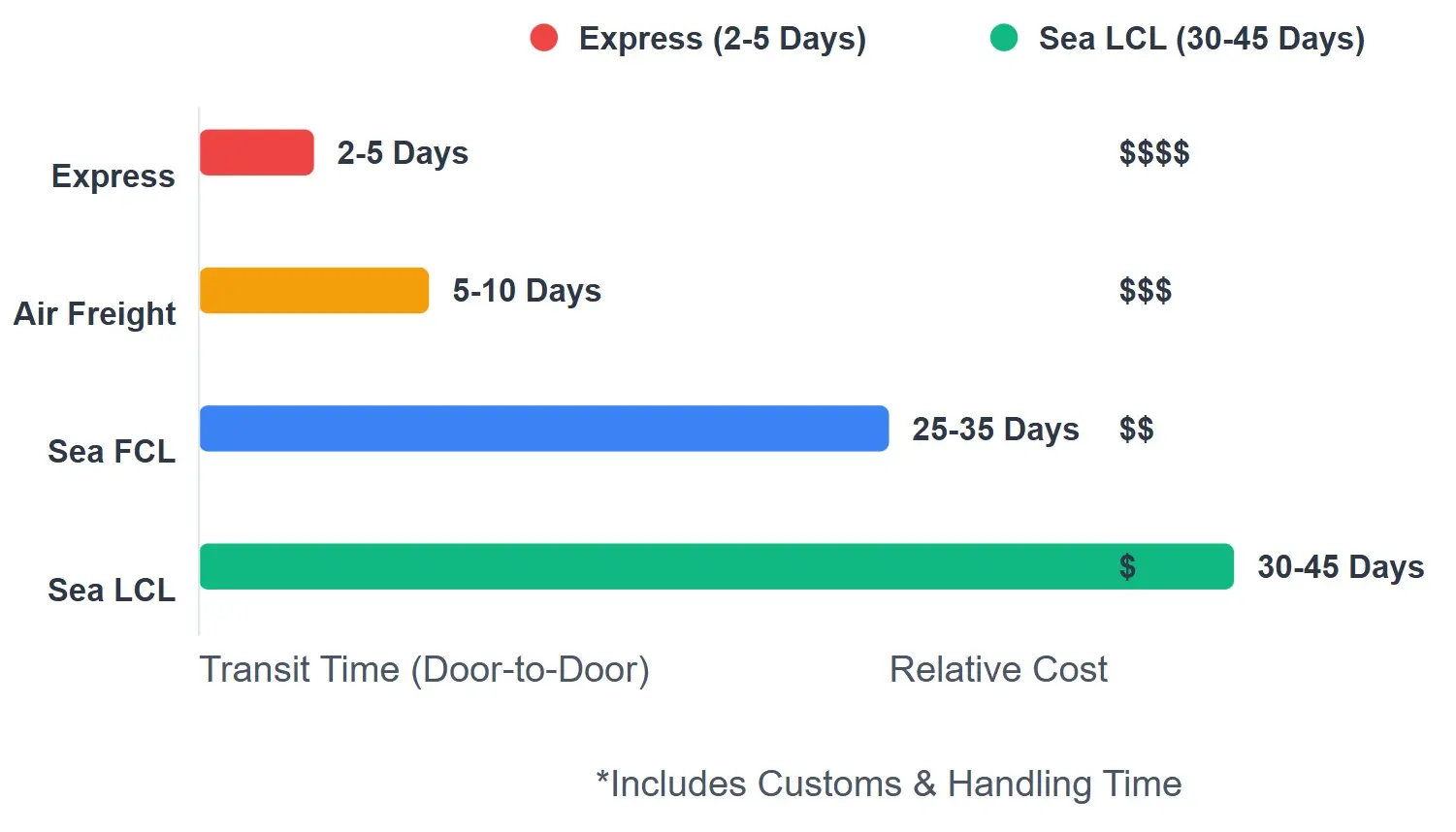
Quick Summary: Shipping Time at a Glance
| Shipping Mode | Transit Time (Door-to-Door) | Cost Level | Best For |
|---|---|---|---|
| Express (DHL/FedEx) | 2–5 Days | $$$$ | Samples, Urgent Docs (<20kg) |
| Air Freight | 5–10 Days | $$$ | High Value, Time-Sensitive Goods |
| Sea Freight (FCL) | 25–35 Days | $$ | Bulk Inventory (Lowest Cost) |
| Sea Freight (LCL) | 30–45 Days | $ | Small Shipments (1-15 cbm) |
Key Takeaway: Speed costs money. To optimize your supply chain, you must balance the urgency of your goods with your profit margins.
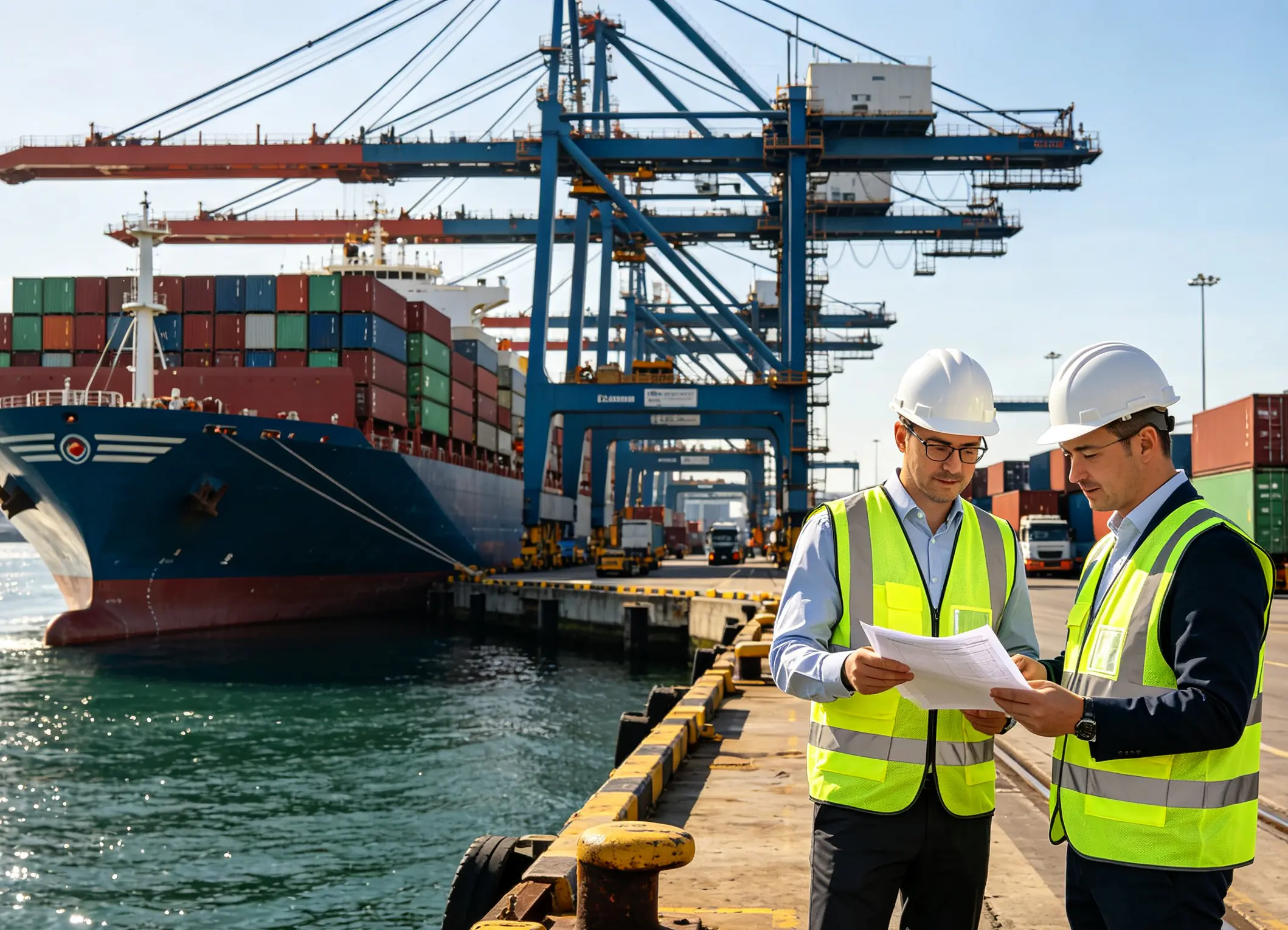
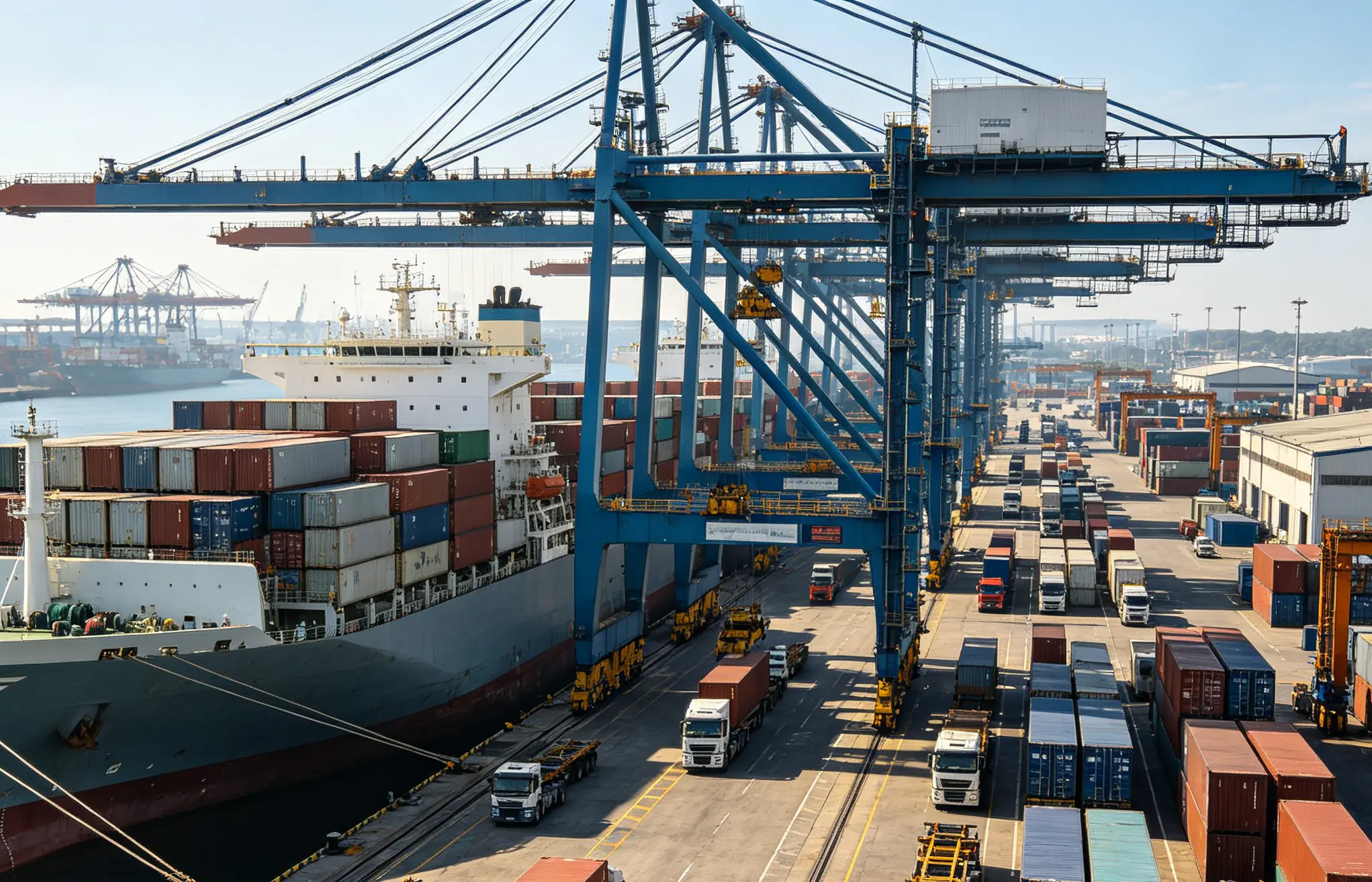
2. Sea Freight Shipping Time from China to Australia
Sea freight is the backbone of Australia-China trade, moving over 90% of cargo volume. However, it is also the mode most susceptible to confusion regarding timelines.
Port-to-Port vs. Door-to-Door: The “12-Day” Myth
If you search online, you might see “12 days” listed for China to Sydney. This is a Port-to-Port transit time. It only counts the days the ship is at sea. It does not include:
- Cargo pickup and loading in China (3-5 days).
- Export customs clearance (1-2 days).
- Destination port handling in Australia (2-4 days).
- Australian Customs & Quarantine clearance (2-7 days).
- Final delivery to your warehouse (1-3 days).
Reality Check: Always add 10–14 days to the port-to-port time to estimate the true arrival date.
Major Route Estimates (Port-to-Port)
Australia is huge, and sailing times vary significantly depending on whether your ship goes to the East Coast (Sydney/Melbourne) or West Coast (Perth).
1. To East Coast (Sydney, Melbourne, Brisbane)
This is the busiest route, with frequent direct vessels.
- Shanghai/Ningbo/Shenzhen to Sydney: 12–18 days.
- Shanghai/Ningbo/Shenzhen to Melbourne: 14–20 days.
- Shanghai/Ningbo/Shenzhen to Brisbane: 11–16 days.
2. To West Coast (Fremantle/Perth)
Ships often have to route around the continent or transship via Singapore.
- Shanghai/Ningbo/Shenzhen to Fremantle: 18–25 days.
3. To South Coast (Adelaide)
- Shanghai/Ningbo/Shenzhen to Adelaide: 18–22 days.
FCL vs. LCL: Why Consolidation Adds Time
The type of container load you book impacts your timeline.
- FCL (Full Container Load): You rent the whole box. Once it’s sealed at your factory, it goes straight to the port.
- Time Impact: Fastest Sea Option.
- LCL (Less than Container Load): Your goods share a container with other importers.
- Time Impact: Adds 5–7 days.
- Why? The freight forwarder needs time to collect cargo from multiple suppliers, consolidate it in a warehouse (CFS), and then deconsolidate (unpack) it in Australia before releasing it to you.
3. Air Freight vs. Express Shipping Time from China to Australia
When you can’t wait a month, you look to the sky. But not all air shipping is created equal.
Express Courier (DHL / FedEx / UPS)
This is a “courier” service, not traditional cargo.
- Transit Time: 2–5 Days (Door-to-Door).
- Process: The courier company handles pickup, customs (informal clearance for low value), and final delivery.
- Best For: Samples, prototypes, and small boxes under 20kg.
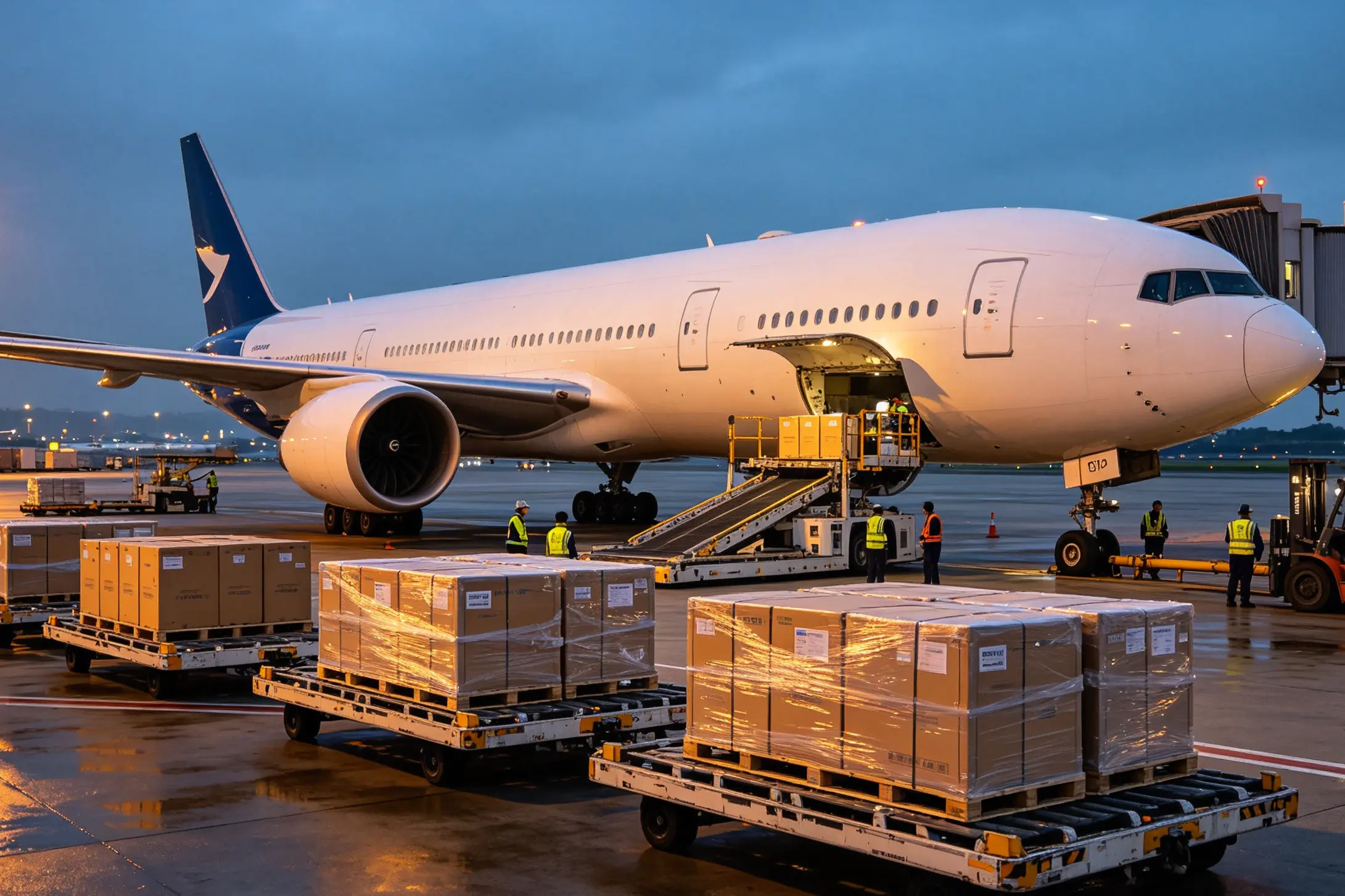
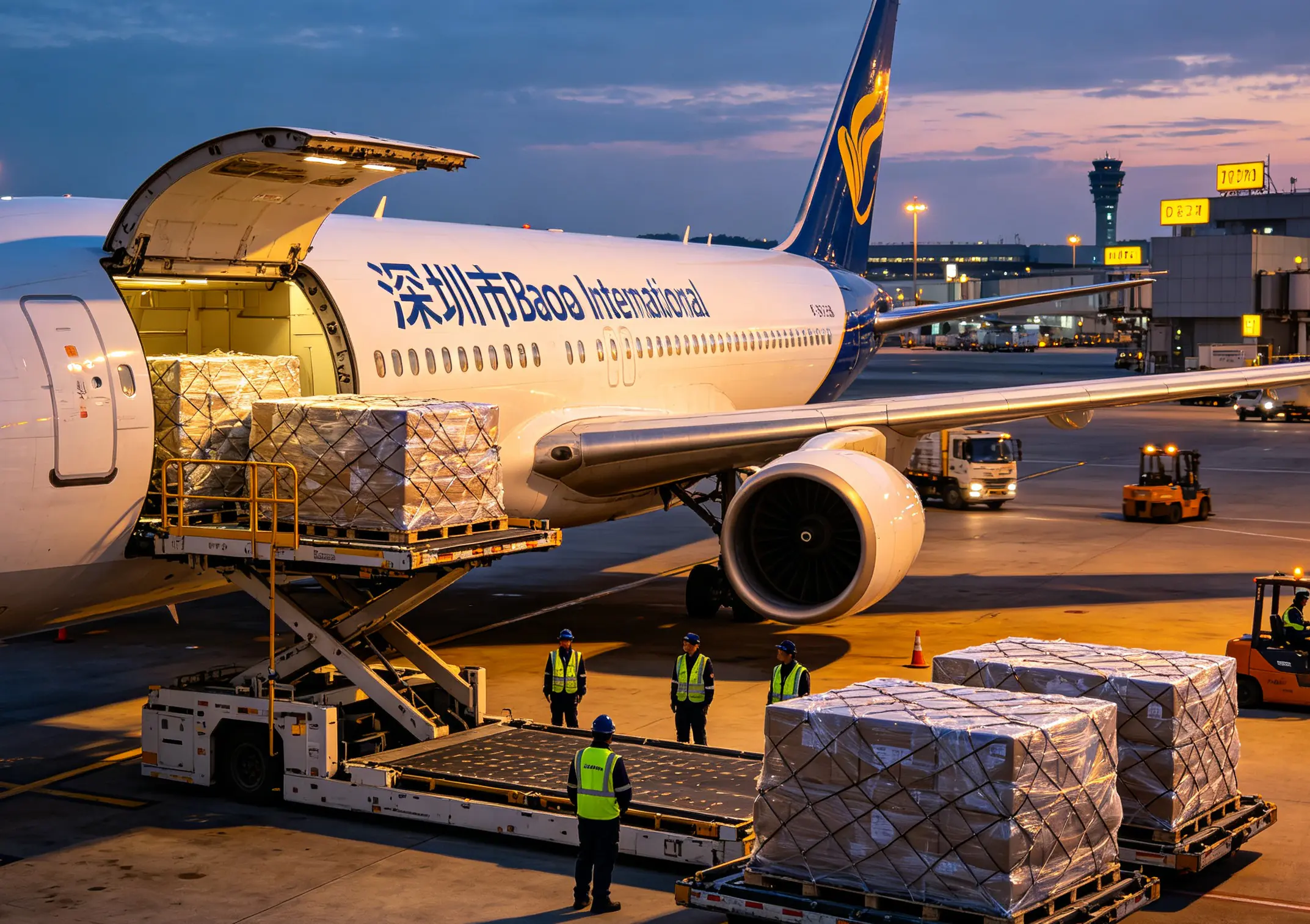
Standard Air Freight
This is for larger shipments (e.g., 500kg of electronics) shipped on commercial or cargo planes.
- Transit Time: 3–8 Days (Airport-to-Airport) + 2-3 days for pickup/delivery.
- Process: You or your forwarder (Efanda) must arrange local trucking and formal customs clearance.
- Routing:
- Direct Flights (e.g., PVG to SYD): ~10 hours flight time.
- Indirect Flights (e.g., via Hong Kong or Singapore): Adds 2-3 days but saves money.
Dedicated Air Charter
For project cargo or emergencies (e.g., factory line-down parts).
- Transit Time: <24 Hours (Flight time) + Handling.
- Cost: Extremely high. Only for critical situations.
4. 5 Factors Affecting Shipping Time from China to Australia
Even the best plans can be derailed. In our experience at Efanda, these are the top 5 reasons shipments get delayed.
1. Peak Seasons
Shipping is seasonal. During peak times, demand exceeds capacity, leading to “rolled” cargo (bumped to the next ship).
- Chinese New Year (CNY): Late Jan / Early Feb. Factories close for 3-4 weeks. Impact: +14 days delay if you miss the pre-holiday cutoff.
- Golden Week: First week of October.
- Christmas Rush: October to December. Bookings must be made 3 weeks in advance.
2. Australian Biosecurity & Customs (DAFF)
Australia has the strictest biosecurity laws in the world to protect its unique ecosystem.
- BMSB Season (Stink Bug): From September 1st to April 30th, the Department of Agriculture, Fisheries and Forestry (DAFF) enforces strict measures.
- China Specifics: While China is classified as an “Emerging Risk Country” (unlike Europe/USA which are “Target Risk”), goods are subject to random onshore inspections.
- Impact: If selected for inspection, expect a 2-5 day delay at the port.
- Organic Materials: Wood packaging, food, or plant products will trigger a DAFF inspection. If bugs are found, your cargo could be re-exported or destroyed.
3. Weather Conditions
- Typhoons (July-September): Common in South China (Shenzhen/Hong Kong), causing port closures for 1-3 days.
- Cyclones (Jan-March): Can affect Queensland and Northern Australia ports.
4. Documentation Errors
The most preventable delay.
- Common Mistakes: Missing HS Codes, incorrect value declarations, or wood packaging declarations (ISPM 15 Standards).
- Result: Customs holds the cargo until paperwork is amended.
5. Port Congestion
While improved since 2022, strikes (like the DP World disputes) or labor shortages at terminals in Sydney and Melbourne can still cause vessels to wait at anchor for days before unloading.
5. Australia Customs Clearance Time and Process
Your goods have arrived in Sydney! But they aren’t yours yet. They belong to the Australian Border Force (ABF) until cleared.
- Standard Clearance: 1–2 days.
- If your Commercial Invoice, Packing List, and Packing Declaration are submitted before the ship arrives (Pre-Clearance), goods can be released almost immediately upon discharge.
- Quarantine Inspection: Adds 3–7 days.
- If DAFF orders an inspection (tailgate or unpack), your container goes to a bonded depot. You must wait for an officer to be available.
- Import Duty & GST Payment:
- Australian Border Force (ABF) will not release cargo until Duty and GST are paid.
- Expert Note: While the standard duty rate is 5%, imports from China often qualify for 0% Duty under the China-Australia Free Trade Agreement (ChAFTA) if you have a valid Certificate of Origin (COO).
- Pro Tip: Use a freight forwarder with a Deferment Account to speed up GST payments.
Do you need a Customs Broker?
Yes. For any import valued over AUD 1,000, you are legally required to submit a full Import Declaration (N10 form). This is complex and best handled by a licensed broker.
6. How to Speed Up Shipping from China to Australia (Pro Tips)
Time is money. Here is how Efanda helps clients shave days off their lead time:
- Book in Advance: Don’t wait until production is finished. Book your container 2 weeks before the “Cargo Ready Date” to secure a spot on a direct vessel.
- Use DDP Services: “Delivered Duty Paid” means the forwarder handles the entire legwork—shipping, duties, and delivery. You just sign for the goods. This eliminates communication lags between multiple parties.
- Choose Direct Vessels: Some cheaper carriers transship via Singapore or Port Kelang. This adds 7-10 days. Always ask for a “Direct Service” if speed matters.
- Pre-Clearance: Send your documents to your broker 7 days before arrival. Clear customs while the ship is still at sea.
- Proper Packaging: Ensure all wood pallets are ISPM 15 stamped and you have a valid “Packing Declaration”. This avoids quarantine holds.
7. Shipping Cost vs. Time: Best Way to Ship from China to Australia
Choosing the right mode is about finding your “Break-even Point”.
Comparison Table
| Feature | Express | Air Freight | Sea LCL | Sea FCL |
|---|---|---|---|---|
| Speed | ★★★★★ | ★★★★ | ★★ | ★★★ |
| Cost | $$$$ | $$$ | $ | $$ |
| Reliability | High | High | Medium | Medium |
When to Switch?
- 0 – 20 kg: Express is cheaper and faster.
- 20 – 150 kg: Air Freight becomes competitive.
- > 150 kg: Sea LCL is the most economical, unless urgent.
- > 15 CBM: Sea FCL (20ft Container) is the gold standard for value.
8. Conclusion: Reliable Shipping from China to Australia
Shipping from China to Australia doesn’t have to be a guessing game. While the ocean transit takes roughly 12–20 days, a smart importer plans for a 30–35 day door-to-door cycle to account for clearance and handling.
If you are launching a new product or restocking for Q4, reliability beats speed every time.
Efanda Logistics specializes in the China-Australia route. We know the ports, we know the regulations (yes, even the Stink Bugs), and we know how to get your goods cleared fast.
Ready to ship? Contact Us today for a quote that balances speed, cost, and peace of mind.
9. FAQ: Shipping from China to Australia
1. How long does a container take from Shenzhen to Sydney?
The port-to-port sailing time is typically 12–15 days. However, door-to-door delivery usually takes 25–30 days including customs clearance and local trucking.
2. What is the cheapest shipping method from China to Australia?
Sea Freight (LCL) is the cheapest option for small shipments (1–15 cbm). For larger volumes (>15 cbm), Sea Freight (FCL) offers the lowest cost per unit.
3. Do I have to pay taxes on Alibaba orders to Australia?
Yes. If your goods are valued over AUD 1,000, you must pay 5% Import Duty (on most items) and 10% GST. For goods under AUD 1,000, GST may be charged by the marketplace (e.g., Alibaba) at checkout.
4. Why is my shipment stuck in customs?
The most common reasons are:
- Biosecurity Check: DAFF inspecting for bugs or soil.
- Missing Paperwork: No Packing Declaration or Commercial Invoice.
- Unpaid Duties: Funds haven’t cleared for tax payments.