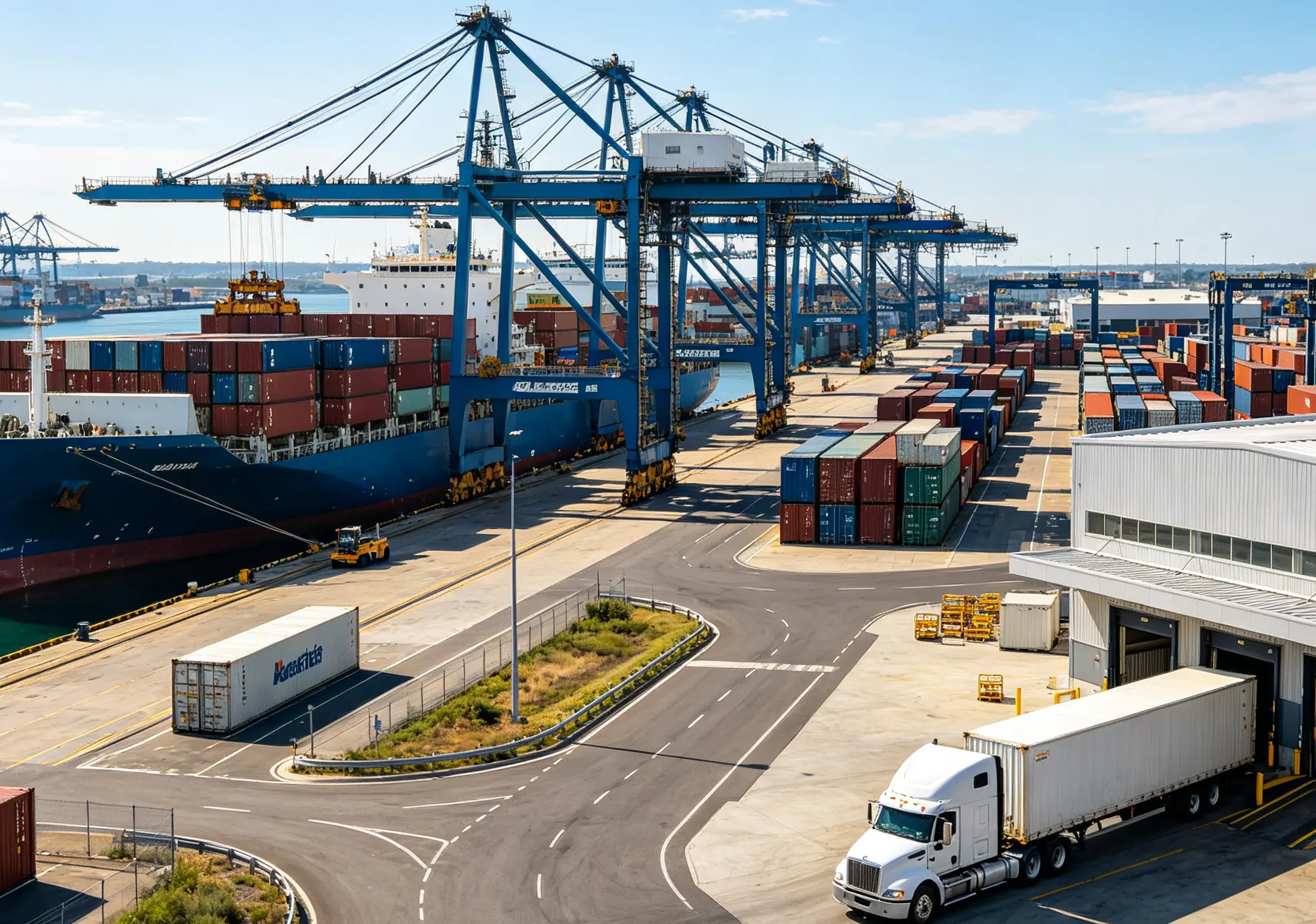
Are you struggling with the complexities of sending smaller cargo volumes to the United Kingdom? You are certainly not alone. In our years of experience at Efanda Logistics, managing LCL Shipping from China to the UK often feels like a maze of unpredictable costs and unexpected delays for many importers. From fluctuating ocean freight rates to hidden Container Freight Station (CFS) charges and Customs Clearance bottlenecks, these hurdles can quickly eat into the profit margins of B2B buyers and cross-border e-commerce sellers. This comprehensive guide will decode the true costs of LCL shipping, expose the hidden fee traps at destination ports, provide the latest 2026 transit times, and show you how to partner with the right freight forwarder to keep your supply chain both efficient and highly cost-effective.
1. What is LCL Shipping? (Consolidation & Groupage Basics)
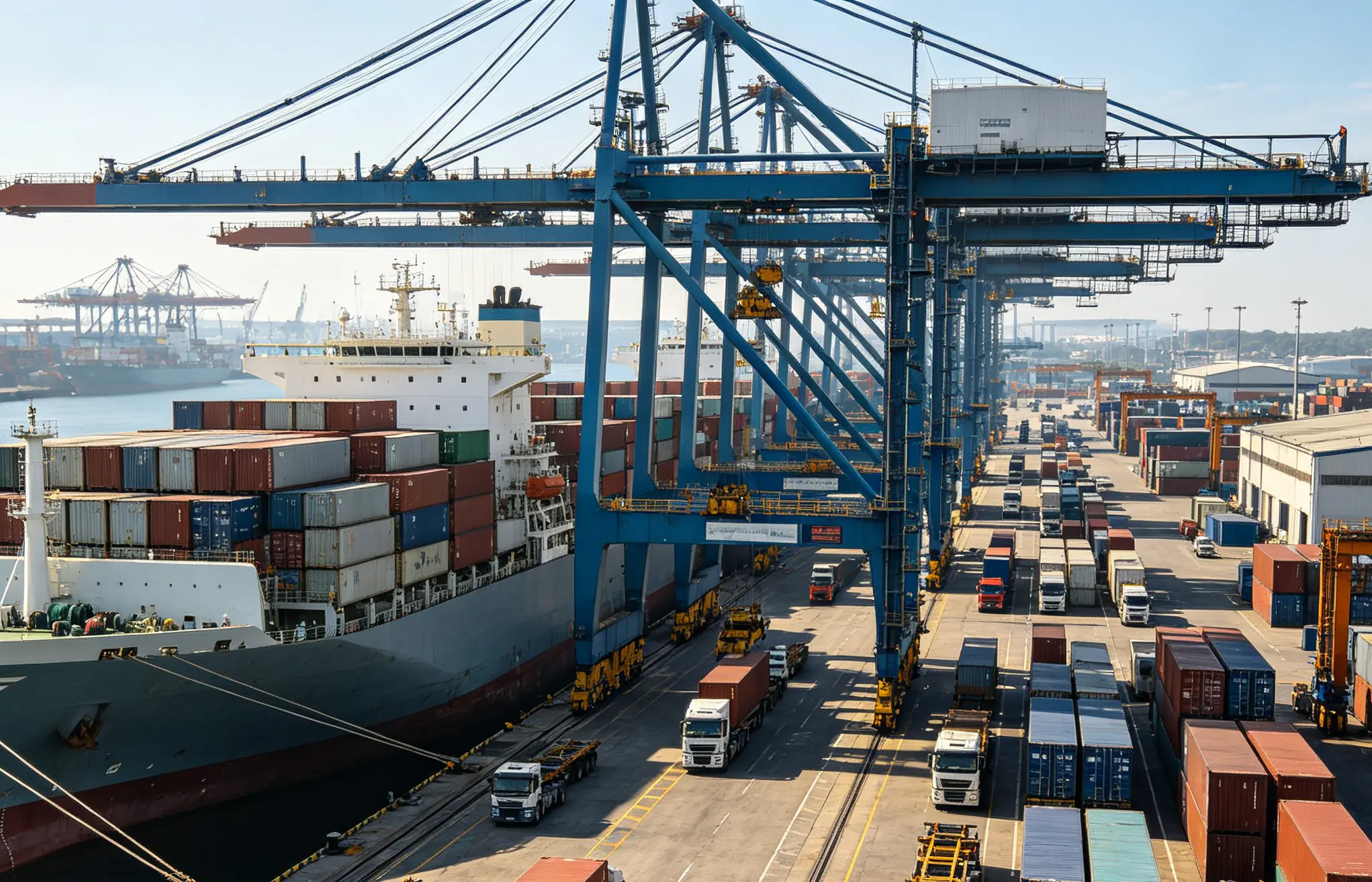
LCL stands for Less than Container Load. In the dynamic world of international trade, not every importer has enough cargo to fill an entire 20-foot or 40-foot shipping container. When your shipment volume falls short of a full container, LCL shipping provides a practical and economical solution for shipping from china to uk. By sharing container space with other shippers who are also sending goods to the same destination, you only pay for the exact volume your cargo occupies. In the UK market, you will frequently hear this method referred to as Consolidation shipping or Groupage freight.
The mechanics of LCL shipping involve several additional steps compared to full container shipments, primarily because multiple consignments must be merged and later separated. Understanding this core process is essential for managing your logistics timeline effectively.
Here is the standard workflow for an LCL shipment:
- Factory Pickup: Your freight forwarder arranges for a truck to pick up your manufactured goods from the supplier’s facility in China (e.g., in Shenzhen, Guangzhou, or Yiwu).
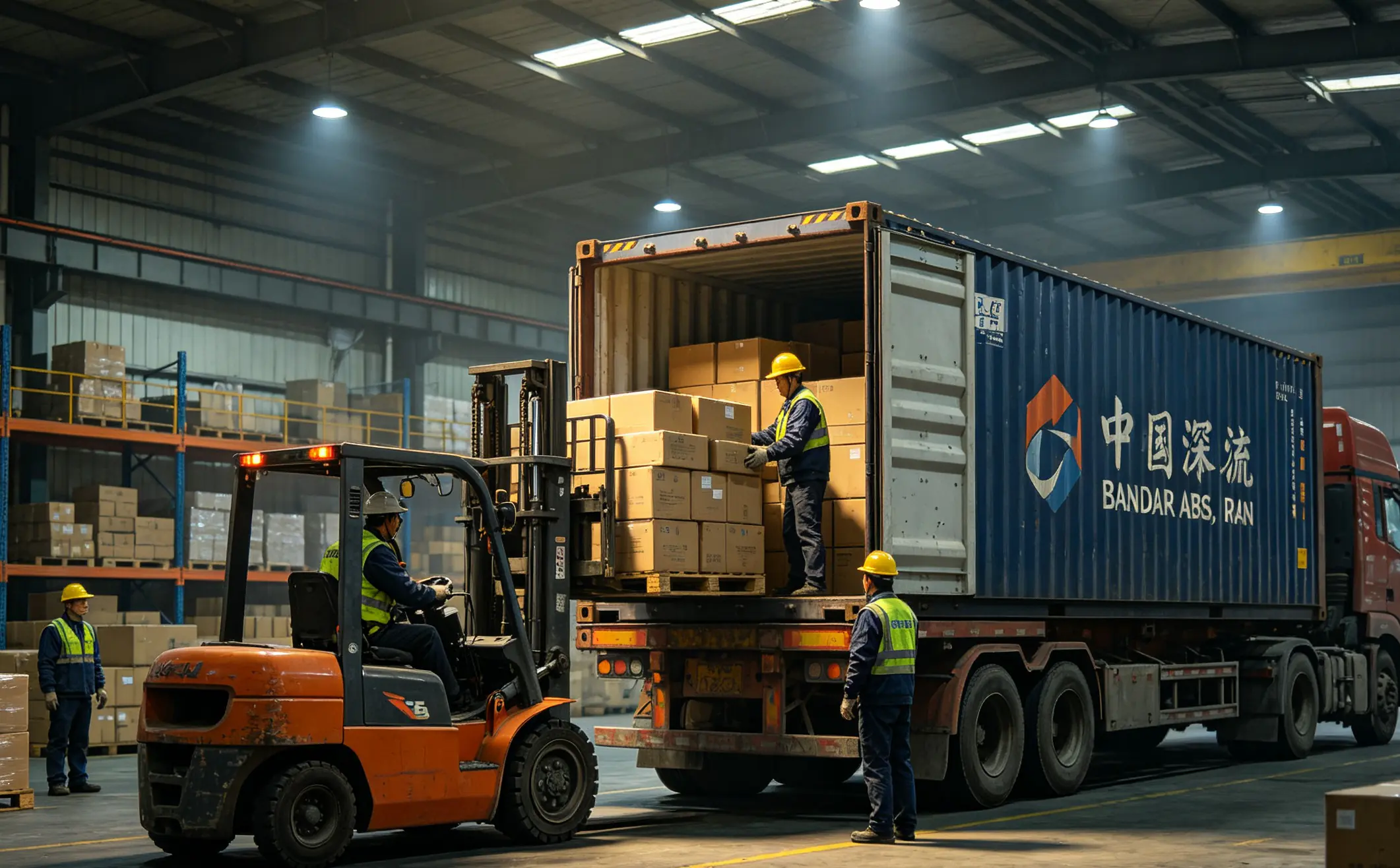
- Origin CFS Consolidation: The cargo is transported to a Container Freight Station (CFS) at the Chinese port of departure. Here, warehouse staff carefully load your goods into a single container alongside shipments from other companies heading to the UK.
- Ocean Freight: The fully loaded consolidated container is loaded onto a cargo vessel and begins its ocean transit to a UK port, such as Southampton or Felixstowe.
- Destination CFS Deconsolidation: Upon arrival in the UK, the container is moved to a local CFS. The container is unsealed, and the various shipments are meticulously unpacked and separated (deconsolidated).
- Final Delivery: After clearing UK customs, your specific cargo is loaded onto a domestic truck and delivered to your final destination, whether that is a private warehouse or an amazon fba fulfillment center.
Because of the physical handling required at both the origin and destination CFS facilities, LCL shipping inherently requires a few extra days of processing time. However, the immense cost savings for smaller volumes make it an indispensable tool for modern global supply chains.

2. LCL Shipping Cost per CBM from China to UK: Decoding Hidden Fees
One of the most critical aspects of importing is understanding exactly how your freight is priced. LCL shipping cost per CBM from China to UK is the standard metric used across the industry. CBM stands for Cubic Meter, and mastering its calculation is your first defense against overcharging.
CBM Calculation: The Foundation of LCL Pricing
In LCL shipping, carriers charge based on either the actual volume (CBM) or the gross weight of the cargo, whichever yields a higher revenue. This is known as the weight/measure (W/M) rule. The standard conversion ratio in ocean freight is typically 1 CBM = 1,000 kilograms (1 metric ton).
To calculate your CBM, you simply multiply the dimensions of your packaged cargo in meters:
Length (m) × Width (m) × Height (m) = CBM
For example, if you are shipping 5 pallets, and each pallet measures 1.2m x 1.0m x 1.5m:
1.2 × 1.0 × 1.5 = 1.8 CBM per pallet.
1.8 CBM × 5 pallets = 9.0 CBM total.
If these 5 pallets weigh 3,000 kg (3 tons), the carrier will charge you based on the 9.0 CBM volume, because the dimensional weight (9) is greater than the actual weight (3).
Ocean Freight vs. Local Charges
When reviewing a freight quote, it is vital to separate the base ocean freight from the local charges. To understand the complete shipping cost from china to uk, note that as of August 2026, standard ocean freight rates for LCL shipments from major Chinese ports to the UK hover around $55 per CBM. While this base rate might seem incredibly cheap, the real financial impact often lies in the local charges applied at both ends of the journey.
Decoding Hidden Fees: The CFS Trap
Many inexperienced importers fall victim to predatory pricing structures at the destination port. Some unscrupulous forwarders offer artificially low (or even zero) origin ocean freight rates, only to compensate by inflating the CFS (Container Freight Station) charges once the cargo arrives in the UK.
At major UK ports like Felixstowe, London Gateway, or Southampton, standard destination charges should include terminal handling, deconsolidation fees, and basic documentation fees. However, hidden markups can quickly escalate these costs. Furthermore, if your cargo is not collected promptly after deconsolidation, you will face exorbitant Demurrage & Detention (D&D) fees—penalties charged for using the warehouse space beyond the allotted free time.
Our Industry Insights: How to Secure the Cheapest LCL Shipping from China to UK
“The cheapest upfront quote is rarely the cheapest final invoice. We frequently rescue clients who were lured by ‘free’ ocean freight, only to be slapped with £500+ in unexpected destination CFS fees in the UK. At Efanda Logistics, we provide transparent, all-inclusive quotations. We break down the exact origin costs, ocean freight, and UK local charges before you book. To truly optimize costs, insist on a comprehensive door to door shipping quote so you know your total landed cost down to the penny, with zero hidden surprises.”
3. LCL Shipping vs FCL Shipping China to UK: Which is Better?
As your business scales, you will inevitably face the dilemma of choosing between LCL shipping vs FCL shipping China to UK. Making the wrong choice can lead to wasted container space or unnecessarily high consolidation fees. For a deeper dive into the differences across all shipping routes, check out our guide on fcl vs lcl shipping.
The Volume Threshold
The general rule of thumb in the logistics industry is the 15 CBM threshold.
- Under 15 CBM: LCL is almost always the more cost-effective choice. You share the costs and only pay for what you use.
- Over 15 CBM: It is time to compare quotes for a 20-foot FCL (Full Container Load). A standard 20GP container holds roughly 28-30 CBM of usable space. Even if your cargo only measures 18 CBM, renting the entire FCL container might be cheaper than paying the LCL per-CBM rate and the associated heavy CFS handling fees at the destination.
Direct Comparison: LCL vs. FCL
| Feature | LCL (Less than Container Load) | FCL (Full Container Load) |
|---|---|---|
| Cost Structure | Priced per CBM or Metric Ton. Best for small volumes. | Flat rate per container (20GP, 40GP, 40HQ). Best for bulk. |
| Transit Time | Slower (requires consolidation & deconsolidation). | Faster (direct loading and unloading). |
| Handling & Risk | Higher handling frequency. Cargo is packed with other goods, slightly increasing damage risk. | Lower handling frequency. The container is sealed at the factory and opened at your warehouse. |
| Customs Clearance | If one shipment in the shared container has customs issues, the entire container may be delayed. | Independent clearance. Delays are solely dependent on your own paperwork. |
| Flexibility | Highly flexible for frequent, smaller inventory replenishments. | Requires significant inventory capital to fill a container. |
Decision Recommendations
If you are shipping high-value, fragile, or extremely time-sensitive goods, FCL provides superior security and speed, even if the container is only partially full. Conversely, if you are a growing e-commerce brand testing new products or managing steady, smaller restocks, LCL remains the undisputed champion of cash flow efficiency.

4. LCL Shipping Time from China to UK: What to Expect in 2026
When planning your inventory cycles, accurate transit time estimations are non-negotiable. If you frequently ask how long does shipping take from china to uk, be aware that LCL shipping time from China to UK is heavily influenced by port congestion, chosen shipping routes, and global geopolitical events.
Port-to-Port vs. Door-to-Door
It is crucial to distinguish between port-to-port and door-to-door timelines.
- Port-to-Port: This measures the time the vessel spends on the water. For China to the UK, this traditionally takes 25 to 28 days.
- Door-to-Door: This encompasses the entire journey, including origin pickup, CFS consolidation, ocean transit, destination deconsolidation, customs clearance, and final delivery. For LCL, you should realistically plan for a 40 to 50-day window.
2026 Market Dynamics: The Red Sea Impact
In 2026, global shipping continues to feel the aftershocks of geopolitical instability. The ongoing disruptions in the Red Sea and the Bab-el-Mandeb Strait have forced many major ocean carriers to suspend routes through the Suez Canal. Instead, vessels are rerouting around the Cape of Good Hope in Africa. This massive detour adds approximately 10 to 14 days to the port-to-port transit time. Consequently, a journey that once took 28 days on the water may now take up to 40 days before even reaching the UK port.
Estimated LCL Transit Times (Door-to-Door)
| Origin Port (China) | Destination Port (UK) | Estimated Time (Standard) | Estimated Time (Cape Routing) |
|---|---|---|---|
| Shenzhen (Yantian) | Southampton | 35 – 40 Days | 45 – 55 Days |
| Ningbo | Felixstowe | 36 – 42 Days | 46 – 56 Days |
| Shanghai | London Gateway | 35 – 40 Days | 45 – 55 Days |
| Guangzhou (Nansha) | Liverpool | 38 – 45 Days | 48 – 58 Days |
Real-Life Scenario: Managing Transit Delays
“With the Cape of Good Hope diversions extending transit times, predictability has become our clients’ top priority. Recently, a UK-based homeware retailer needed inventory urgently but couldn’t afford air freight. Our team at Efanda Logistics proactively split their 12 CBM order: we sent 2 CBM via expedited rail freight (taking just 14 days) to meet immediate demand, and shipped the remaining 10 CBM via traditional LCL ocean freight. This hybrid strategy saved their peak season sales without blowing their logistics budget.”
5. Mastering UK Customs Clearance and Incoterms for LCL
Navigating the bureaucratic landscape of international trade is often the most intimidating part of importing. For Customs clearance UK, strict adherence to post-Brexit regulations is mandatory. We strongly suggest reading the guide to import duties and taxes from china to uk to prevent your cargo from being impounded or delayed.
The Post-Brexit Landscape: EORI and CDS
According to HM Revenue & Customs (HMRC), to legally import goods into the UK, your business must possess a valid GB EORI number (Economic Operators Registration and Identification number). Without this, your goods cannot clear customs.
Furthermore, the UK has fully transitioned to the Customs Declaration Service (CDS), replacing the old CHIEF system. Ensure your freight forwarder is fully integrated with CDS. Additionally, UK importers must navigate Value Added Tax (VAT). Most businesses utilize Postponed VAT Accounting (PVA), which allows you to declare and recover import VAT on your regular VAT return, rather than paying it upfront at the port, significantly improving cash flow.
Choosing the Right Incoterms: FOB vs. EXW
Your choice of FOB / EXW incoterms dictates who is responsible for costs and risks at each stage of the journey.
- EXW (Ex Works): You, the buyer, are responsible for everything from the moment the goods leave the Chinese factory. You pay for the pickup truck, Chinese export customs, ocean freight, and all UK charges. This gives you maximum control but requires a highly capable freight forwarder.
- FOB (Free on Board): To understand what is fob shipping, you should know that the Chinese supplier covers the costs to transport the goods to the Chinese port and clear them for export. You only take over responsibility once the goods are loaded onto the vessel. FOB is generally the preferred and most cost-effective incoterm for LCL shipments, as local suppliers can often handle domestic Chinese logistics cheaper than foreign buyers.
Essential Documentation
To ensure a frictionless customs process, your Commercial Invoice & Packing List must be flawless. They must accurately detail the goods, the material composition, the exact quantities, the transaction value, and most importantly, the correct HS Code (Harmonized System Code). An incorrect HS Code can lead to heavy fines, delayed clearance, and incorrect duty payments.
6. Door to Door LCL Shipping from China to UK: The Hassle-Free Solution
For businesses that want to focus on growth rather than logistics, a Door-to-Door (D2D) approach for LCL shipping from China to the UK is the ultimate solution. This service model means your freight forwarder handles the entire supply chain—from the supplier’s warehouse floor in China to your facility’s loading dock in the UK.
Who Benefits Most from Door-to-Door?
This comprehensive service is particularly crucial for Amazon FBA UK logistics. Amazon fulfillment centers have notoriously strict requirements regarding pallet sizes, labeling, and delivery appointment scheduling. A minor packaging error or a missed delivery window can result in Amazon rejecting the shipment and levying severe non-compliance fees. A door-to-door forwarder experienced in FBA requirements will ensure your cargo is prepped, palletized, and delivered seamlessly.
The Efanda Logistics Advantage
Established in 2018 and headquartered in the bustling logistics hub of Shenzhen, Efanda Logistics specializes in providing end-to-end solutions for UK importers. Our Door-to-Door service eliminates the headache of coordinating multiple carriers, customs brokers, and trucking companies.
- Competitive Pricing: We leverage our strong carrier relationships to offer transparent, all-inclusive rates based on real market conditions, with zero hidden destination fees.
- Personalized Service: Every client is assigned a dedicated logistics specialist. You will never be bounced around a call center; you will have a single point of contact tracking your cargo 24/7.
- Cargo Insurance: We highly recommend and seamlessly facilitate comprehensive cargo insurance services through top-tier providers like Ping An or PICC, safeguarding your investment against the unpredictable nature of ocean transit.
- Direct Communication: We believe in total transparency. You can reach our Shenzhen headquarters directly at +86 18929345880 for immediate support.
7. FAQ
What is the Bill of Lading (B/L) process in LCL shipping?
The Bill of Lading (B/L) is the most important document in shipping, acting as a receipt for the cargo and a contract of carriage. In LCL shipping, the carrier issues a Master Bill of Lading (MBL) to the freight forwarder for the entire container. The forwarder then issues a House Bill of Lading (HBL) to you for your specific cargo. To claim your goods in the UK, you must present the HBL (either a physical original or a Telex Release) to the destination agent.
What happens if my LCL cargo is damaged during consolidation?
Because LCL involves more physical handling than FCL, the risk of minor damage is slightly higher. If damage occurs, you must note it on the delivery receipt immediately upon arrival and take photographic evidence. This is why purchasing comprehensive Cargo Insurance before departure is critical—it ensures you are financially protected regardless of where the damage occurred in the supply chain.
Can I ship batteries or Hazardous Materials (Hazmat) via LCL?
Yes, but it is highly regulated. Shipping dangerous goods via LCL requires specialized handling, strict segregation from incompatible cargo, and extensive documentation (like an MSDS – Material Safety Data Sheet). Not all LCL consolidators accept hazmat cargo, and it generally incurs a premium surcharge. Always declare dangerous goods to your forwarder well in advance.
8. Conclusion
Successfully managing LCL Shipping from China to the UK requires a blend of meticulous planning, financial vigilance, and regulatory compliance. By understanding how to accurately calculate your CBM, proactively identifying hidden CFS destination fees, and ensuring your documentation aligns with the UK’s CDS requirements, you can protect your profit margins and maintain a resilient supply chain.
While the logistics landscape in 2026 presents unique challenges—from volatile transit times to evolving customs protocols—you do not have to navigate them alone. (Disclaimer: Ocean freight rates and transit times are subject to frequent fluctuations based on global market conditions; always request a real-time quote for your specific shipment.)
Are you ready for a truly hassle-free, cost-effective shipping experience? Stop worrying about hidden fees and unpredictable delays. Contact Efanda Logistics today to get a transparent, comprehensive door-to-door quote from China to the UK, and let our dedicated experts streamline your global trade.