Are you a Spanish importer sourcing electronics from Shenzhen? Or perhaps a furniture retailer in Madrid waiting for a container from Foshan? Shipping from China to Spain is the backbone of trade between Asia and Southern Europe, with bilateral trade volumes exceeding €40 billion annually. However, the logistics landscape in 2026 is fraught with complexity. From the lingering effects of the Red Sea crisis forcing vessels around Africa to the January 2026 tariff adjustments, navigating this route requires more than just booking a container—it requires a strategic partner.
If you are wondering, “How much does a 40ft container cost from Shanghai to Valencia in 2026?” or “What documents do I need to clear customs in Barcelona?”, you have come to the right place. This comprehensive guide, written by industry experts at Efanda Logistics, covers everything you need to know: real-time freight rates, transit time volatility, customs compliance (including the crucial EORI number and DUA), and how to avoid hidden “demurrage” fees.

Shipping from China to Spain (2026 Snapshot)
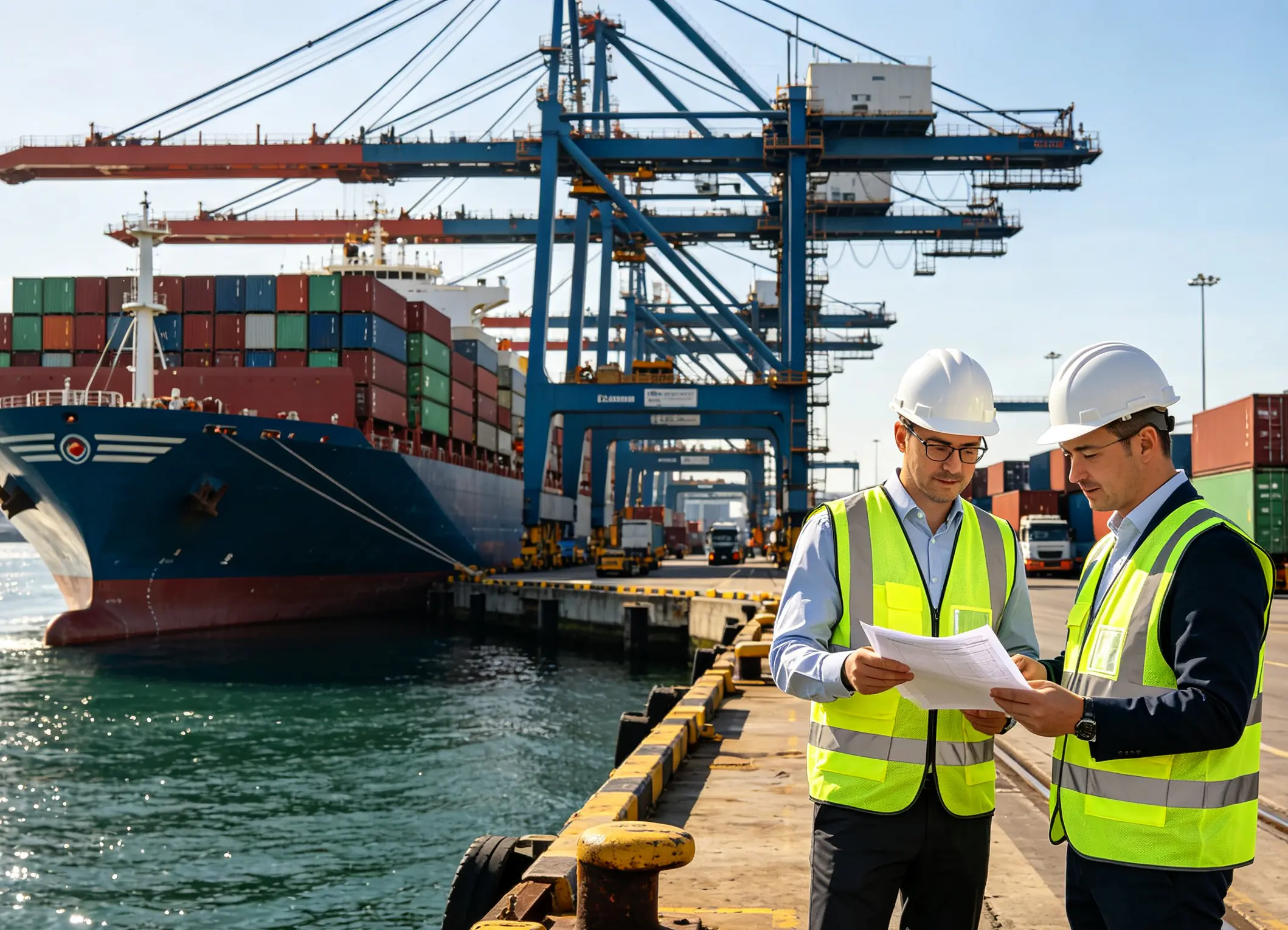
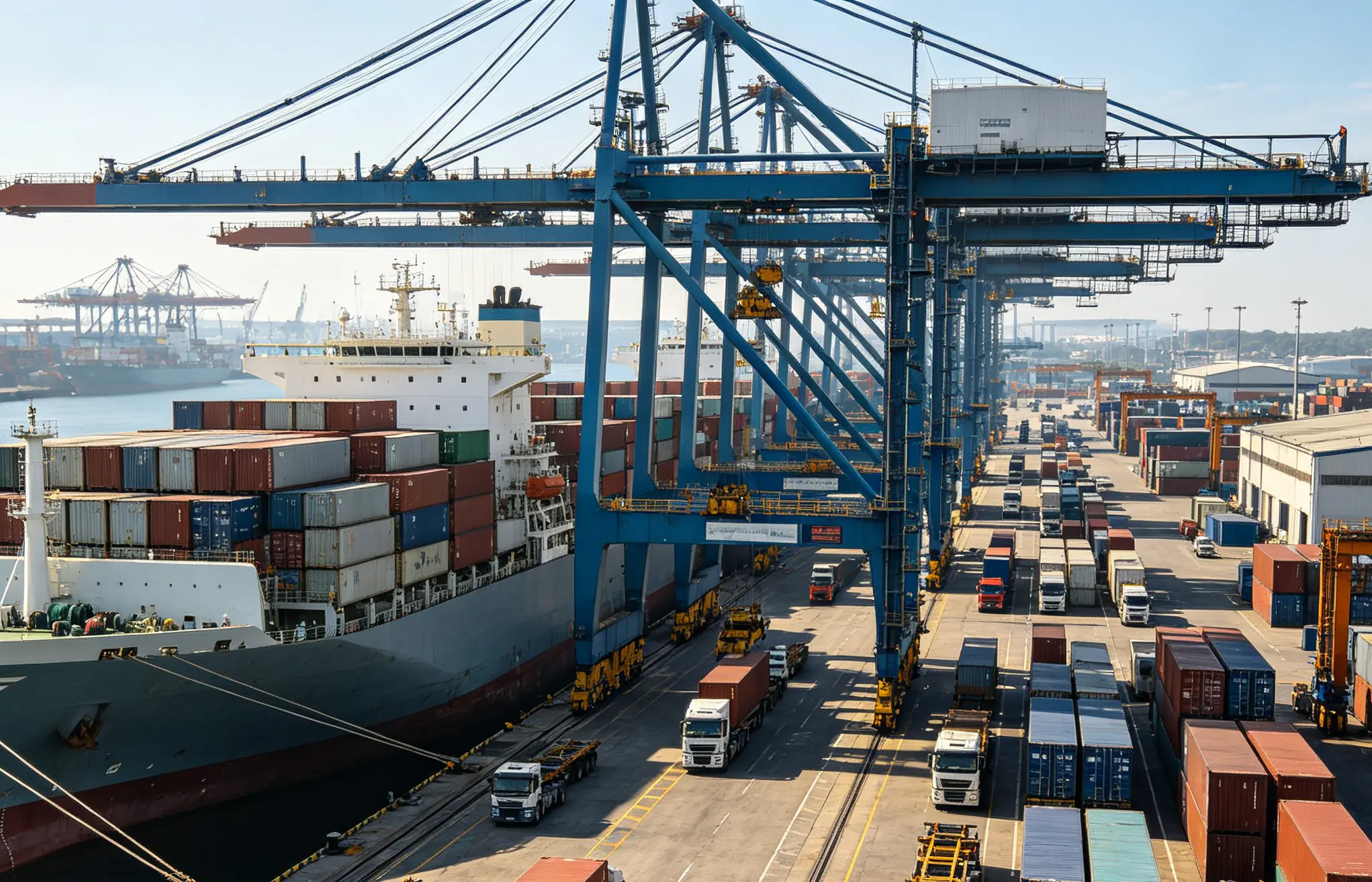
- Cheapest Shipping Method: Sea Freight (FCL for shipments >15 CBM; LCL for smaller loads).
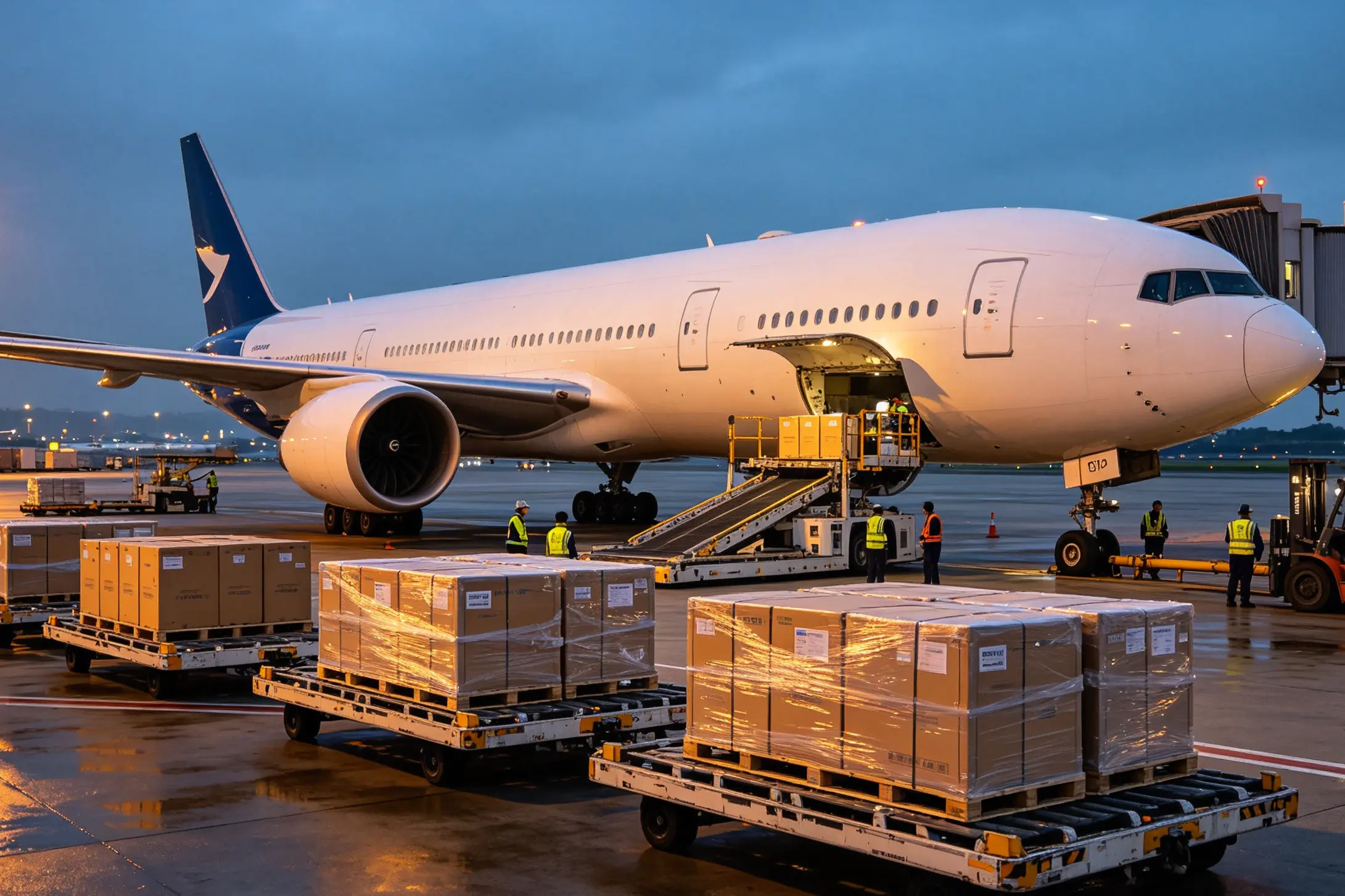
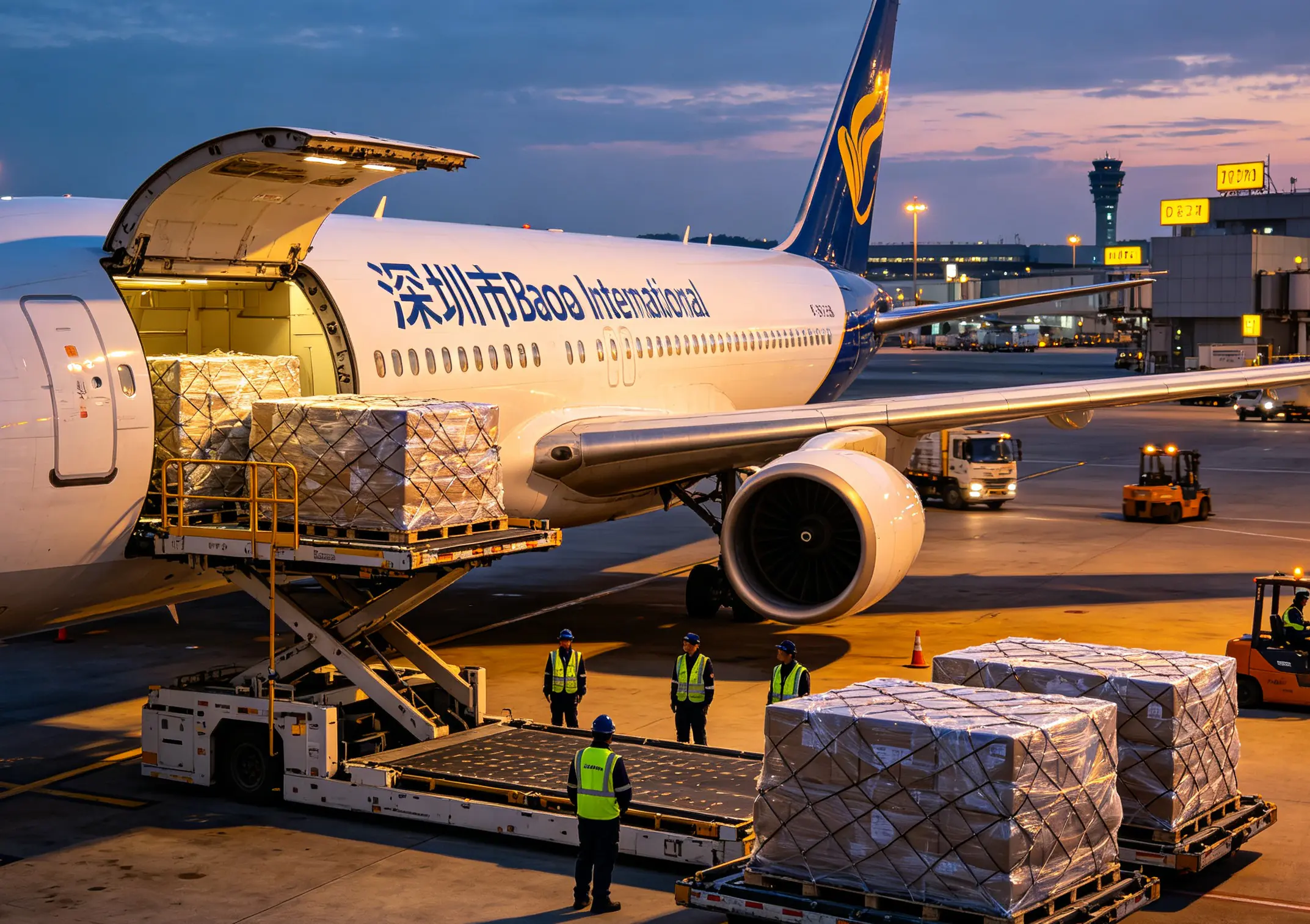
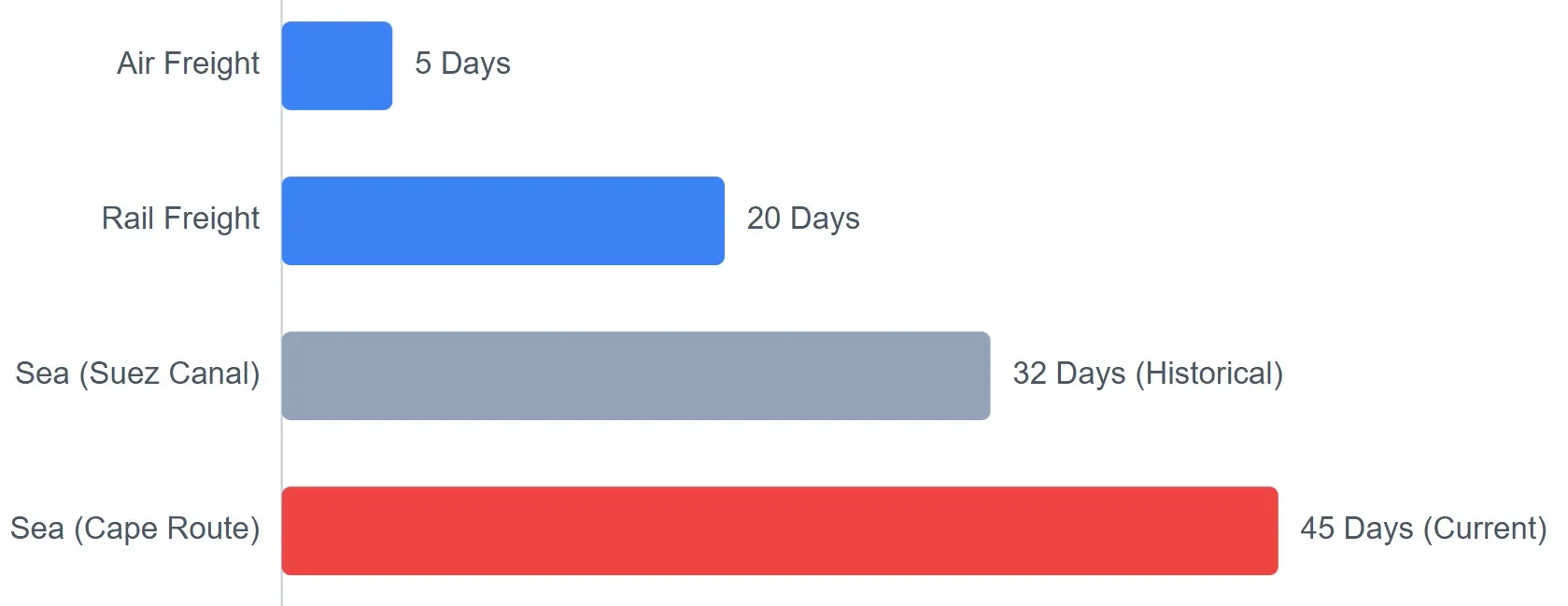
- Fastest Shipping Method: Air Freight (3-7 days) or Rail Freight (18-22 days via the Yiwu-Madrid Railway).
- Average Transit Time (Sea): 32-45 days. Note: Rerouting via the Cape of Good Hope adds ~12 days compared to the Suez Canal route.
- 2026 Cost Trend: Ocean freight rates have surged ~35-40% in Q1 2026 due to equipment shortages and war risk surcharges.
- Key Ports: Shanghai, Ningbo, Shenzhen (China) ➔ Valencia, Barcelona, Algeciras (Spain).
- Customs Duty: Spain applies EU tariffs (0-17%) plus 21% VAT (IVA) on the CIF value.
- Critical Document: The DUA (Documento Único Administrativo) is mandatory for all non-EU imports.
1. 2026 Market Update: Why Are Rates & Times Fluctuating?
Target Keyword: Shipping from China to Spain 2026
The shipping market in 2026 is defined by volatility. Unlike the stable rates of pre-2020, importers today must navigate a “new normal” influenced by geopolitical and operational factors.
The Red Sea Crisis Continues
As of February 2026, major shipping alliances (like Ocean Alliance and Premier Alliance) continue to divert vessels away from the Suez Canal due to security risks. Instead of sailing through the Mediterranean, ships traverse the southern tip of Africa (Cape of Good Hope).
- Impact on Time: This detour adds approximately 3,500 nautical miles and 10-14 days to the transit time.
- Impact on Cost: Carriers impose “War Risk Surcharges” and higher fuel (bunker) costs, pushing rates up.
Equipment Shortages in China
With longer transit times, containers are tied up at sea for longer periods. This has led to a shortage of empty containers (especially 40HC) in major Chinese export hubs like Ningbo and Shanghai.
- Strategy: Efanda recommends booking your shipment 3-4 weeks in advance to secure space and equipment.
2. Sea Freight Options: FCL vs. LCL
Target Keyword: FCL vs LCL shipping to Spain
Choosing between FCL (Full Container Load) and LCL (Less than Container Load) is the first major decision you will make. It impacts your cost, speed, and risk of damage.
FCL (Full Container Load)
FCL is when you hire the entire container for your goods. You don’t need to fill it completely, but you pay for the whole box.
- Best For: Shipments over 15 CBM or when you want to minimize handling risk.
- Container Types:
- 20ft General Purpose (20GP): Capacity ~33 CBM. Ideal for heavy, dense cargo like machinery, metals, or ceramic tiles.
- 40ft General Purpose (40GP): Capacity ~67 CBM. Ideal for textiles, furniture, and toys.
- 40ft High Cube (40HQ): Capacity ~76 CBM. The standard for most general merchandise.
LCL (Less than Container Load)
LCL involves sharing container space with other shippers. Your cargo is consolidated at the port of origin and deconsolidated at the destination.
- Best For: Small shipments between 1 CBM and 15 CBM.
- The Cost Trap: While the freight rate might look low (e.g., $50/CBM), destination charges in Spain (unloading, handling) can be high.
- Efanda Tip: If your shipment is >15 CBM, FCL is almost always cheaper than LCL, even if you ship “air” (empty space).
3. Major Ports: Connecting China to Spain
Target Keyword: Sea ports in Spain and China
Selecting the right port pair can save you hundreds of Euros in inland trucking fees.
Top Chinese Ports of Loading (POL)
- Shanghai: The world’s busiest port. Ideal for suppliers in Jiangsu, Zhejiang, and Shanghai.
- Shenzhen (Yantian/Shekou): The gateway for the Pearl River Delta. Best for electronics and high-tech goods.
- Ningbo-Zhoushan: Excellent for heavy industrial goods and raw materials.
Top Spanish Ports of Discharge (POD)
- Valencia (Valenciaport): Spain’s #1 Container Port. According to Valenciaport Authority, it handled over 5.6 million TEUs in 2025, with China remaining its top trading partner. It is the best gateway for goods destined for Madrid (connected by rail and truck) and Central Spain.
- Barcelona: The hub for Catalonia, one of Spain’s wealthiest regions. It also serves Southern France and the Balearic Islands. Ideal for automotive parts and fashion.
- Algeciras: A major transshipment hub in Andalusia (South). Best for local distribution in the south or transit to North Africa.
- Bilbao: The gateway to the Basque Country and Northern Spain. Critical for industrial imports.
4. Transit Time: How Long Does It Take?
Target Keyword: Sea freight transit time China to Spain
“Transit Time” usually refers to Port-to-Port time. However, you must also account for inland transport and customs clearance.
Estimated Port-to-Port Times (2026 Rerouted Routes)
| Origin (China) | Destination (Spain) | Estimated Time (Days) |
|---|---|---|
| Shanghai | Barcelona | 32 – 38 days |
| Shanghai | Valencia | 30 – 35 days |
| Shenzhen | Barcelona | 28 – 33 days |
| Shenzhen | Valencia | 27 – 32 days |
| Ningbo | Algeciras | 35 – 40 days |
| Qingdao | Bilbao | 40 – 45 days |
The “Real World” Timeline
- Pickup in China: 1-3 days.
- Export Customs (China): 1-2 days.
- Waiting for Vessel: 3-7 days (Cut-off time).
- Sea Transit: 30-40 days.
- Import Customs (Spain): 1-3 days (if docs are correct).
- Final Delivery: 2-4 days.
- Total Door-to-Door: 45 – 60 Days.
5. Critical Compliance: Customs & Regulations in Spain
Target Keyword: Spanish customs import regulations
This is where most delays happen. Spain follows the Union Customs Code (UCC) of the European Union, but local enforcement by the Agencia Tributaria (Spanish Tax Agency) is strict.
1. The DUA (Documento Único Administrativo)
The DUA is the Single Administrative Document used for the declaration of imports. It contains all the details of the goods, their value, and origin.
- Who files it? Your customs broker (Agente de Aduanas) files this electronically via the AEAT system.
- Efanda Insight: Errors in the DUA (e.g., wrong HS Code) can lead to fines of 50% to 150% of the unpaid duty.
2. The EORI Number
Every business importing into Spain MUST have an EORI (Economic Operators Registration and Identification) number. It typically looks like ES followed by your VAT number (NIF).
- Without an EORI, your goods will be blocked at the border.
3. Duty & VAT Calculation
The cost of import is calculated on the CIF Value (Cost of Goods + Insurance + Freight).
- Import Duty (Arancel): Depends on the HS Code. You can verify your rate at the official EU TARIC Database.
- Electronics: 0%
- Furniture: 0% – 2.7%
- Clothing: 12%
- Anti-Dumping: Watch out for E-bikes and ceramics from China, which may face punitive duties up to 62.1%.
- VAT (IVA): Spain’s standard VAT rate is 21%.
- Formula:
(CIF Value + Import Duty) x 21%
- Formula:
4. SOIVRE Inspection
Certain goods (toys, textiles, shoes, electronics) require a SOIVRE (Official Service of Inspection, Surveillance and Regulation of Exports) certificate to ensure safety standards.
- Tip: Ensure your products have CE marking and proper labeling in Spanish (including manufacturer details).
6. Real-World Experience: The “Furniture Crisis” Case Study
Demonstrating our expertise in problem-solving.
The Situation: A client in Valencia ordered 3 containers of office chairs from Foshan. The supplier provided a “generic” HS code (9403.10) to save time.
The Problem: Upon arrival at the Port of Valencia, the Red Channel (inspection) was triggered. Customs flagged the chairs as potentially requiring a specific “non-toxic” certification for the upholstery fabric, which the supplier hadn’t provided. The goods were stuck, accruing Demurrage charges of €150/day per container.
The Efanda Solution:
- We immediately contacted our local customs broker in Valencia.
- We coordinated with the Chinese factory to obtain the fabric test reports (SGS) overnight.
- We re-classified the goods under the correct, specific TARIC code that matched the test reports.
- Result: The shipment was released in 4 days. While the client paid €600 in storage, we saved them from a potential re-export order or destruction of goods.
Lesson: Never trust generic HS codes. Always validate compliance before the ship sails.
7. Rail Freight: The “Iron Silk Road”
Target Keyword: China to Spain train
The Yiwu-Madrid Railway (Yixin’ou) is the world’s longest cargo train line, stretching 13,052 km across Kazakhstan, Russia, Belarus, Poland, Germany, and France.
- Route: Yiwu (China) ➔ Madrid (Spain).
- Transit Time: 18 – 22 Days.
- Cost: Approximately 2x Sea Freight, but 20% of Air Freight.
- Best For: High-value fashion, auto parts, or urgent stock replenishments that cannot wait 40 days but cannot afford air freight.
8. Cost Analysis: Shipping Rates (February 2026)
Target Keyword: Shipping cost China to Spain
Freight rates are dynamic. The following are estimated ranges for February 2026 based on the current market.
FCL Rates (Port-to-Port)
- 20ft Container: $2,900 – $3,600 USD
- 40ft / 40HQ Container: $4,300 – $5,300 USD
LCL Rates
- Ocean Freight: $80 – $130 USD per CBM.
- Minimum Charge: Usually 1 CBM ($130 minimum).
Hidden Costs & Surcharges
When budgeting, do not forget these additional fees:
- BAF (Bunker Adjustment Factor): A floating fuel surcharge.
- GRI (General Rate Increase): Often applied monthly during peak season.
- THC (Terminal Handling Charges): ~€200-€300 per container at the Spanish port.
- Documentation Fee: ~€50-€80 for Bill of Lading issuance.
- Customs Brokerage: ~€100-€150 per entry.
Efanda Insight: Always ask for an “All-In” quote to avoid surprises. DDP (Delivered Duty Paid) quotes include all these fees except for VAT/Duty (unless specified).
9. Step-by-Step Guide: How to Ship from China to Spain
- Source & Verify: Find a supplier (Alibaba, Canton Fair) and verify their legitimacy.
- Get Quotes: Ask for FOB price from supplier and Freight Quote from Efanda.
- Book Shipment: Confirm booking 3 weeks before “Cargo Ready Date”.
- Documents: Ensure supplier provides Commercial Invoice, Packing List, and Bill of Lading.
- Export Clearance: Goods leave China.
- Tracking: Monitor vessel status via Efanda’s portal.
- Pre-Alert: Send documents to Spanish customs broker 1 week before arrival.
- Arrival & Clearance: Customs broker files the DUA; you pay Duty/VAT.
- Delivery: Goods are trucked to your warehouse via container chassis or tautliner.
10. Why Choose Efanda for China-Spain Shipping?
At Efanda Logistics, we don’t just move boxes; we optimize supply chains.
- Local Knowledge: We navigate the complexities of Agencia Tributaria and SOIVRE inspections daily.
- Volume Rates: Our contracts with COSCO, MSC, and Maersk guarantee competitive rates even during peak seasons.
- DDP Expertise: We offer seamless Door-to-Door shipping to Madrid, Barcelona, Valencia, Seville, and more.
- Transparency: No hidden fees. What we quote is what you pay.
11. FAQ: Shipping from China to Spain
Q: Can I ship batteries or liquids to Spain?
A: Yes, but they are classified as Dangerous Goods. You must provide an MSDS (Material Safety Data Sheet) and UN38.3 test report. Shipping will be strictly via FCL or specialized LCL Dangerous Goods services.
Q: Do I need to pay VAT if I am a business?
A: Yes, you pay Import VAT (21%) at customs. However, if you are a registered VAT payer in Spain, you can reclaim this amount in your quarterly tax return (Modelo 303).
Q: What is the “Form A” Certificate of Origin?
A: It allows you to claim reduced duty rates under the GSP (Generalized System of Preferences). However, note that China has “graduated” from GSP for many products, so check with us if it still applies to your goods.
Q: How much does air freight cost from China to Spain?
A: Air freight typically costs $5 – $8 per kg, depending on the weight (cheaper for >500kg) and urgency. It takes 3-7 days.
Ready to ship? Contact Efanda Logistics today for a free, no-obligation quote. Let us handle the logistics so you can focus on growing your business in Spain.